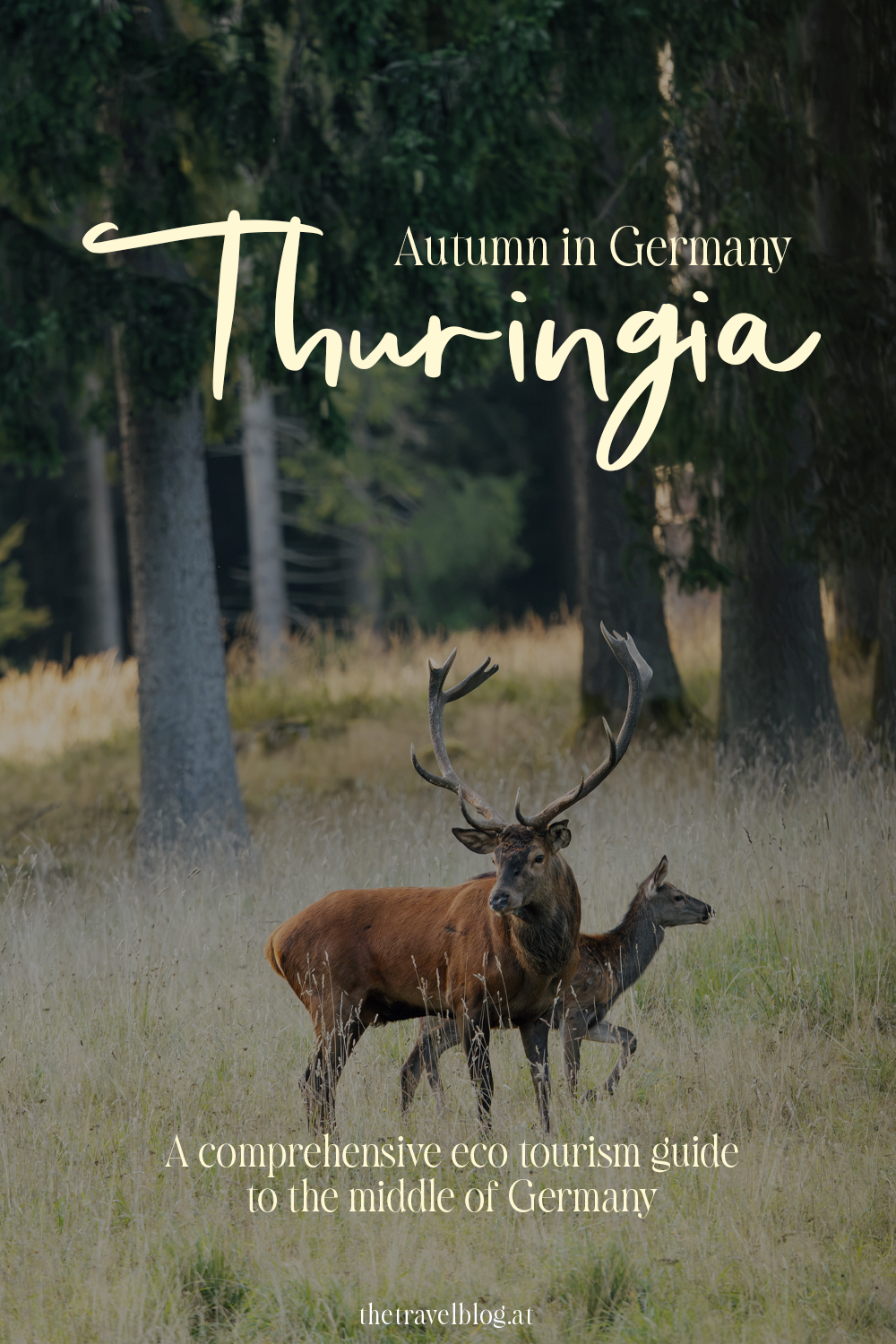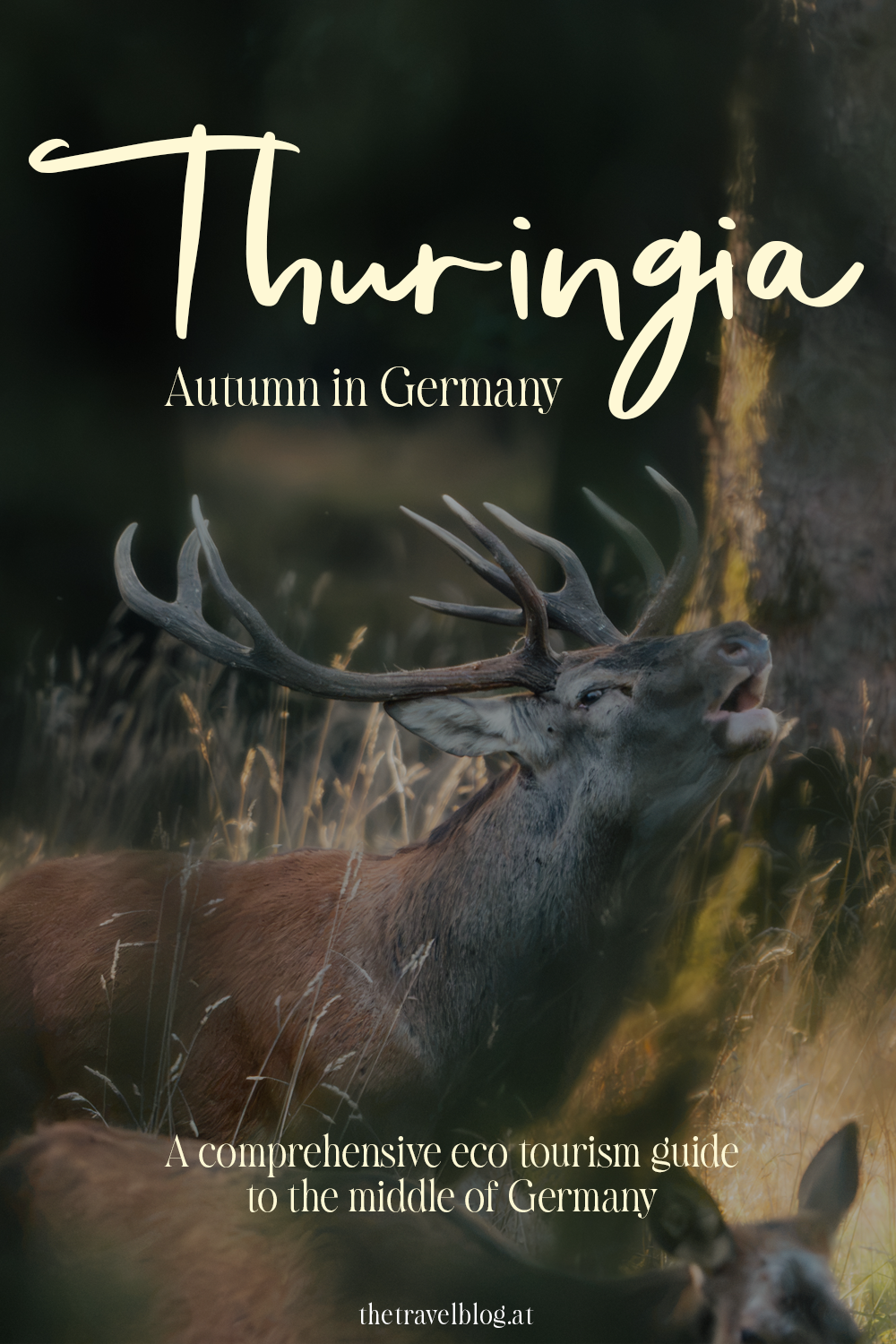
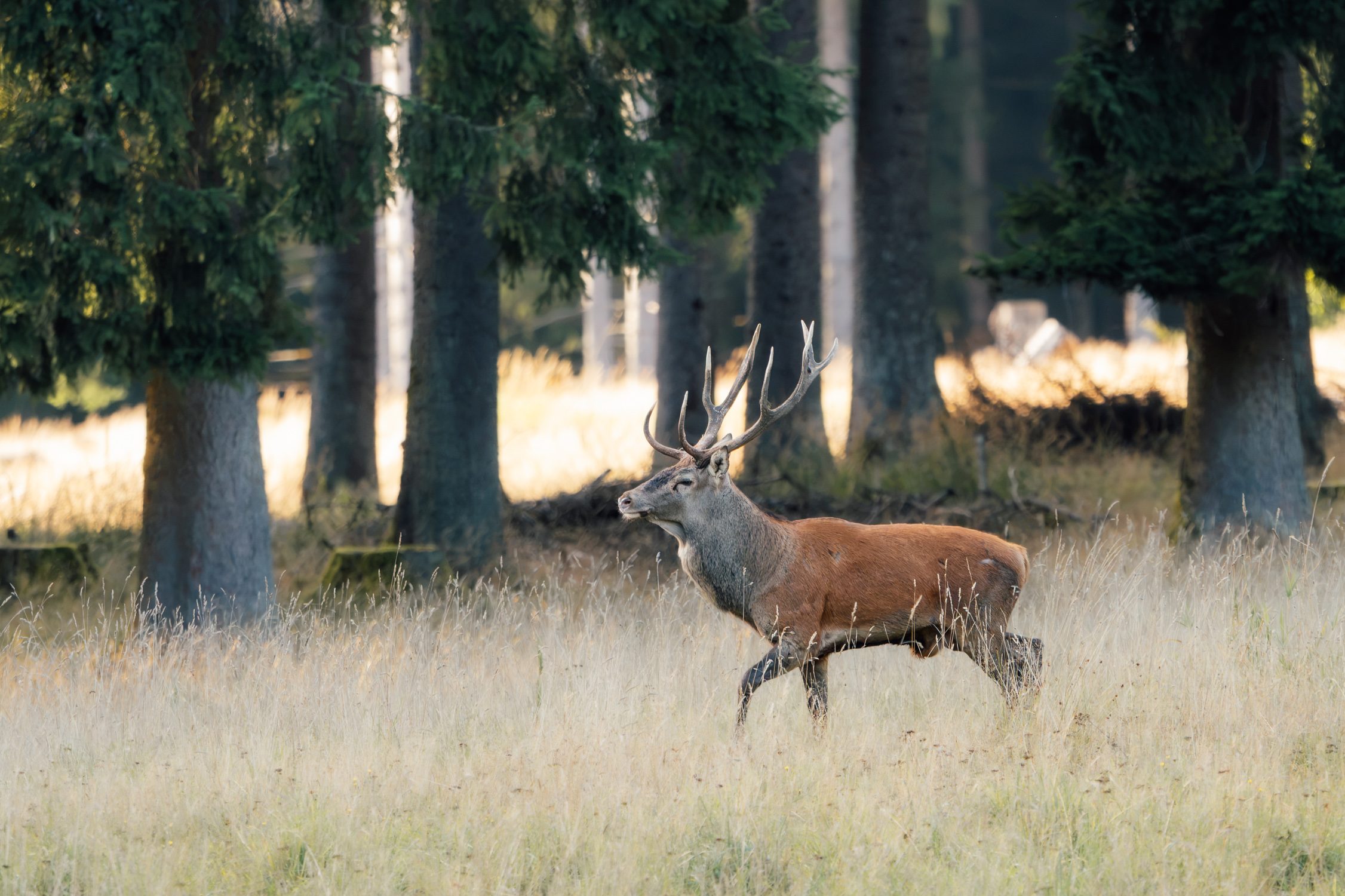
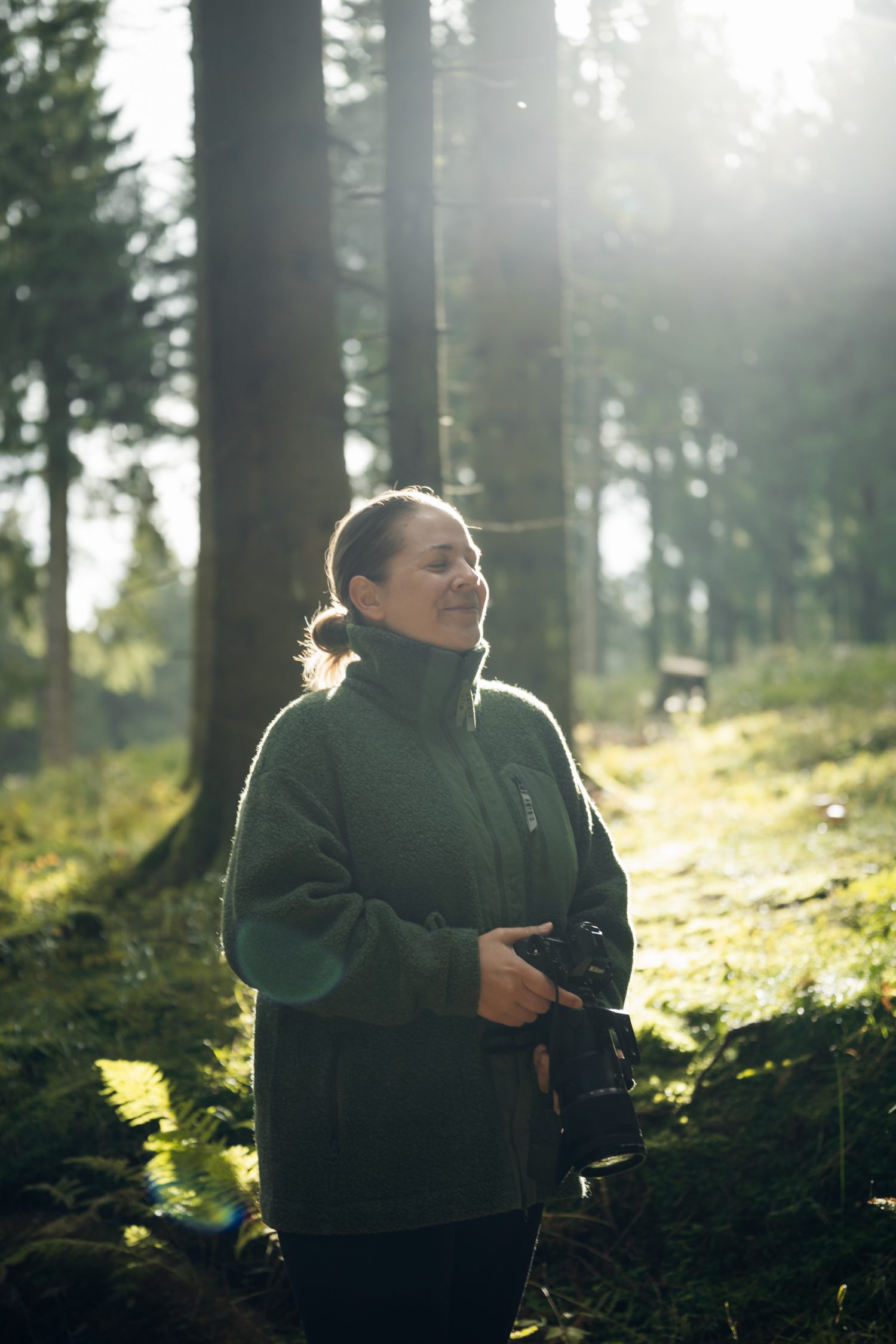
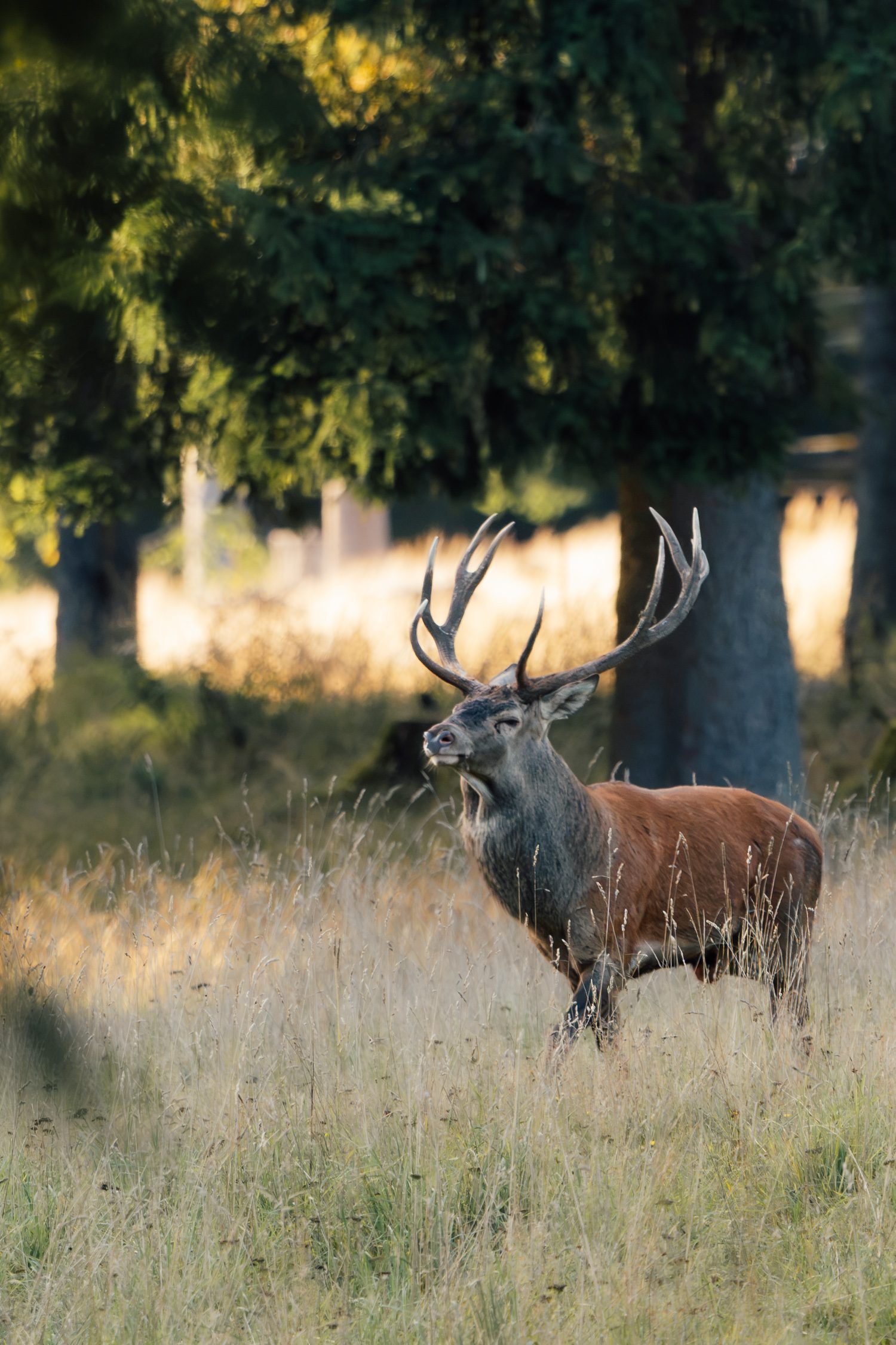
Late September until Mid October marks the peak of the deer rutting season across Central Europe. We’ve had this natural display on our bucket list since many years, and although we live in Vienna (not too far away from some of the best areas), we’ve never had the chance to see or even just hear the call of the stags.
But this year we finally made it… We travelled to Thuringia to witness this spectacle up close.
And let us tell you, it’s been quite impressive to hear the guttural calls of the stags all over the forest and see them with their huge antlers. But even apart from the deer rut, there’s compelling reasons to visit Thuringia’s forests, nature parks, national parks and biosphere reserves.
In this guide we want to share a few tips if you’re also planning an autumn visit of Thuringia.
What to know about Thuringia
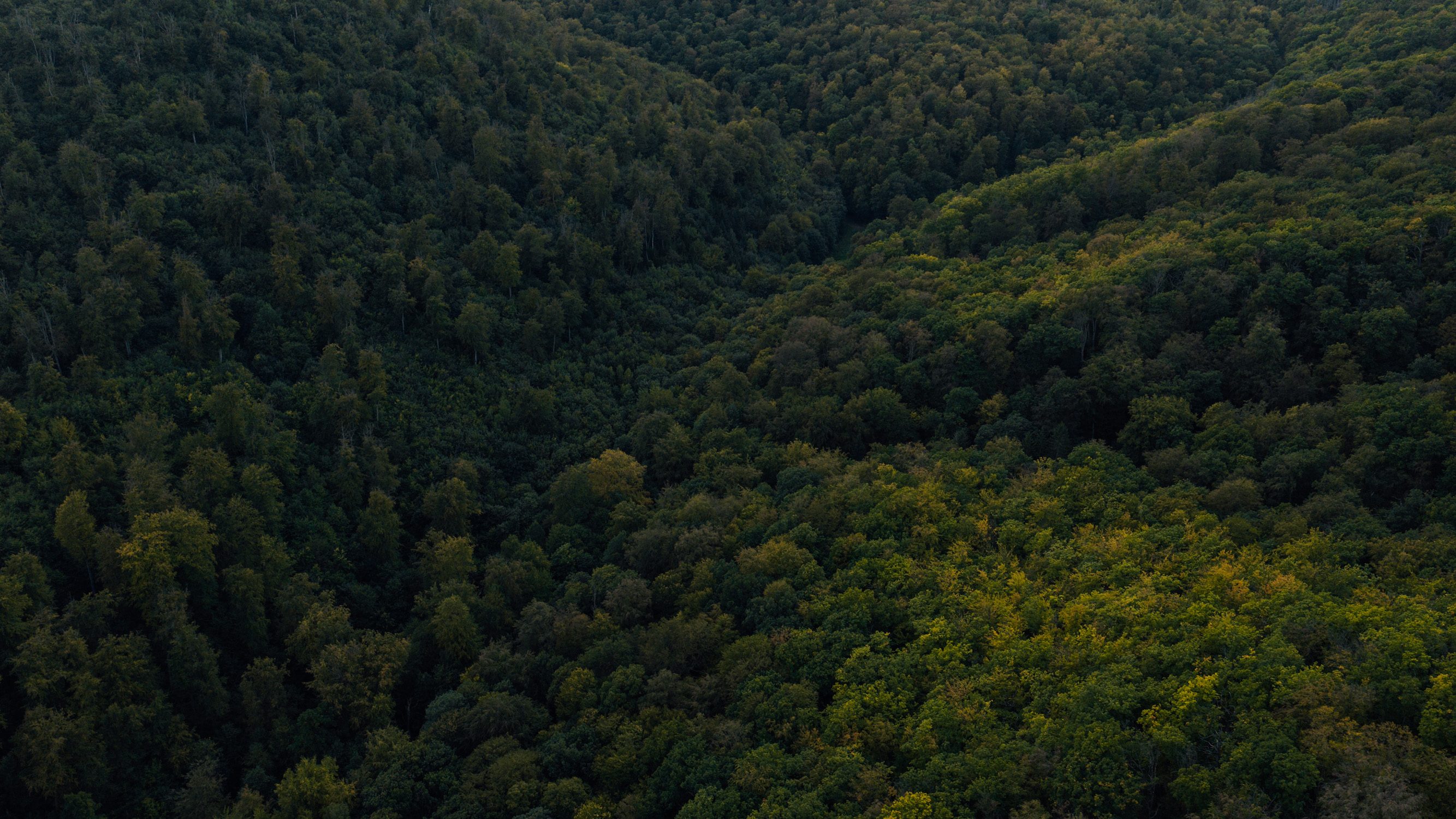
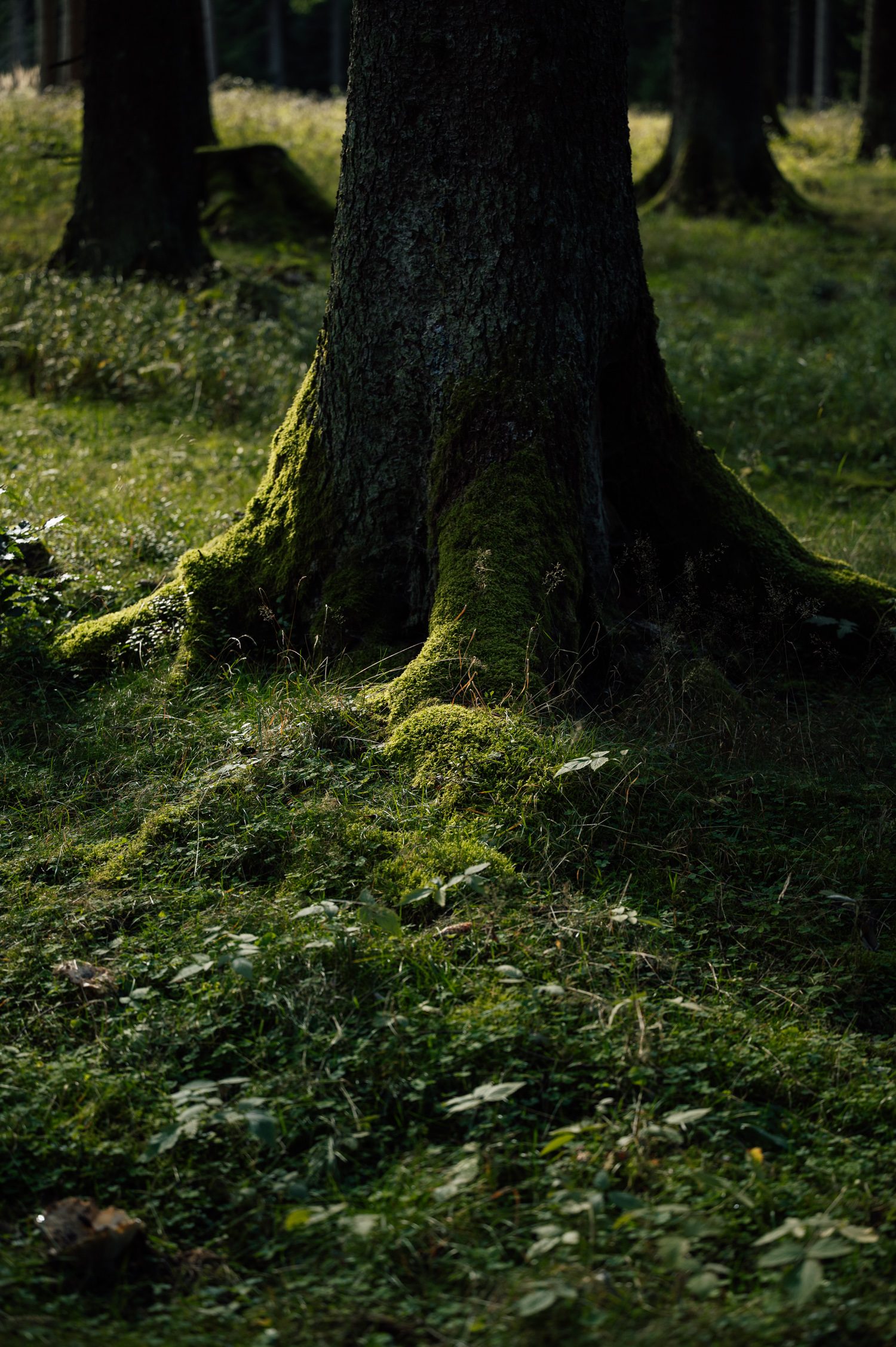
This trip marked our first time visiting Thuringia. While we’ve been to Germany countless times, somehow the very middle of the country eluded us so far. It’s a region defined by ancient beech forests, hiking trails that lead deep into the woods and even a few wetlands. A third of the state is covered by forests and Thuringia is therefore one of the greenest states of Germany.
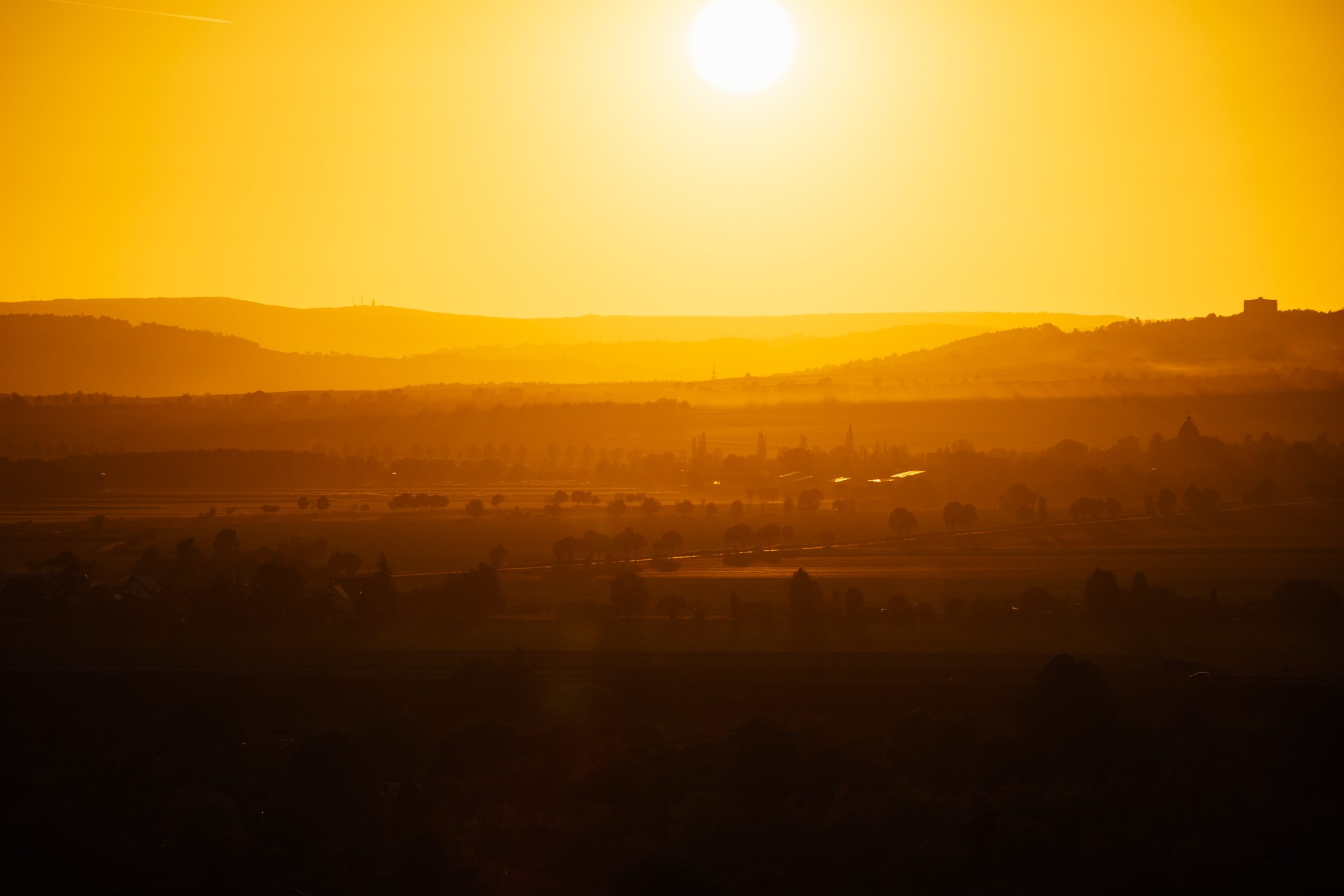
All of this combined with misty autumn mornings, golden leaves and the deep oranges of the late September sunsets make for a great combination for travellers that are interested in nature experiences.
We started our trip in the capital city Erfurt (with only 220,000 inhabitants still a relatively small sized city), walked around town for half a day before venturing out into nature.
Why to Go?
Thuringia offers one of Central Europe’s most intact forest landscapes and a commitment to ecological conservation. Visiting in early autumn—specifically late September through early October—unlocks two remarkable natural phenomena:
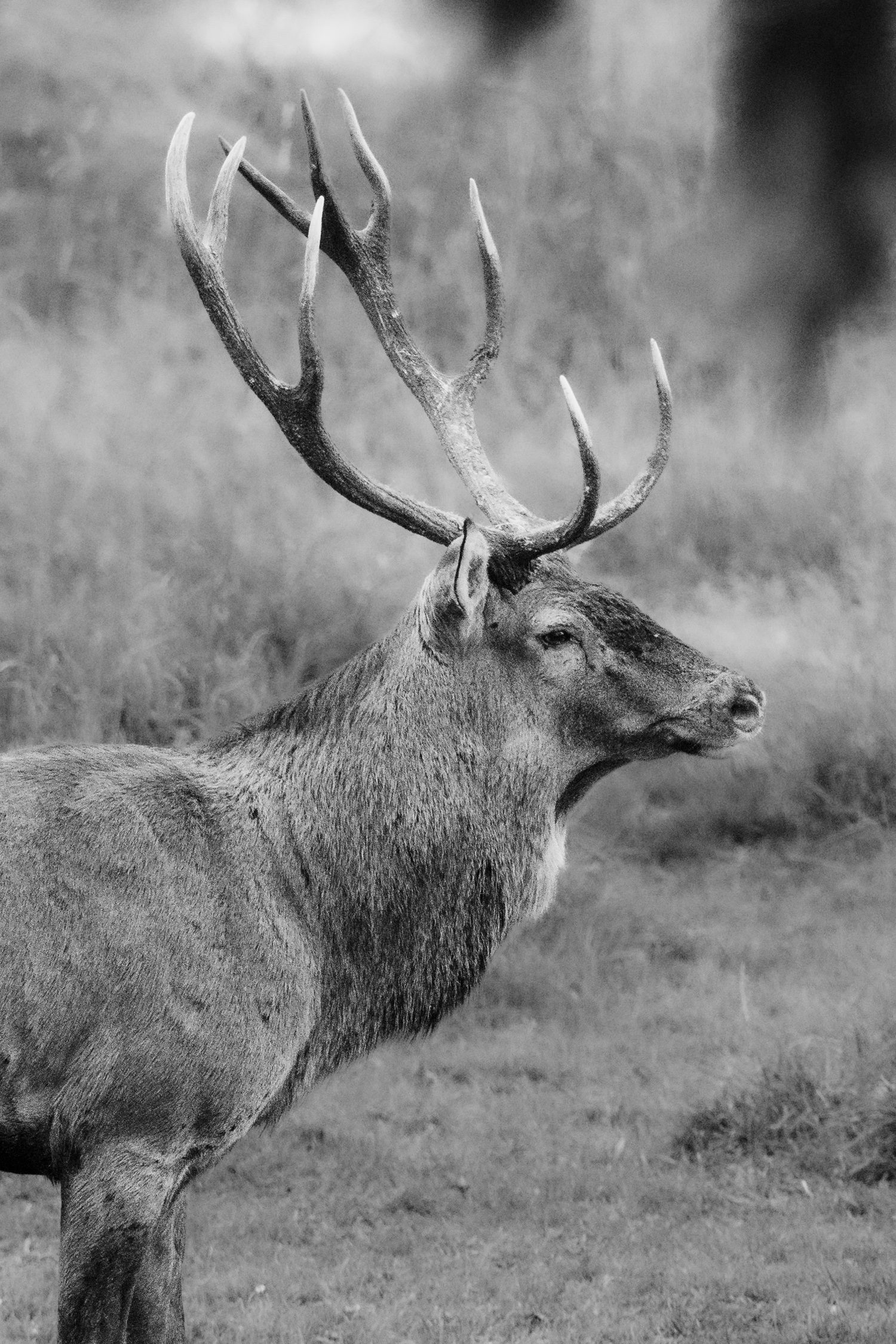
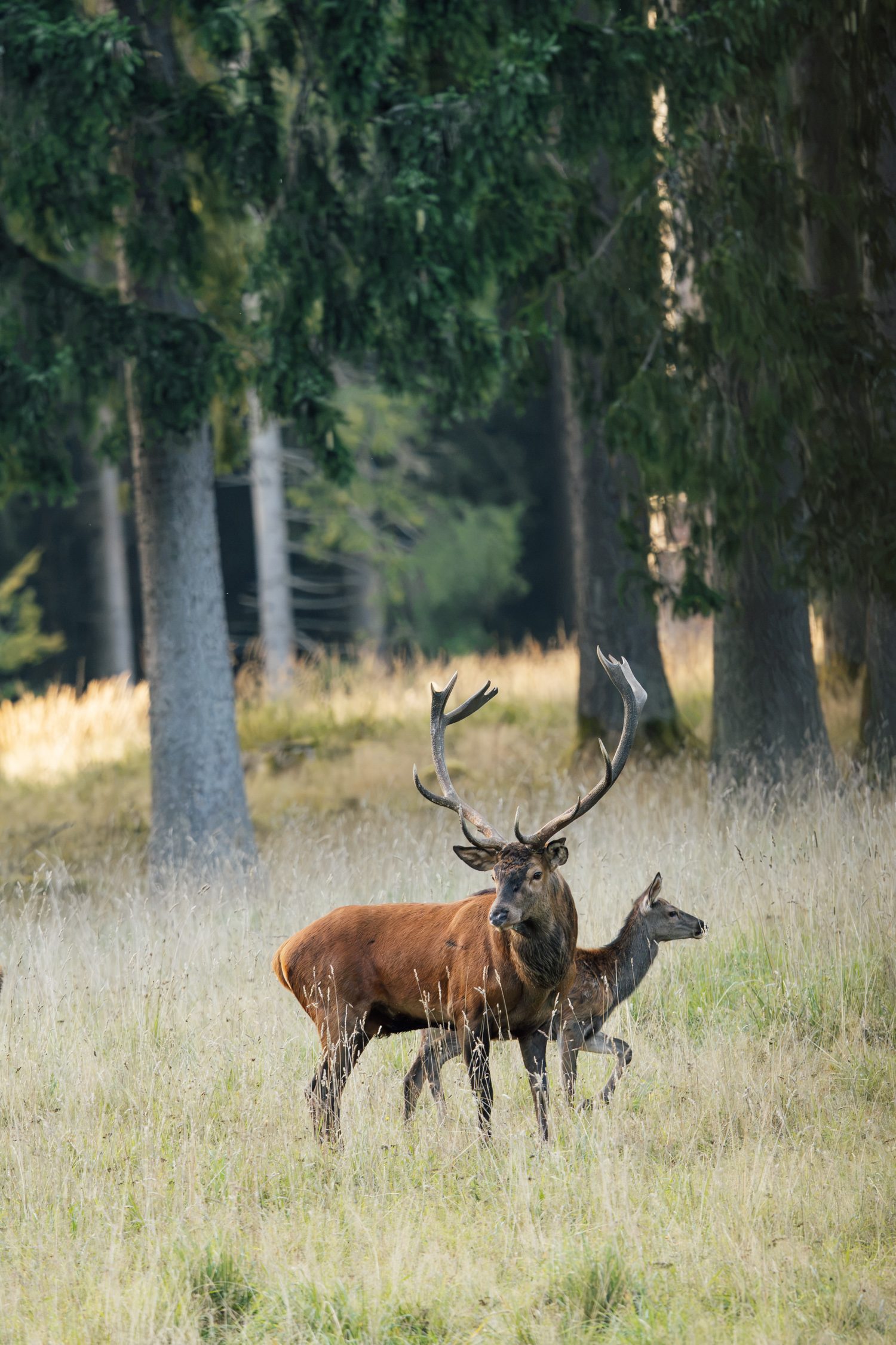
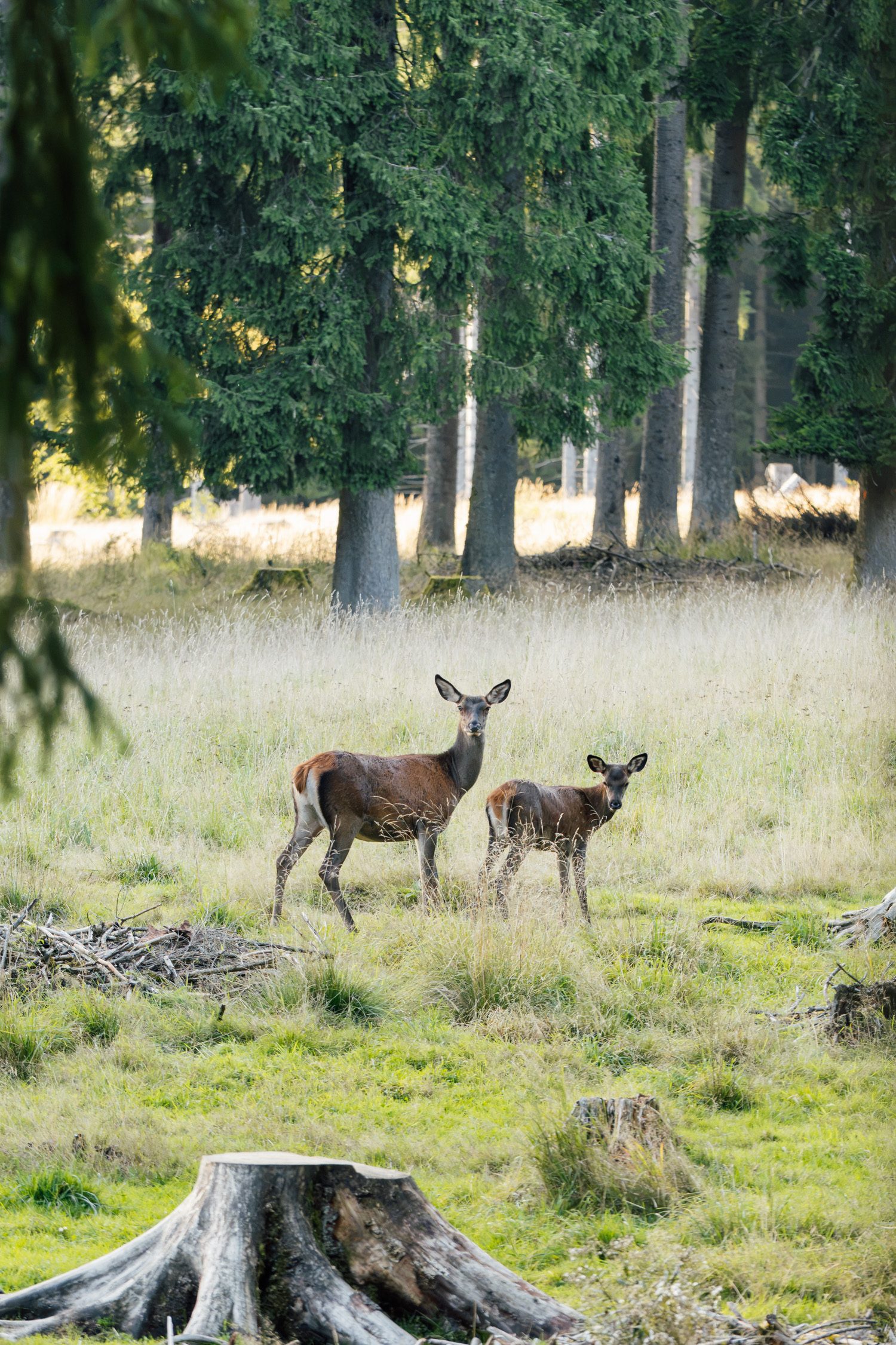
The Red Deer Rut (Hirschbrunft): Listen to the primal, echoing calls of rutting red deer stags echoing through the forest and see their large antlers in full display.
The Great Autumn Bird Migration: Thousands of cranes gather along key rest stops like Lake Kelbra on their southward journey.
Combined with UNESCO-protected primeval beech forests, canopy walks, and ranger-led treks through undisturbed wilderness, autumn in Thuringia is a great time to visit during an immersive nature trip.
What to Expect
You won’t find fancy resorts or fine dining options in the rural parts of Thuringia, but instead this part of Germany still feels relatively untouched by tourism. Rather you can expect nature tourism experiences where ecological protection takes precedence over mass tourism infrastructure.

Four regions to visit
Rather than rushing through tourist hubs, intentional eco travel in Thuringia is all about immersing yourself into its distinct eco-regions. Apart from Erfurt there are four different regions we visited during this trip and each is worth a visit (and easy to reach and combine).
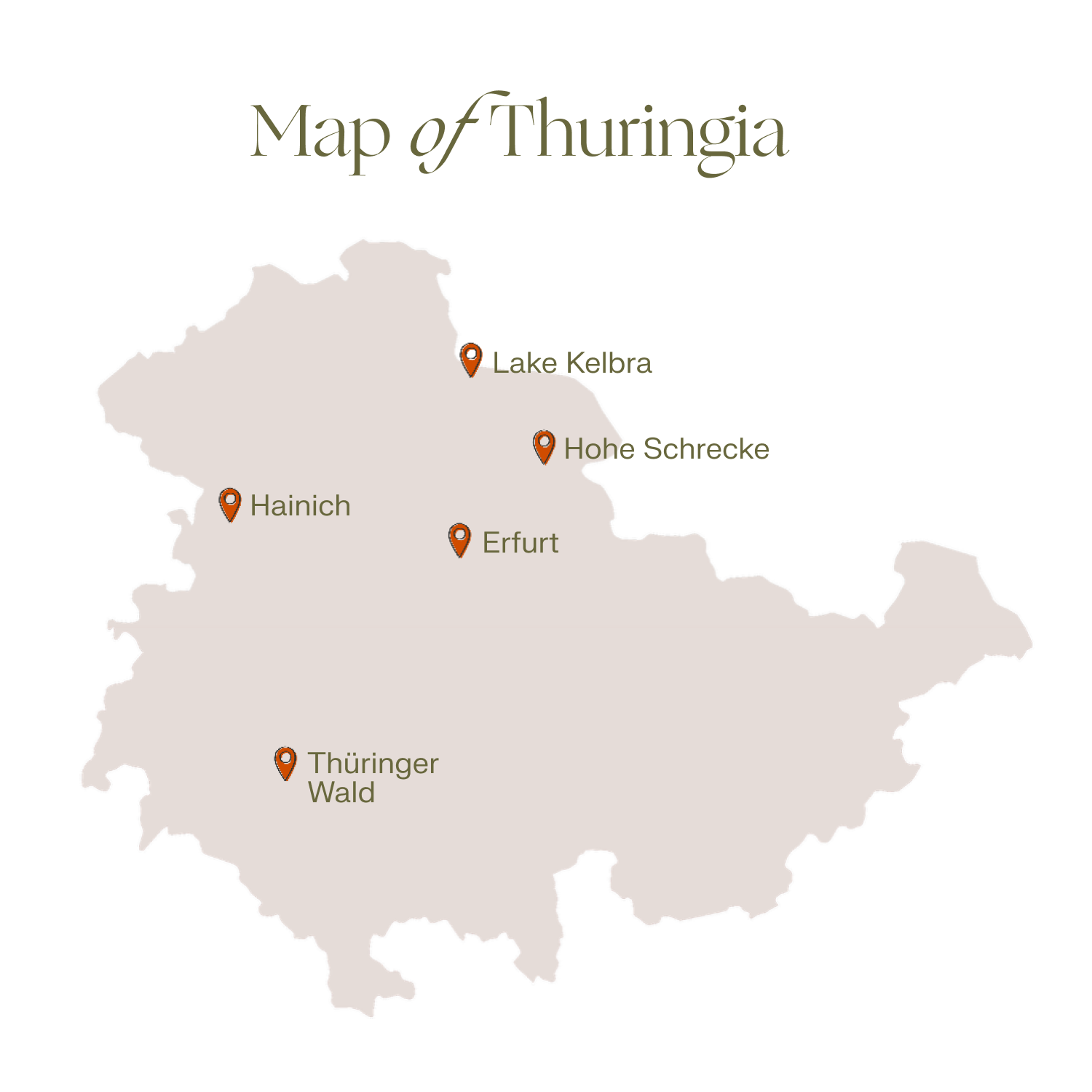
1. Thuringian Forest (Thüringer Wald)
The Thuringian Forest, a vast protected biosphere reserve and nature park, is home to a thriving population of around 35,000 red deer, making it one of the most vital strongholds for the species in Germany. The core zone of the forest is designated as UNESCO Biosphere Reserve Vessertal-Thüringer Wald, which is where the deer thrive mostly undisturbed.
Centuries of intense, single-species spruce farming for lumber left the Thuringian Forest vulnerable and you can clearly see the effects of climate change and the devastating bark beetle damages. The current protection efforts focus entirely on forest conversion („Waldumbau“). The goal is to move away from fragile monocultures and towards resilient, mixed deciduous forests. This includes reforestation, planting of millions of seedlings, but also feeding the deer in winter so they wouldn’t eat away the young saplings.
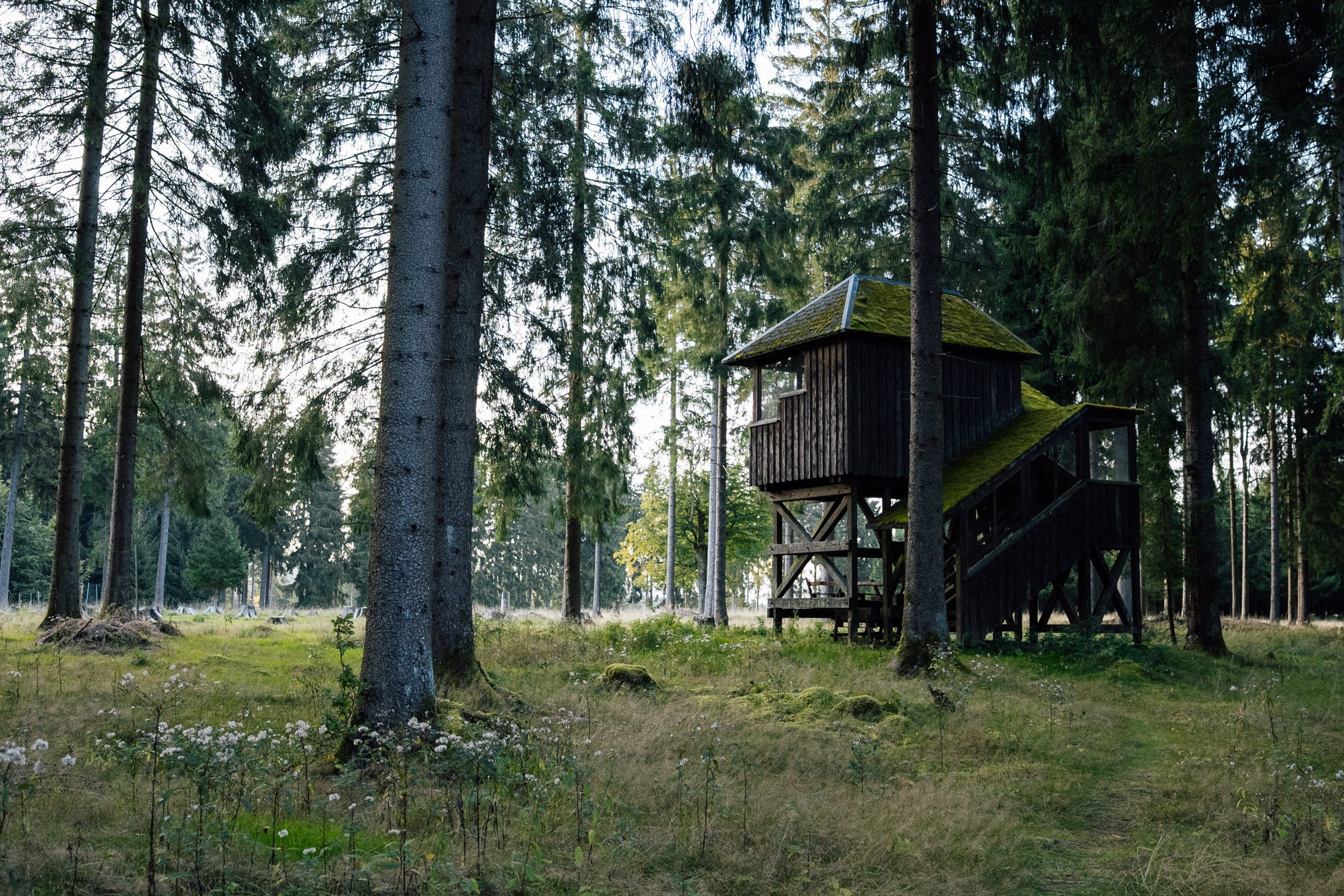
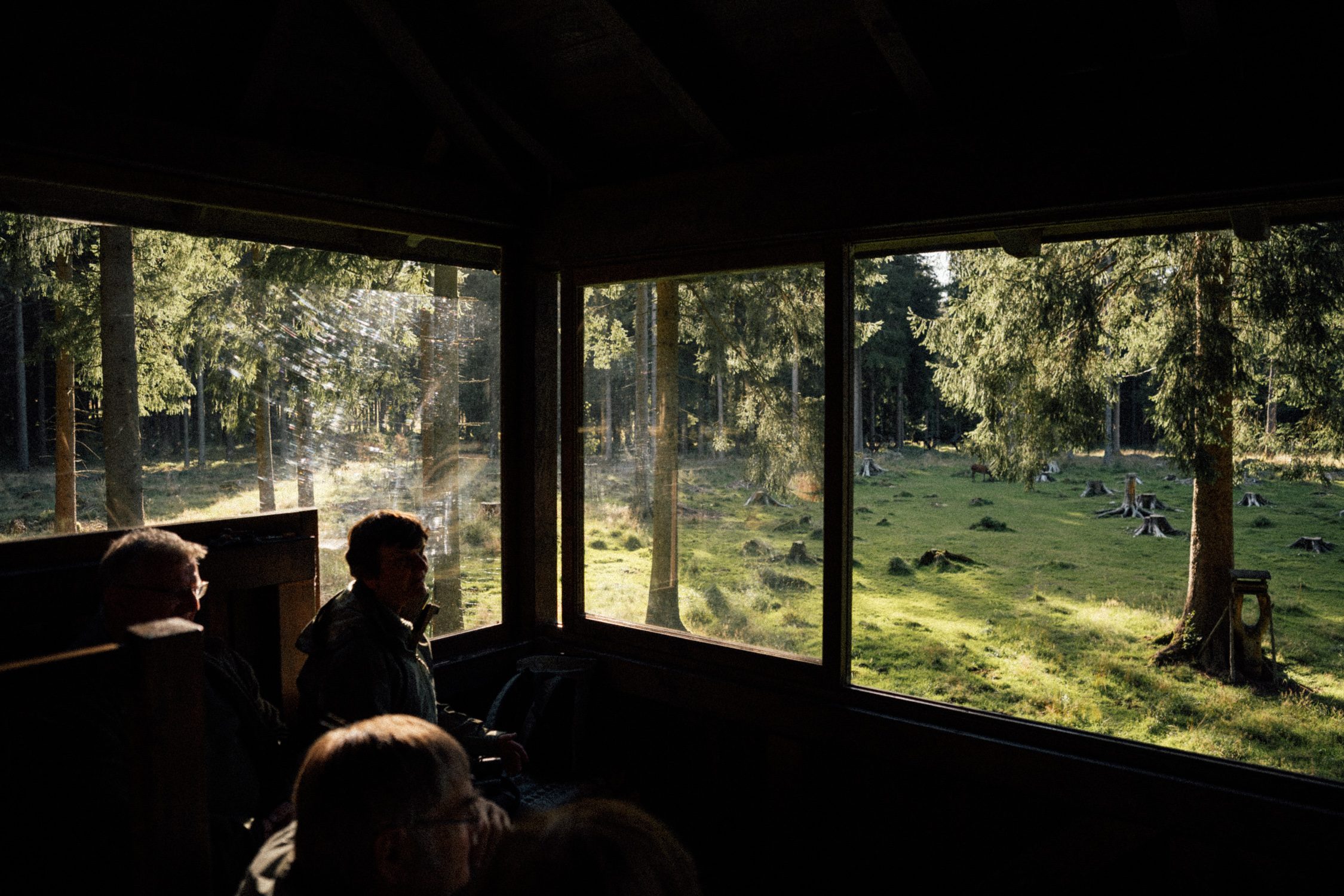
To experience the rutting season responsibly, we joined a guided wildlife experience led by a local ranger and naturalist. We spent the evening inside a specially designed observation hide tucked deep in the woods in an otherwise inaccessible protected part of the forest. The hut features large glass windows that slide open, letting you take in unobstructed views, feel the crisp autumn air, and hear every sound without disturbing the herd or scenting the air. Seeing the dominant stags enter the clearing surrounded by their harems was truly special.
In a nutshell: 2,200 square kilometres of rolling hills and mountains covered in evergreen coniferous canopy mark the largest nature park in the state of Thuringia. It’s traversed by historic trails like the famous Rennsteig and the one of the best places to witness the red deer rut.
The Highlight: Book a guided visit at an observation hide with a ranger at dusk to get a chance to see rutting red deer stags up close.
2. Hainich National Park
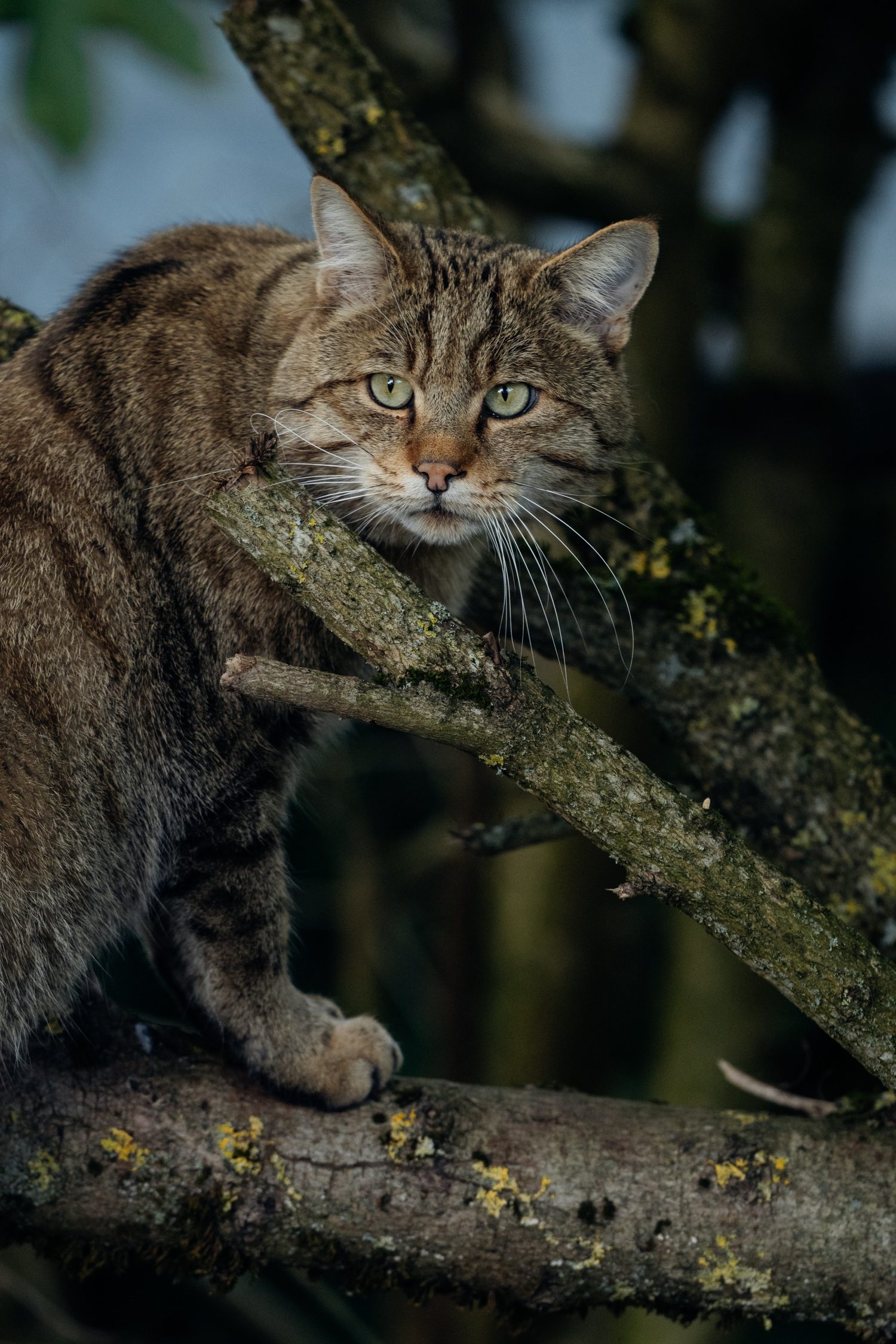
Known as the “primeval forest in the heart of Germany,” this UNESCO World Heritage Site preserves a vast, zero intervention beech forest ecosystem where deadwood nourishes vibrant fungi, insects, and rare mammals. Hainich is also home to one of the largest European wild cat populations in Germany, but they are very elusive and almost impossible to spot during a regular visit.
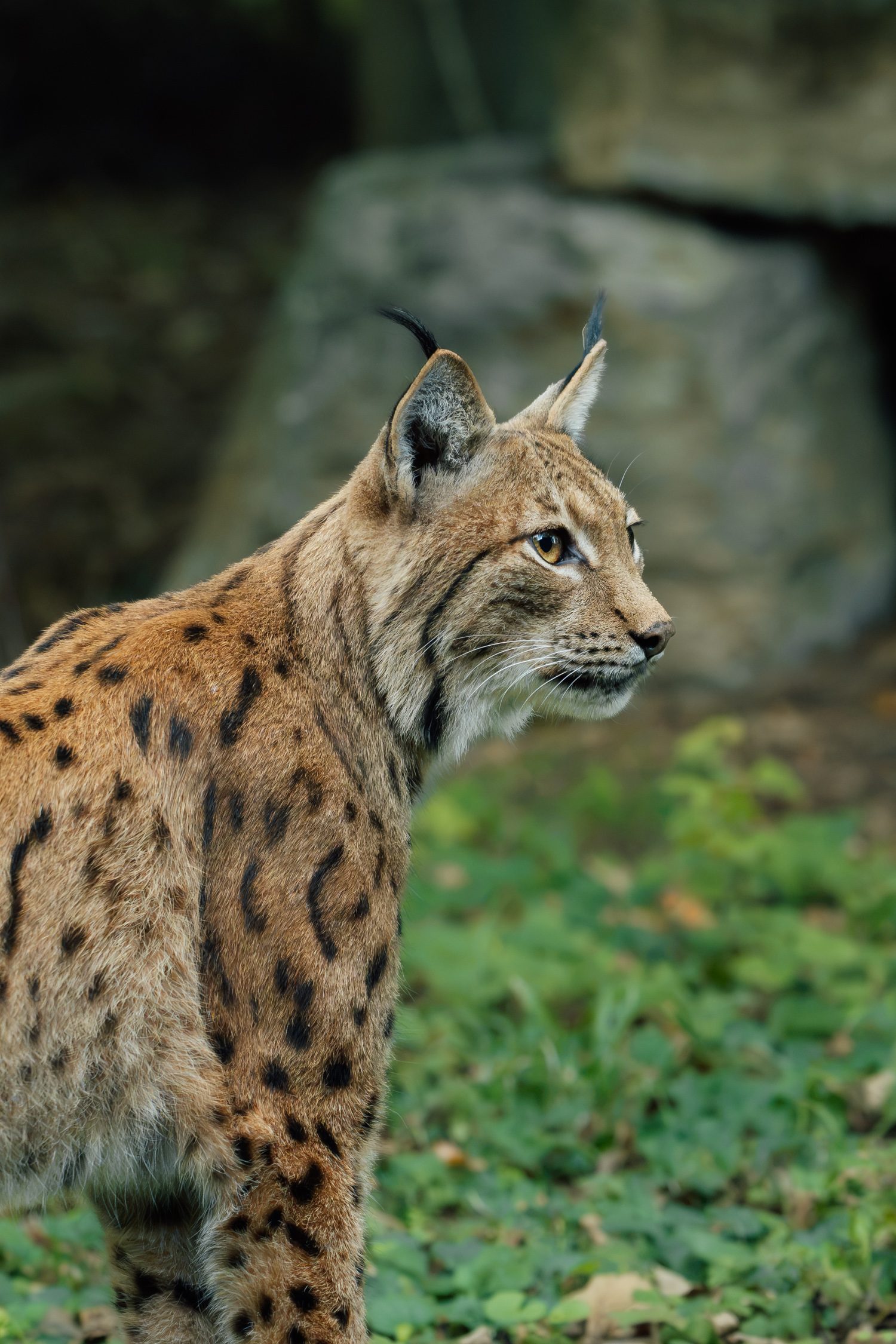
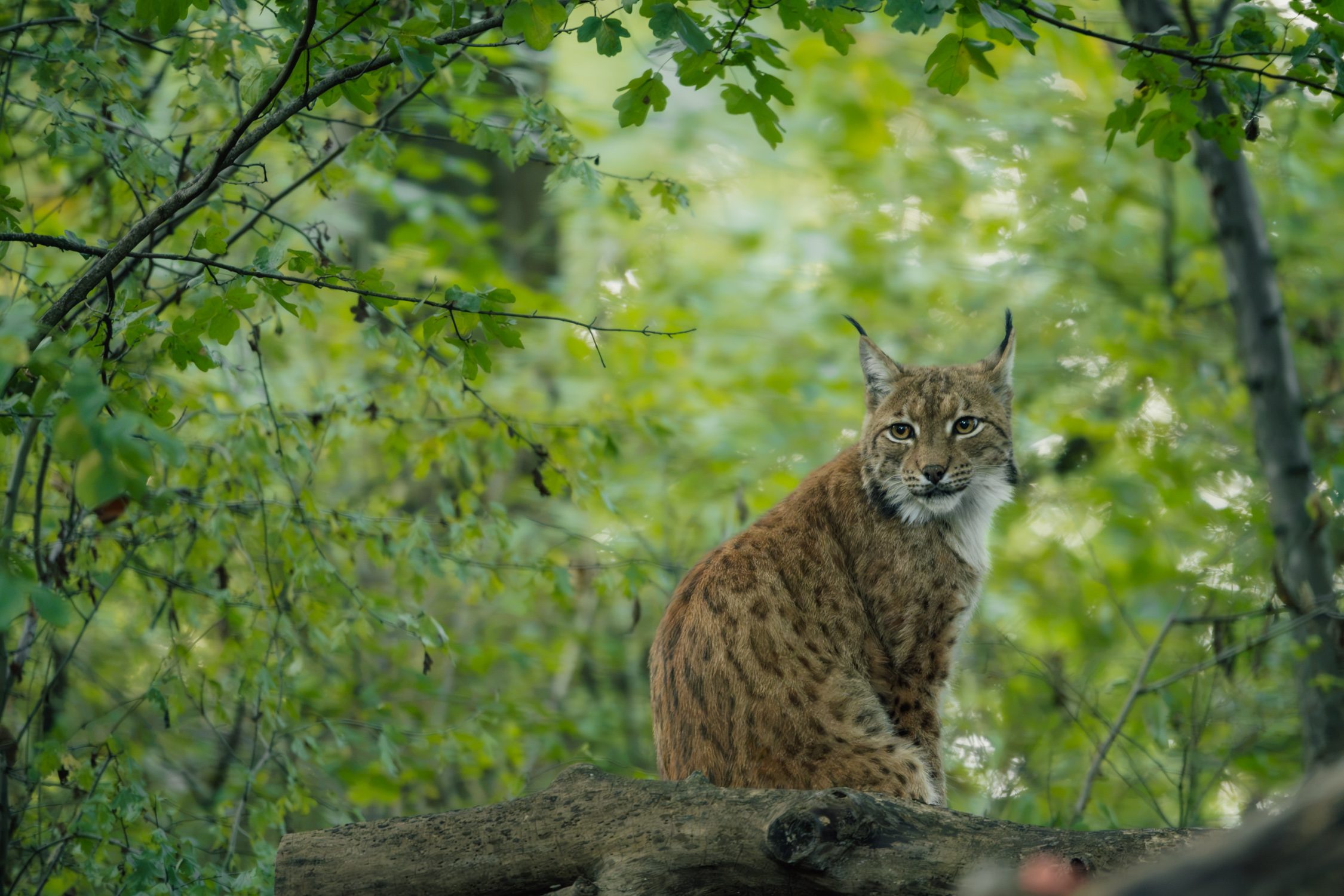
Instead you can opt for guided hikes with rangers to learn more about the ecosystem or visit the “Wildkatzendorf” (wild cat village) called Hütscheroda, where they will teach you more about the 60-80 European wild cats that call Hainich home (good to know: Not many other forests in Germany still have wild cat populations, so this makes Hainich very special). We spent an afternoon there during the daily feedings of the rescued wild cats that call the center home and to also meet a pair of lynx which are currently there as part of a Europe wide conservation breeding program – a necessary effort to ensure genetic diversity in the fragmented population in Germany.
Just this summer two young female lynx were rewilded at Hainich – part of the scientific and conservati0n efforts to reconnect the European lynx population.
The Experiences:
- Take an educational ranger tour through unmanaged primeval zones to understand how deadwood forms the bedrock of forest biodiversity.
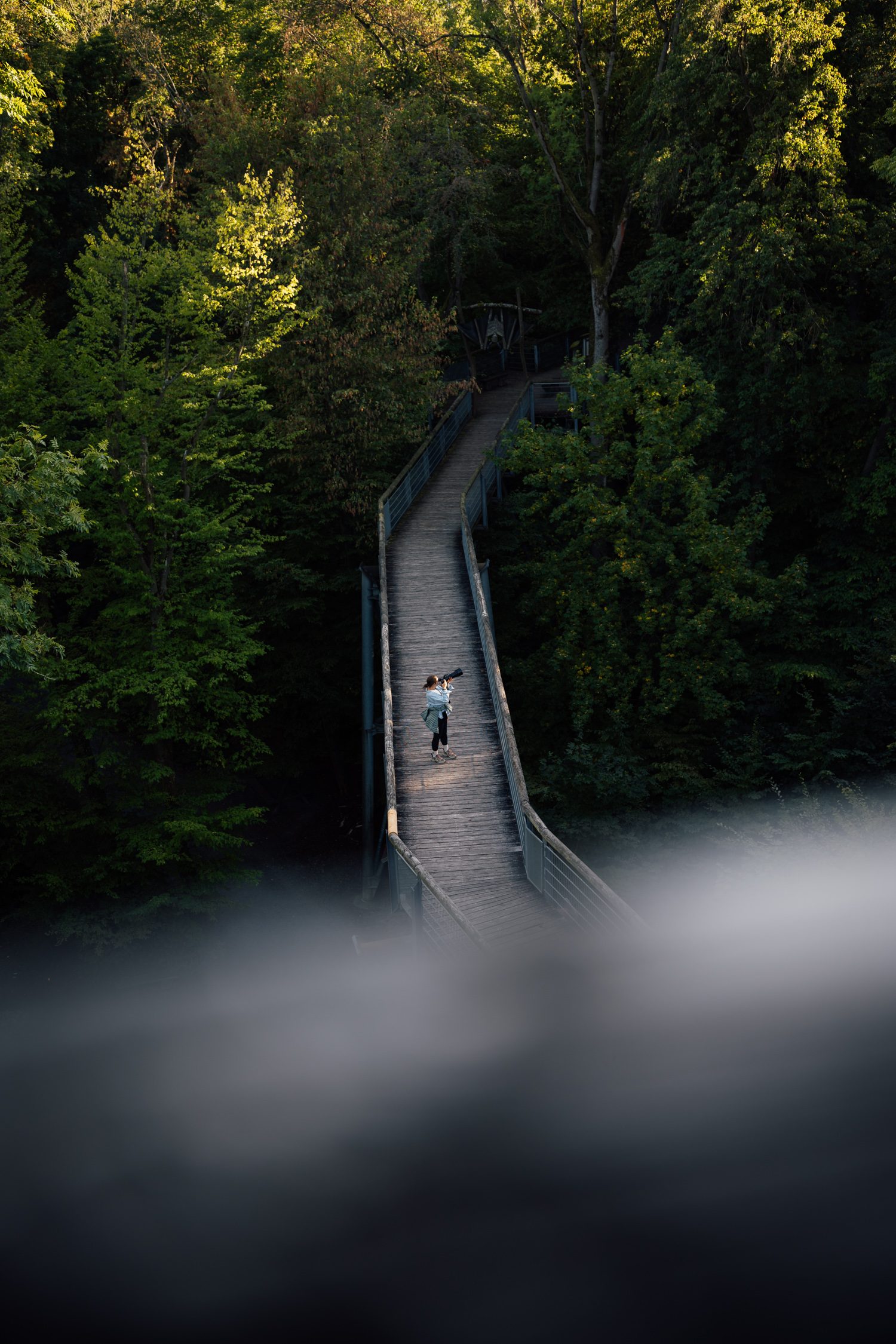
- Walk the Baumkronenpfad (Canopy Walkway), ascending 44 meters above the forest floor into the treetop realm.
- Head to nearby Wildkatzendorf Hütscheroda to observe European wild cats (Felis silvestris) and Eurasian lynx during scheduled feedings, and learn about their rewilding efforts as well as how they create reconnected green corridors between fragmented forests to help the species genetic dispersion.

3. Lake Kelbra (Stausee Kelbra)
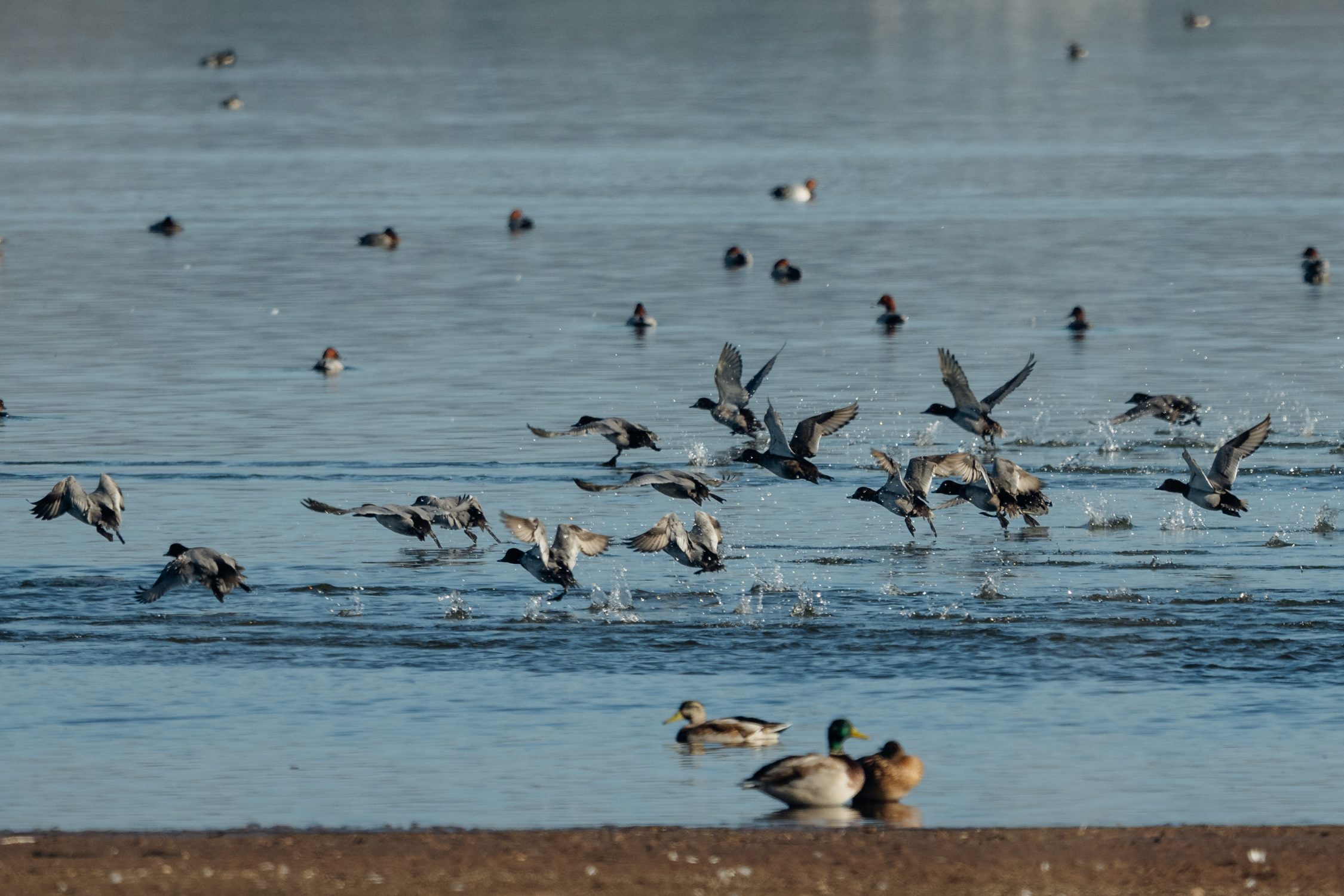
This wetland habitat is a crucial RAMSAR sanctuary resting at the foot of the Kyffhäuser hills. It’s where tens of thousands of common cranes (Grus grus) and other migratory birds rest before their journey south in about Mid October to Mid November.
We were here a little too early at the end of September, so unfortunately we didn’t see the cranes with our own eyes. Instead we joined a tour with the local naturalists to learn about the challenges of an ecosystem that depends on an artificially created lake, that was dammed to prevent floods. From an ecological perspective the reservoir and its surrounding reed beds, mudflats, and wet meadows form one of Central Europe’s most critical inland havens for avian biodiversity. Over 300 bird species rely on its nutrient-rich waters for breeding, wintering, and refueling.
Managing this sanctuary, however, requires a delicate ecological balancing act. Because Lake Kelbra operates as an artificial flood protection reservoir, seasonal water level fluctuations directly impact fragile shorelines.
From a nature tourism perspective, Lake Kelbra offers a rewarding experience for birdwatchers, reaching its absolute peak during the autumn migration.
The Highlight: You can watch the spectacle at dedicated, non-intrusive vantage points like the Kranichturm (Crane Tower) or join a guided birdwatching walk with expert ornithologists.
4. Hohe Schrecke
Because parts of Hohe Schrecke were restricted for military use during the 20th century, its ancient beech and oak forests remained virtually untouched for decades.
Today, this 7,000-hectare sanctuary shelters some of Germany’s most valuable old-growth beech and oak forests, designated as a European Natura 2000 protected area. The ecosystem is defined by its abundance of ancient trees and standing deadwood, which support extraordinarily high biodiversity.
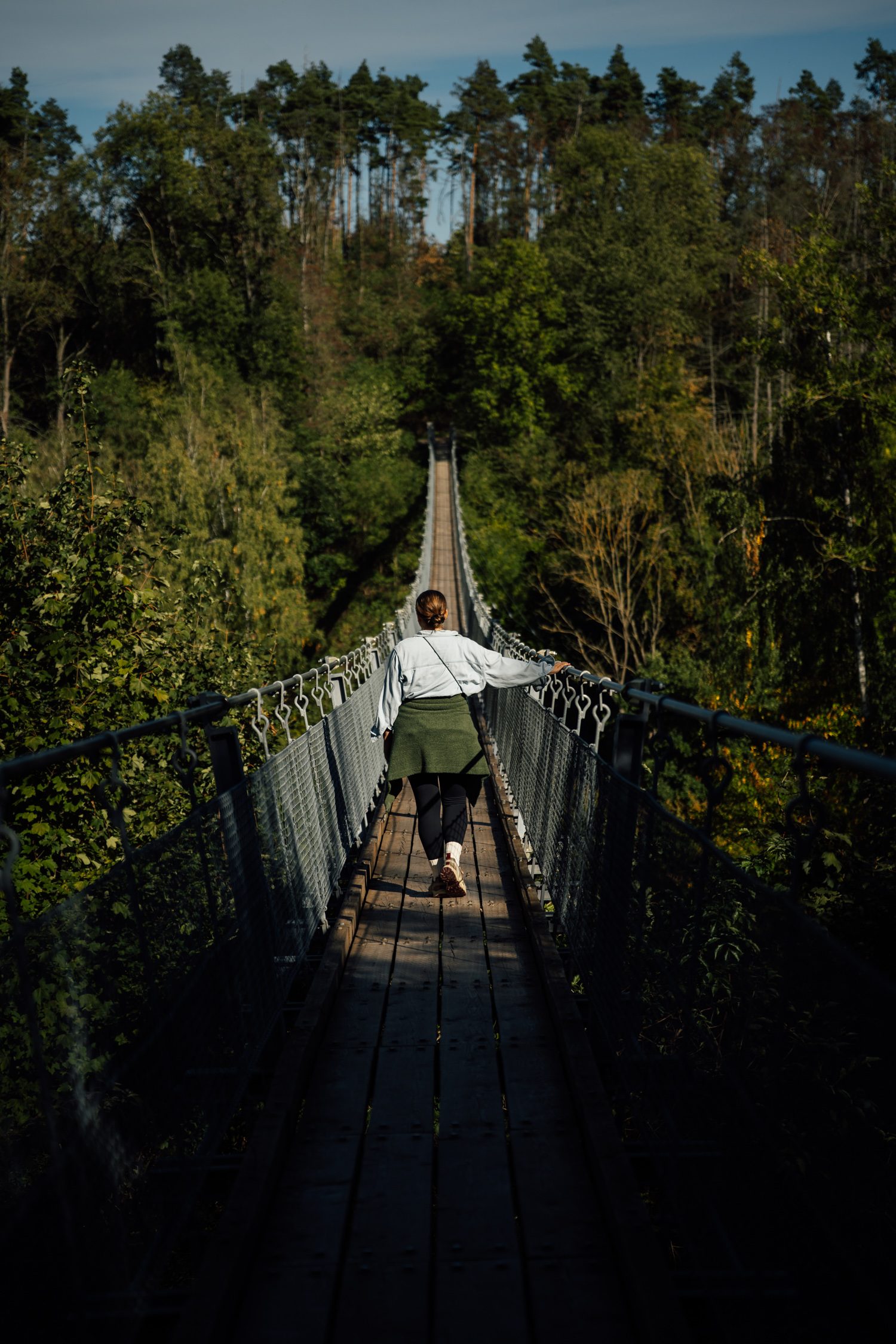
The Highlight: Hike the Urwaldpfad (Primeval Forest Trail) through decaying ancient groves before stepping onto the Hängeseilbrücke—a 360-meter long suspension rope bridge swaying high above the Bärental valley, offering an eye-level view of the forest canopy.
When to Visit
While Thuringia is a year-round destination, autumn is a special window for nature travel:
- Late September – Early October: Peak red deer rutting season (Hirschbrunft). Cool, crisp autumn evenings trigger peak calling activity among stags.
- Mid October – Mid November: Peak crane resting period at Lake Kelbra, paired with spectacular golden foliage across Hainich and the Thuringian Forest.
Unfortunately deer and crane season don’t really overlap, so we opted to come early (at the end of September) to focus on the peak of the deer rutting season. When we visited lake Kelbra the cranes had not arrived yet. So you essentially have to choose between one of the two or stay longer 🙂
Where to Stay
We stayed at three different accommodations during our trip to Thuringia which provide easy access to the different ecosystems we wanted to visit. Each of those are situated either inside the nature park or directly along forest boundaries.
- Waldhotel „Rennsteighöhe“ (Thuringian Forest): This small forest retreat is tucked deep within the forest near Frauenwald along the historic Rennsteig trail. You can step right out of your room onto quiet forest paths to go foraging for mushrooms or start the short hike to the observation hut to witness the deer rut.
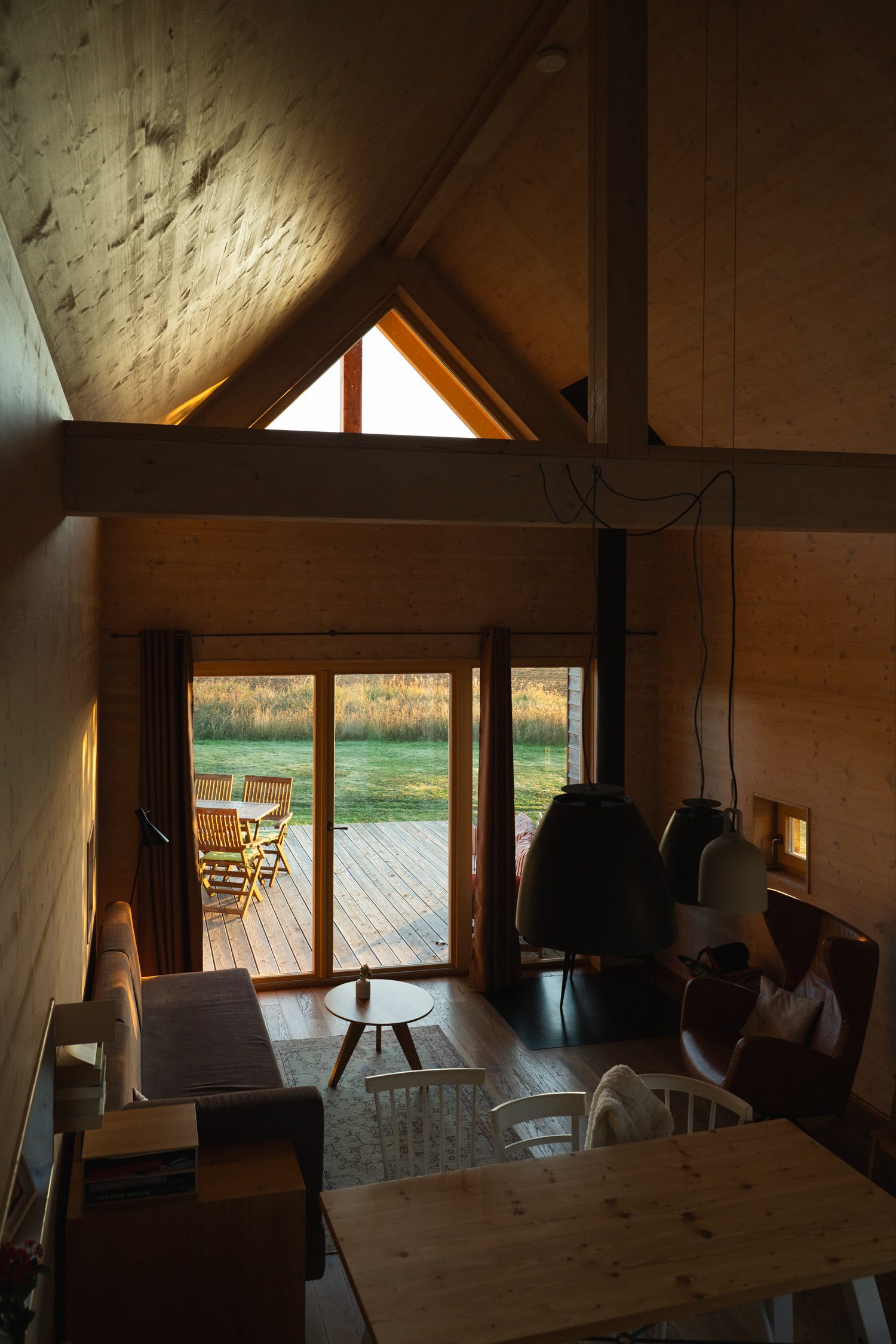
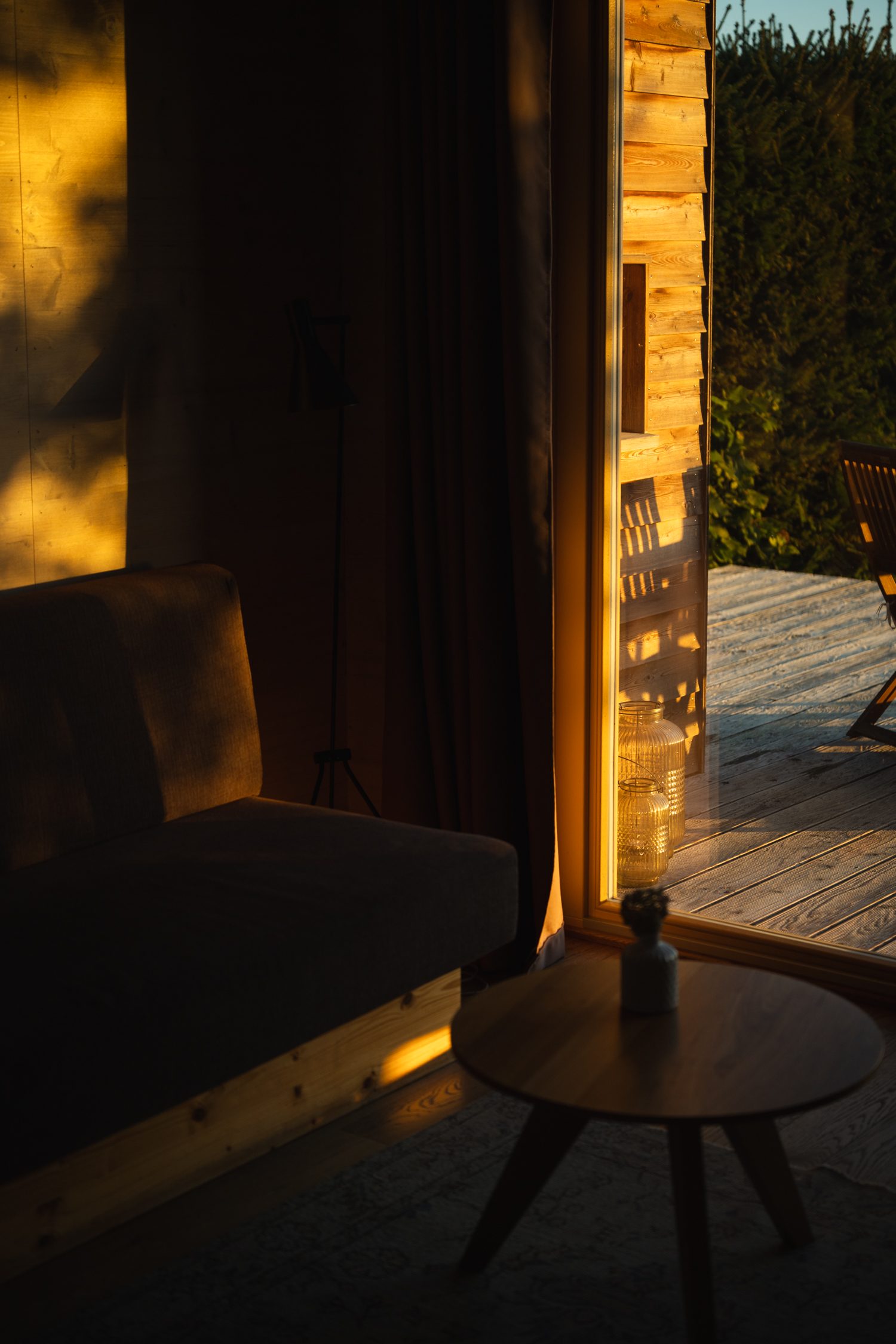
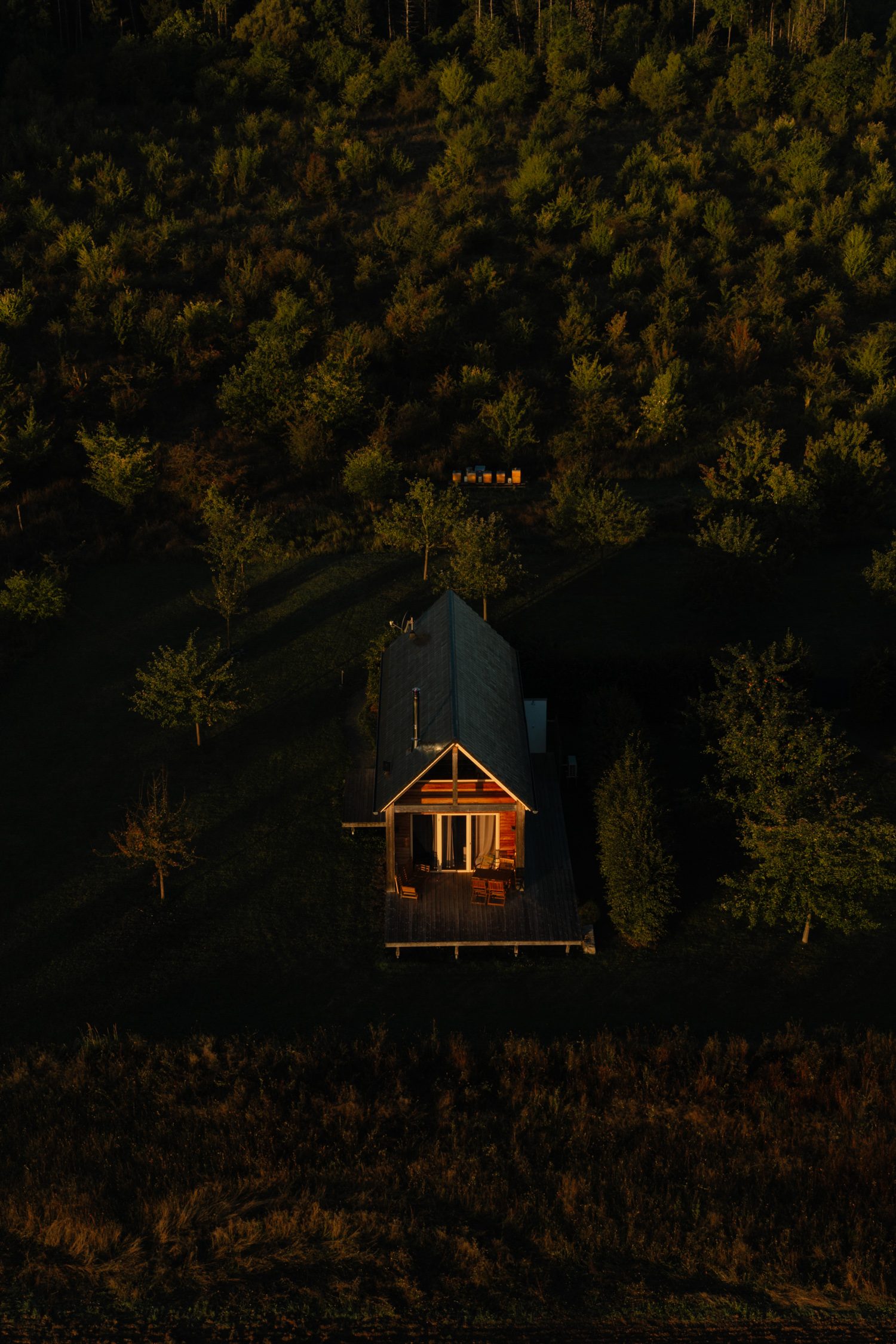
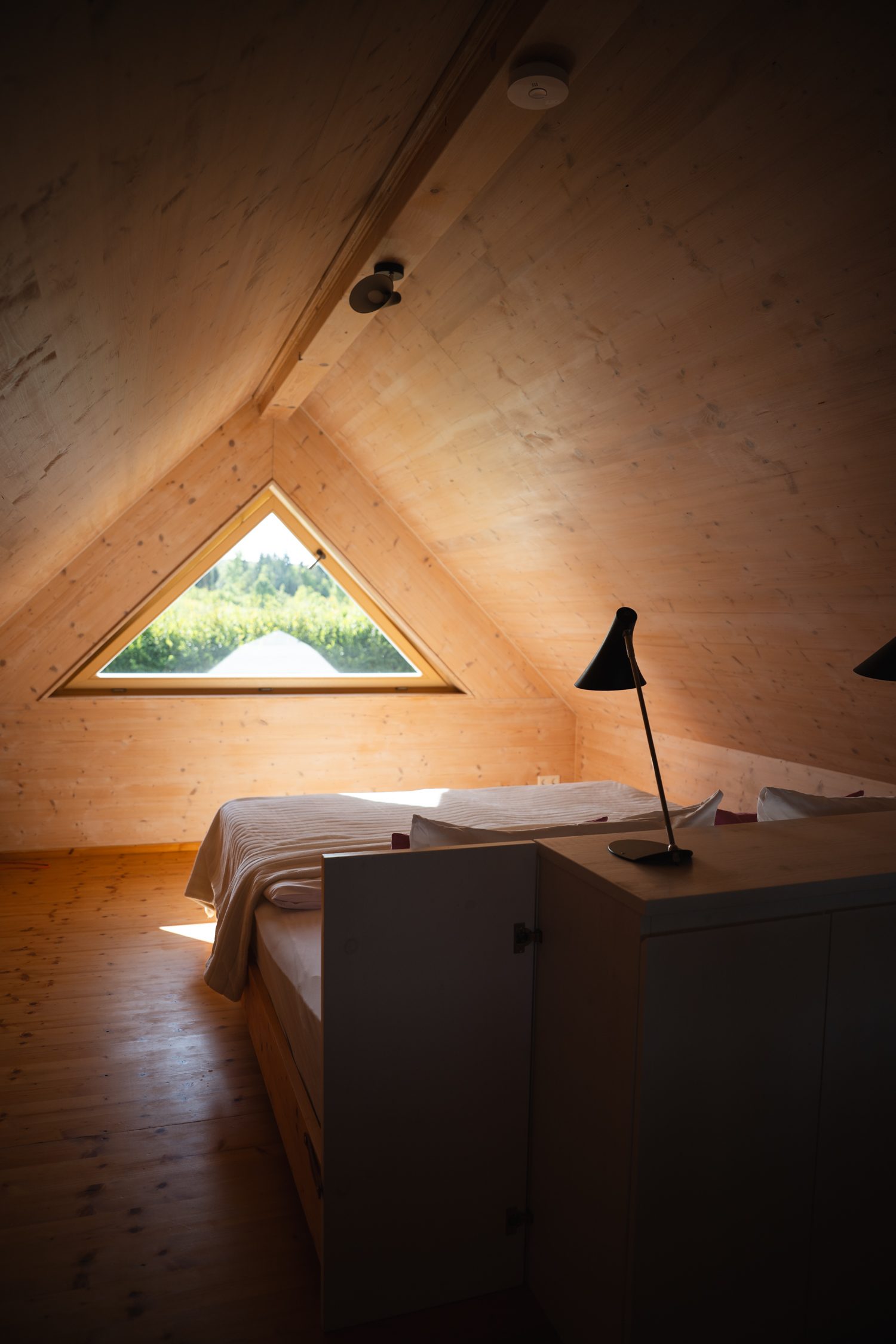
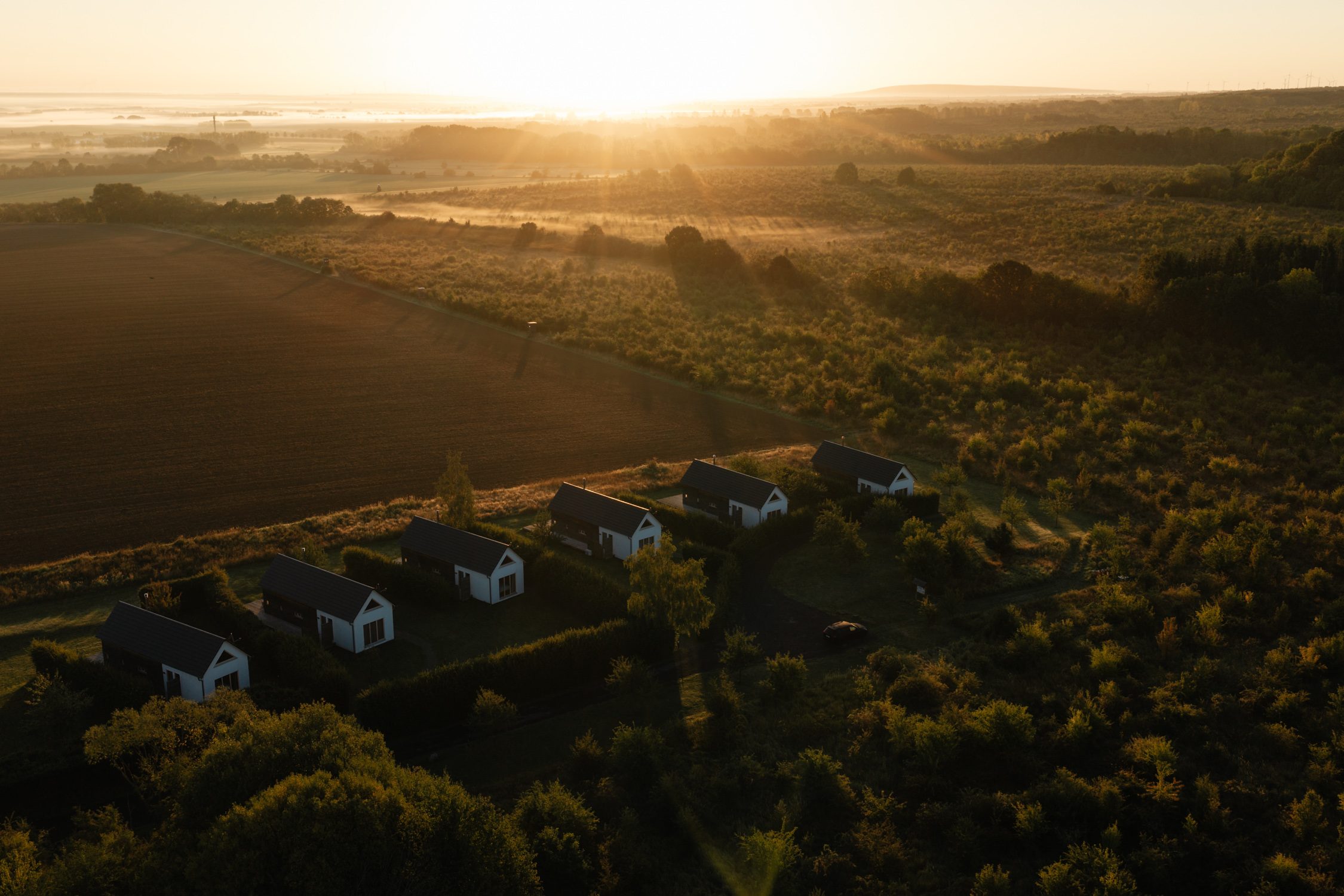
- Premiumchalets Hainichhöfe (Hainich): Our favourite stay of the trip. These eco-friendly, sustainably constructed wooden chalets are located right at the border of Hainich National Park and you can start your hikes right from the A-frame.
- Burghof Kyffhäuser (Kyffhäuser / Lake Kelbra Region): This is a historic lodging option situated near the Kyffhäuser nature park, serving as a central base for morning birdwatching at Lake Kelbra or afternoon walks at Hohe Schrecke.
How to Get There
Traveling from Austria to Thuringia is straightforward by train:
- Train from Vienna: Board an ÖBB / DB EuroCity or ICE connection from Vienna Central Station (Wien Hbf) via Munich to Erfurt Hauptbahnhof.
- Local Transport & Car Rental: From Erfurt’s central train station, pick up a rental vehicle to reach the rural trailhead hubs, accommodation, and national park centers across Thuringia.
For more info about Thuringia visit the official tourism site.
Pin and save this post: