I’ve been travelling to Zambia frequently since years (see all my Zambia guides here), but I never made it to Liuwa Plain National Park. This remote park in the very West of Zambia used to be notoriously hard to reach and therefore remained off-the-beaten path for most visitors. In Zambia safari tourism is usually concentrated around South Luangwa and Lower Zambezi National Park.
Even my regular trips to Kafue National Park ventured off the well-trotten safari circuit (which remains blissfully calm in Zambia to this day anyways). But this year I finally made it: I visited the “Wild West” of Zambia – Liuwa Plain National Park.
This post should serve as an introduction to the vast protected area that is Liuwa Plain National Park and a travel guide for seasoned safari travellers who want to venture into lands beyond the usual horizons.
What to expect from Liuwa Plain National Park
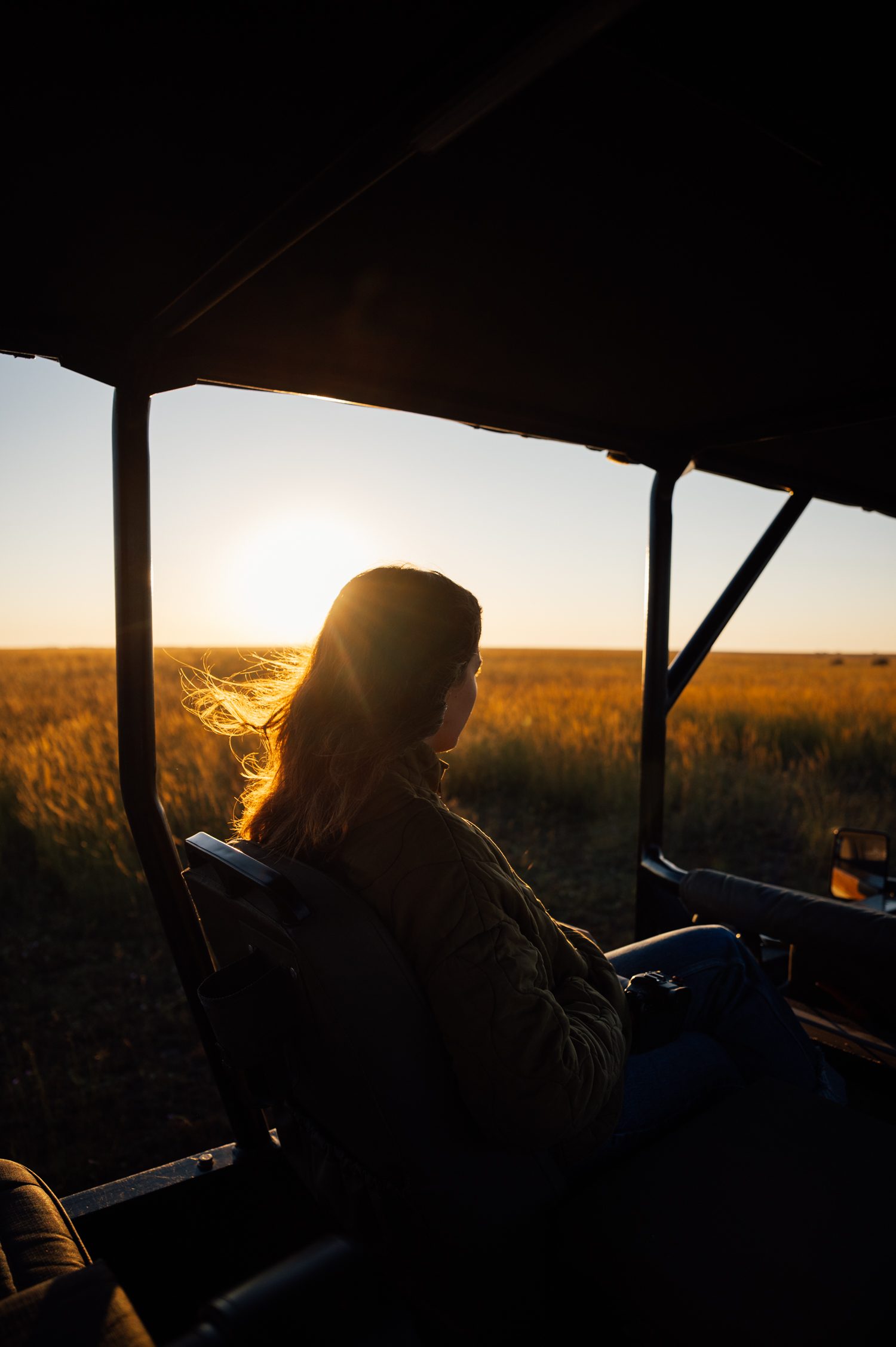
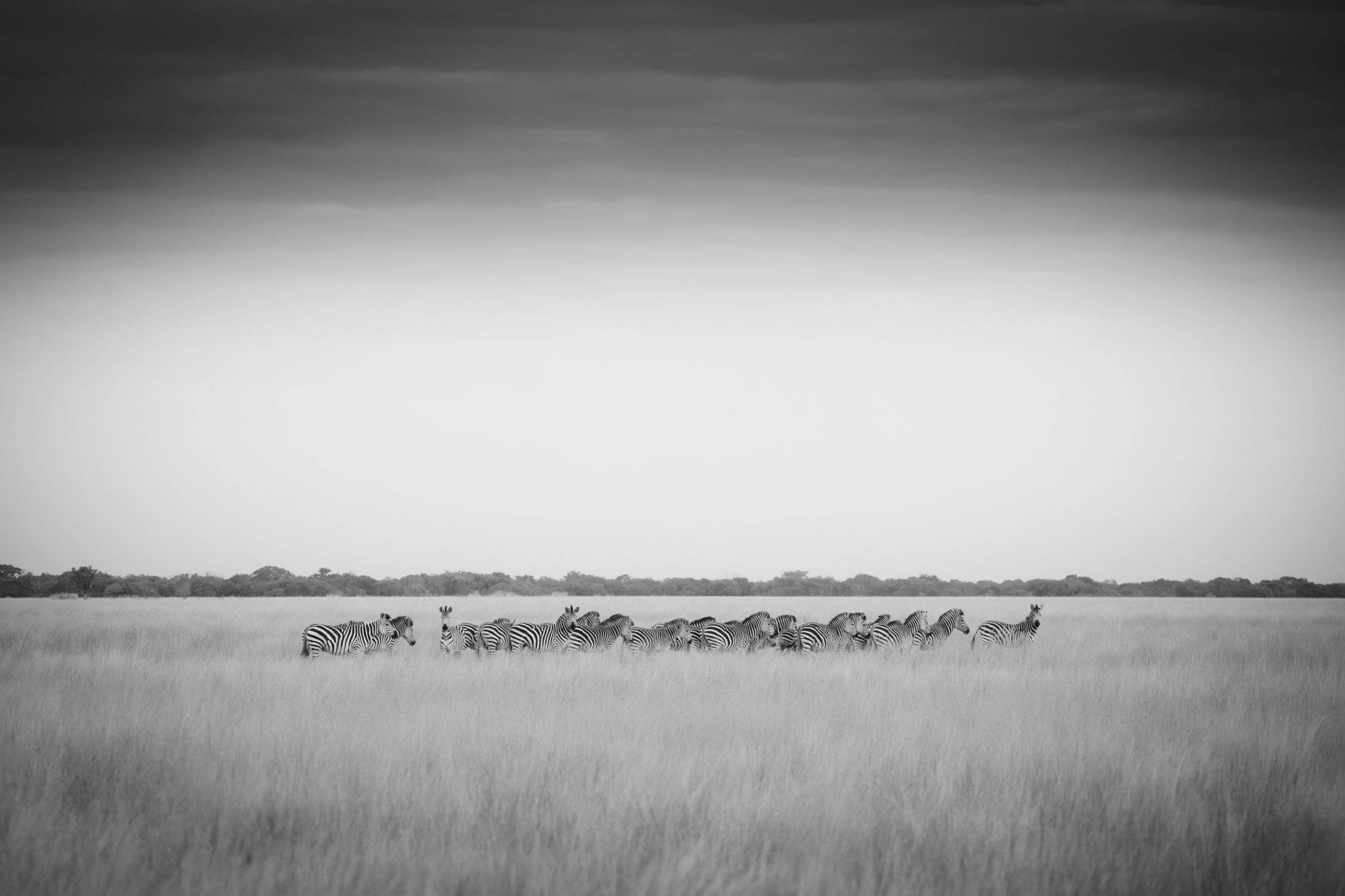
There are few wildernesses left in Africa like Liuwa Plain. This is where solitude feels absolute and the horizon stretches so far it appears to bend with the curve of the Earth. Located in the far west of Zambia within the Barotse Floodplain of the Western Province, Liuwa Plain National Park is defined by vast open, sweeping grasslands, dramatic skies, and a remarkable conservation success story.
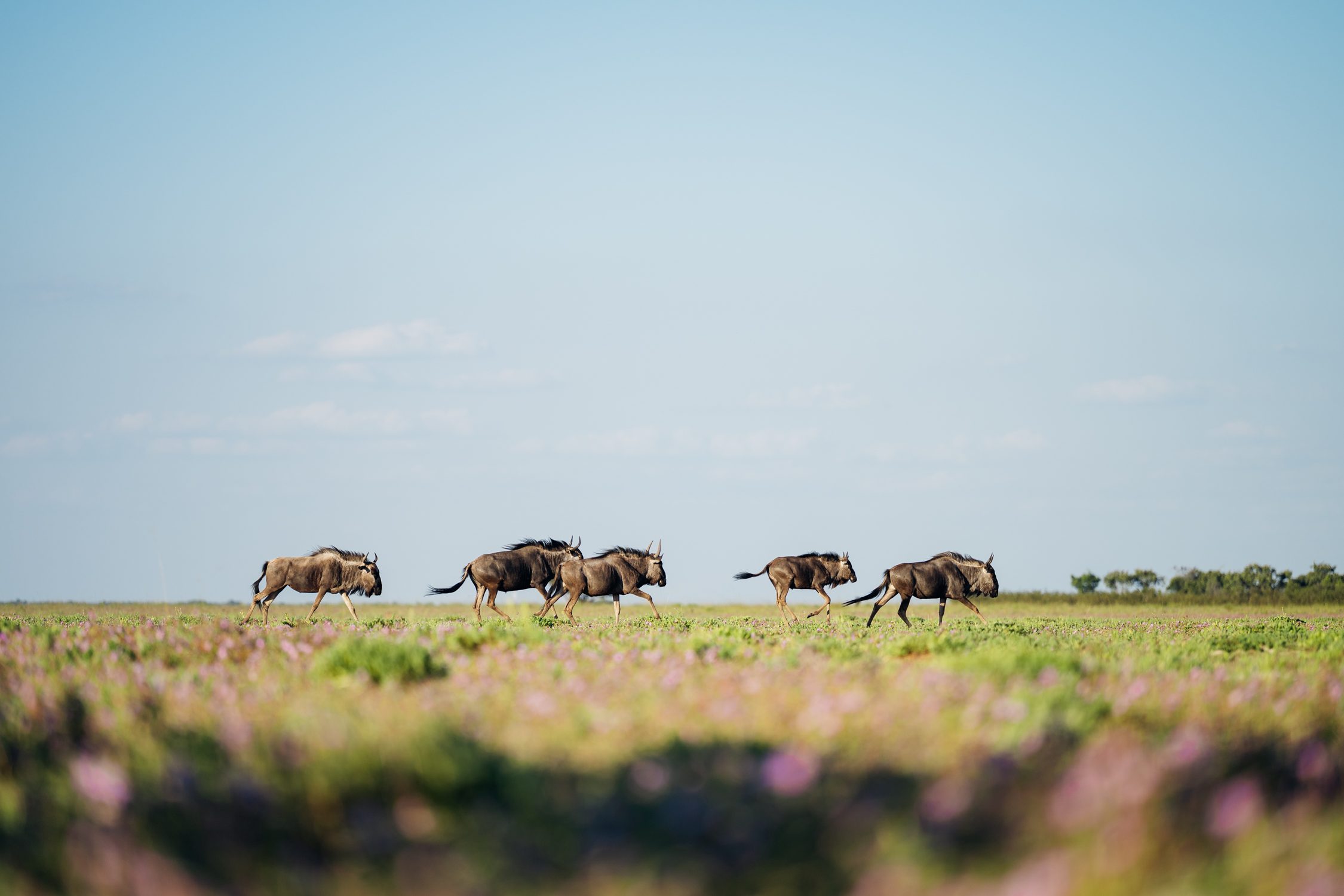
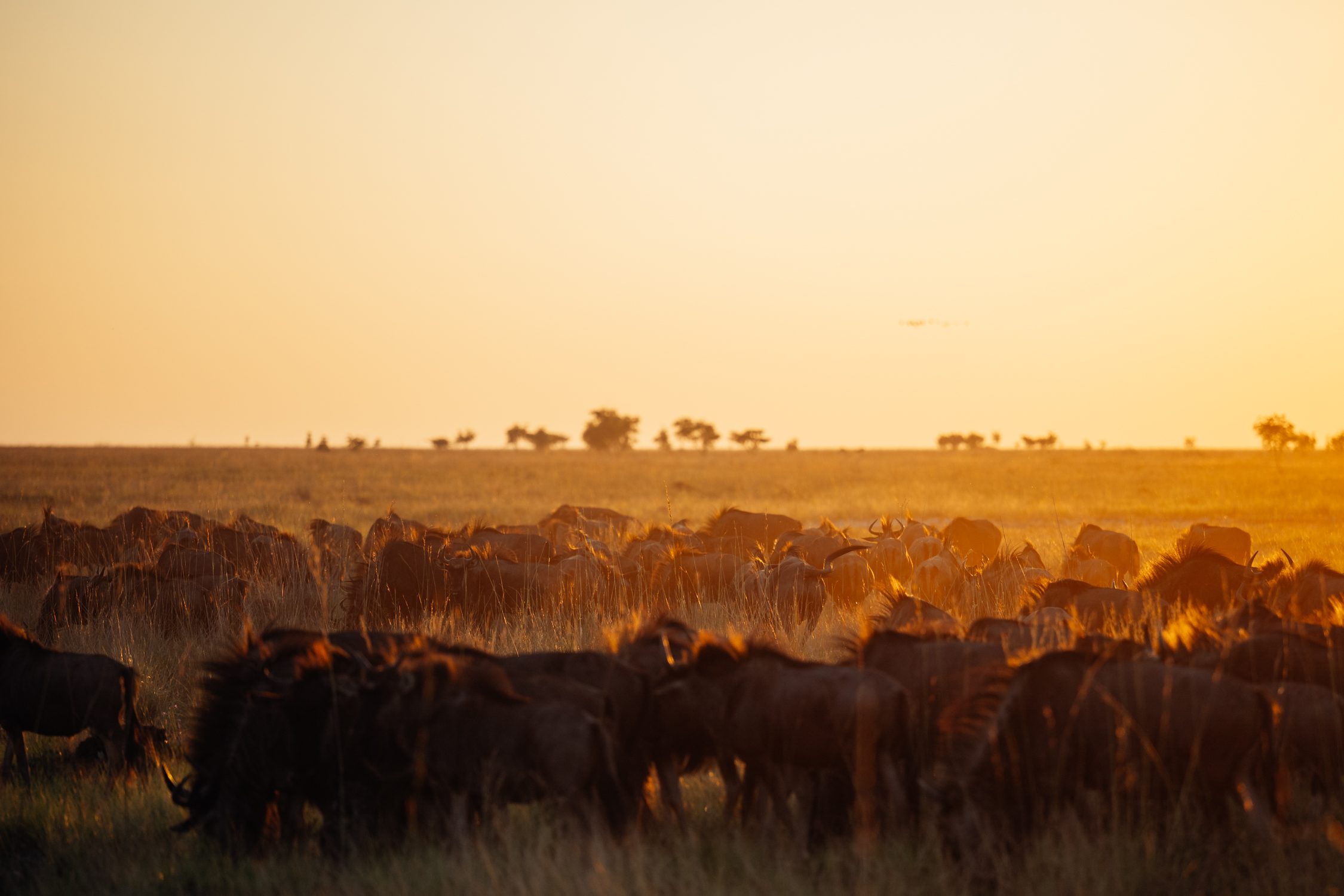
Covering roughly 3,660 square kilometers—an expanse larger than Luxembourg or Mallorca—Liuwa is home to Africa’s second-largest wildebeest migration. Beyond the spectacle of tens of thousands of wildebeest on the move, Liuwa is renowned for its fascinating predator dynamics—dominated by large, highly social spotted hyena clans and growing lion and cheetah populations—as well as incredible birding and a deep cultural connection to the local Lozi people.
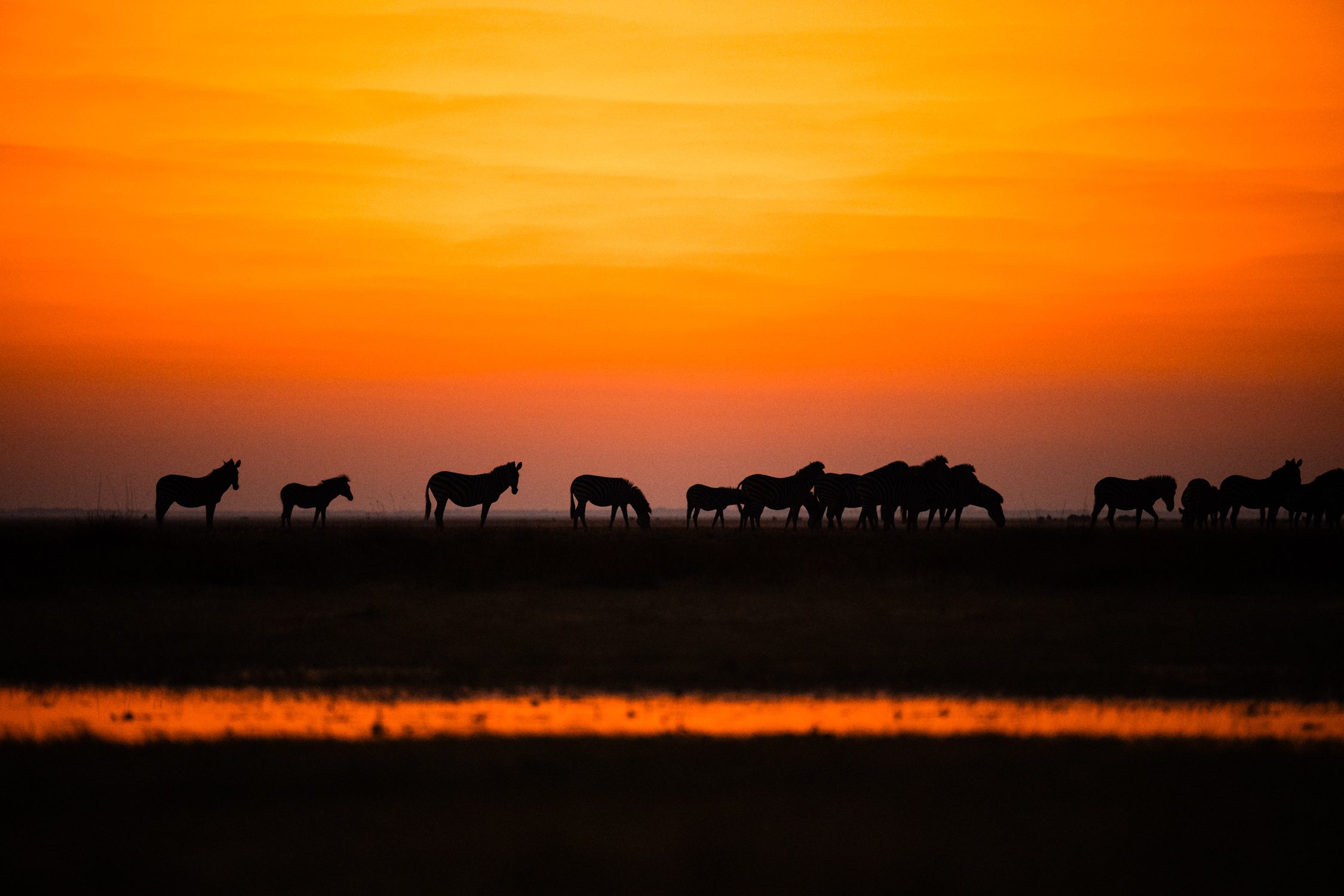
It’s also home to what I would deem one of the most exclusive wilderness experiences you can still come by in Africa. It’s extraordinarily remote and remains largely untouched by tourism, which sounds like bliss, but you won’t understand it until you see and feel it. I stayed 4 nights and didn’t see any other vehicles apart from our own Ker & Downey game drive vehicles (well, in essence there were just 4 other guests with us that time of the year – so the 6 of us had the whole park to ourselves)… hard to imagine, right?
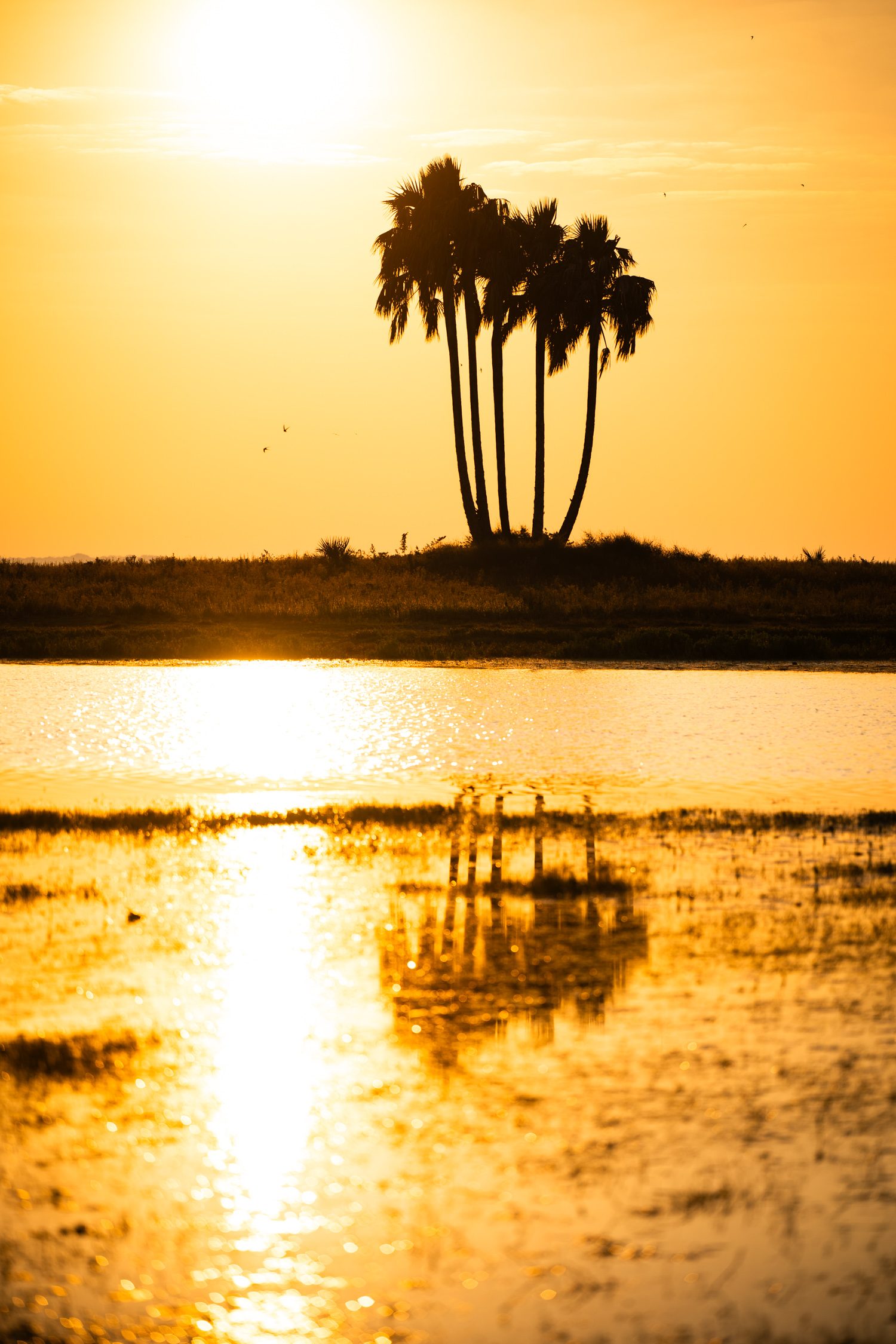
Expect wide-open, seemingly infinite horizons punctuated by island pockets of ancient palm trees and woodlands.
I would say Liuwa Plain is for experienced safari travelers seeking a journey far beyond the crowded tourist circuits. Yes, you might need to track wildlife longer here as there’s no radio communication with other guides, but that’s part of the experience and makes you appreciate the wilderness even more.
Think a whole park and only one permanent lodge in it. A maximum of 15 guests in a place so vast even your guide can sometimes get lost… (but that’s another story) 😉
The Legacy of Liuwa: Royal Protections & African Parks
Liuwa Plain carries a deep cultural history that sets it apart from almost any other park on the continent. Originally designated as a royal hunting ground by King Lewanika of the Lozi people in the late 19th century, the local community has lived alongside the park’s wildlife for generations. This traditional stewardship laid the foundation for modern conservation. In 1972, Liuwa was formally established as a national park, and since 2003, it has been managed in a pioneering partnership between the Barotse Royal Establishment, the Zambian Department of National Parks and Wildlife (DNPW), and African Parks.
Through rigorous law enforcement, community engagement, and reintroduction programs, African Parks has transformed Liuwa into a thriving ecosystem. Today, lion, cheetah, and spotted hyena populations are recovering steadily, supported by wildlife monitoring initiatives like the Zambian Carnivore Program (ZCP). Looking to the future, Liuwa stands as a model for community-based conservation, where eco-tourism directly funds local livelihoods, education, and sustainable initiatives such as village beekeeping projects.
When to visit Liuwa Plain National Park
The most popular time to witness the wildebeest migration and dramatic weather transitions is from late October through December, when early rains turn the plain green and trigger massive wildlife gatherings along with incredible bird activity.
The dry season (June to September) offers easier navigation across the plains, excellent visibility, cool evenings, and great game viewing as water sources shrink. Between January and May, high water levels reduce road access, though the late-wet and shoulder months (April to May) offer vibrant, wildflower-dotted landscapes which are a photographers dream.
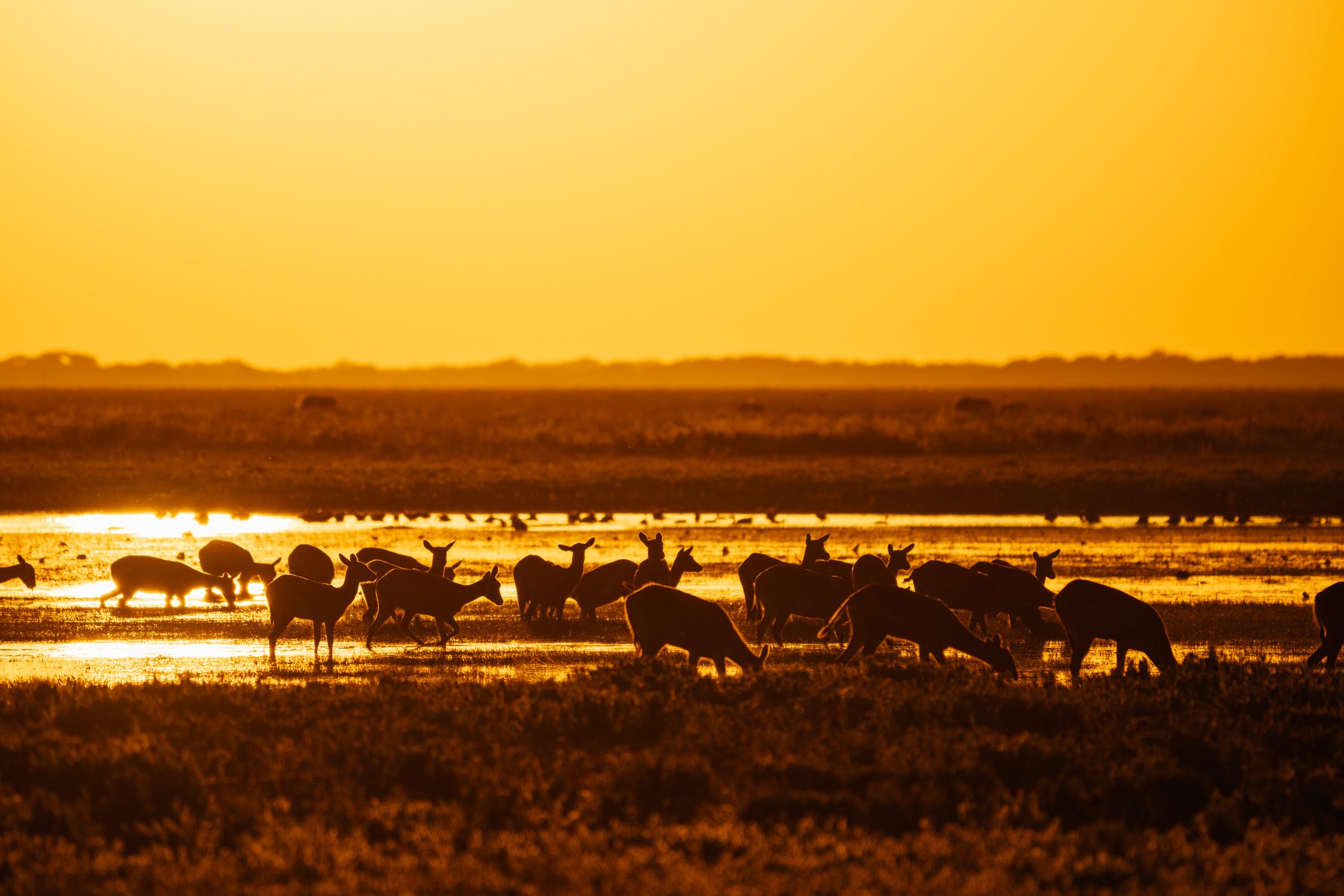
The landscape changes dramatically across the year, transforming from dry, golden plains to a lush, water-filled haven where dramatic thunderstorm skies reflect off shallow flooded pans.
My late May visit: The Seasonal Shift
I visited Liuwa Plain in late May this year. May is considered shoulder season in much of Zambia, but Liuwa Plain is a bit of an exception. The plain is flooded during the rainy season and remains largely inaccessible throughout January and February. As of March operations begin, when first patches of land dry up. Late May is a wonderful time of the year as temperatures are cool and comfortable and the plains have dried up enough for good accessibility on 4x4s.
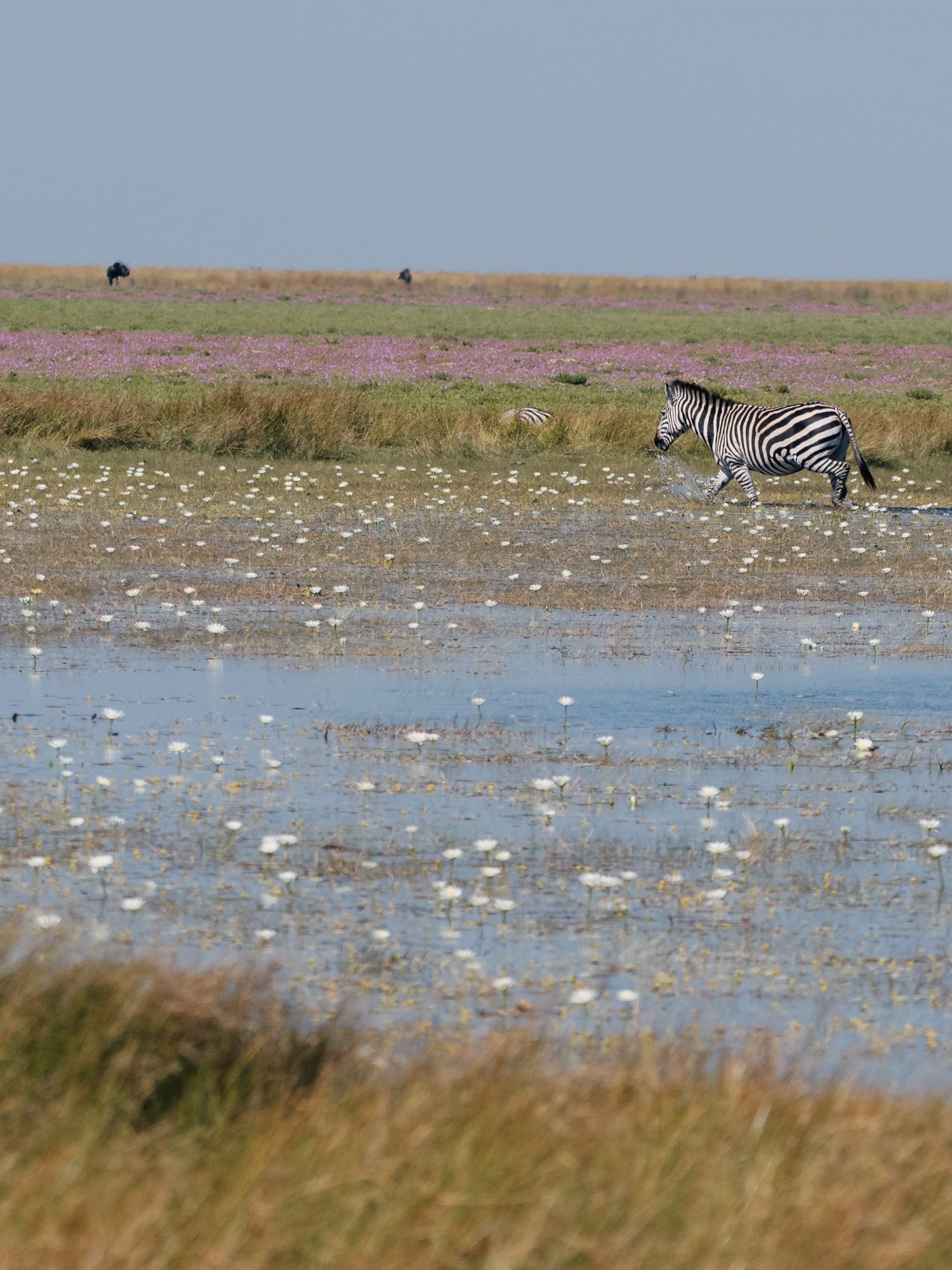
Late May also marks a magical transition in Liuwa Plain. As the floodwaters recede and the park shifts into the dry season, the landscape blooms with vibrant life. Wide-open grasslands are brushed with pink top flowers (Vernonia), creating a sea of color that lasts through July. I had never seen lions rest in patches of pink blossoms before or huge herds of wildebeest stretched over an endless horizon of colourful flowers.
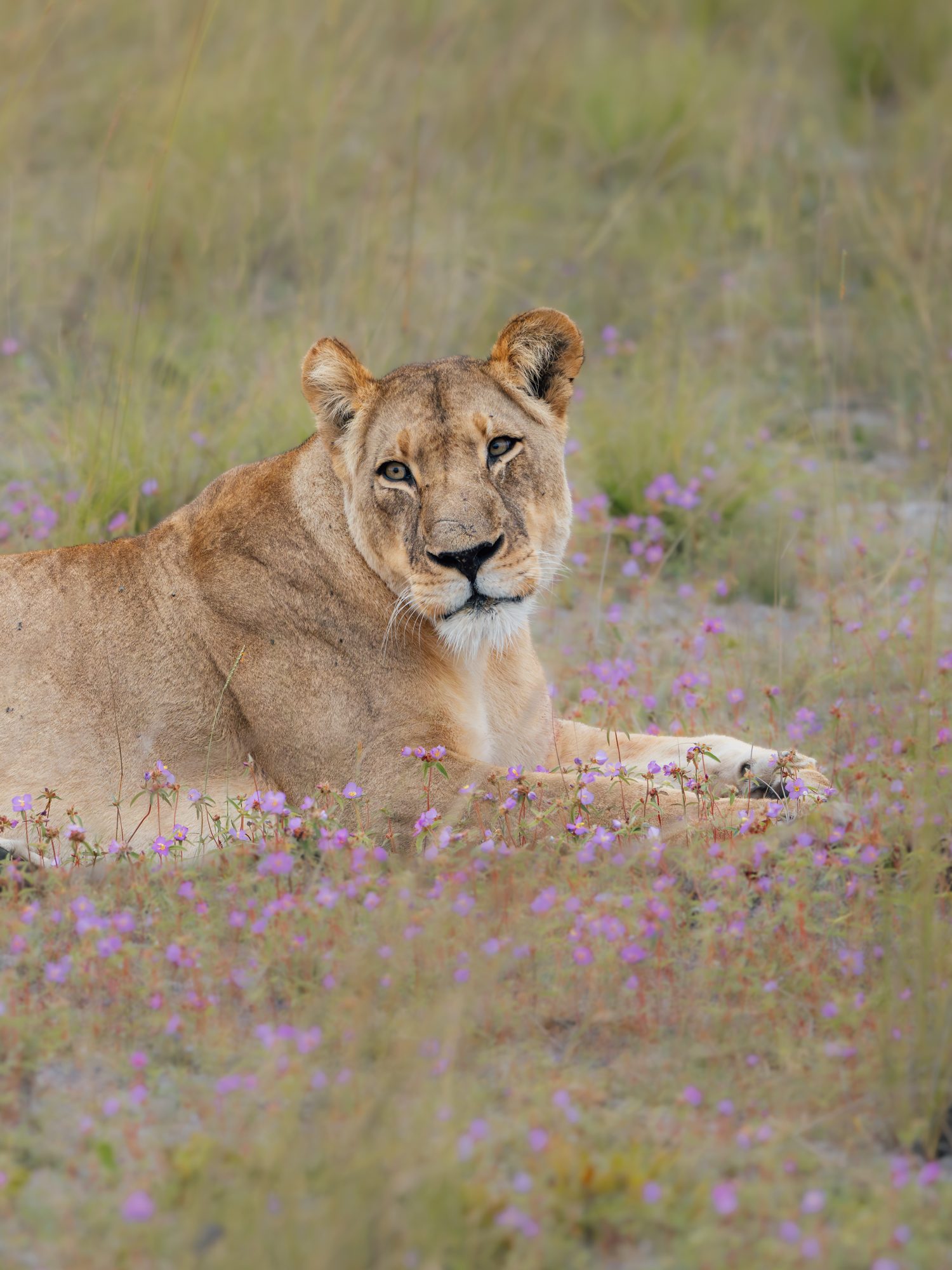
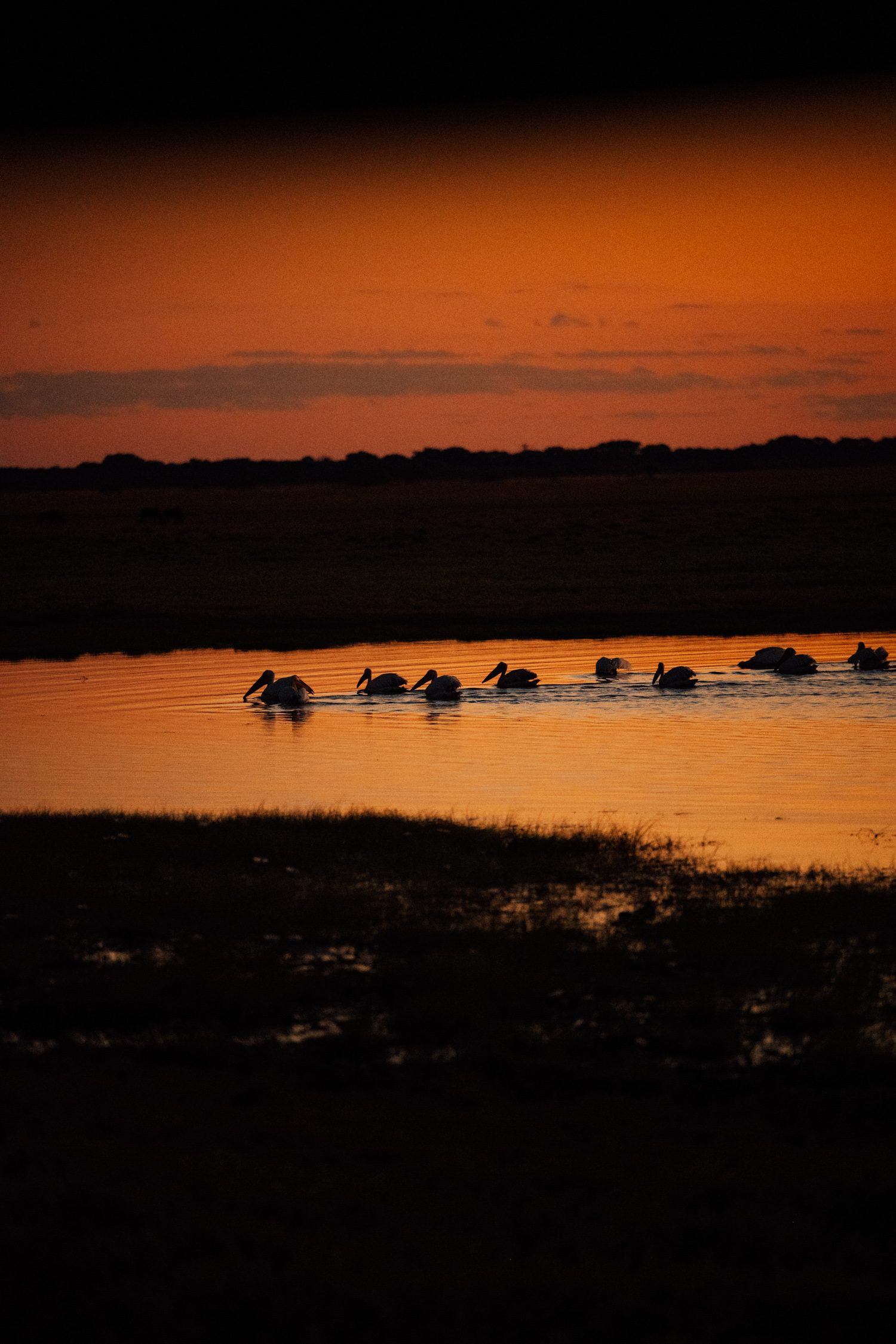
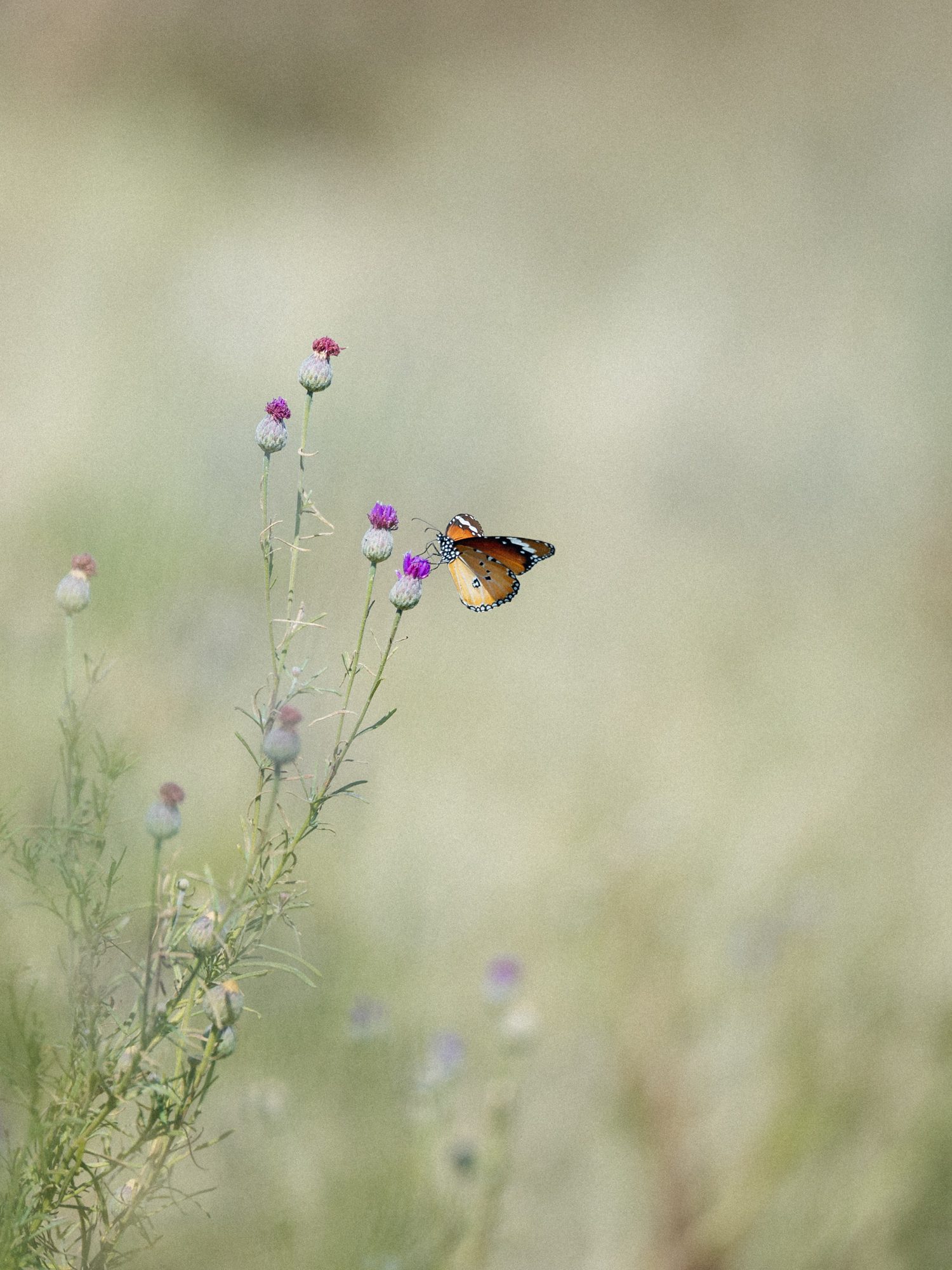
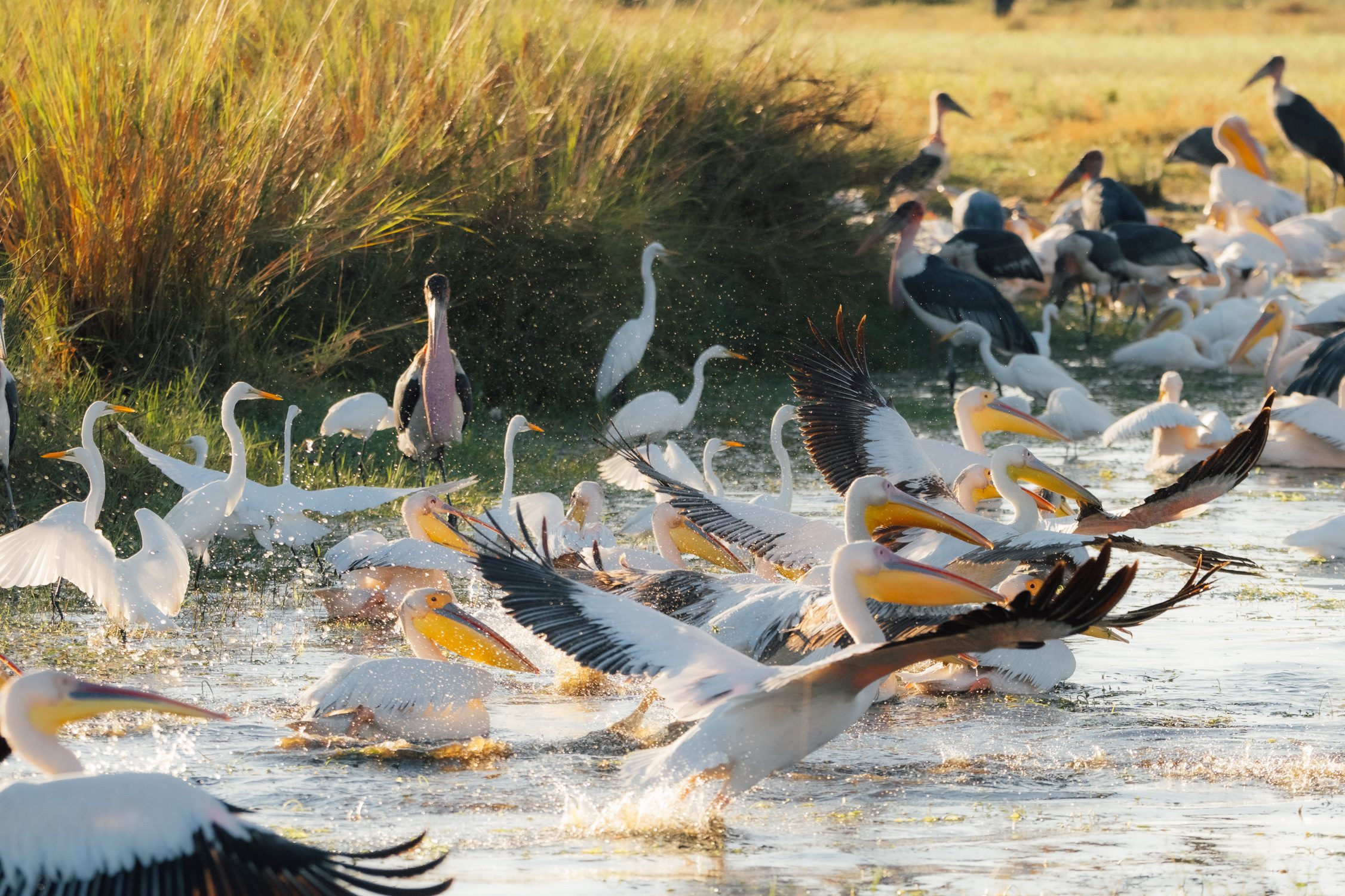
While the landscape dries, water remains tucked away in hidden lily ponds buzzing with carpenter bees and vibrant butterflies. The wildlife gathers around these pans, offering intimate, low-angle photographic opportunities of wildebeest herds, flocks of waddled starlings, white pelicans, and noisy blacksmith lapwings.
The skies are clear, delivering brilliant golden sunsets that give way to crisp, pitch dark night skies made for fireside storytelling.
What type of wildlife encounters to expect
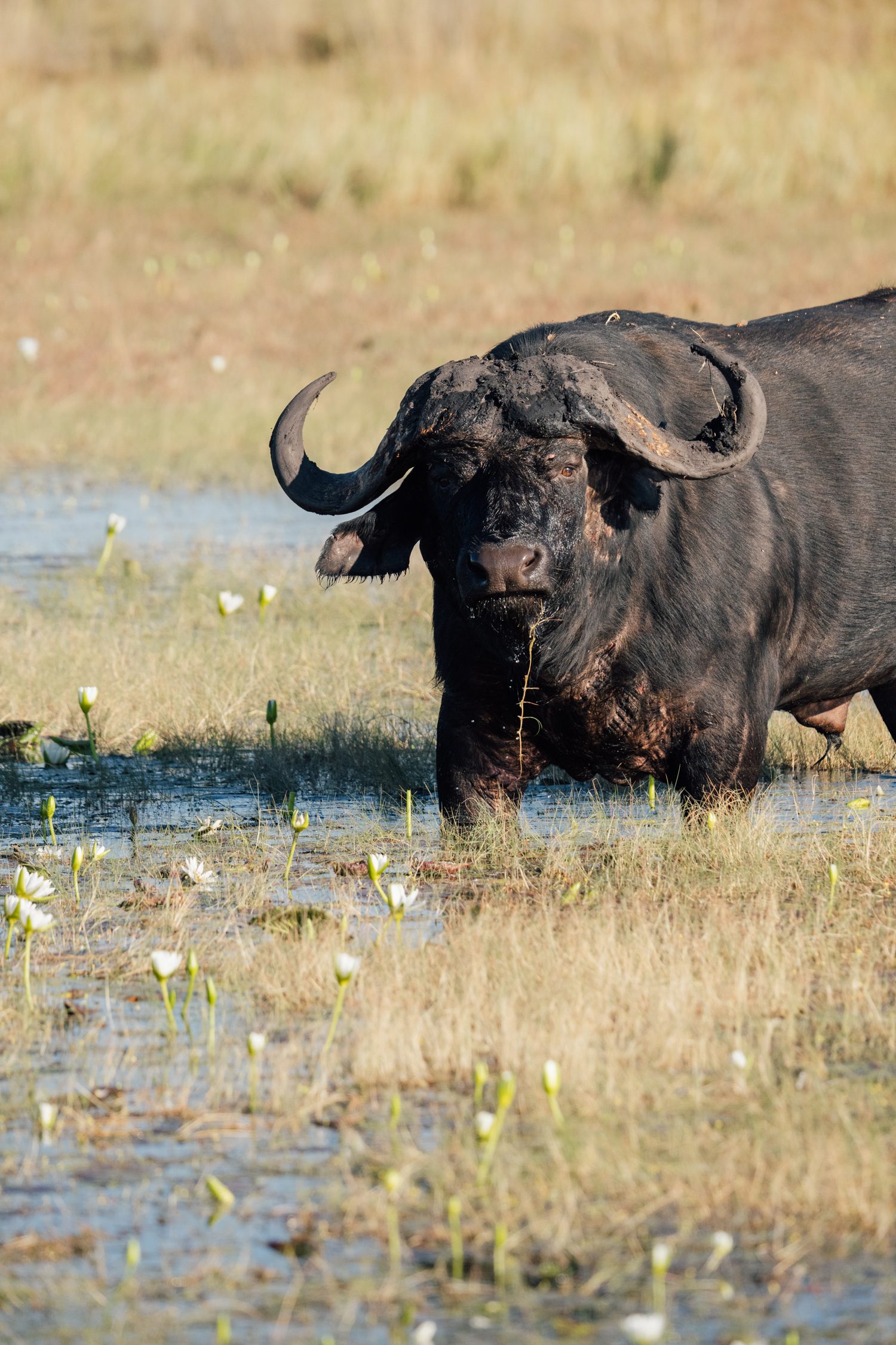
A safari in Liuwa is defined by track-led exploration rather than vehicle traffic. Game drives across the plains offer close encounters with Liuwa’s famous predators and abundant plains game.
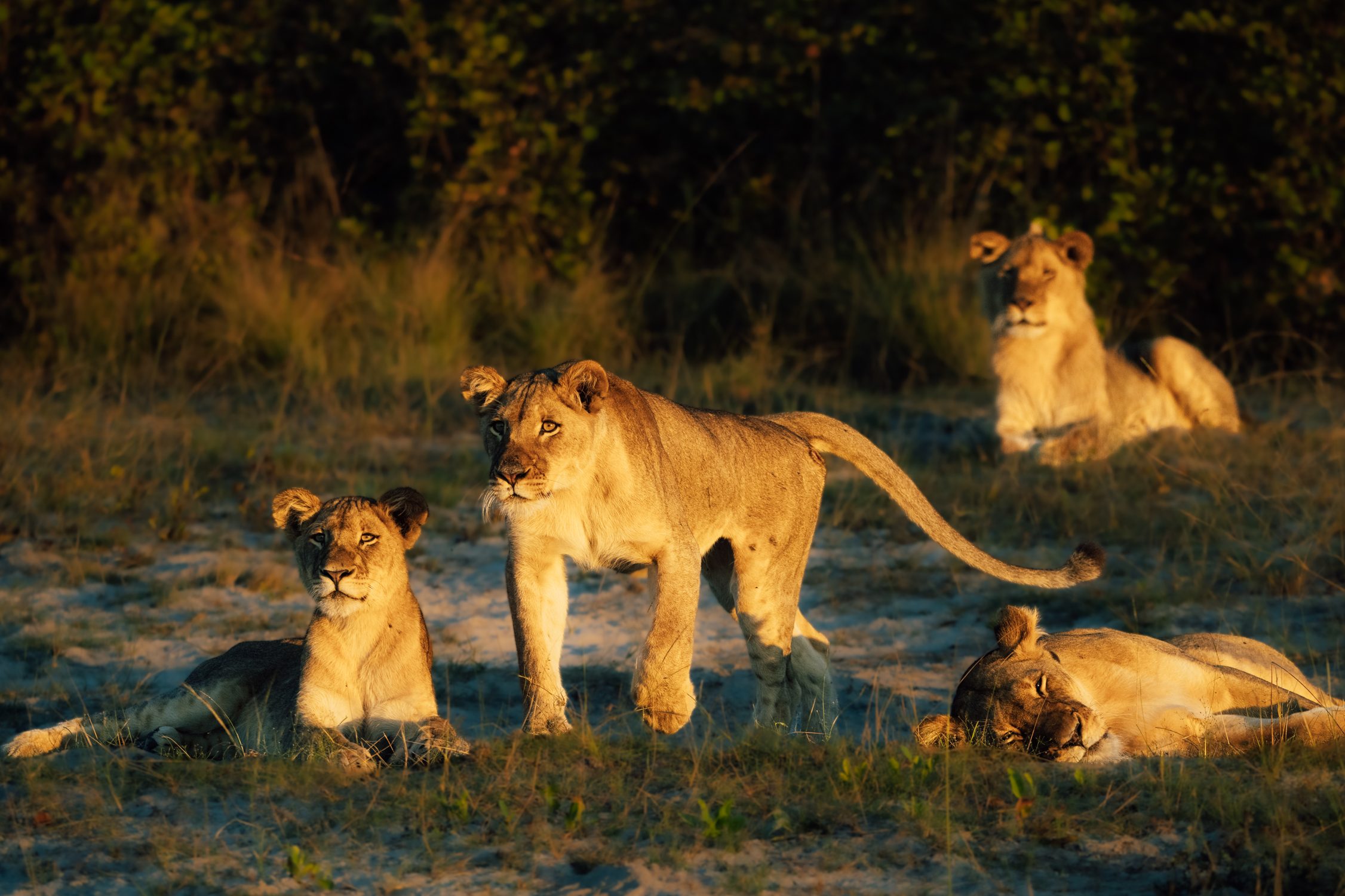
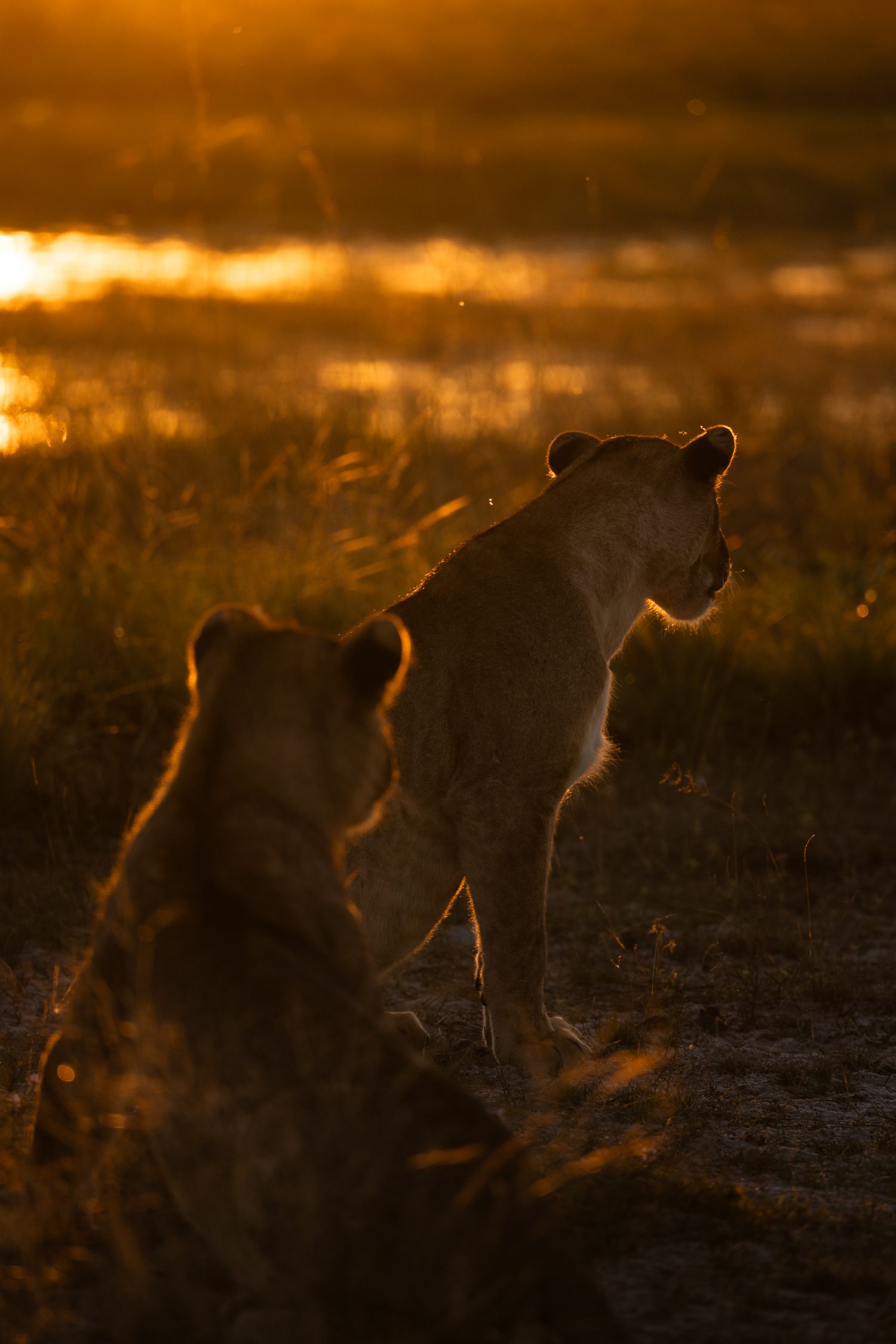
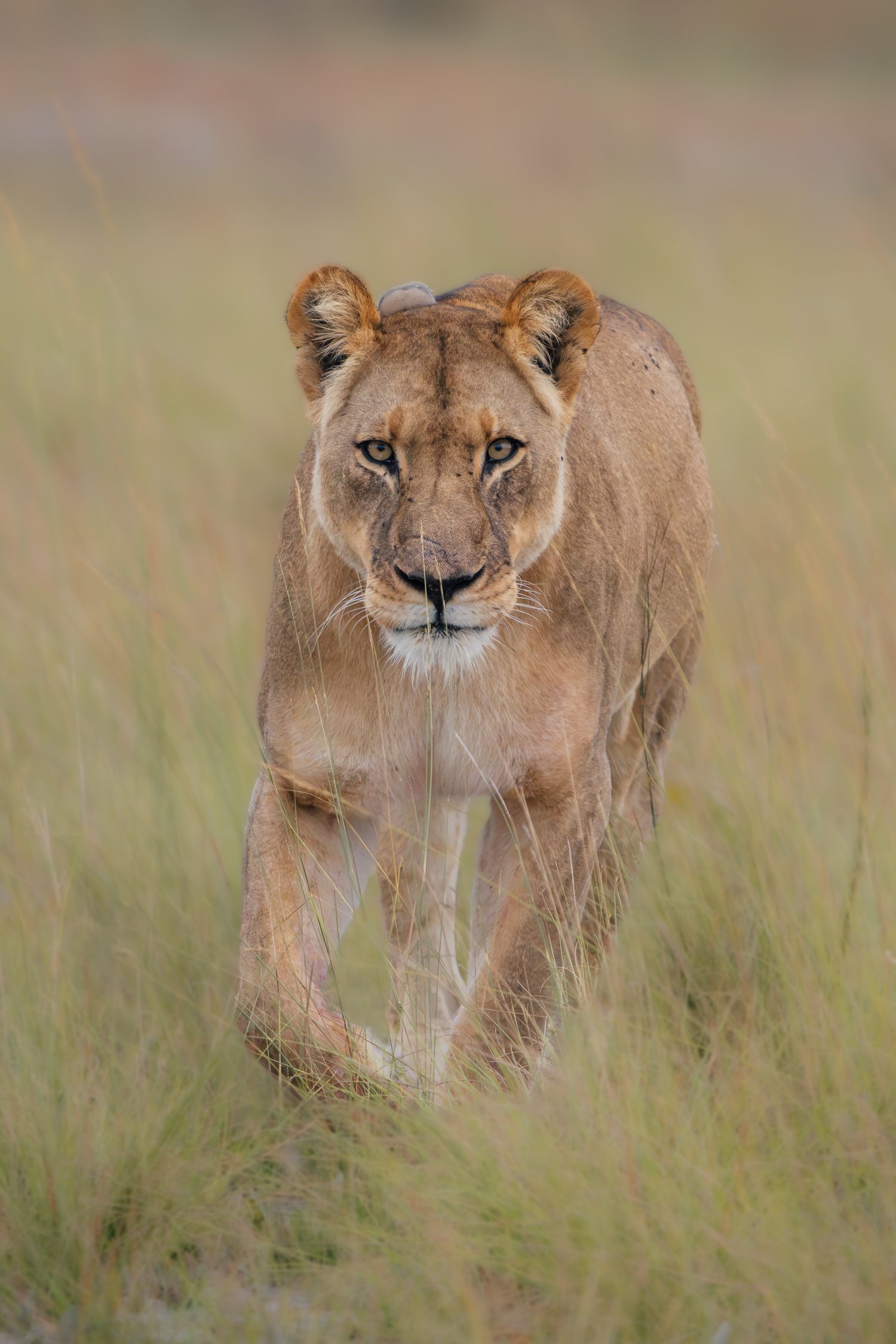
We got lucky enough to encounter one of the lion prides with youngsters close to the lodge right the first evening. They emerged from a patch of bushes shortly before sunset – providing us with a spectacular photo opportunity right from the get go. One of the females was collared by the Zambian Carnivore Program, which to me isn’t a reason not to photograph her (unlike many other wildlife photographers I appreciate the conservation that goes into their species protection and recovery and collars are a part of that).
The only animal that remained hiding in plain sight from me are the famous hyenas of Liuwa Plain. They notoriously hunt in large packs and there’s quite a few denning sites around King Lewanika Lodge. The day after I left the remaining guests sent me photos of the hyenas that had emerged that morning. It looks like I have to go back to get to see this spectacle!
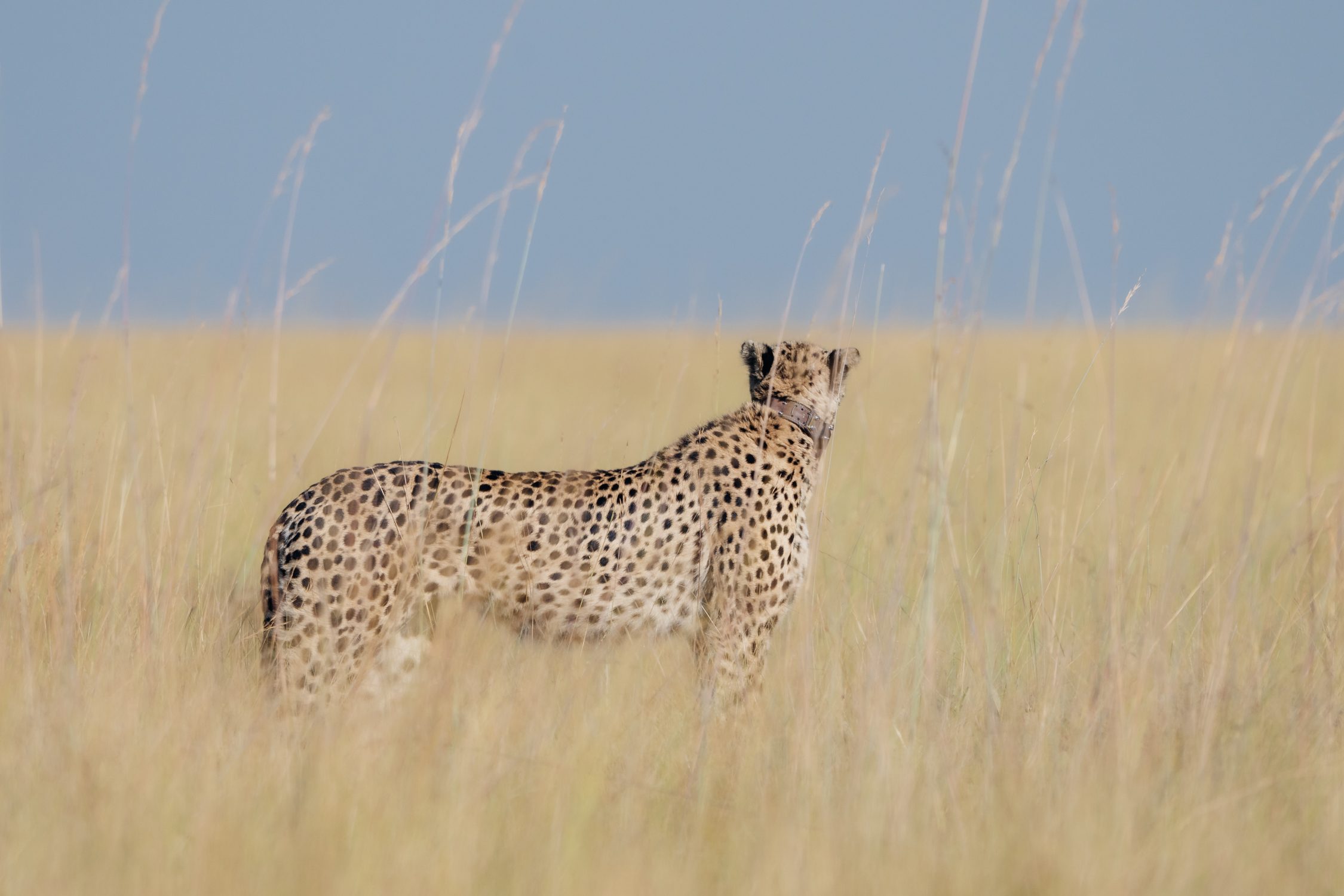
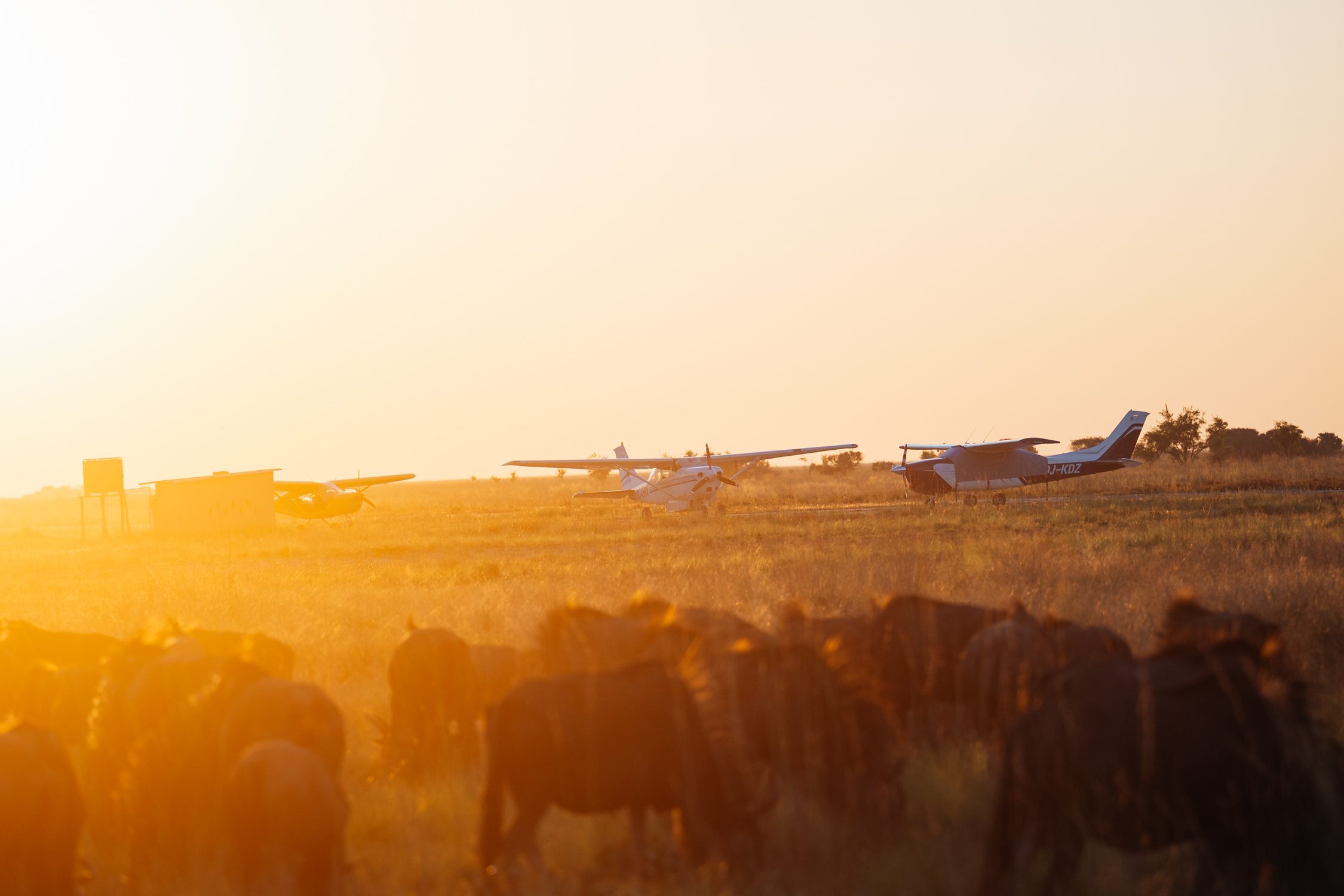
Apart from the lions and hyenas I got treated to a cheetah sighting just before I was boarding the plane back to Lusaka. Luckily the plane is a charter and waited for us – but I’ll get to the logistics in more detail later. And then there’s the birdlife of Liuwa! More than 500 species of birds call Liuwa their home and just recently guests discovered a new species here, can you believe it?
Community conservation in action
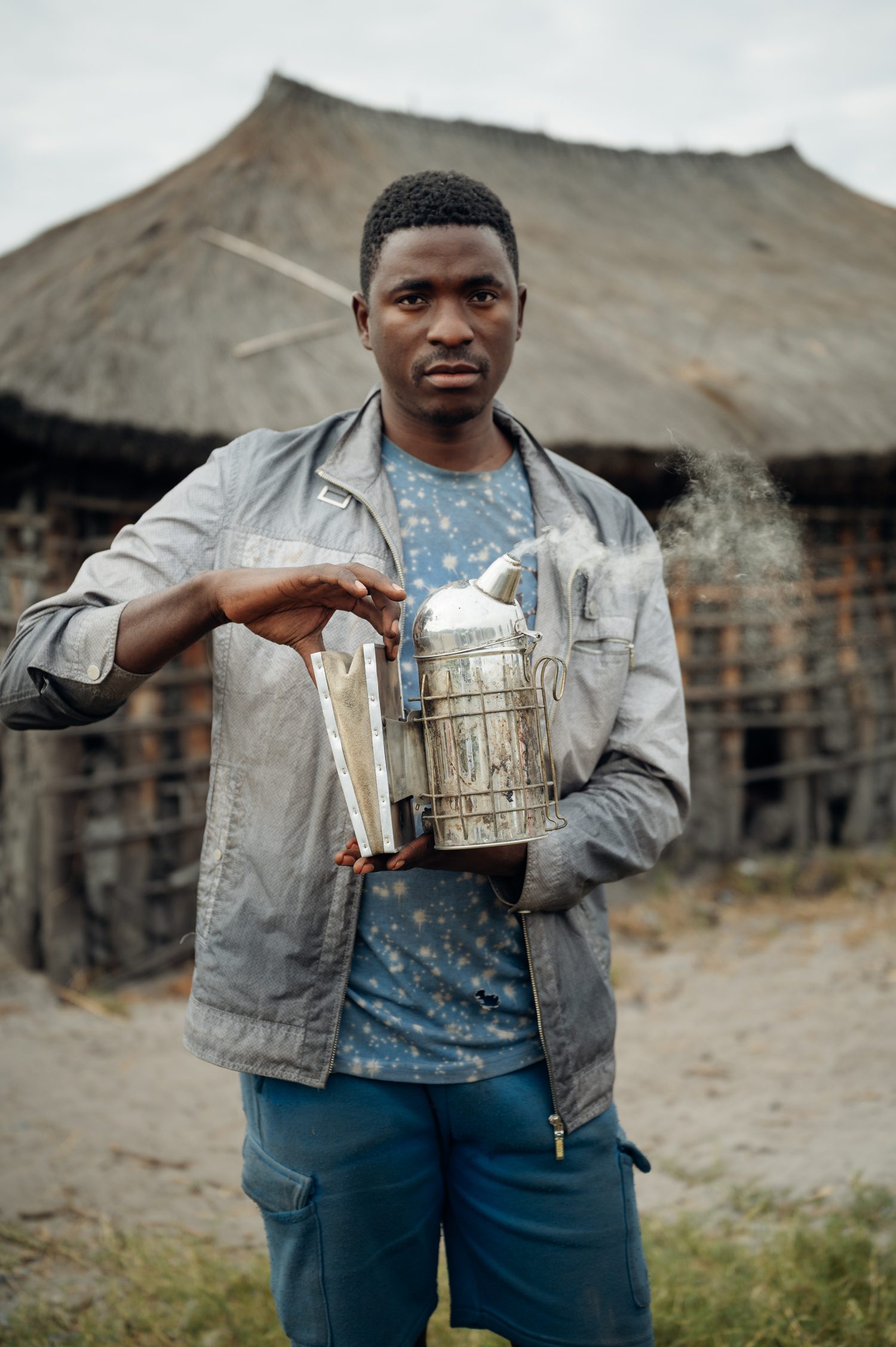
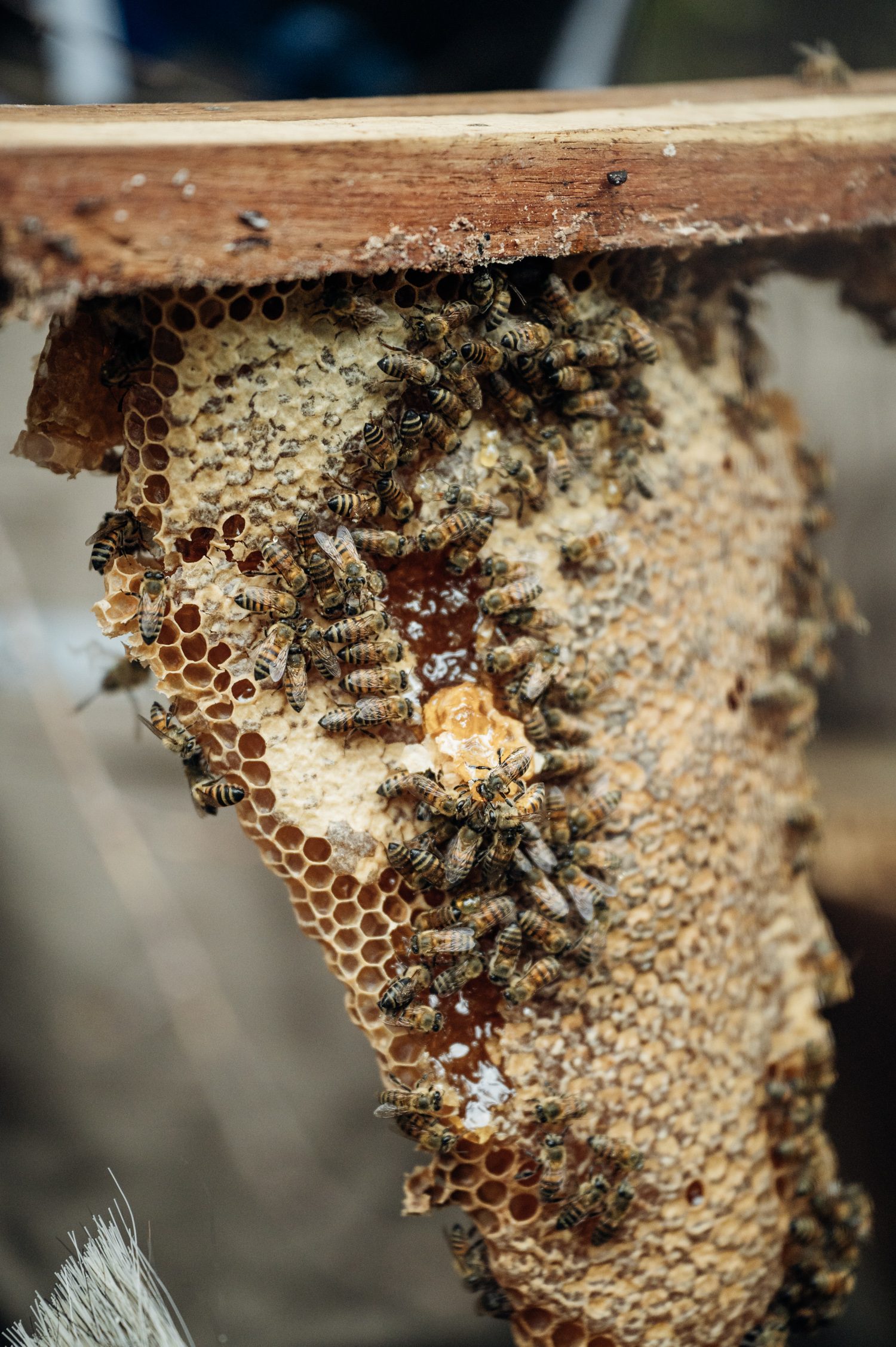
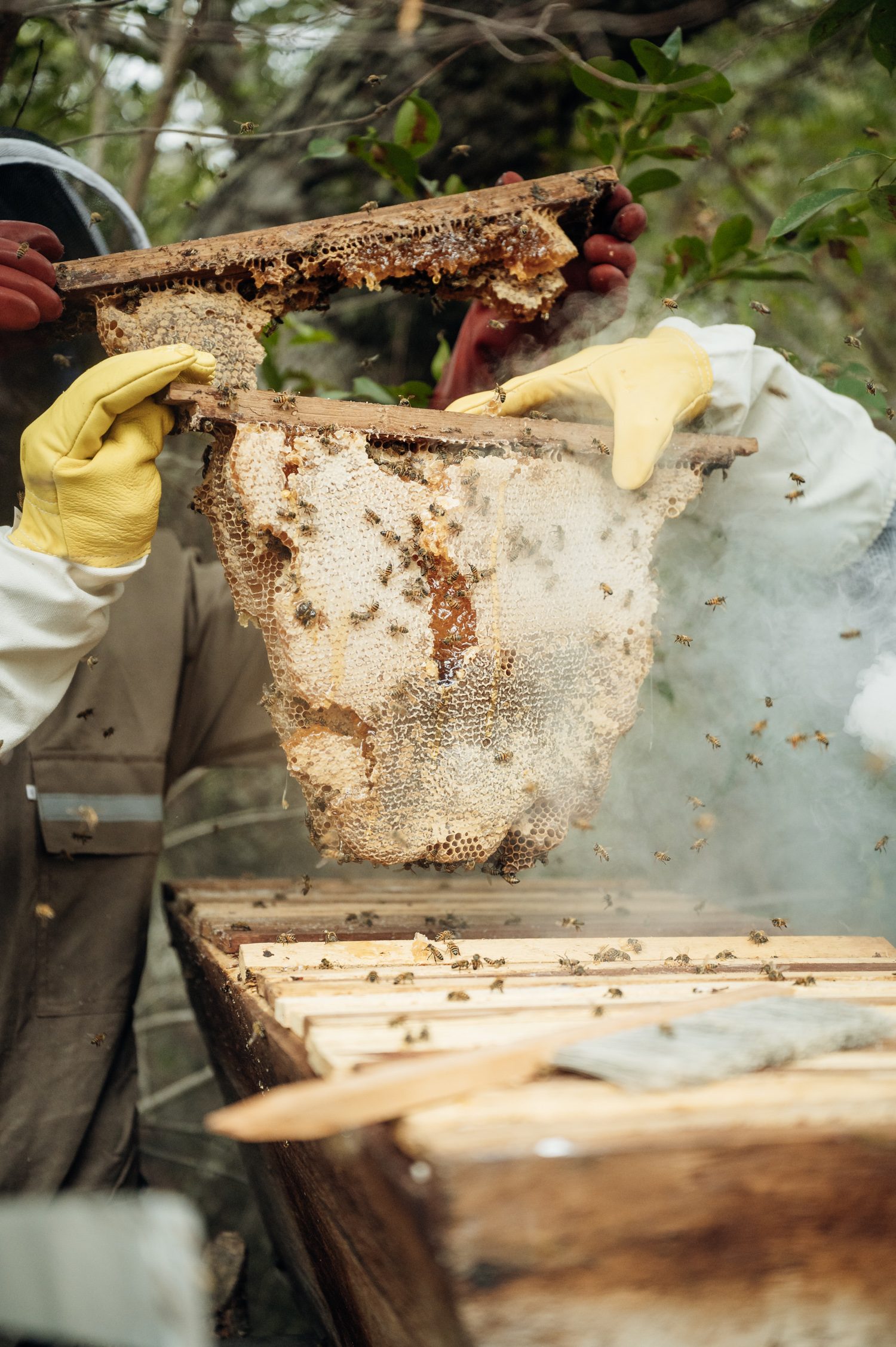
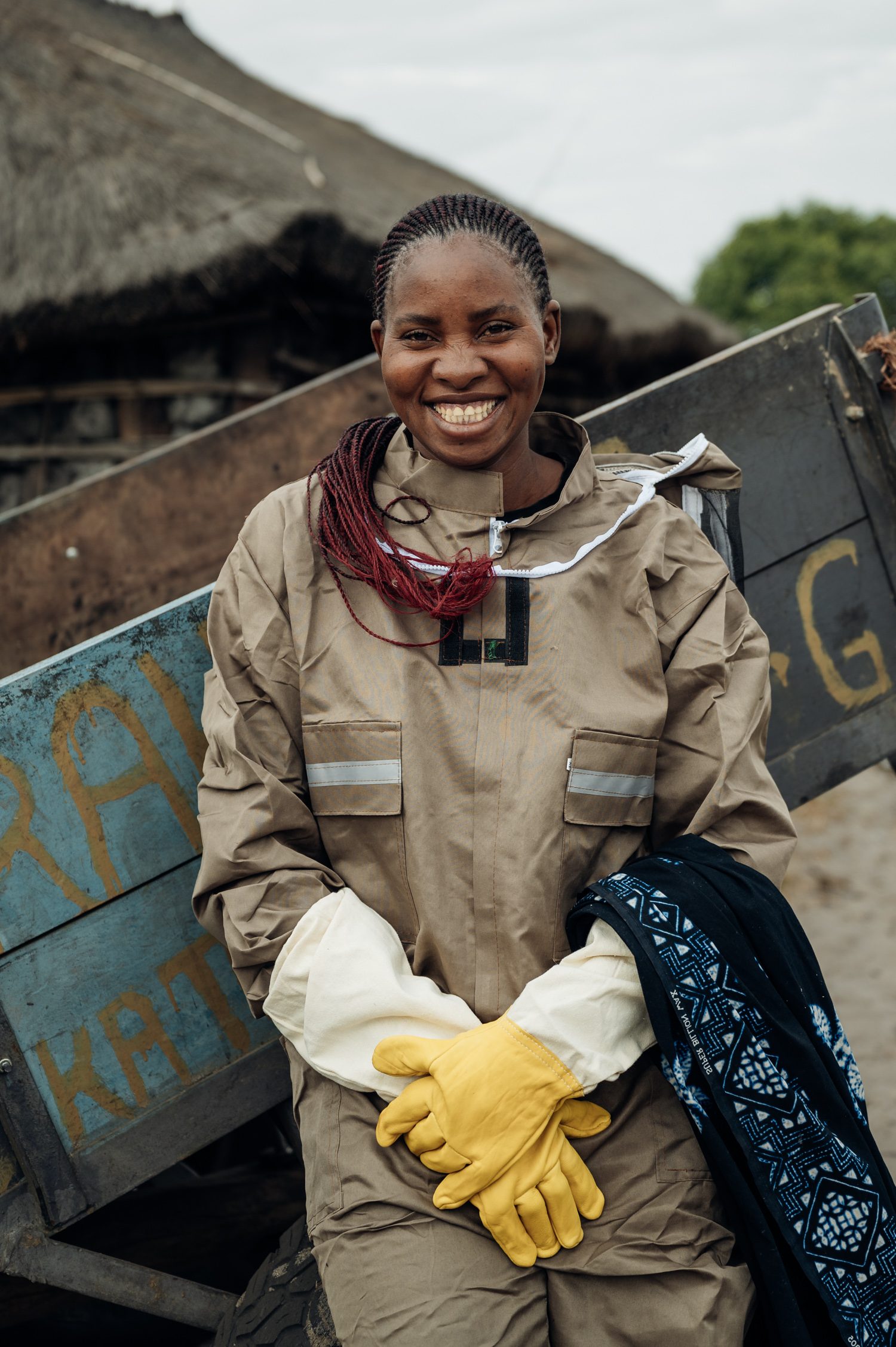
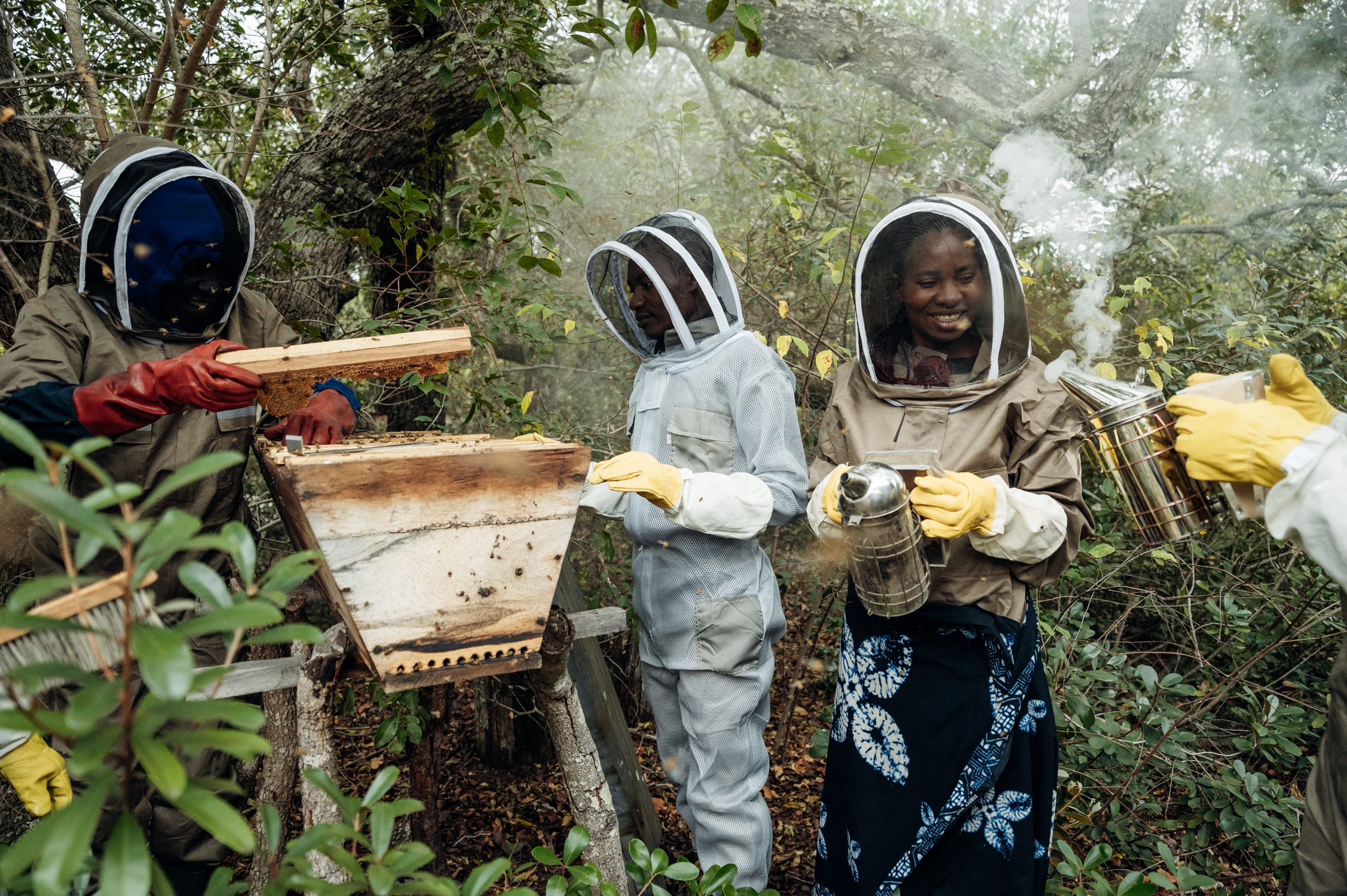
Next to the incredible wildlife Liuwa Plain also stands out as one of Africa’s few major national parks where human habitation is fully integrated into the management model, with approximately 12,000 Lozi people living permanently within its borders. Residents are permitted to carry out traditional, low-impact resource harvesting—such as small-scale fishing, cattle grazing, and community-managed beekeeping—which respects their historical land rights while providing viable livelihoods.
African Parks monitors and regulates these activities through a zonation strategy and collaborative law enforcement, tracking wildlife population dynamics and human-wildlife conflict incidents alongside community committees to ensure that local economic practices remain environmentally sustainable.
We got the chance to visit one of the beekeeping projects inside the park to learn more about the community engagement and conservation approach at Liuwa Plain.
Where to Stay: King Lewanika Lodge
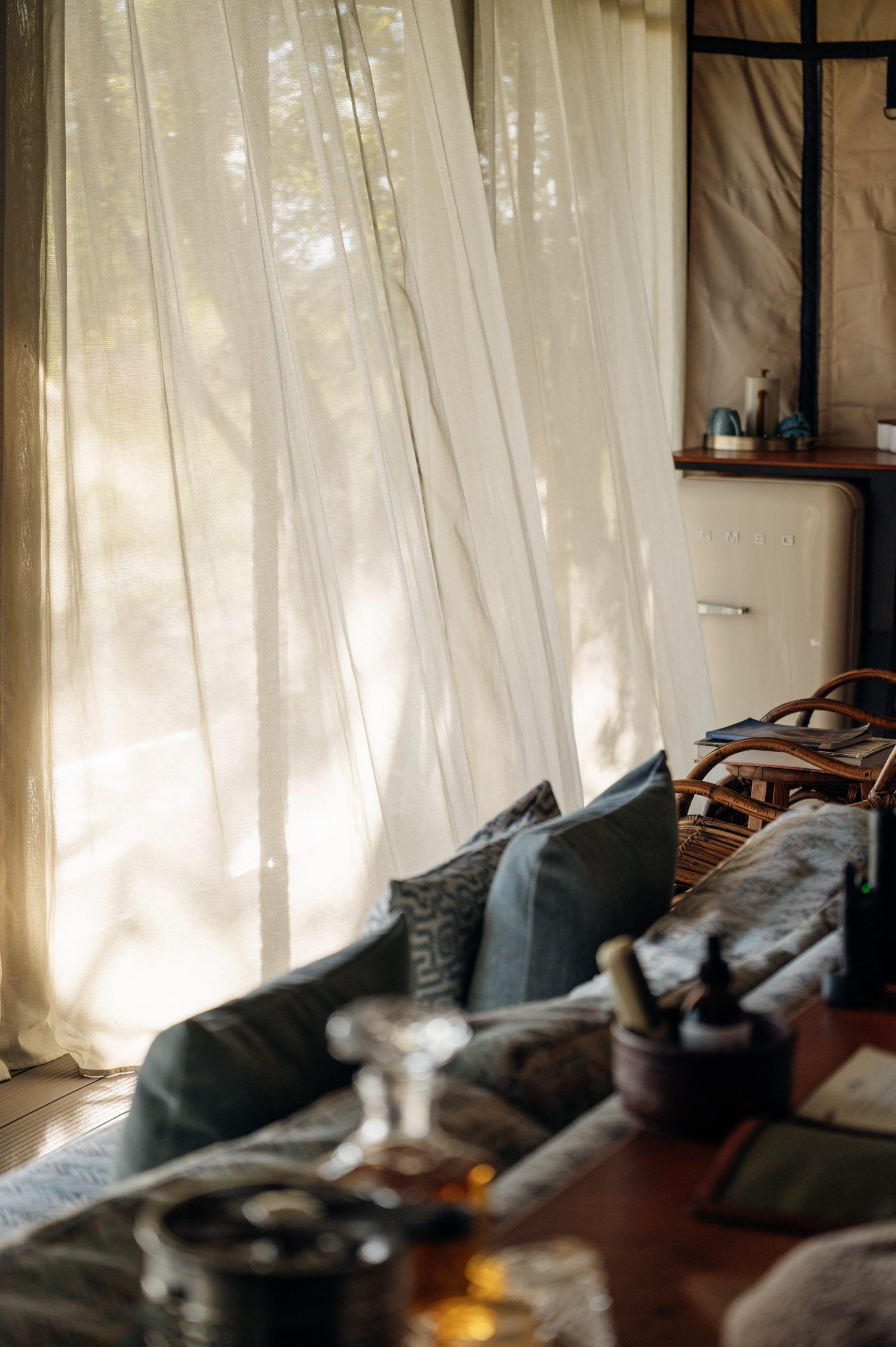
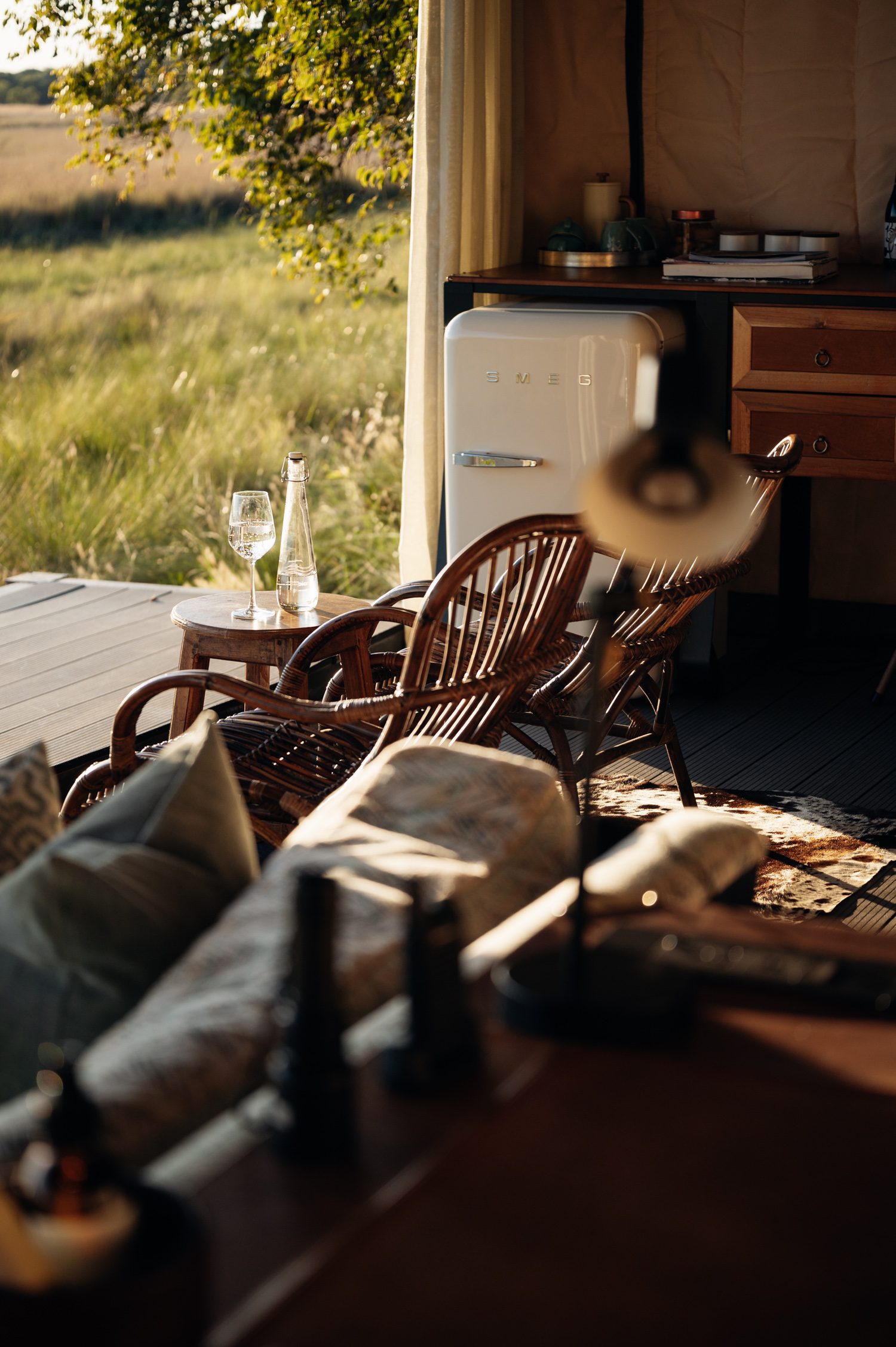
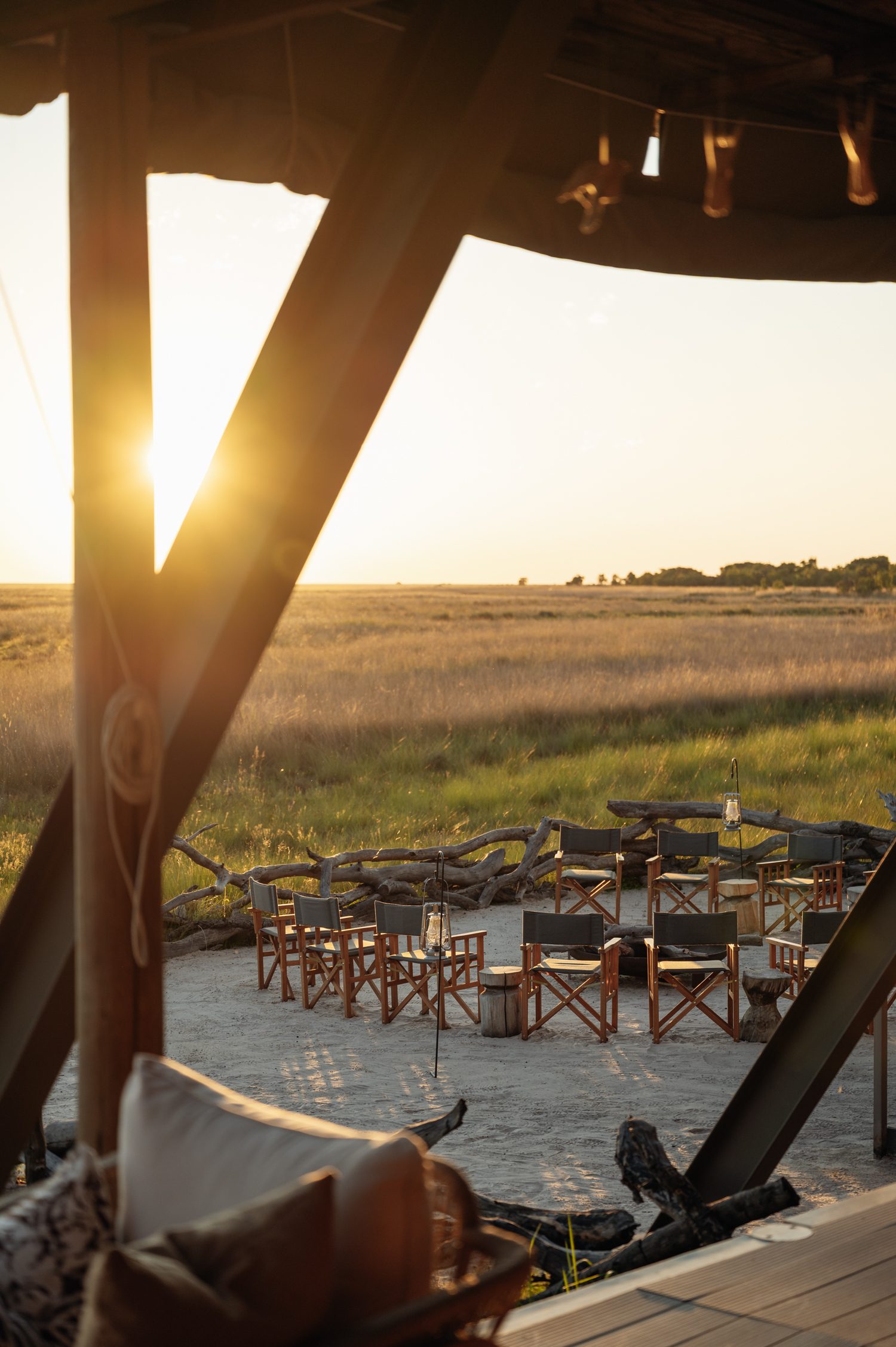
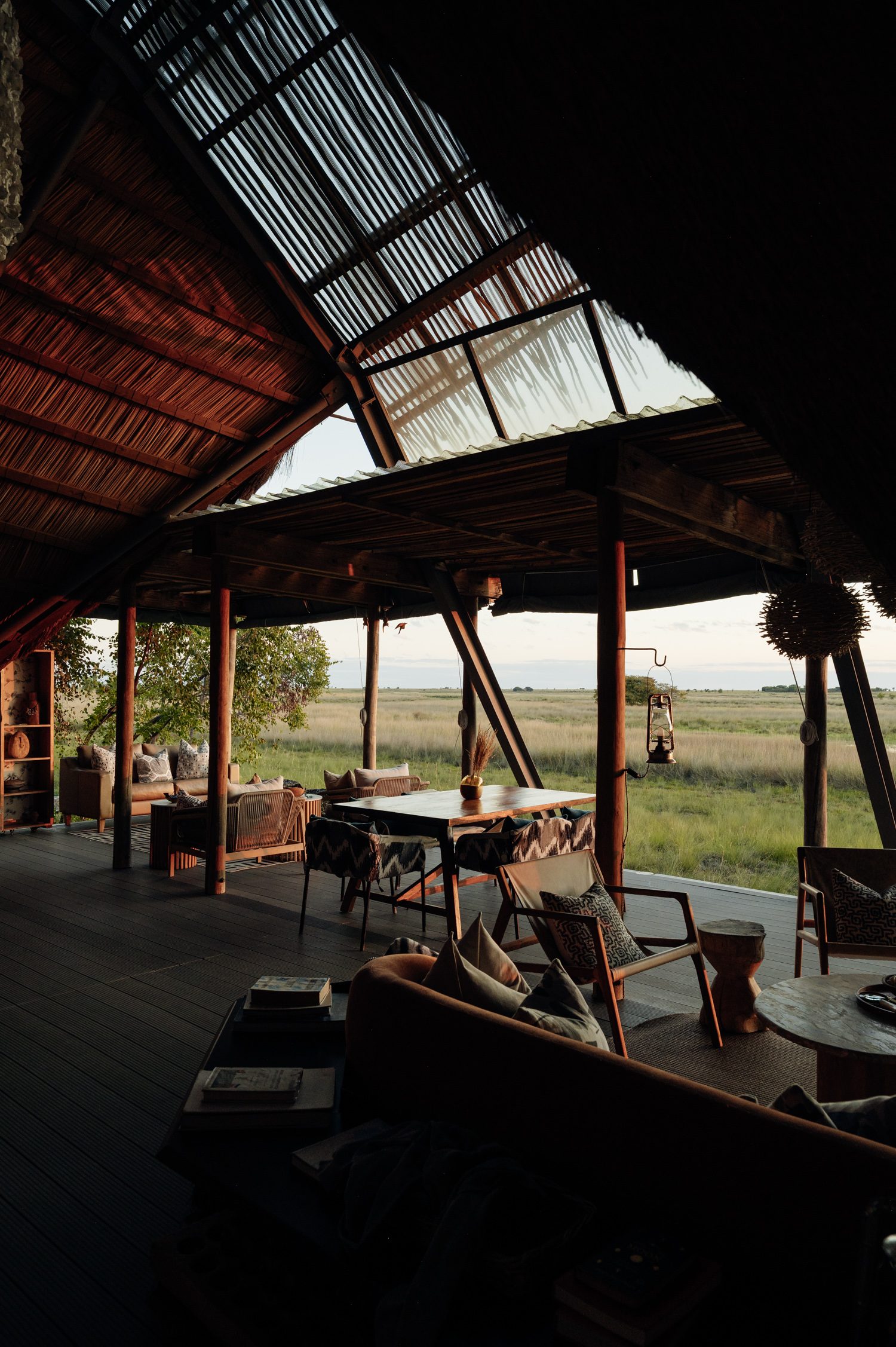
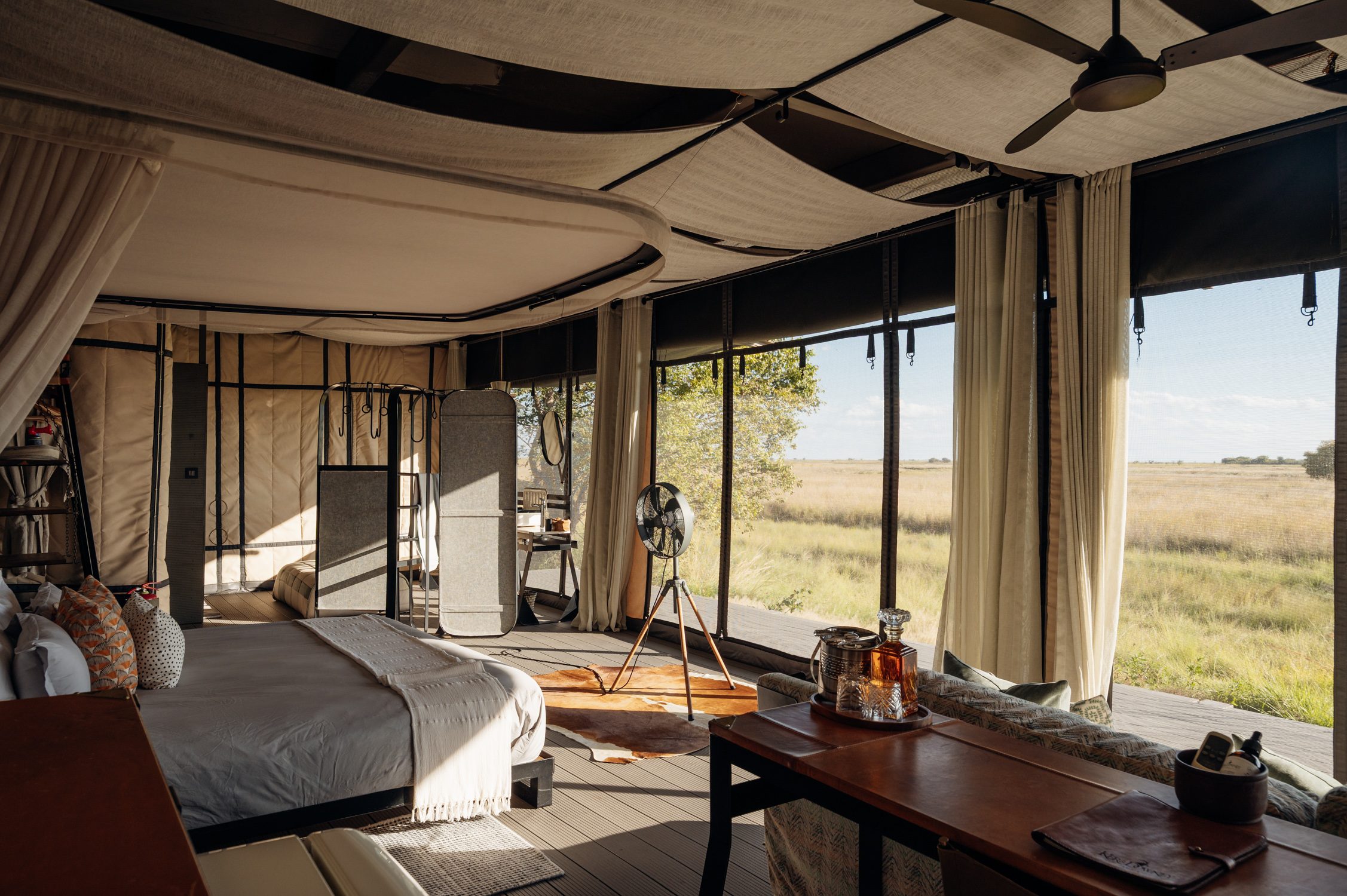
The flagship accommodation in the park is King Lewanika Lodge, which is now operated by Ker & Downey Zambia. As the only permanent luxury lodge in Liuwa Plain, it features six light-footprint, canvas-and-wood luxury safari tents set discretely along a tree line overlooking the open plains. It’s a spectacular lodge from a design perspective, but more importantly it is built with sustainability at its core, on a very light footprint on elevated stilts.
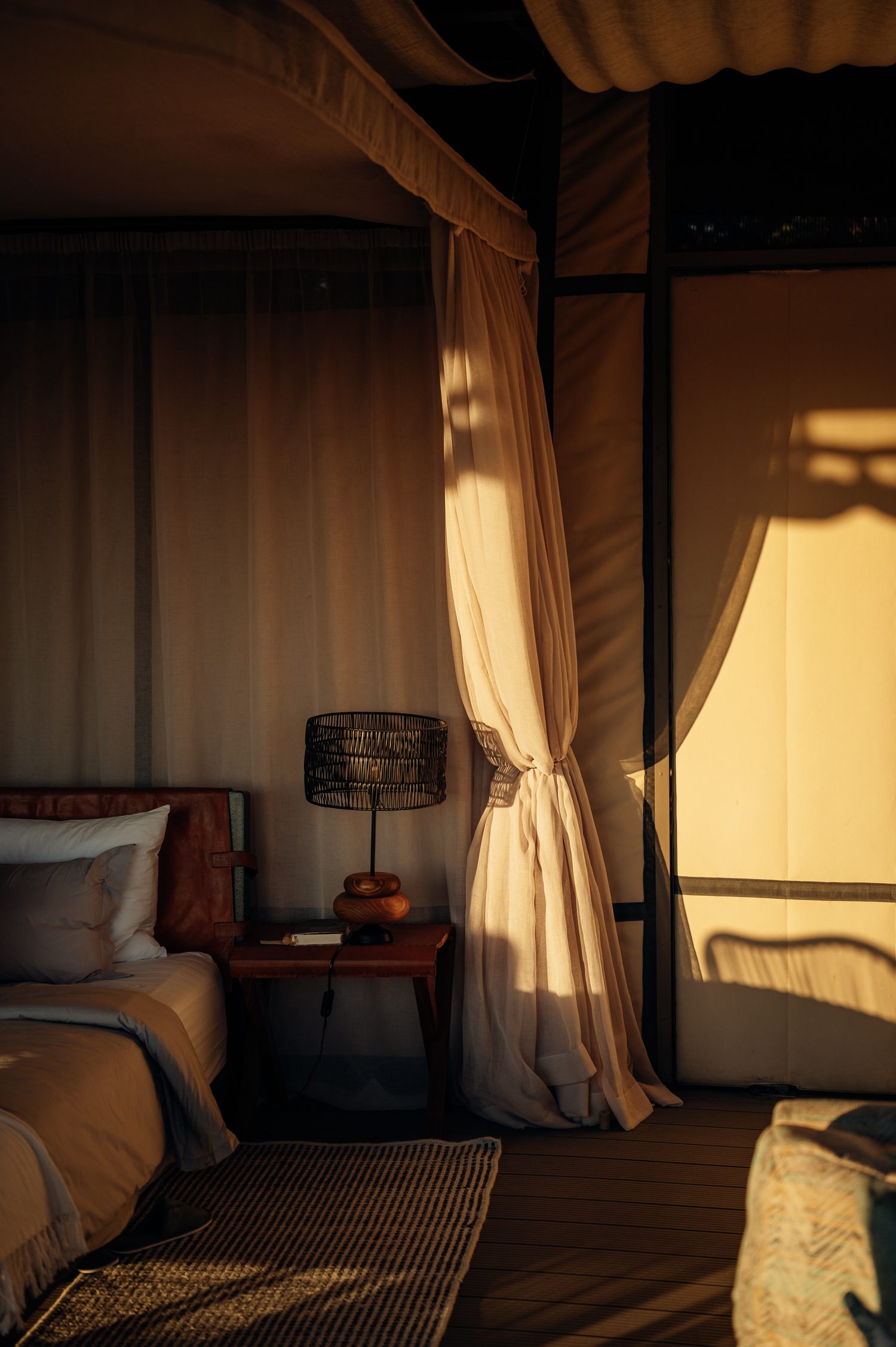
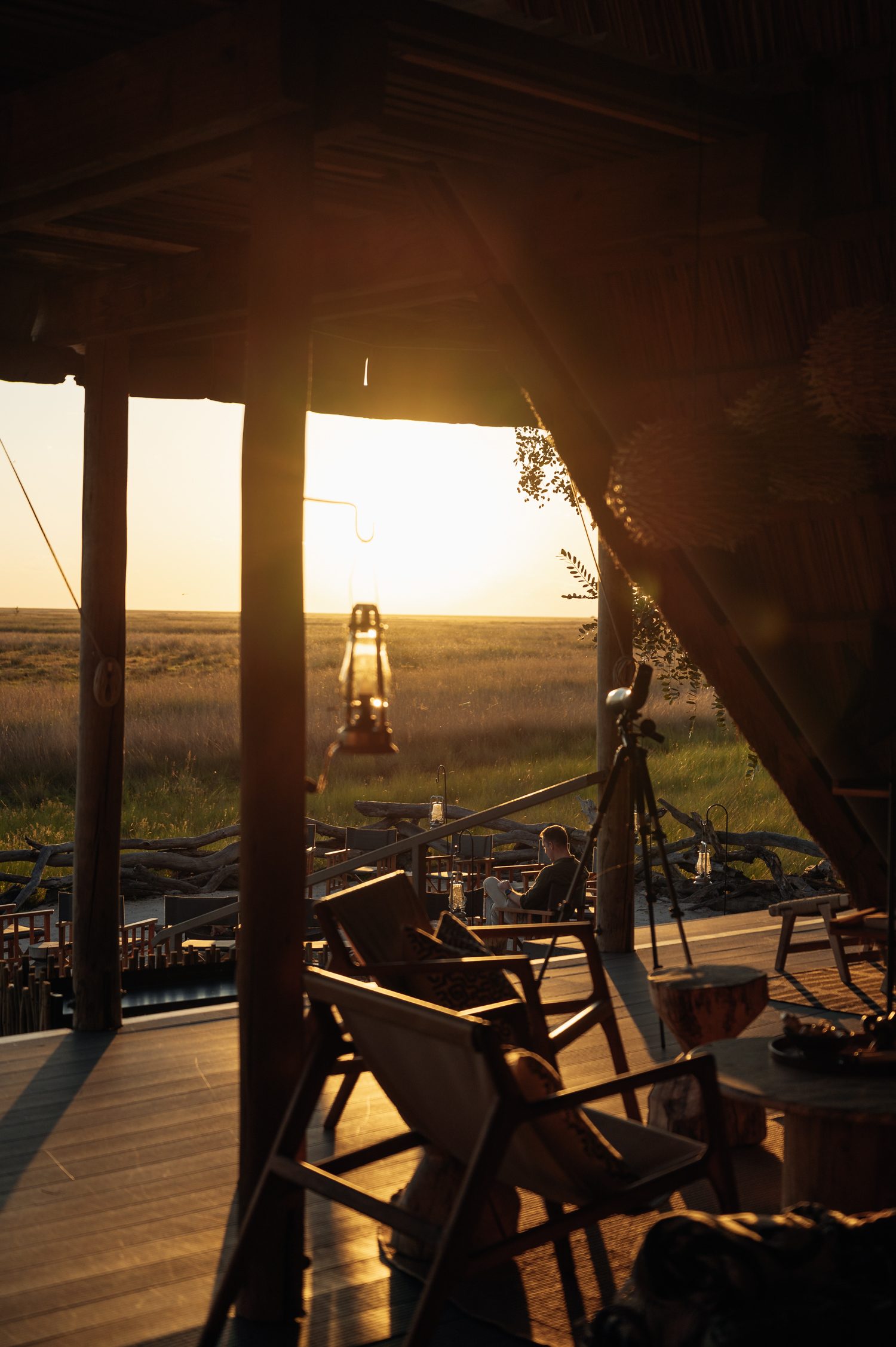
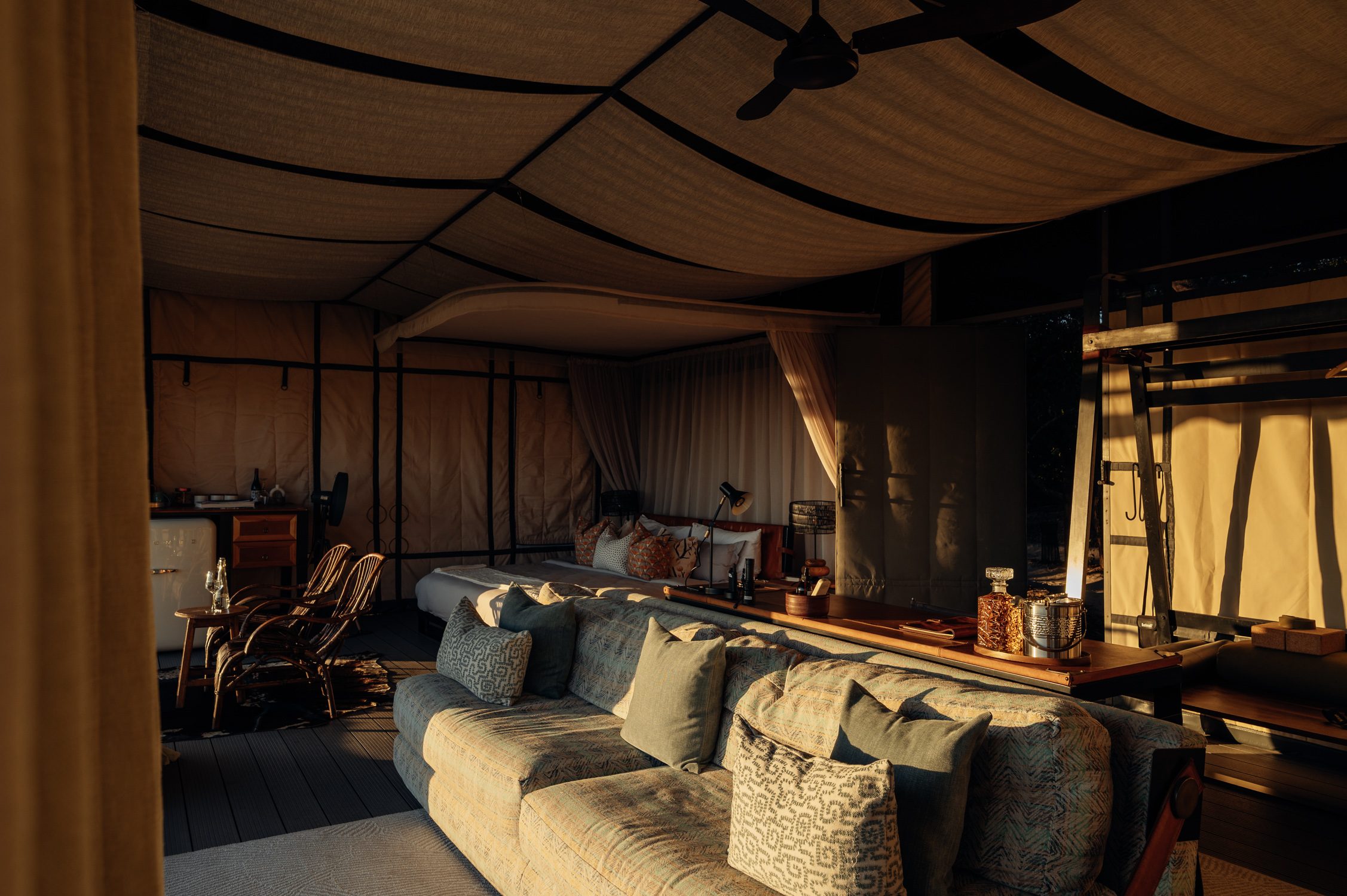
Days at camp follow a classic safari rhythm—early morning coffee before heading out at first light, followed by late-morning breakfast, brunch or lunch (depending on when you return from the game drive), restful mid-day hours to lounge at the brand new pool followed by a wonderful afternoon tea before you head out again for an afternoon game drive. Evenings are celebrated with bush dinners under the stars, traditional cultural dinners complete with Lozi music and dance, or an unforgettable (and complimentary!) Bush Sleep-Out, spending the night under canvas deep in the quiet wilderness.
For budget-conscious or self-drive expedition enthusiasts, alternative options in the park are limited to basic, seasonal mobile tented camps or rustic, self-catering community campsites managed by African Parks.
Logistics & Travel Tips
Because Liuwa Plain is extraordinarily remote, logistics need to be planned well to ensure a smooth journey.
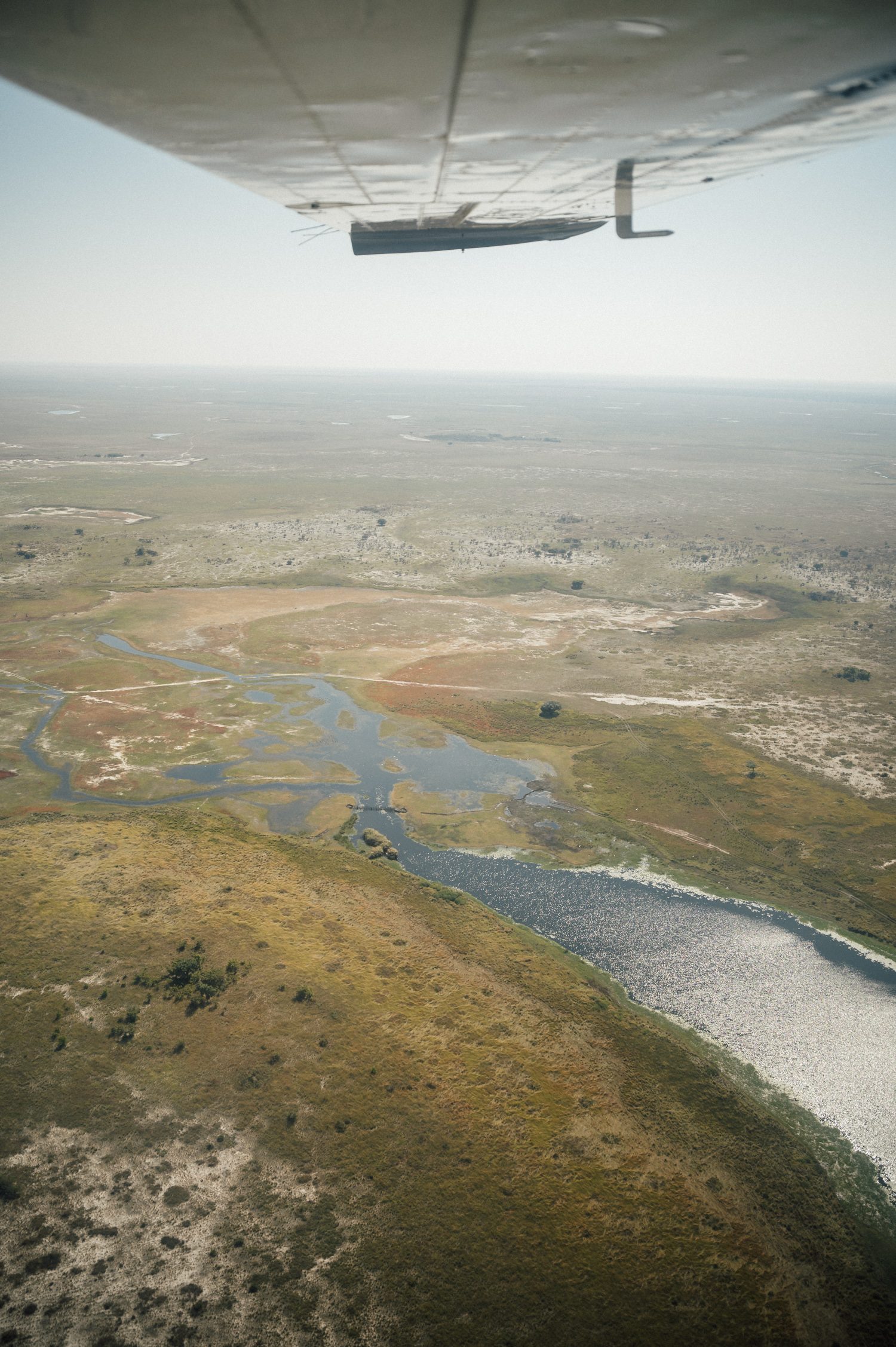
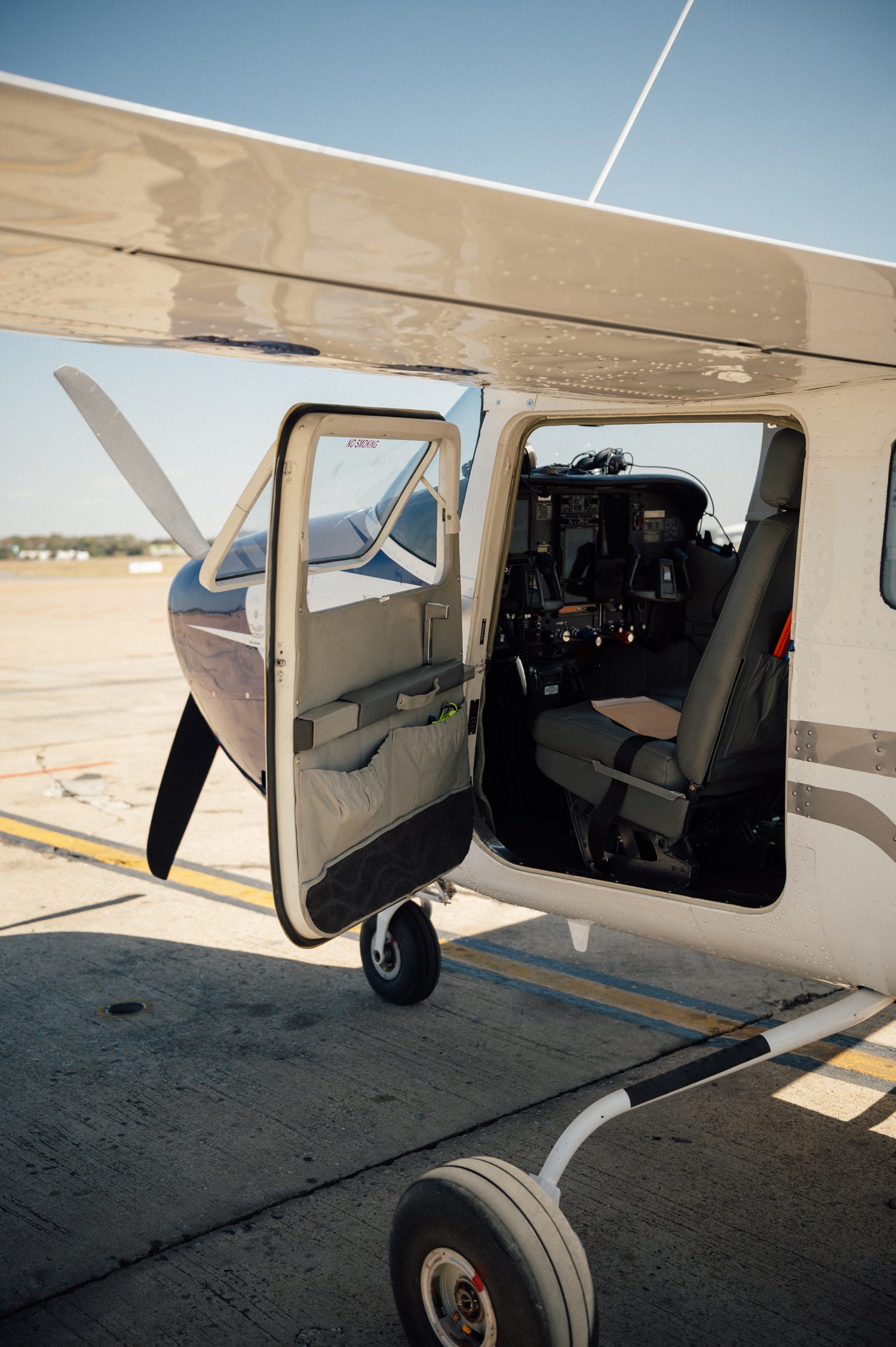
To overcome the immense overland distance and logistical issues that previously made Liuwa so hard (and expensive) to reach, Ker & Downey Zambia operates its own dedicated seat-in-charter aircraft. Their plane is now connecting Lusaka directly to Matamanene Airstrip in Liuwa Plain. The flight takes approximately 2 hours and 15 minutes, drastically cutting down transit time and seamlessly linking Liuwa to wider Zambian safari circuits like the Lower Zambezi.
I was one of the first guests on their own plane and enjoyed the flight (with complimentary snacks and drinks) as well as the views over a very different part of the Zambezi river.
For self-drive adventurers, reaching the park is possible as well, but it requires a long, challenging 4×4 journey from Lusaka through Mongu and Kalabo, crossing the Luanginga River via pontoon or bridge. A fully equipped 4WD vehicle and seasonal water-level checks are mandatory and I would recommend this only to experienced overlanders.
Final Thoughts
A journey to Liuwa Plain is taking you deep into one of Africa’s purest, most isolated wildernesses, where conservation success and human history are deeply intertwined. Staying at King Lewanika Lodge through Ker & Downey Zambia offers front-row seats to this ecological triumph—combining low-impact luxury with raw, authentic immersion across grasslands that seem to stretch into infinity. To make the most of this exceptional destination, keep these final considerations in mind:
- Embrace the pace: Liuwa rewards patience over rapid game-spotting. Prioritize observing behavior—like predator tracking or bird activity around lily ponds—rather than chasing high sighting counts.
- Support local initiatives: Take time to engage with community projects like village beekeeping. Direct financial support for these sustainable initiatives ensures local Lozi communities continue to benefit directly from eco-tourism.
- Combine your itinerary: Use Ker & Downey Zambia’s charter connection to pair the sweeping open plains of Liuwa with the lush riverine landscapes of the Lower Zambezi or South Luangwa for a rich, multi-dimensional Zambian circuit.