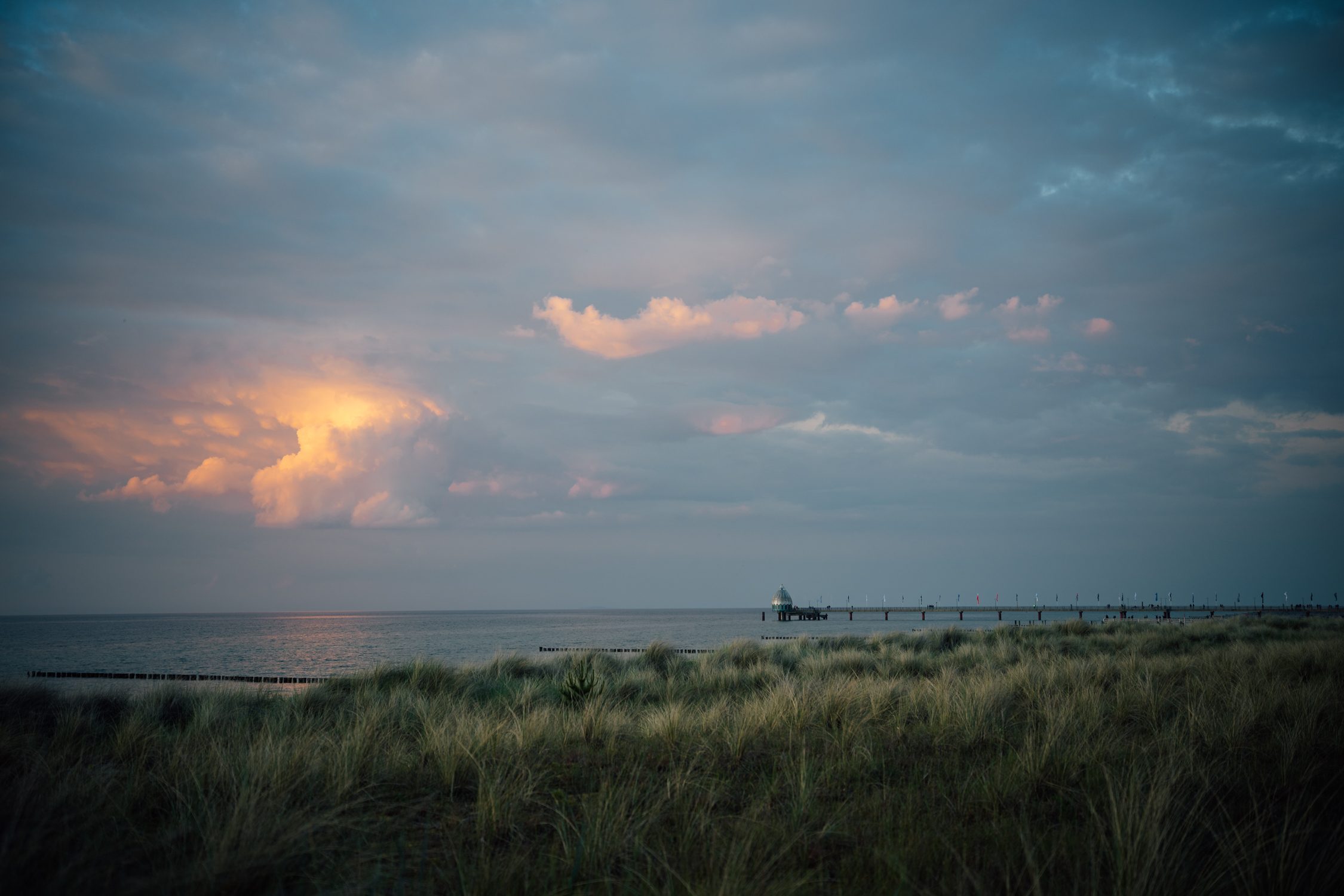
Three days, a borrowed bicycle, salt wind in my hair, and more photographic inspiration than I could have possibly anticipated from a small spit of land on the peninsula “Fischland-Darß-Zingst” (yes, that’s a mouth full).
There are a handful of photography festivals that deserve a spot on your bucket list. »horizonte zingst« is one of them. I wanted to visit the environmental photography festival since I had first learned about it through conversations among photographers and nature lovers years ago, but never had the chance until this year. If you’ve never heard about it, let me try and share why it’s special.
Mark your calendars: May 28 to June 6, 2027 will be the 20th anniversary edition of »horizonte zingst«.
On the way to the peninsula
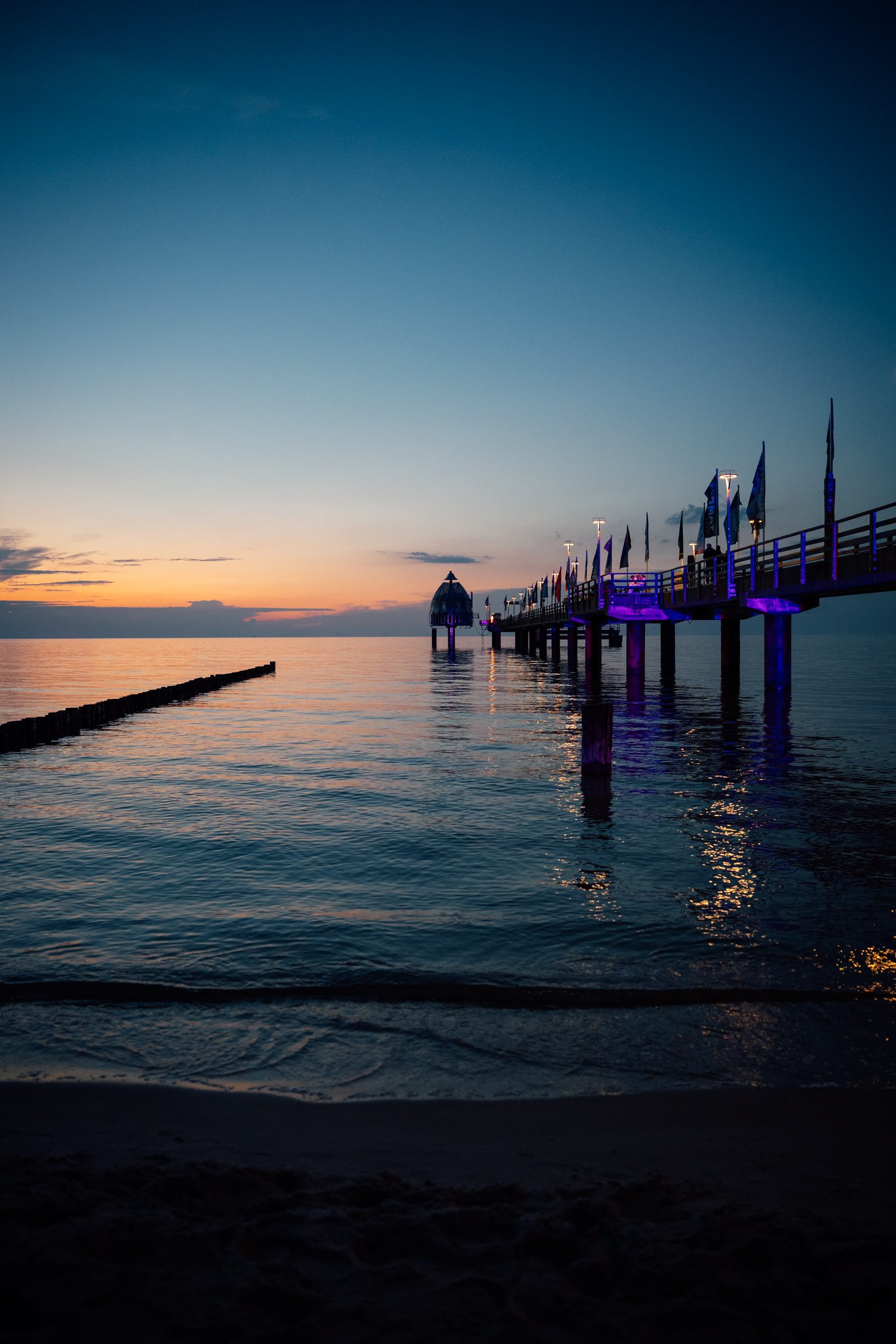
The ride in from Hamburg already tells you something about the character of this place. You leave the motorway behind, then the bigger roads, then the towns, and eventually you’re threading through forests and flat, reedy landscapes with water glinting on both sides.
Mecklenburg-Vorpommern is blessed with about a 2,000km long coastline dotted with islets and islands. It’s home to three national parks and over 2,000 lakes and a remarkably diverse ecosystem – all very good reasons for a visit if you ask me. To top things off it’s only a short ride via train or drive from both Hamburg and Berlin and you’ll find yourself among ancient beech forests, wind-swept dunes, chalk cliffs, historical seaside piers and protected lagoons.
Unbelievably it’s my first time visiting Mecklenburg-Vorpommern, but certainly not my last!
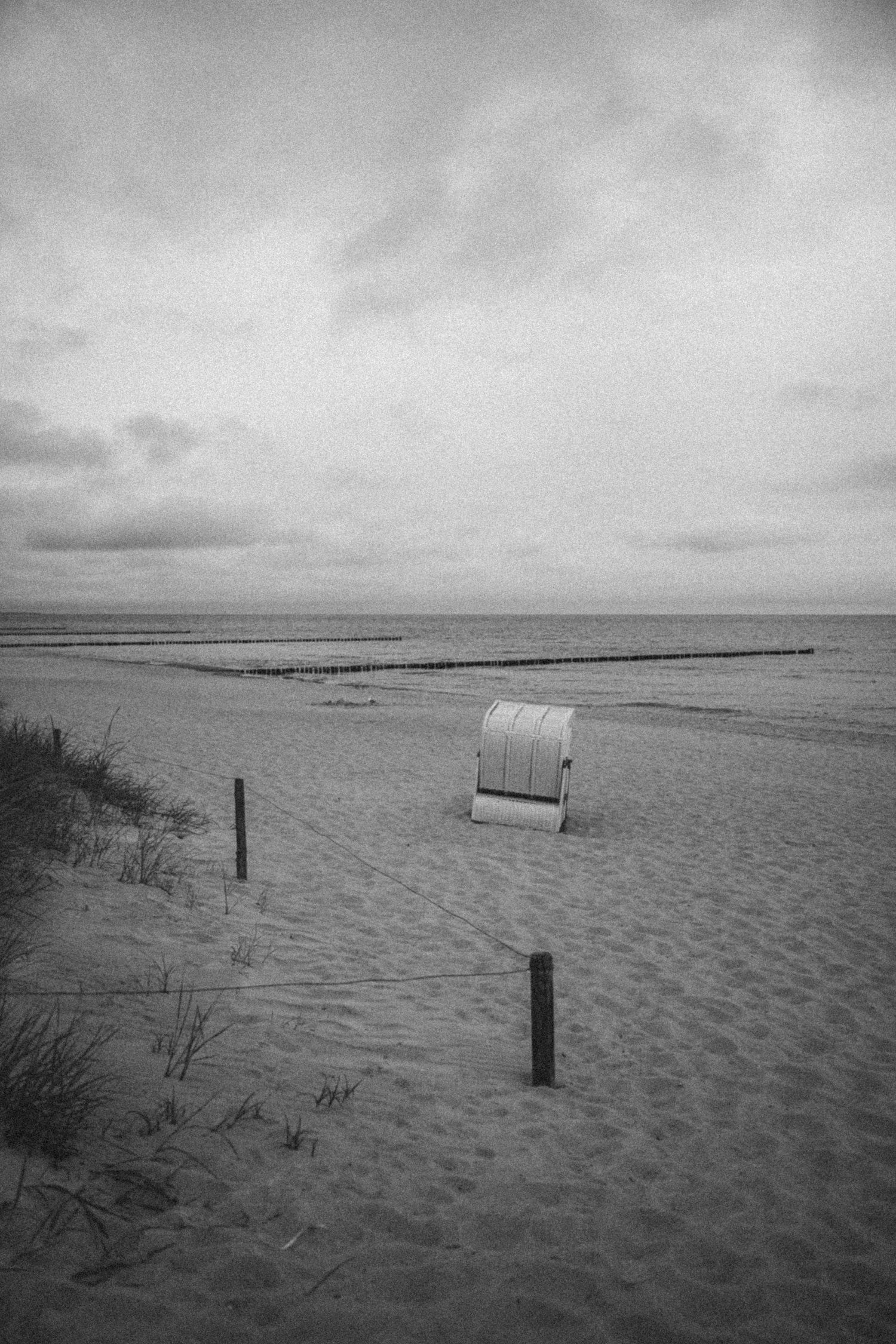
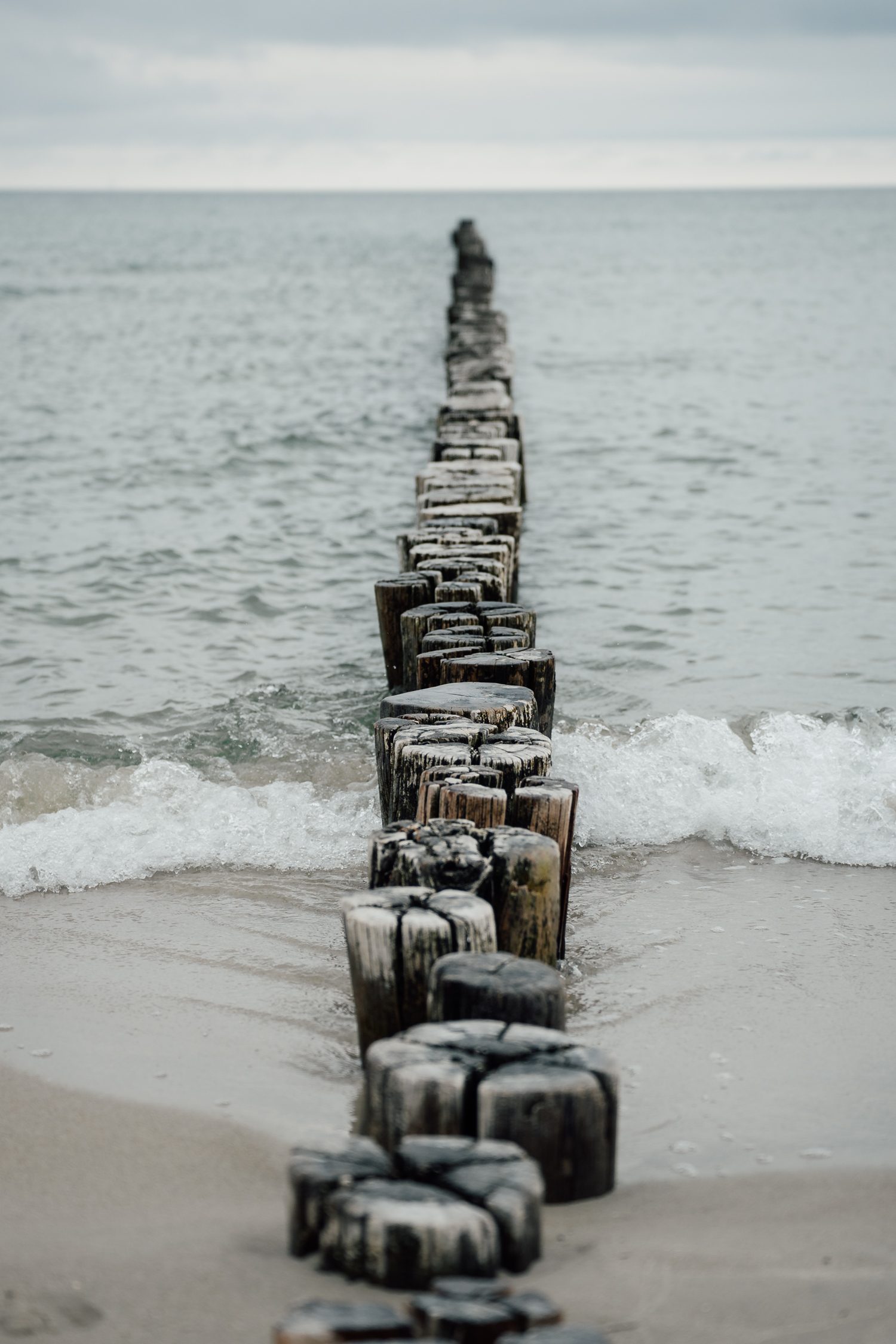
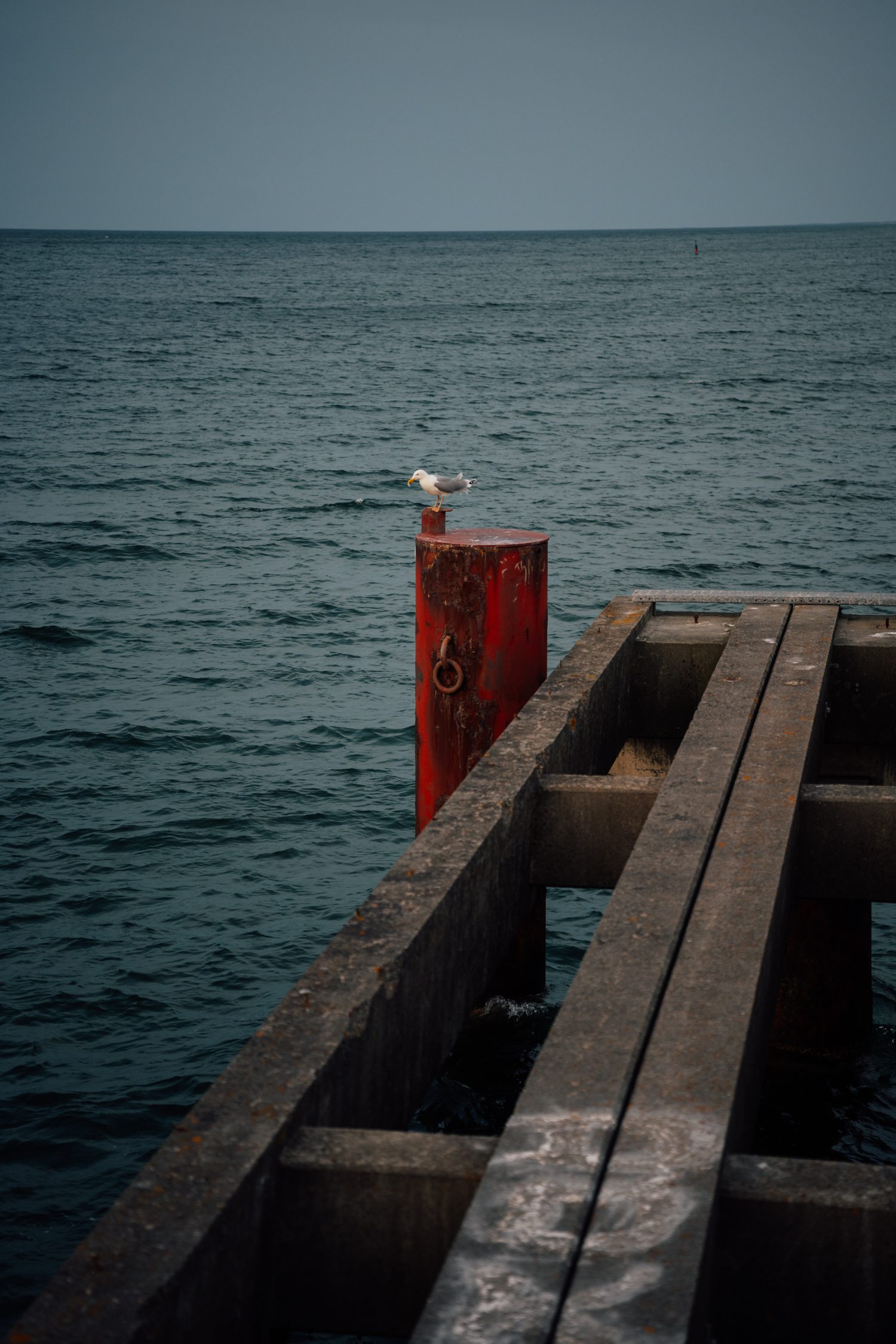
The Darß peninsula has an end-of-the-world quality—not bleak, but beautifully final, as if the land itself has decided this is as far as it goes. I arrived in Zingst at lunchtime and quickly dropped my bags at the hotel before the festival pulled me straight in. That first afternoon set the tone for everything that followed.
What Horizonte Zingst actually is
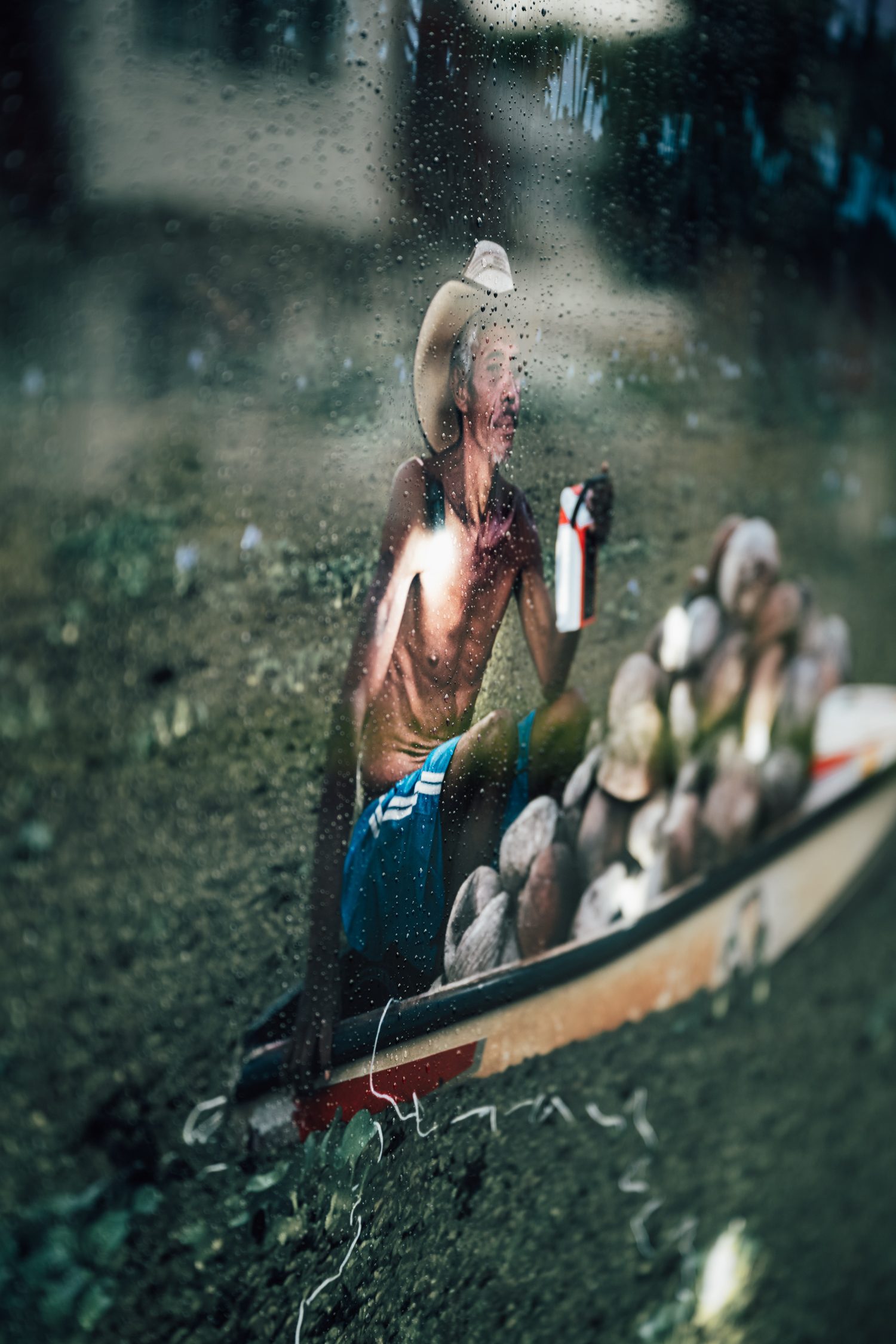
At its heart, Horizonte is a photography festival built around the relationship between humans and their environment–in a very broad sense from nature to societal and even political questions. The exhibitions are spread across the village and its surroundings—often in open-air spaces, along meadow paths—meaning the art and the landscape are always in conversation with each other. You can’t look at a photograph of a colony of penguins and then turn around and see the same sky that the photographer once stood under somewhere cold and far away, without feeling something shift in you.
The festival doesn’t just show you beautiful photographs. It asks you what you’re willing to feel about the world they come from.
The audience that gathers here reflects that ethos. Photographers, yes—but also birdwatchers, conservationists, science communicators, families, beach goers. People who understand that images have the power to change minds about nature, about what we’re losing, about what’s still worth fighting for.
The talks: Ideas that stay with you
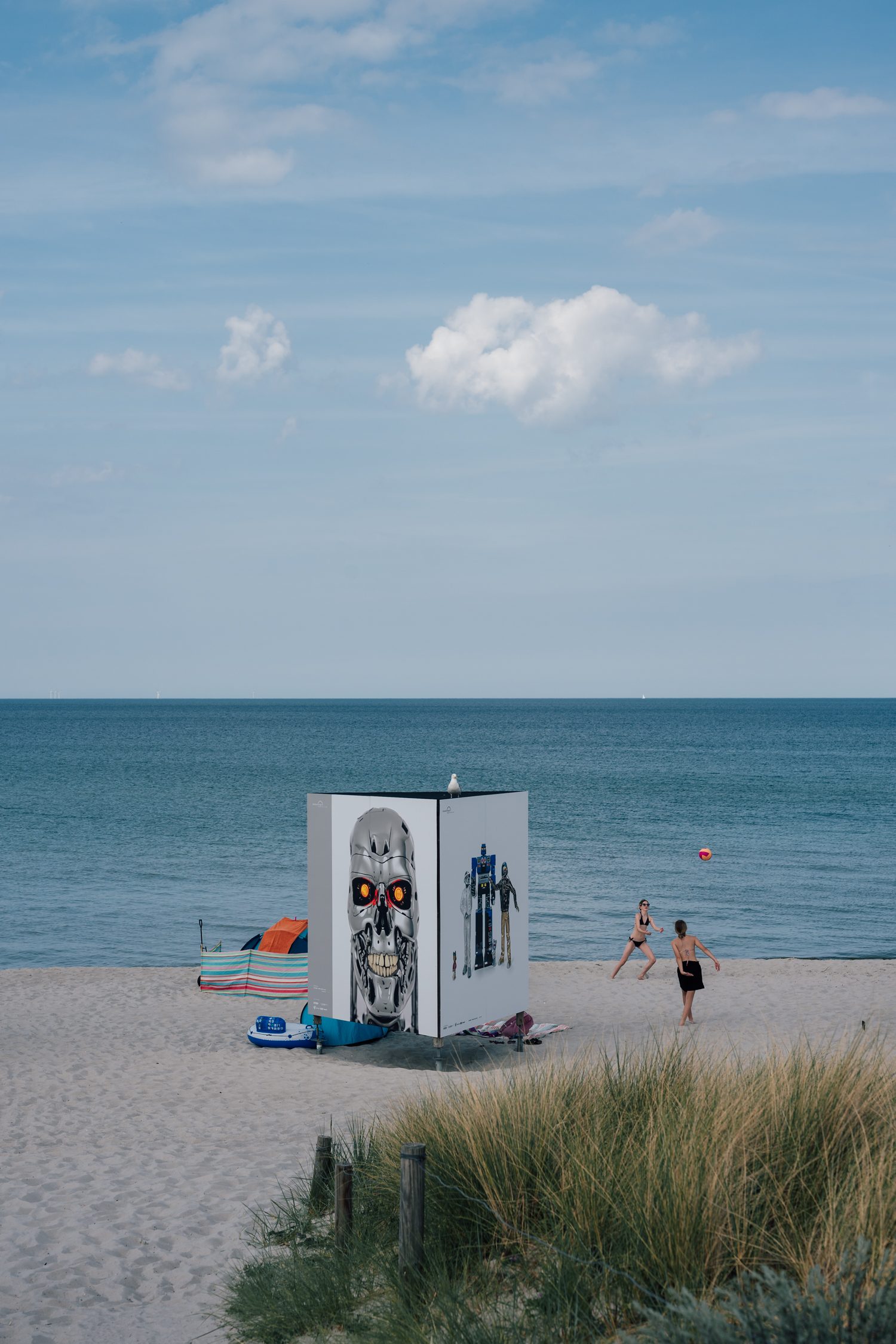
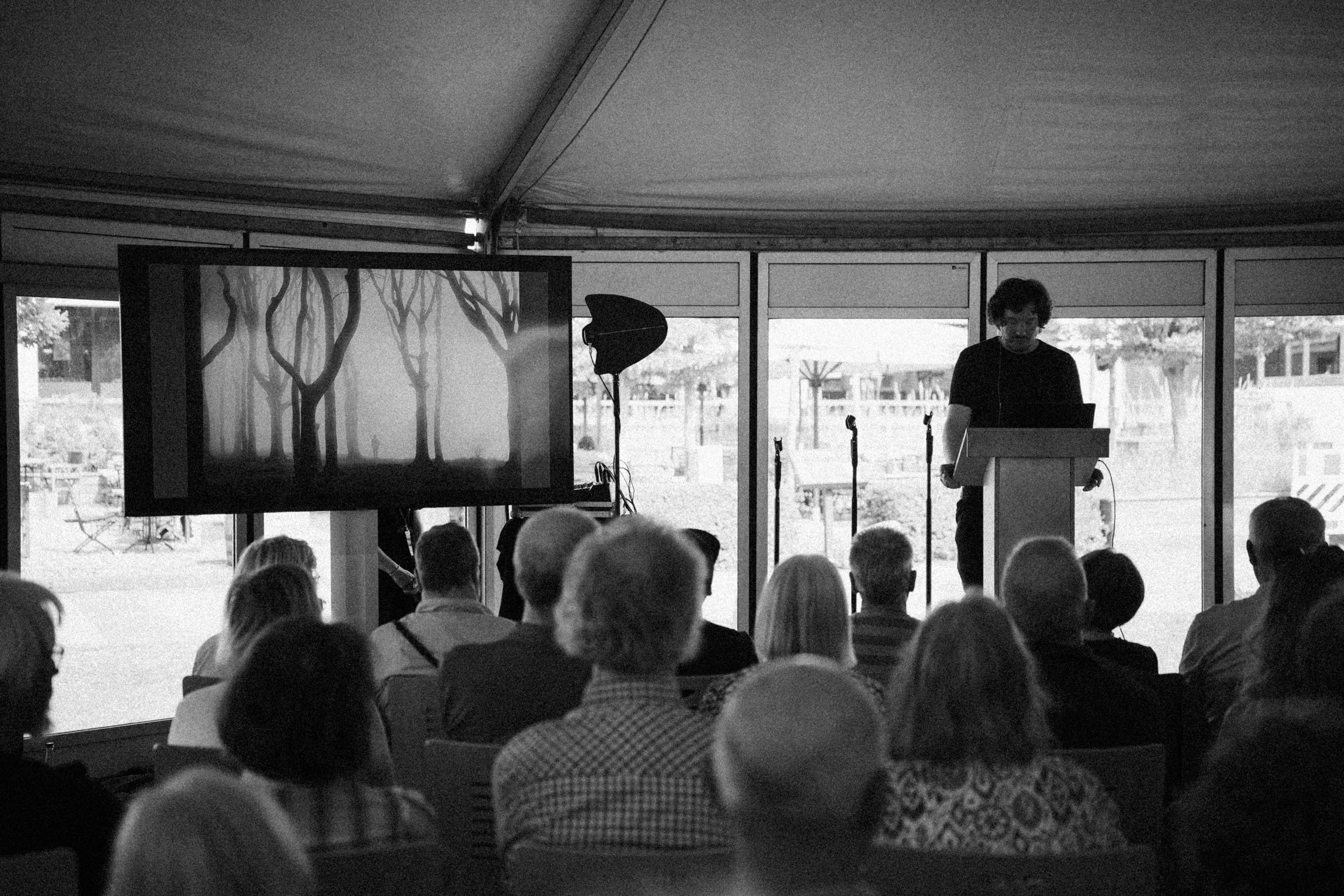
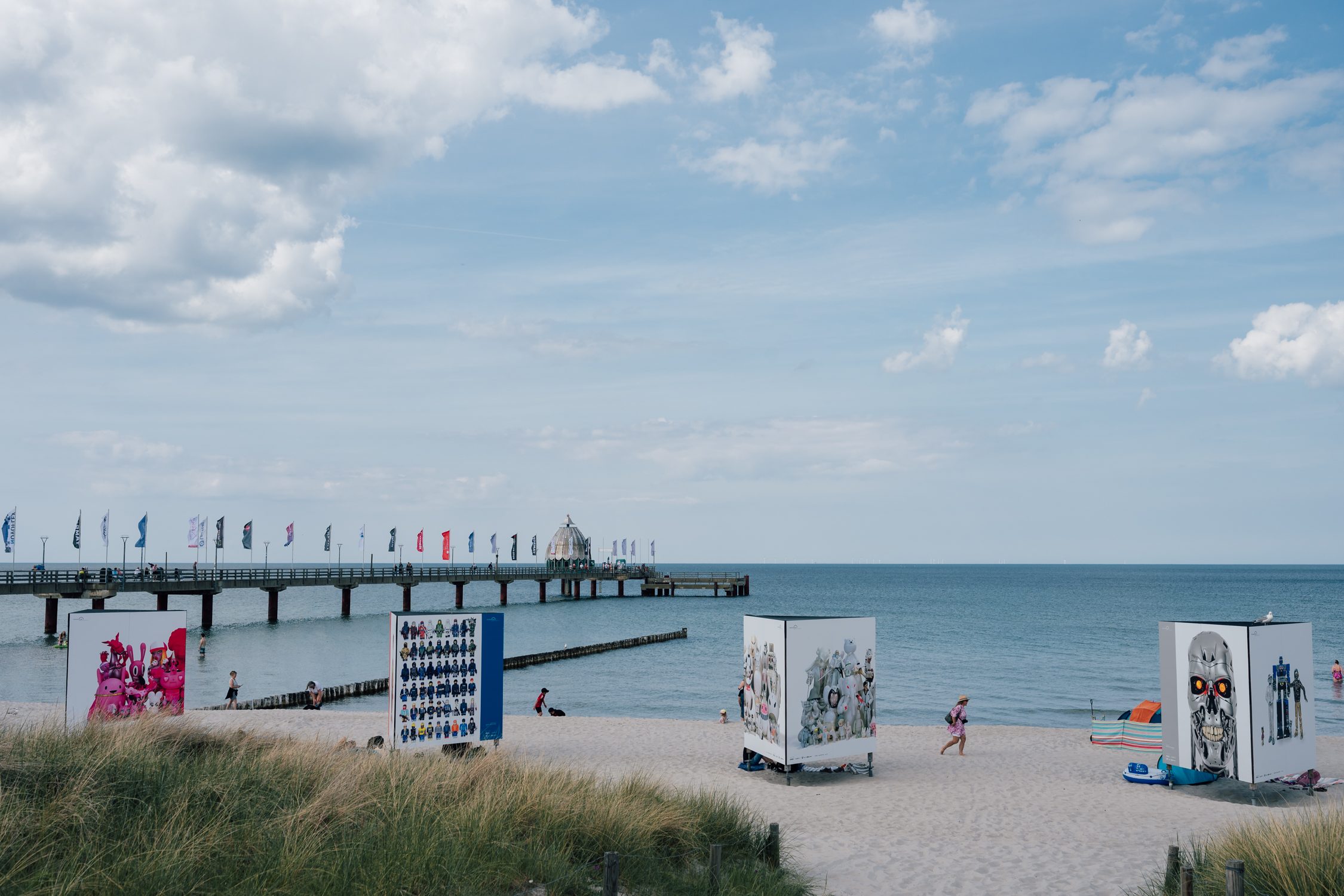
One of my first stops was a »horizonte«-Talk with photo artists Geo and Daniel Fuchs who dedicate their work to the relationship between humans and archives and collections. The talk ended with a guided walk through their current exhibition at the beach of Zingst. Later that same afternoon I sat in on another talk—this one by landscape photographer Kilian Schönberger, speaking on the topic of “Scheitern”—failure.
As a creative, I found this one unexpectedly moving. There is something rare and genuinely refreshing about a photographer standing up in front of an audience and talking honestly about the shots that didn’t work, the projects that collapsed, the moments where he stumbled–and got up again. It was a reminder that the most extraordinary images we see are not the rule—they’re the exception, hard-won and unrepeatable.
The talks at »horizonte zingst« are free and offer a possibility to connect with photography in an easy way. They’re the kind of conversations that continue over dinner.
A conversation about what comes next
One of the highlights of my visit was sitting down with curator Edda Fahrenhorst and festival director Rico Nowicki for a conversation about the festival’s past and, more excitingly, its future. In 2027, Horizonte Zingst turns 20—and the plans for the anniversary edition are still under wraps, but they sound truly ambitious and exciting.
What struck me most in this conversation was the evolution of the festival’s mission: Horizonte has never tried to be everything to everyone. It has stayed true to environmental photography, to conservation storytelling, to the idea that images can be a form of advocacy, but it also expanded its horizon beyond just nature photography. After nearly two decades, that evolution has made it one of the most respected festivals of its kind in the German-speaking world—and increasingly, beyond it.
The 20th anniversary will not be a retrospective, but it will still be an occasion to look back at what photography has witnessed in two decades of accelerating environmental change, and forward at what the medium photography can still do.
The exhibitions: Art in the open air
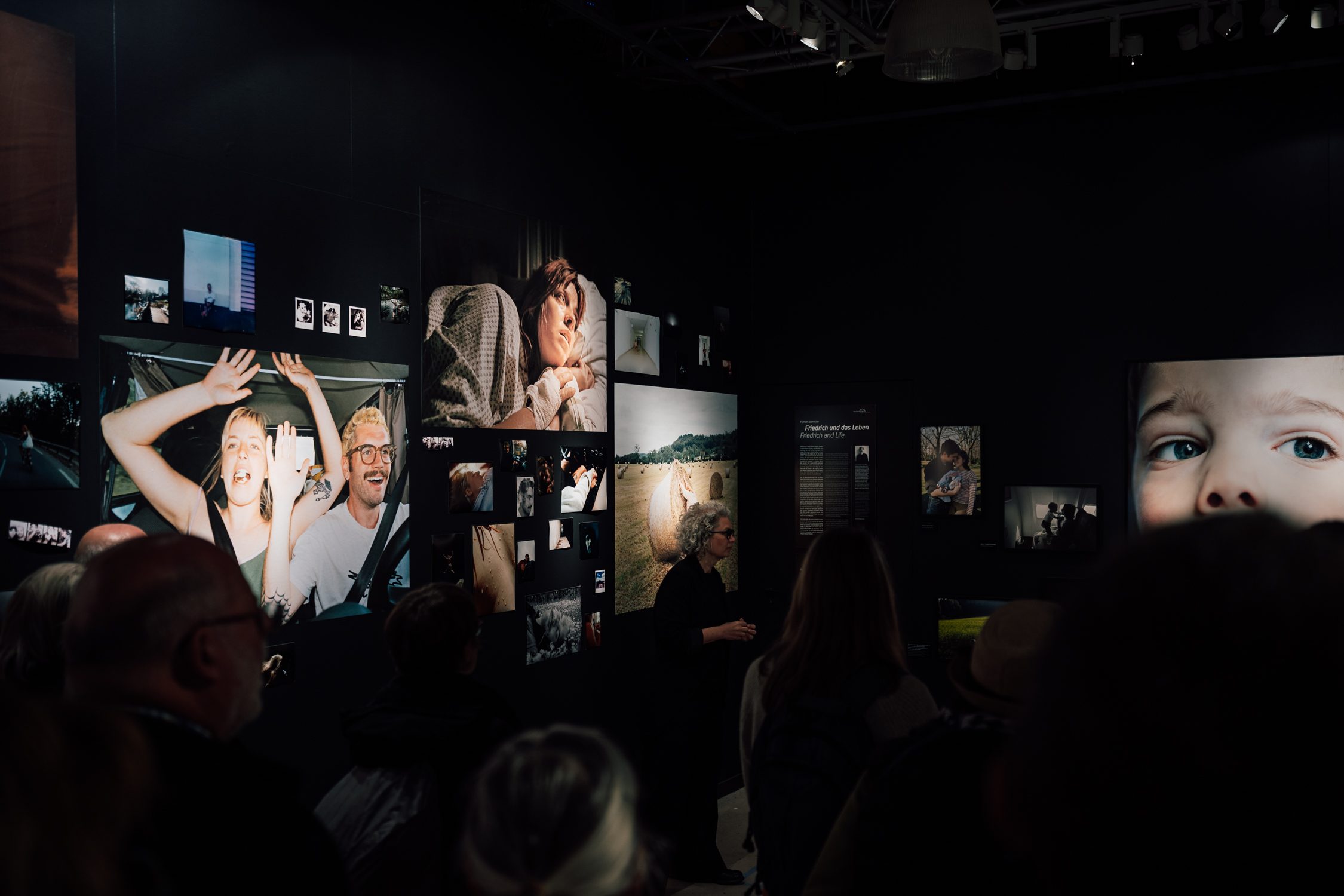
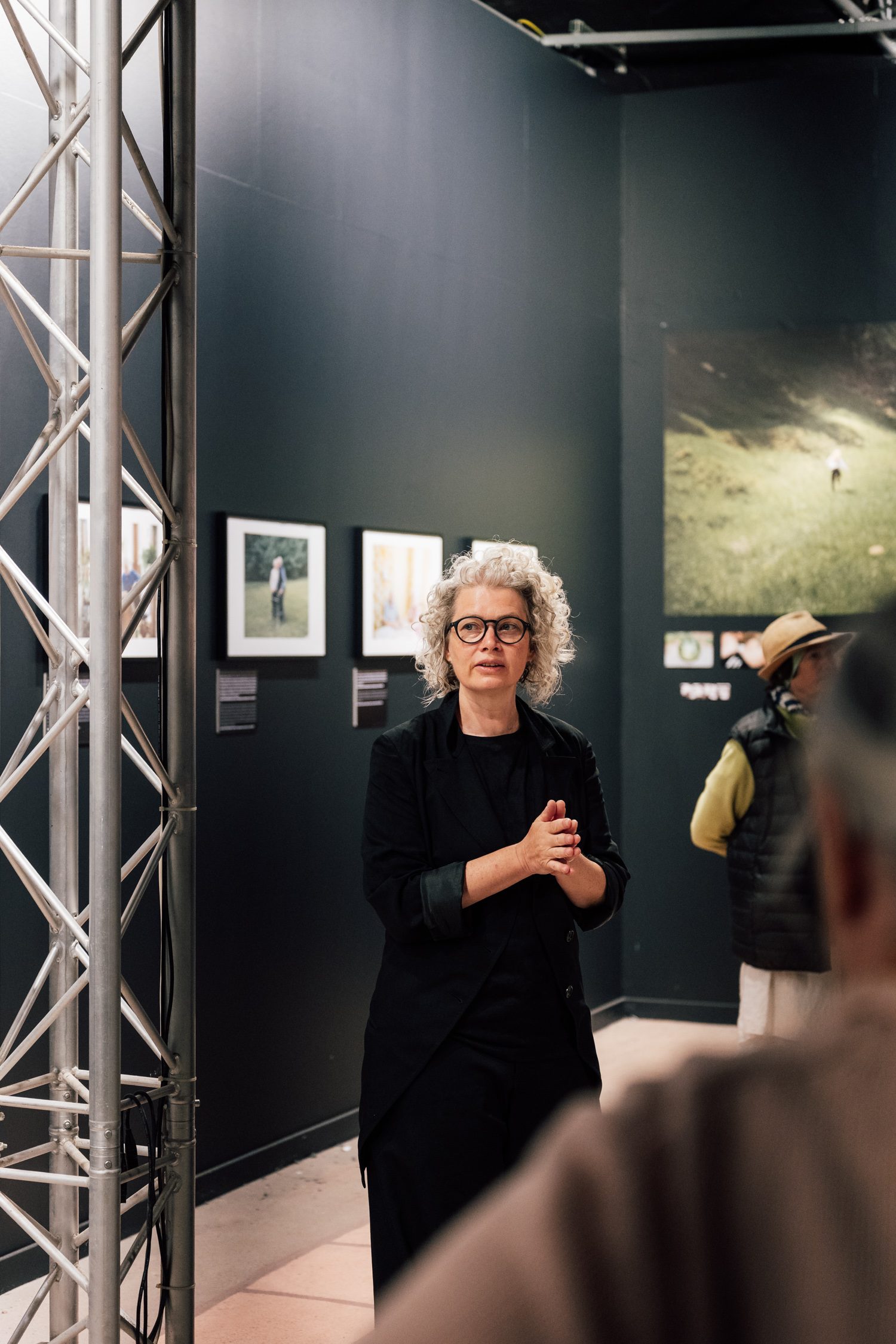
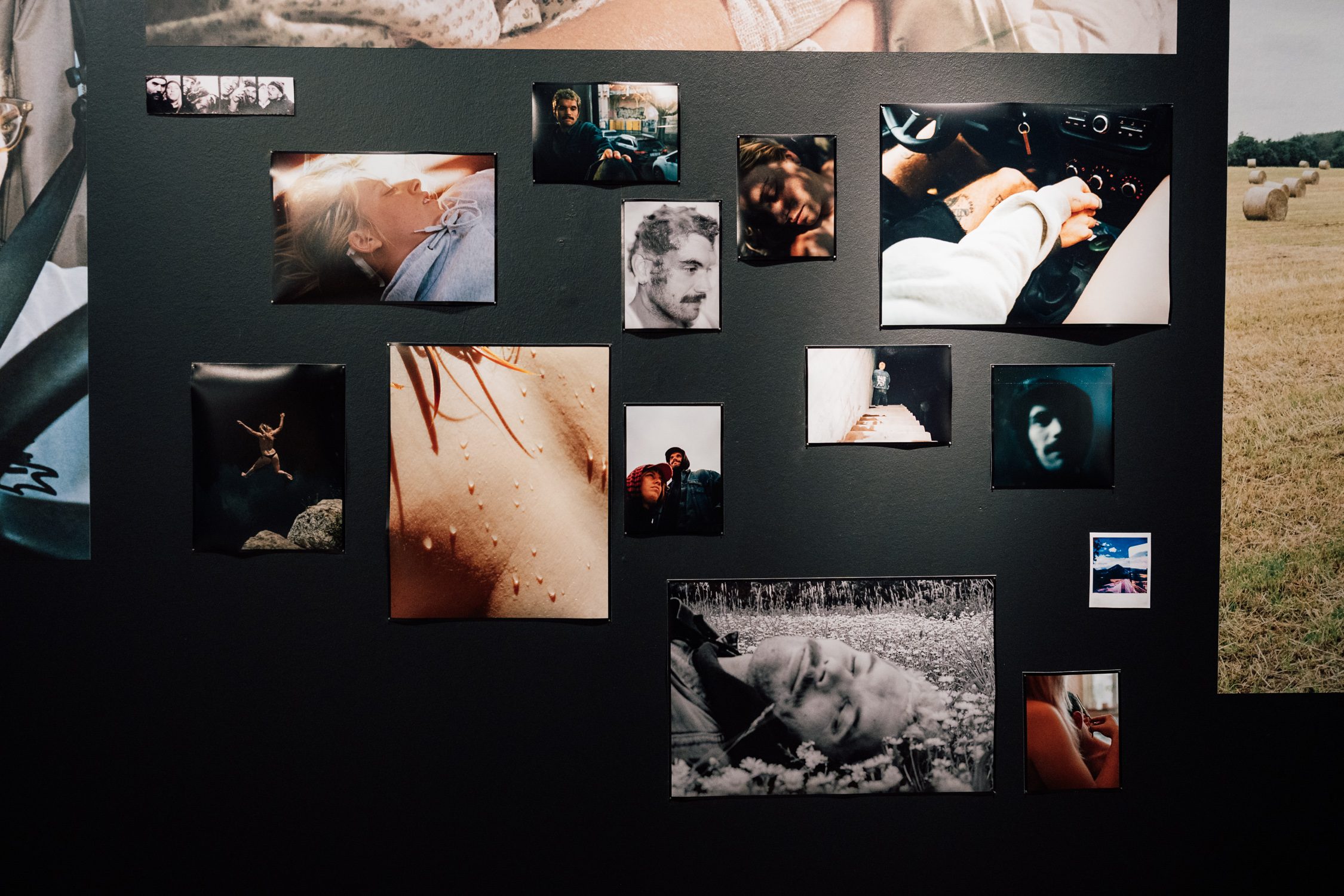
On our second morning, curator Edda Fahrenhorst led a bicycle tour through the exhibitions—and this is three hours very well spent to gain valuable insights into the exhibitions, the curation and the artist’s perspectives. We pedalled from venue to venue through village lanes and along meadow paths, stopping to spend time in front of work that demanded it.
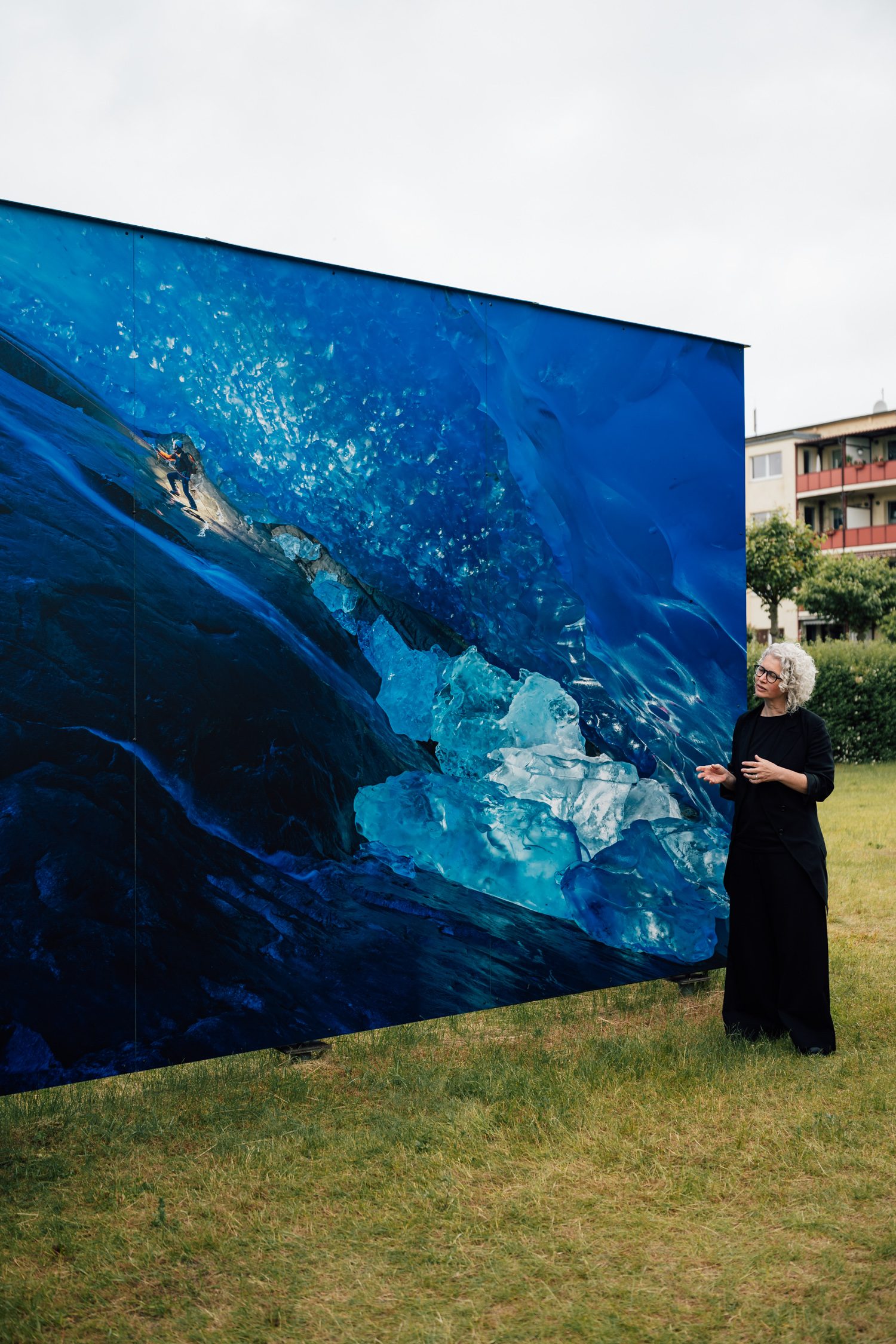
One exhibition that stopped me entirely was Esther Horvath’s Danger Islands—a series of photographs from the Antarctic, starkly beautiful and deeply unsettling in equal measure. Horvath’s images from some of the most remote and ecologically significant places on earth have a quality of testimony about them. You feel the weight of what she witnessed and the urgency of what she’s asking us to understand.
The open-air exhibition format—with large-format prints installed in village parks and even the National Park—means that the photographs exist within their context, not despite it. Standing in front of an image of a spectacular cave with an actual National Park just beyond it changes the encounter entirely.
Workshops: Learning to see differently
Beyond the exhibitions there’s plenty of chance to also get into creating. The workshop programme runs throughout the festival and covers an extraordinary range, from technical seminars to deeply contemplative, almost meditative approaches to the medium.
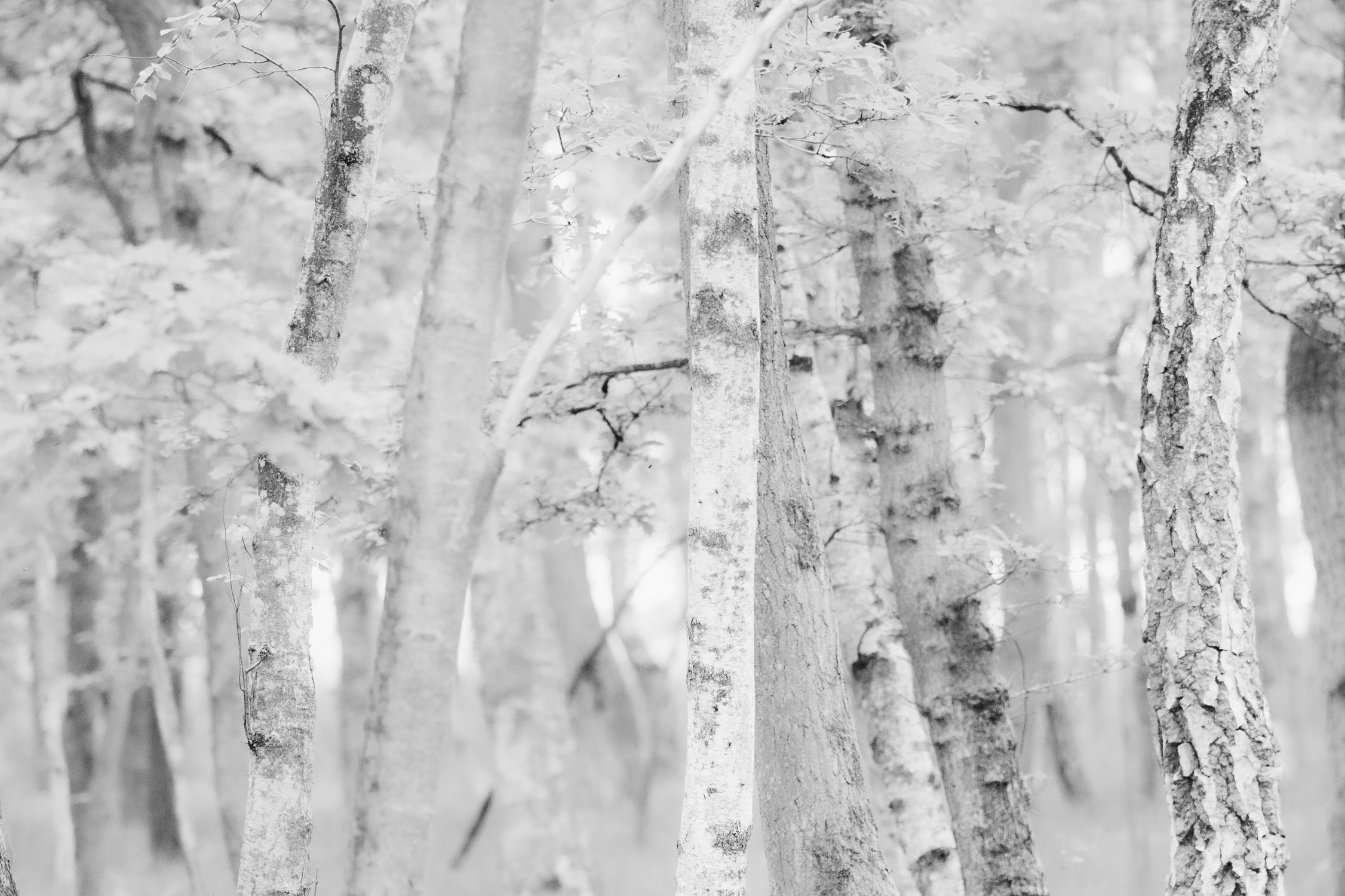
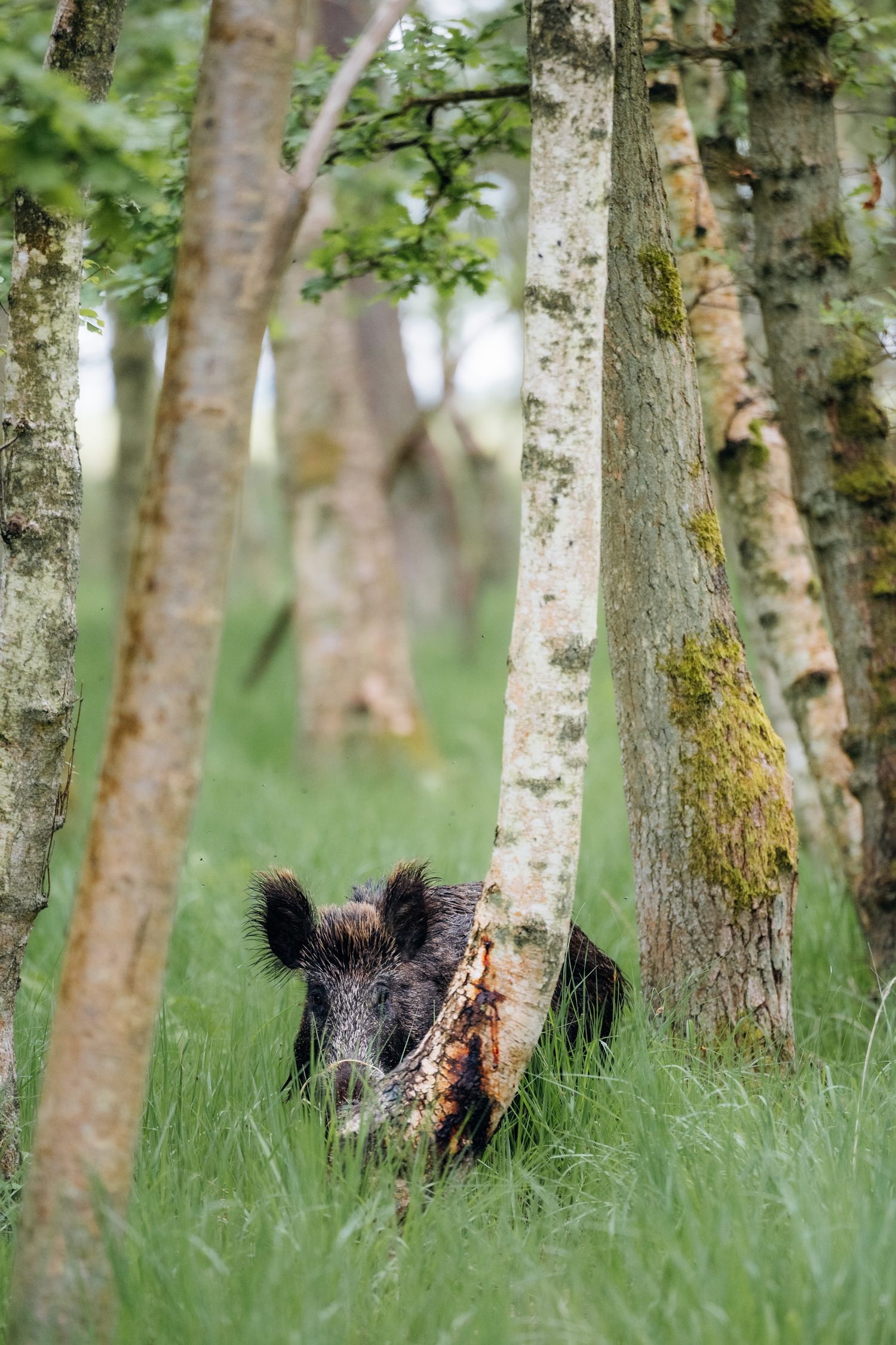
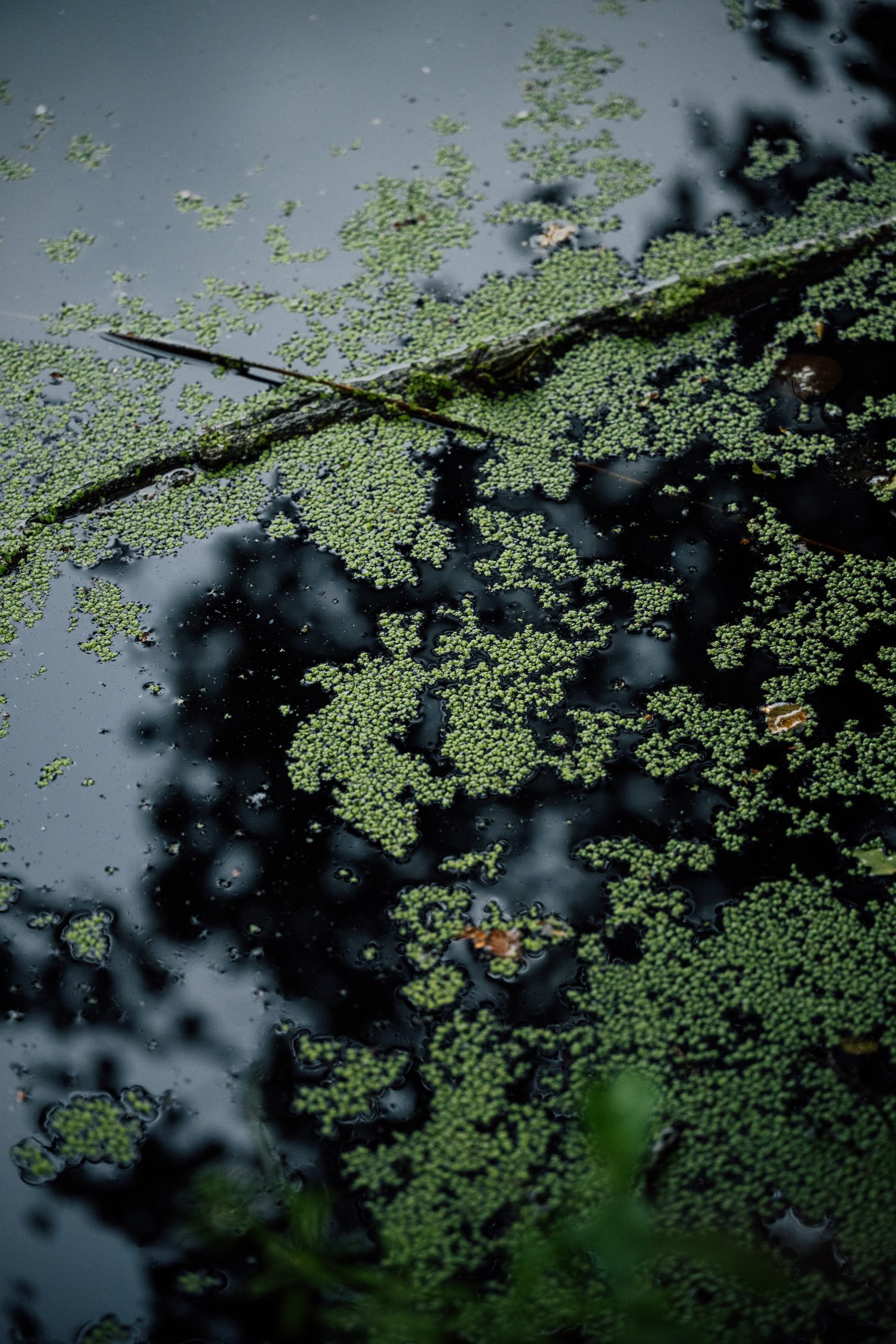
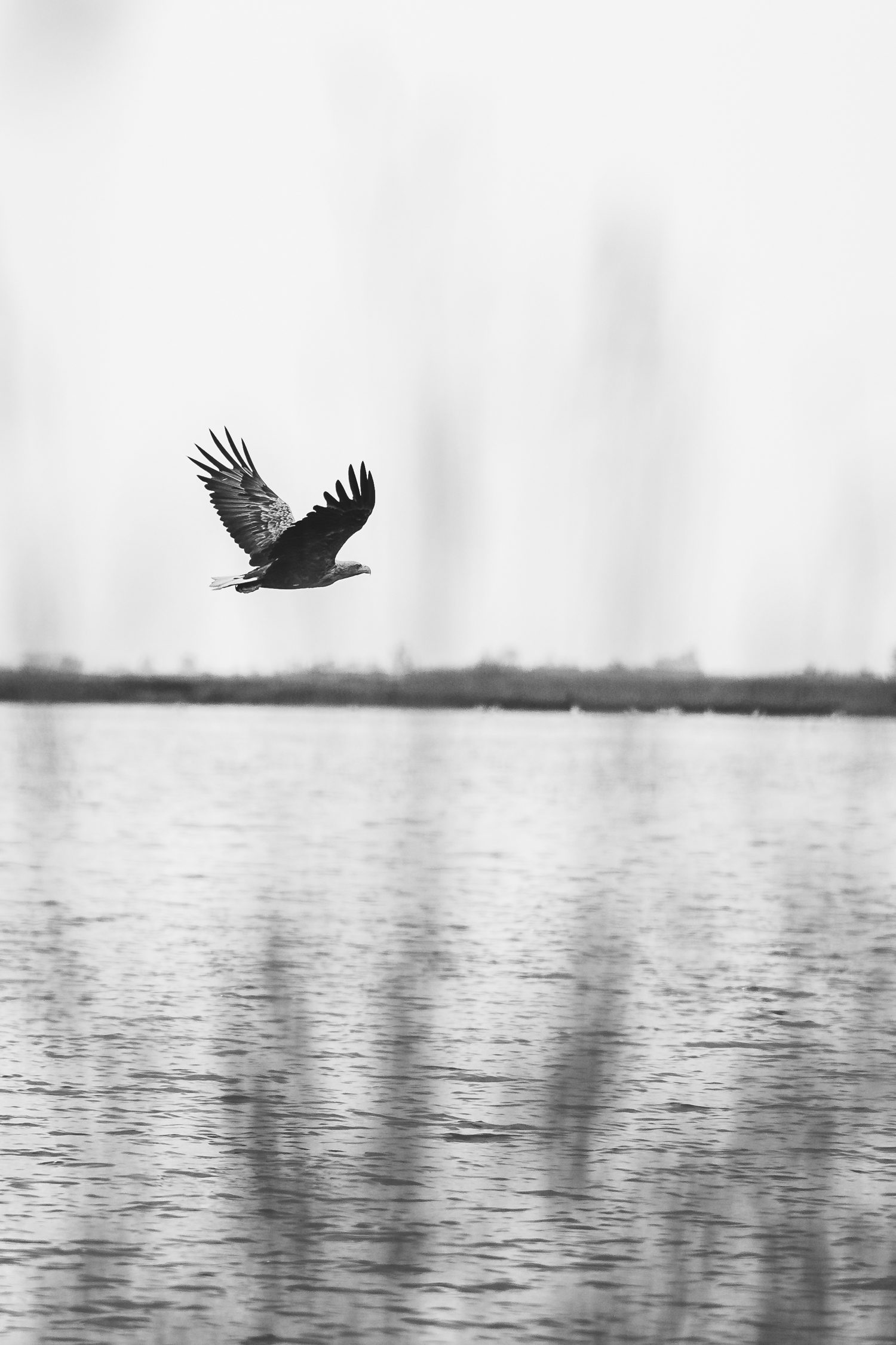
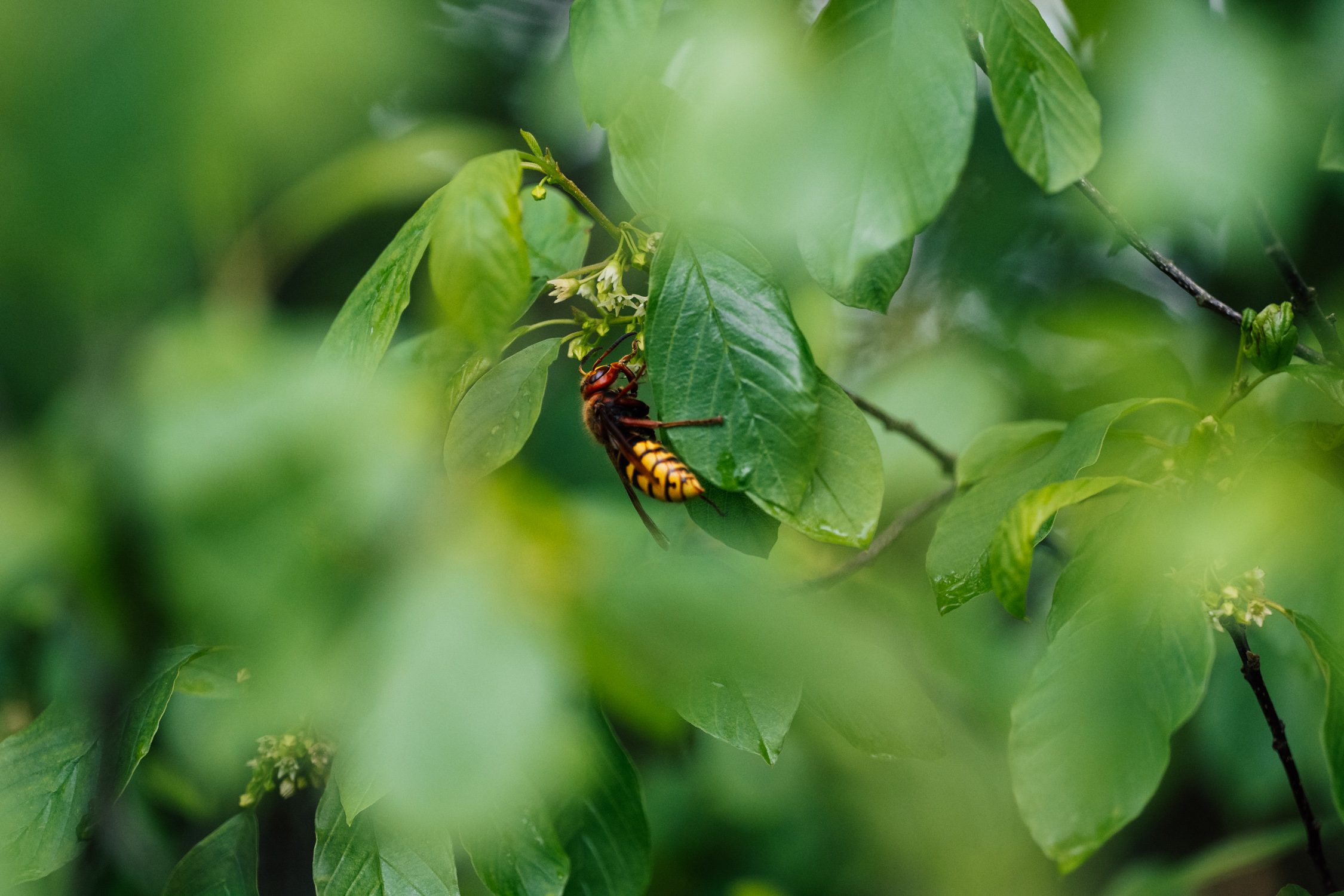
On my second afternoon I had the pleasure of a 1:1 workshop with Kilian Schönberger in the Osterwald—the protected forest just outside of Zingst. Kilian usually photographs trees and forests, but he decided to change things up for me and so we focused on the wildlife of Zingst–which consists of fallow deer, wild boar, white-tailed eagles–just to name a few. Walking slowly through the gnarled and marshy woodland, Schönberger talked about the special landscape that comprises the National Park here in Zingst, the “Bodden”, the marshland, the brackish water and it’s impact on the trees and much more. And more importantly we had time to focus on the small things as well–the insects, the small moss covering the ponds, the mushrooms growing on trees, the dragonflies and hornets around us.
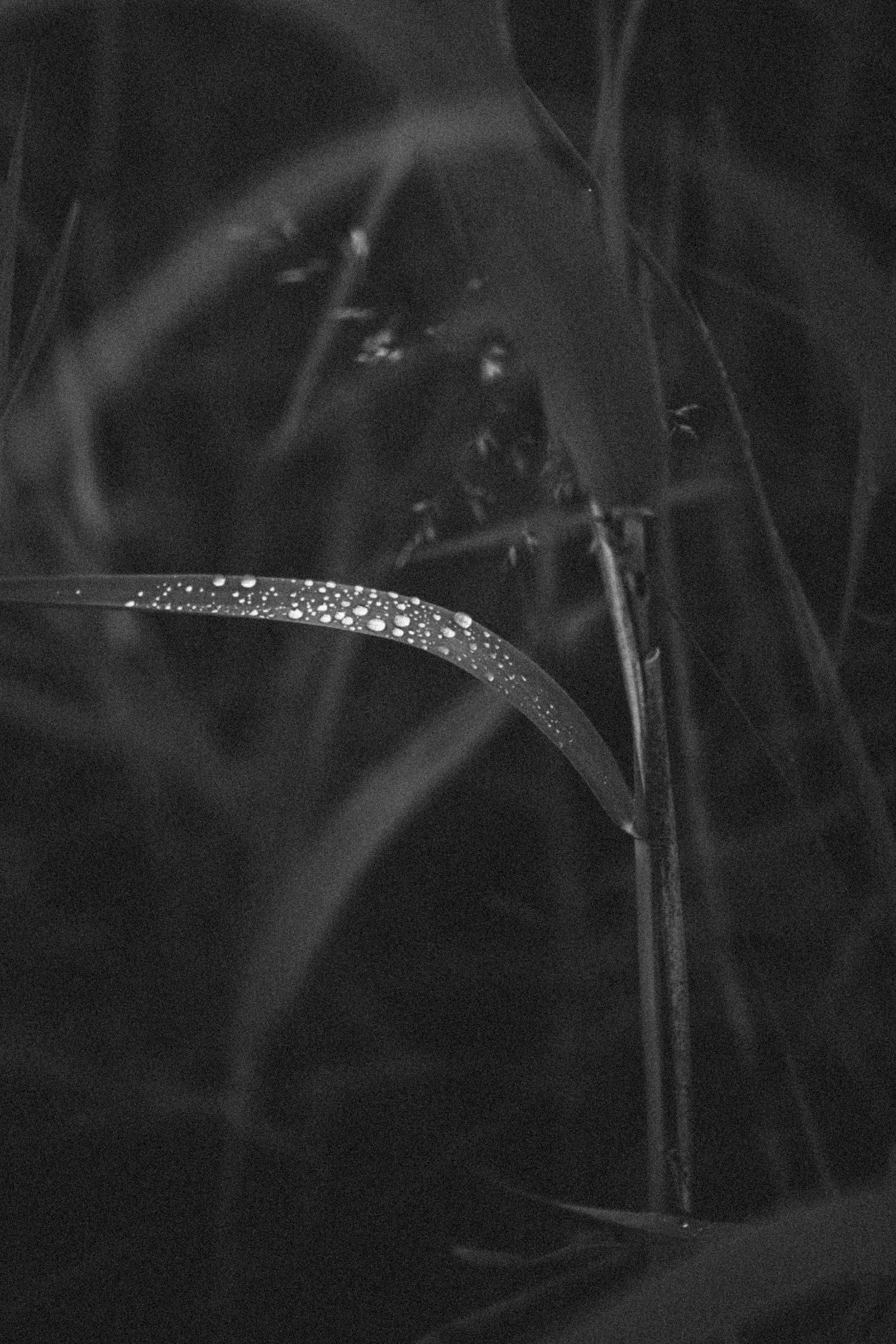
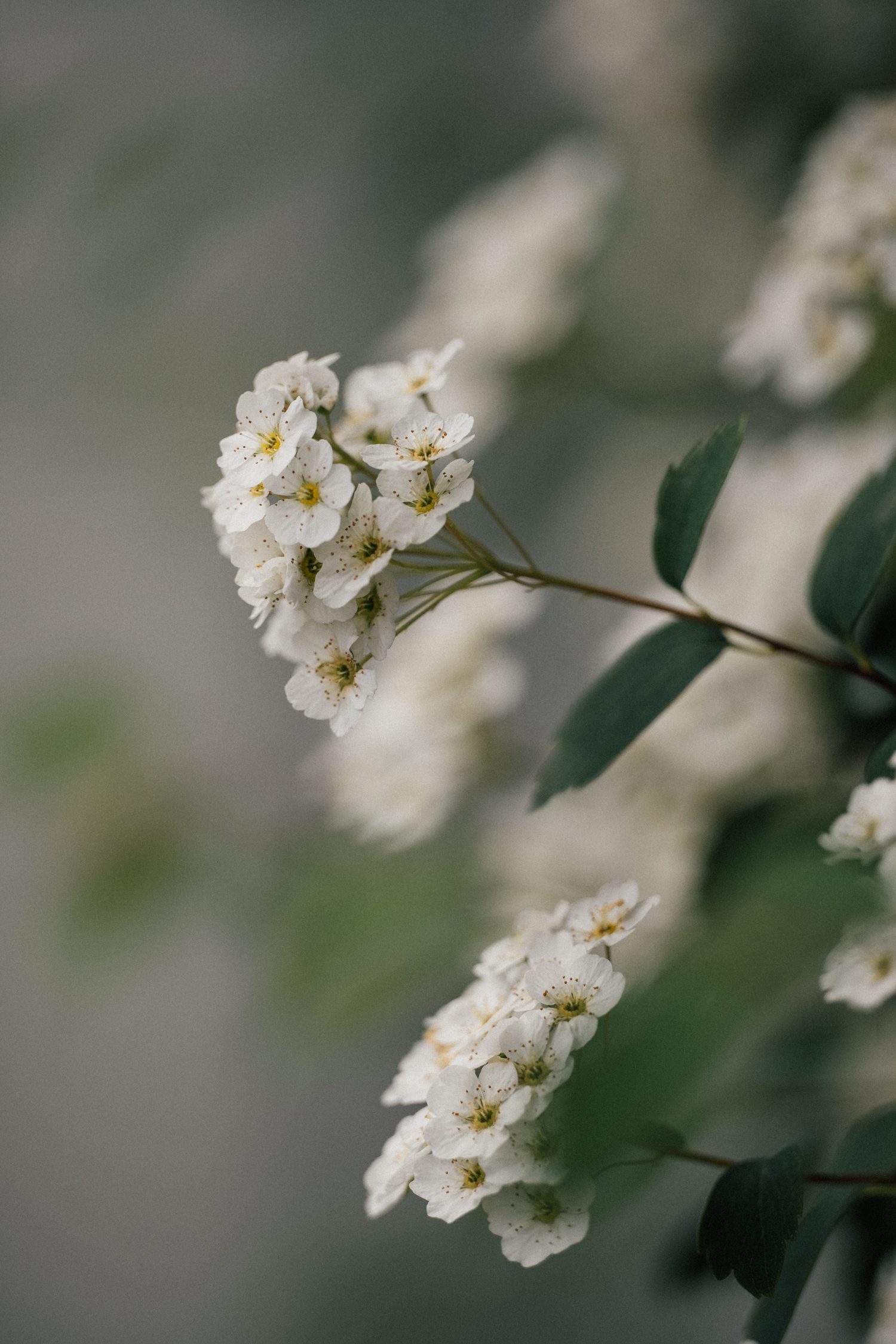
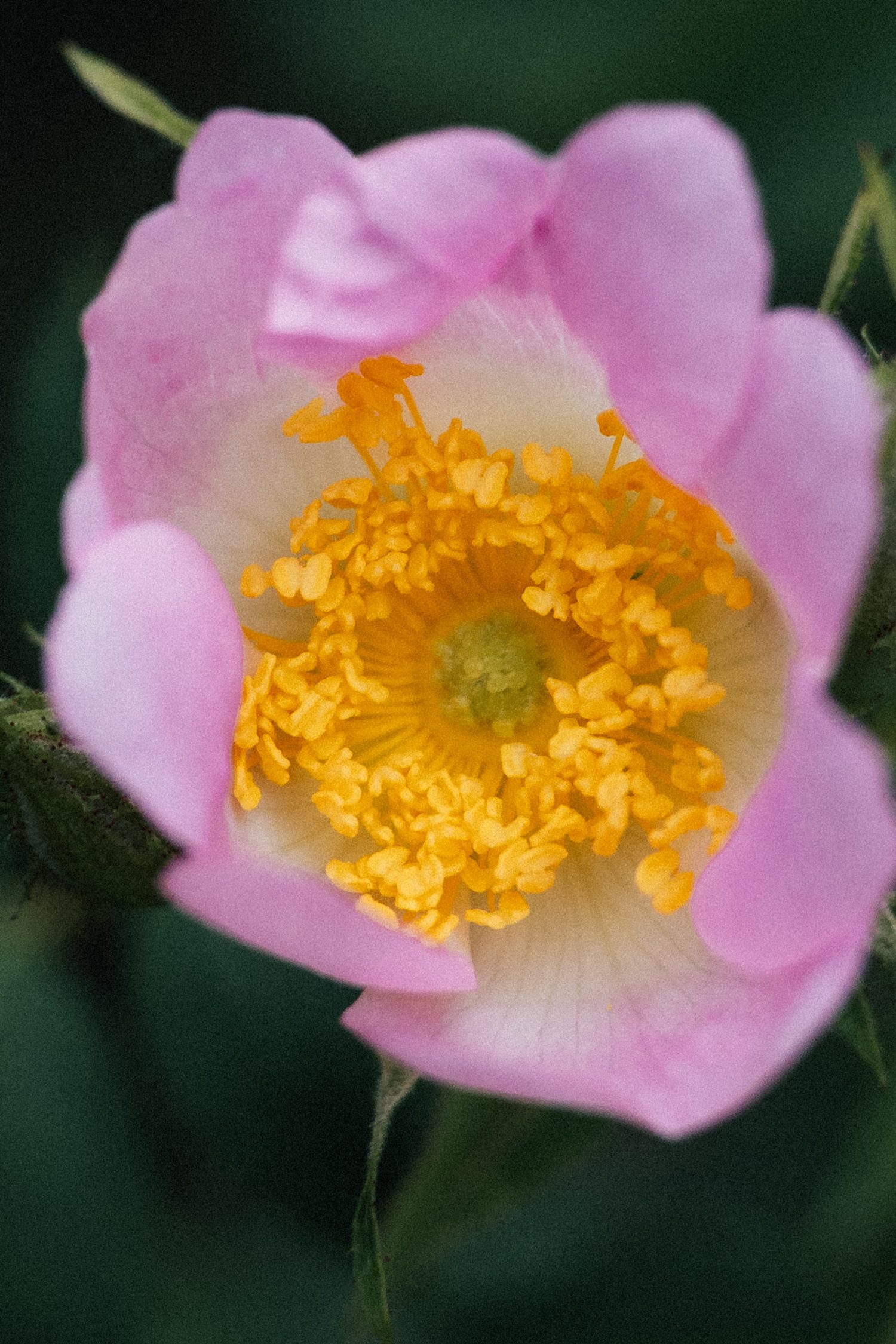
The following morning brought Beate Oswald’s macro photography workshop. Working at this scale—faces of flowers, the geometry of stamens, the world made enormous—is a lesson in a different kind of attention. It also reminded me how much extraordinary subject matter exists within a few square metres of grass (or a spot of garden behind a public toilet ;-)).
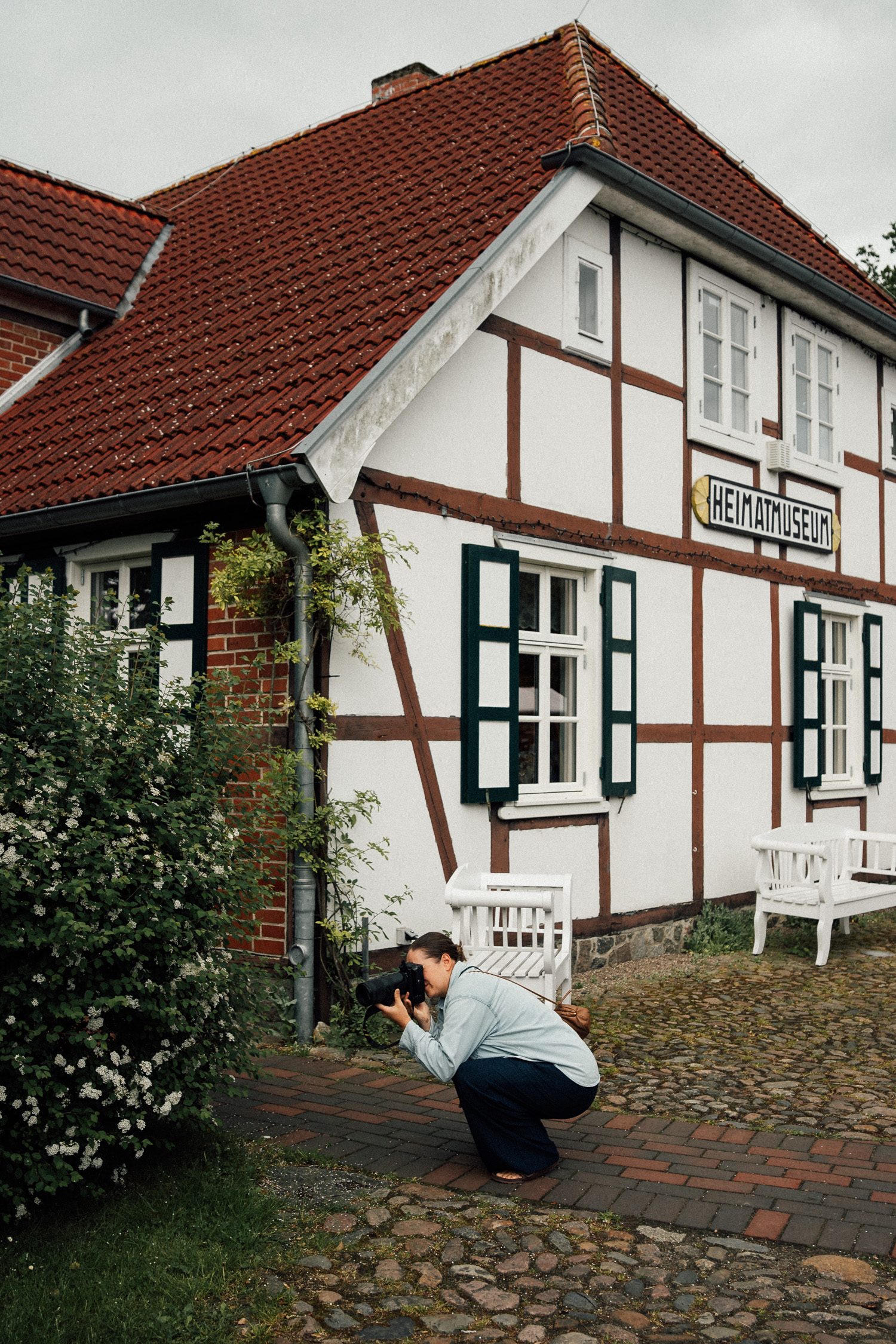
And on the final afternoon, photographer Nicolas Alexander Otto led a seminar on the “Five Elements of Landscape Photography”—a structured, thoughtful approach to composition, light, and intention that is equally useful for beginners finding their feet and experienced photographers looking to expand their work into the realm of landscape photography like a professional.
Bilderflut: A daily ritual
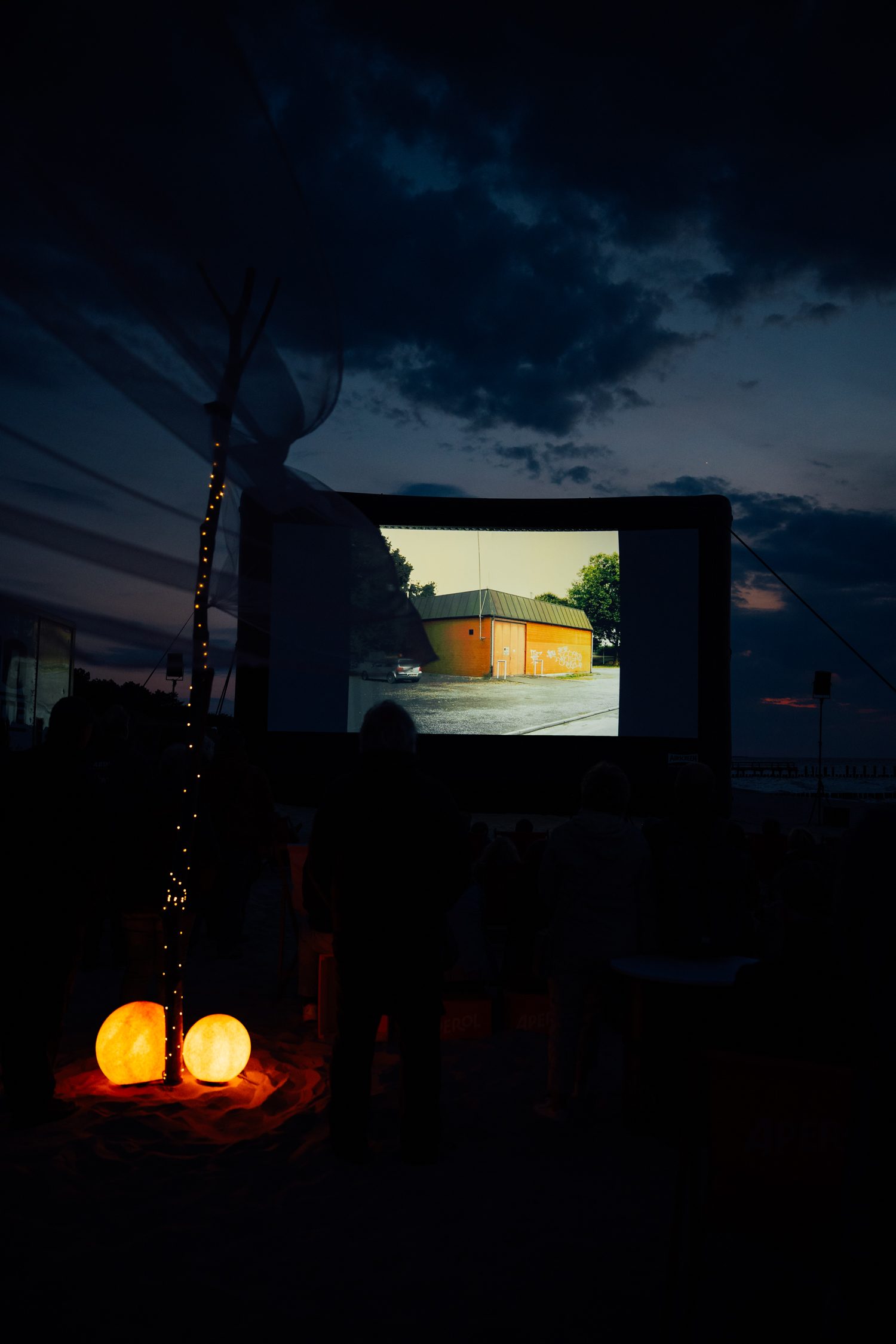
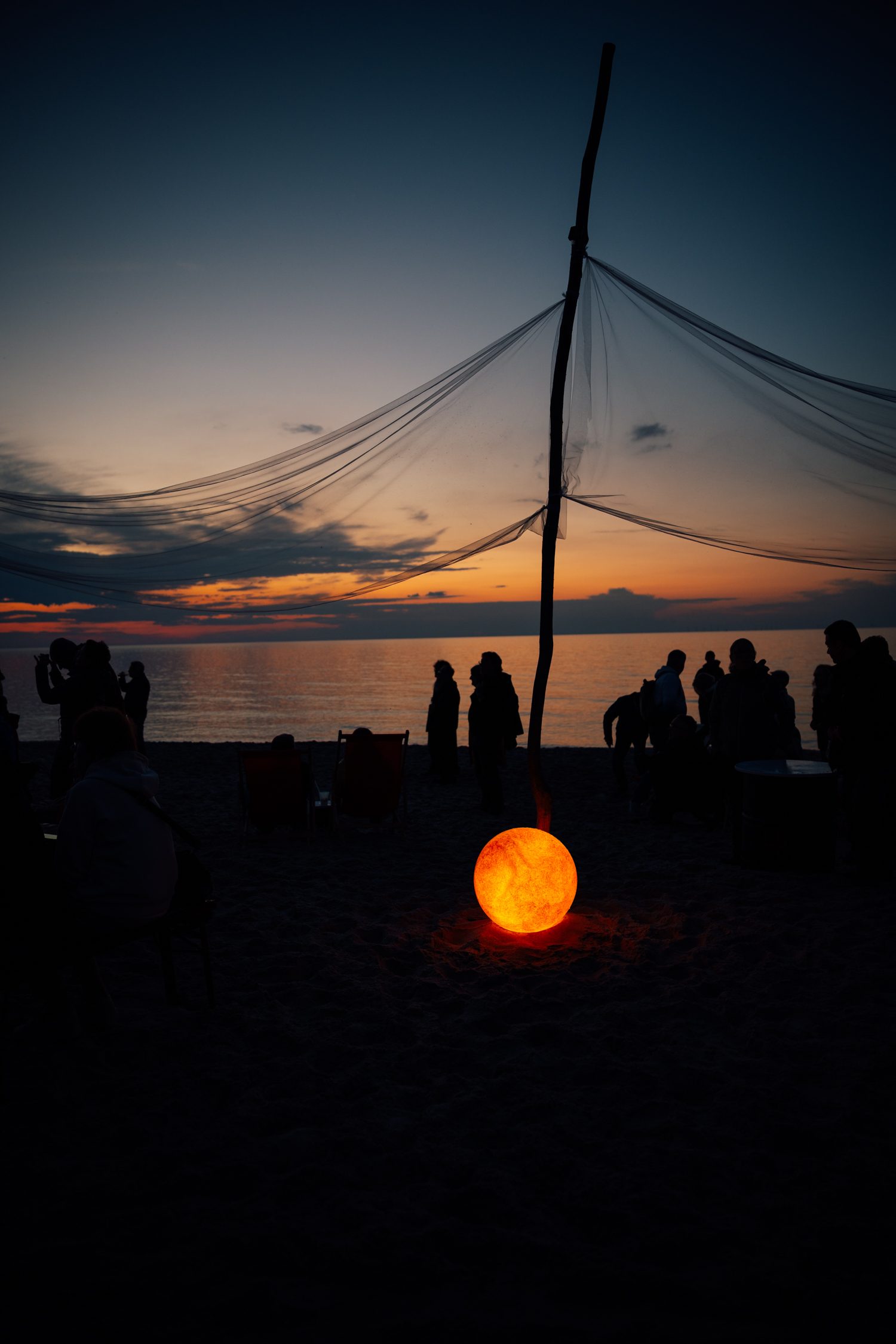
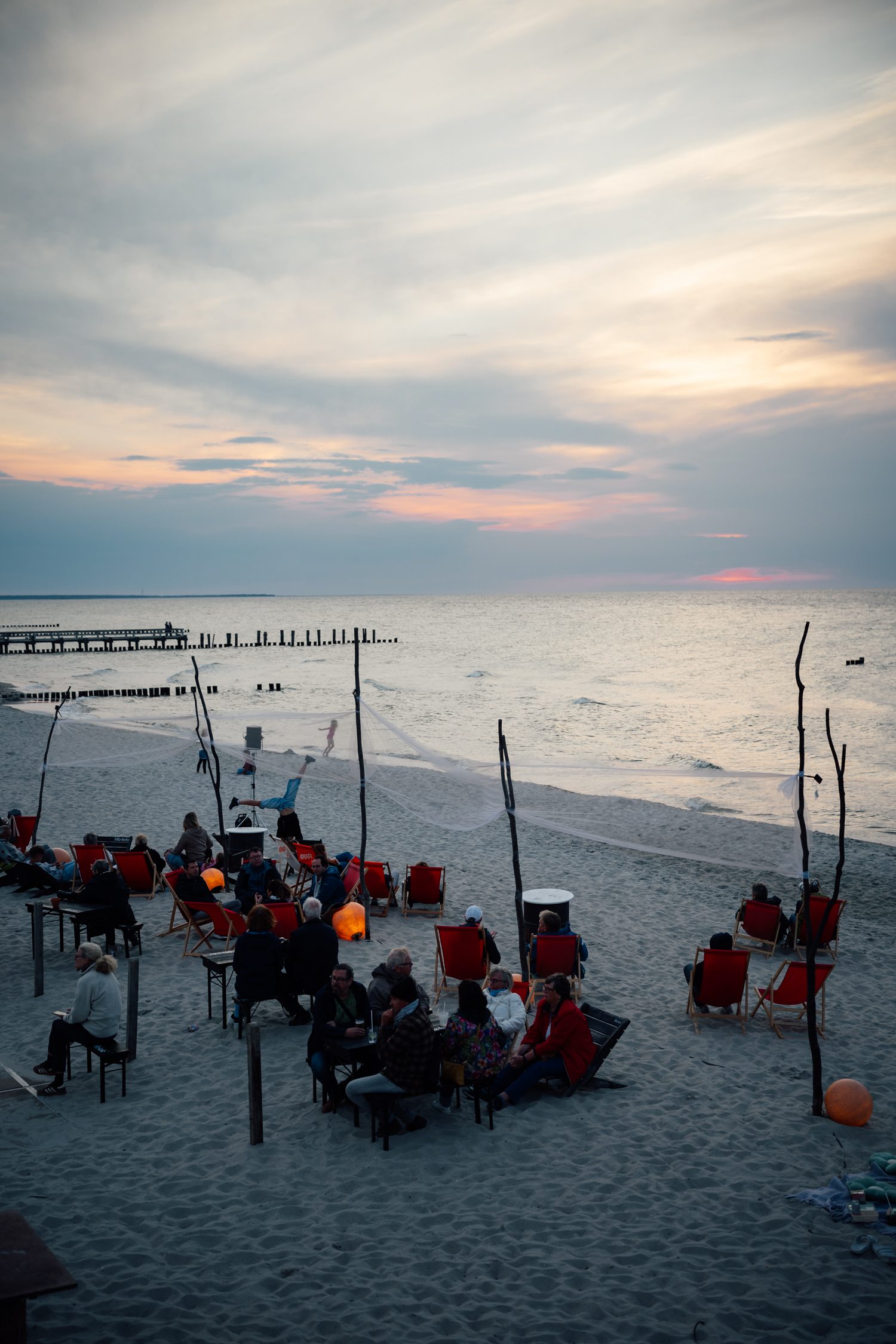
Each evening, as darkness settled over the beach, the festival transformed into something special. The daily “Bilderflut”—literally, image flood—is exactly what it sounds like: a projection of hundreds of photographs on a massive outdoor screen at the beach. There’s short videos explaining the exhibitions as well as photo shows with music and the results of the daily photo workshops from participants. In the end the “photo of the day” is presented–awarded by the festival jury and decorated with a generous price. All with the Baltic Sea lapping in the darkness behind the crowd and the images cycling through in a kind of collective, communal viewing experience.
The village, the food, the feeling
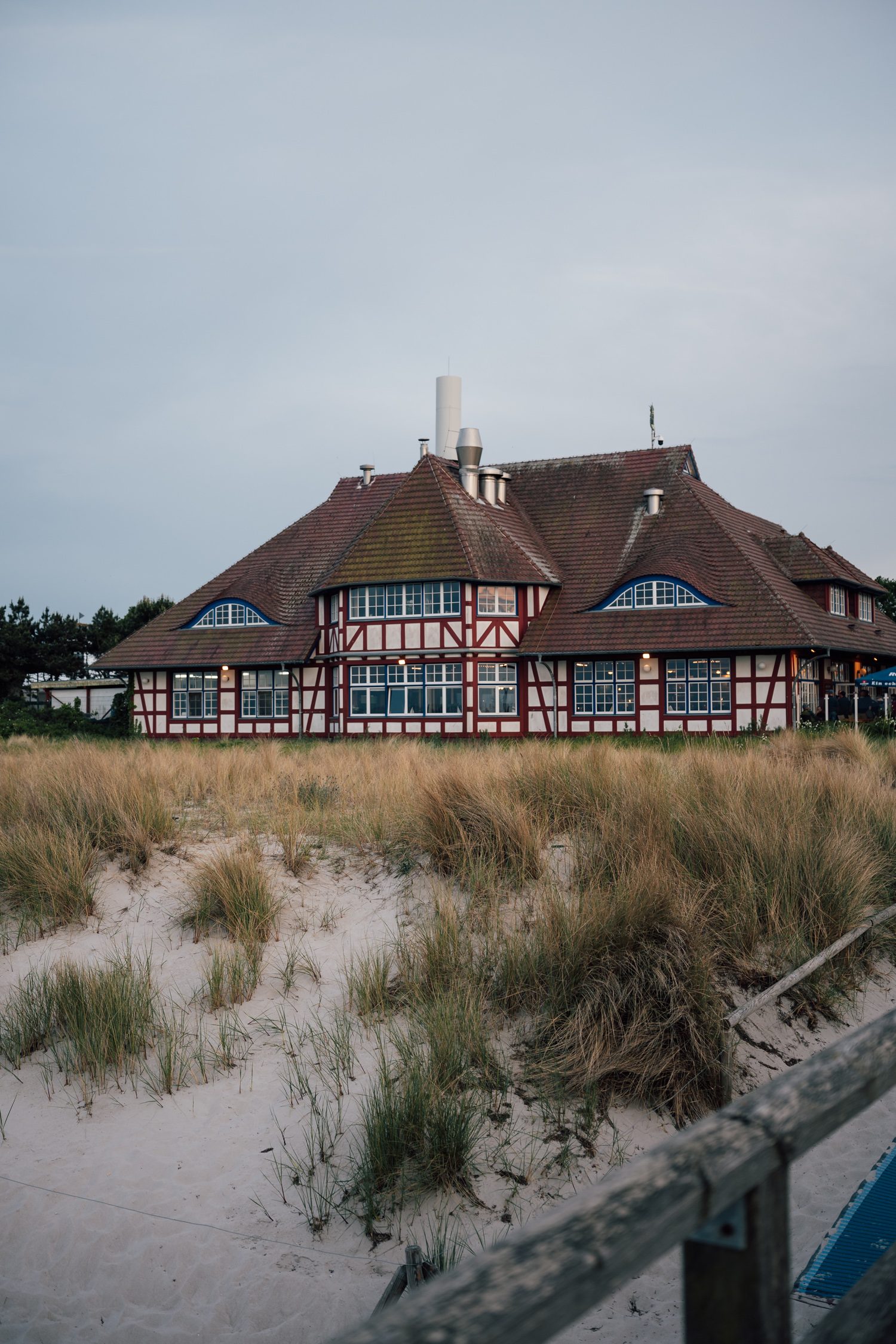
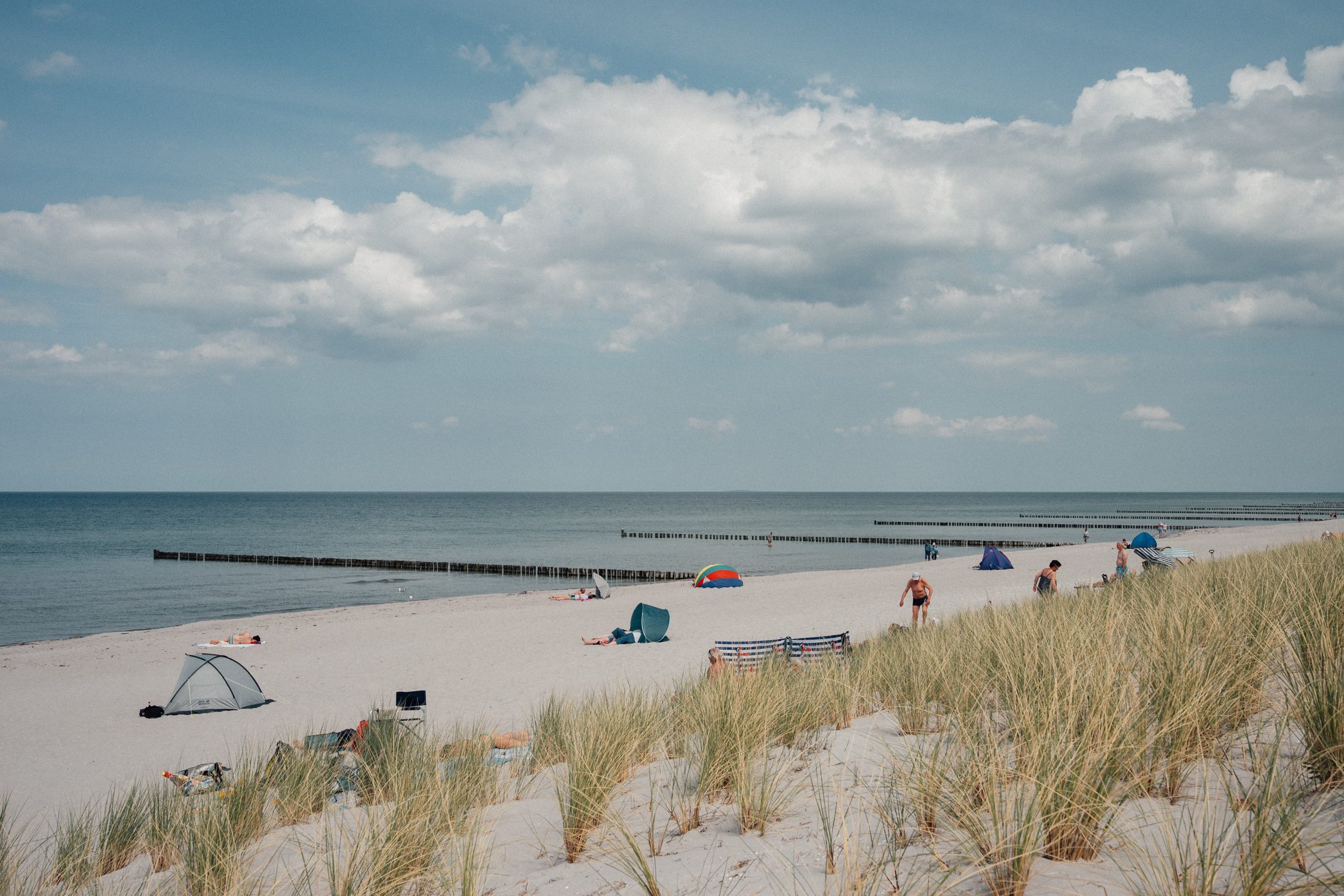
Zingst itself is worth a visit–with many people coming just for the beach and nature combination, the cycling and swimming and the explorations of the National Park. It’s small enough that you learn its geography quickly, but full enough of character that it never feels thin. Evenings with festival colleagues at the Strandhotel Zingst (with a brilliant location right on the seafront) set the scene for the kind of conversations that only happen when photographers gather: obsessive, funny, occasionally philosophical.
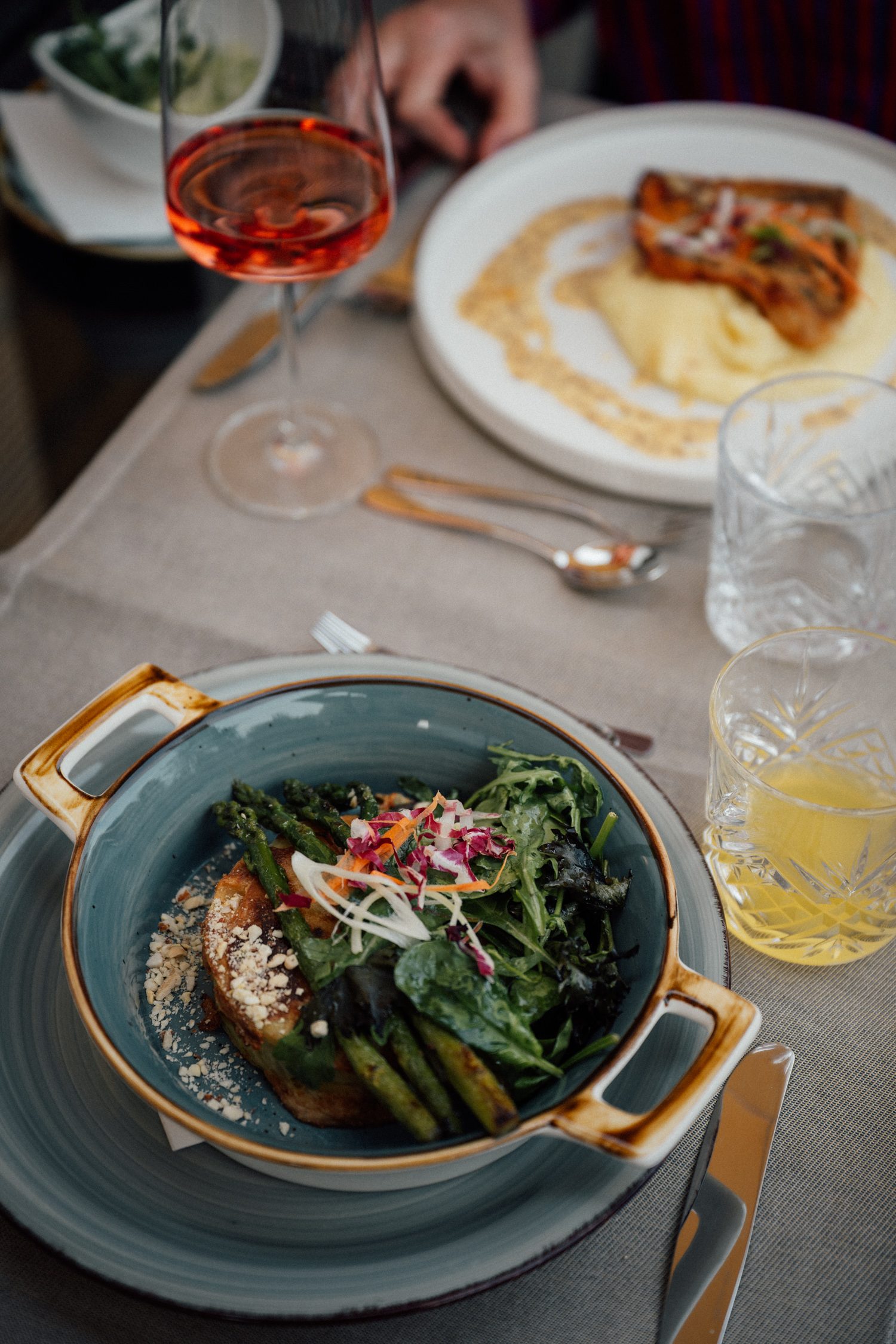
Don’t miss the Polish Bistro Bosman for lunch, especially the beetroot soup with potato and the pierogies with Sauerkraut—simple, warming, exactly right after a morning in the field.
Part of »horizonte zingst« is also the so called “Fotomarkt” (photography market), where you’ll find all the important camera producers, but also providers of all sorts of photography adjacent equipment. Here you can test, shop or have your equipment cleaned at the Nikon stand.
Why 2027 matters
I spoke with Rico Nowicki about the 20th anniversary with a sense of genuine anticipation—and I left that conversation feeling the same way. Twenty years of Horizonte Zingst is twenty years of bearing witness: to climate change through photographs, to species loss, to the endurance of wild landscapes, and to the community of photographers who care enough to keep looking.
Although they kept me on my toes as to the details of the 20th anniversary edition’s theme and content, I know this will be a special year to gather not just to celebrate, but to keep paying attention to our environment and caring for our planet. The 2027 edition runs from May 28 to June 6. It will be the most ambitious iteration of the festival yet, and given what I experienced over just three days this year, I can only imagine what a full programme at the 20th anniversary will feel like.
If you care about photography, about nature, about what images can do in the world — this is where you need to be.
Whether you come for the exhibitions, the workshops, the talks, or simply for the experience of being in a place where photography is taken seriously as a form of environmental storytelling, »horizonte zingst« will give you more than you came for. I’ll be back in 2027. I hope you will be too.
- Horizonte Zingst 2027: 20th Anniversary Edition
- May 28 – June 6, 2027*
- Zingst, Fischland-Darß-Zingst Peninsula, Mecklenburg-Vorpommern, Germany
- horizonte-zingst.de