When most people picture Lake Balaton, they picture summer crowds, sunbeds, and sailing boats. And fair enough, Central Europe’s largest freshwater lake has been a beloved holiday escape for generations. But we just spent five days exploring its northern shore, its wetlands, its volcanic hills, and its nature reserves properly, and discovered something rather different: a landscape of surprising ecological richness, ancient lava fields, rare wildlife, and a growing scene of thoughtful, slow tourism that has very little to do with beach season (although it can be a lovely combo).
This is the Balaton I want to tell you about. The wild side of Hungary. The birds and buffaloes. And the places worth visiting.
The Setting: Balaton Uplands National Park
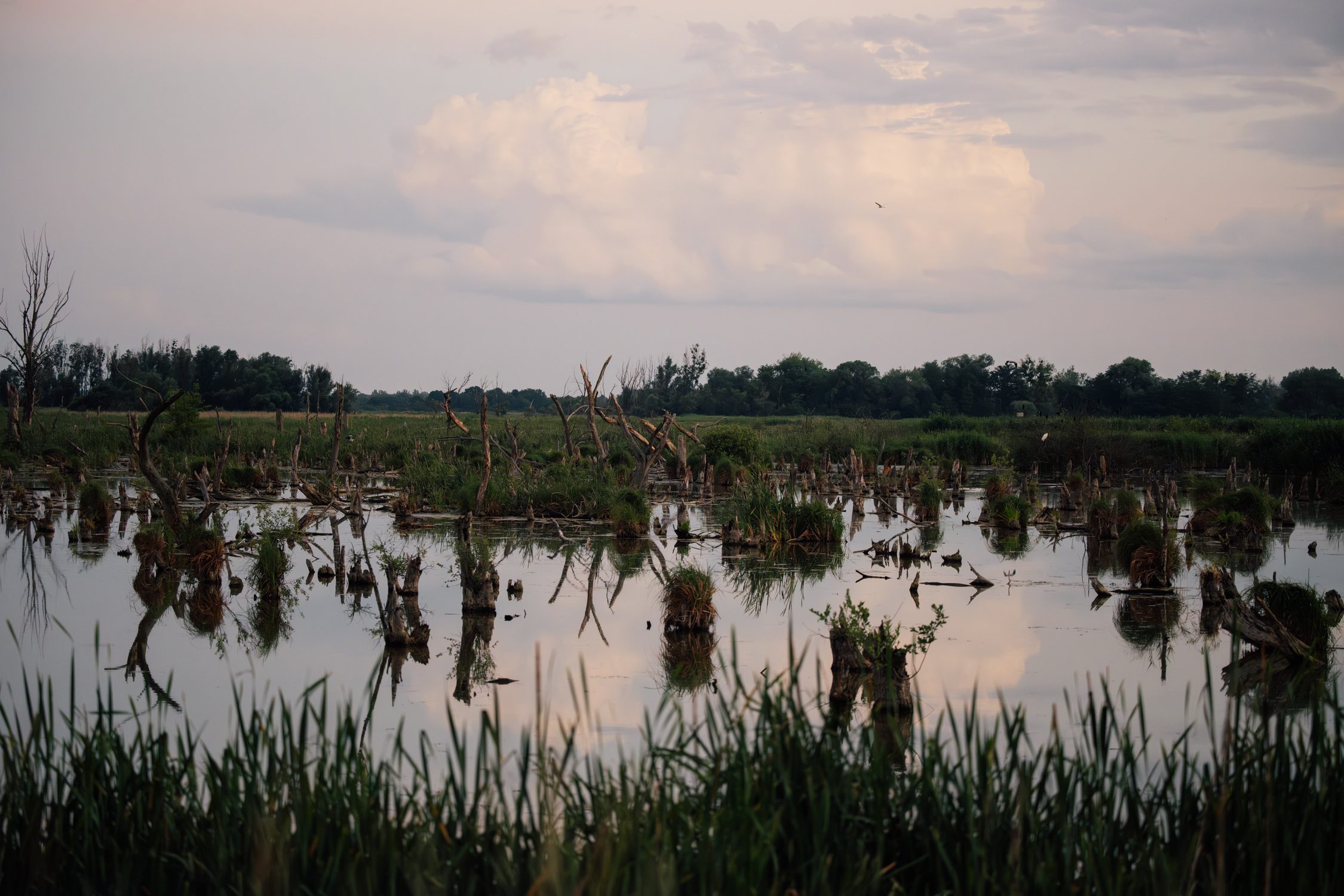
What most visitors don’t realise is that the Northern shore of Lake Balaton is cradled by one of Hungary’s most significant protected areas. The Balatons Uplands National Park—established in 1997—covers nearly 57,000 hectares and encompasses six distinct landscape protection areas: the Káli Basin, the Tihany Peninsula, Kis-Balaton, the Tapolca Basin, the Pécsely Basin, and the Keszthely Hills.
Kis-Balaton holds additional international recognition under the Ramsar Convention as a wetland of global importance. Volcanic eruptions, ancient seabeds, basalt remnant hills, and hot spring cones: this is a place shaped over millions of years, and you feel it when you’re standing here.
For nature enthusiast travellers, it’s a destination worth taking seriously.
Day One: Arriving in the Káli Basin
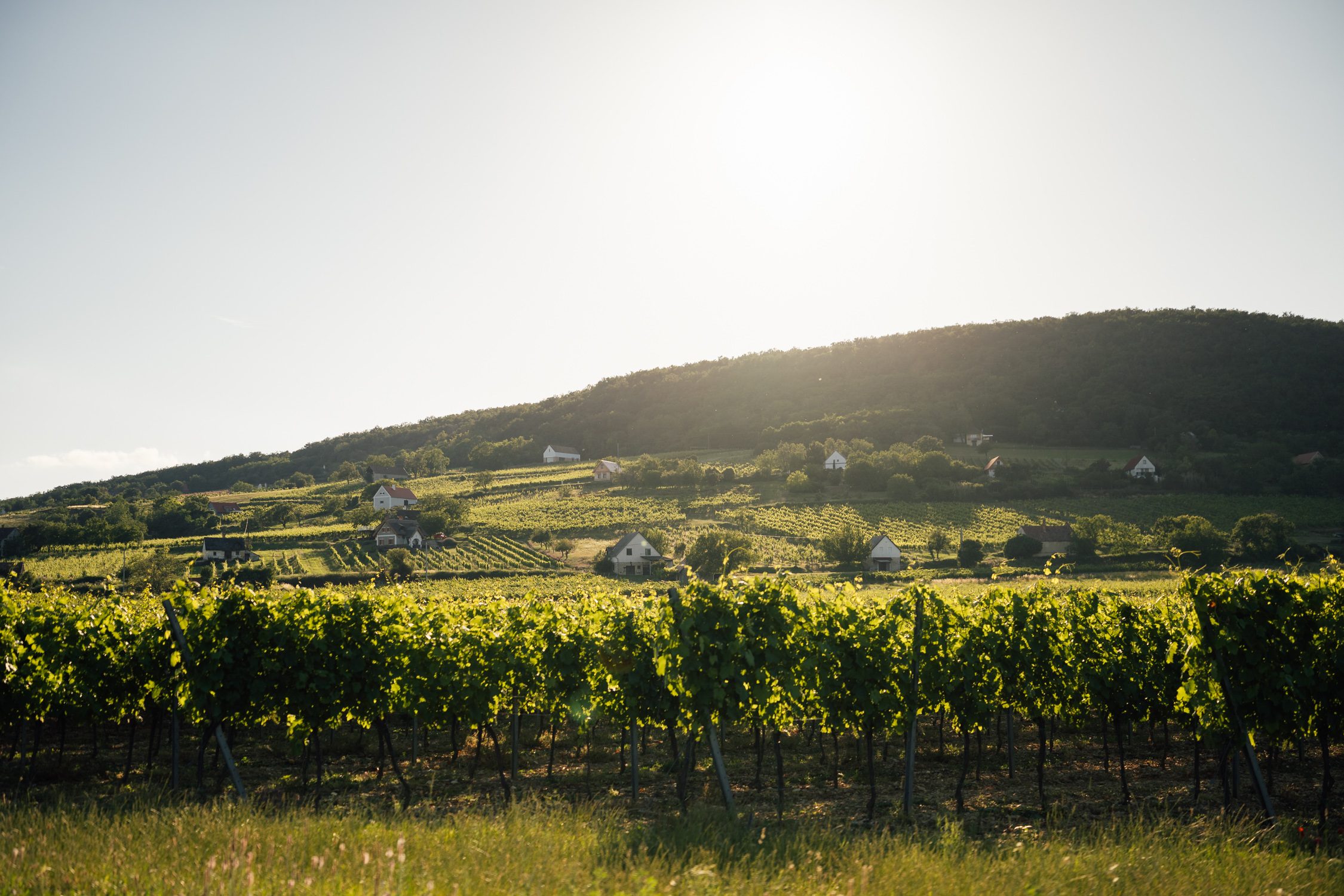
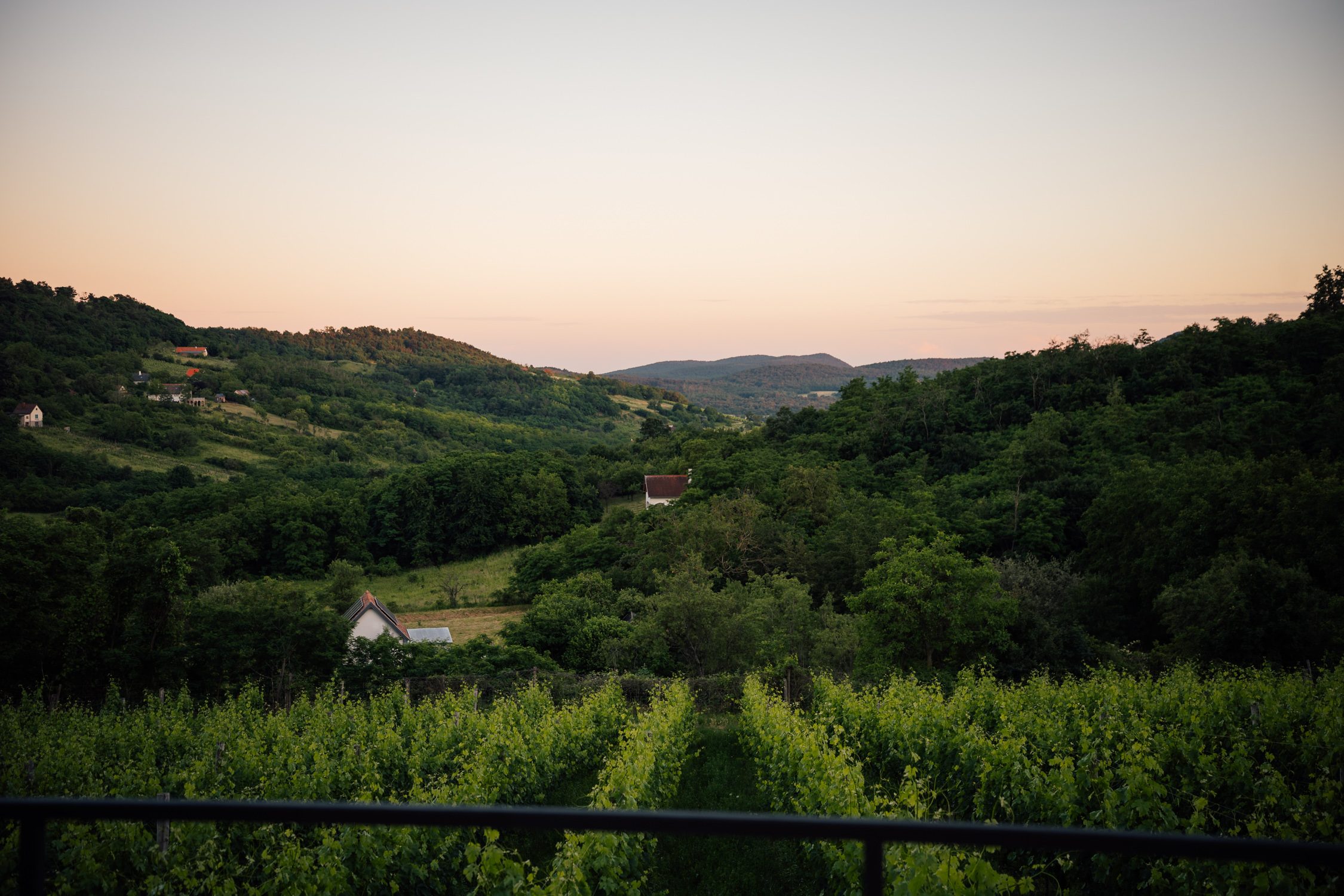
The Káli Basin is where our trip begins, and it sets the tone immediately. Often compared to Tuscany—an oversimplification, but one that rings true when you drive through flowering meadows and vineyards—this UNESCO-tentative cultural landscape is a mosaic of basalt hills, bog meadows, preserved folk architecture, and vineyards that have been producing wine since Roman times. The whole basin became a protected landscape area in 1984, and the conservation work since has been meticulous—from restoring wetland habitats to rewilding efforts with water buffaloes and European ground squirrels.
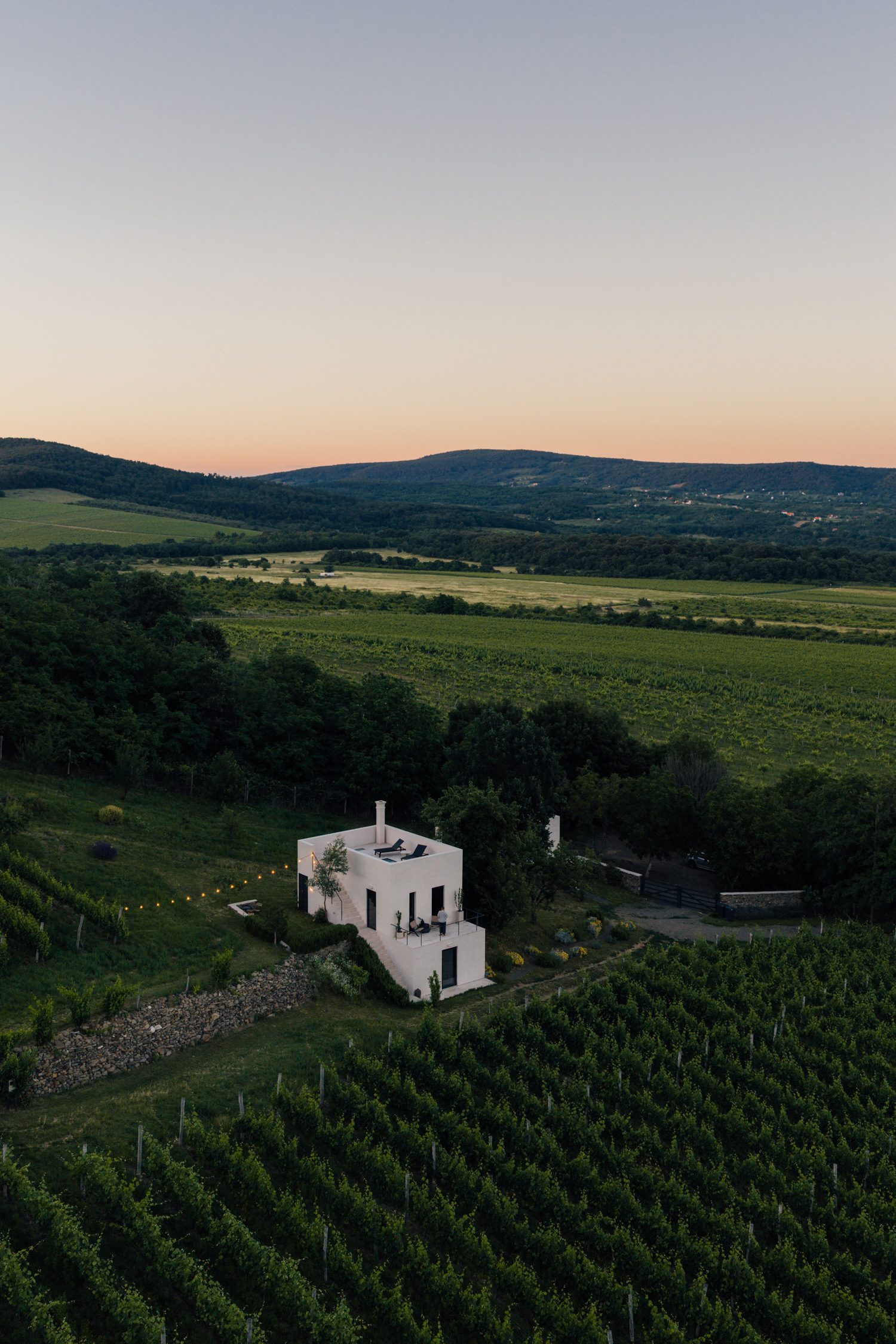
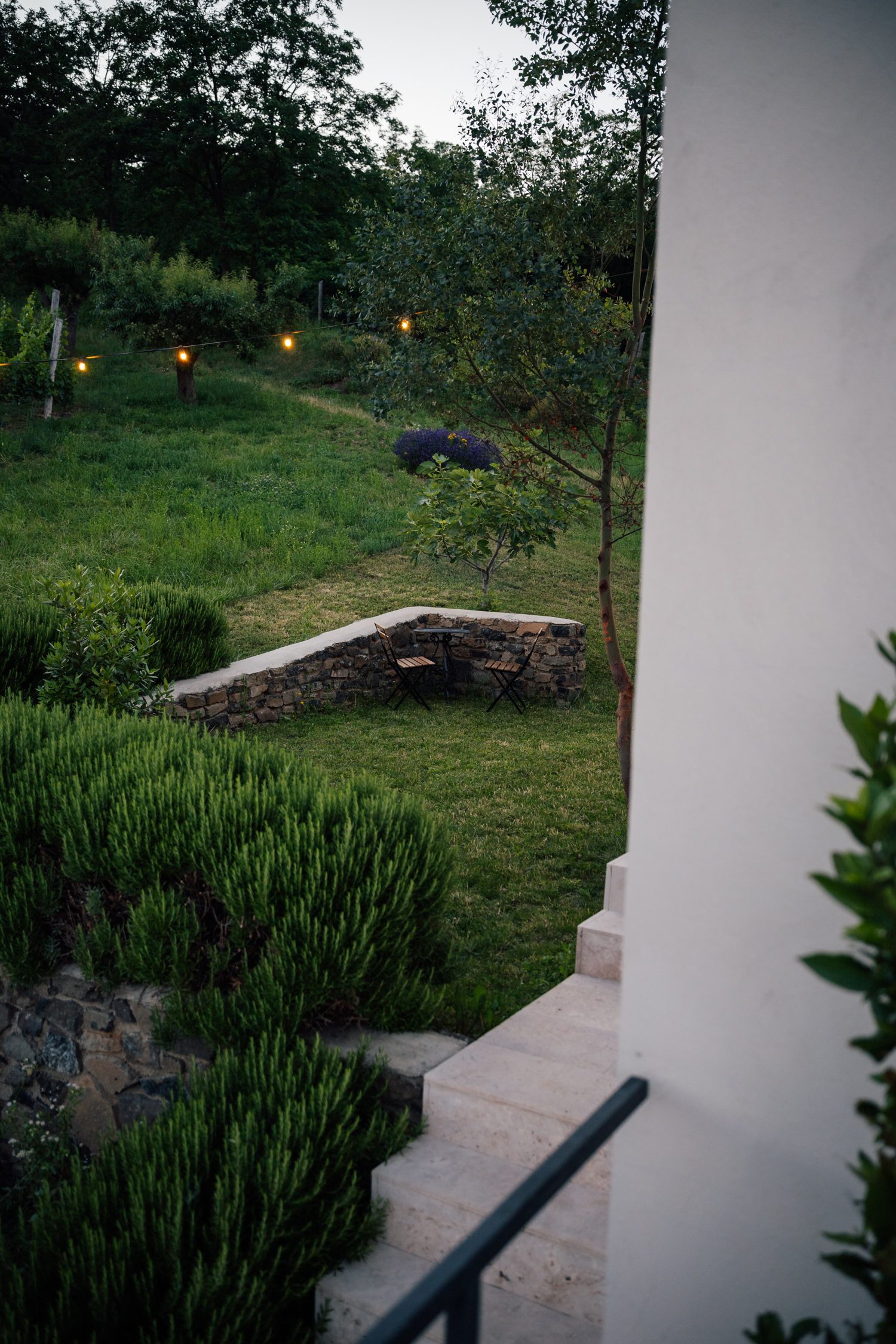
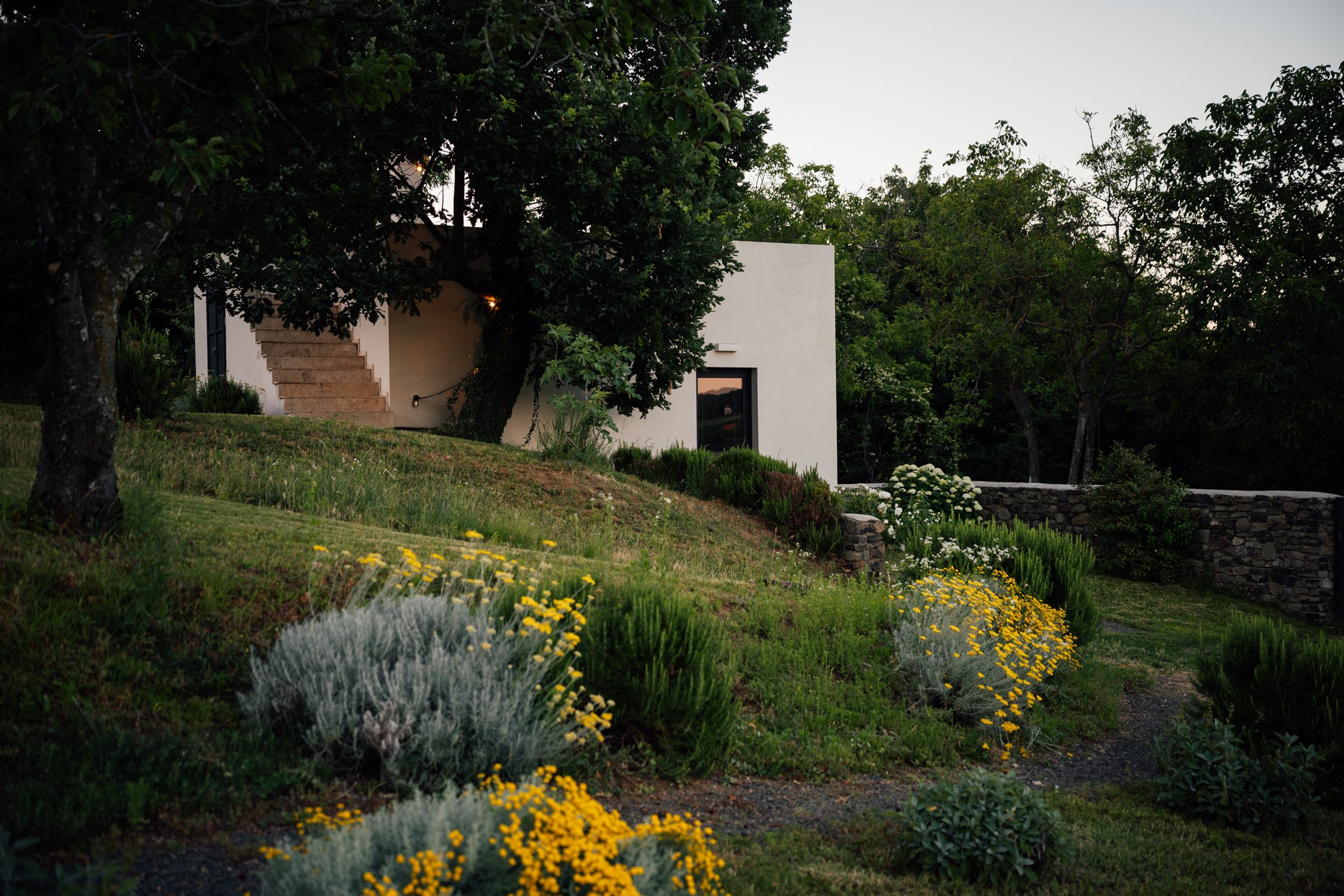
We arrived at our first accommodation, SAZÜ in Mindszenthálla—a beautiful vineyard with two tiny houses tucked away on a hillside. The owner David welcomed us personally and made sure we learned about his artisanal wine. He produces just 3,000 bottles a year on his small vineyard–and although we’re not big on wine we quickly understood, that his low intervention, volcanic red wines are something special.
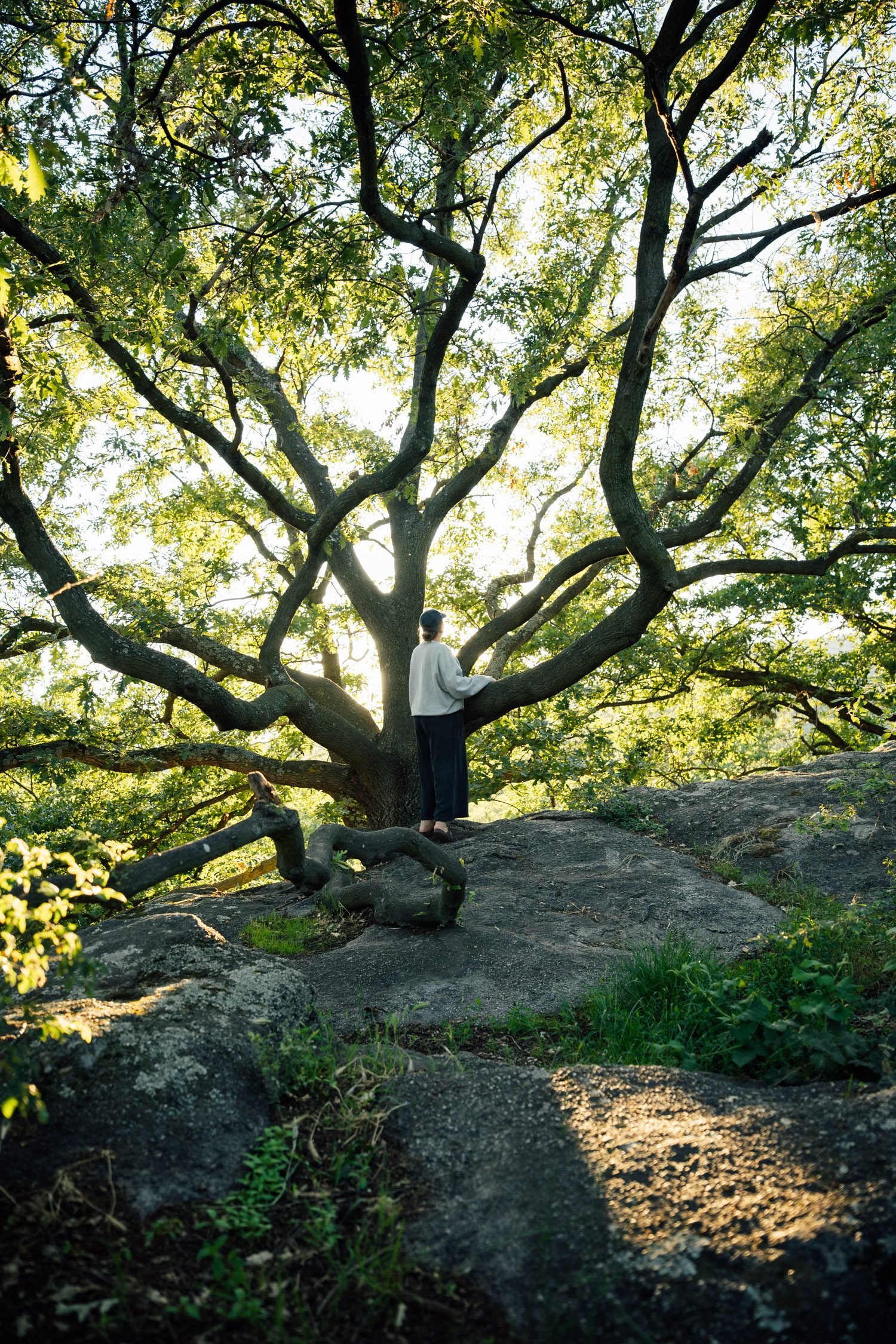
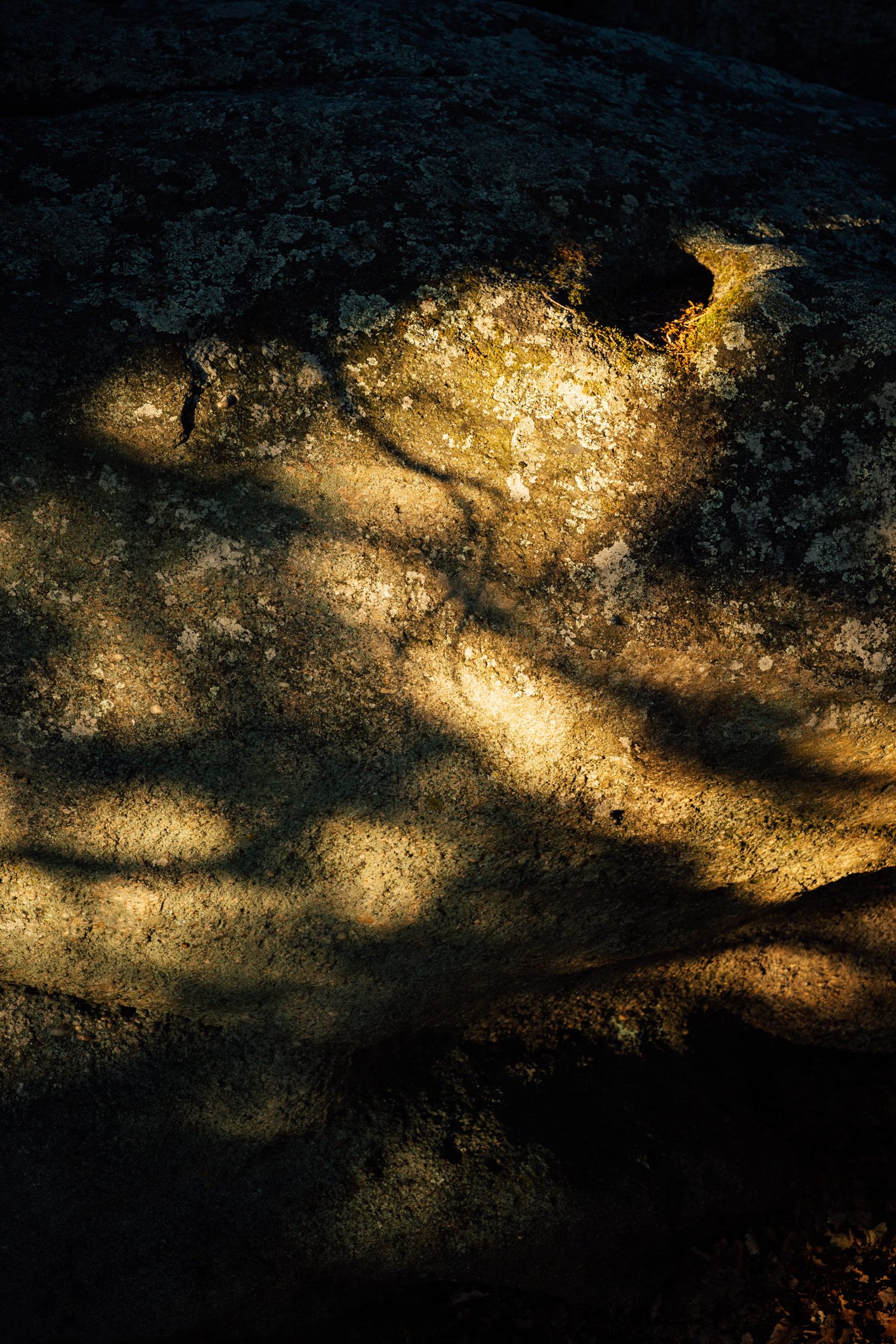
In the evening we started our discovery with a small hike around the so called “Sea of stones” (Kőtenger) of Szentbékkálla, where you can climb around some of the geological features of this ancient volcanic landscape.
Day Two: Ground squirrels, lavender & a bike ride through Tihany
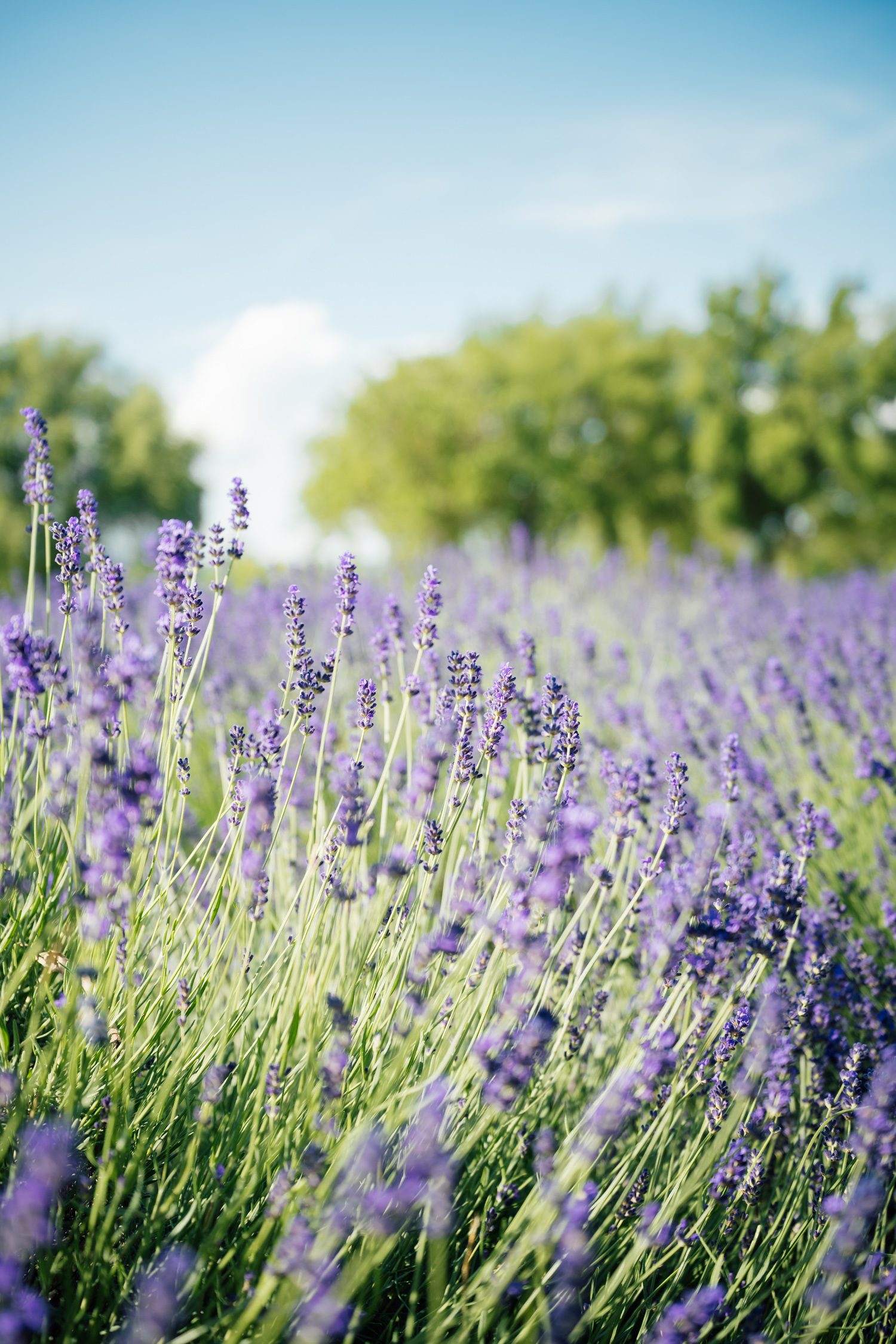
The Tihany Peninsula is one of the most famous parts of the Northern Shore. Jutting out into the lake like a raised fist, Tihany is a designated nature reserve within the national park, shaped by ancient volcanic activity and covered in aromatic lavender fields that bloom here throughout the summer months. The peninsula has a Mediterranean microclimate, supporting rare steppe-like vegetation and a biodiversity that extends well beyond what you’d expect this far into Central Europe.
We spent time at Lavender Tihany shopping for some gifts (they have over 1,000 lavender products – everything from body lotion to chocolate pralines) as well as a small museum where they showcase how they manually produce everything extracted from the local lavender aromatic oil, which they also distill right there. This was followed by a delicious lunch at the iconic Rege restaurant, which overlooks the lake from a huge panoramic terrace.
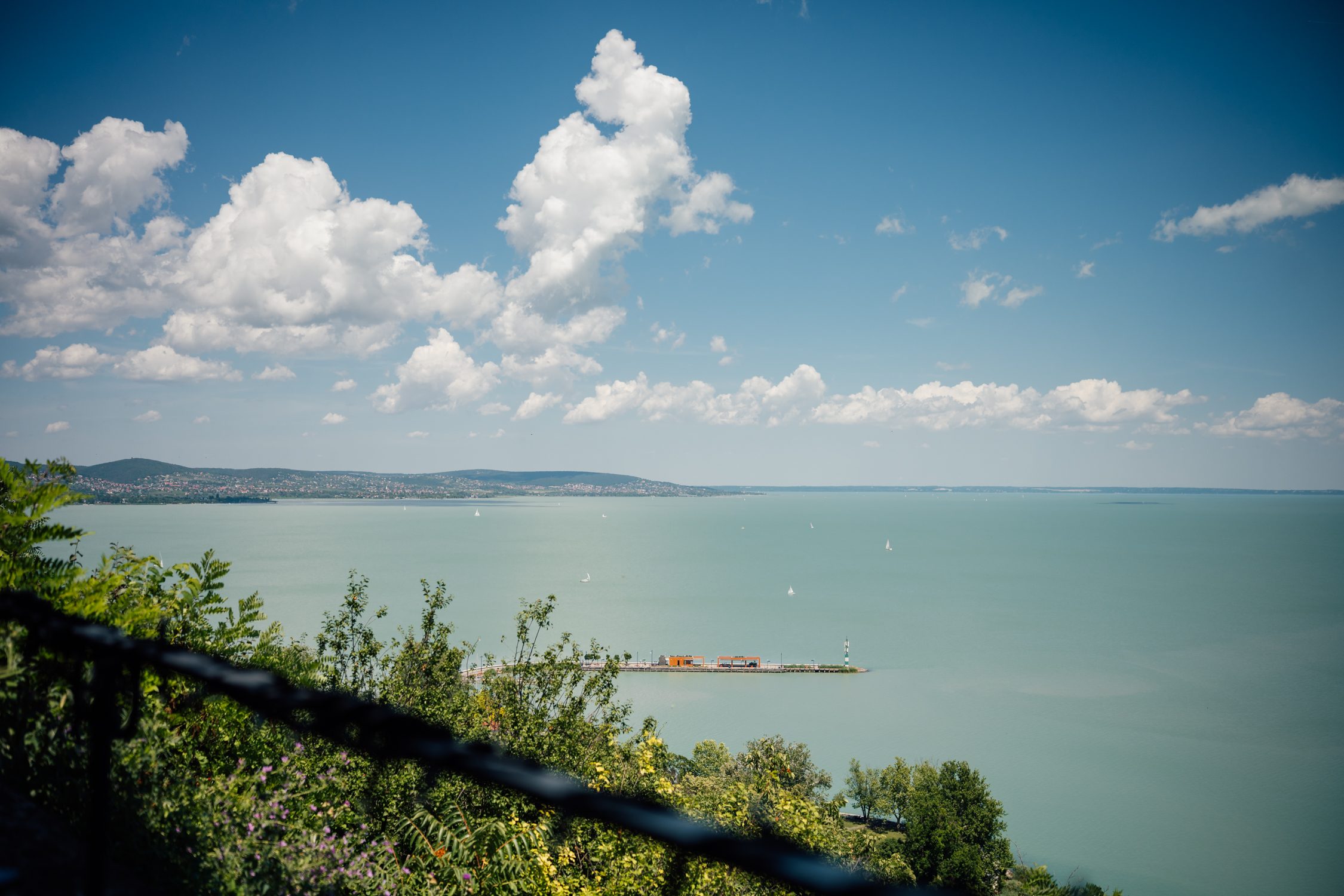
We then went on to rent e-bikes from Balaton Bike 365 for a cycling tour from Balatonfüred along the lakeshore back toward the Tihany peninsula. We enjoyed a guided tour with Balaton Bike Tour and our wonderful guide Istvan showed us some of his favourite secret spots. There’s over 1,000km of bicycle routes from the lake shore to the inland here at Balaton, so this is a favourite activity among visitors. When we visited in June the air was thick with linden blossom scent, and the path wound past secret swimming coves and hidden lookout spots, that we would never have found without Istvan.
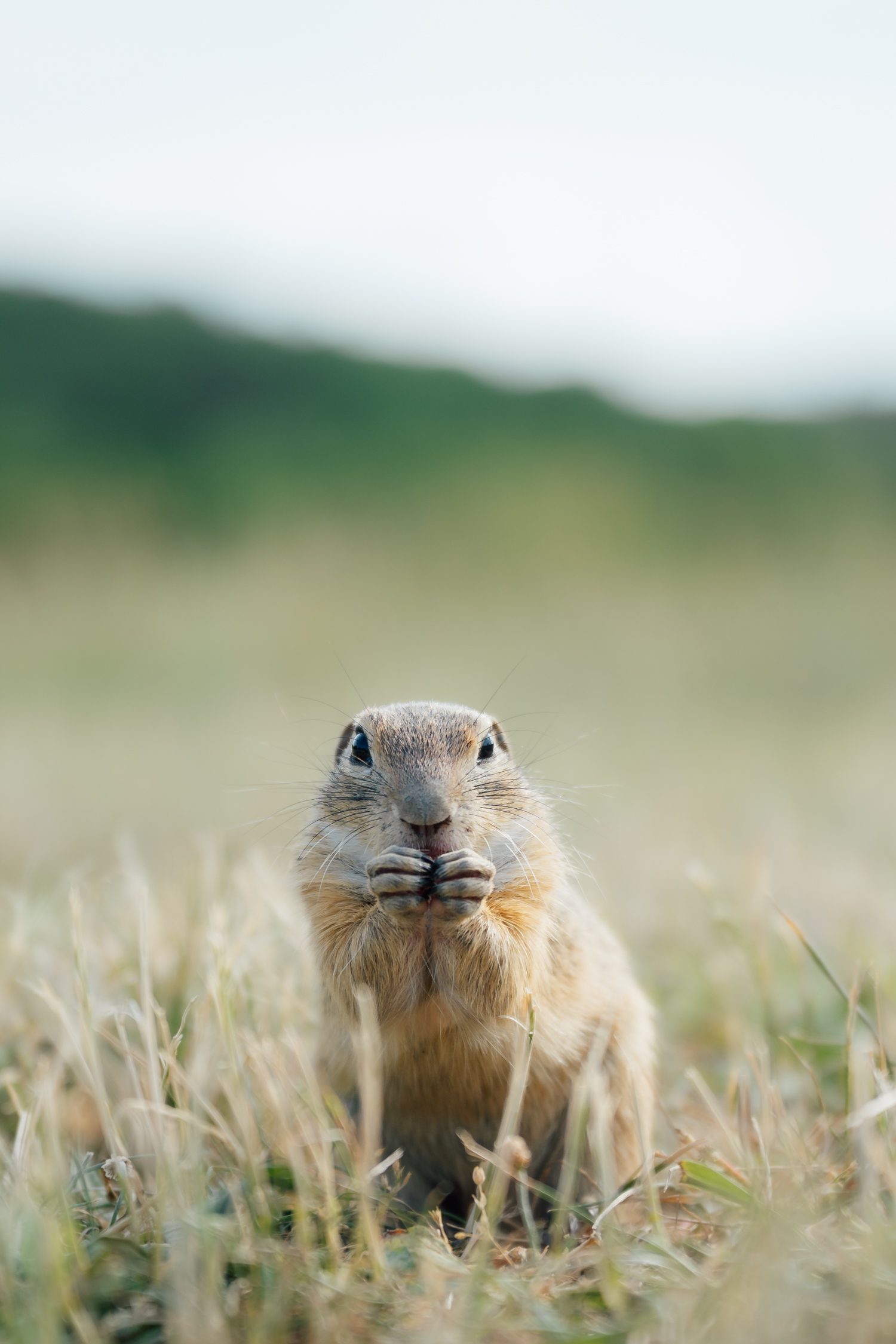
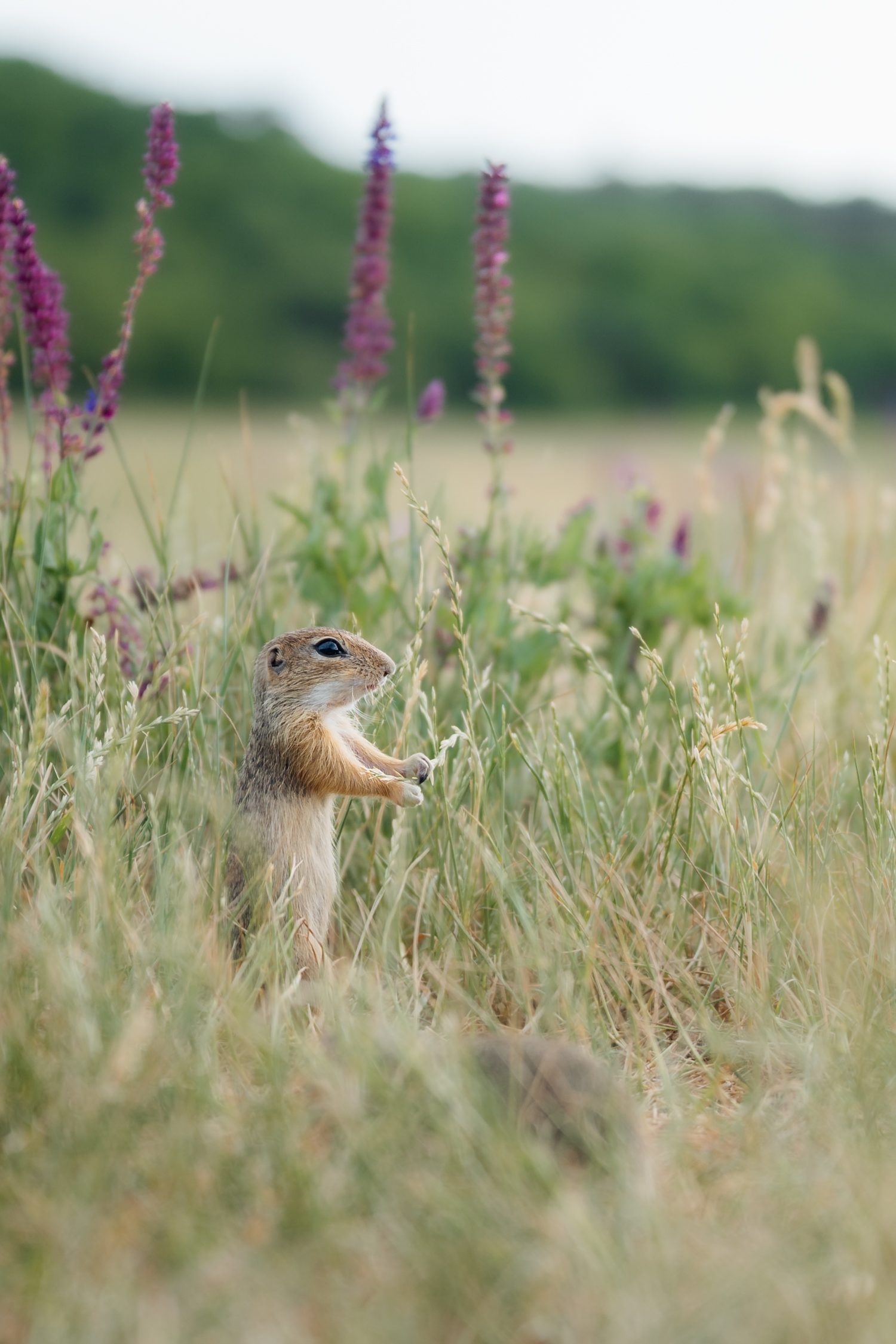
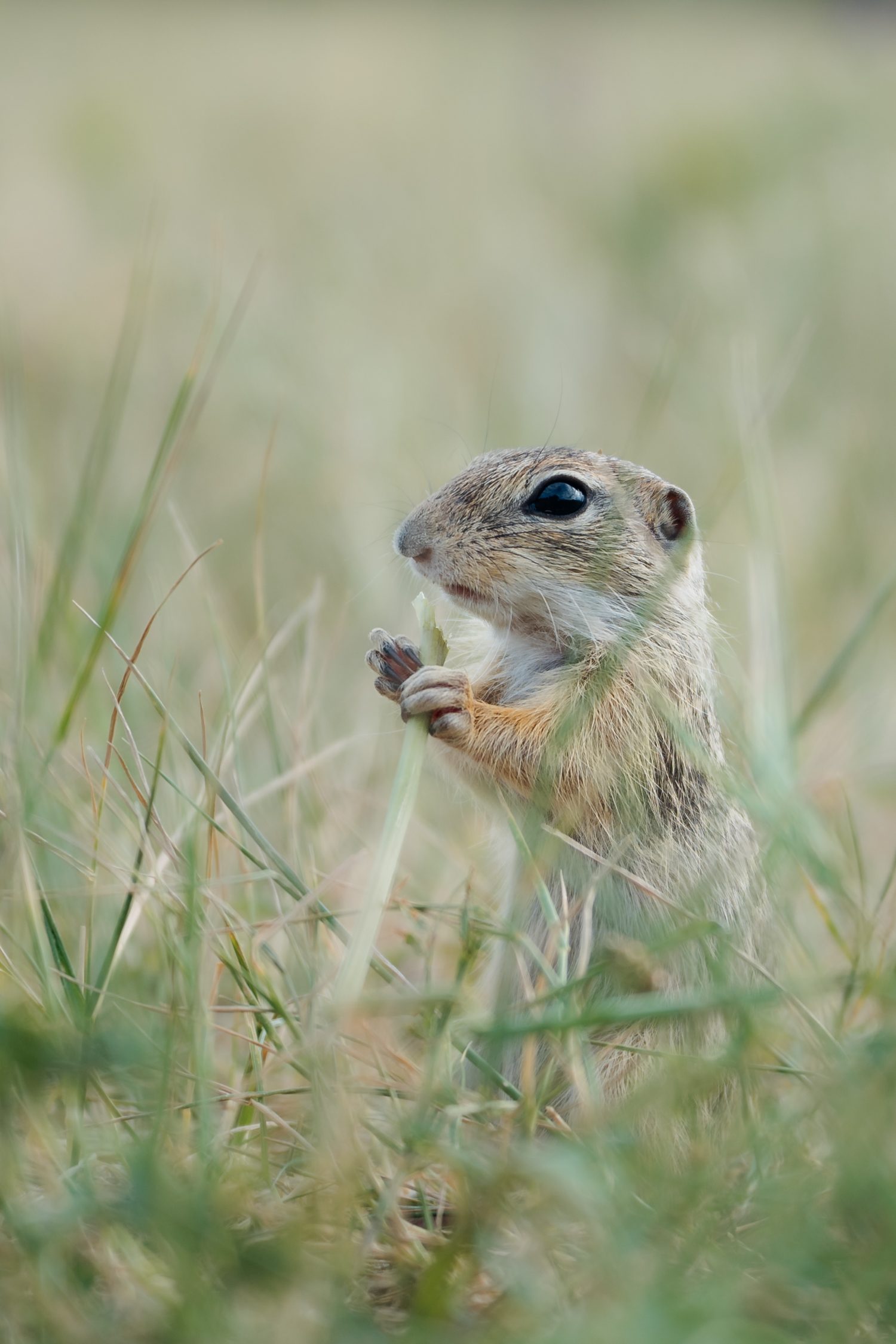
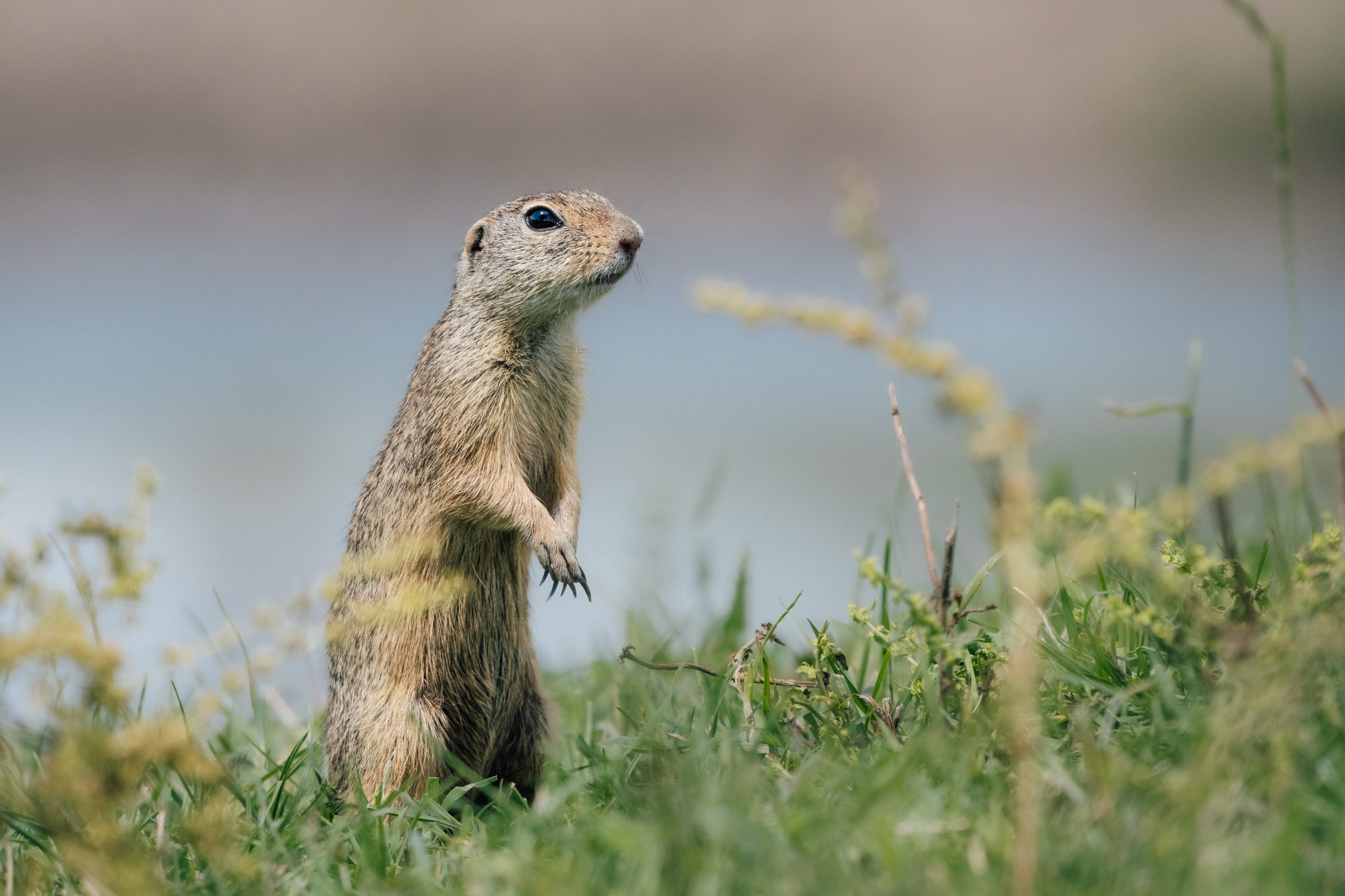
But the unexpected highlight? The European ground squirrels (Spermophilus citellus) at the Belső-tó lake colony. When we arrived at the colony there were a few people sitting in the grass and I was wondering what they were up to. Turns out these little rodents are quite habituated to humans there and if you sit in a spot long enough they will come incredibly close. I had only packed a short lens on my camera, but could still get some lovely close-ups of them.
They are a protected species across much of Europe—classified as Vulnerable on the IUCN Red List—because their habitats are under pressure. European ground squirrels need short grass ecosystems, so they can spot predators easily (a behaviour you can witness here – squirrels getting up on their hind legs and squeaking when they see something dangerous to warn the colony). There have been serious reintroduction efforts here at lake Balaton to make sure the habitat is suitable for them. I spent a whole hour or more just laying down on the ground within the very active colony and loved every second of it.
They’re the kind of wildlife encounter that reminds you how much biodiversity we are loosing when the landscapes aren’t properly protected.
Day Three: Buffaloes, Bee-Eaters & canoe rides at Kis-Balaton
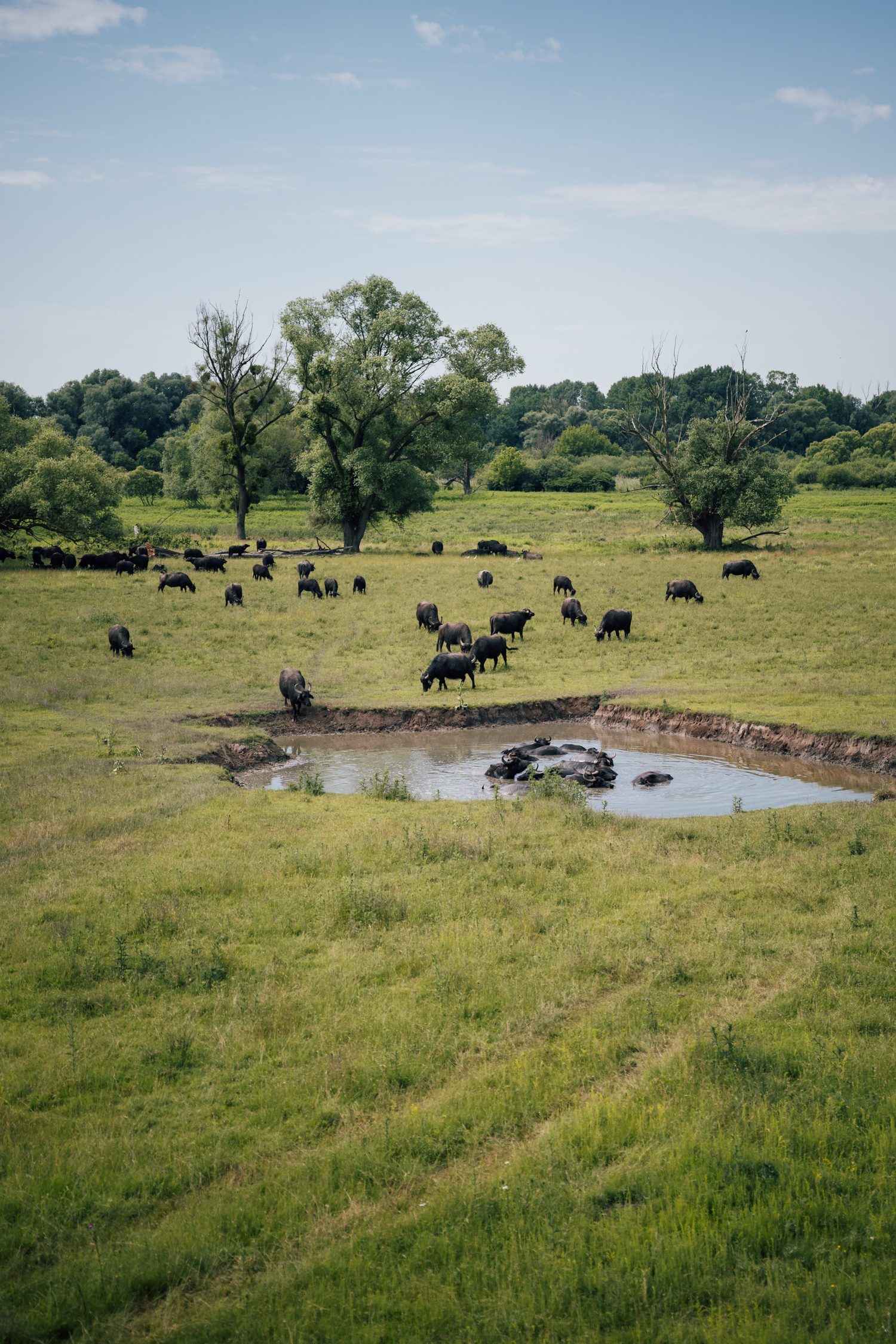
We began at the Kápolnapuszta Buffalo Reserve (Zalakomár), part of the national park’s mission to preserve traditional Hungarian domestic animals and restore native habitats.
Historically European bison inhabited the marshy woodlands and wetlands of Kis-Balaton, but overhunting and habitat loss driven by human settlement as well as the Industrial Revolution of agriculture led to its complete disappearance from the region by the 16th to late l8th century.
Left ungrazed, European wetlands quickly suffer from reed monoculture, which reduces biodiversity.
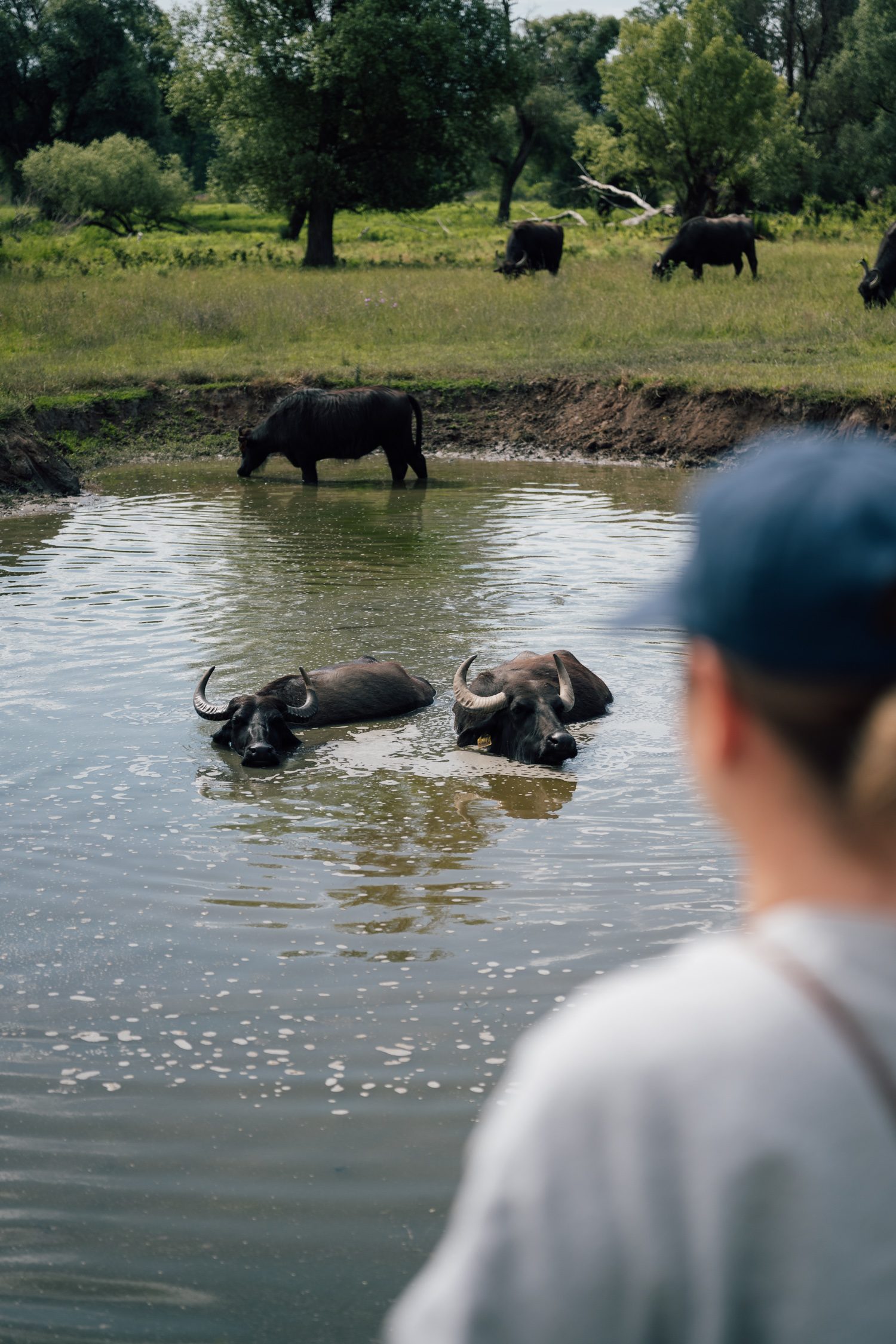
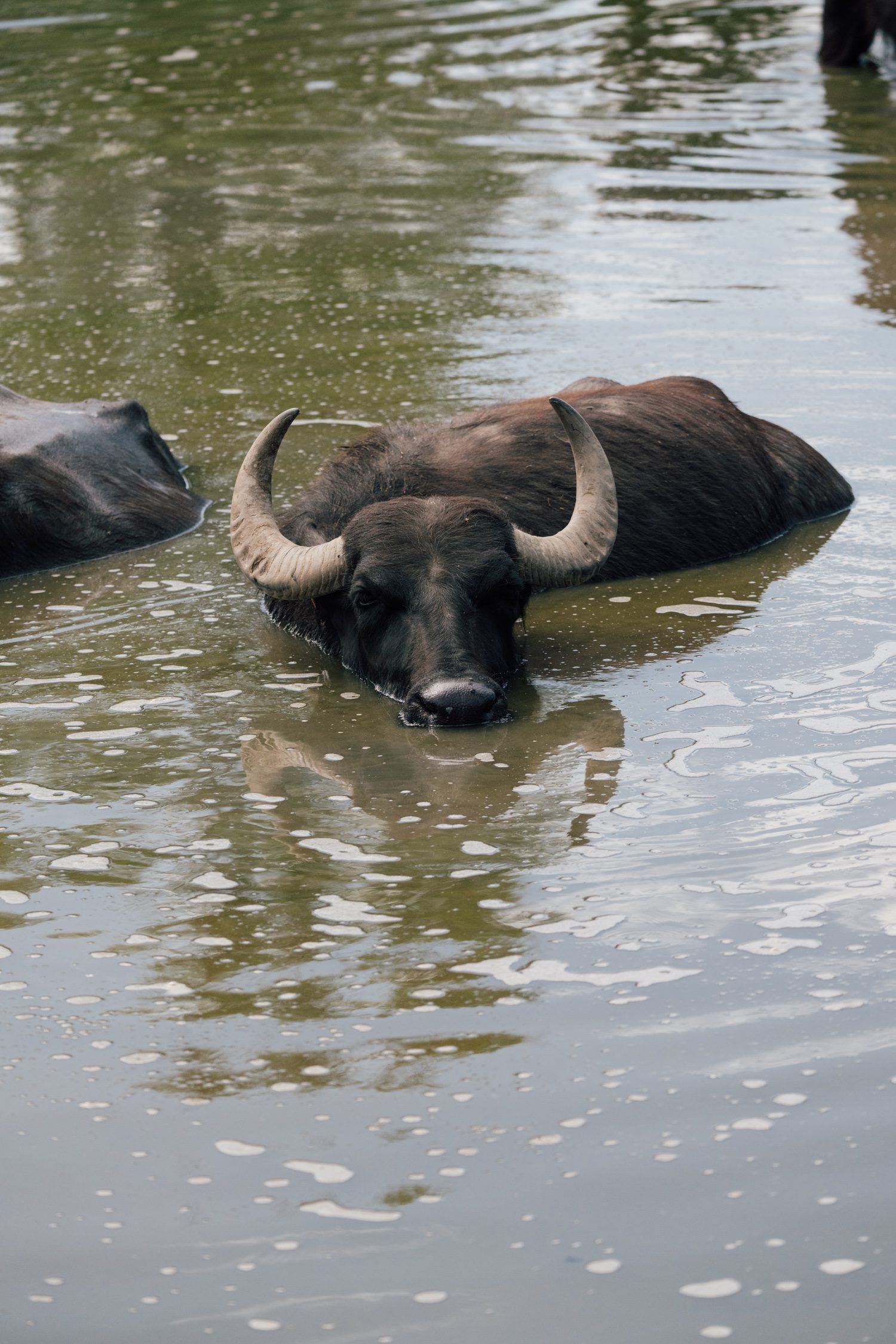
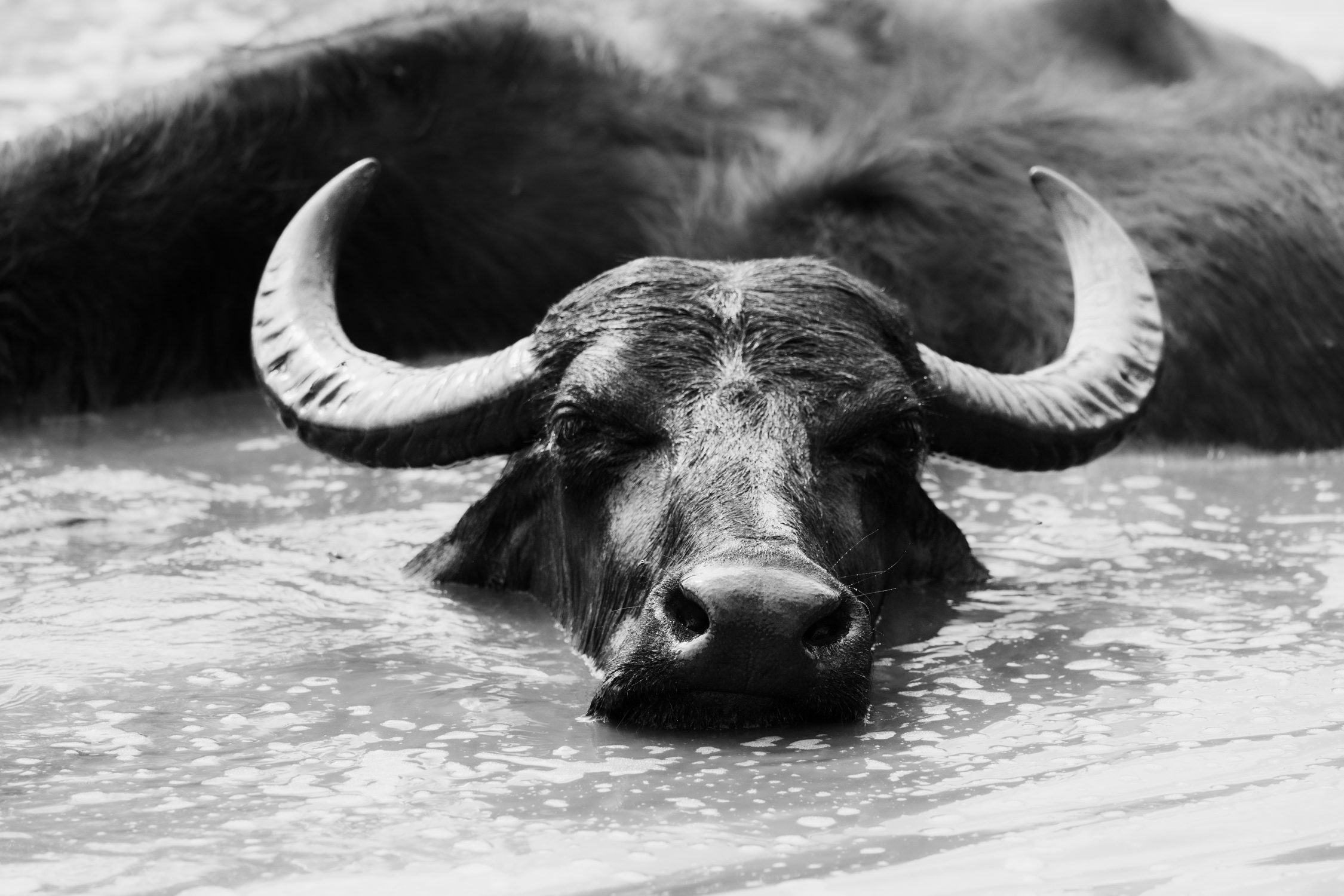
Today water buffaloes step into the ecological niche left vacant when the European bison disappeared, working as ecosystem engineers. Here at the buffalo center in Kis-Balaton there are around 100 buffaloes kept in a large herd as part of the National Park. The landscape is opened up and serves as critical habitat for species such as cattle egret, bee eaters and also ground squirrels.
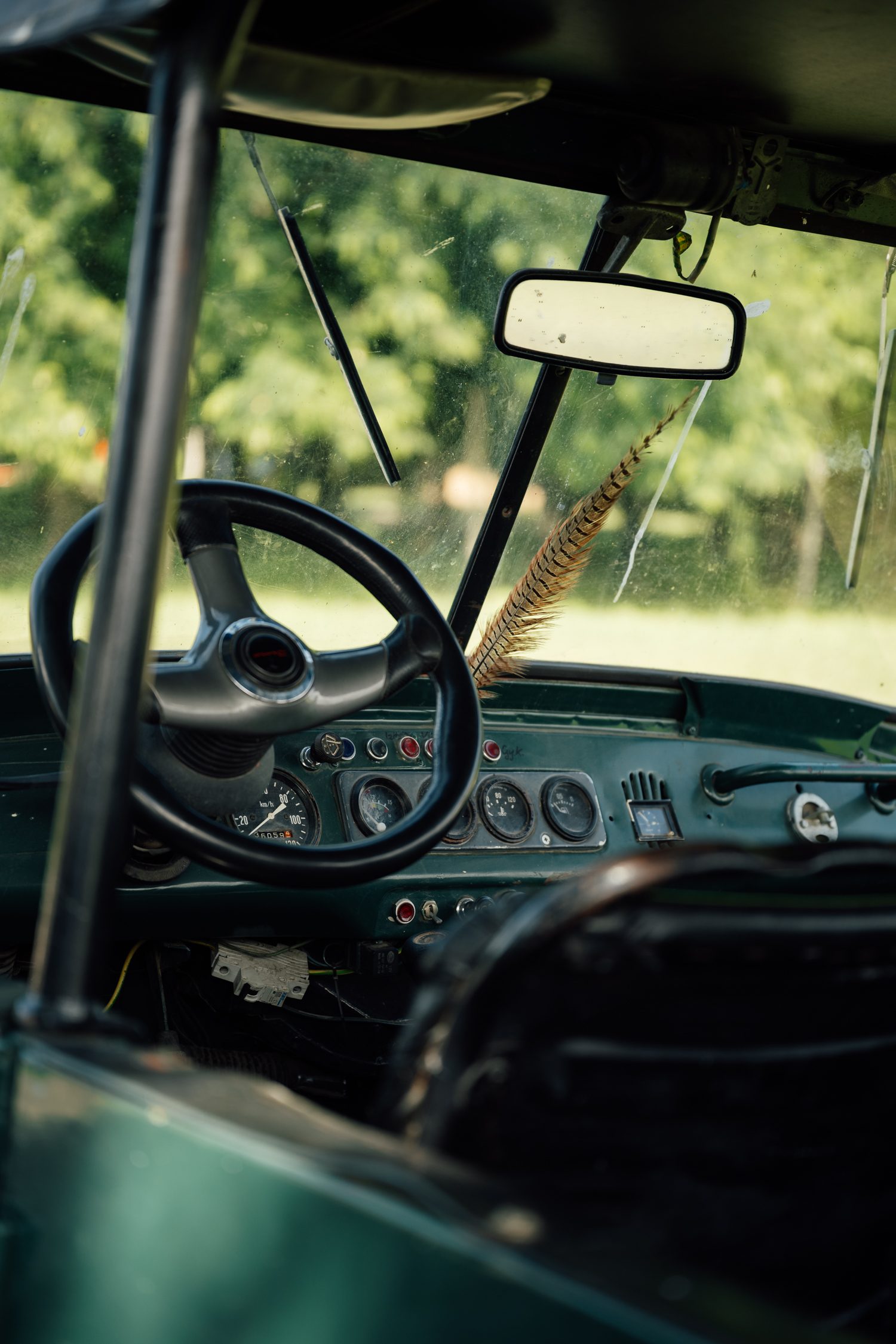
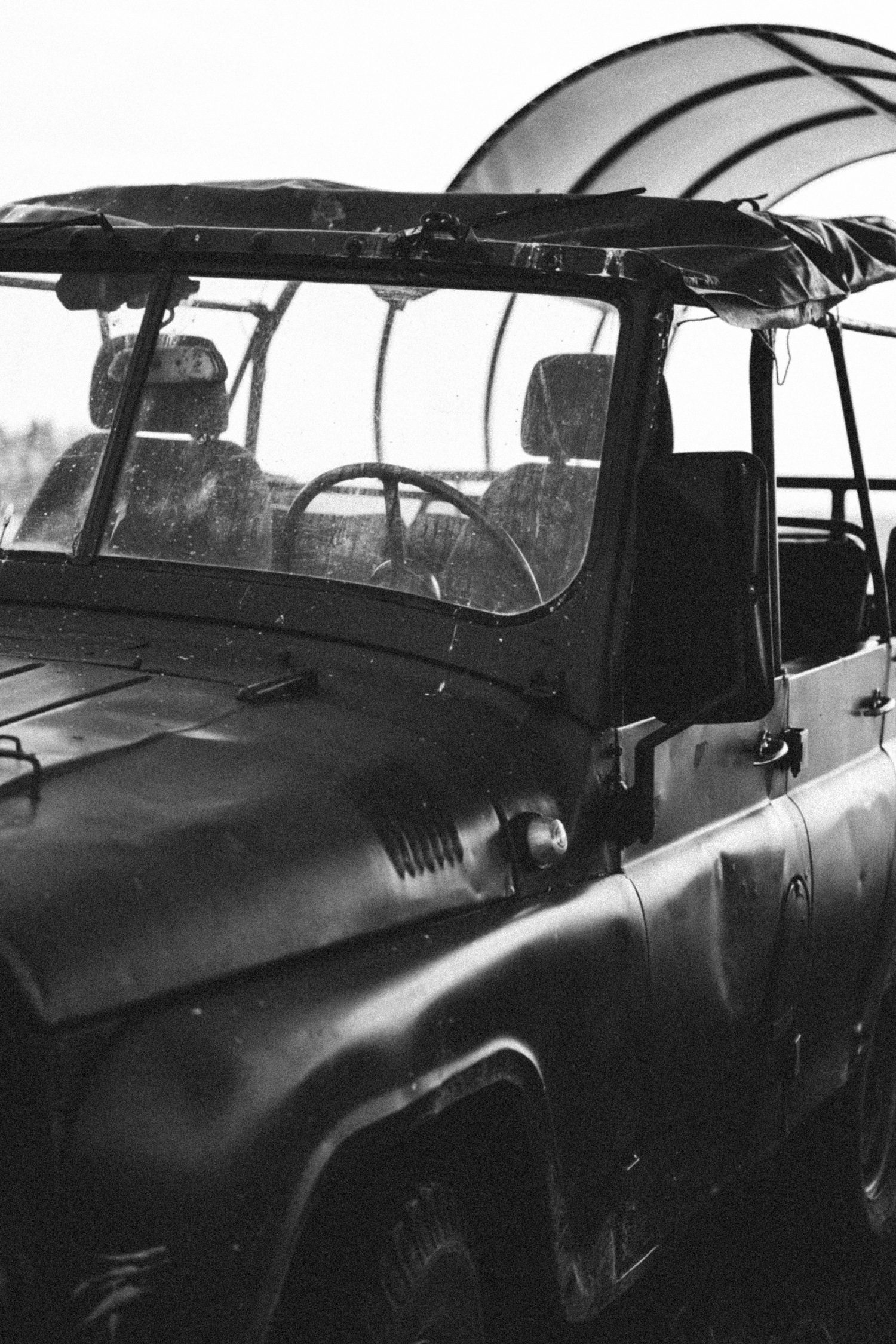
We joined a short 30-minute jeep safari through the reserve in rusty Russian UAZ vehicles, that exude old world charm, but do their job properly! The combination of open grassland, wetland edges, and grazing buffalo felt genuinely wild–almost a bit like an African safari.
Personally I loved hearing that the cattle egrets had returned a few years ago. It took decades after the buffaloes were reintroduced, but now the herds are joined by the iconic white co-feeders, who use the buffaloes movements which startles insects from the grass.
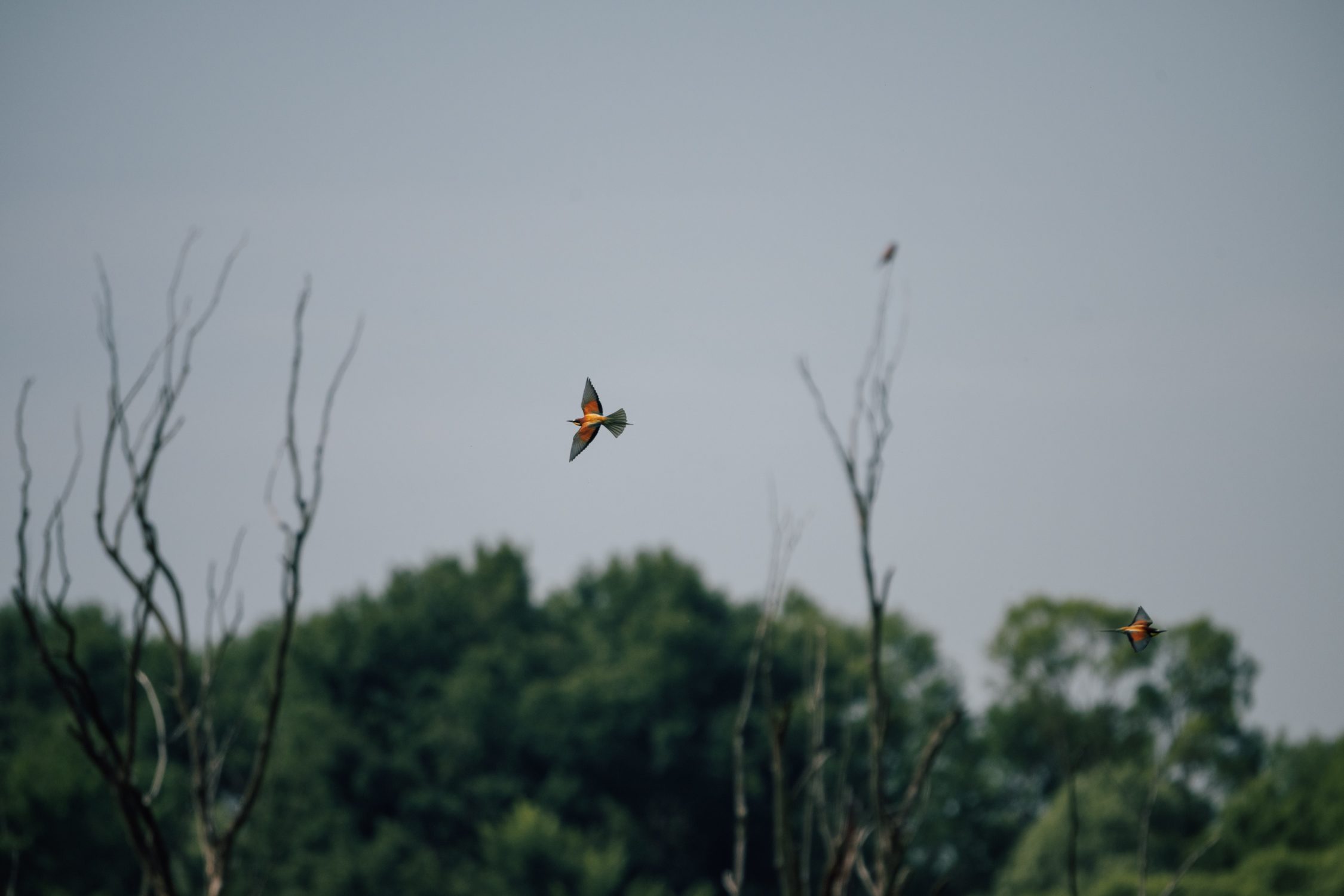
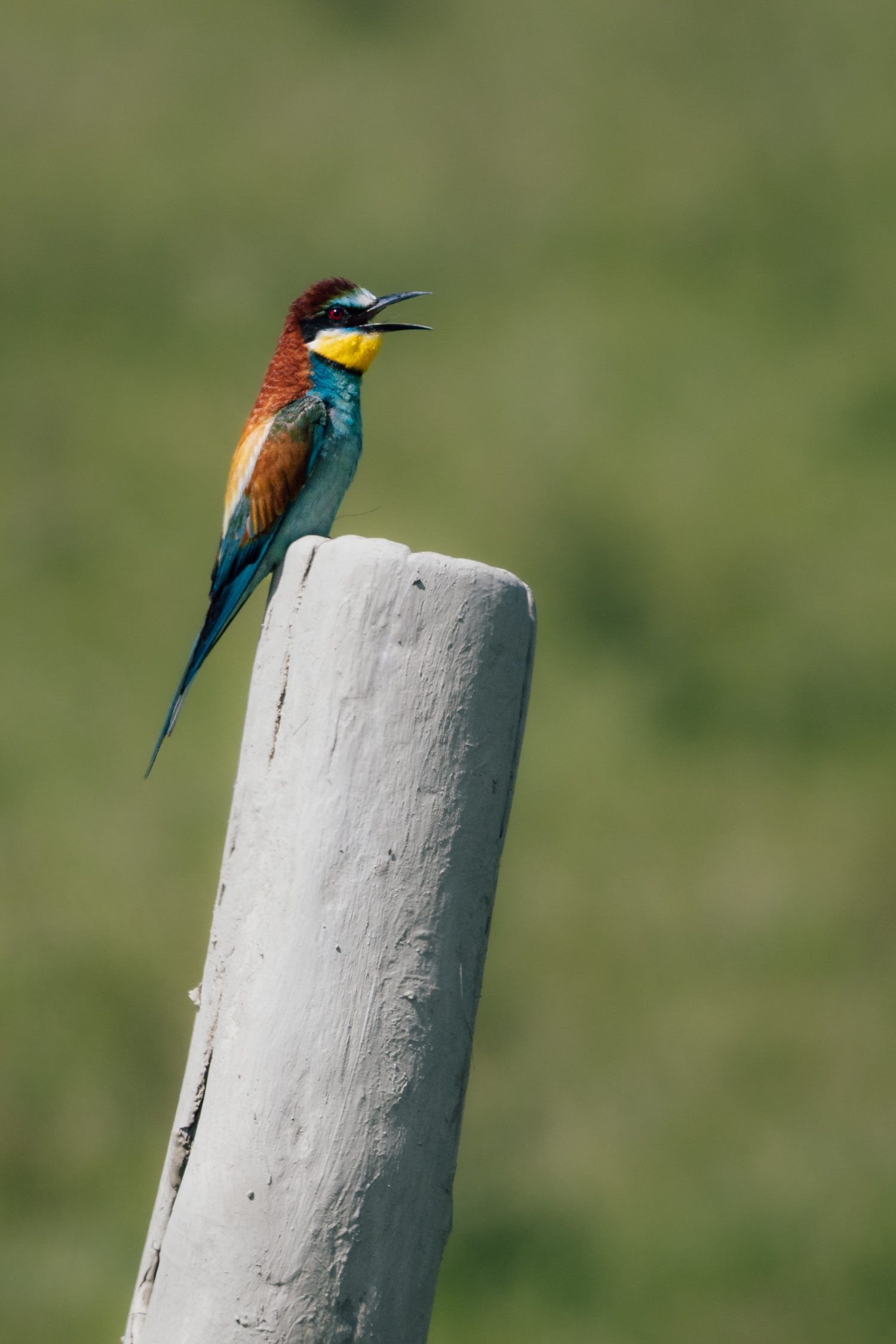
Also the European bee-eaters (Merops apiaster) were a particular delight—flashes of turquoise, chestnut, and gold darting through the sky, utterly good-looking birds and a wonderful encounter here in a Central European wetland.
After a detour through the medieval town of Sümeg with its hilltop castle and baroque Bishop’s Palace—we ended the evening on the water.
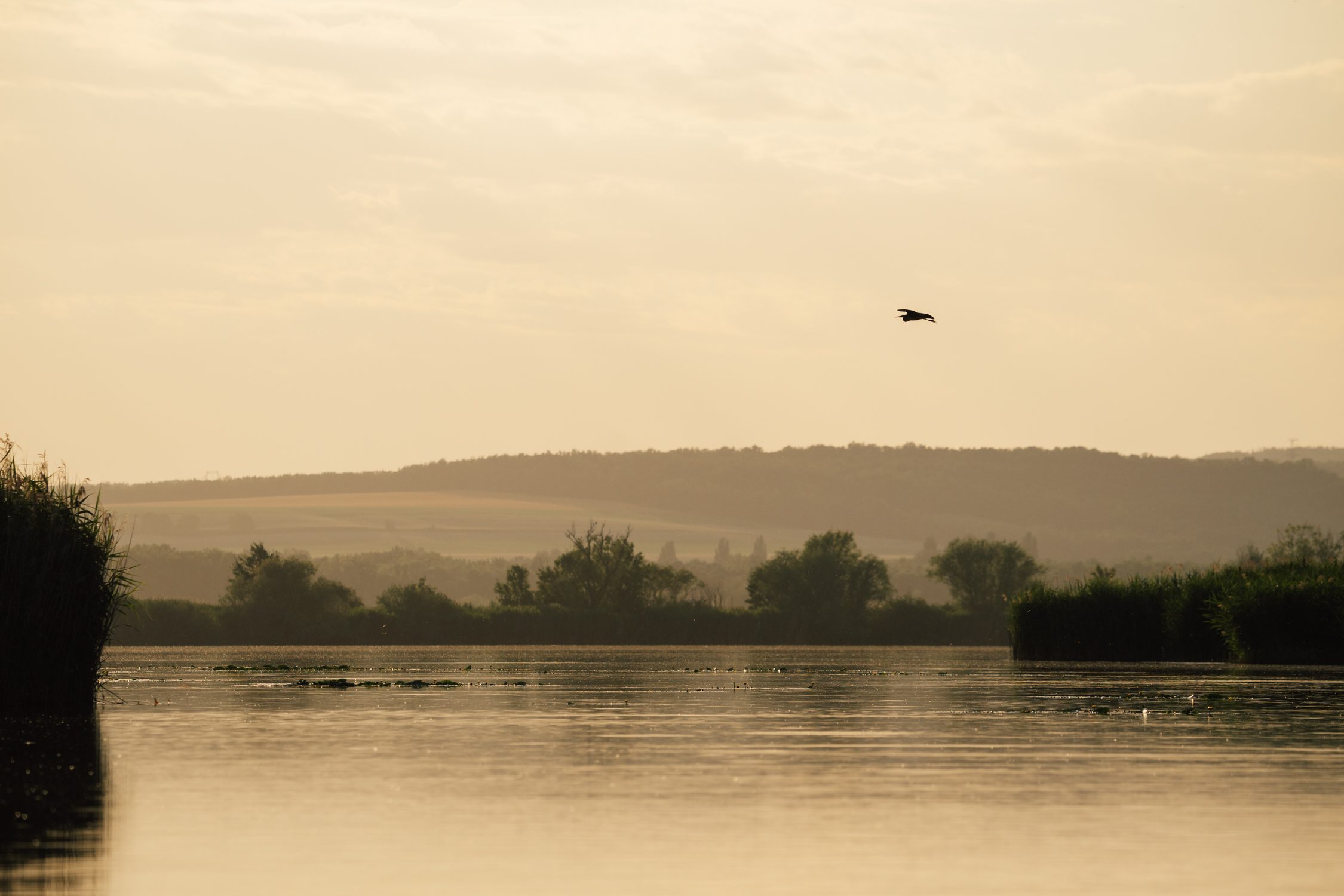
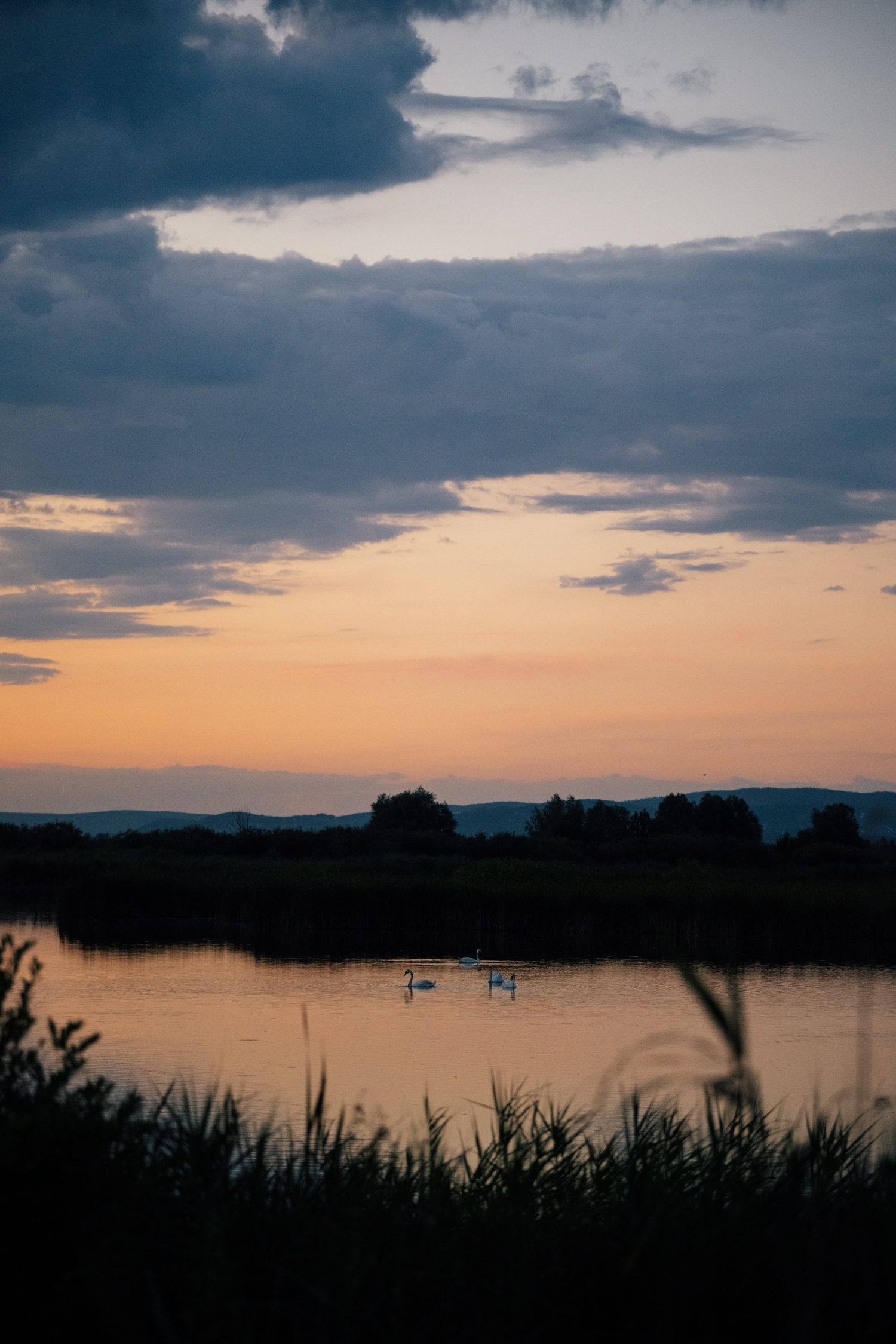
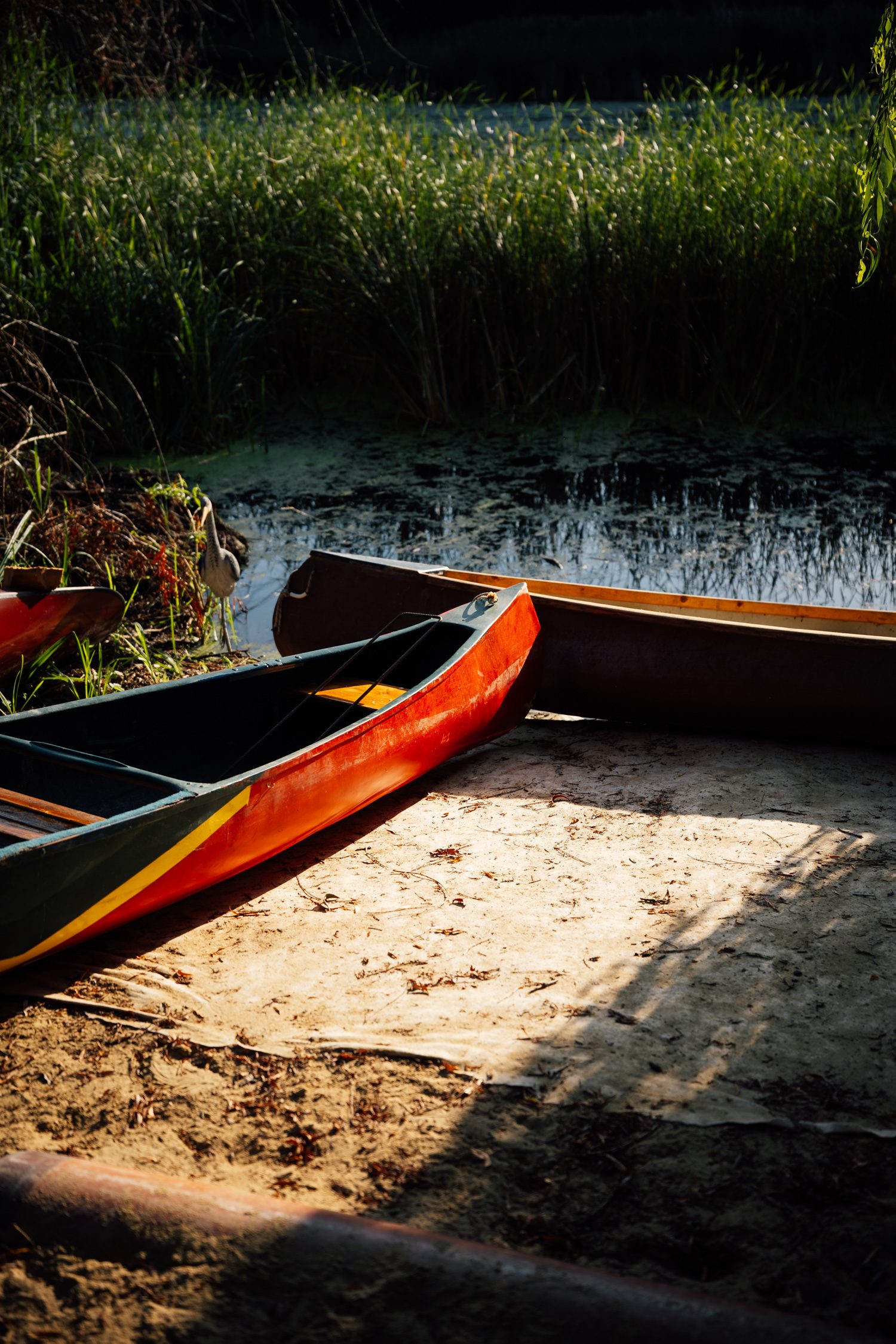
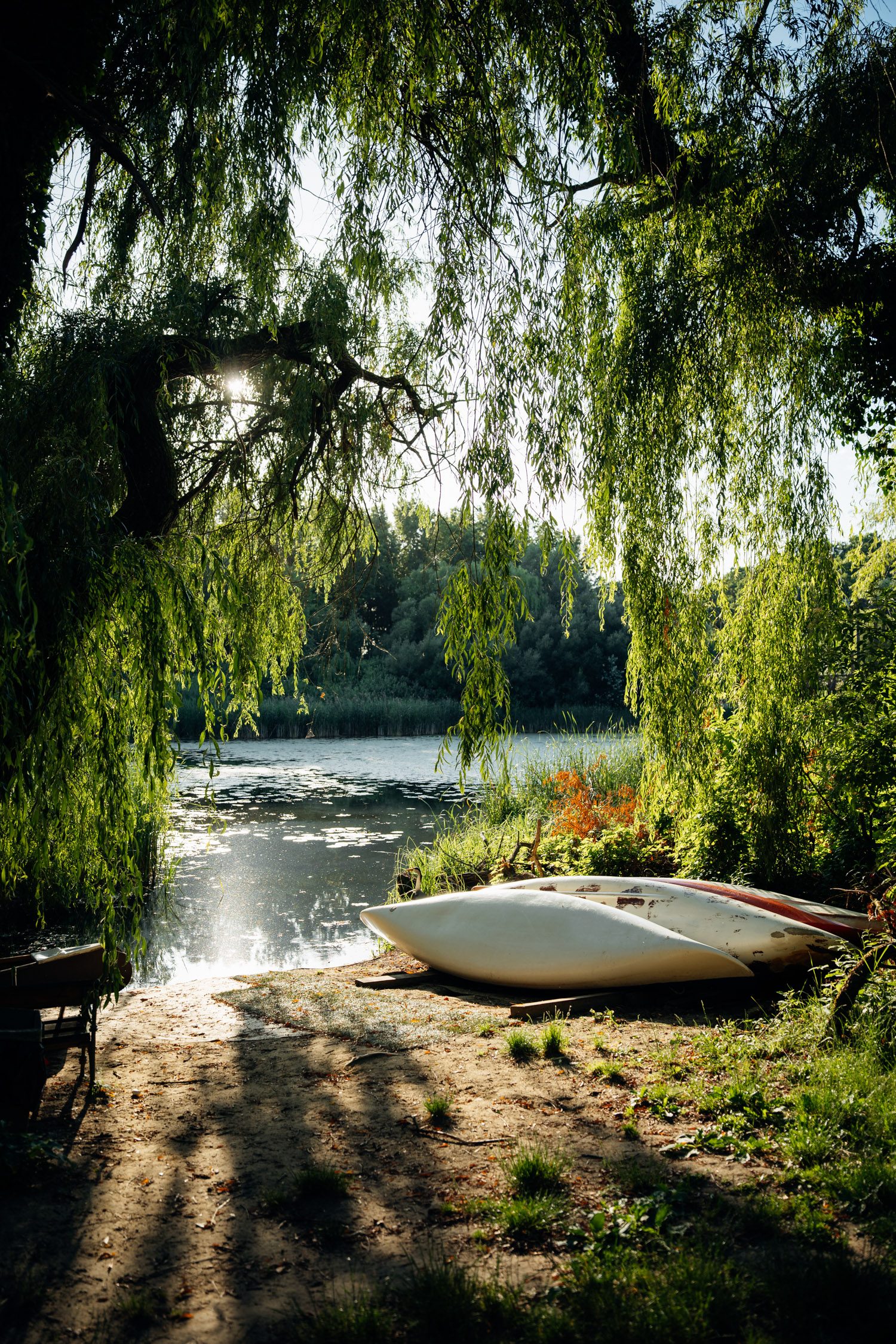
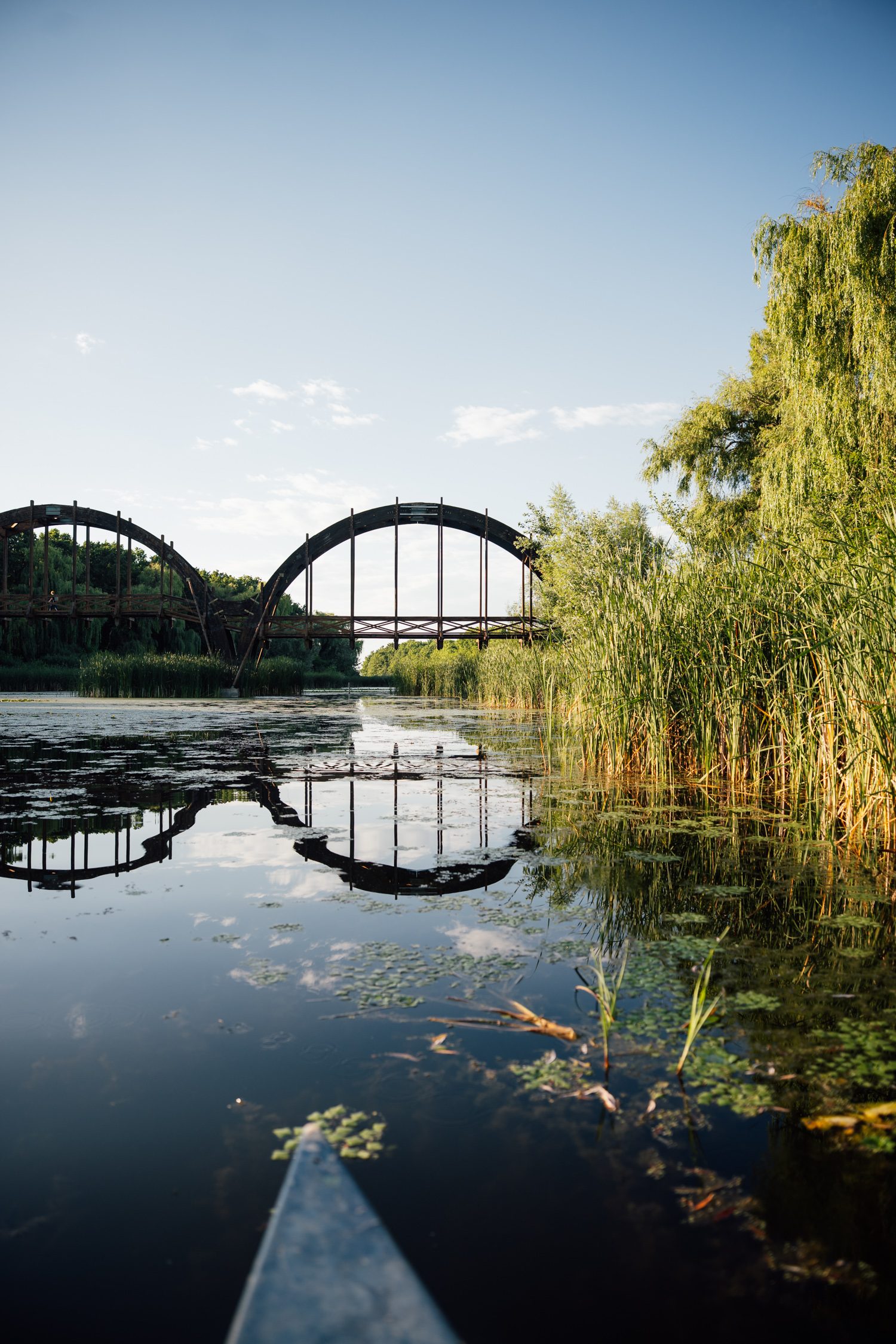
The canoe tour at Kis-Balaton at sunset was everything. Kis-Balaton is the smaller, wilder precursor to Lake Balaton itself — a vast wetland system of reedbeds, open water, and flooded meadows that was drained in the 1920s but has been painstakingly restored since Hungary joined the Ramsar Convention in 1979.
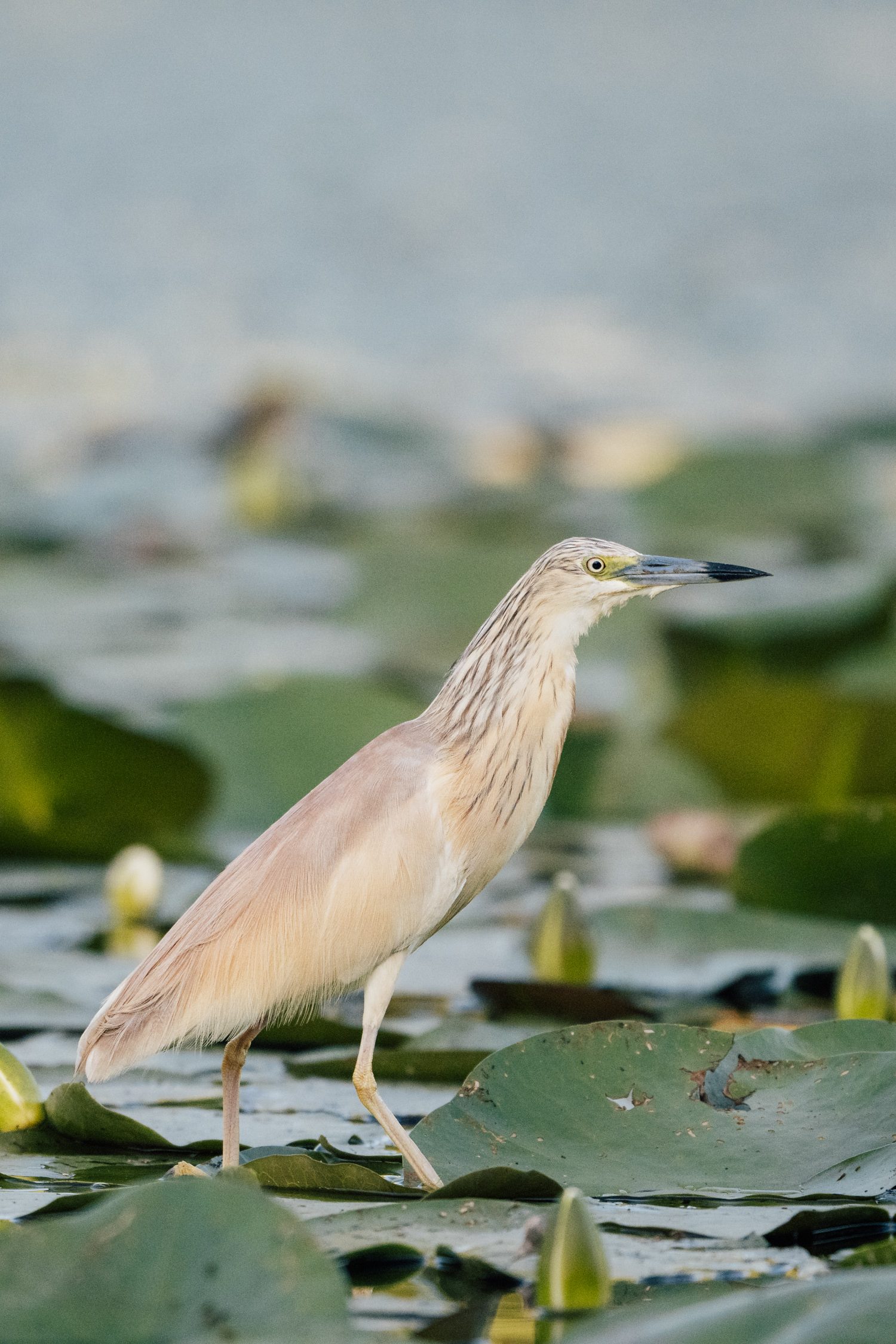
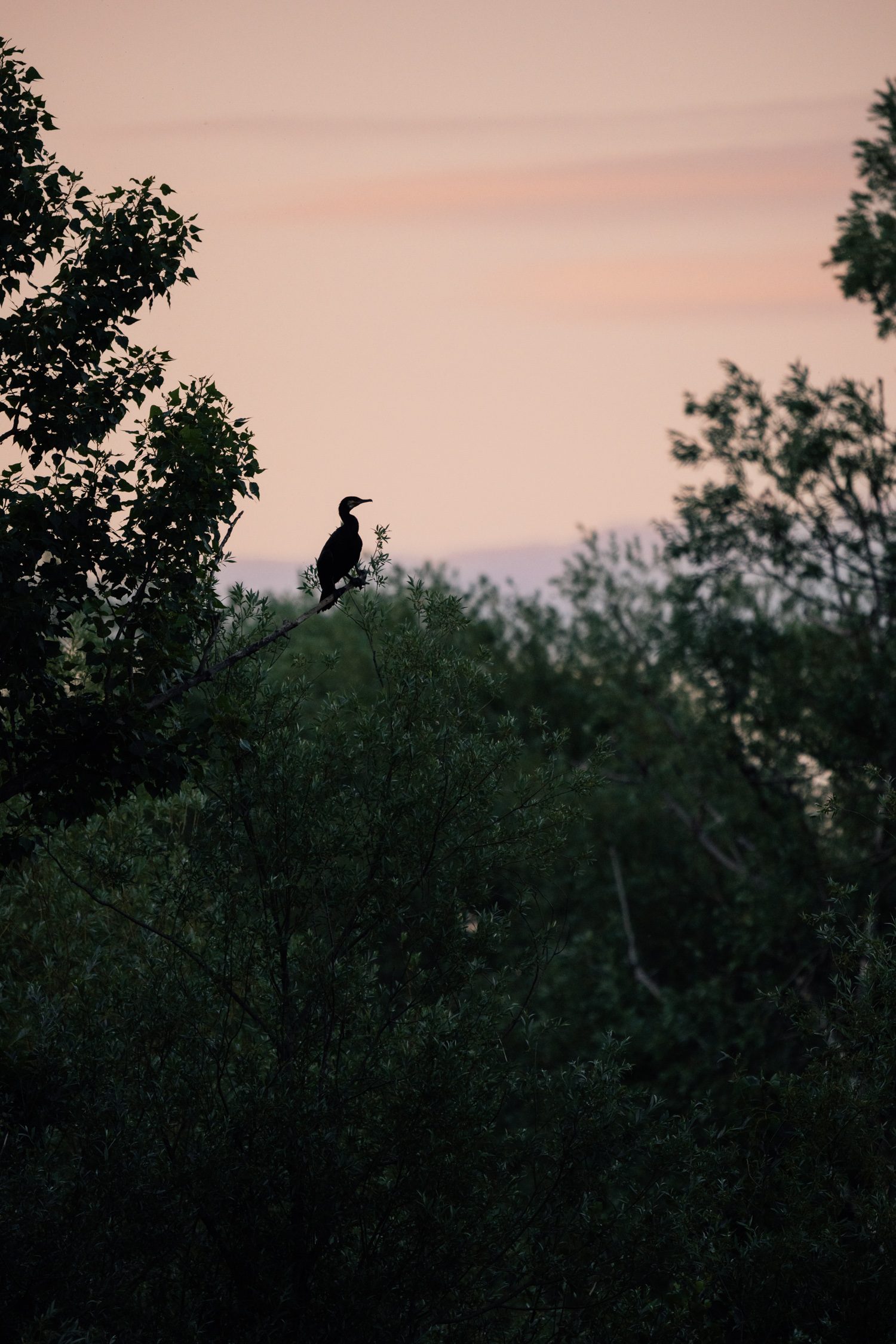
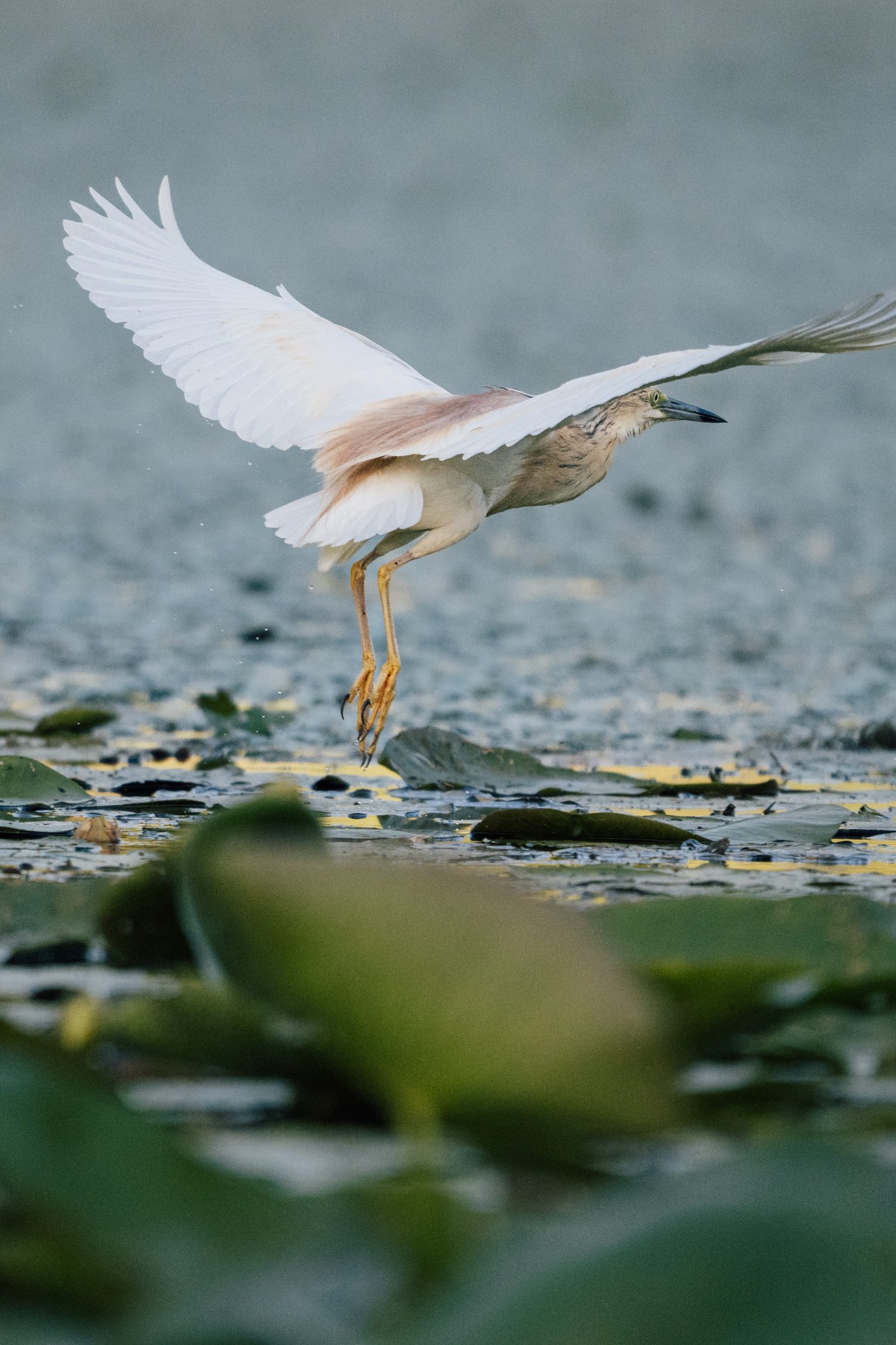
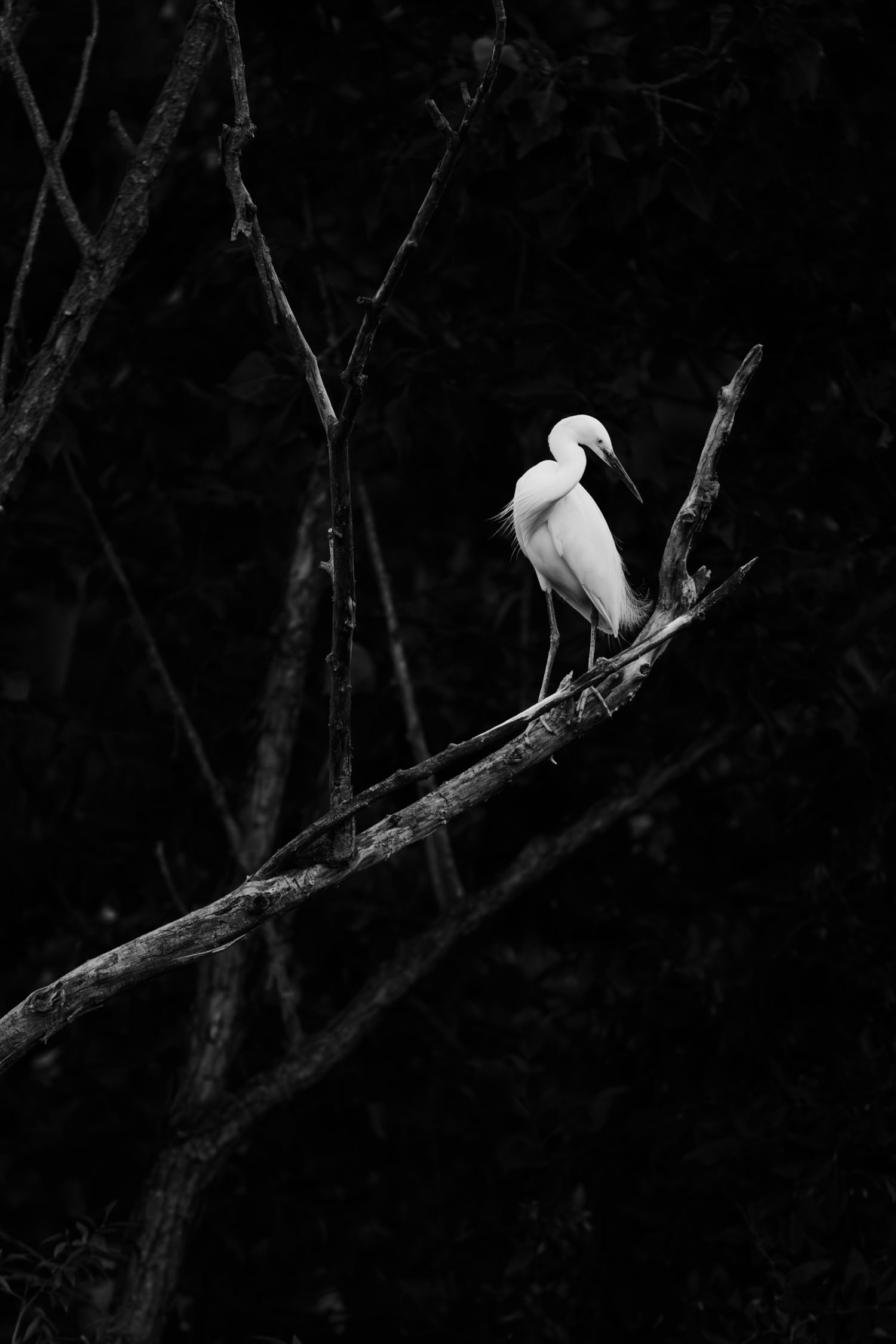
Paddling quietly through the reeds as the light dropped, we watched egrets, cormorants, a squacco heron (which only breeds in Hungary anymore in Europe) and—the moment that stopped us mid-stroke—a roe deer standing chest-deep in the water! We couldn’t get too close before it disappeared in the reeds, but this was surely the kind of wildlife encounter you hope for but never quite expect.
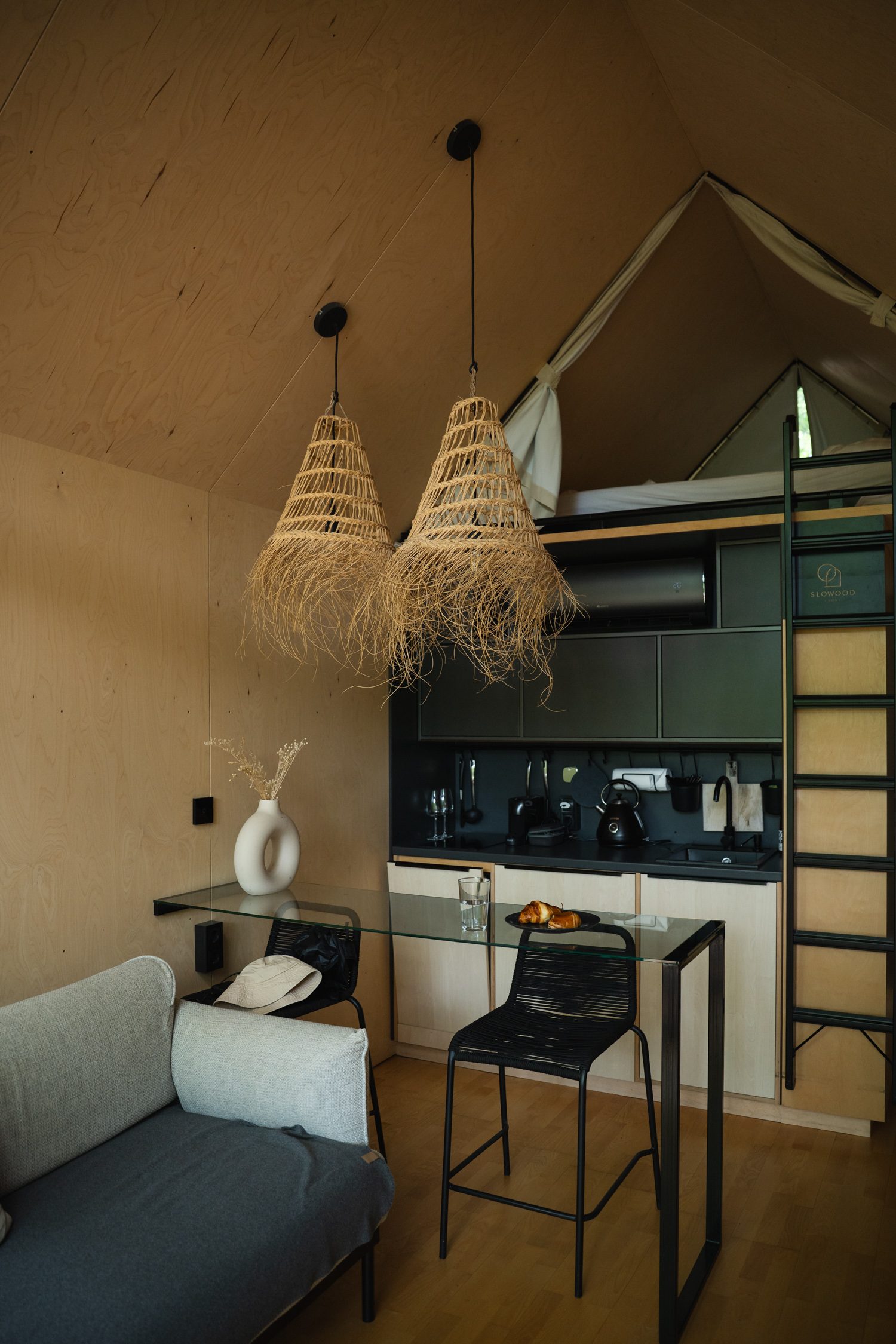
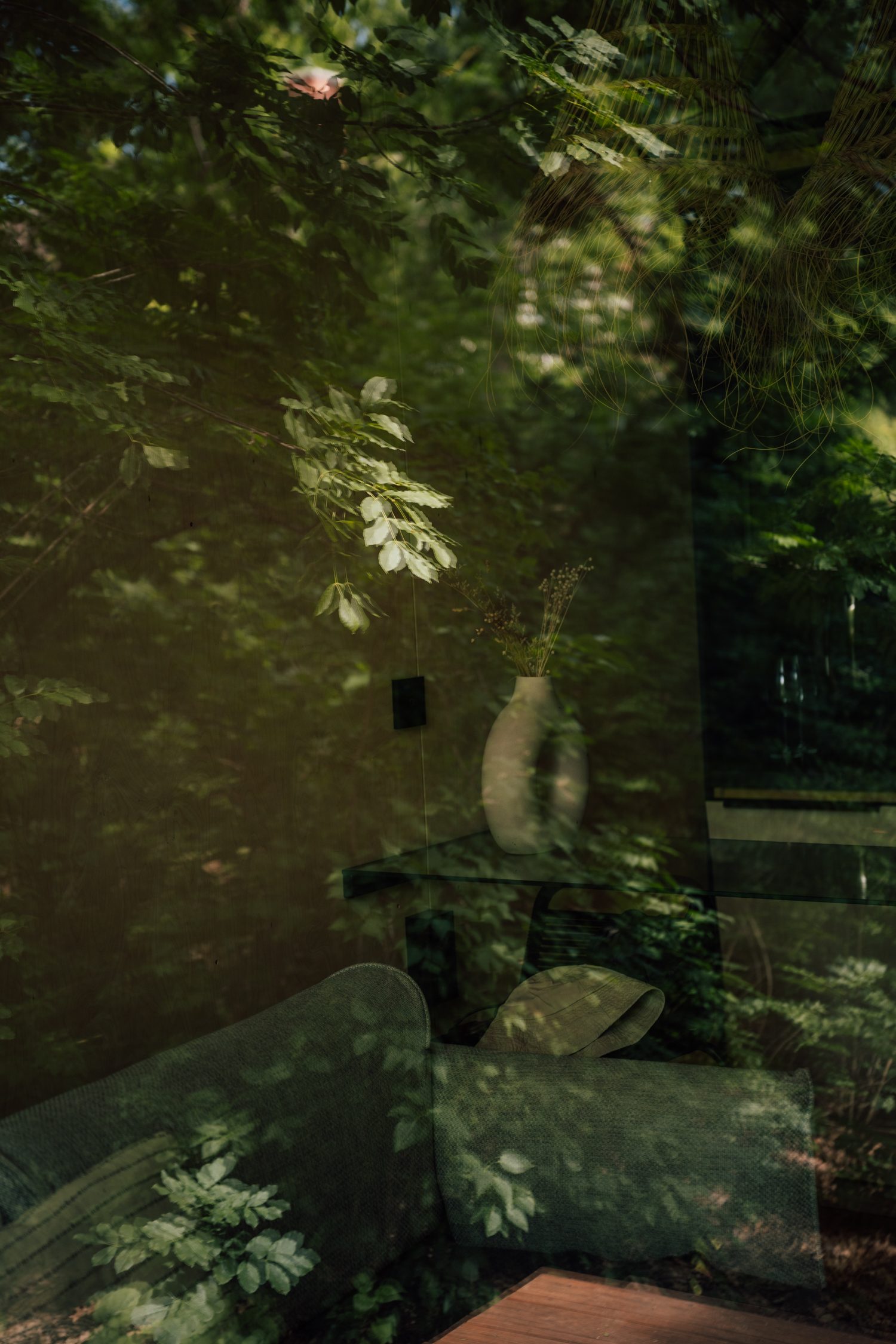
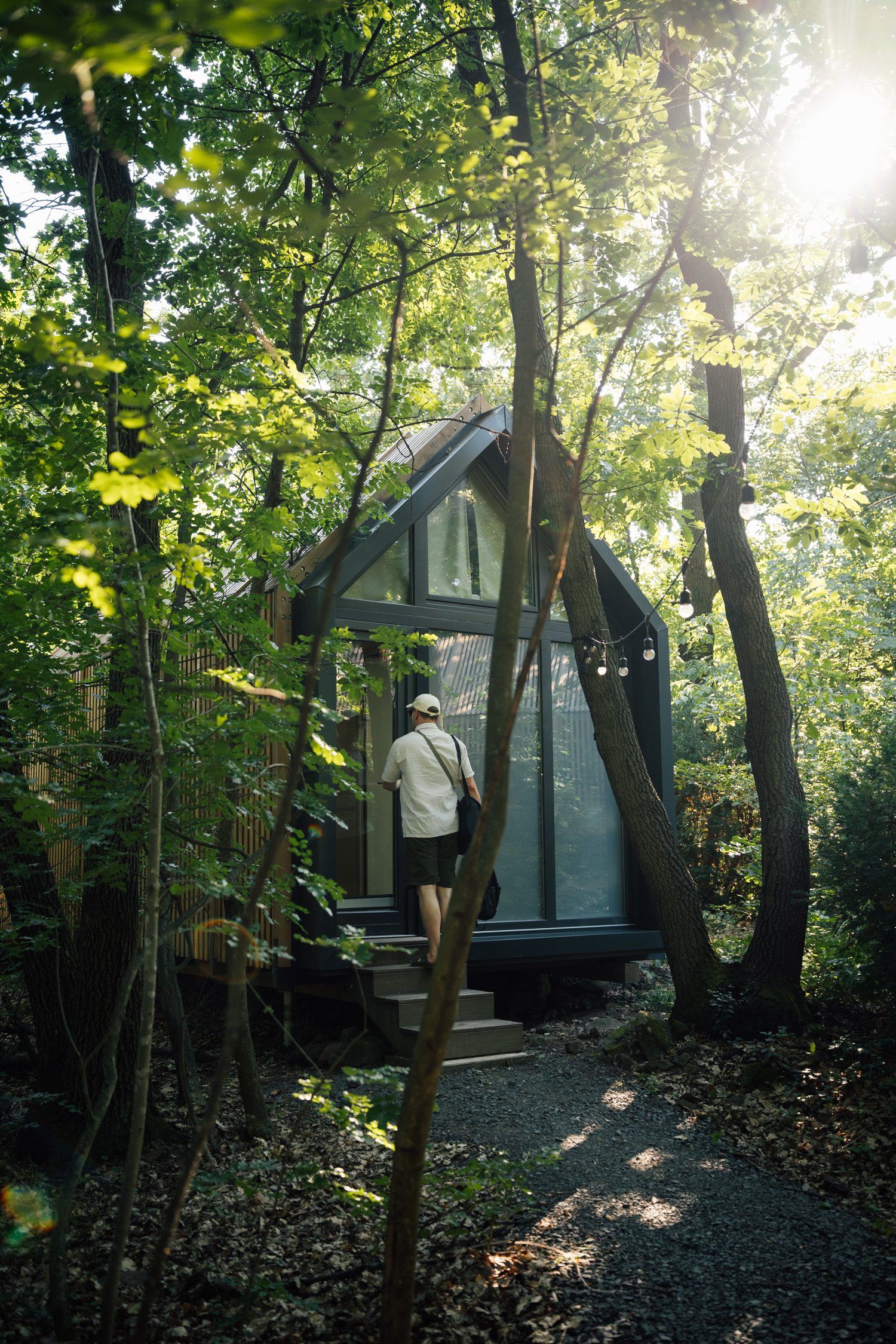
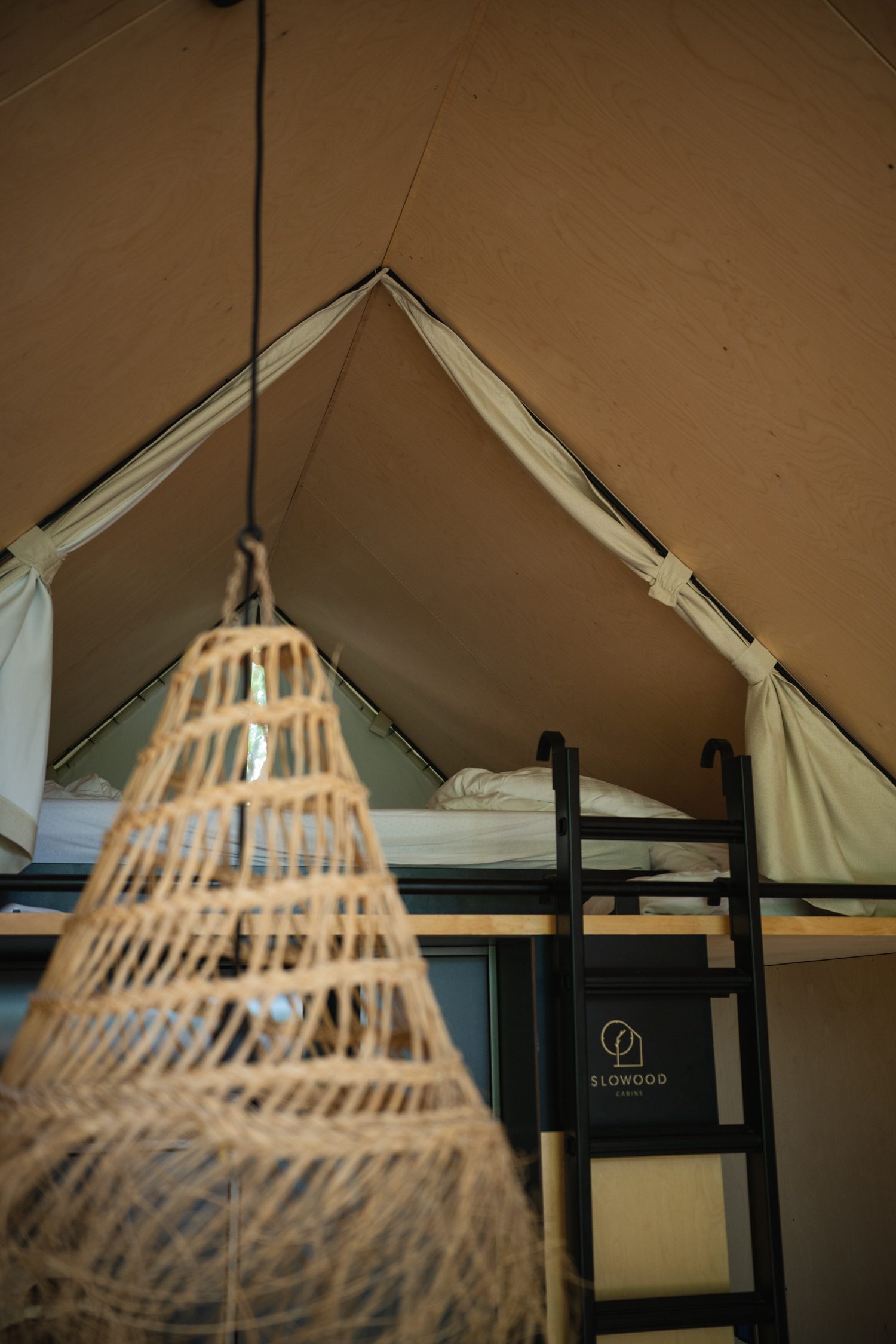
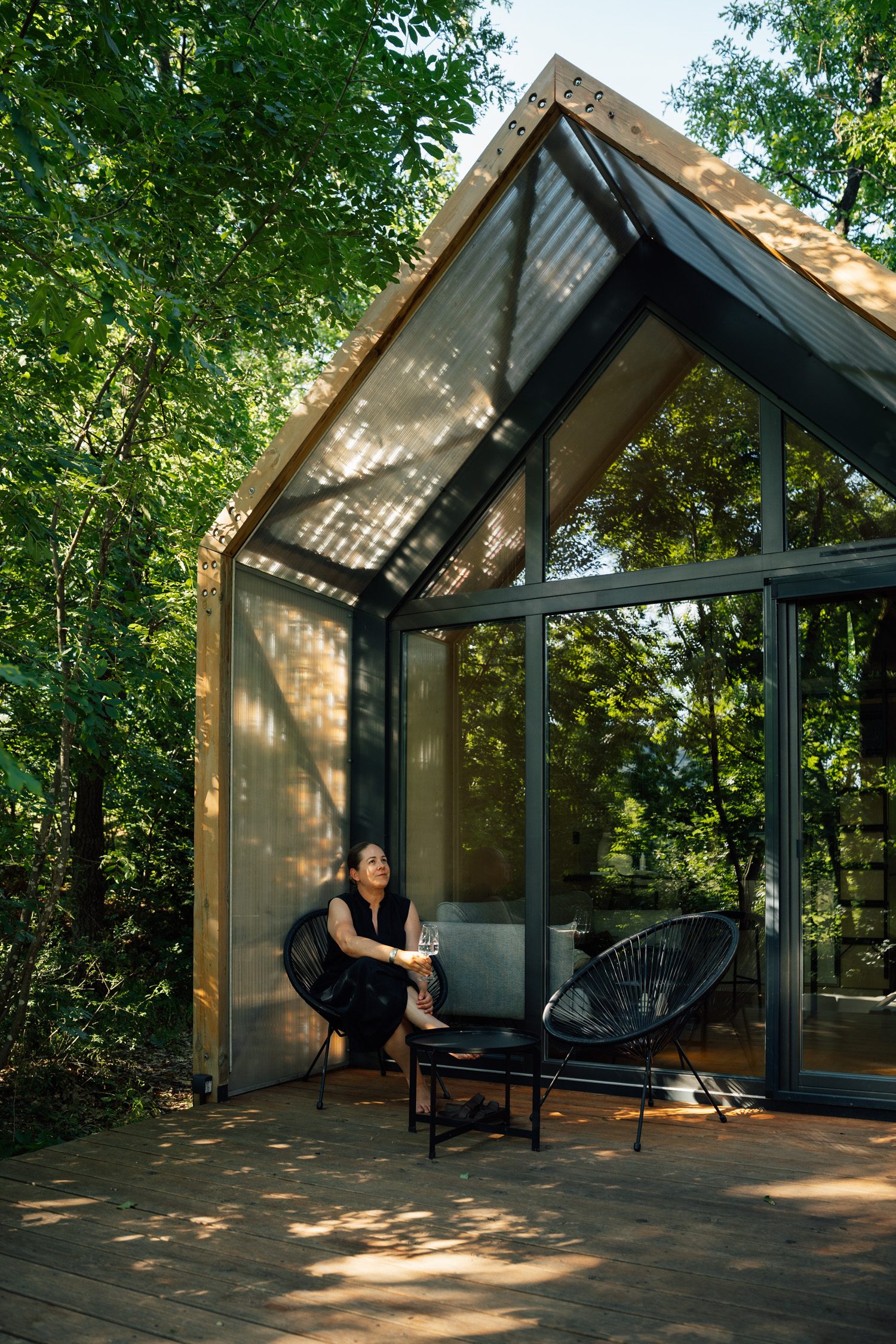
That night we checked into Slowood Cabins in Balatonszepezd—arriving late we walked through the woods in complete darkness (it’s only a minute from the parking lot) to discover our little cabin in the forest. The beds are under the roof of the A-frame, but luckily there’s AC units to keep it cool in summer months.
Day Four: Fine Dining, pottery classes & sailing into the sunset
After the intensity of the previous days, day four had a different rhythm. We spent a slow morning in the cabin and had a lovely breakfast (which we had stored in the fridge the evening before). At Slowood Cabins they also provide breakfast baskets, but you can also bring our own food. Our favourite feature of the cabins: The smart glass in the bathroom allowing to switch between views of the forest or privacy when you shower–all with just one click of a button.
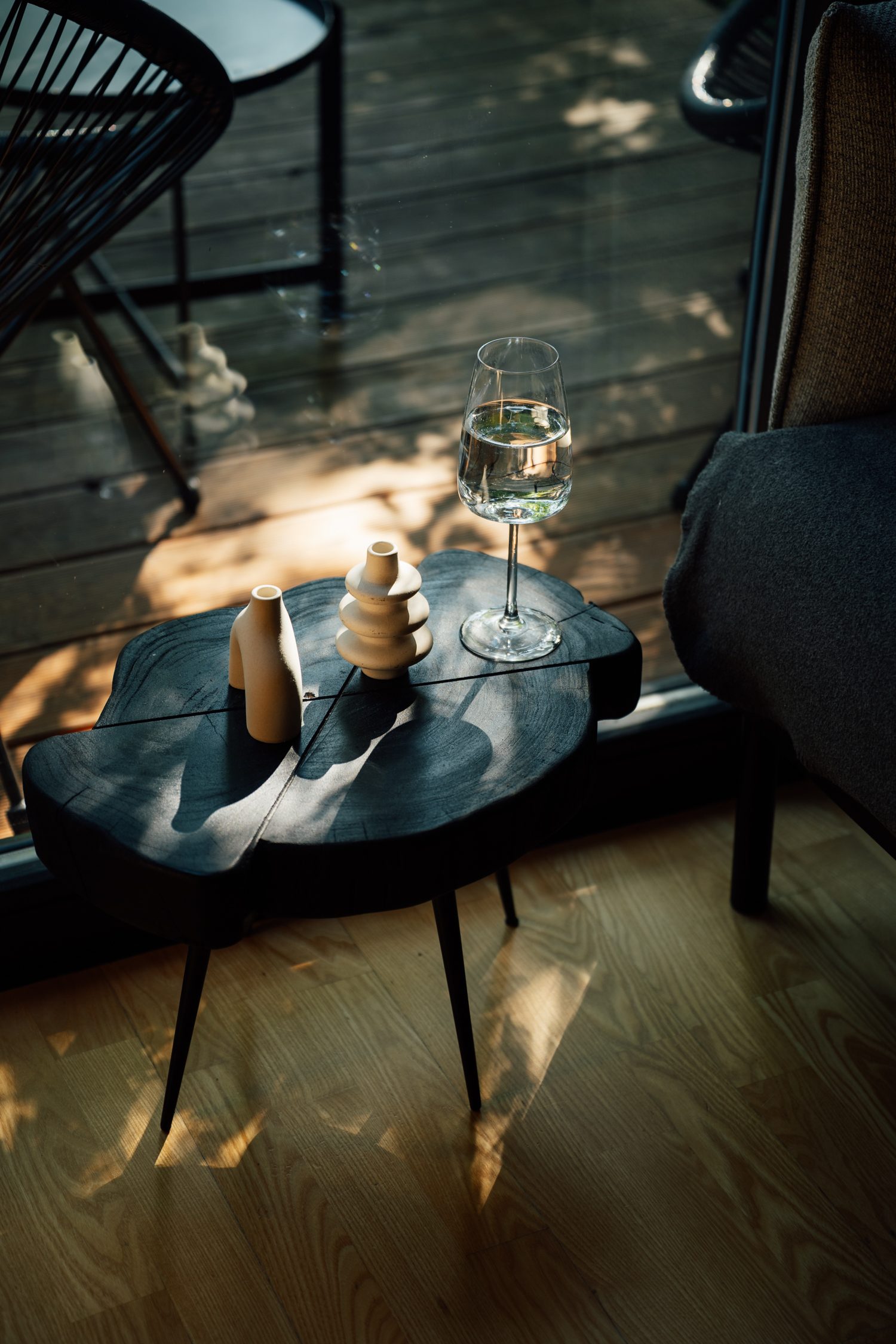
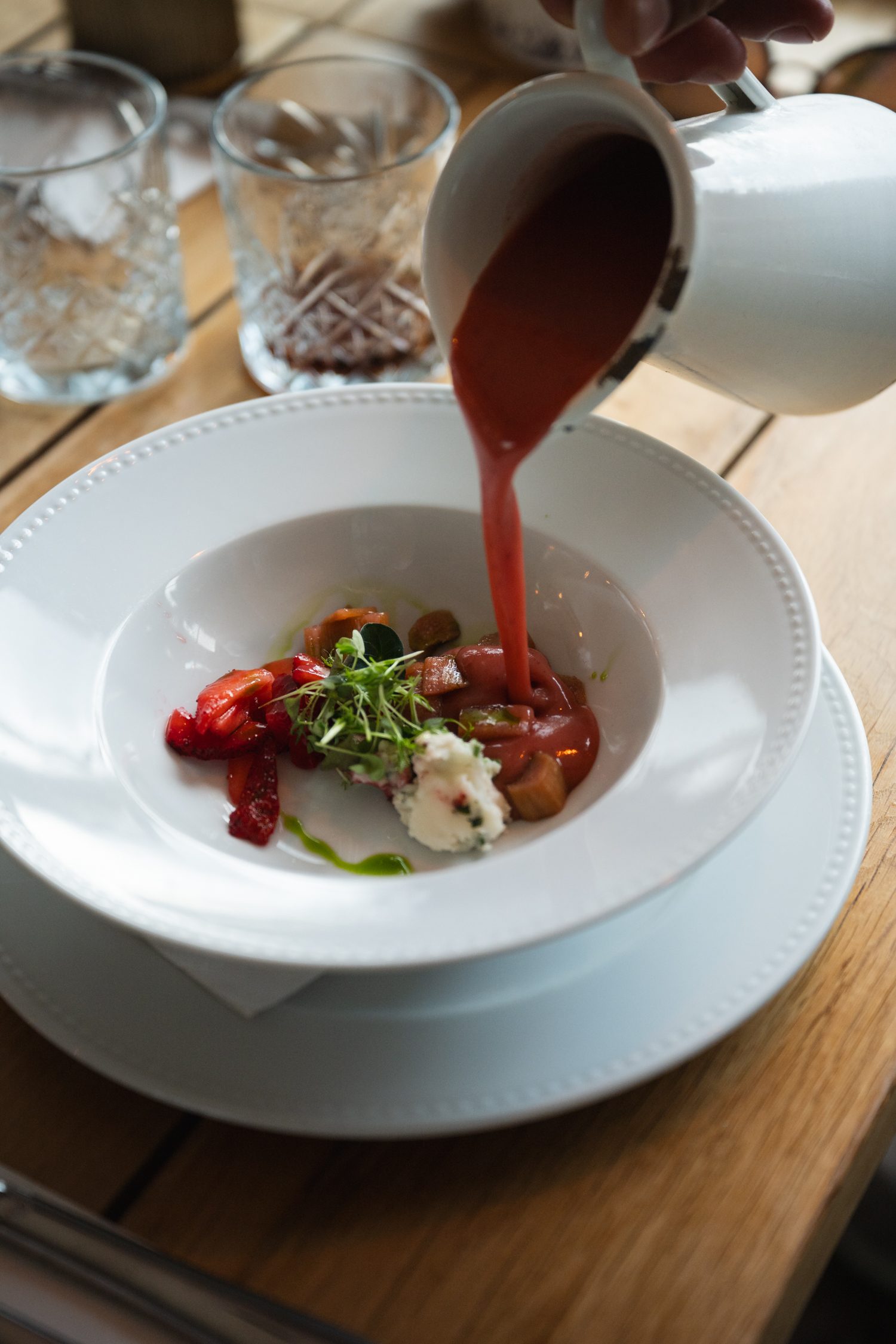
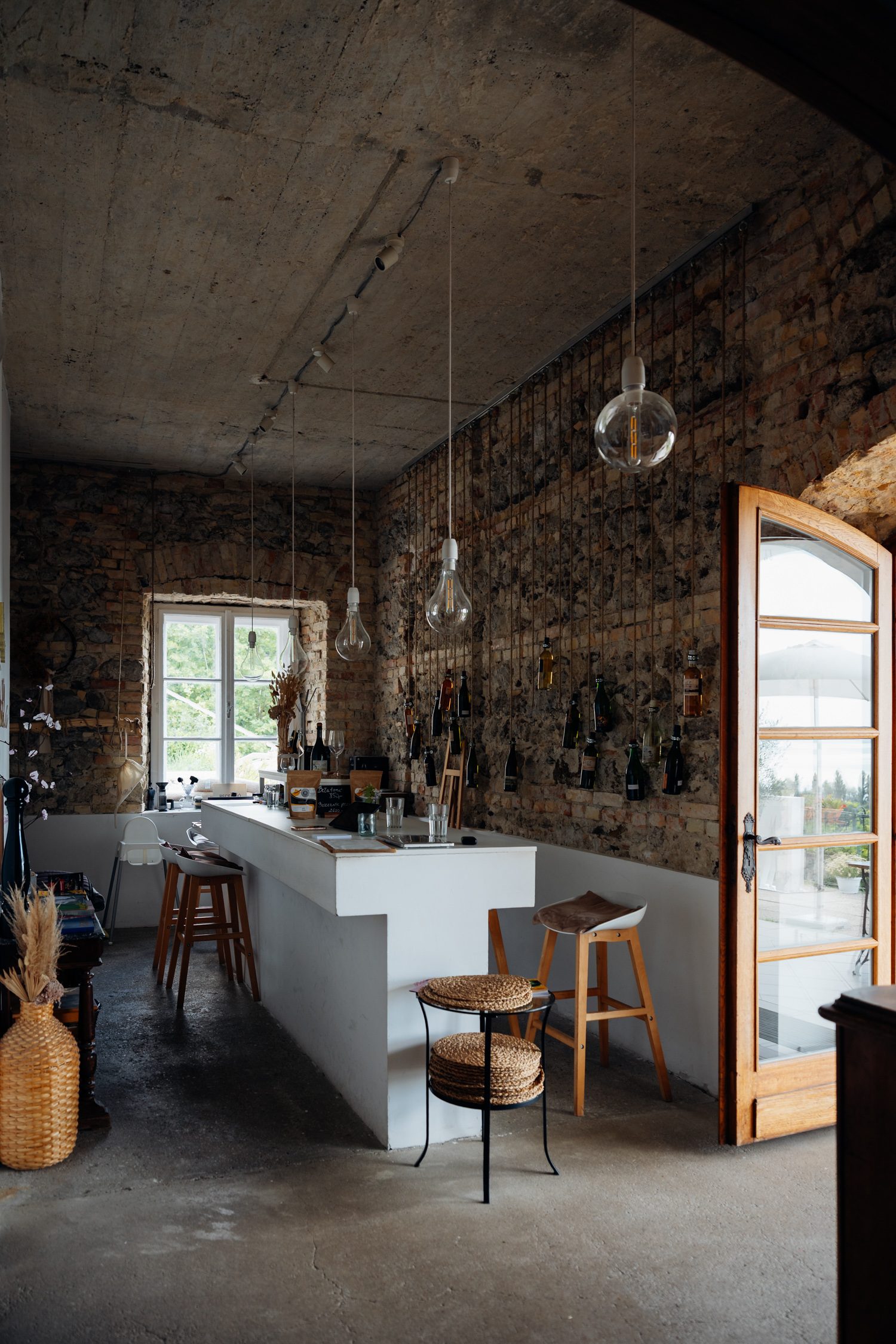
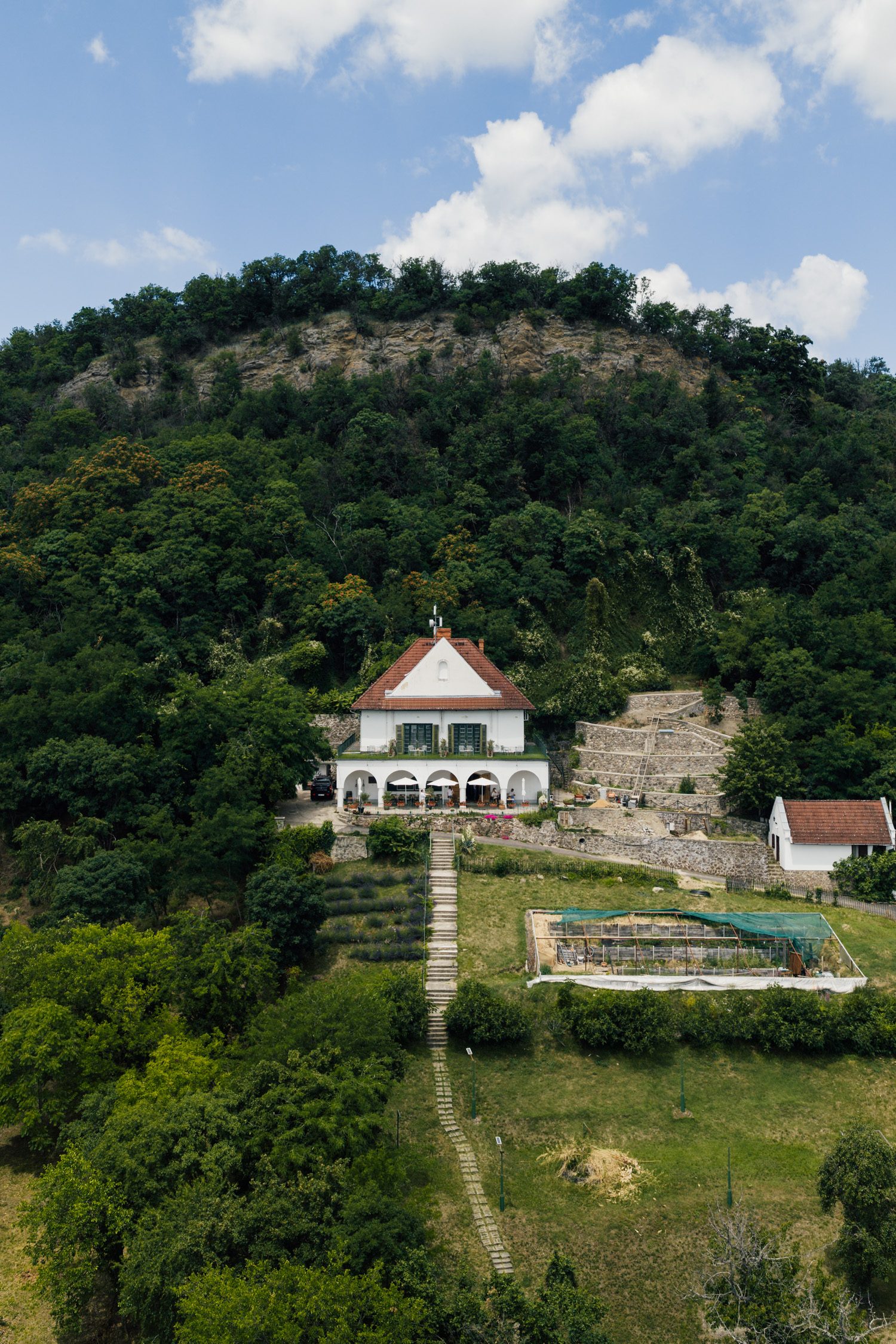
Lunch brought us to Villa Kabala, which deserves special mention. We loved it so much that we returned here for lunch the next day! This remarkable place sits on a hillside near the shore of Lake Balaton and operates as a fine dining restaurant, hotel and a creative studio. Since 2023 they are awarded with a Michelin Green Star for their efforts in sustainability. From zero waste to their own “Walpini” vegetable garden, a garden that is dug into the ground about 1 meter deep to allow for harvesting all year round, they set the tone for sustainable cuisine.
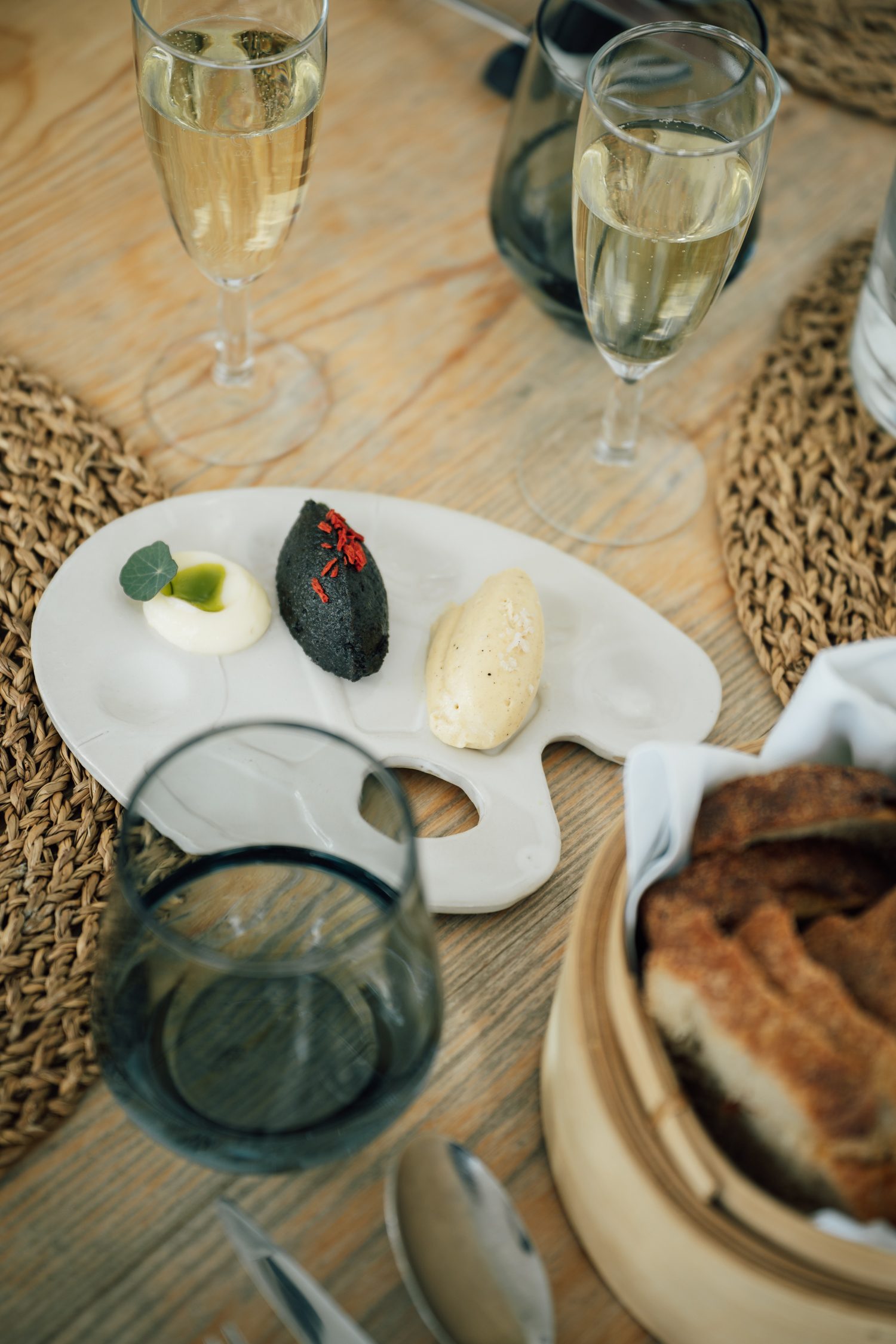
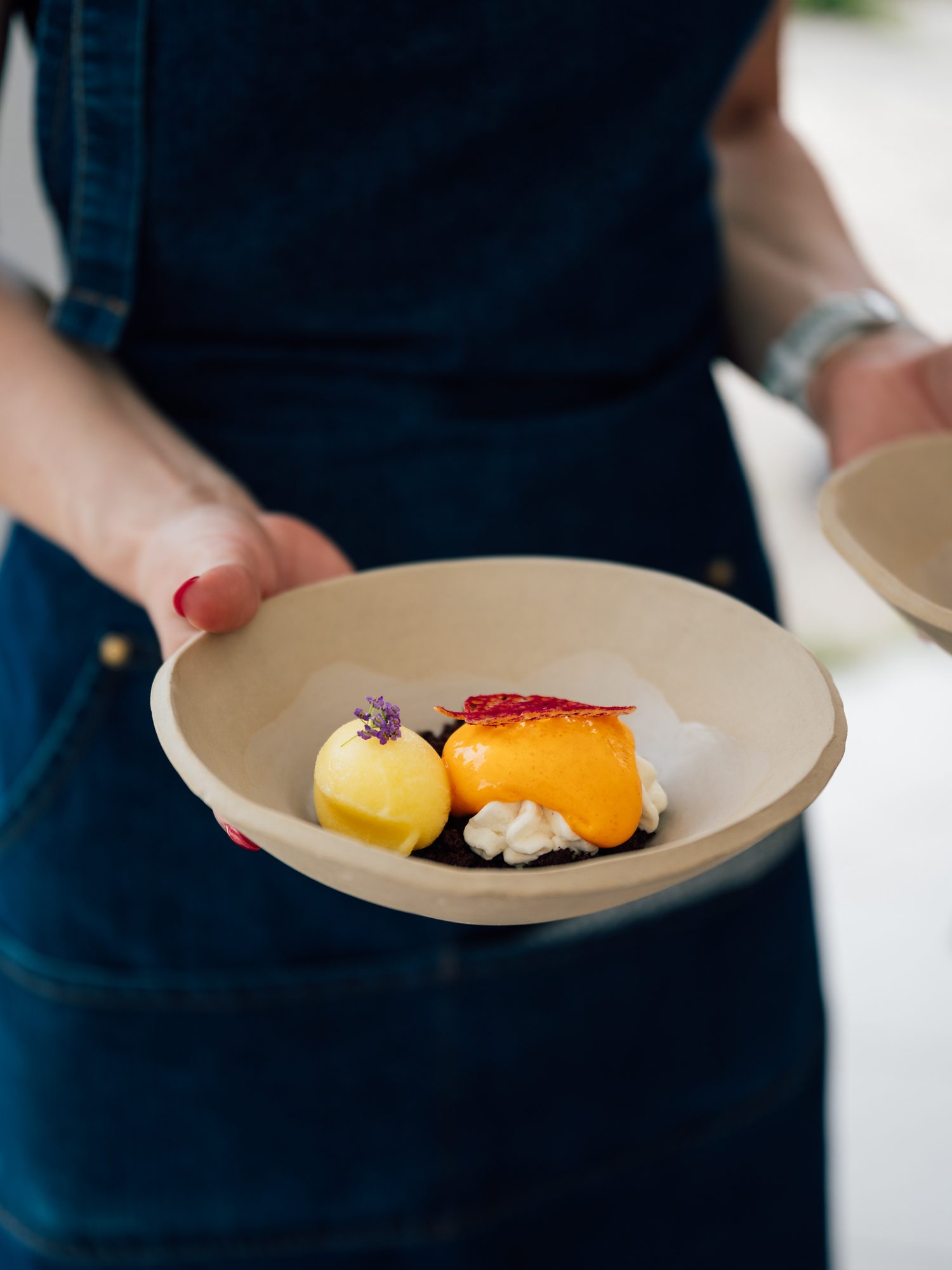
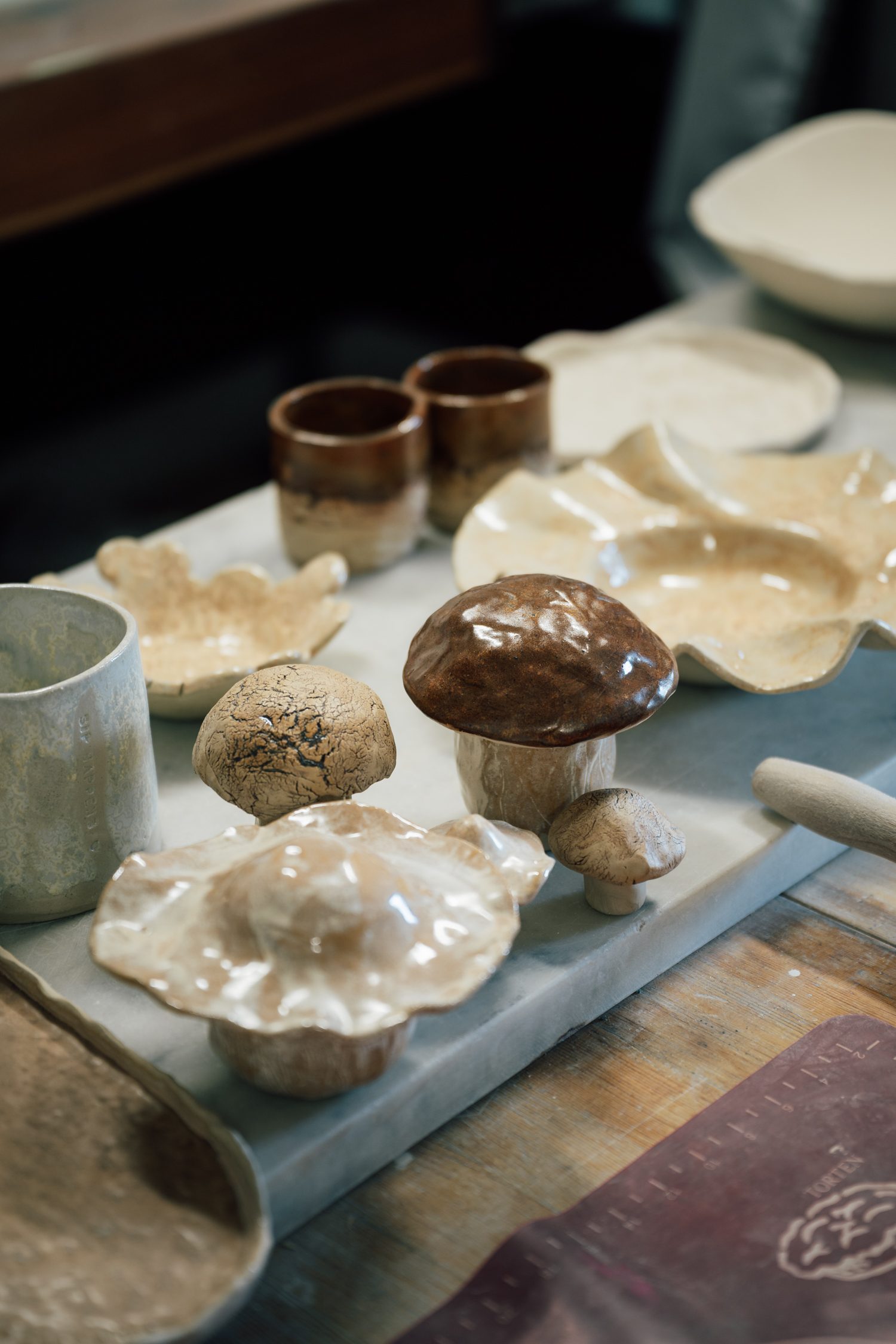
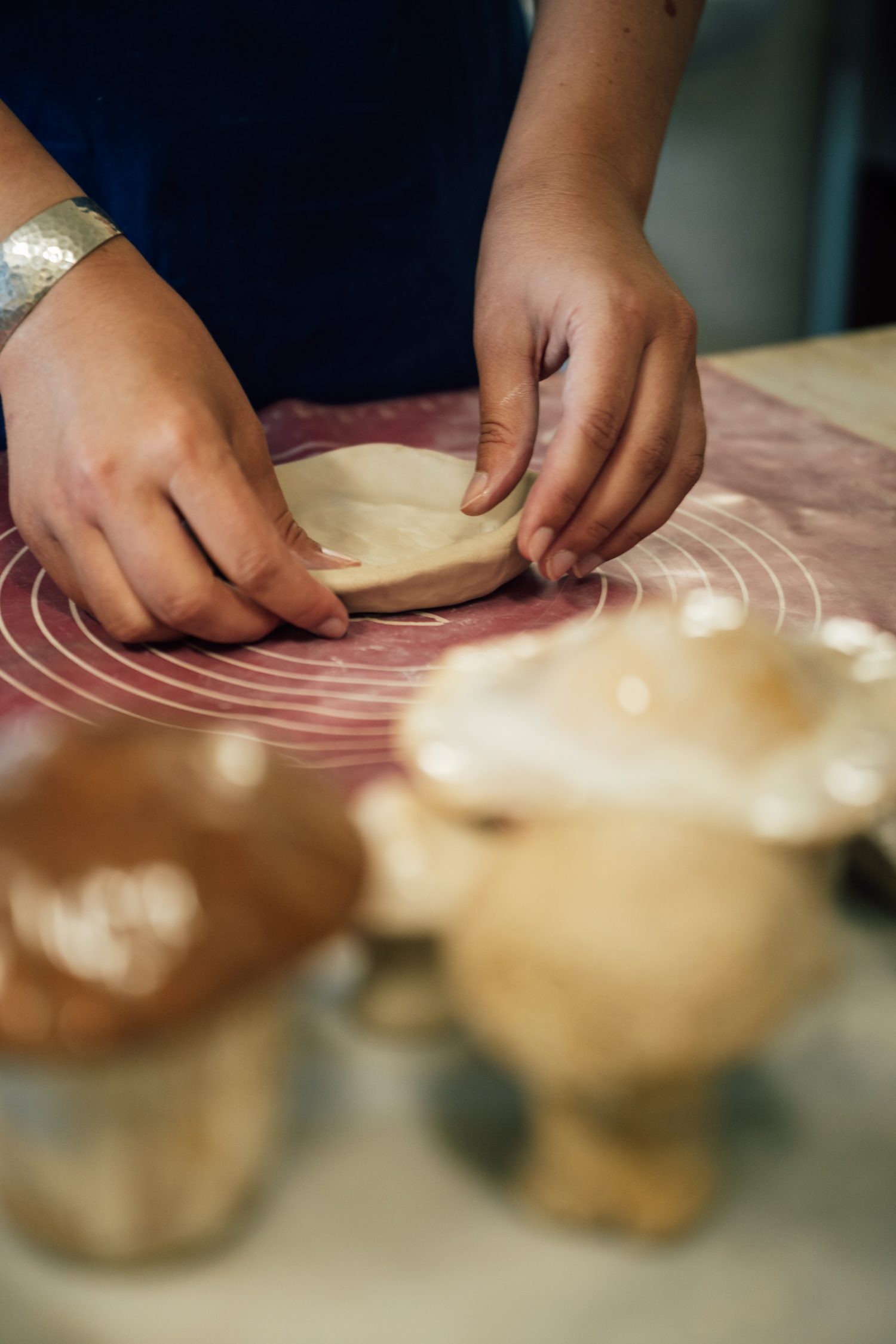
After an exceptional meal showcasing local ingredients (yes, like Yuzu lemon!) at their best, we joined a private ceramics workshop in the studio. Hands in clay, learning from one of the owners Peter, who makes all the plates for the restaurant himself. It’s the kind of experience that makes you understand what slow travel actually means in practice: not just moving more slowly, but arriving somewhere completely.
A short visit to the Folly Arboretum followed—a beautifully curated collection of trees from around the world, set against volcanic hillside scenery—before the evening’s main event.
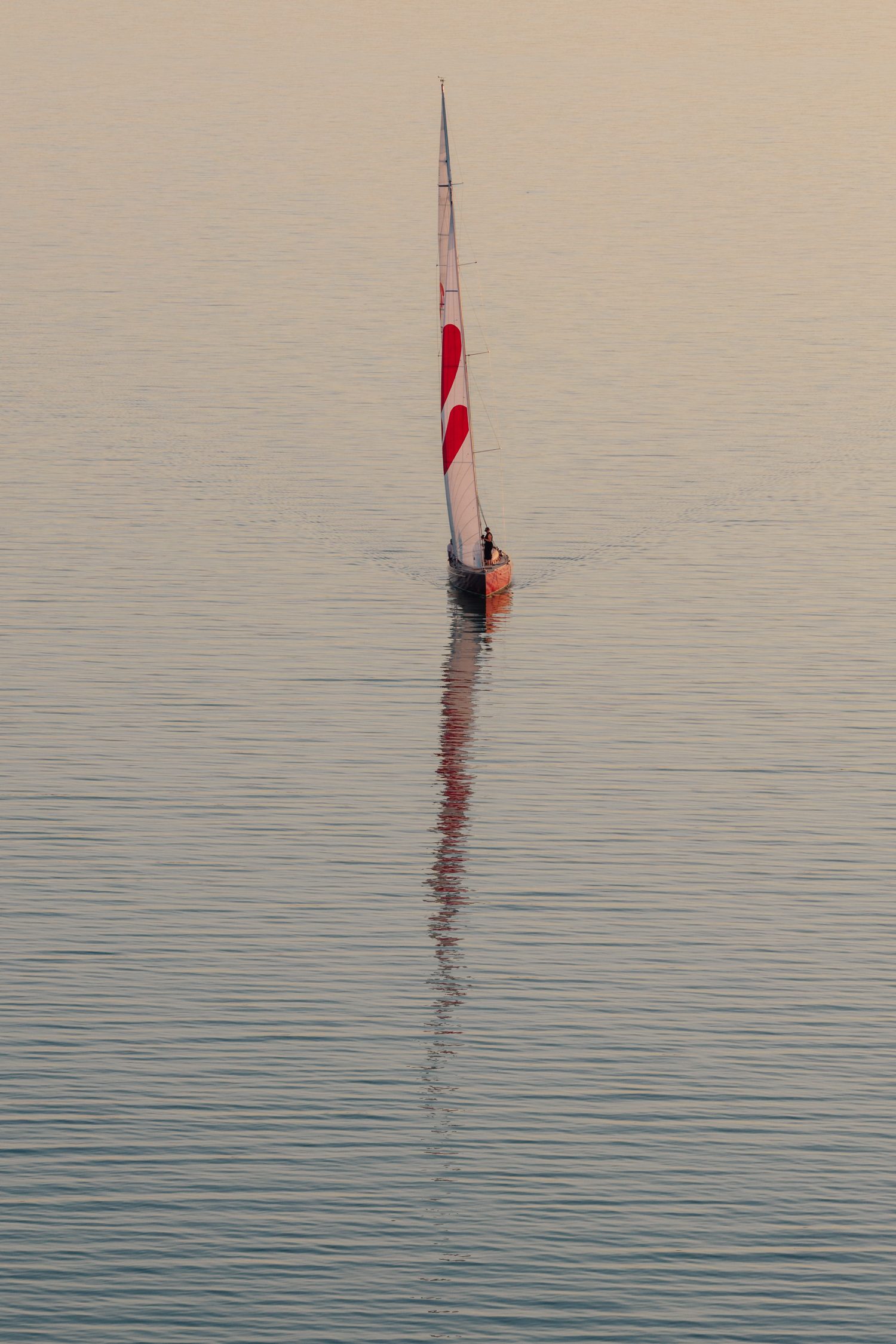
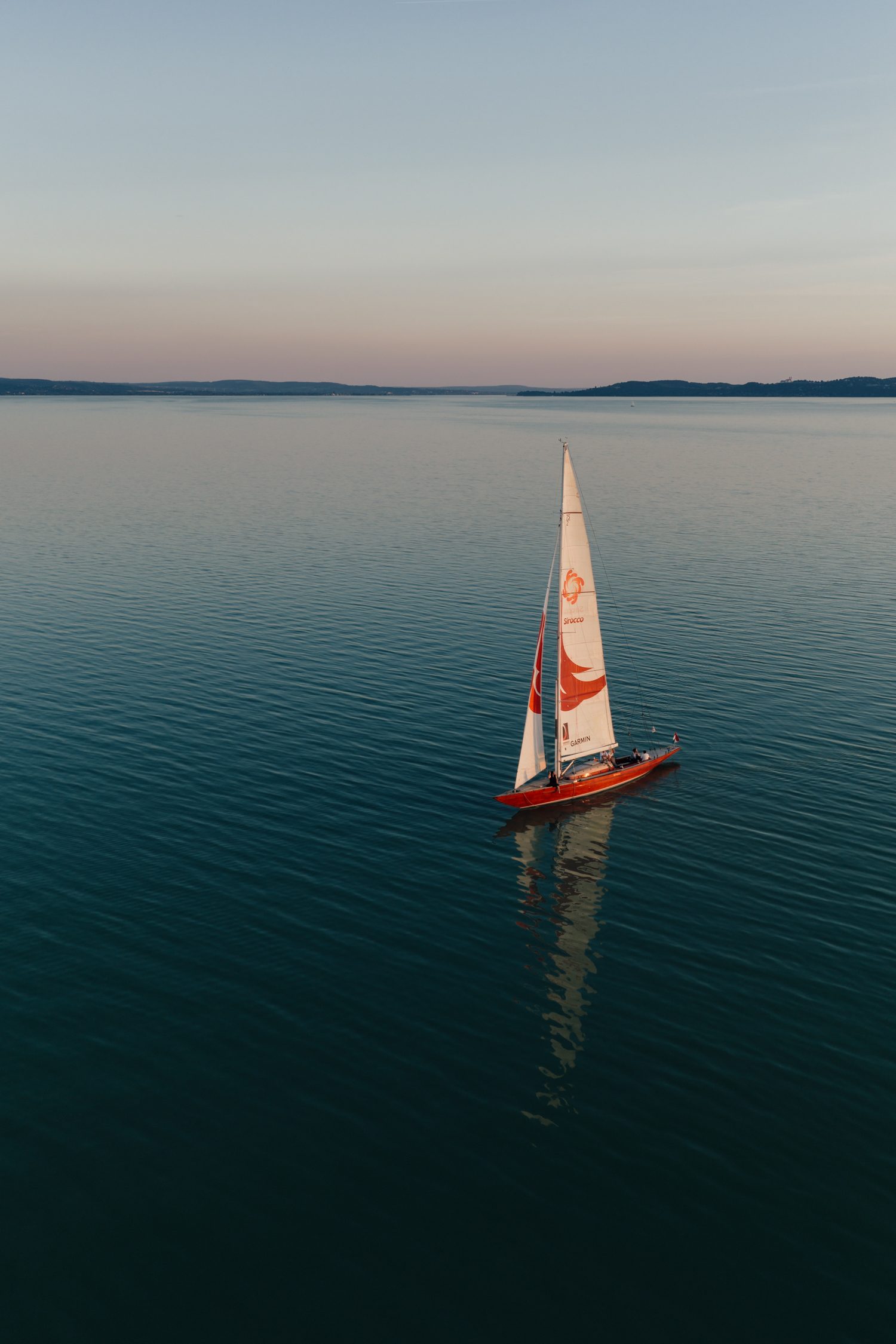
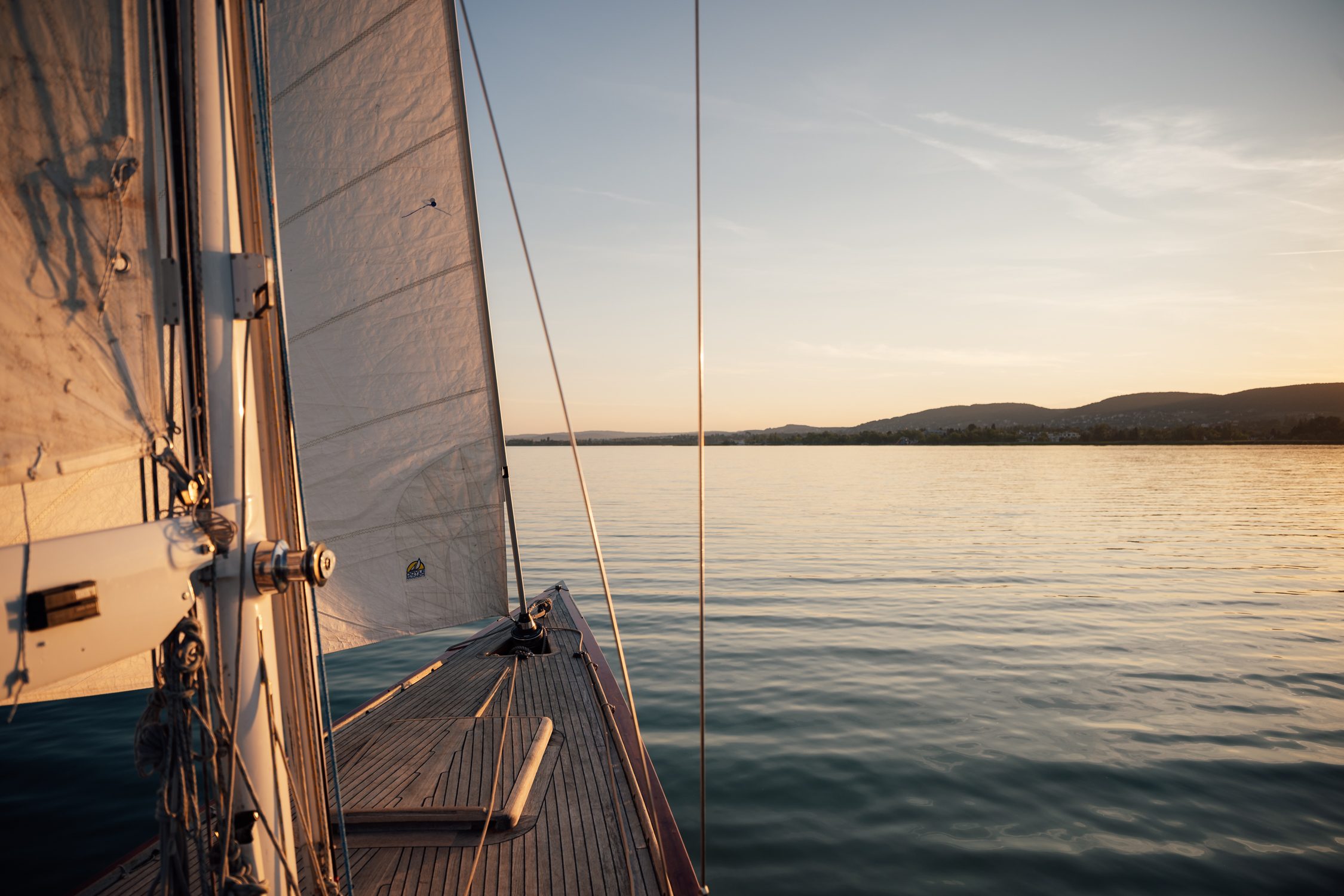
The sunset sailing trip on Lake Balaton aboard the Sirocco 75, a classic wooden sailing boat operating out of the Ypsilon Yacht Club in Alsóörs, was something else entirely.
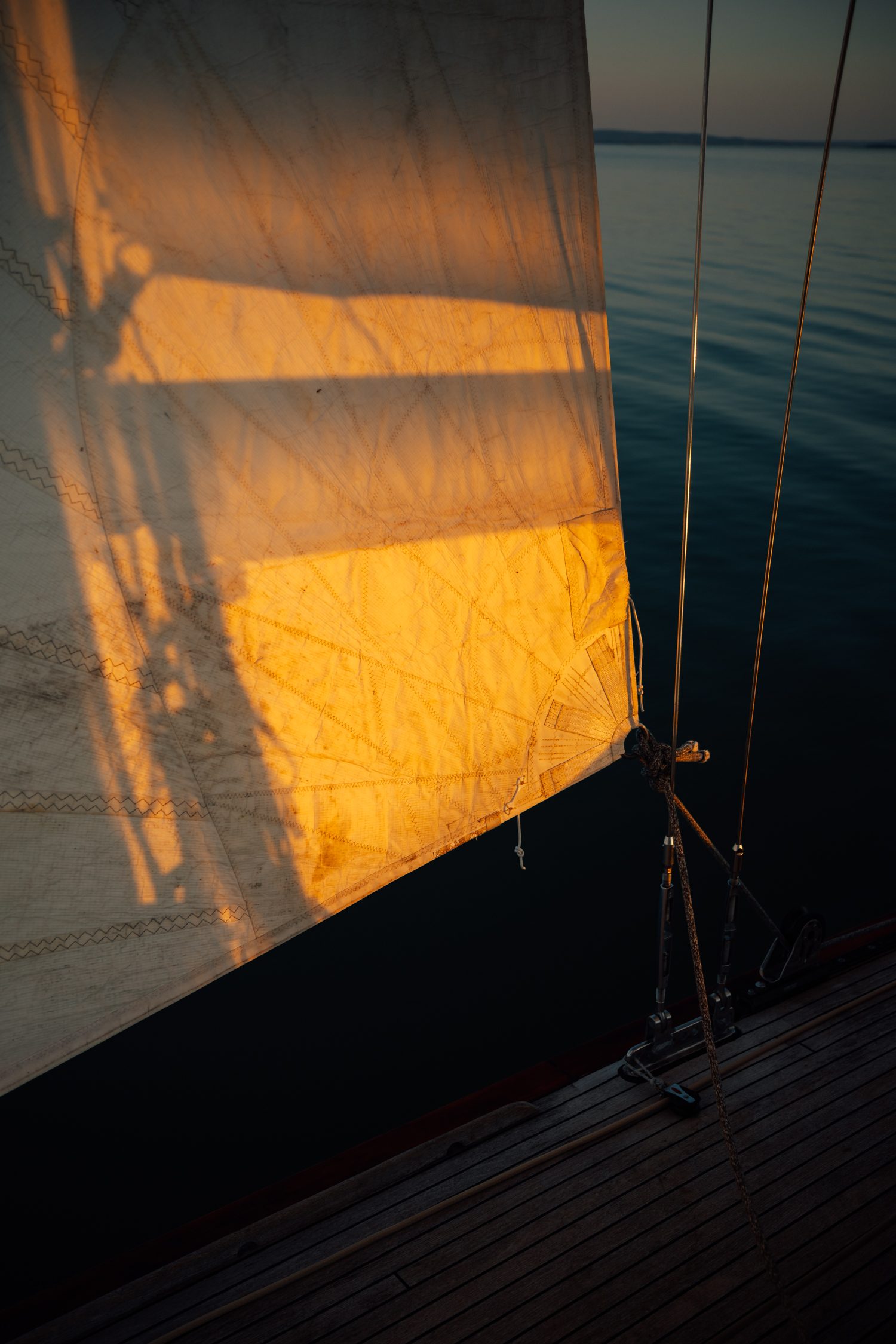
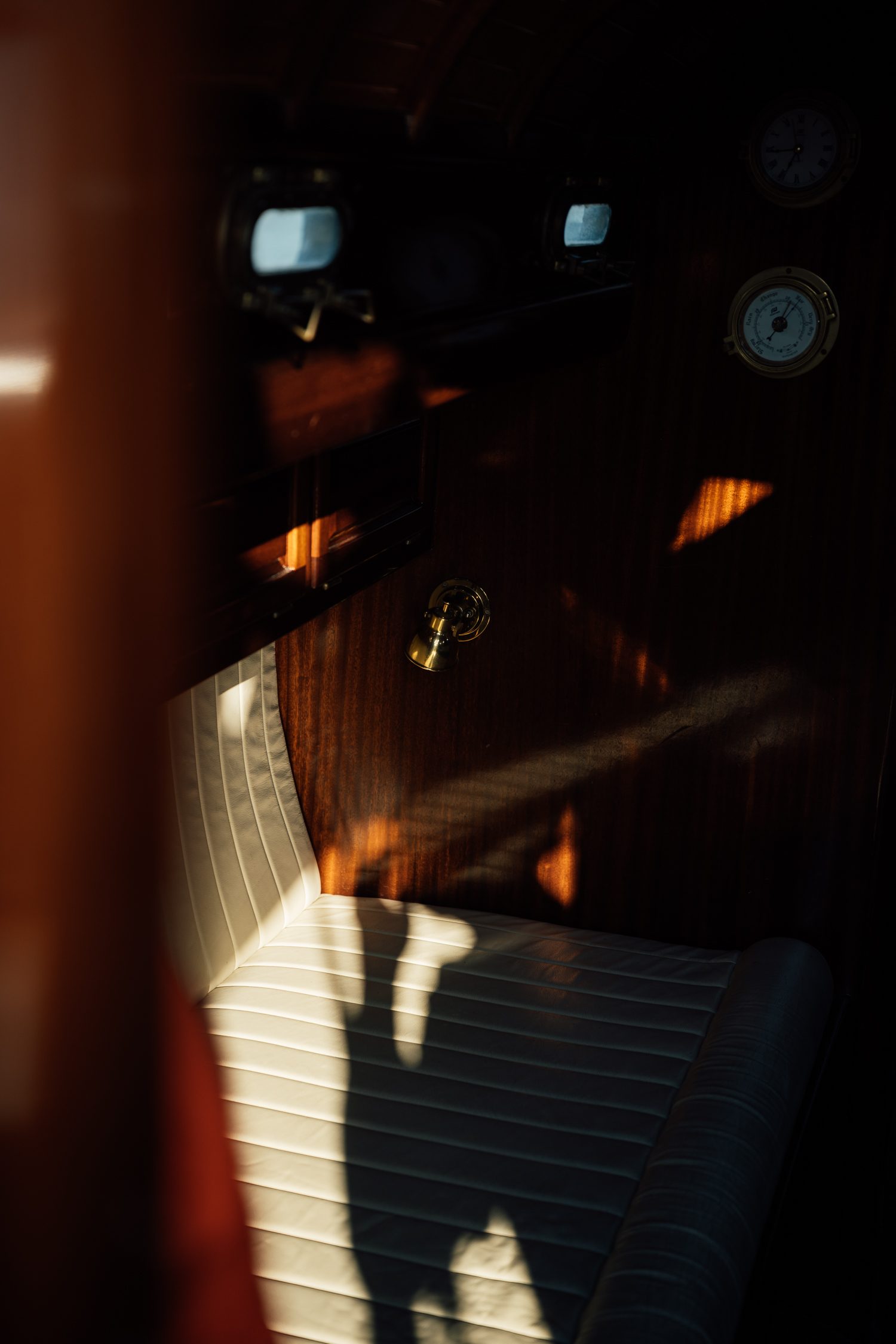
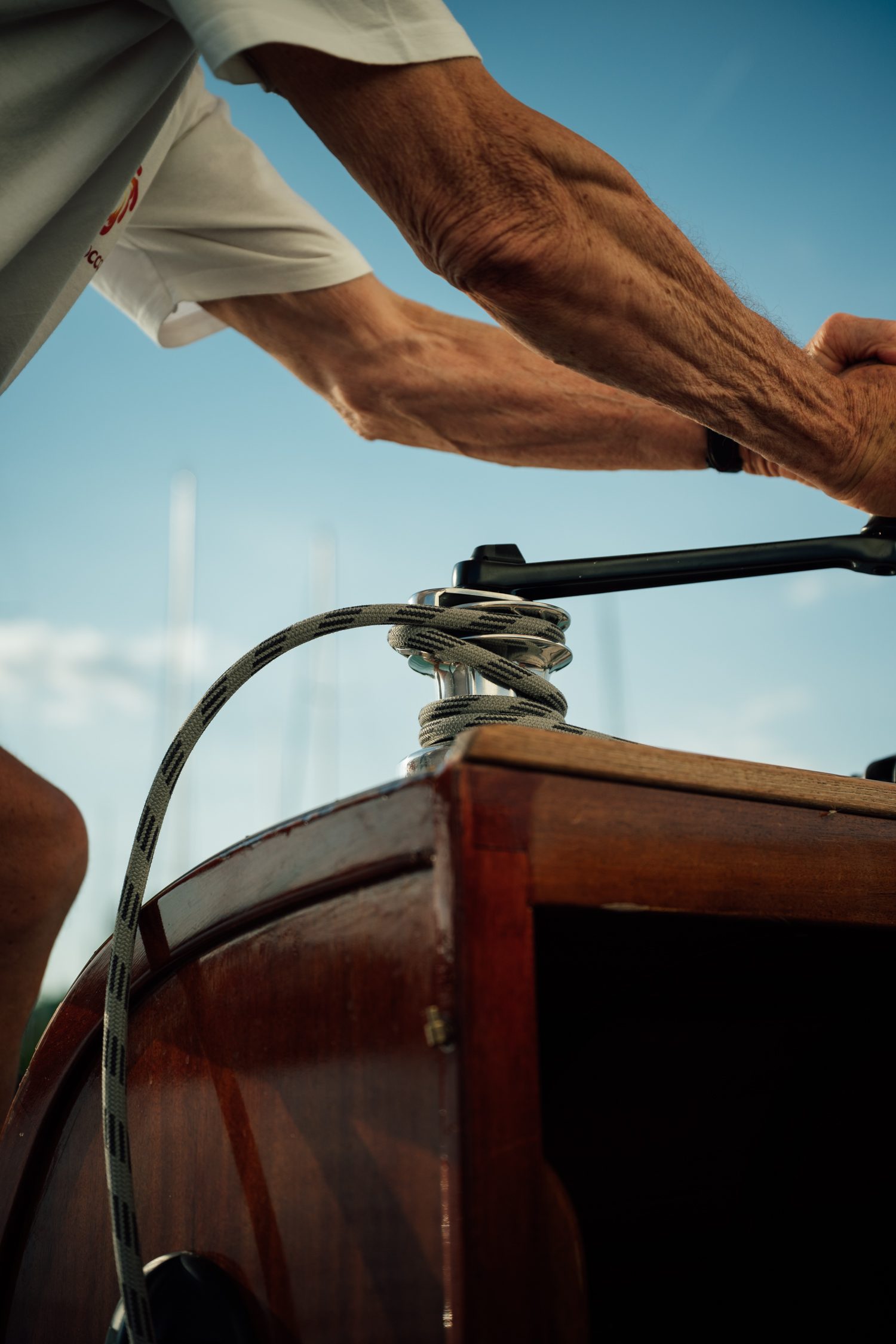
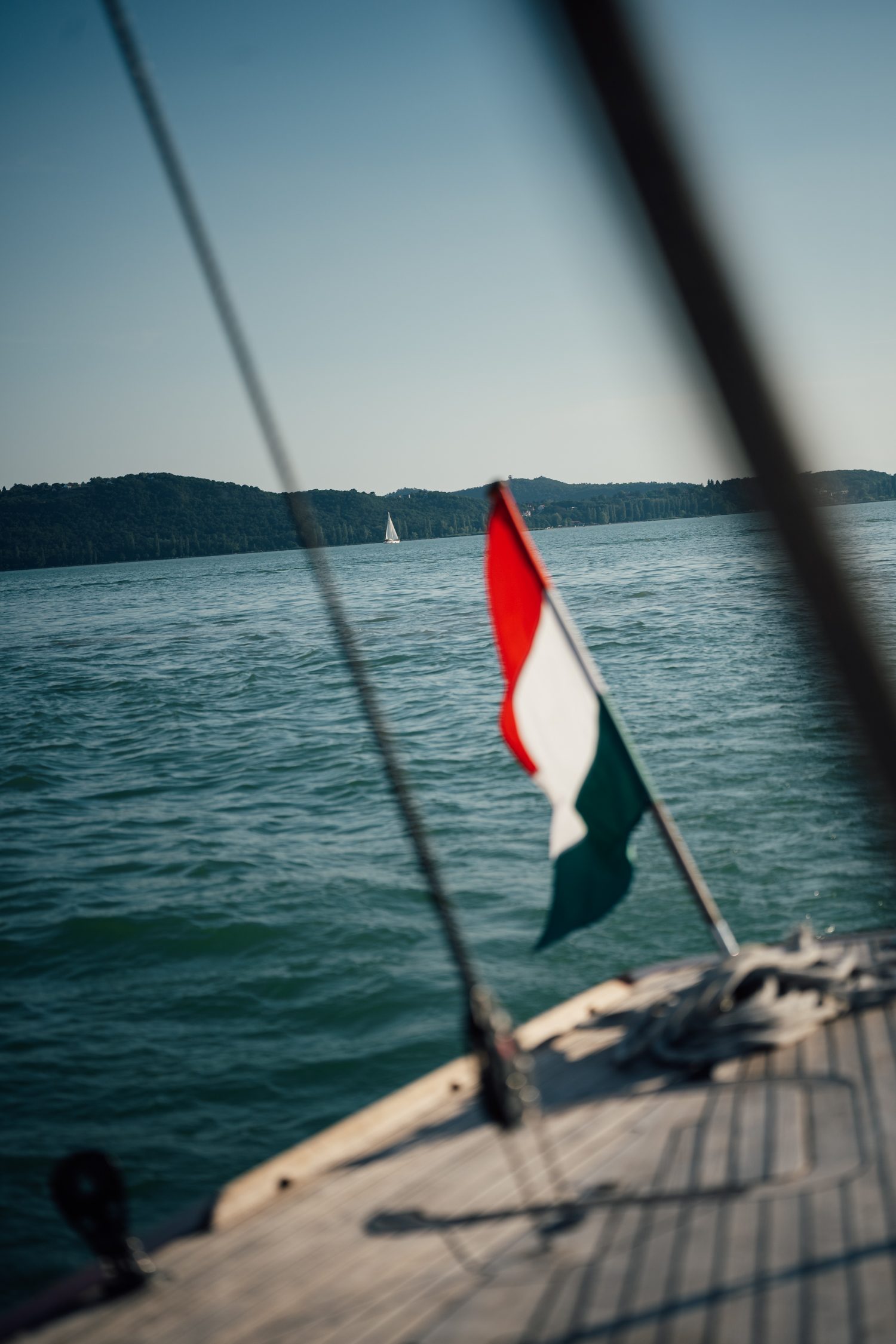
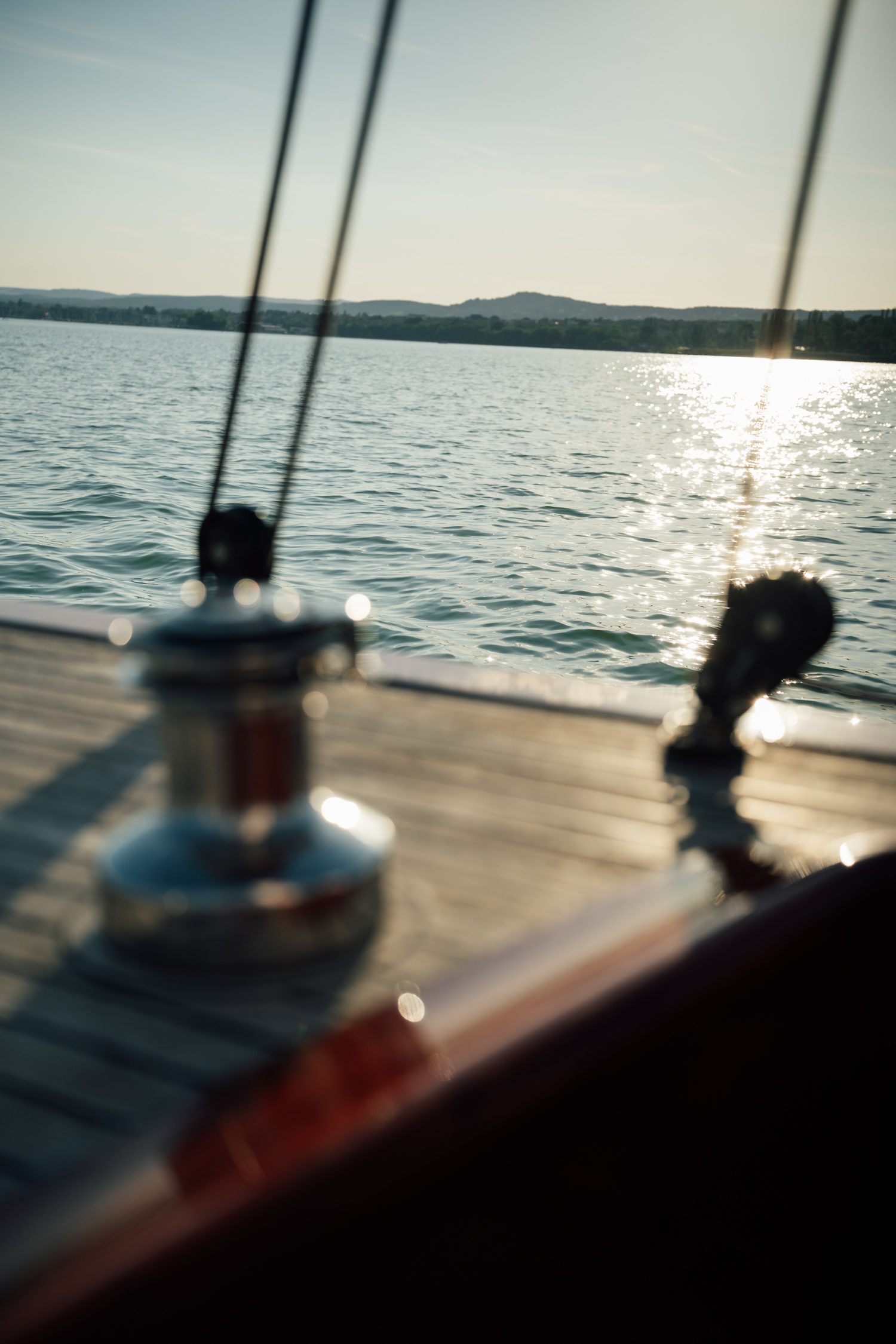
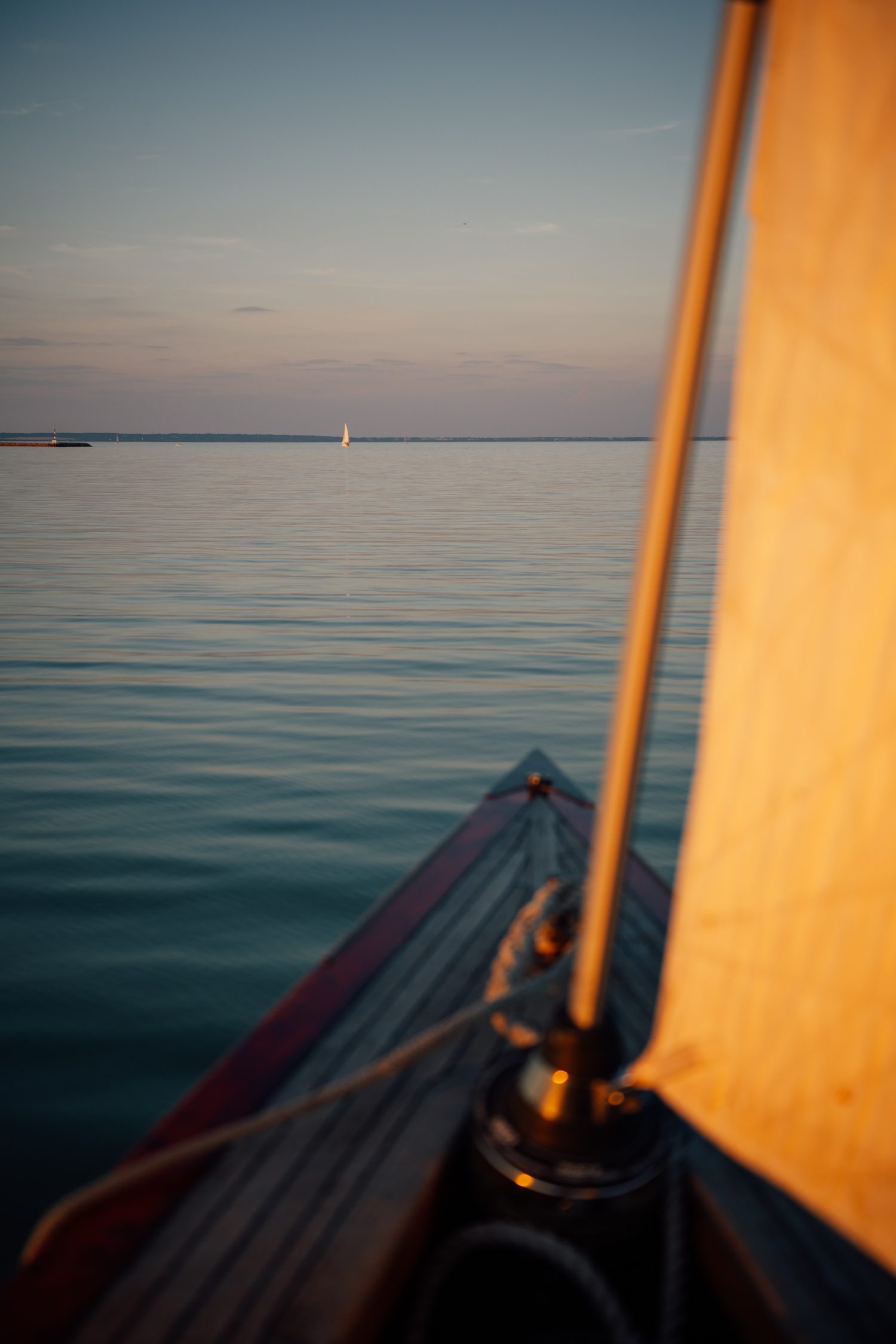
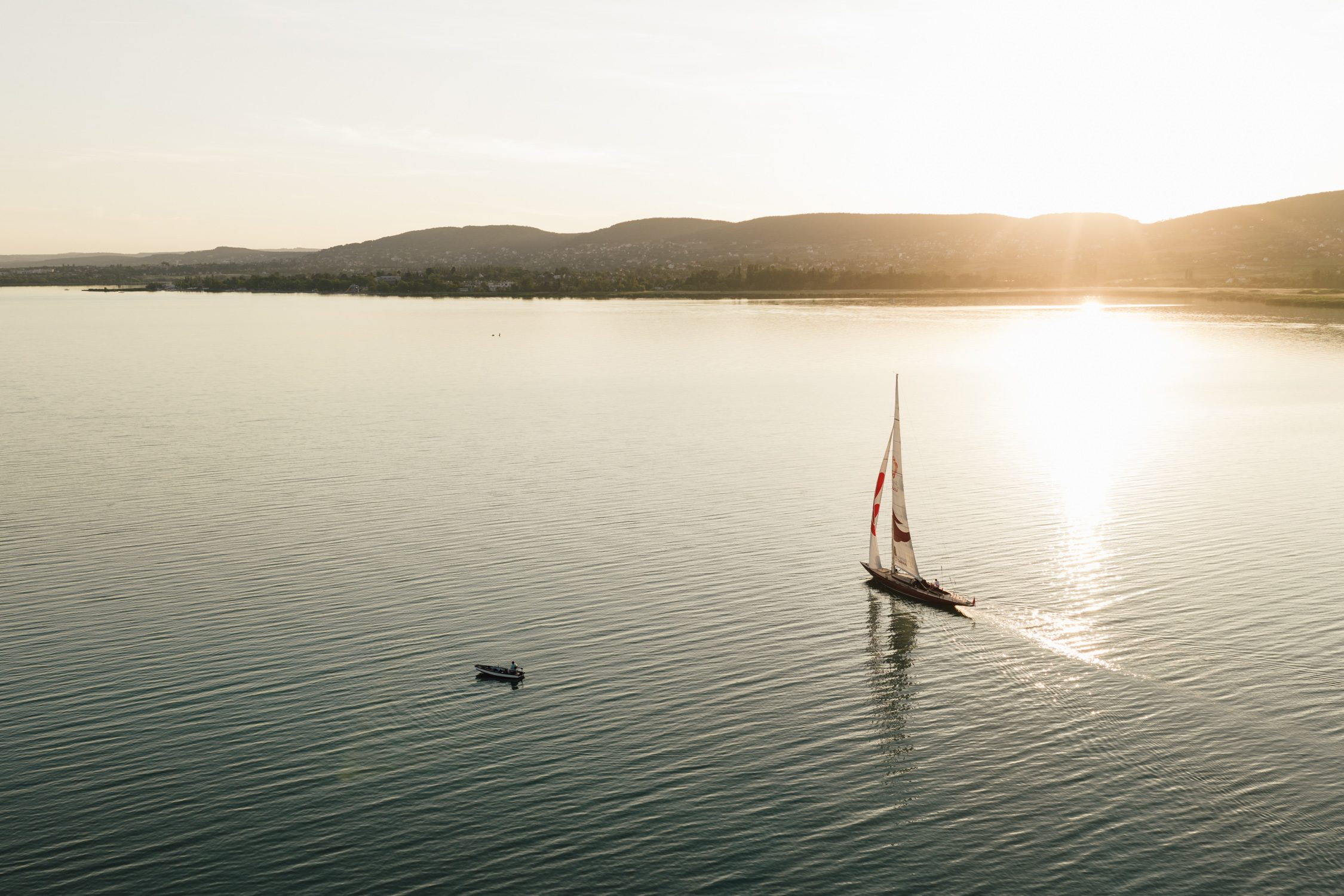
There’s a particular quality to the late-evening light on Balaton — it turns everything gold and slightly unreal — and watching it from the deck of a historic wooden vessel, the basalt hills of the northern shore fading behind us, was as close to a perfect ending to a travel day as I can imagine.
Day Five: Healing water at Hévíz
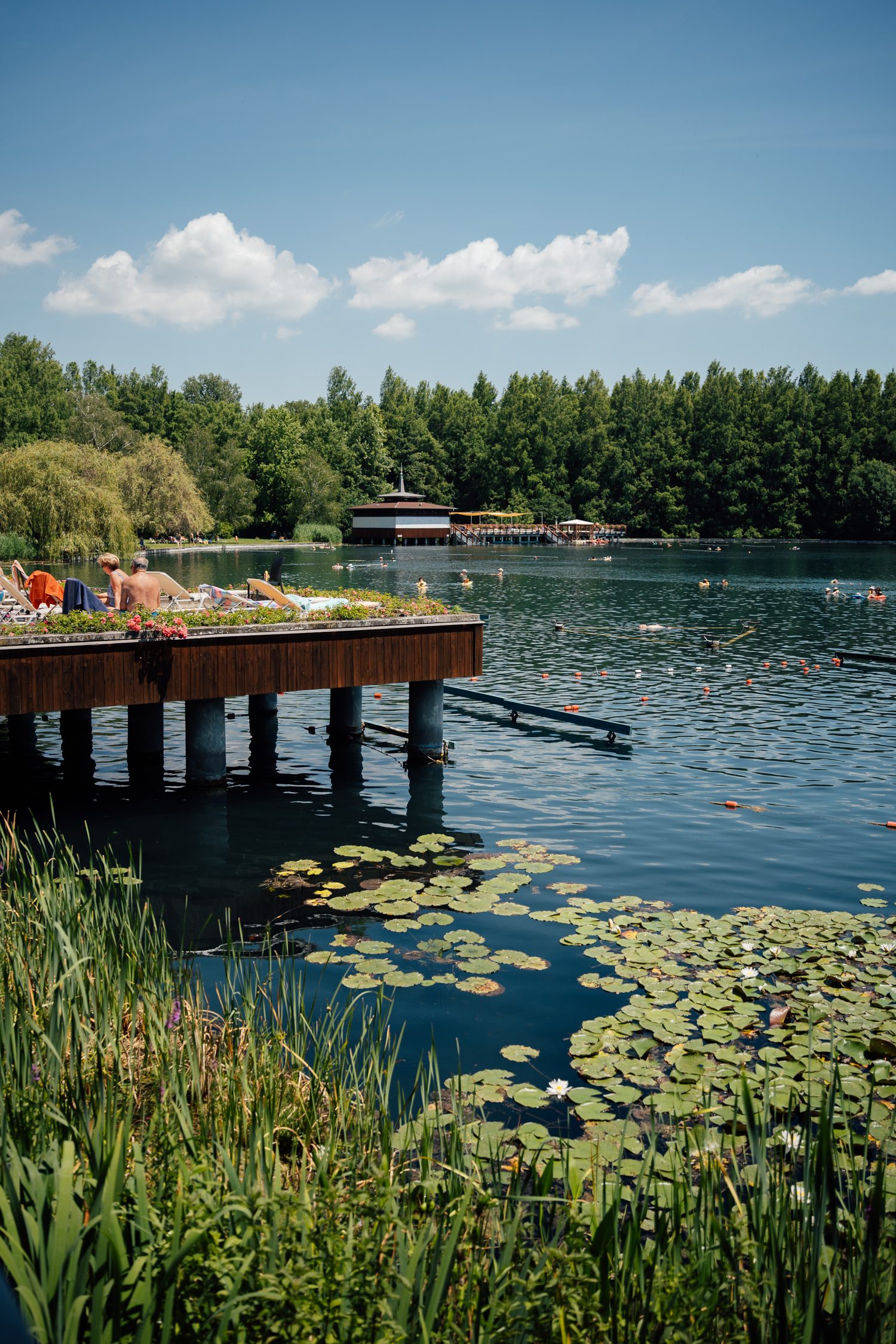
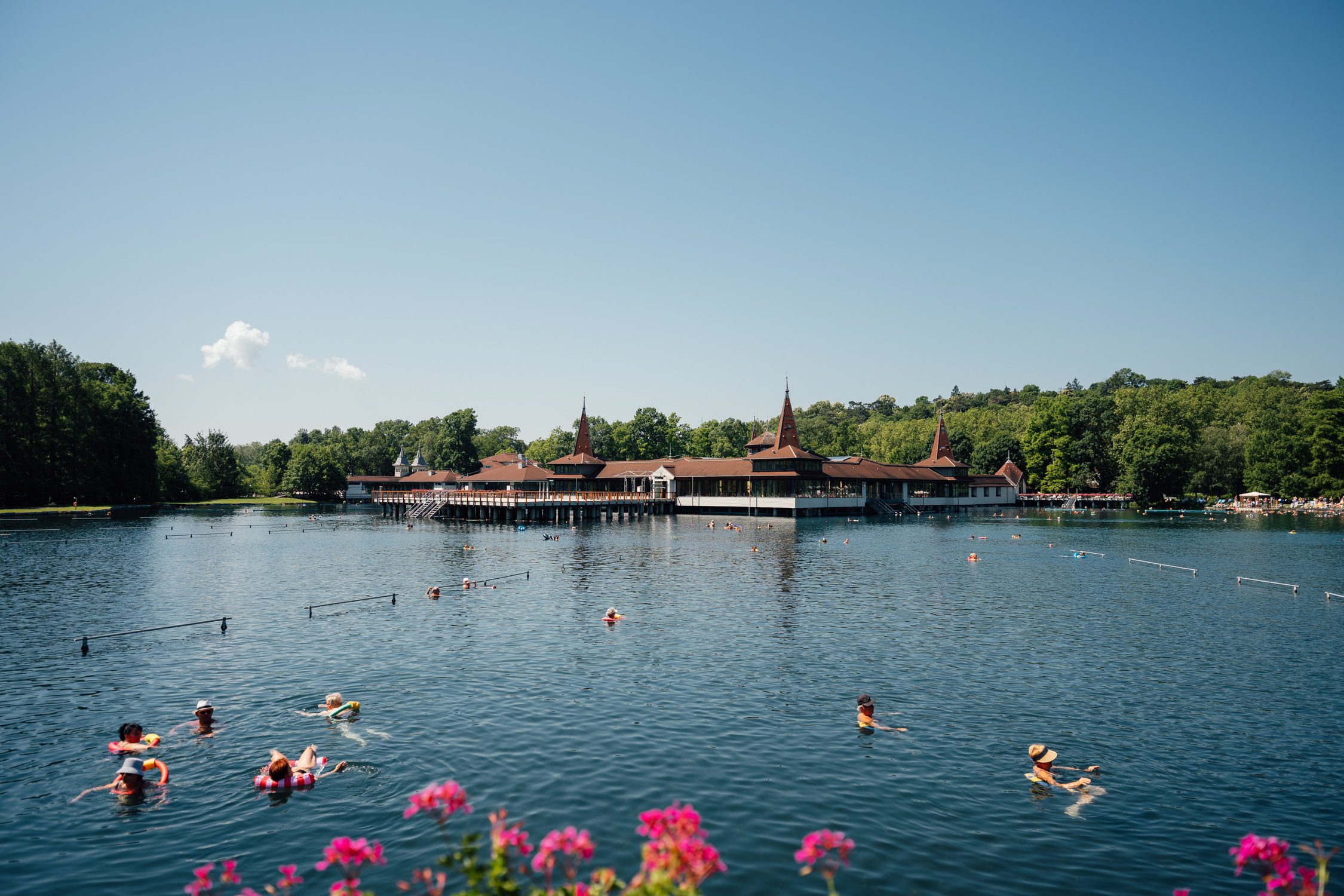
No trip to this corner of Hungary is complete without visiting Hévíz. After the packed days we enjoyed one last day to relax at the famous Hévíz thermal lake, the largest biologically active natural thermal lake in the world. This lake has been in use as a healing spa for over two hundred years. The water, which rises from a volcanic underground spring at a constant warm temperature, forms a crater lake covered by water lilies.
Floating in warm, mineral-rich water among water lilies on a summer morning is, it turns out, an excellent way to end a trip.
Where to Stay: Two tiny houses worth saving
When we researched for our trip we quickly found a great variety of tiny houses and cabins along the shores of Lake Balaton. We choose these two small, design-conscious properties deeply embedded in their landscapes and can highly recommend them both:
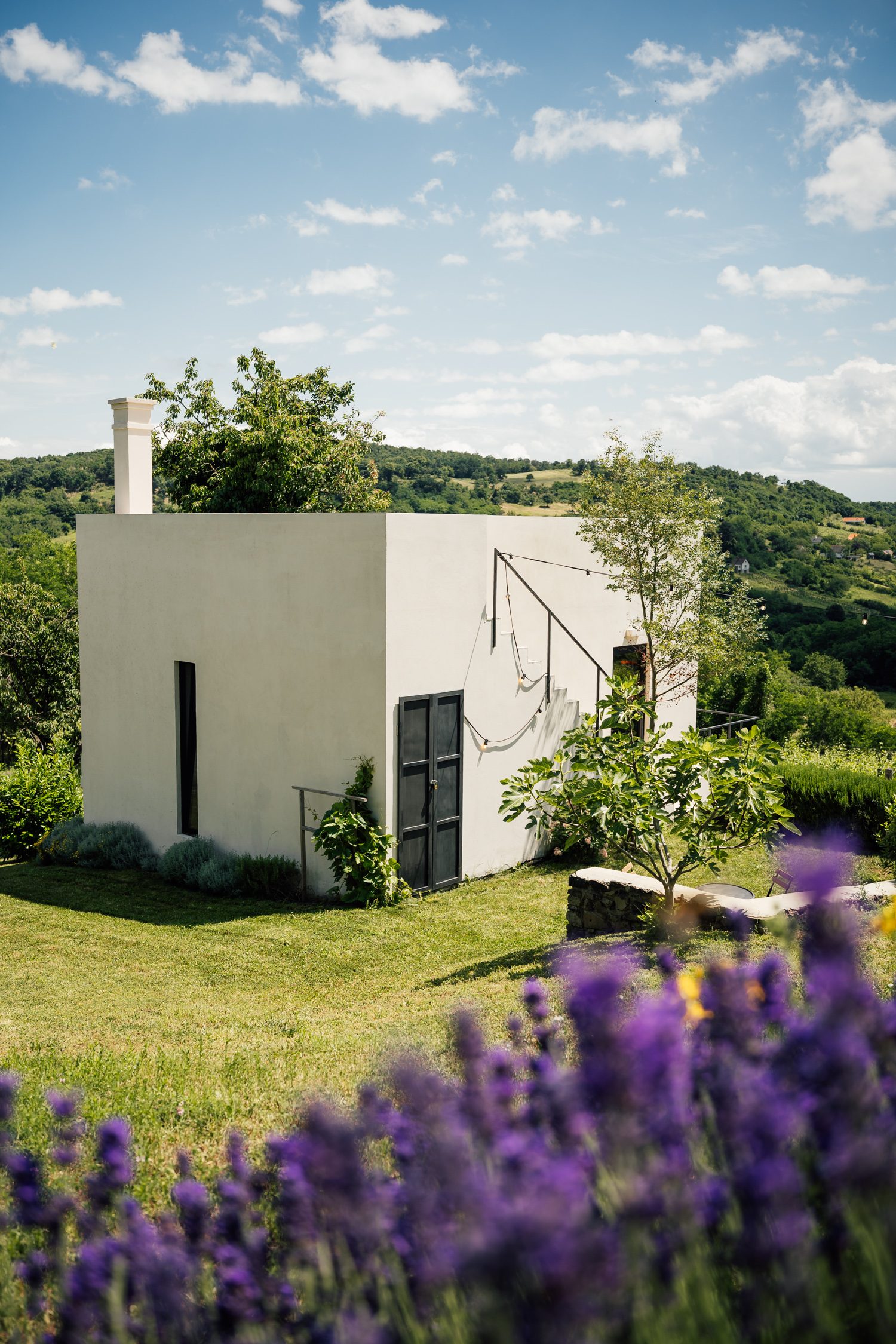
SAZÜ in Mindszenthálla (Káli Basin) is perfect for the design aficionados among you: the setting tucked away in the vineyards feels genuinely rooted in nature (be aware that the road here is a bit bumpy, but you can get there with a regular car). It’s the kind of place that earns the word “retreat”!
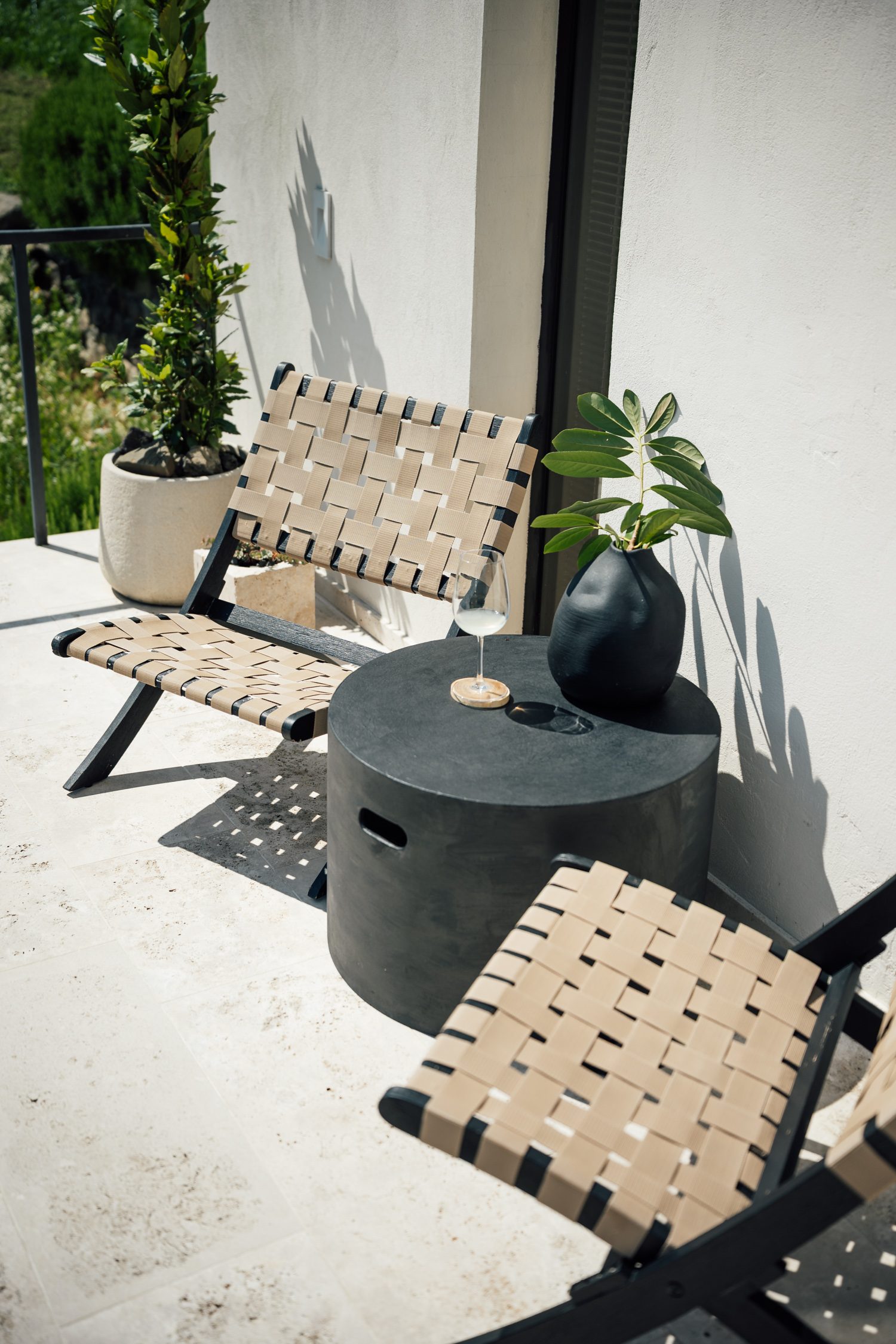
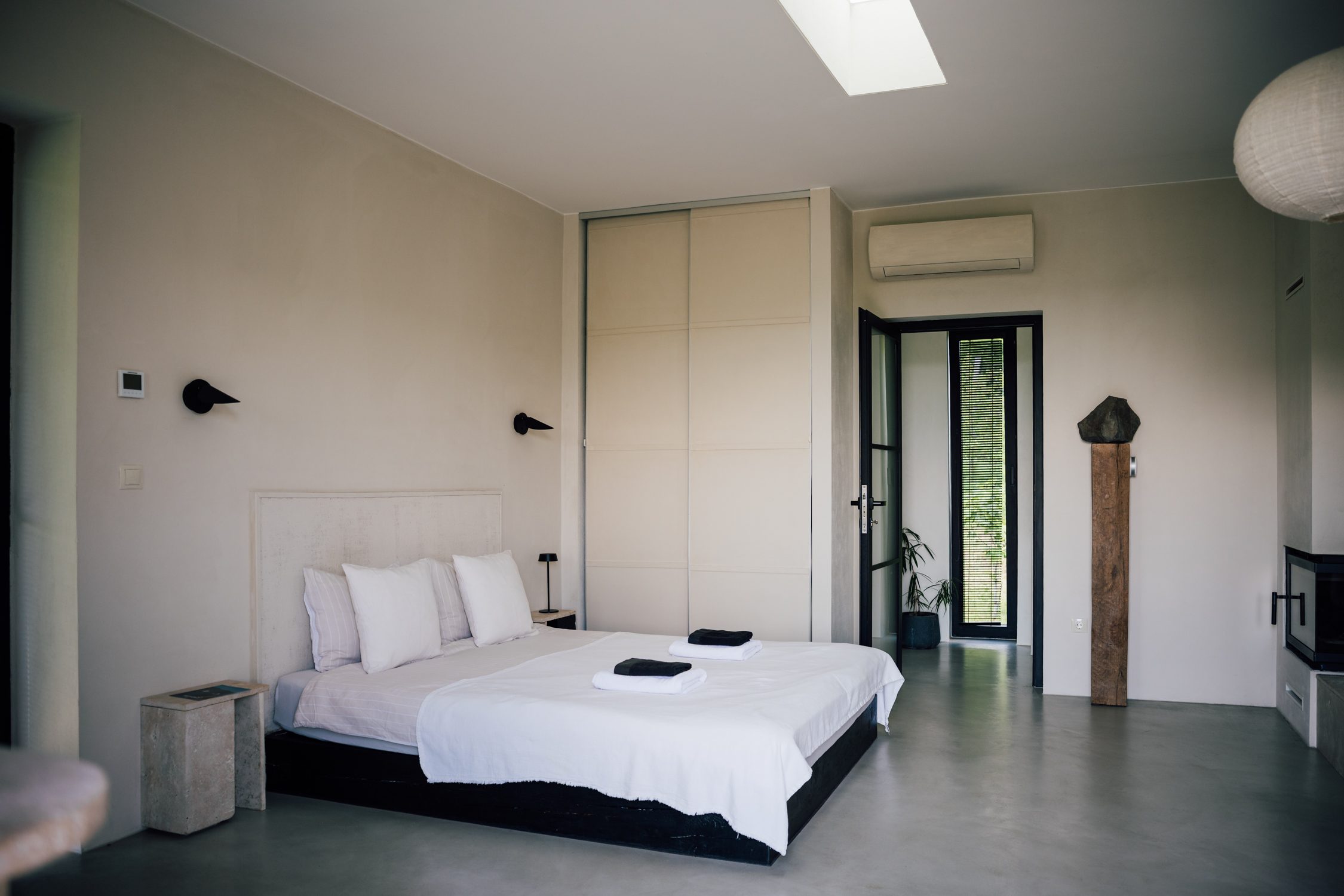
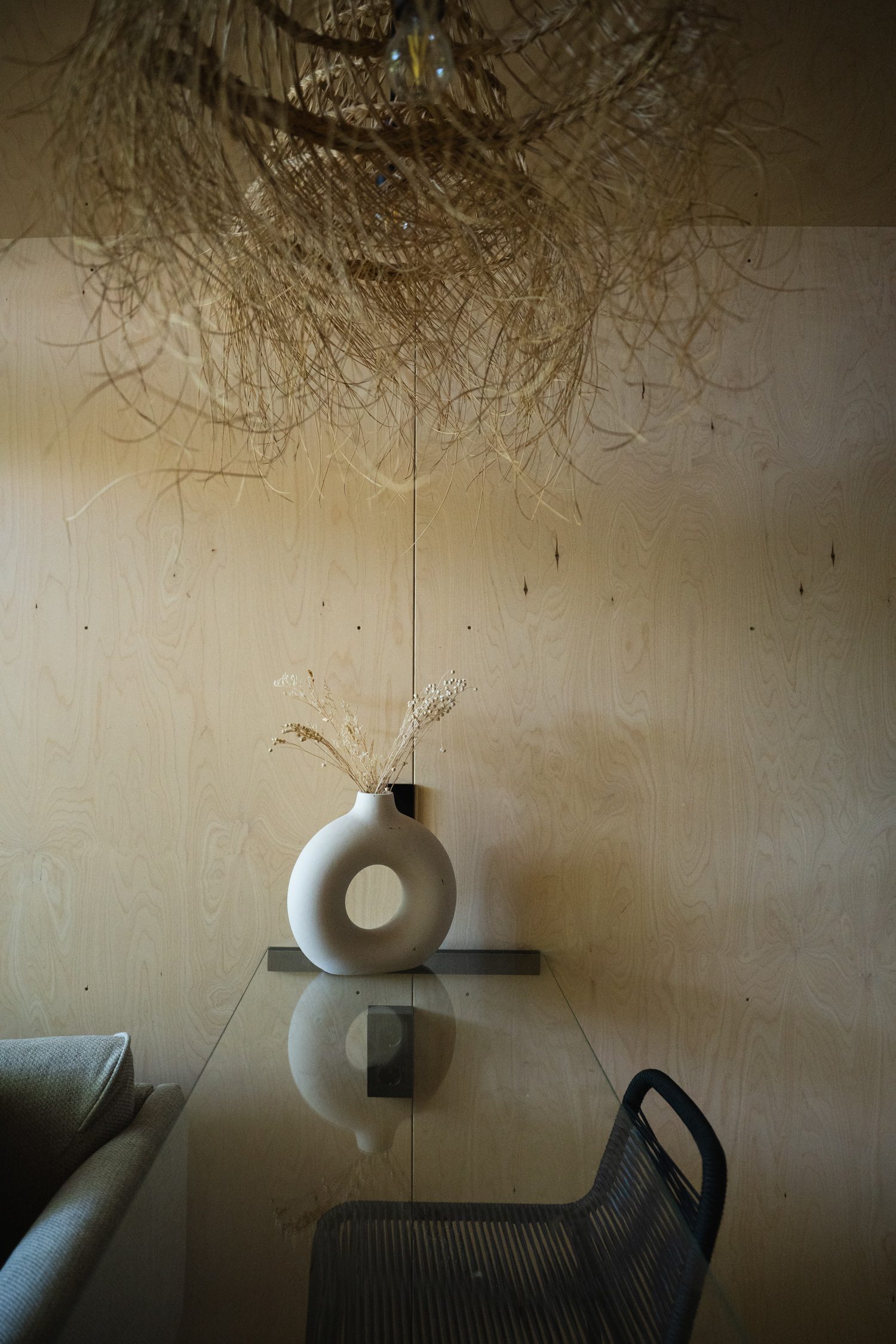
Slowood Cabins in Balatonszepezd operates six cabins close to the shore of Lake Balaton in a (very small) piece of forest. They’re beautiful, sustainably built cabins, but since the property is quite small they are built a bit closer together than we would’ve liked. We can however recommend the Harmony and Peace cabins, which offer a bit more privacy. We loved waking up to the sounds of the forest around us and although we had no chance to use it, it’s worth mentioning the cabins have their private jacuzzi.
Who this type of trip is for
The honest answer is: curious, nature-oriented travellers who are used to looking for wildlife and natural beauty in places that don’t announce themselves loudly. The Balaton region doesn’t have the drama of Africa, but it’s of course much more accessible and offers a lovely experience for a fragment of the price.
It is however an ecologically rich landscape where conservation and culture have been sitting alongside each other for decades, where the wildflowers grow between the vineyard rows, and where a roe deer standing in a wetland at sunset costs you nothing but the willingness to paddle quietly.
It’s also, it should be said, an effortless short trip from Vienna—which for our fellow Austrian readers makes it a particularly easy argument (think a 3 hour trip by car).
Practical Notes
Getting there: Lake Balaton is roughly 3 hours by car from Vienna. A base on the northern shore (Balatonfüred, Tihany, or the Káli Basin villages) gives good access to the national park and Kis-Balaton.
Best time to visit: Late spring to early summer (May–June) for lavender, birdlife, and wildflowers without peak season crowds. We also went in April and August. April can already be warm and sunny, but sailing boats are not operational yet and many of the migratory birds have not returned. August is main season, but lovely for lakeside holidays and swimming.
Key experiences to book: The Kis-Balaton canoe tour, the Villa Kabala ceramics workshop, and the Sirocco sailing trip all require advance arrangements.
Pin and save this post for your next trip: