There are travel moments you rehearse in your mind long before they happen.
For me, seeing a wild orangutan was one of them.
I imagined dense jungle, hours of trekking, maybe a little hardship. I expected the reward to be hard-won—the kind of experience that requires mud, sweat, and possibly some tears.
What surprised me most about Borneo?
How effortless the journey actually is.
This is the story of how easy, accessible, and deeply moving a wildlife trip to Borneo can be—and your travel guide if you ever plan a visit.
Why Borneo should be your next wildlife destination
Borneo is one of the world’s most biodiverse places — a rainforest older than the Amazon, home to Bornean elephants, proboscis monkeys, sun bears, hornbills, flying squirrels, river crocodiles, and of course: orangutans.
And yet, Borneo’s rainforests are under massive threat. There’s palm oil plantations spreading like mushrooms, eating up patches of pristine rainforest silently and irreversibly. You can see it everywhere in Borneo and it can be shocking to witness. Ecotourism provides an opportunity to create economic value that is bound to actually protect the rainforests. And that’s a very good reason to visit if you ask us!
Scoot: Fly with ease
From Vienna it is now easier than ever to reach Borneo. You can leave in the evening and—thanks to Scoot’s brand-new direct flights from Vienna to Singapore and arrive in Singapore the next morning. We stayed in Singapore for a few nights, but you could also book a direct onward connection to Kota Kinabalu to get to Borneo even quicker. Kota Kinabalu is located in the West of Sabah and the most important international airport.
Unfortunately Scoot doesn’t offer direct flights to Sandakan from Singapore (yet). Sandakan is on the East coast of Sabah and allows direct access to the wildlife areas like Sepilok and Sukau, but there’s multiple daily connections with other airlines from Kota Kinabalu to Sandakan and it’s a very short journey (around 40 minutes). And then your journey to see orangutan starts right away!
Truly wild orangutans, living freely in one of their last sanctuaries on our planet. A dream come true for us!
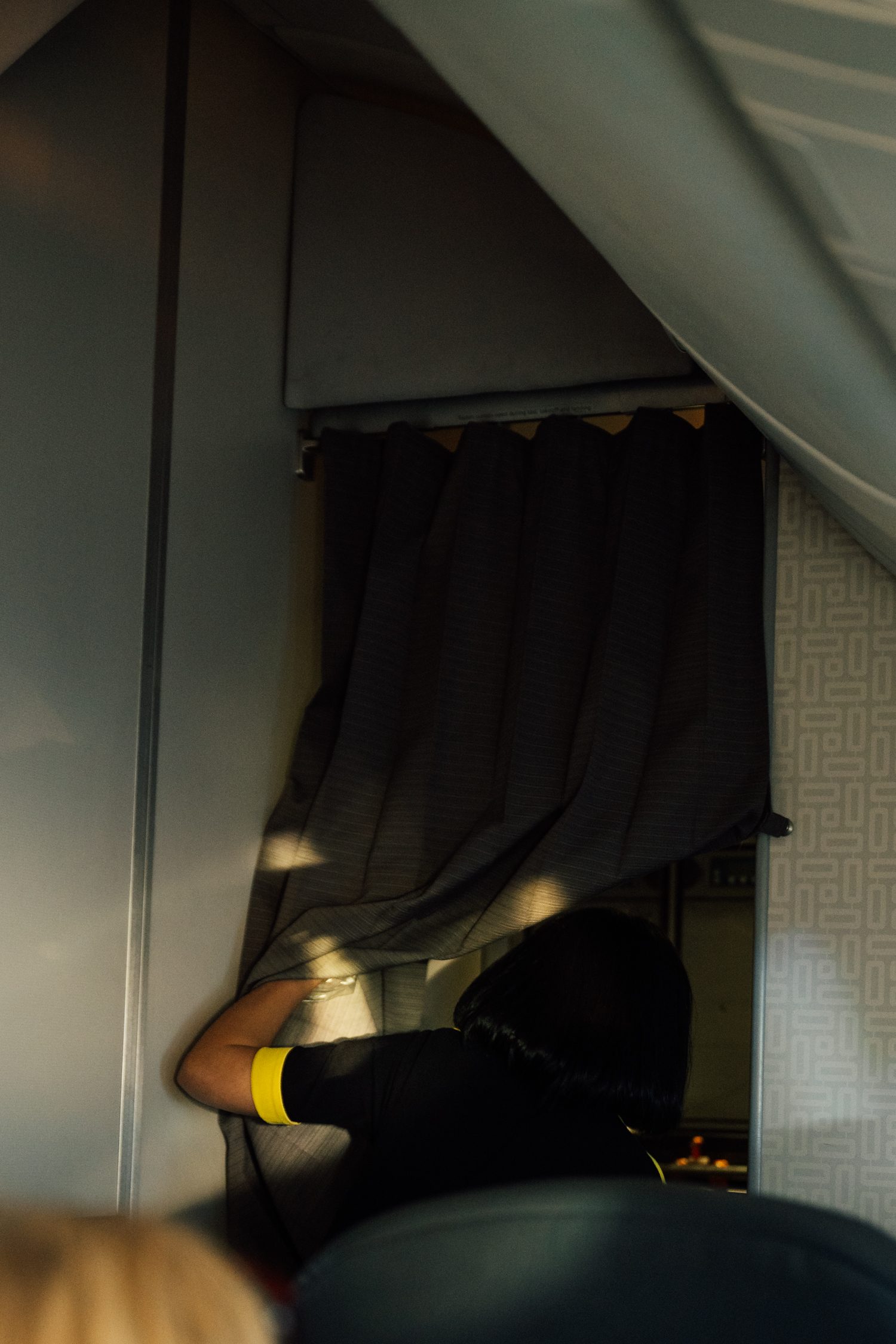

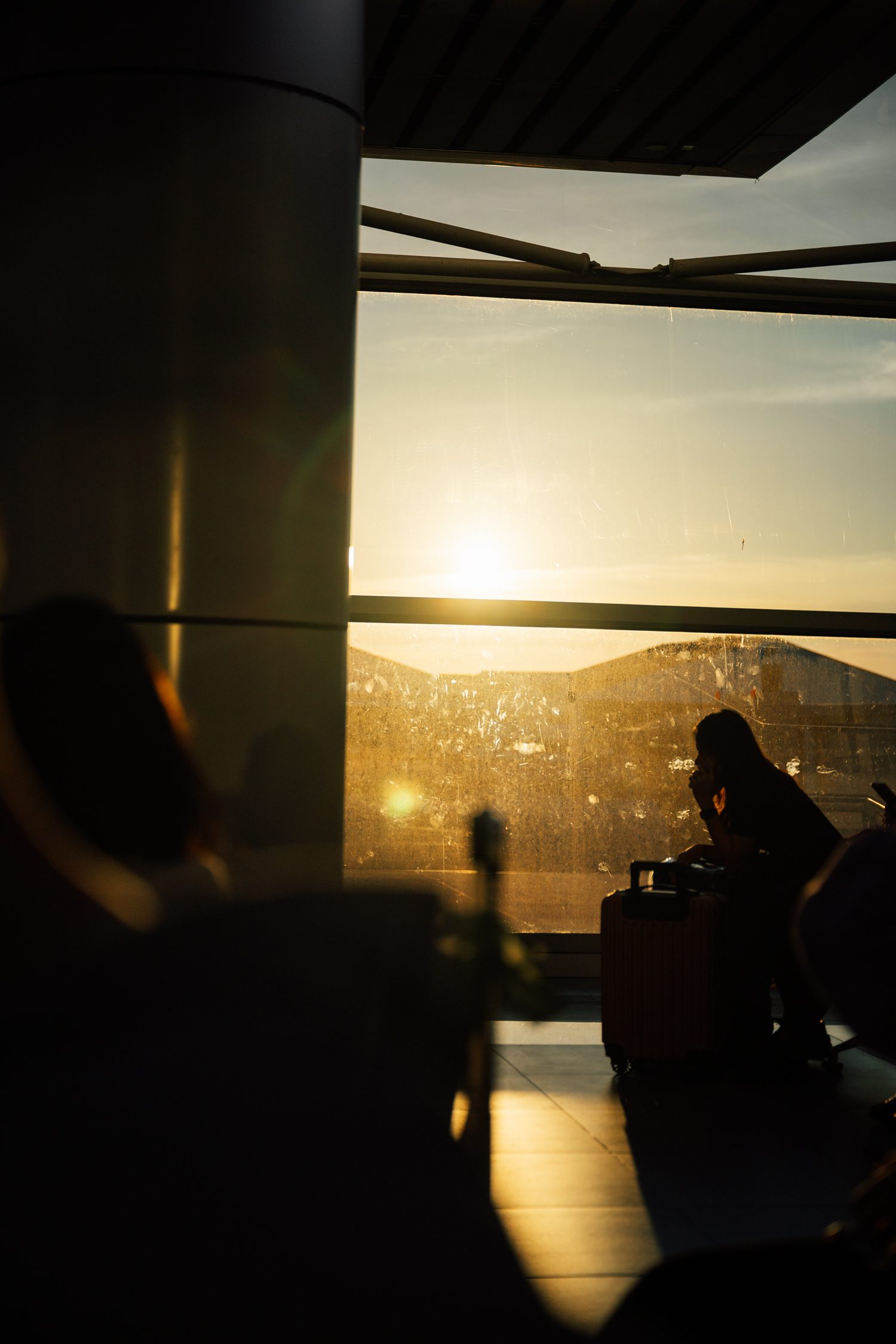
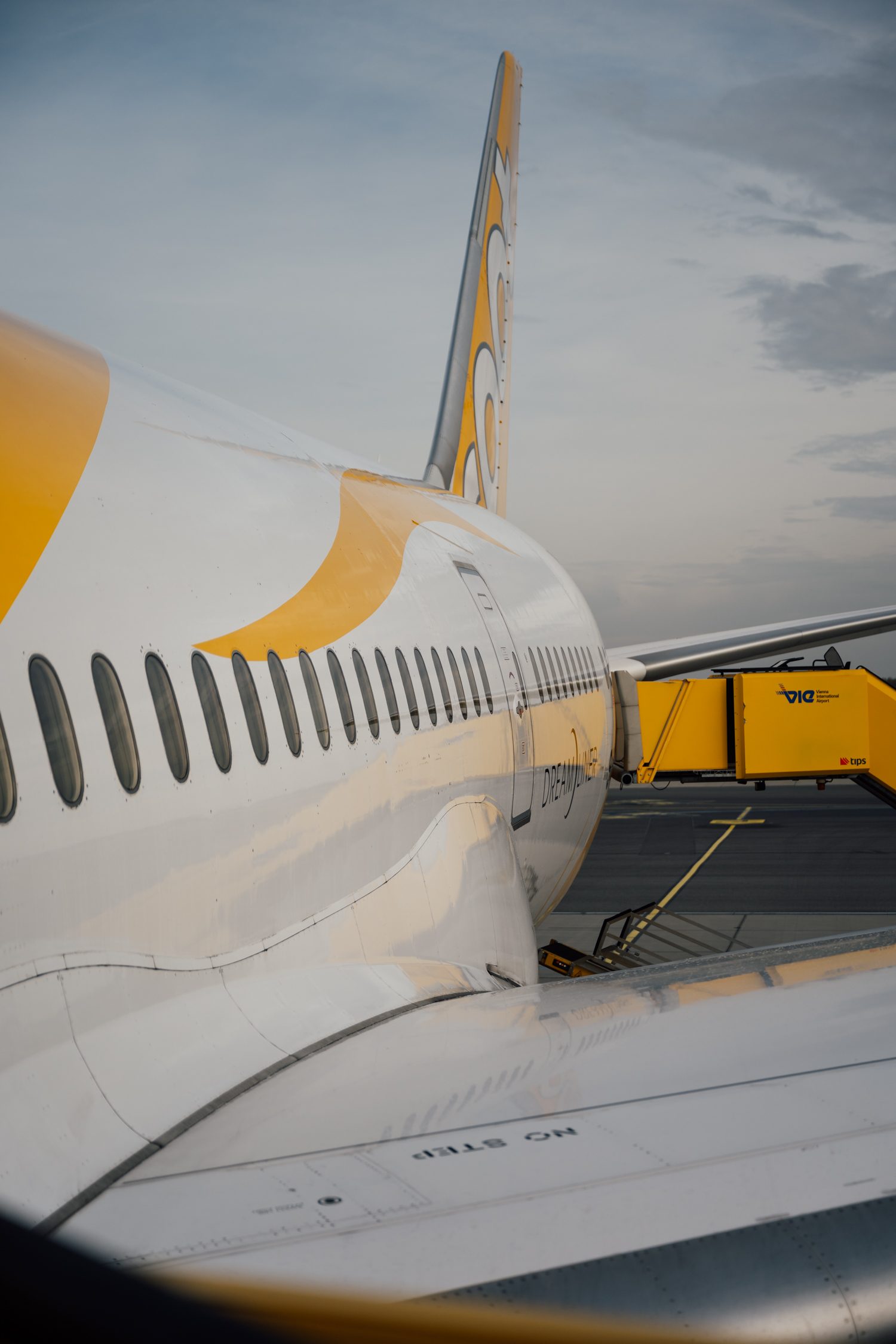
With Scoot’s direct flights from Vienna to Singapore, seamless onward connections to Kota Kinabalu in Borneo, and the comfort of Changi Airport, the journey to Sabah (Malaysian Borneo) has become incredibly smooth.
Flying with Scoot means:
- The only direct Vienna–Singapore connection (11,5 hours journey)
- Smooth onward flights to their network of 80+ destinations, including Kota Kinabalu (Sabah, Malaysian Borneo)
- Good fares and reliable service
Personally we would recommend to book an upgrade to ScootPlus, to make the journey more comfortable.
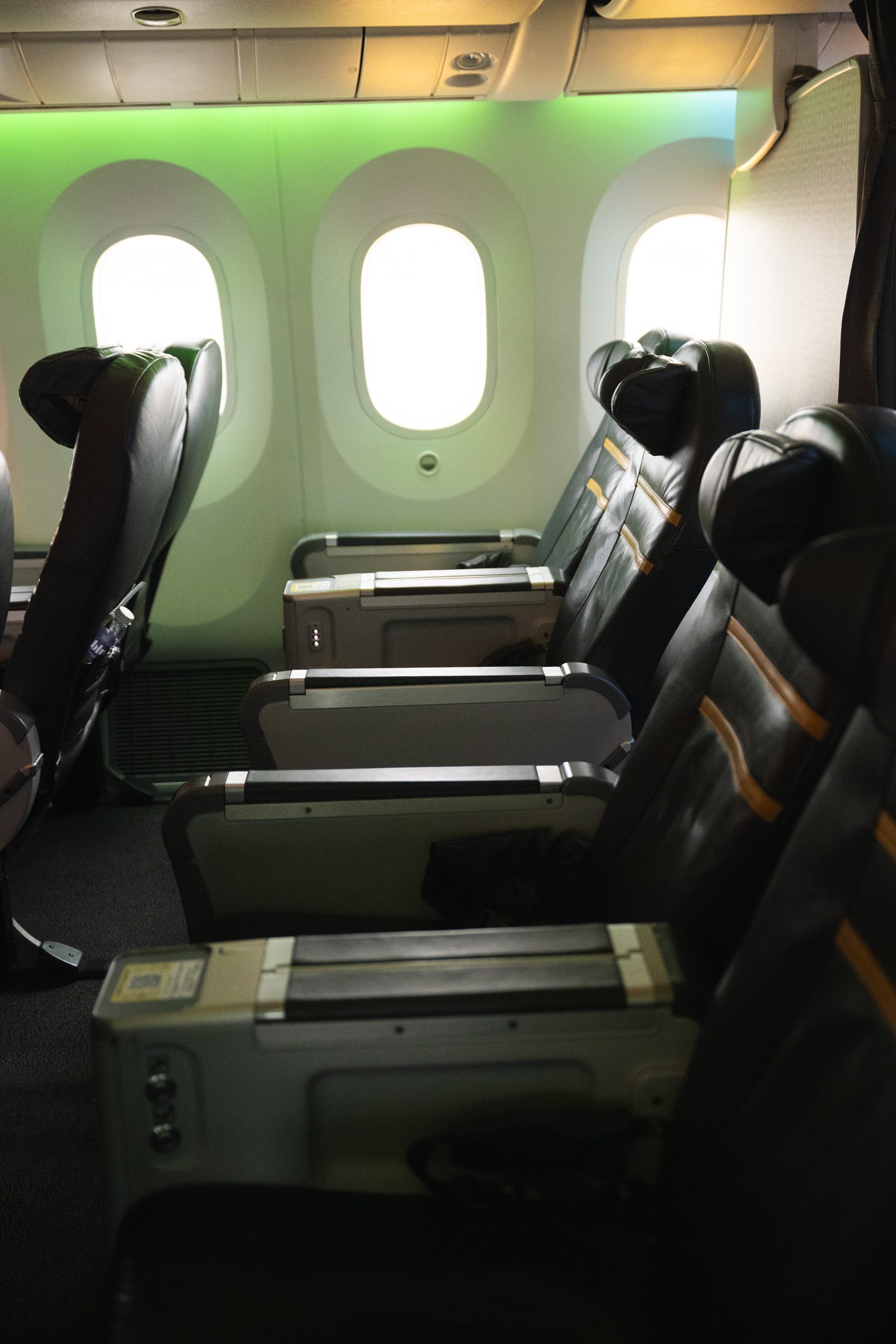
ScootPlus is Scoot’s highest cabin class. The spacious seat configuration, additional recline and footrests as well as the upgraded services are good arguments.
Here’s a few of the included services on ScootPlus on the long-haul flights from Vienna to Singapore:
- 200MB complimentary Wi-Fi
- 2 complimentary in-flight refreshments
- Complimentary Blanket
- 15kg cabin baggage and 30kg checked baggage allowances
- Priority Boarding and disembarking
- Comfortable leather seats with ample legroom
- In-Seat power
- And you can also earn KrisFlyer and Elite miles on all Scoot flights
The Scoot flight from Vienna to Singapore (and back) is eleven to twelve hours long, so any extra comfort goes a long way!

Singapore: The best possible stop on the way to Borneo
And then there’s Changi Airport—which honestly feels more like a botanical garden with boarding gates than an airport.
While waiting for your onward flight you can enjoy some of our favourite airport activities 🙂 :
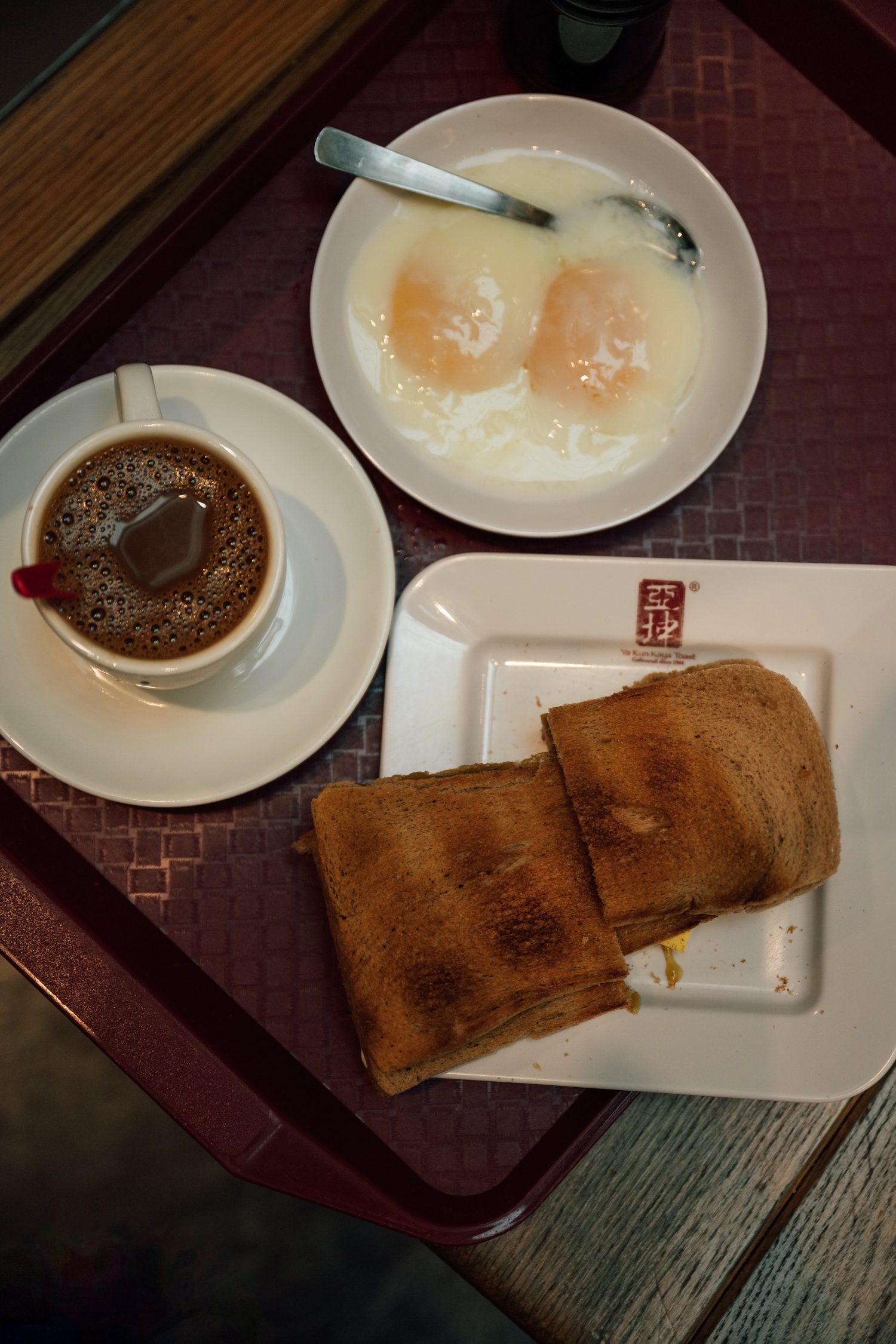
- Have Kaya Toast (and Kopi) at Ya Kun Kaya, a Singaporean icon (we loved it!!)
- Shop at Uniqlo for some moisture wicking shirts which you’ll need in the rainforest
- Stroll through the Cactus Garden or other themed gardens to relax while waiting
Travel rarely feels this soothing, but Changi airport wins prizes for best airport for very good reasons every year.
Personally we especially appreciated the laser speed immigration with all automated passport controls, that literally took less than 30 seconds, and the relaxing areas around Jewel Changi with the astonishing rain vortex. There’s also a multitude of quiet zones and relaxation areas all around, you can find water lily ponds and a butterfly garden, making the airport a truly tranquil oasis despite it’s size and many flight connections.


The moment you meet an orangutan
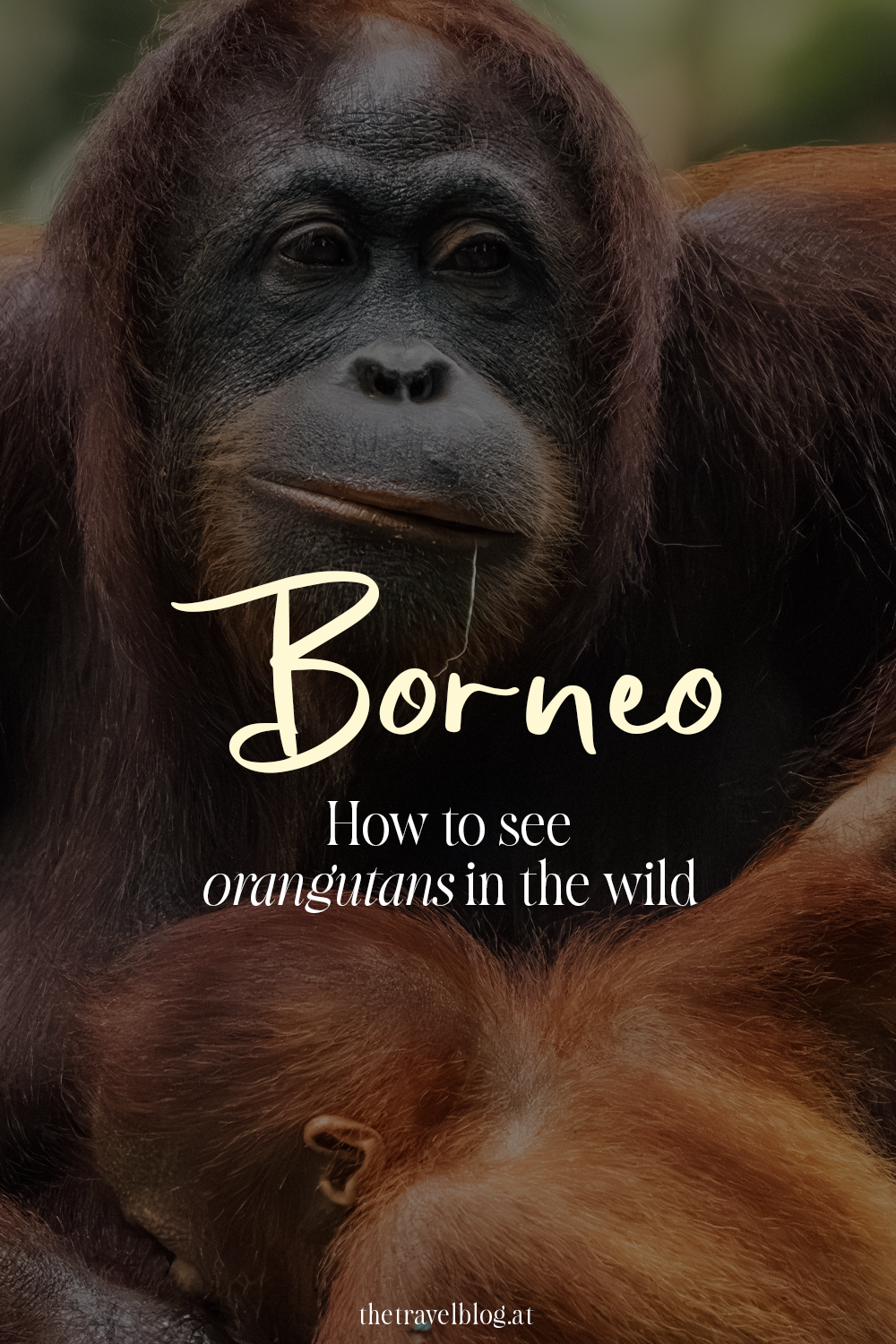
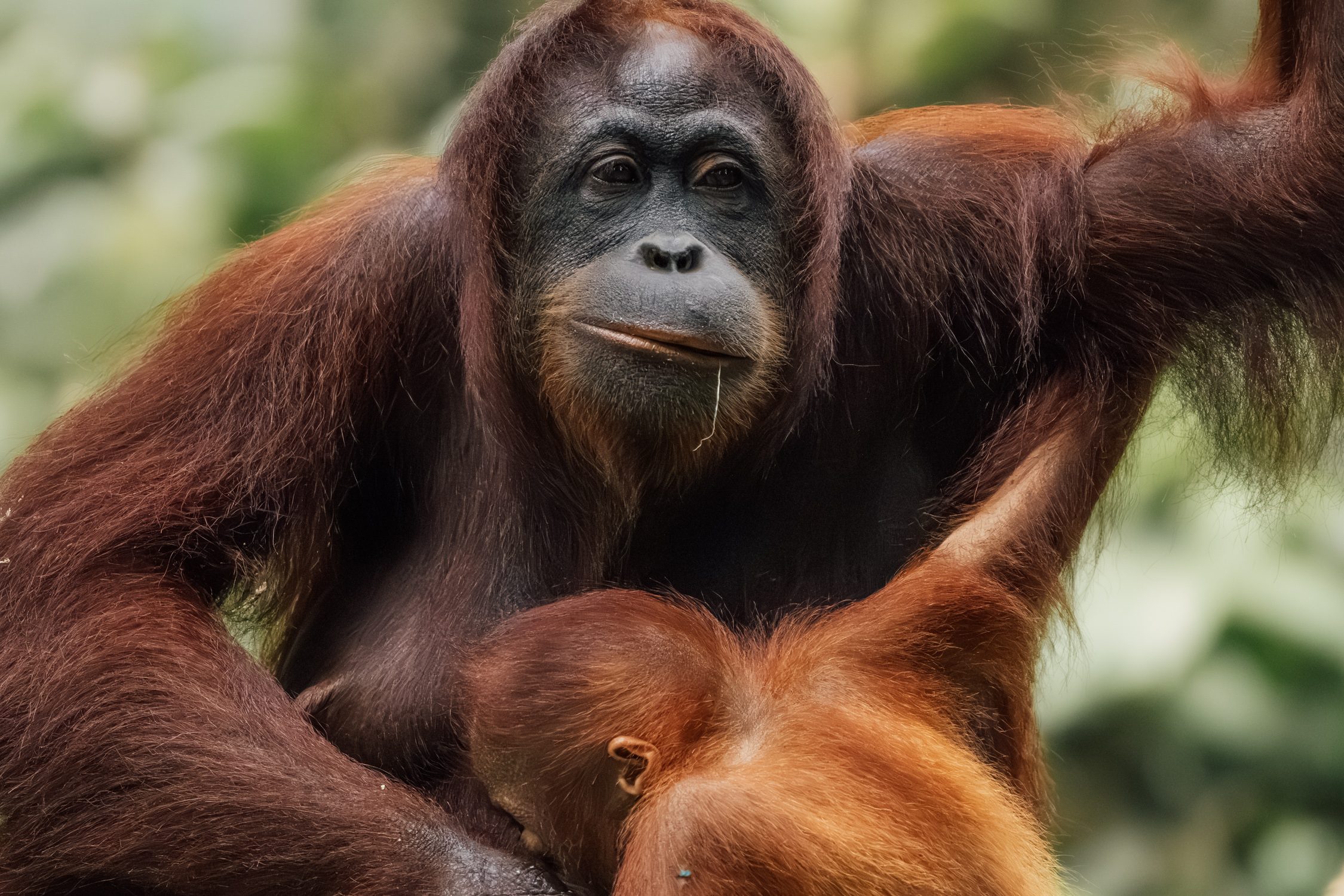
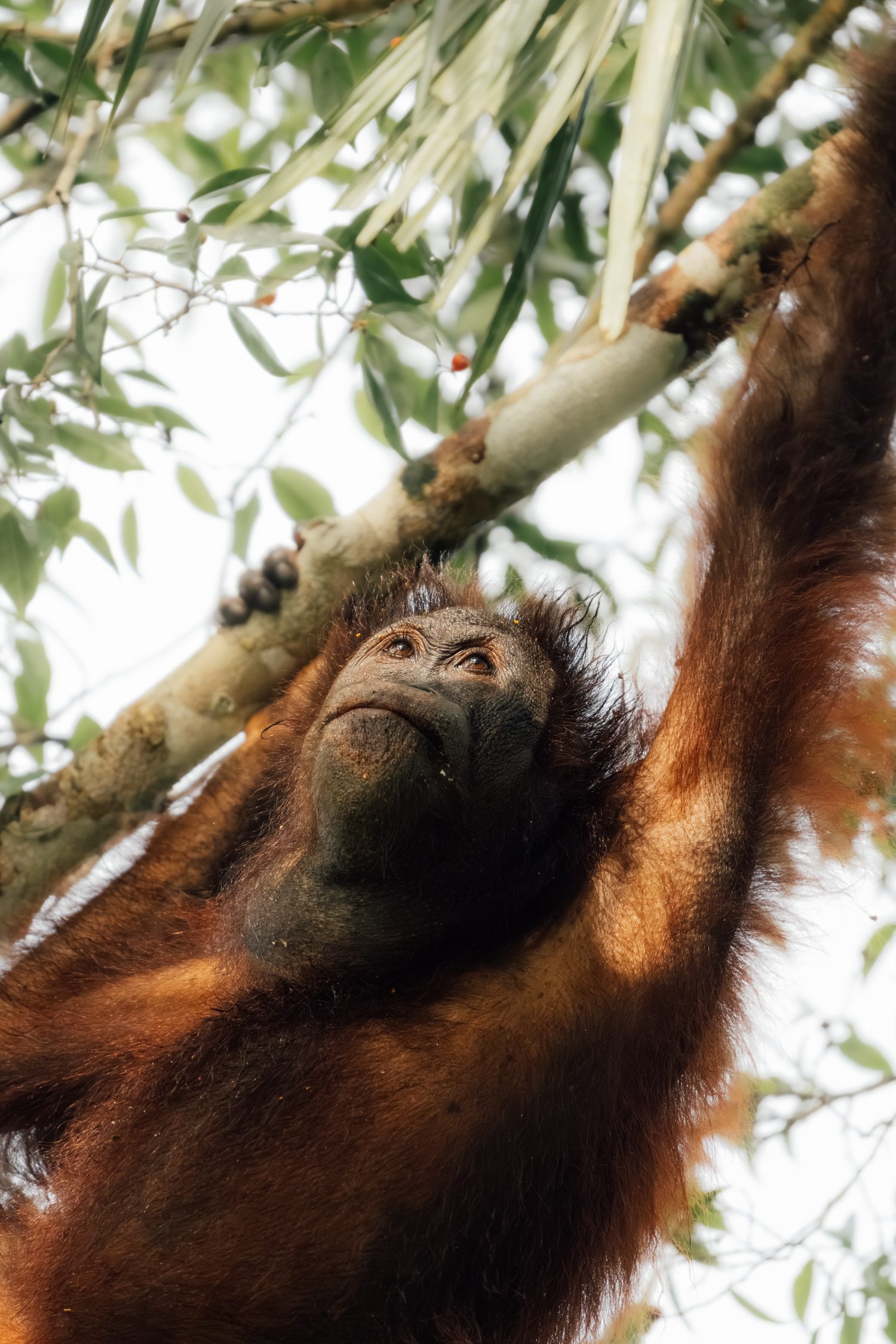
Seeing an orangutan in the wild for the first time is one of those travel moments that stays with you forever. We got lucky enough to have our first encounters straight at breakfast at our lodge on the first day. We could hardly believe it, when another guest told us there were two orangutans in the tree right next to the lodge restaurant. Luckily we had brought the camera to breakfast!
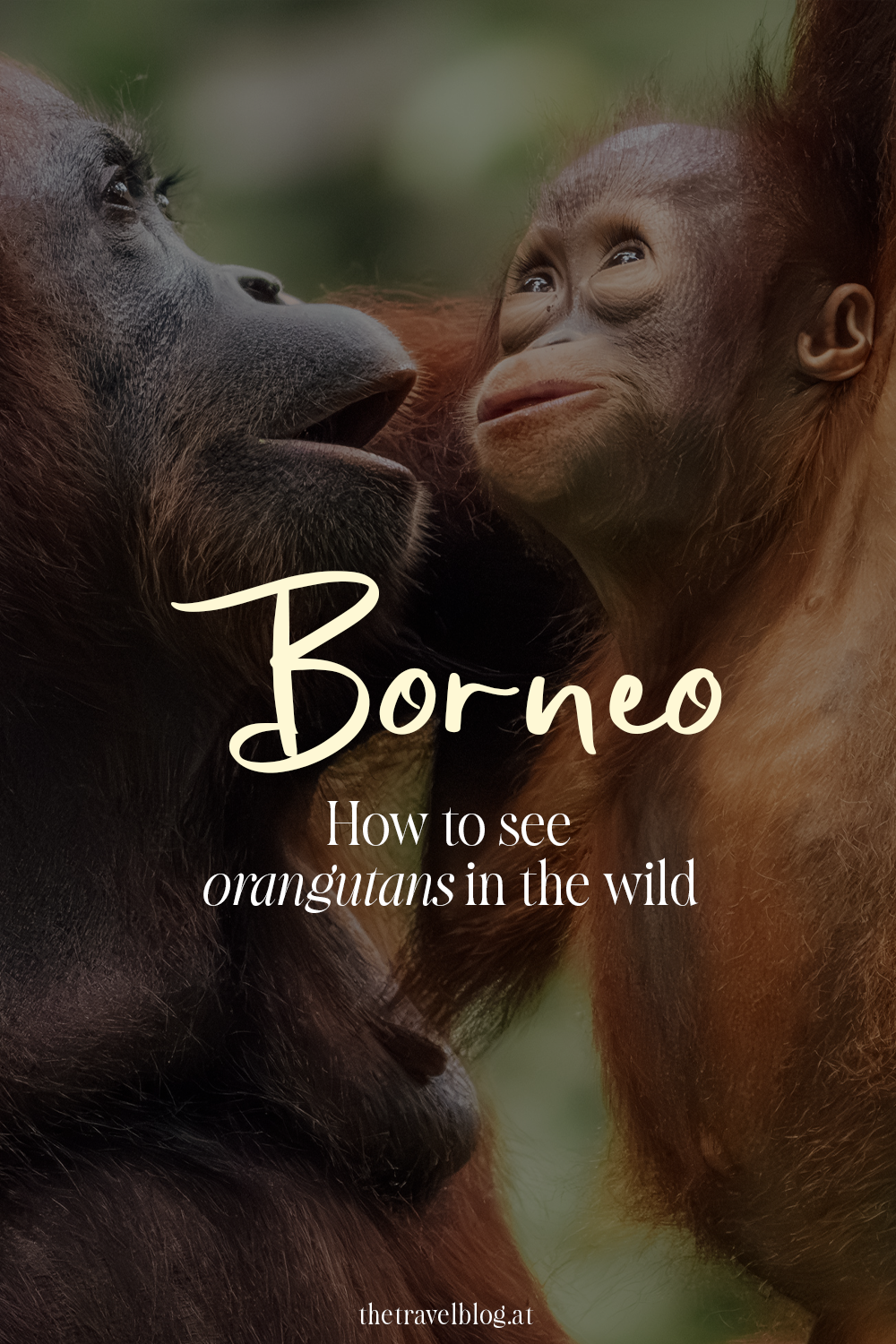
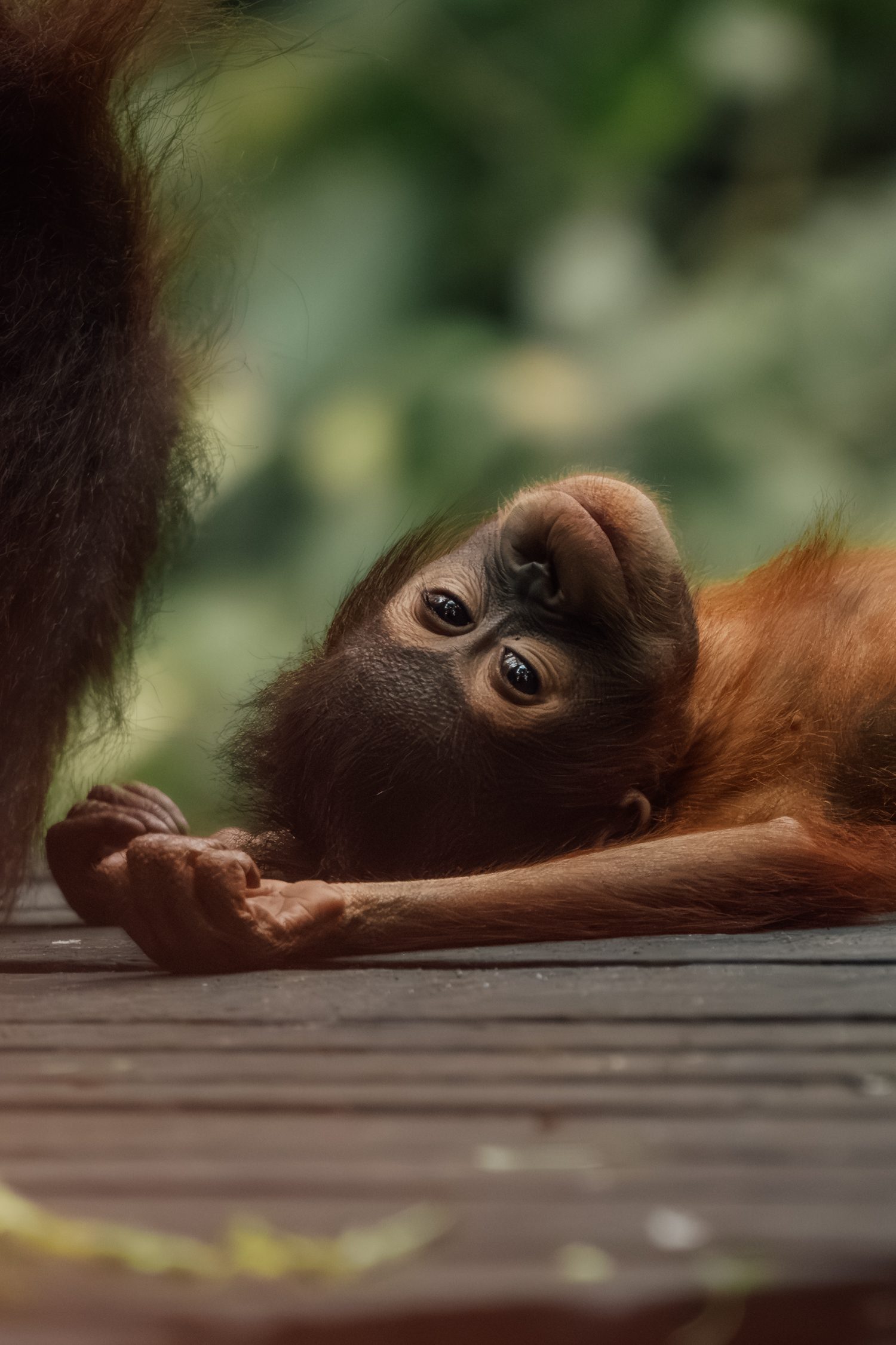
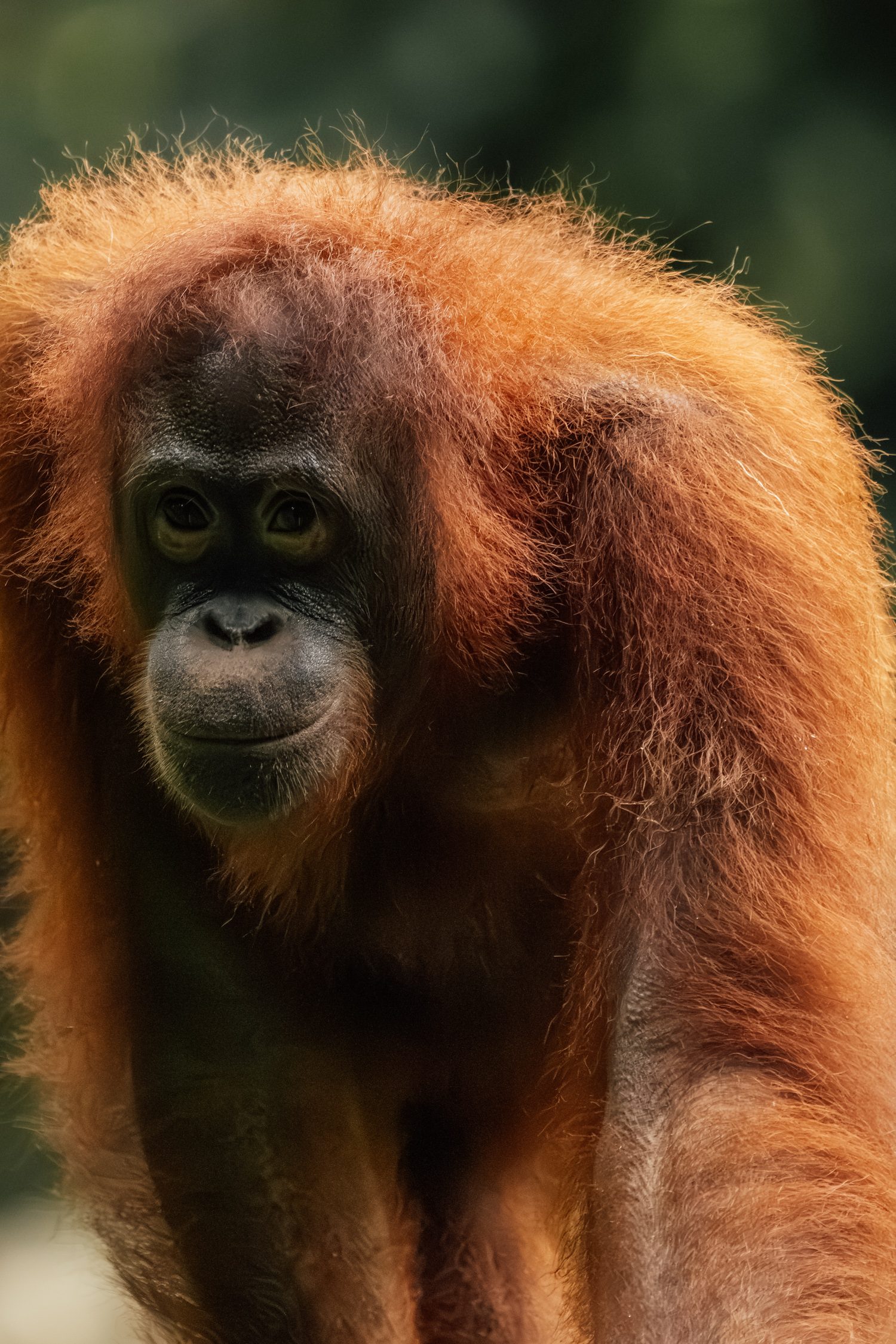
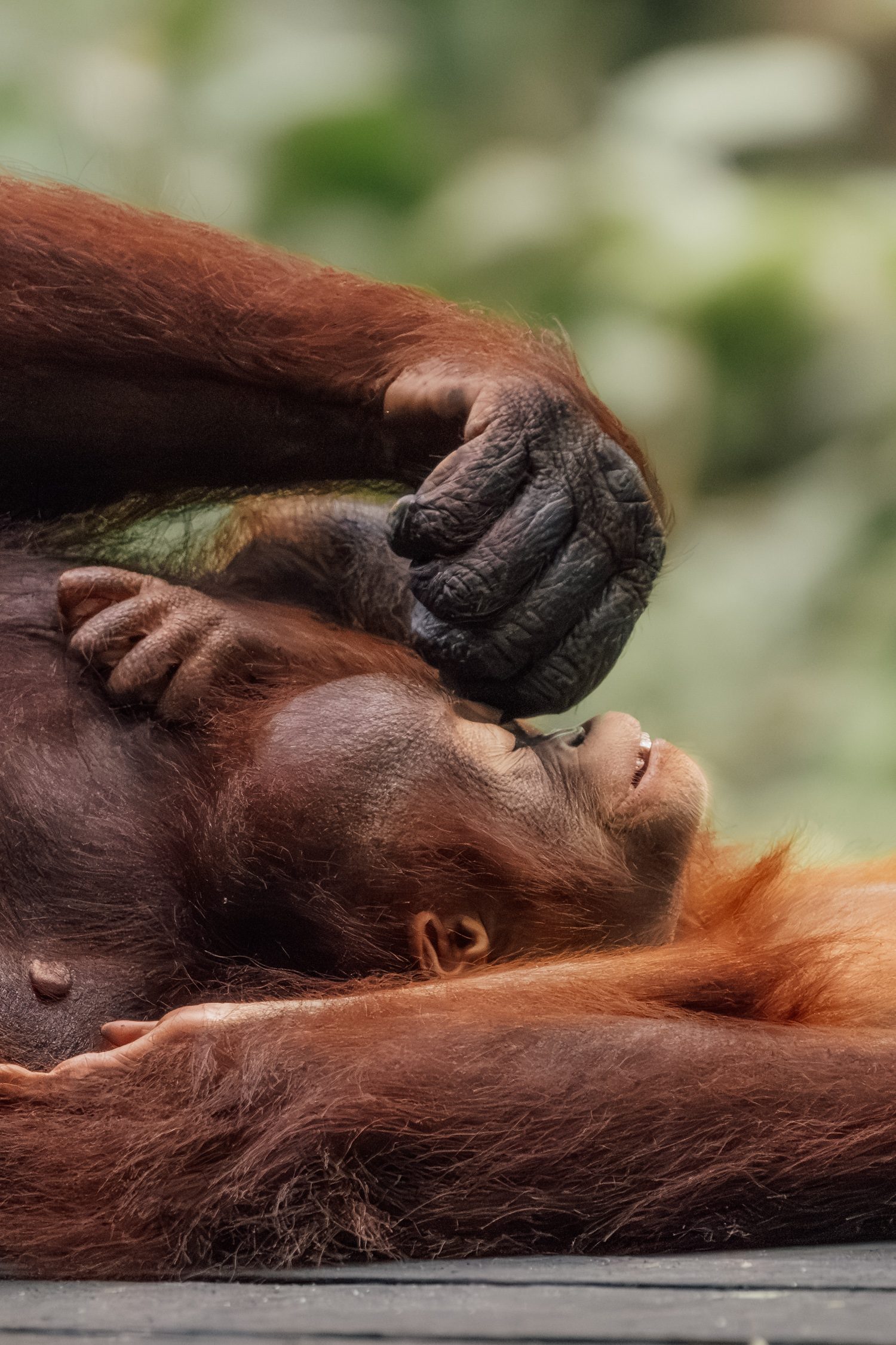
Their gentle, intelligent eyes, the way they move through the canopy, the quiet presence of a species that shares 97% of our DNA—it’s humbling, emotional, and unforgettable.
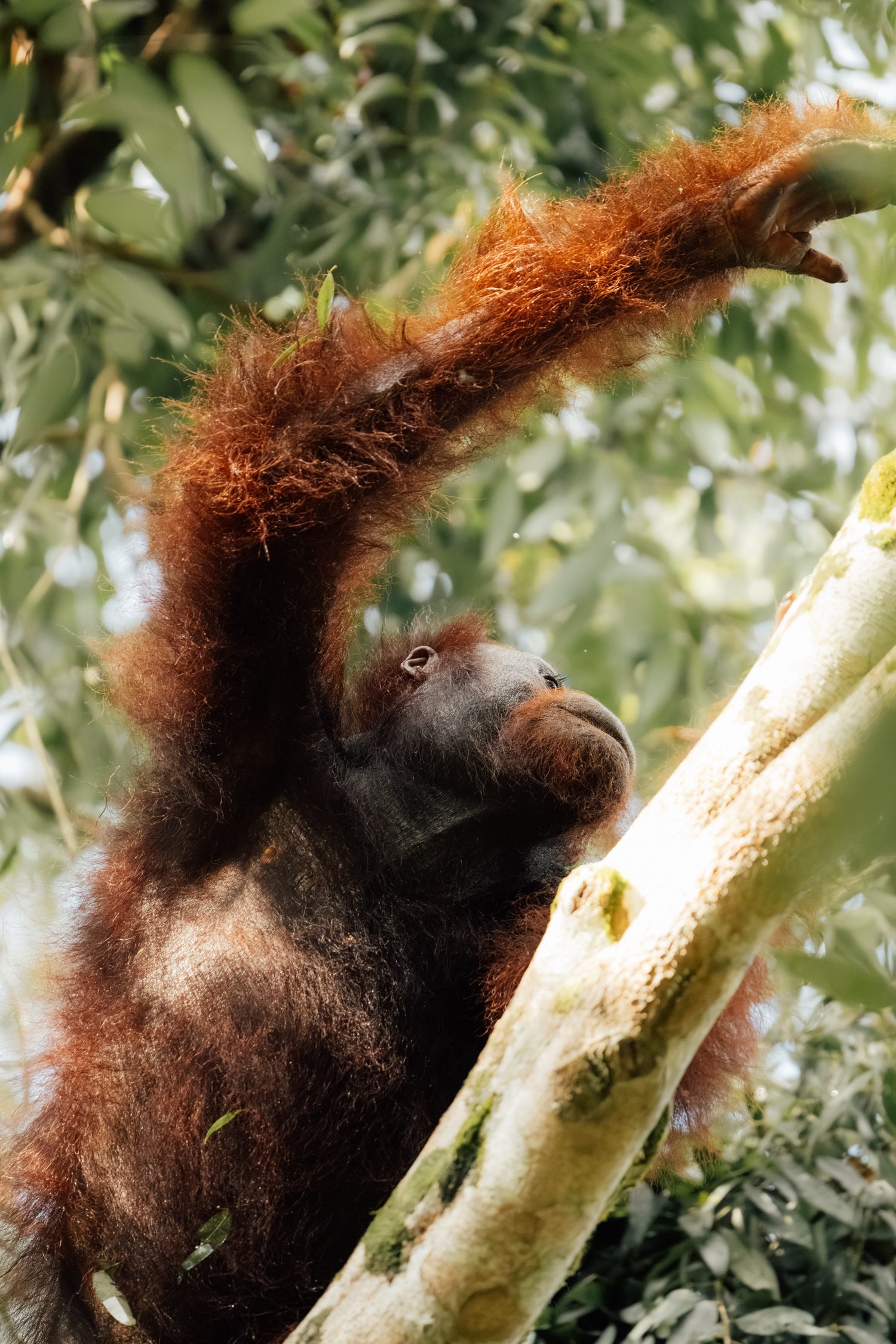
Orangutans build nests high in the canopy each night–and we were lucky enough that these two had built their nests in the fruiting tree within our lodge. Our first encounter was nothing short of magical. They watched us with a calm, ancient kind of intelligence and with eyes that are so incredibly human that they pierce right through you. When an orangutan appears—a flash of orange fur between leaves—you hold your breath and hardly believe this is real.
This is why you came all this way, and it’s one of the most moving encounters you can have!
How to see Orangutans responsibly
Participating in responsible wildlife activities with orangutans is essential because these great apes are critically endangered, and every visitor’s choice directly influences their future.
Ethical encounters—such as those offered by reputable centres like Sepilok or guided wild sightings along the Kinabatangan river—ensure that orangutans are observed at a respectful distance, never touched or stressed, and that conservation, not entertainment, is the priority.
Responsible tourism supports habitat protection, rescue and rehabilitation programs, anti-poaching efforts, and local communities whose livelihoods depend on safeguarding the forest. It means your visit doesn’t just give you an unforgettable moment — it helps ensure orangutans can continue living wild and free for generations to come.
Sabah gives you several ways to see orangutans responsibly.
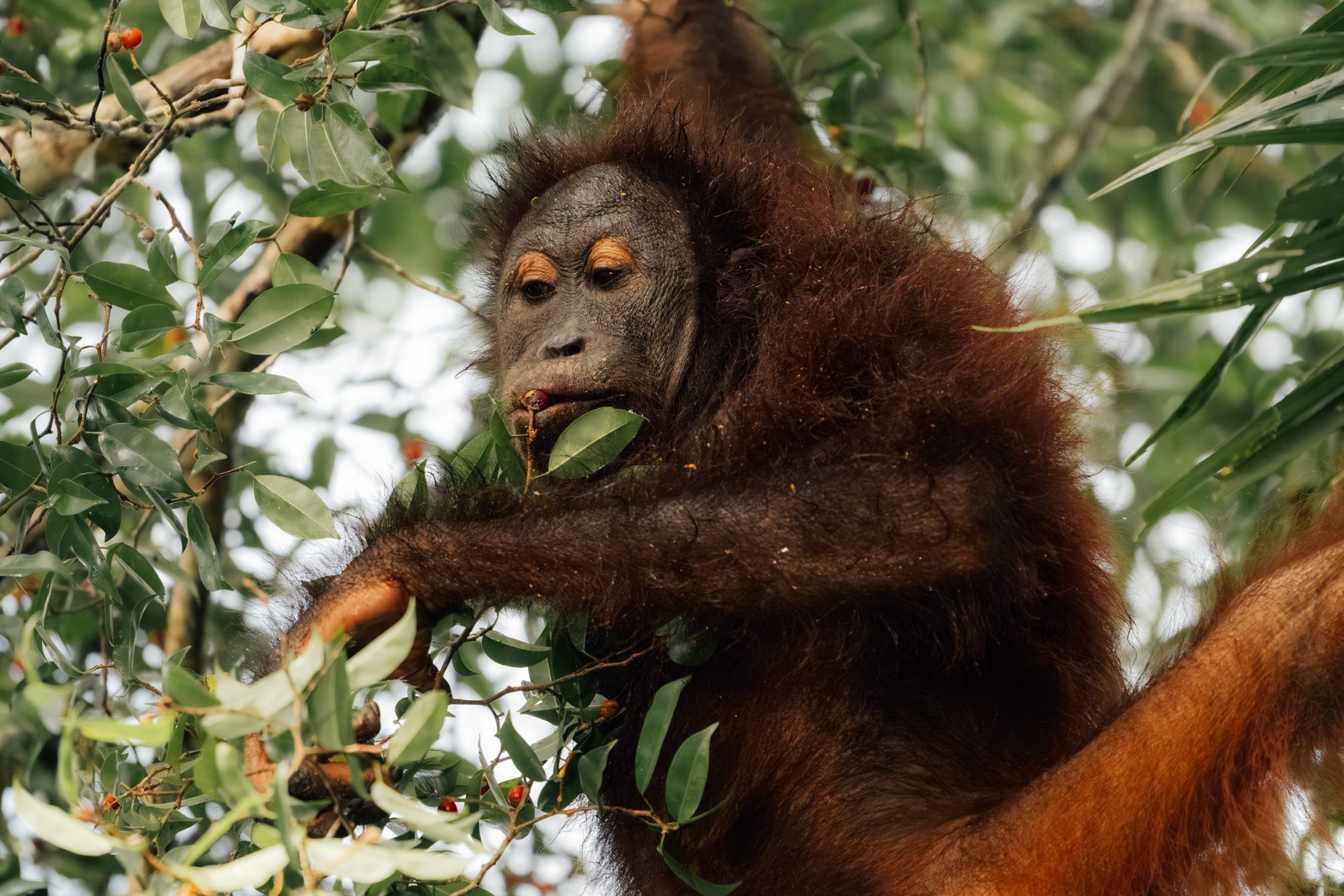
Sepilok Orangutan Rehabilitation Centre
The reason that we saw orangutans at our lodge is that Sepilok Nature Lodge is located right next to the famous Sepilok Orangutan Rehabilitation centre and orangutans often traverse the rainforests around.
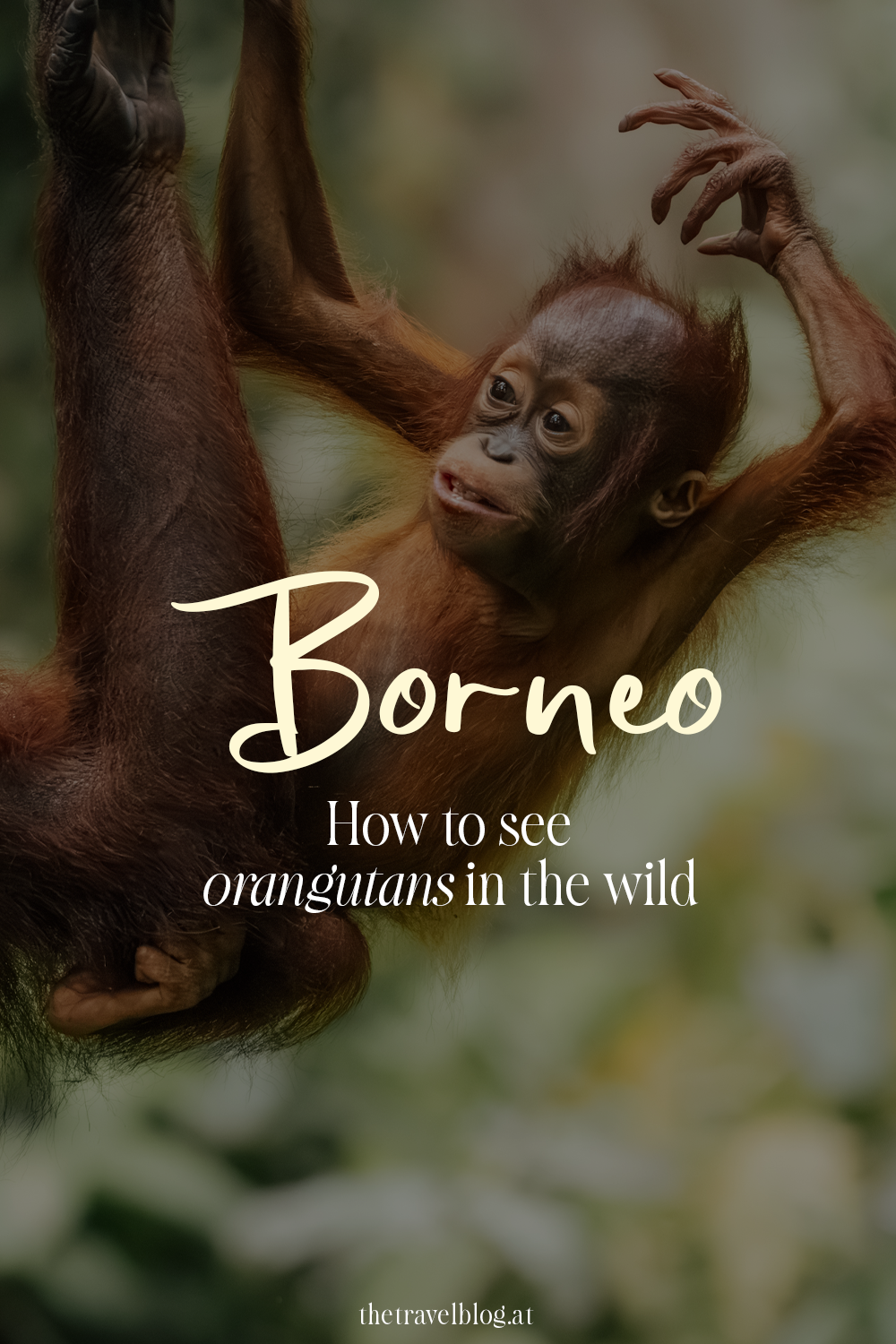
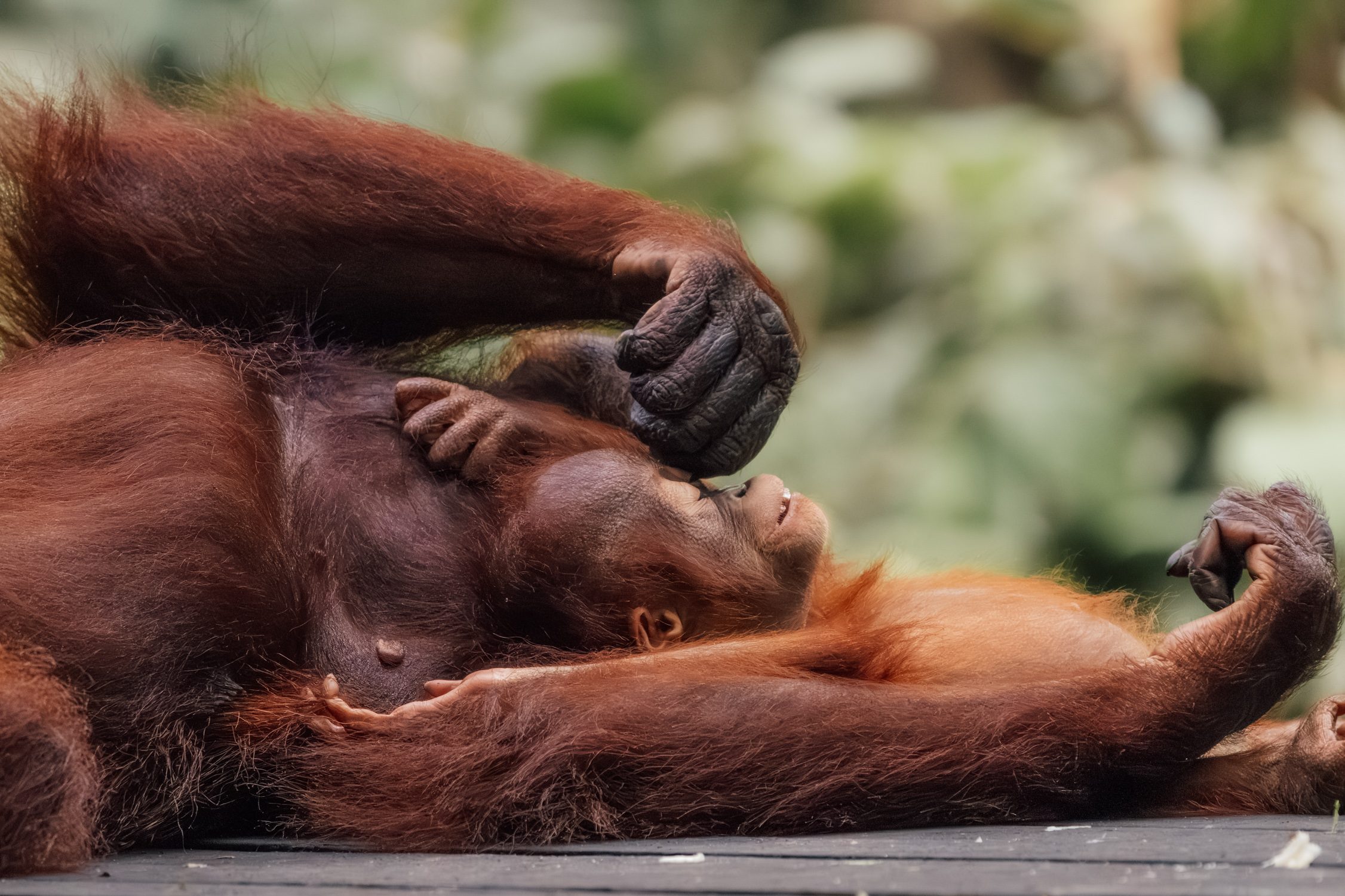
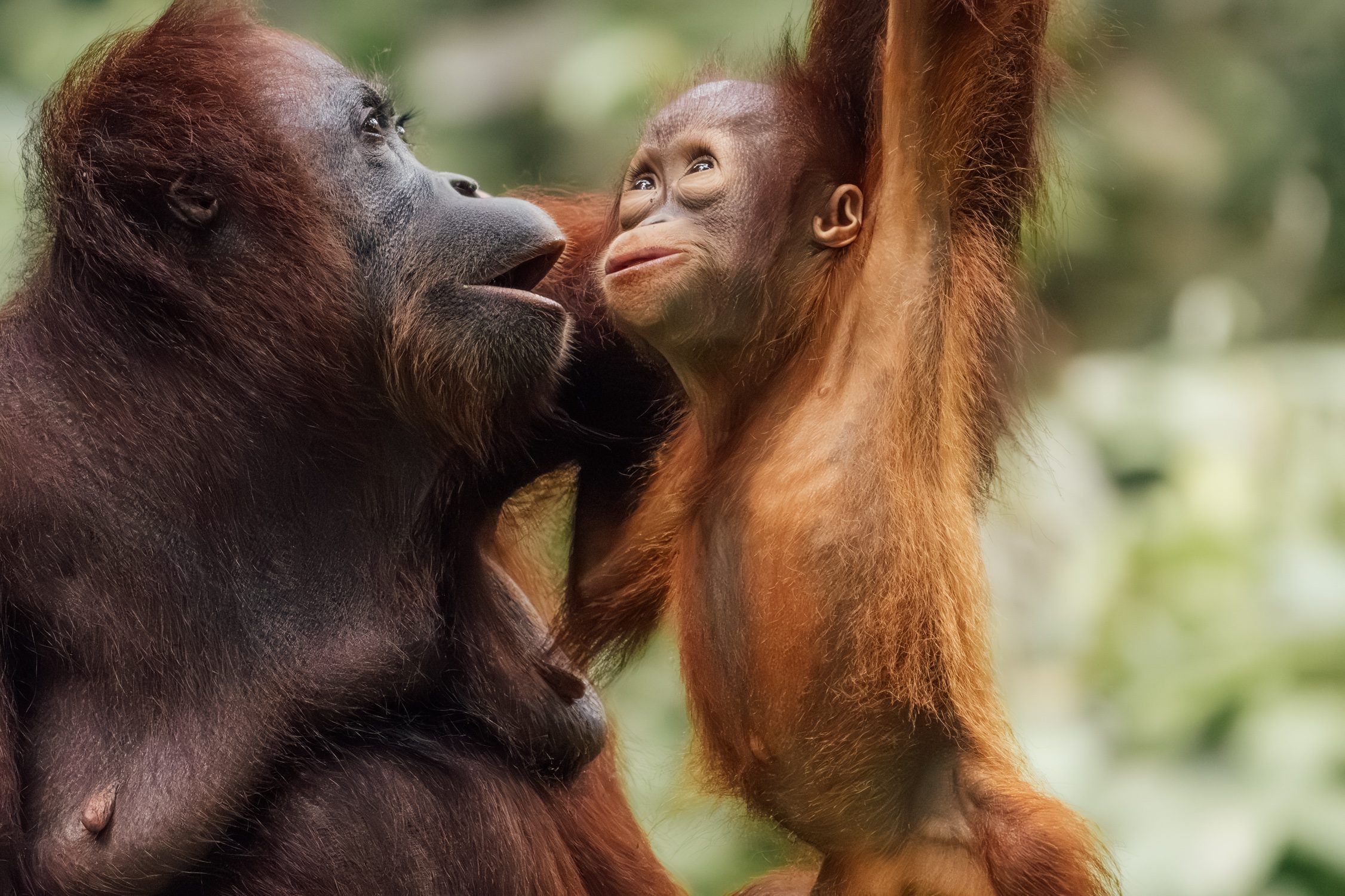
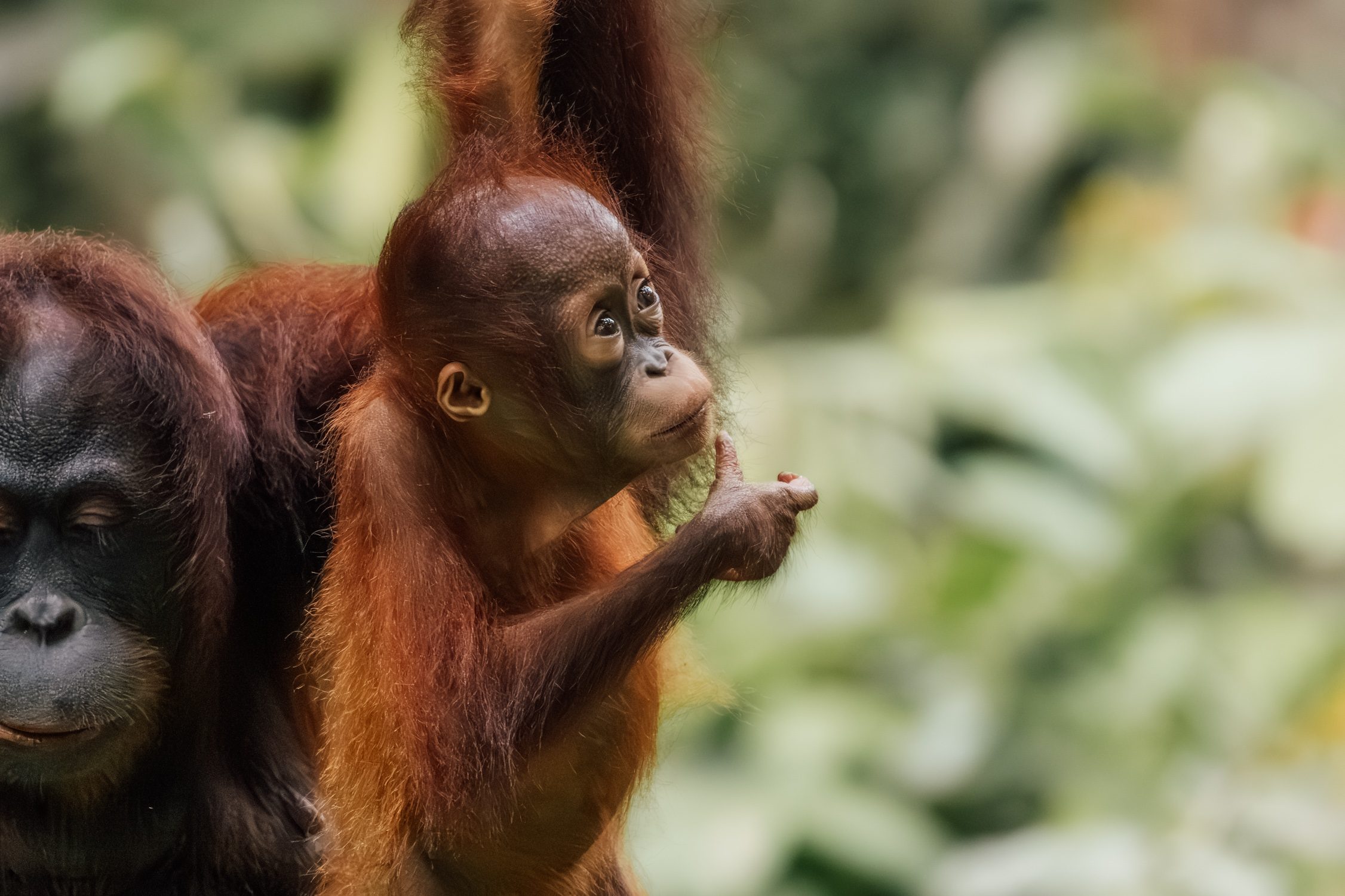
Sepilok Orangutan Rehabilitation Centre is a deeply inspiring sanctuary where orphaned, injured or displaced orangutans are rehabilitated for release. You may see youngsters learning to climb, mothers with babies, or other vulnerable individuals surveying the world from the trees.
It’s one of the world’s leading conservation success stories—and one of the easiest places on Earth to watch orangutans up close without disturbing them. It’s important to know that not all the orangutans can be released (some come from the illegal pet trade and have been habituated to humans too much, others cannot fend for themselves in the wild anymore), but the ethical guidelines are very strong here–there’s no interaction, no touching or petting, no selfies, etc.
Our tips for a visit: We recommend to plan your visit during the feeding times (10am and 3pm), and to come at least 30 minutes early. You will not be alone here, so it can get crowded, but it is still the best time to see the orangutans who know the feeding hours. For photography enthusiasts we would suggest you skip the first viewing platform which is behind thick walls of glass and head straight to the second viewing platform to secure the best spots here. Even if you’re standing in the first row you’ll be quite a distance away from the orangutans, so bring your long tele zoom lenses for your camera. The SORC charges a camera fee which is affordable for regular lenses (about 2 Euros), but supposedly they charge a hefty fee for long tele zoom lenses (over 200 Euros). I brought my 180-600mm lens and only paid 2 Euros (10 Malaysian Ringgit), but it’s worth knowing that they might charge more for longer prime lenses.
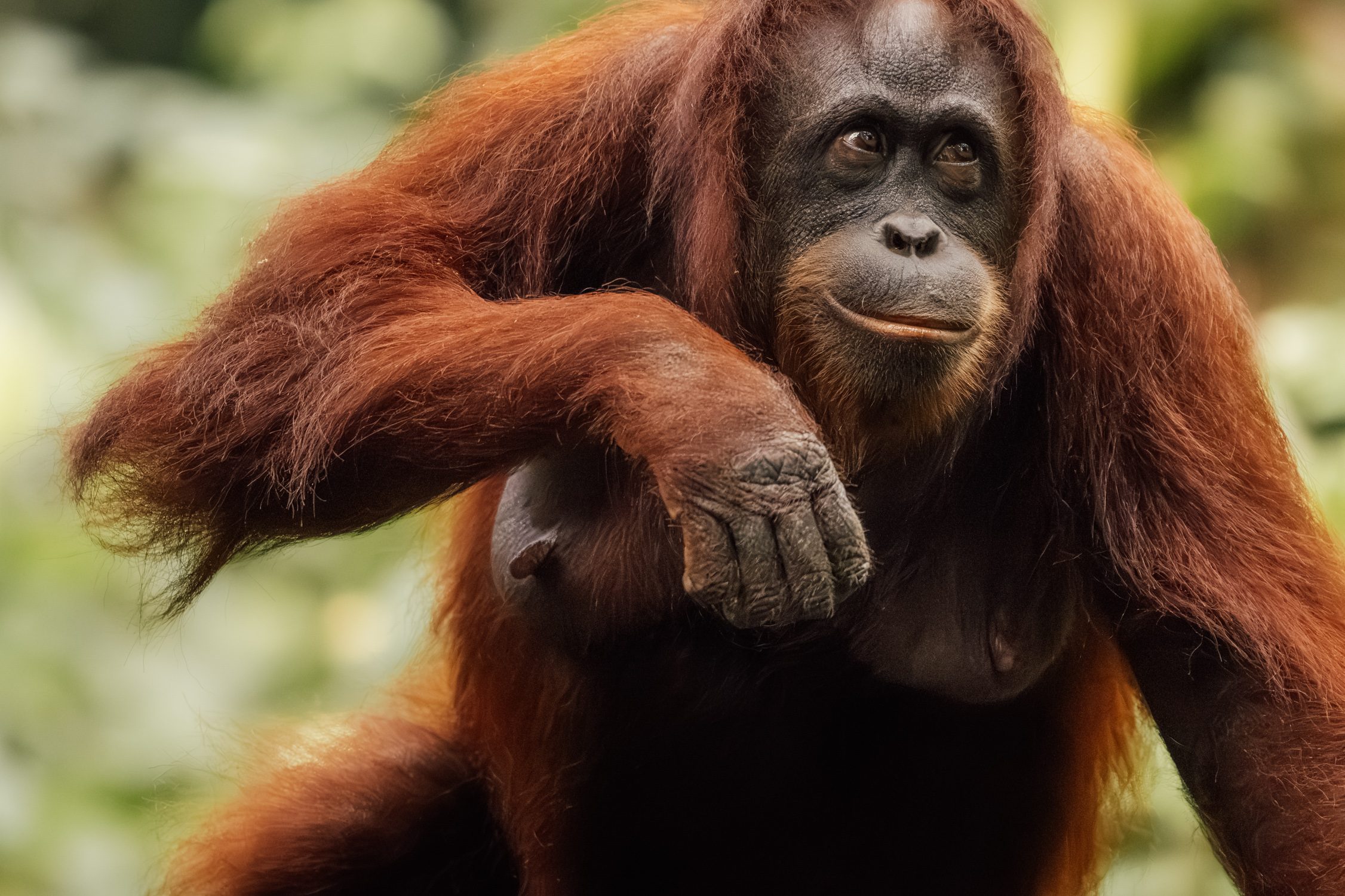
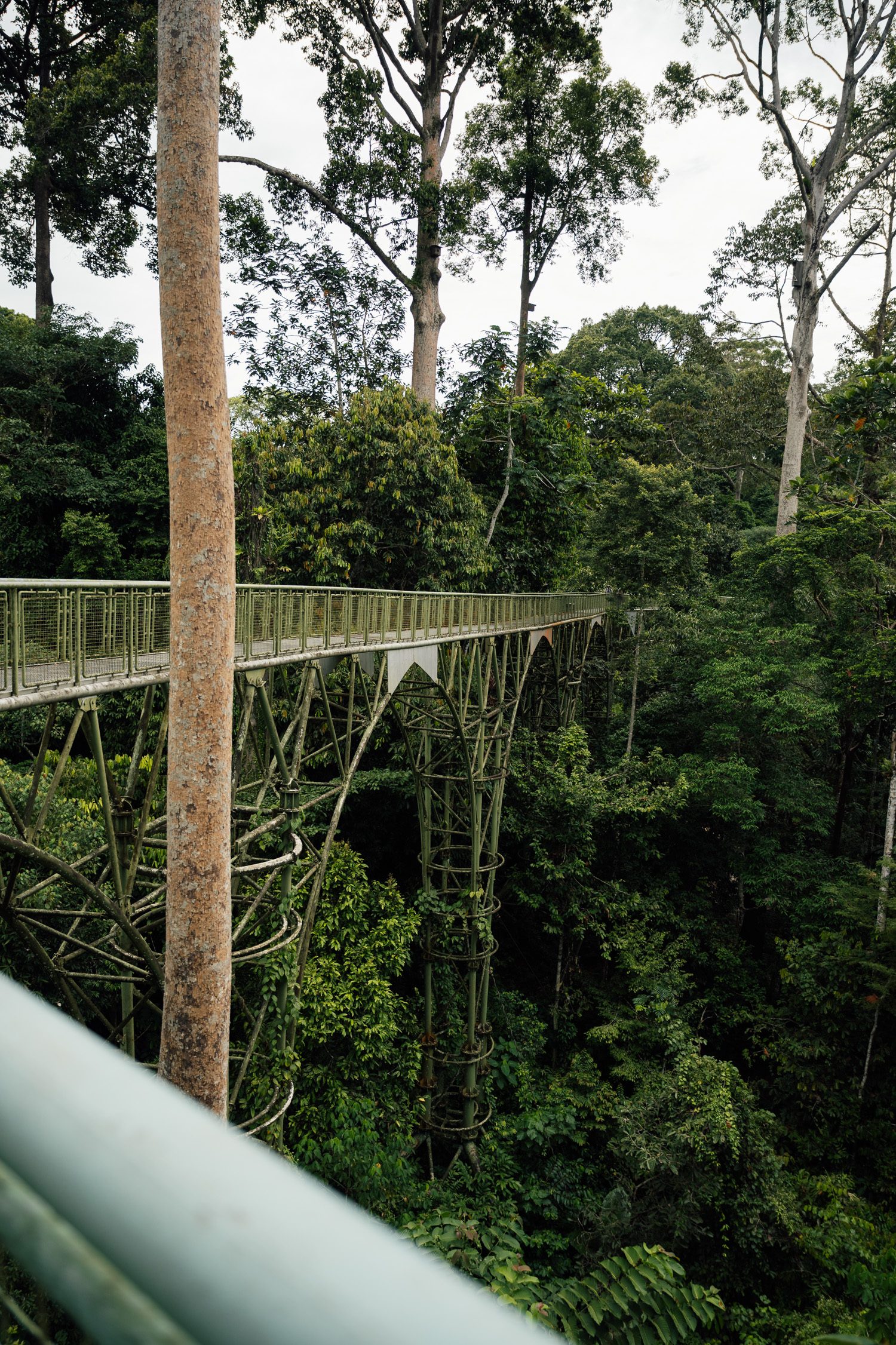
Rainforest Discovery Centre
Just 5 minutes away from Sepilok Nature Lodge lies Rainforest Discovery Centre, which we would also highly recommend for a visit. Here there’s no feeding of orangutans, but instead you can walk on elevated boardwalks and climb watchtowers to be at eye level with wildlife high in the canopy.
We were lucky enough to spot an orangutan mother with a very young baby building their nest one evening and decided to return the next morning before sunrise to see them again. We witnessed when they woke up and made their way through the canopy—all in the stillness of the morning with just a few other wildlife photographers around. Unfortunately they were very far away, so the photos don’t live up to the experience, but seeing them undisturbed in the wild was absolutely mesmerising.
While Sepilok Orangutan Rehabilitation Centre will give you the best opportunity to see the orangutans relatively close, at Rainforest Discovery Centre you can enjoy their presence with much less visitors around (especially if you come at 6am like we did on that second morning) and therefore much more quiet and calm.
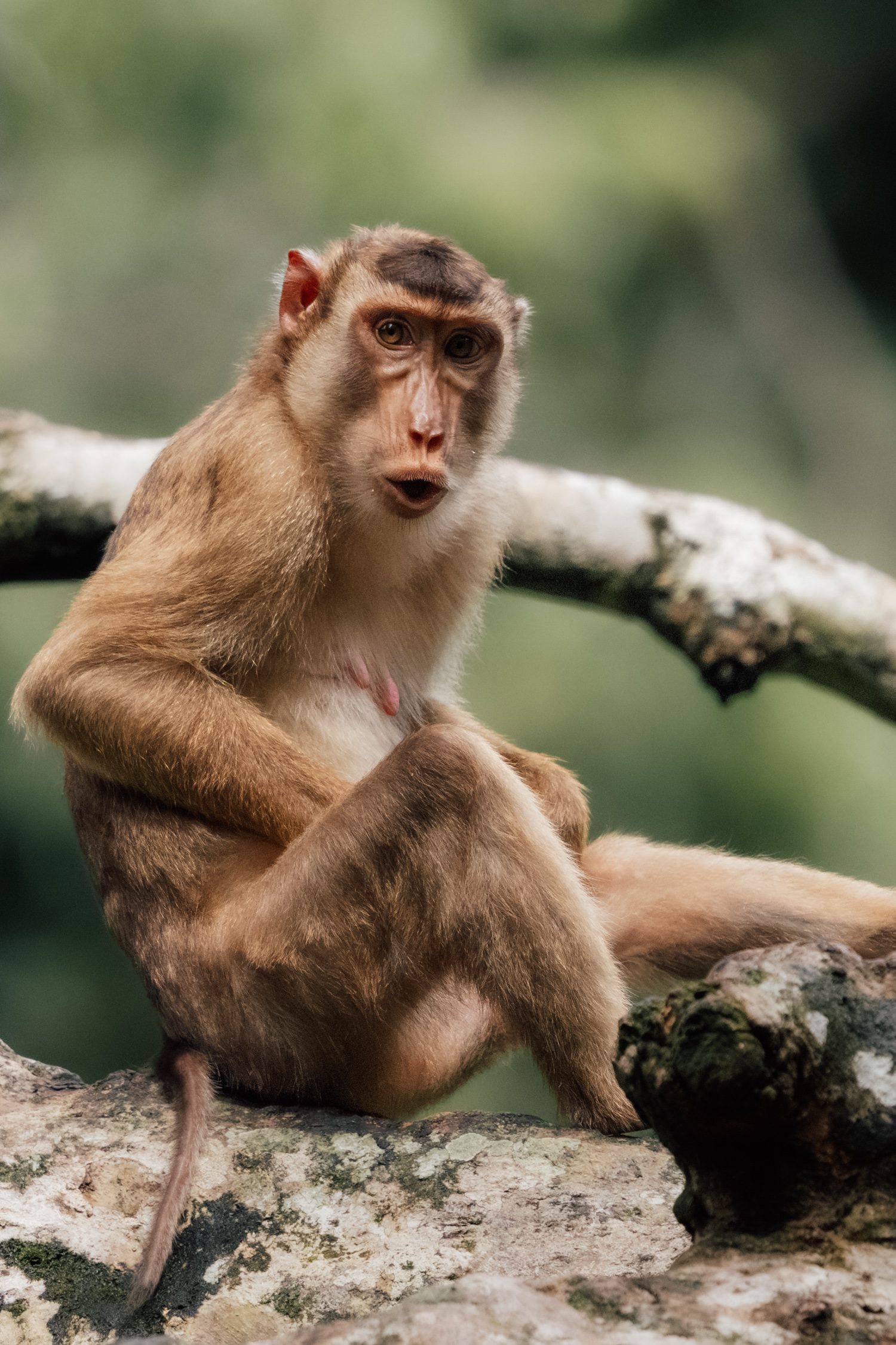
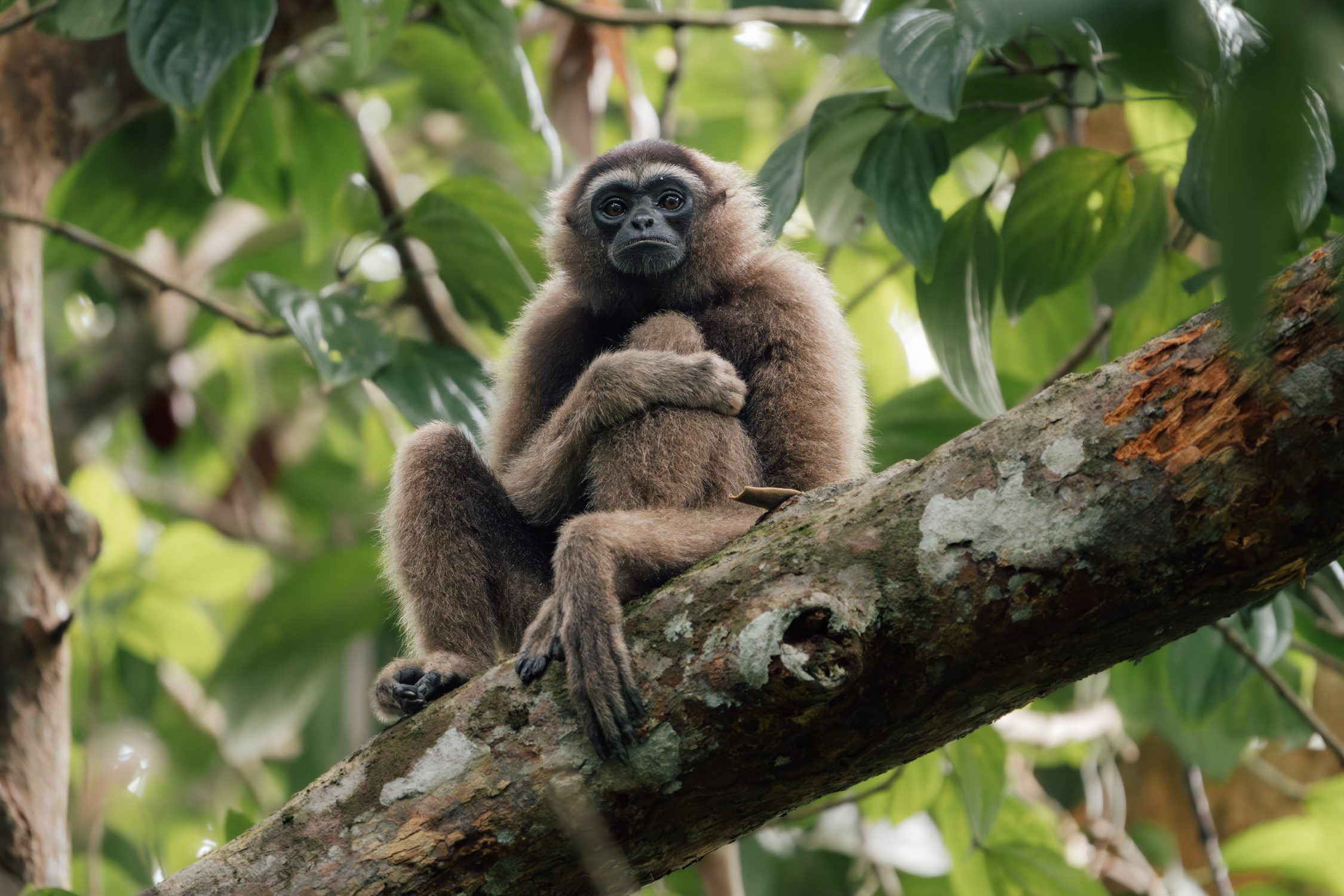
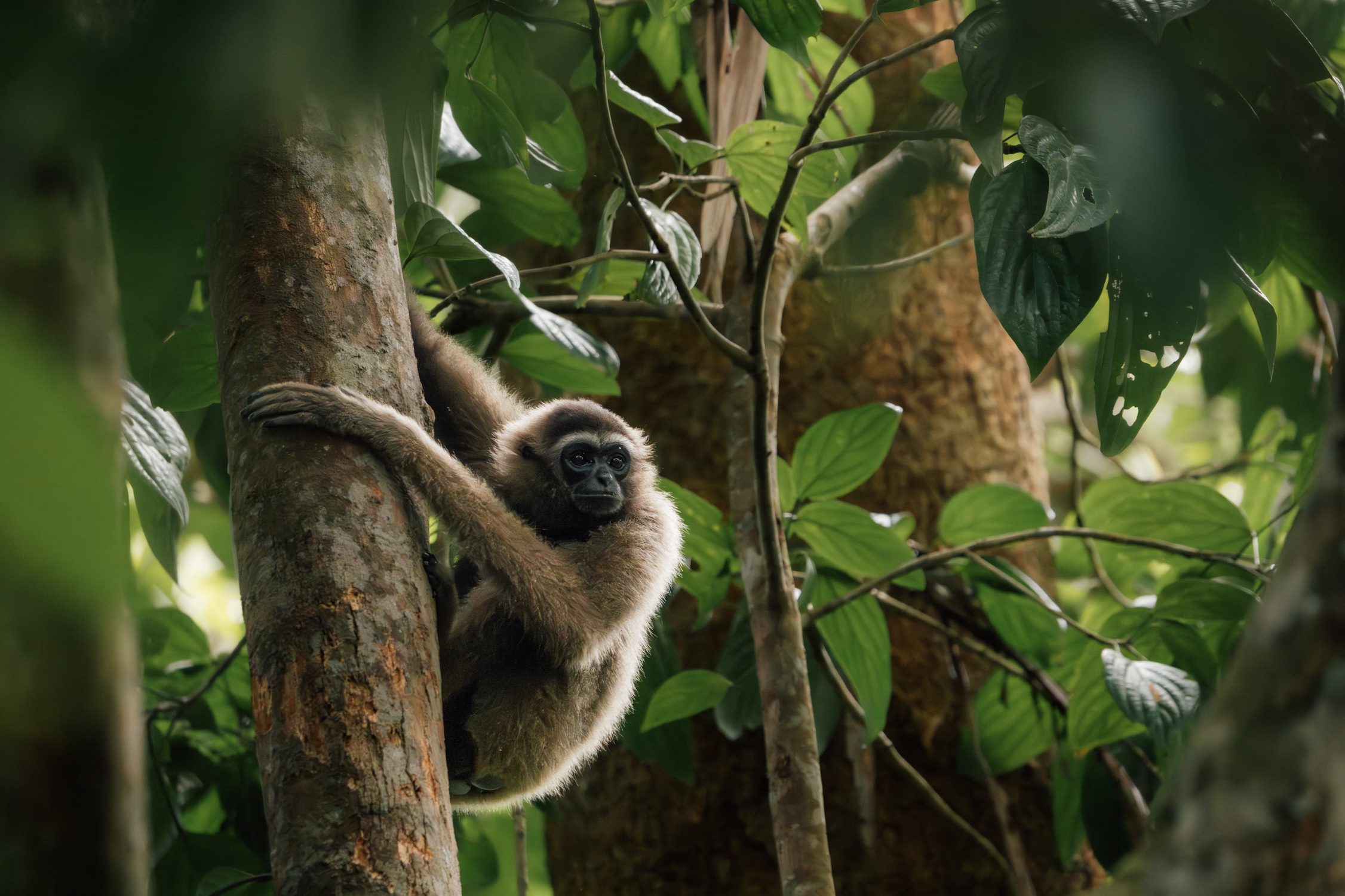
We also saw pig-tailed macaques and Bornean gibbons here, as well as giant red flying squirrels and loads of different birds and raptors.
Our tips for a visit: We would recommend to book a guided tour for the start so you’ll have a first orientation. Without our guide we wouldn’t have seen so much. He knew exactly where the holes are in which the flying squirrels sleep and at what time they’ll come out as well as the bird’s favourite bathing and breeding spots. The second morning we went on our own as we got the tip that you can enter the RDC before the official opening hours. There’s a night guard on duty that will let you in at 6am already, 2 hours ahead of the 8am official opening hour. The guard takes a photo of you to make sure you’re identified and then you pay the entrance fee when you leave. We loved being there completely alone in the morning–the only thing to know is that there might be stray dogs that also use the morning hours on the boardwalks. We had a bit of an uncomfortable encounter with a group of stray dogs that seemed a bit aggressive and we had to pass them at some point, but nothing happened. About an hour into our visit another group of bird watchers arrived that were on the lookout for some special species that can only be found in this part of Borneo. Their guide helped us identify some of the birds we saw around, which was helpful. So if you feel uncomfortable walking by yourself or want professional guidance it might be helpful to book guided trips for each visit!
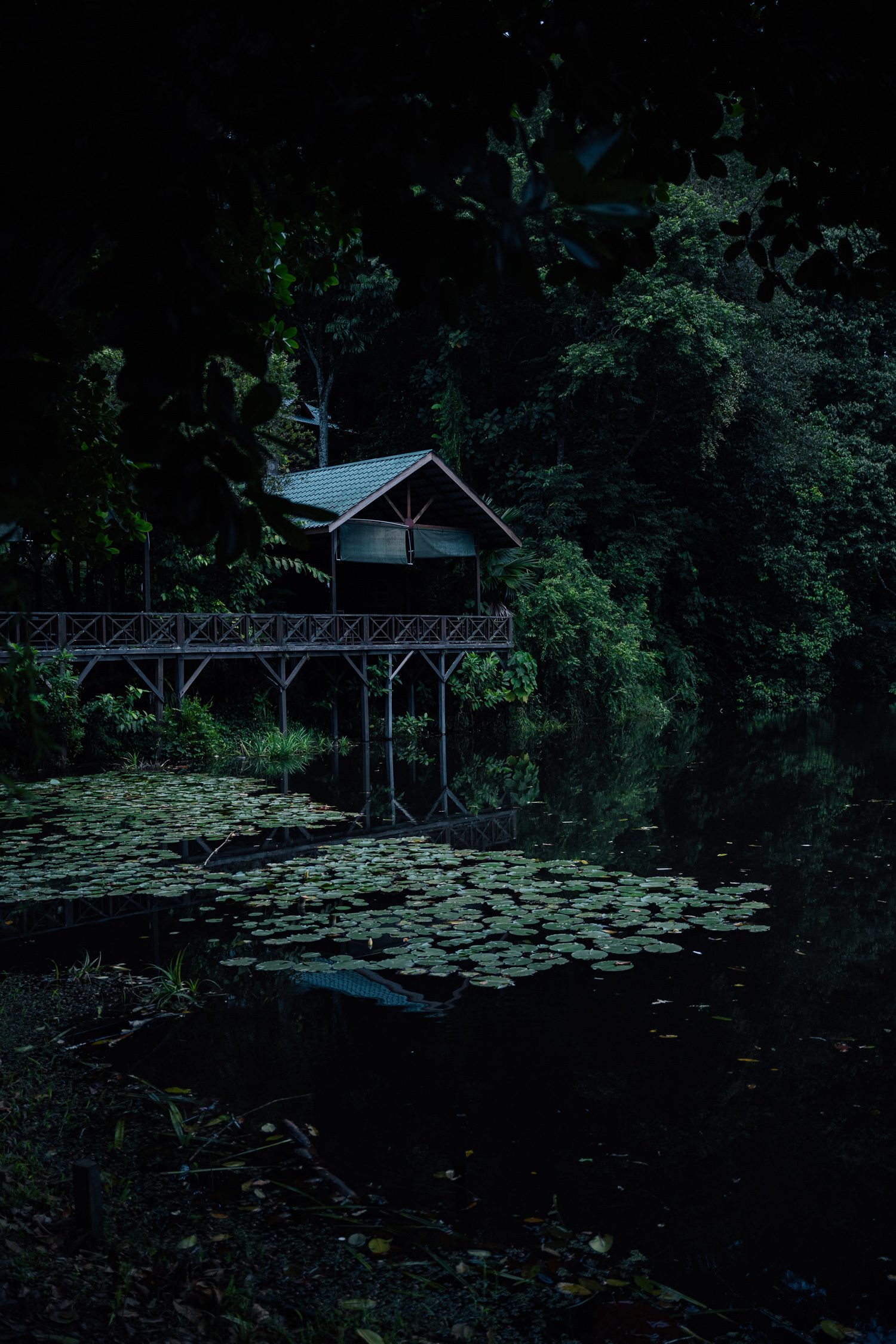
Kinabatangan River
If Sepilok was the introduction, then the Kinabatangan River is the next step when it comes to a Bornean wildlife immersion.
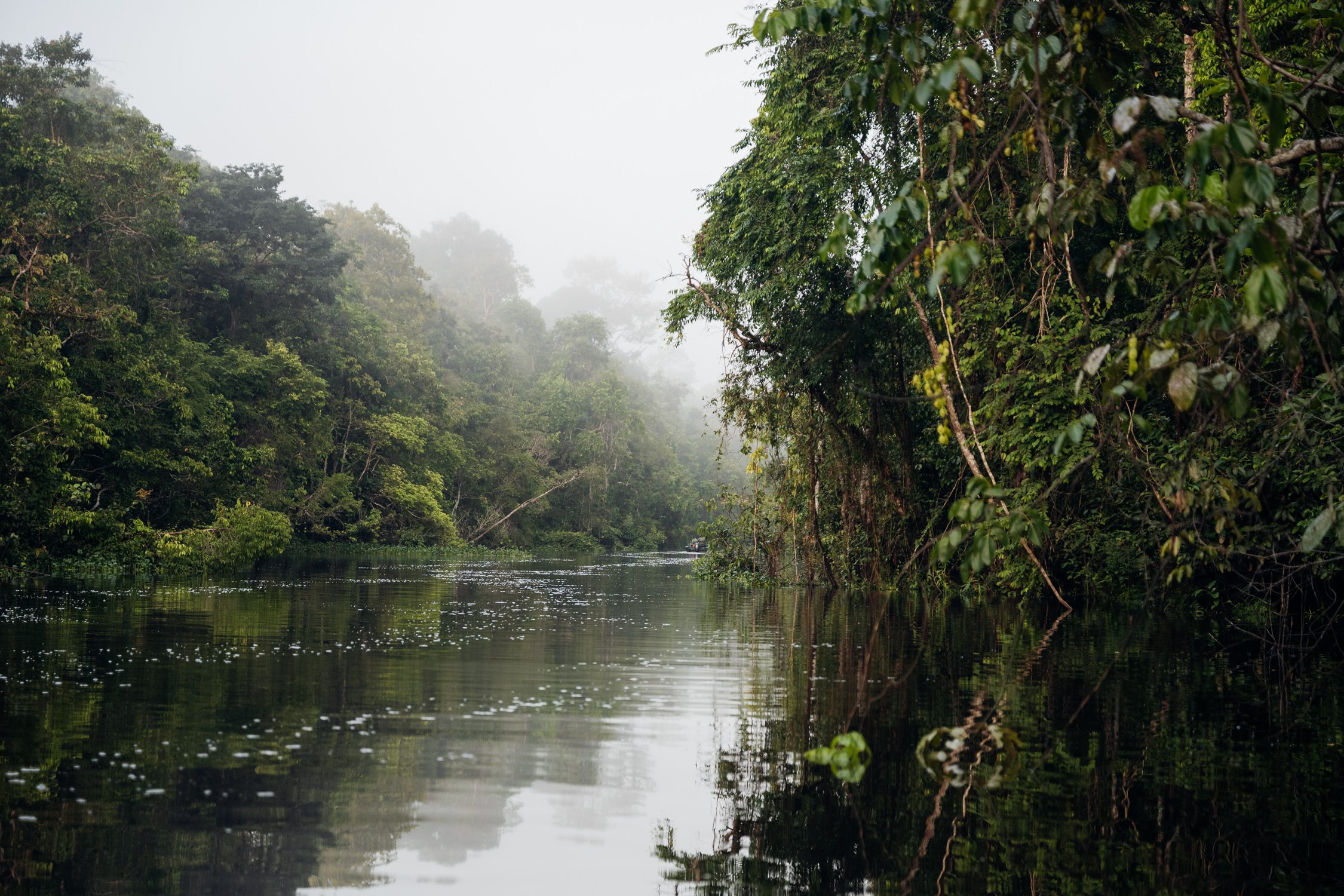
After our 2 nights in Sepilok we took a boat transfer from Sandakan to Sukau, which took us through stunning mangroves and along riverbanks teaming with wildlife. This feels much more remote than Sepilok, but it’s not completely wild. There’s quite a number of lodges along the river, so you’ll usually share wildlife sightings with other boats and you can also see that the palm oil plantations are creeping up to the river at certain areas.
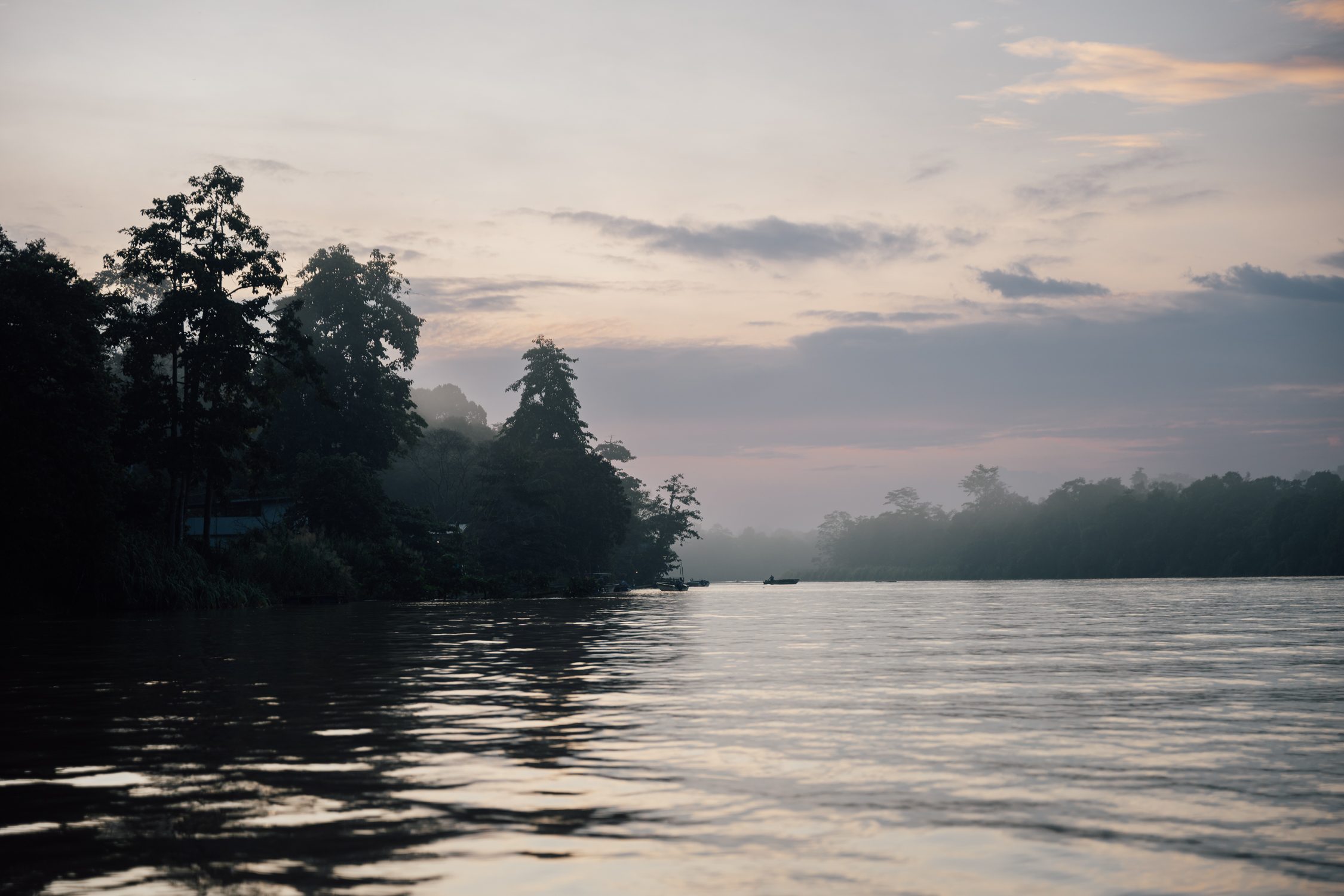
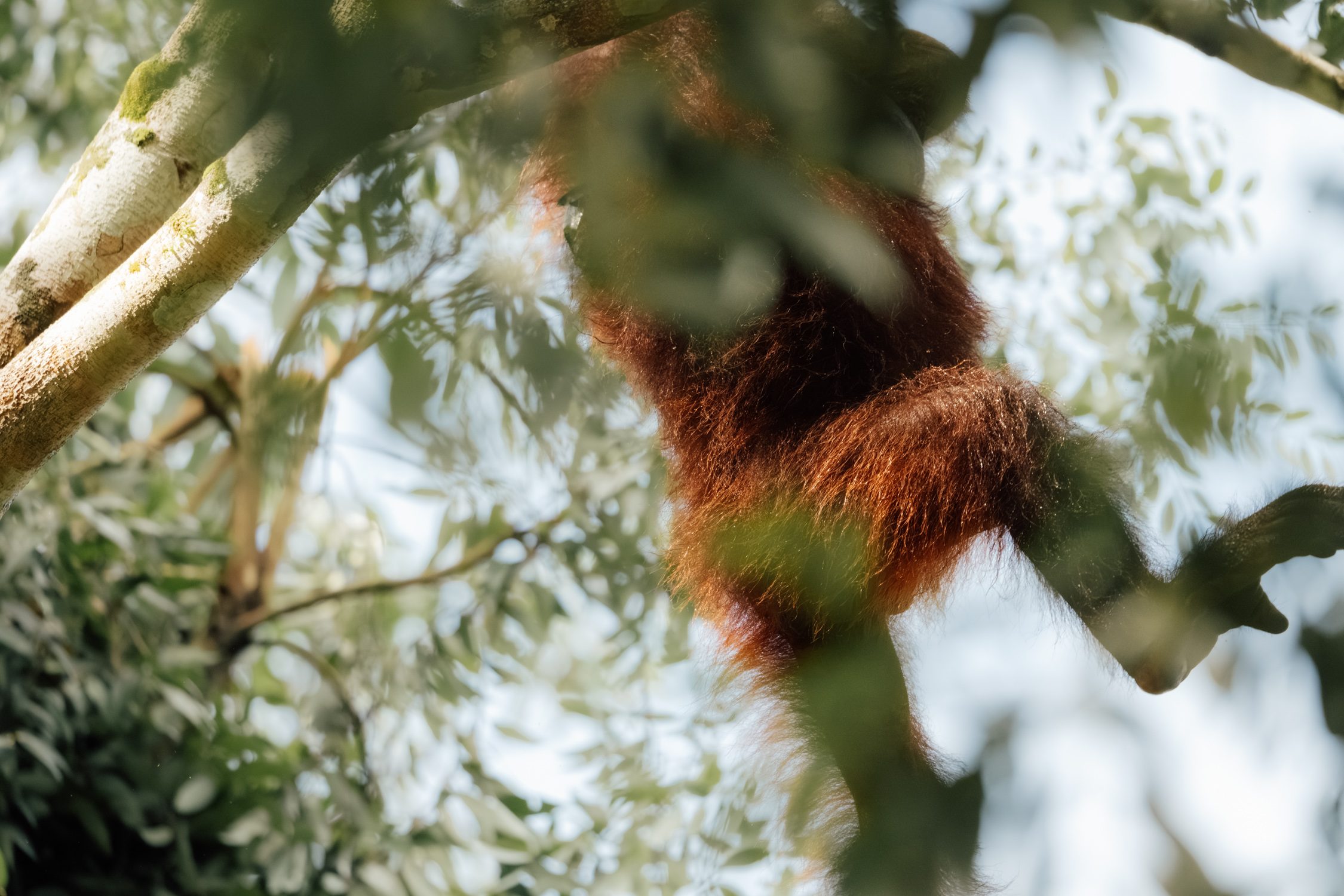
Early morning and sunset boat cruises are the main experiences while staying here. You drift along forested riverbanks where orangutans nest high above the water. The sightings can be rare though, because the surrounding rainforest is disappearing silently. We only had one glimpse of a male orangutan in the distance here, but the river cruises provide ample opportunity for other wildlife sightings and we absolutely loved our time here.
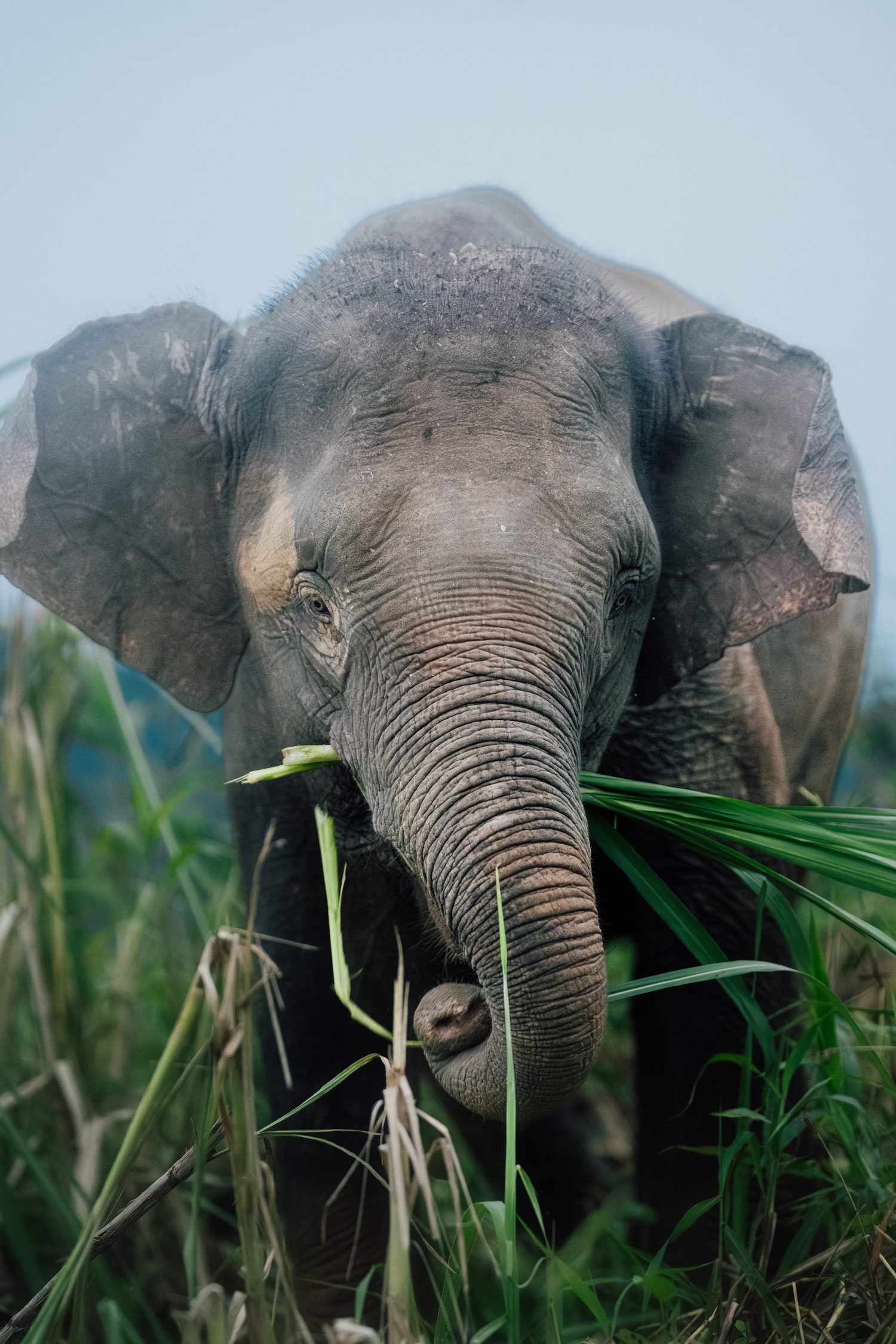
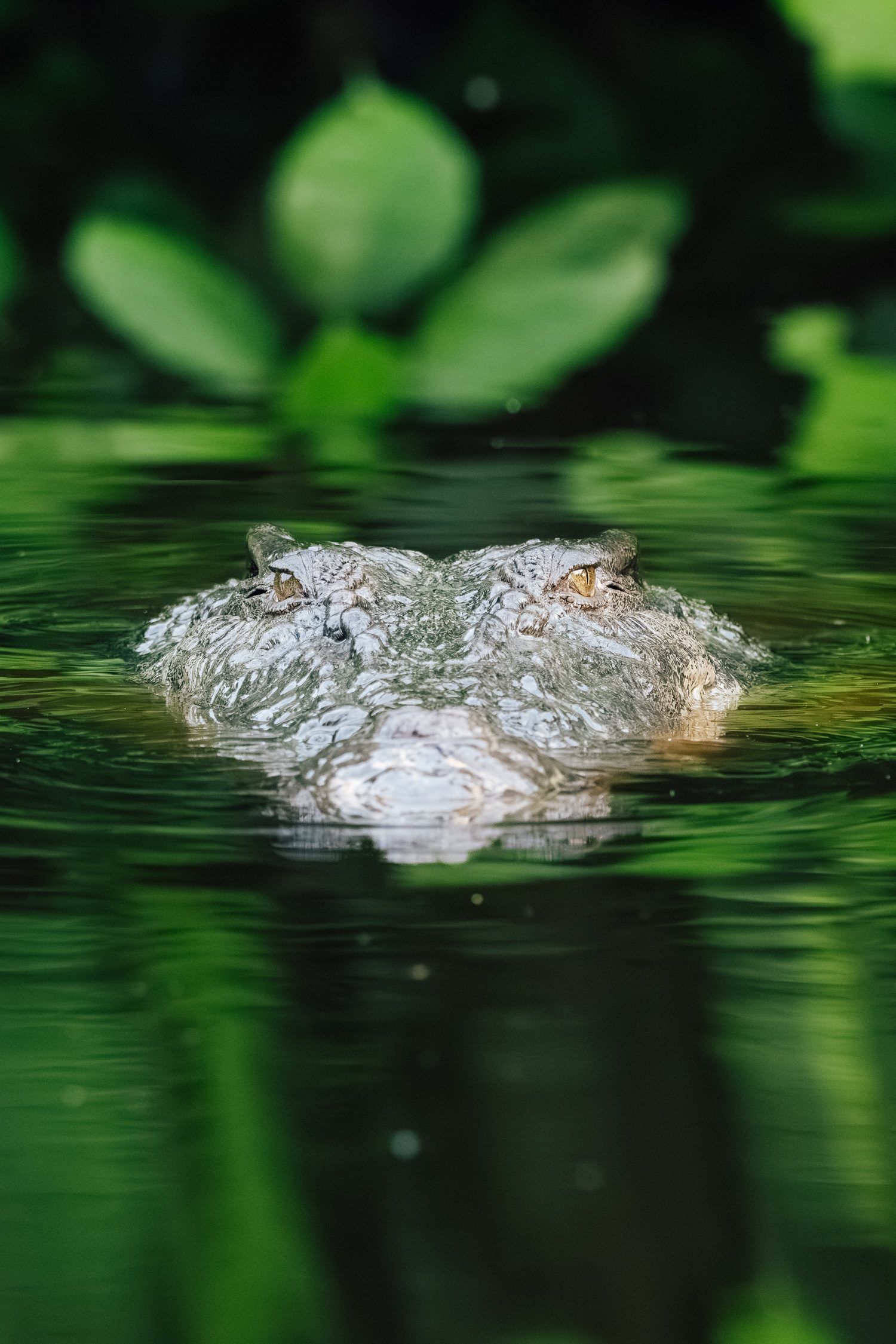
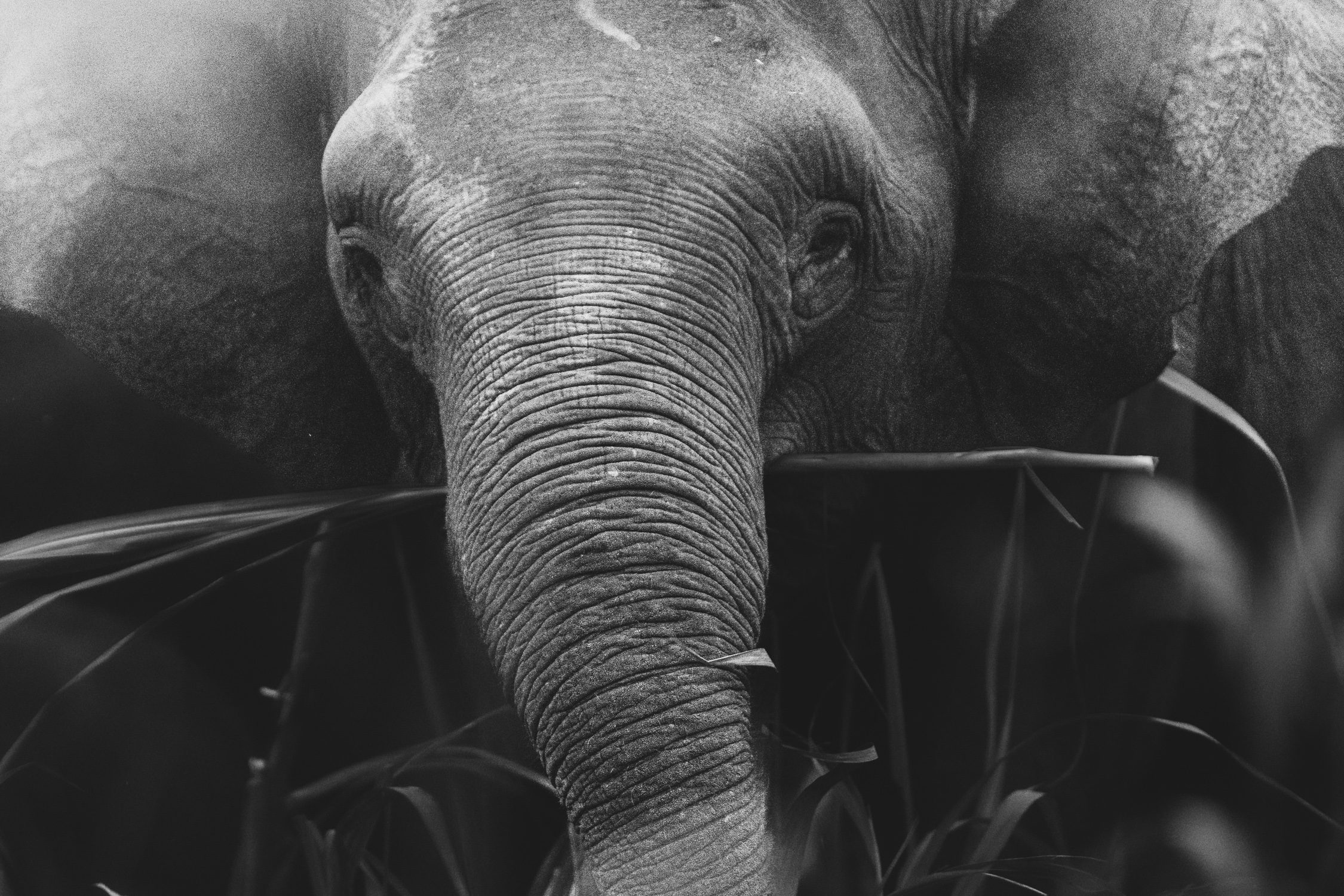
We were lucky enough to see large herds of Bornean elephants and even two bulls fighting in the water next to our boat, as well as crocodiles, proboscis monkeys and much more!
Our tips for a visit: We would suggest to book private boat cruises in your lodge, so you can go at your own speed and instruct your guide what you want to see. If you’re a photographer then the guides will try to keep the boat as steady as possible and position you in a way that you can take photographs from good angles with openings in the canopy or position you with the light. In any way we would recommend a tele lens that is at least 600mm long, as most of the wildlife will be quite far away in our experience. The only wildlife we saw up close were the elephants (which I photographed with a 135mm prime lens) as well as the crocodiles, monitor lizards and sometimes the proboscis monkeys. A long lens is definitely necessary for the rest (especially the hornbills and other birdlife).
More than orangutans: Sabah’s wildlife experiences
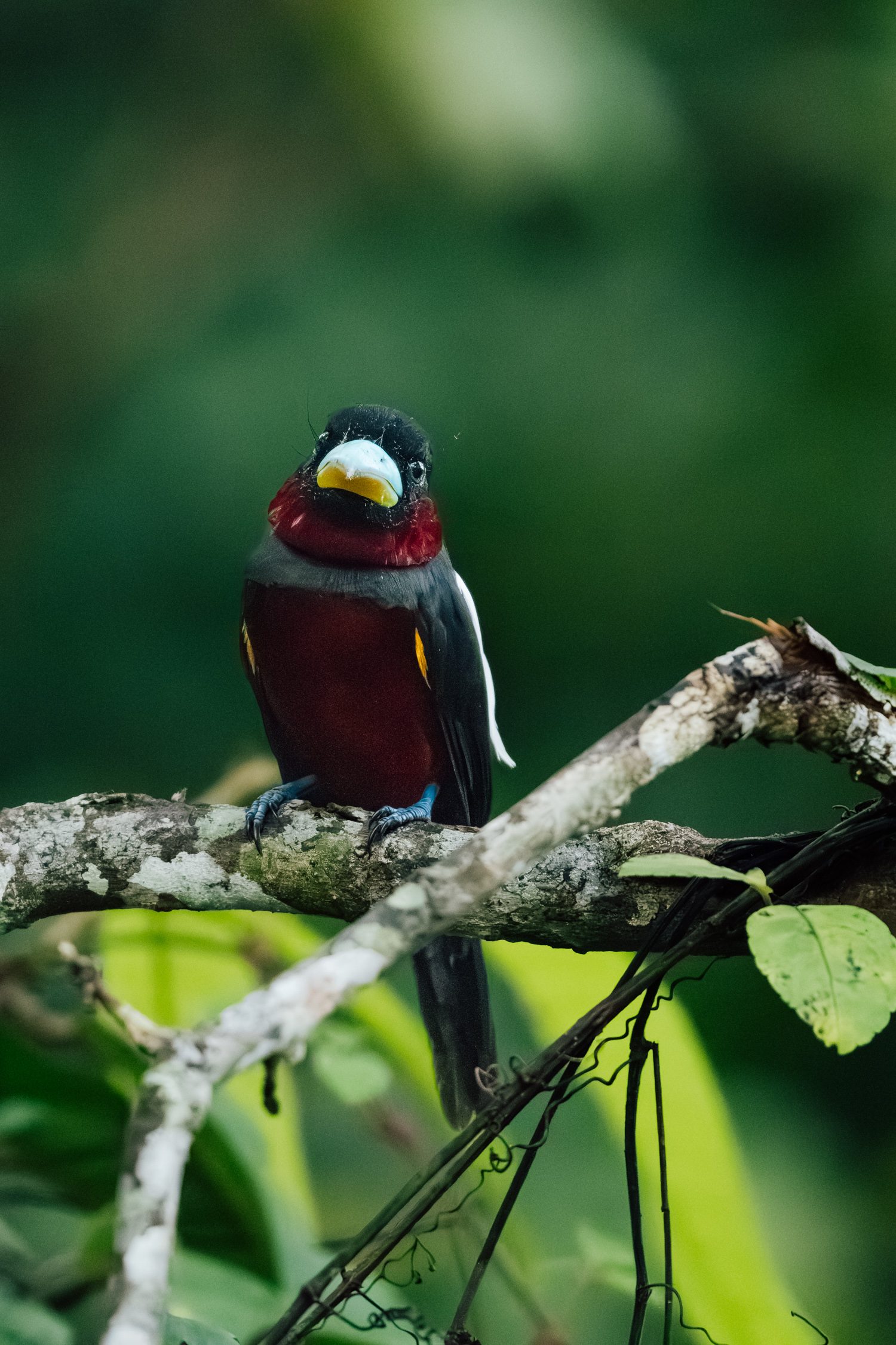
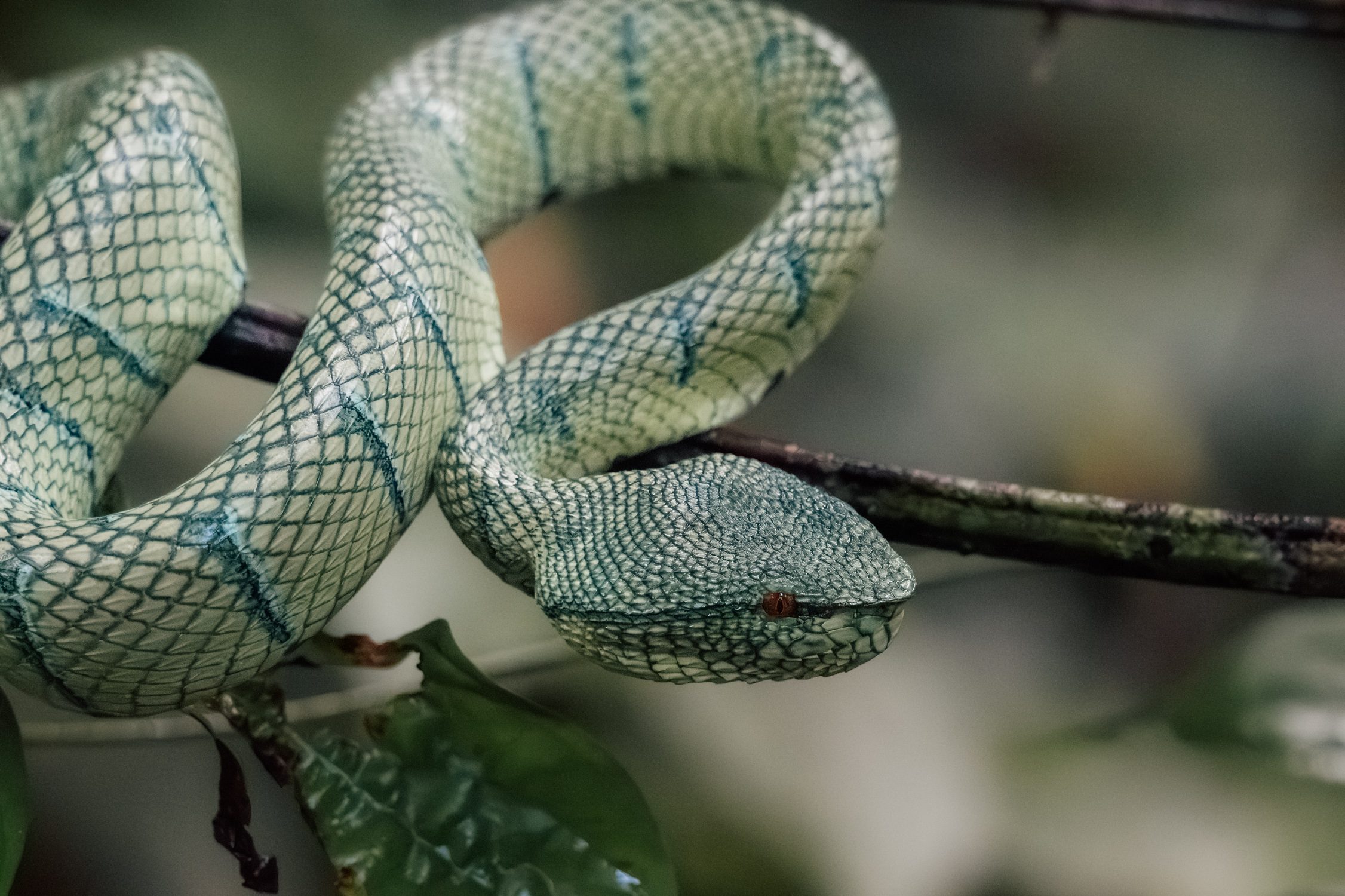
What makes Sabah so special is that you’re not just seeing one iconic species—you’re stepping into a rainforest alive with movement and sound. We’ve been fortunate to see a wide variety of wildlife and even an iconic highly endangered Storm’s Stork of which only 500 are left in the world.
You may spot the following wildlife:
- Bornean elephants, a highly fragmented subspecies of Asian elephants that can only be found here
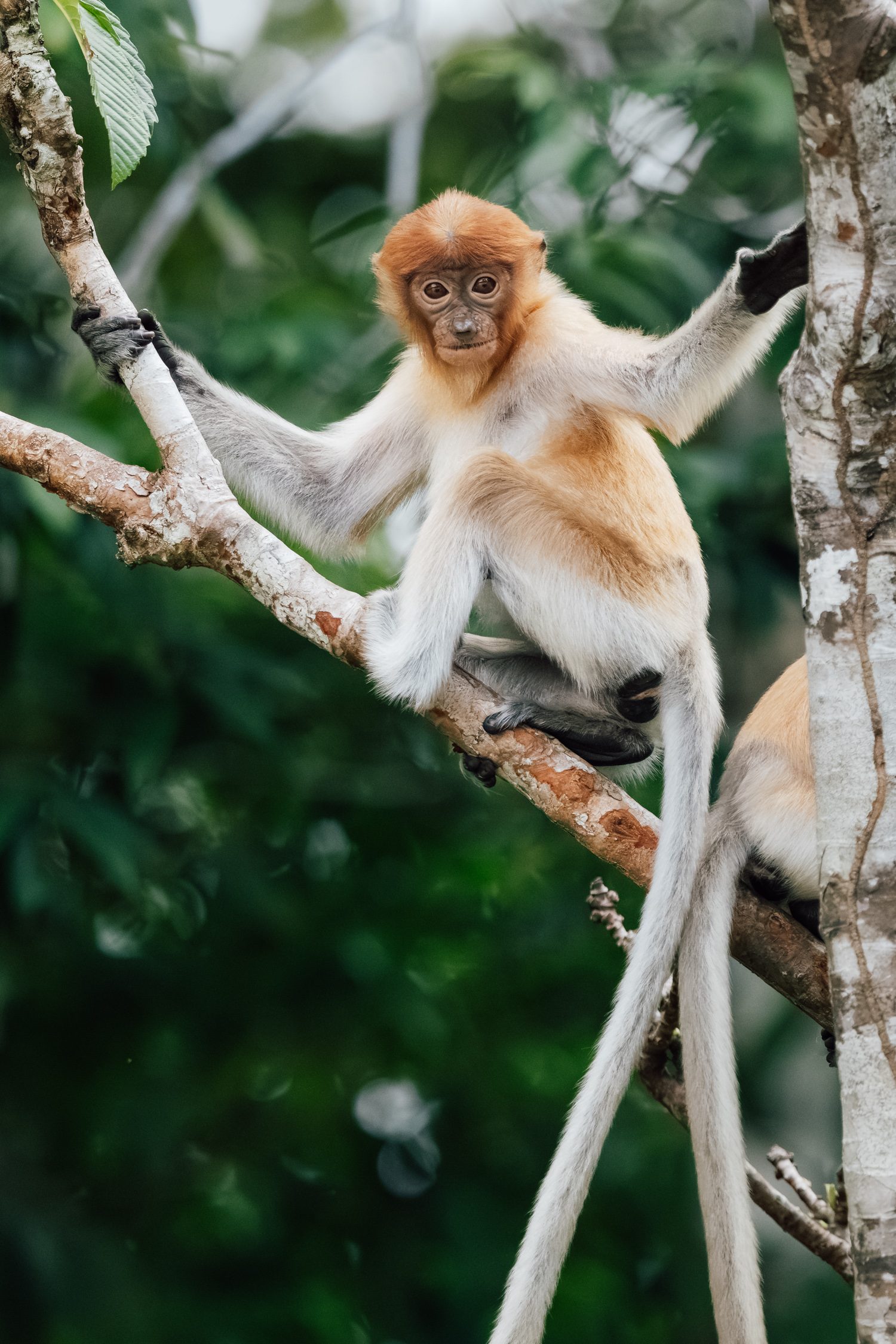
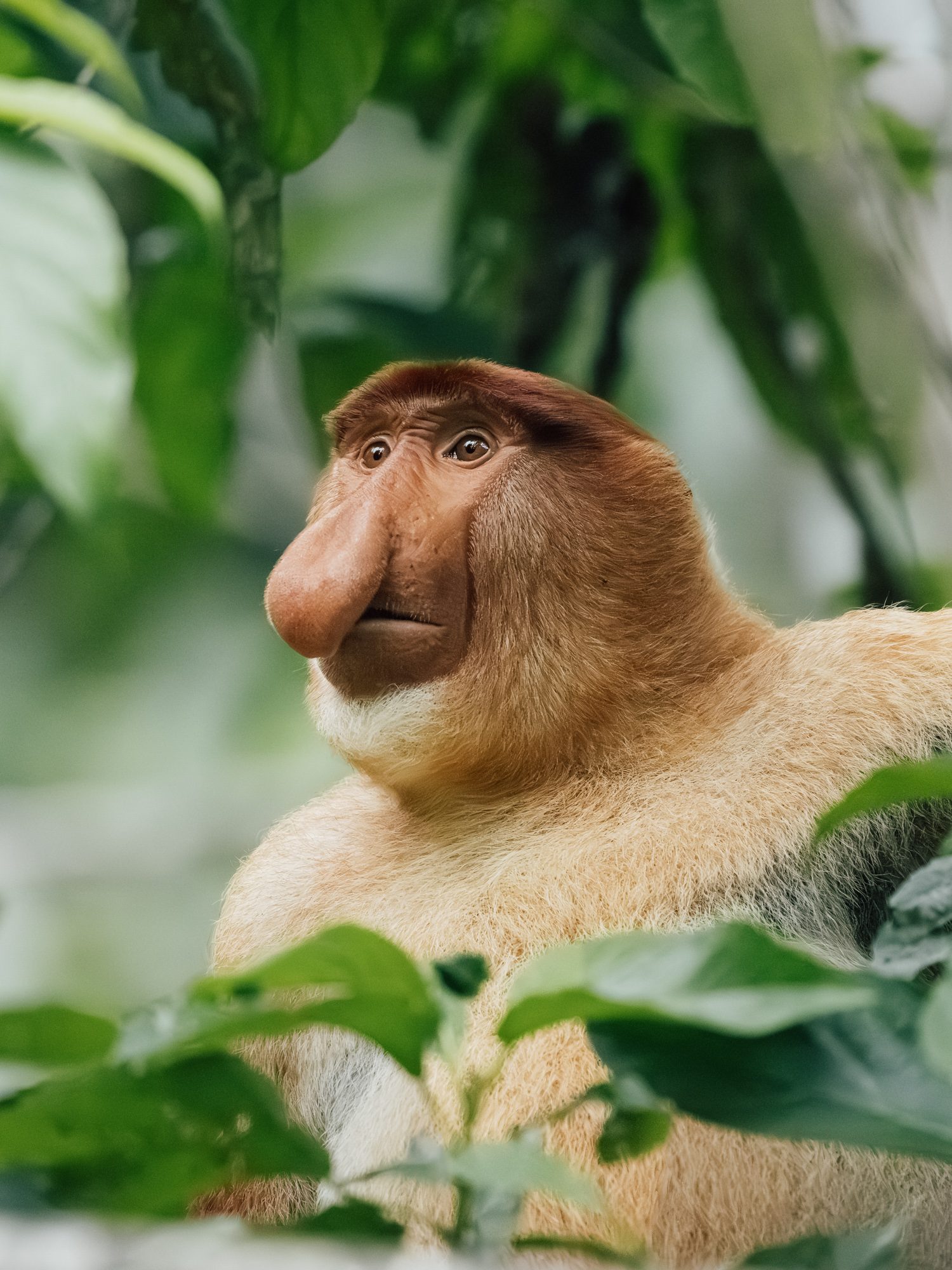
- Proboscis monkeys with their comically oversized noses
- Sun bears, the world’s smallest bear (chances are highest at the Sun Bear Conservation Centre in Sepilok)
- Gibbons, whose morning calls echo across the canopy
- Hornbills, including the majestic rhinoceros hornbill
- Flying squirrels launching themselves from trees at dusk
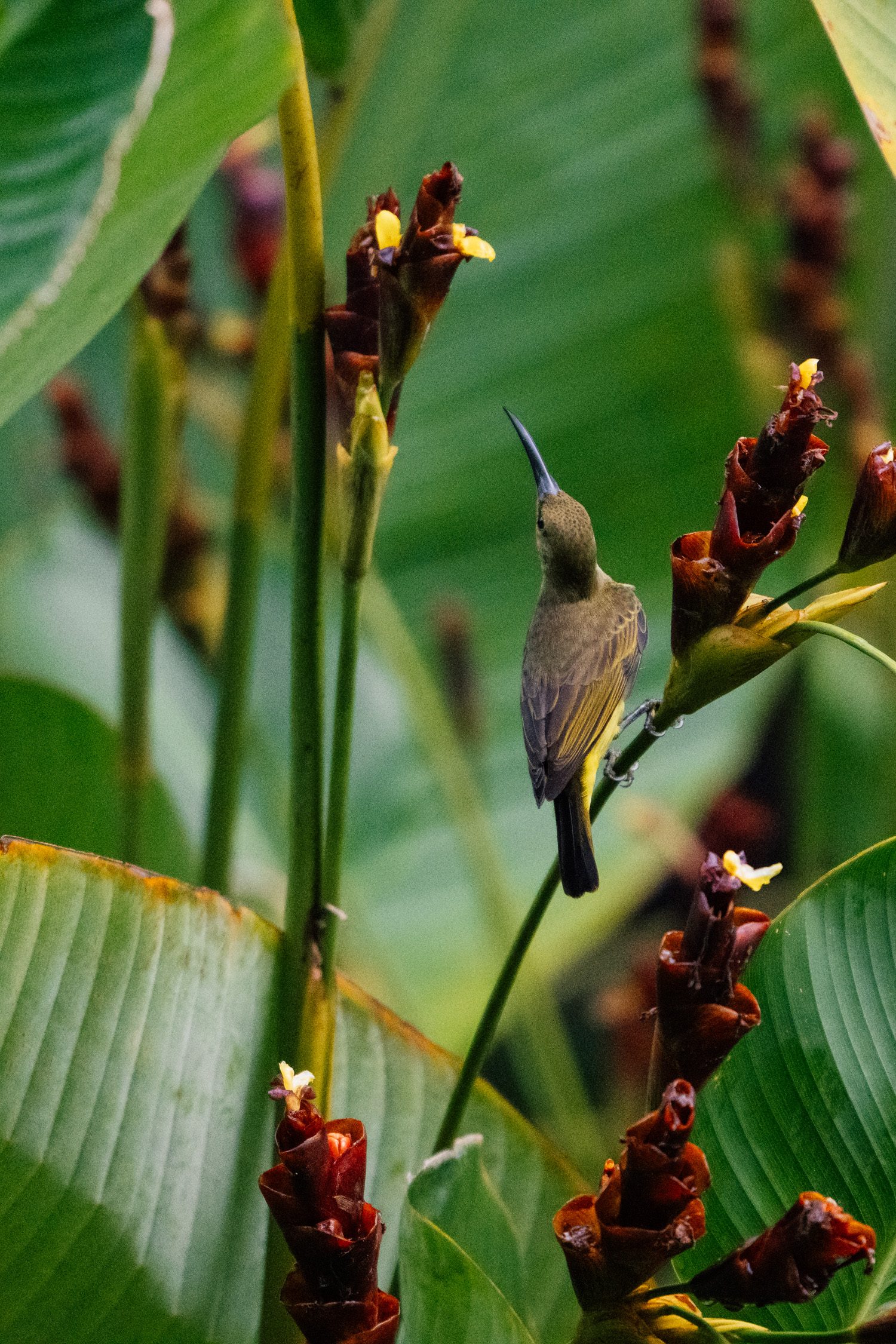
- Kingfishers, eagles, storks, and dozens of rare birds
- Monitor lizards & crocodiles warming on riverbanks
We were lucky enough to see all of the above, which means we also completed the so called “Bornean Big 5“.
The Bornean Big 5 are the iconic wildlife stars of Sabah — the animals every nature lover hopes to spot when exploring the rainforest and river systems of Malaysian Borneo. They include the orangutan, the funny looking proboscis monkey, the rare and powerful Bornean (pygmy) elephant, the elusive sun bear, and the prehistoric-looking saltwater crocodile. Together, they represent the incredible biodiversity of Borneo’s ancient rainforest, and spotting them — whether on river cruises, jungle walks, or at conservation centres — is one of the most thrilling and memorable parts of any trip to Sabah.
A sample 7-day Borneo itinerary
This is a streamlined version inspired by our exact journey. 7 days of course is short and we would recommend to stay longer if you can (we will outline some options below). We only had a week as this was a work trip, but these 7 days give you an incredible wildlife and nature experience already. It’s worth to know that many pre-designed trips on offer to Borneo are longer (10-14 days), but they often include stays in the cities (Kota Kinabalu or Sandakan), which we think aren’t worth the while. At least we were not overly excited by the cities and always prefer to be immersed in nature. So here’s our preferred itinerary for a week in Borneo:
Day 1 – Travel to Sabah
Fly Vienna → Singapore with Scoot (direct), enjoy Changi Airport, then continue to Kota Kinabalu. Stay one night in Kota Kinabalu or continue directly to Sandakan, followed by a short drive to Sepilok. Stay at Sepilok Nature Lodge for the best location directly next to the Kabili-Sepilok Forest Reserve.
Day 2 – Sepilok wildlife encounters
Visit the three main conservation centres in Sepilok: The Sepilok Orangutan Rehabilitation Centre, the Bornean Sun Bear Conservation Centre, and the Rainforest Discovery Centre. Our tip: Hire a guide to learn more about wildlife conservation efforts and to help you spot and identify wildlife on the way. Without our guide Masun from Borneo Eco Tours we would’ve missed a lot of the sightings including the elusive Bornean gibbons, which were one of the most iconic species we saw on the trip.
Day 3 – Sepilok continued
We would recommend to stay an additional night in Sepilok to have time for 1-2 extra visits of the Rainforest Discovery Centre. After taking the guided naturalist walk the previous day we learned some of the best spots for wildlife watching and went on two more walks by ourselves, which we thoroughly enjoyed. The elevated boardwalks allow for some great photography angles and here you have time to sit and wait for wildlife to appear from the lookout towers. Each visit will bring different sightings and this way you have time to go in the morning and evening, which also allow for different species to be active.
Day 4 – Journey to the Kinabatangan River
Transfer to Sandakan, then take a boat transfer into the rainforest (you can also drive to Sukau by car, but the boat transfer through the mangroves is quite scenic and you might already see wildlife on the way). Check in at Sukau Rainforest Lodge, the same lodge David Attenborough stayed at during his extended time in Borneo. In the evening you can take a first sunset river cruise along the Kinabatangan River and the adjacent Kinabatangan Wildlife Sanctuary to spot Bornean elephants, hornbills, and if you’re lucky even a wild orangutan.
Day 5-7 – Boat cruises
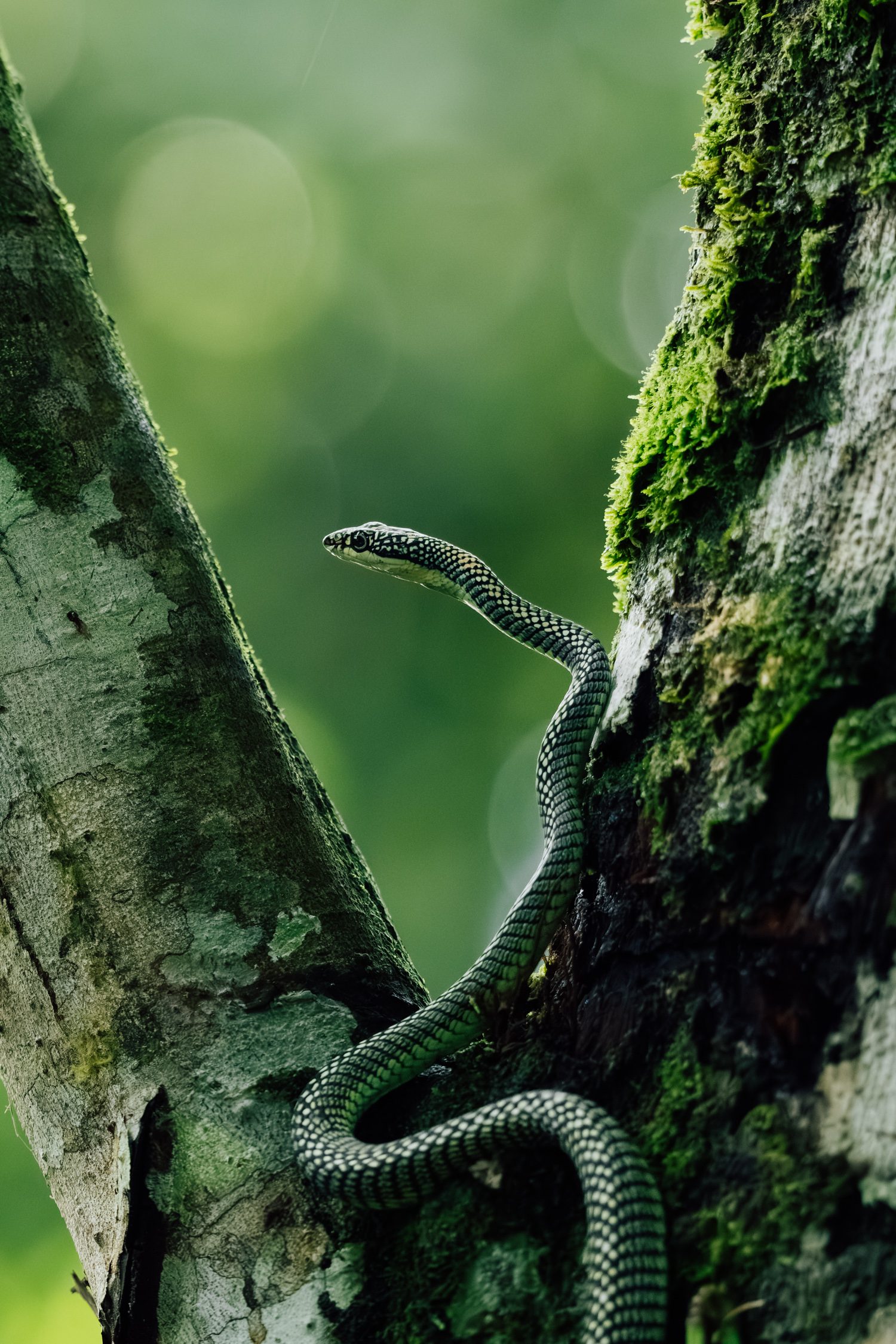
We would recommend to spend at least 2-3 nights here. This gives you ample opportunity for morning and evening river cruises and to explore the different side channels and lagoons at the Kinabatangan River. Look for proboscis monkeys, crocodiles, storks, kingfishers, and more. At the lodge you can also take nature walks on the Hornbill Boardwalk (where we saw an iconic paradise tree snake) and learn more about orangutan conservation. There’s also a swimming pool for the hot afternoon hours!
Day 7 – Departure
Take the boat transfer back to Sandakan and either fly back through Kuala Lumpur or go to Singapore via Kota Kinabalu for your direct Scoot connection to Vienna.
Where to stay: Eco-Lodges immersed in nature
We stayed at two incredible places in Sabah, which both stand out for responsible, immersive wildlife experiences:
Sepilok Nature Lodge
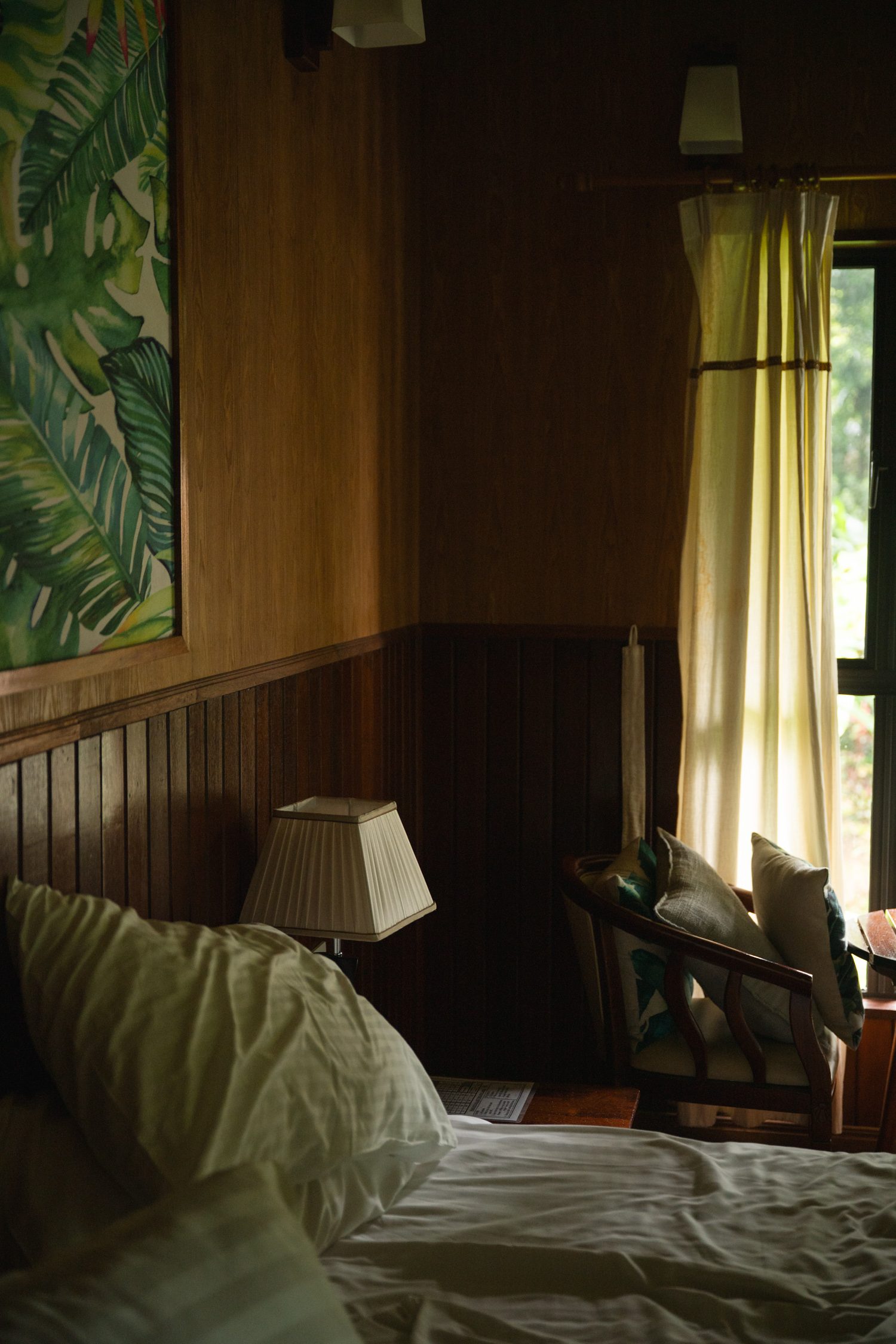
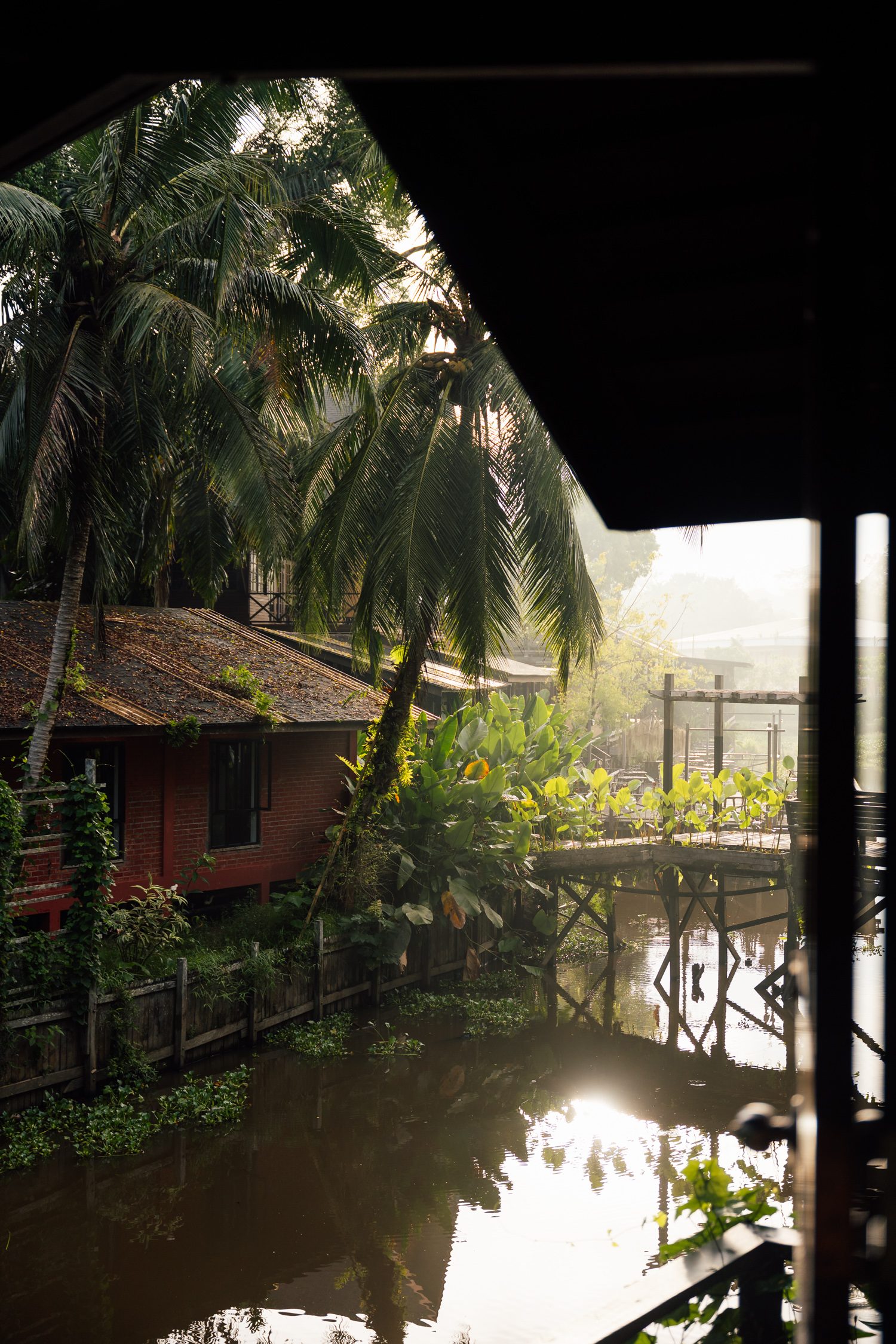
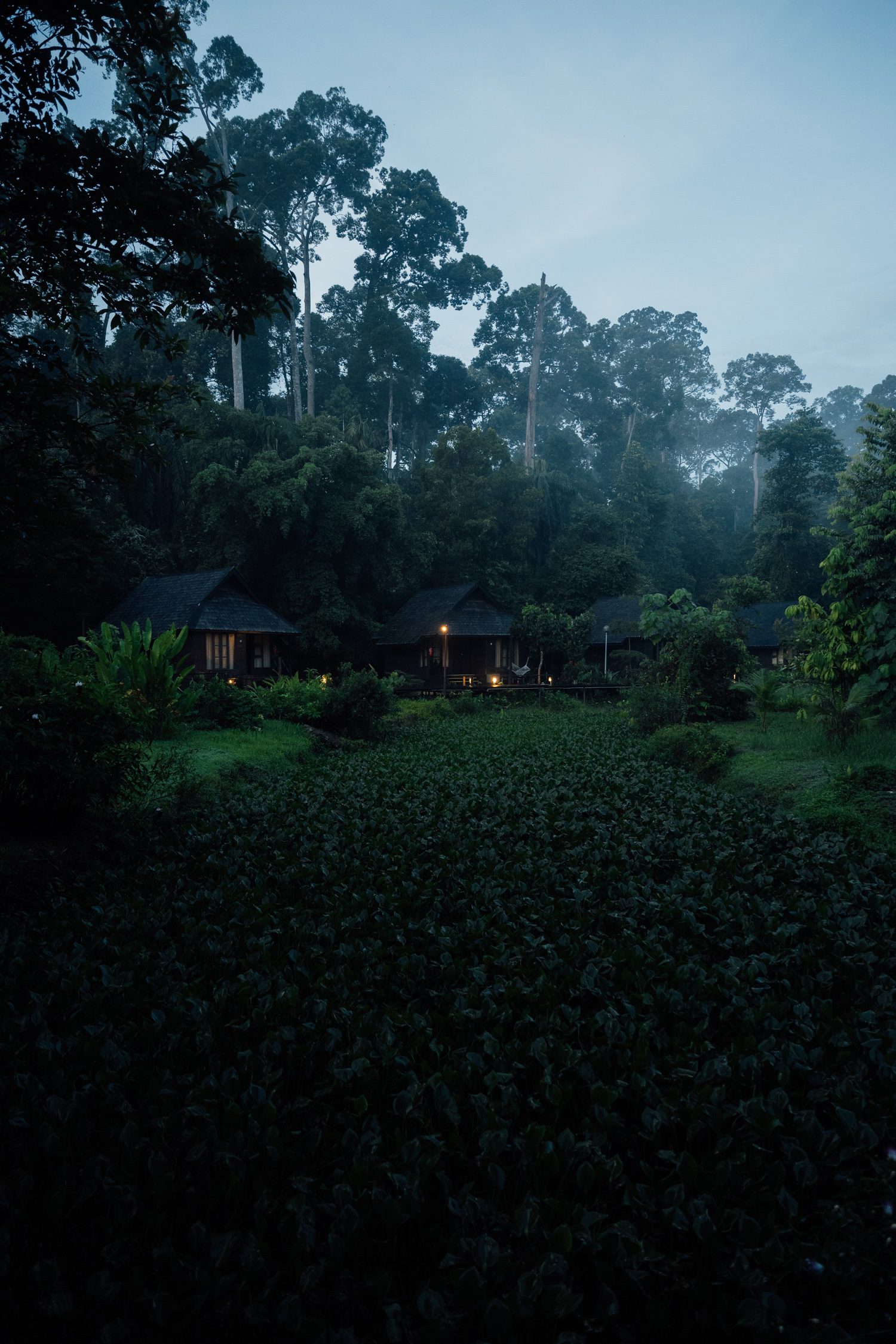
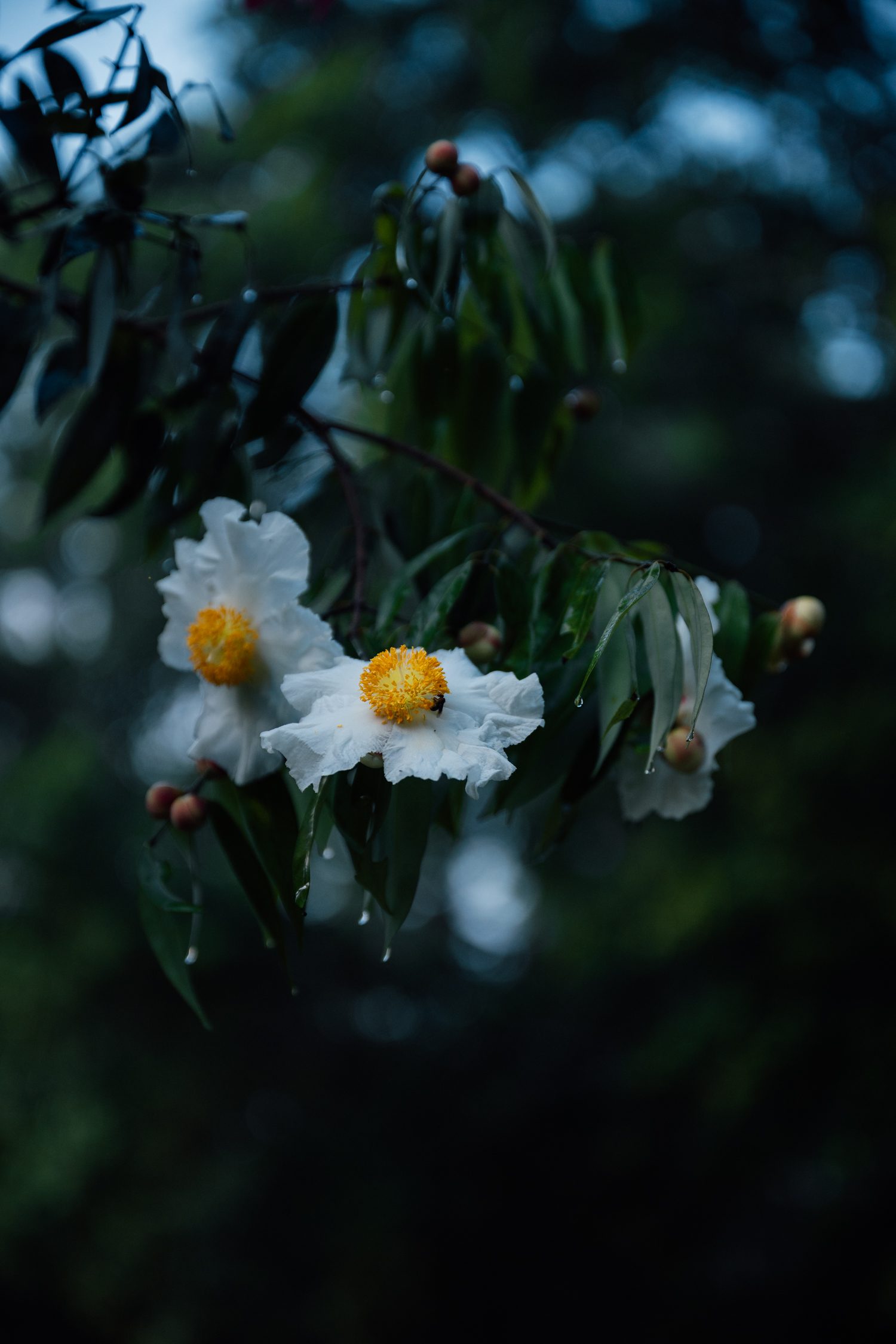
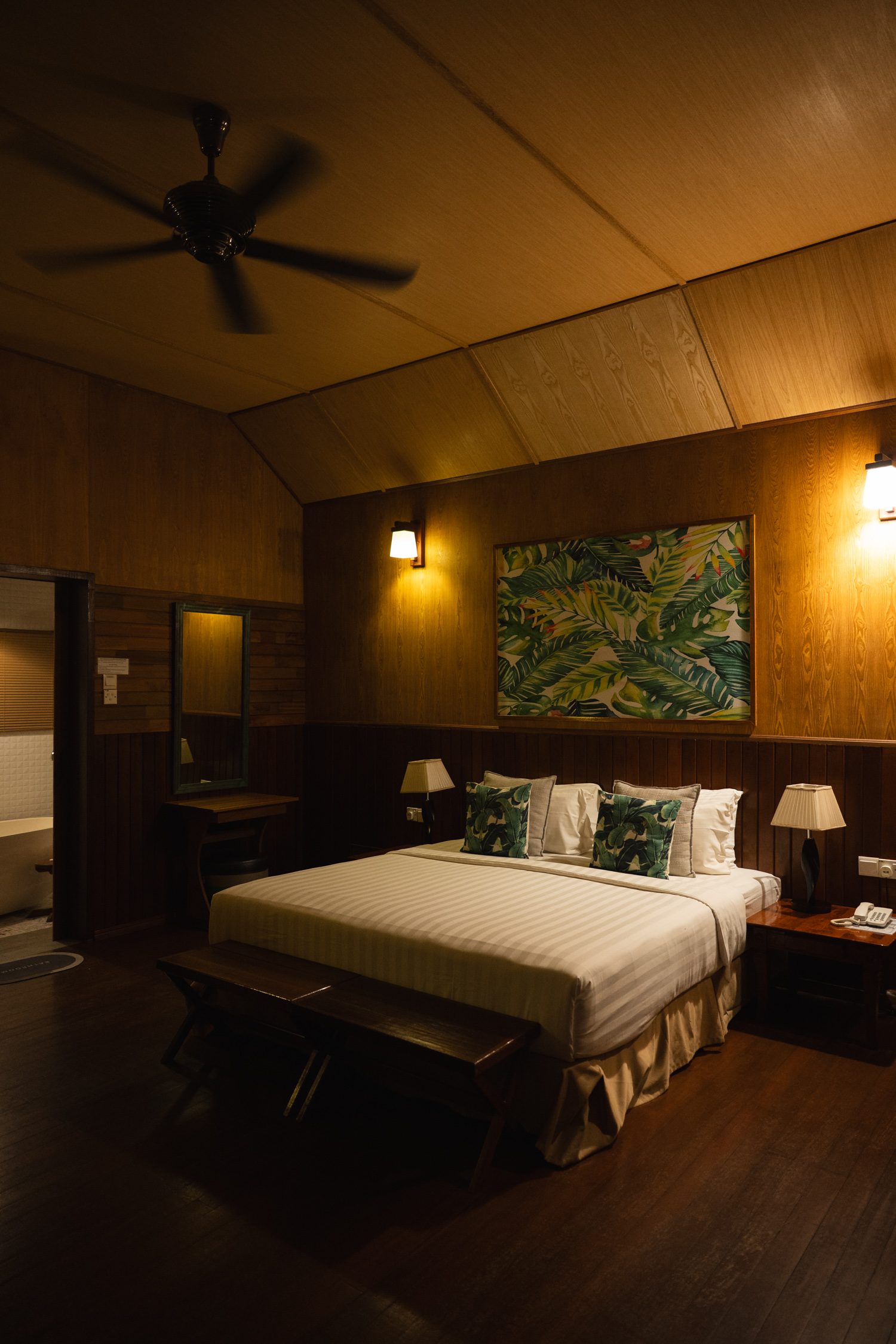
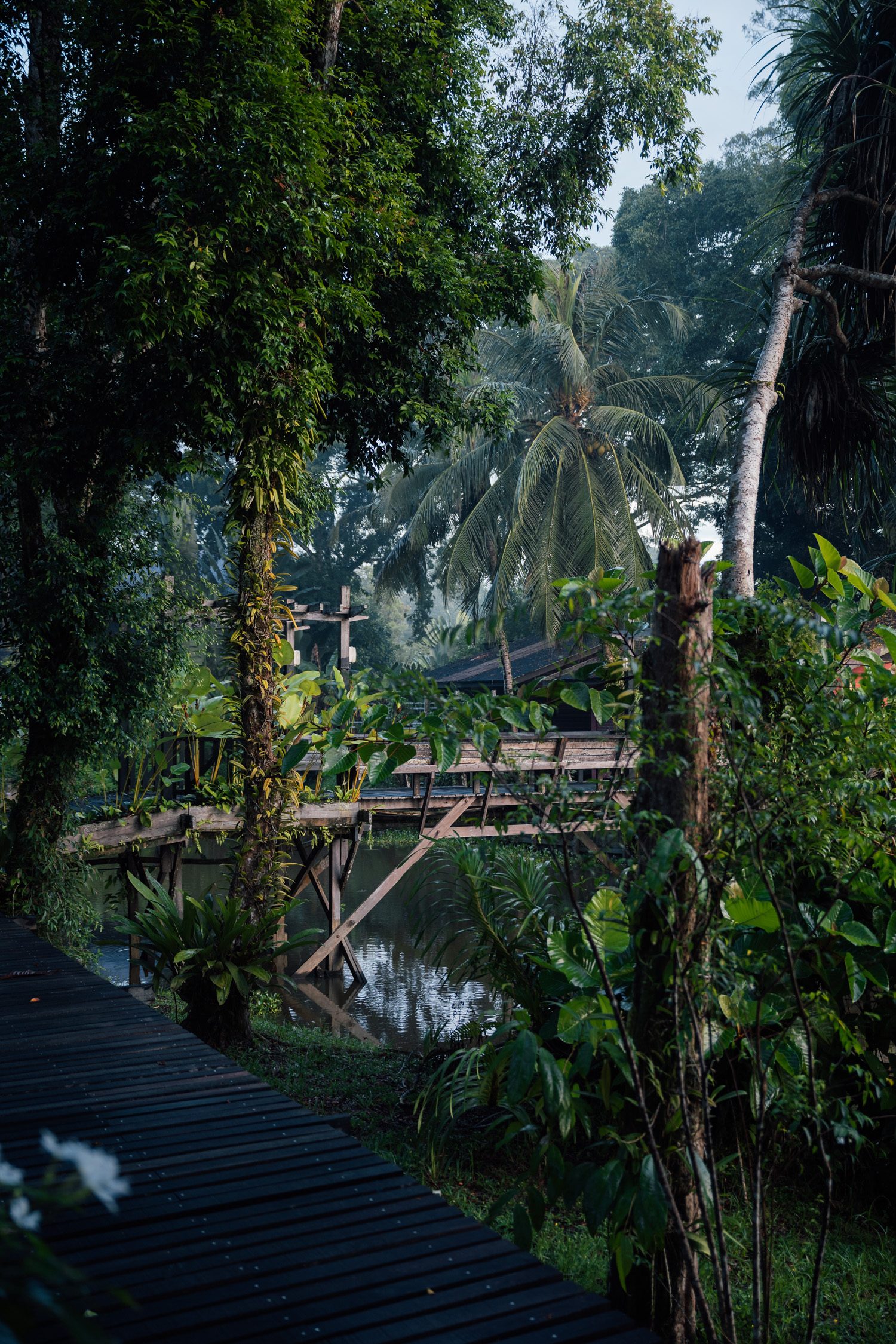
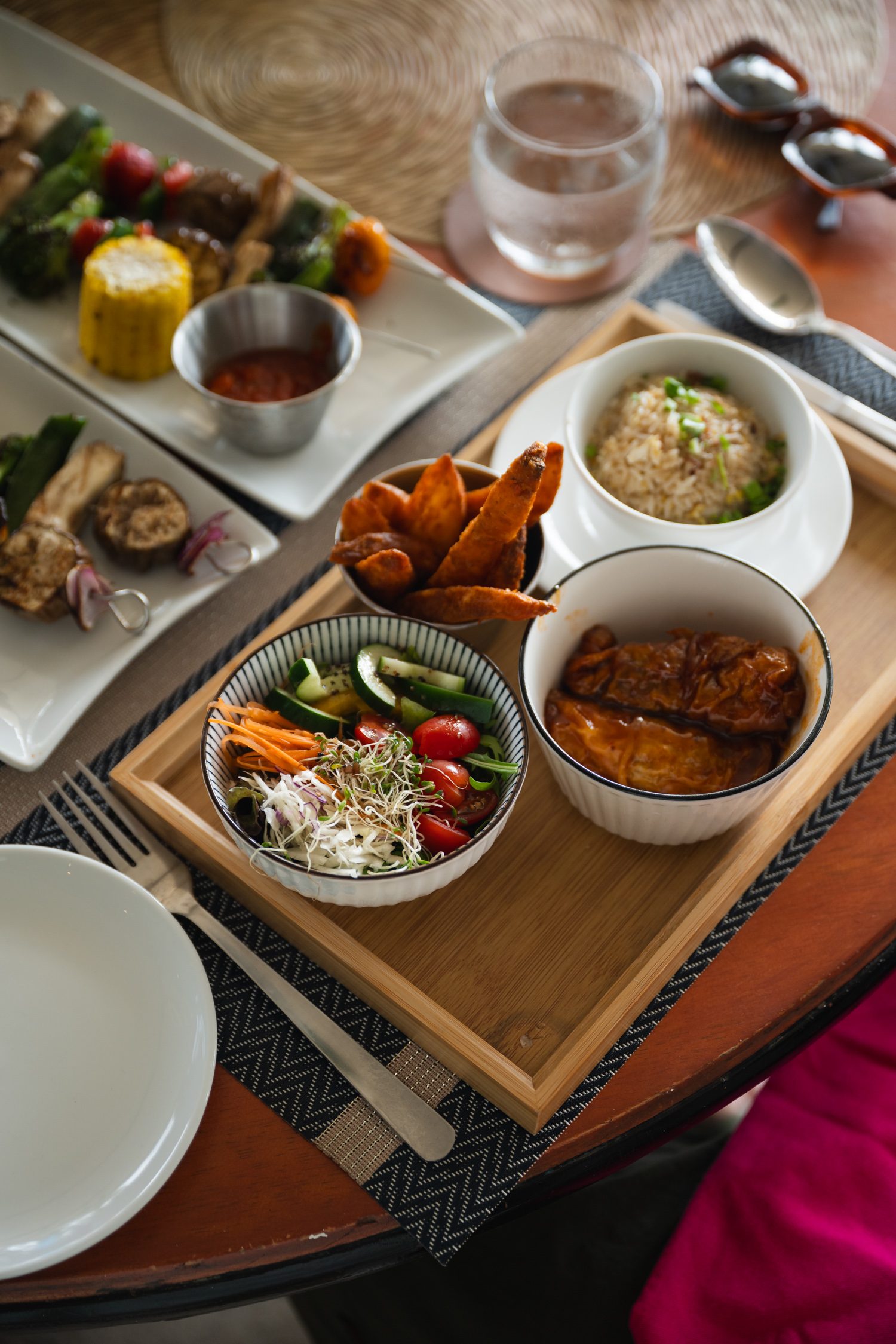
A calm, green sanctuary within walking distance of Sepilok’s Orangutan rehabilitation centre and the sun bear sanctuary. Wooden chalets, lily ponds, and evening chorus from the jungle. We also liked the food options and fresh juices here. Well, but the best part was that we saw orangutans here right next to our breakfast table!

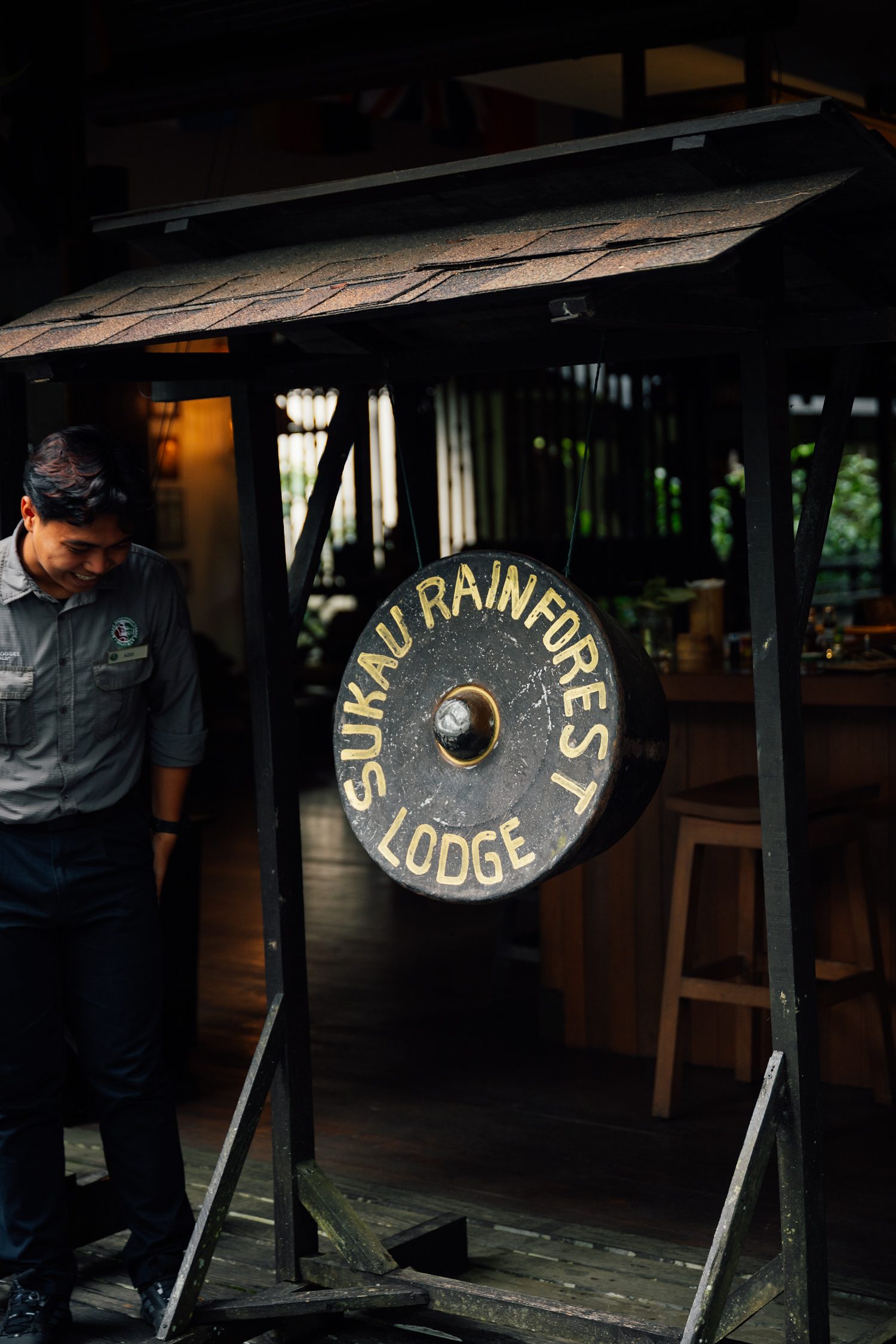
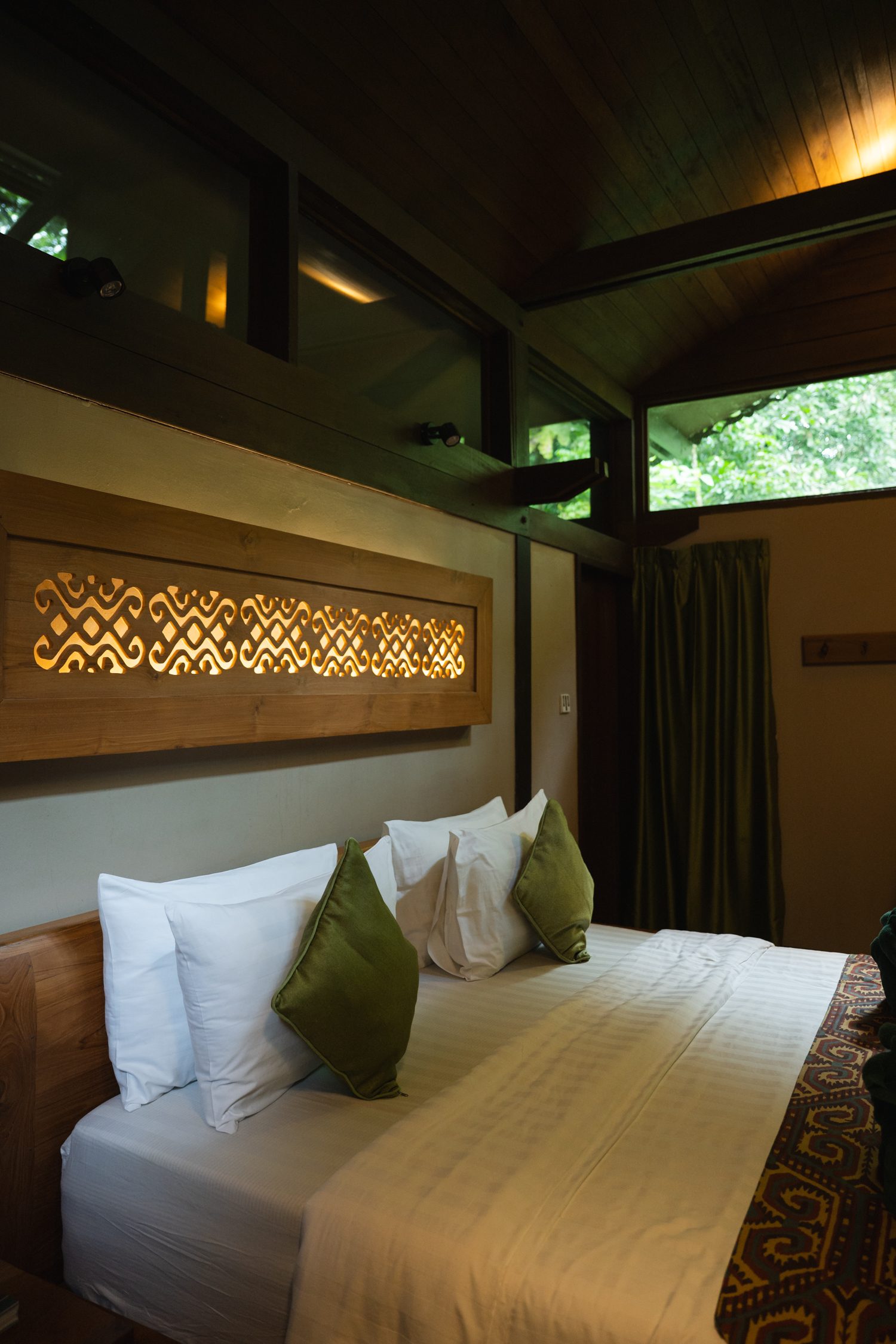
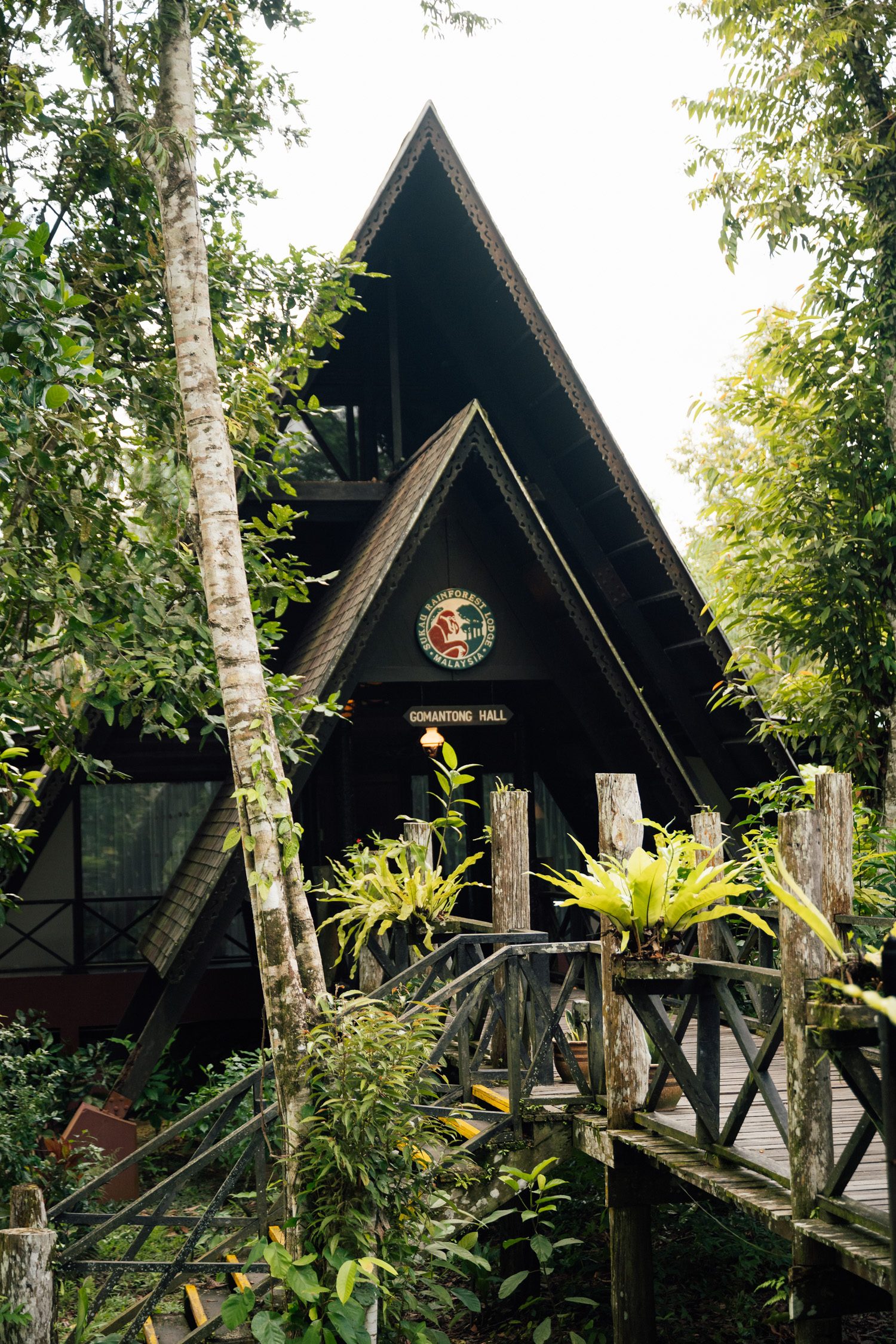
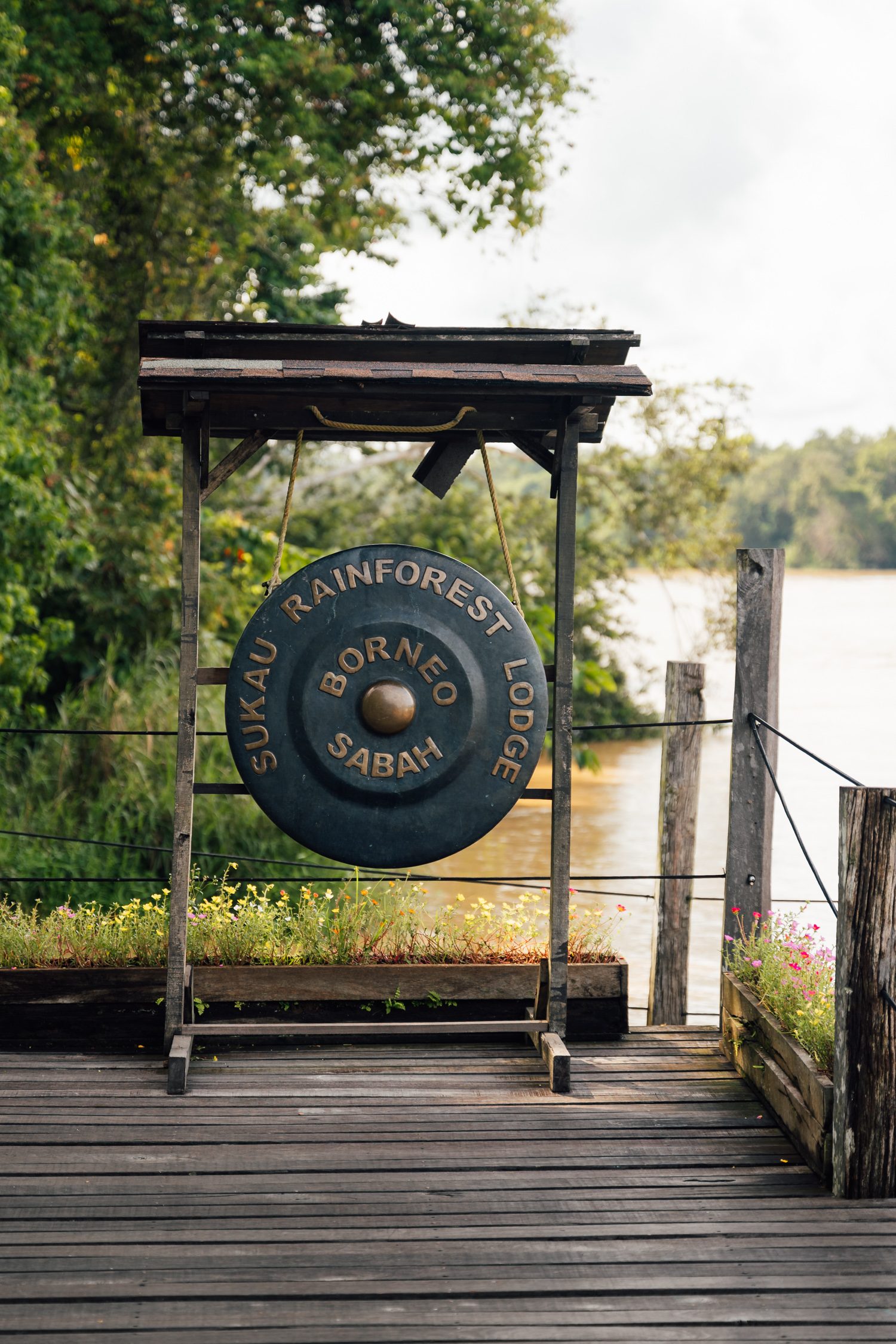
Sukau Rainforest Lodge
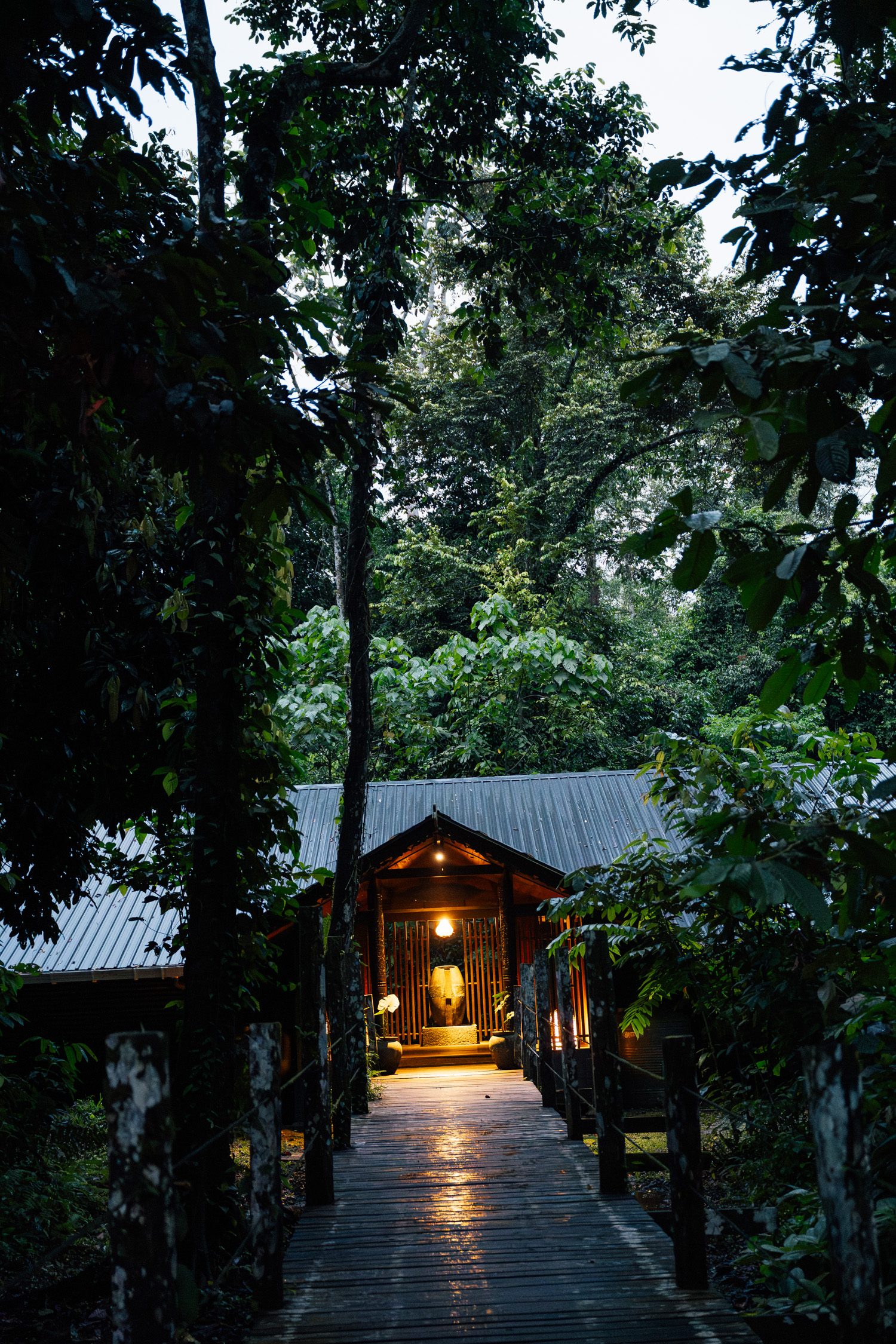
This is a multi-award-winning eco-lodge right on the Kinabatangan River and truly a wonderful place to stay.
It’s sustainably built, community-focused, and designed for wildlife lovers. You wake up to hornbill calls, go on sunrise cruises to watch the jungle come alive, sip coffee while watching the river silently float by, and end your days with sunset cruises looking for Bornean elephants and rare birds. We stayed for three nights and absolutely loved it!

The Unexpected Finale: A Tropical Island Escape
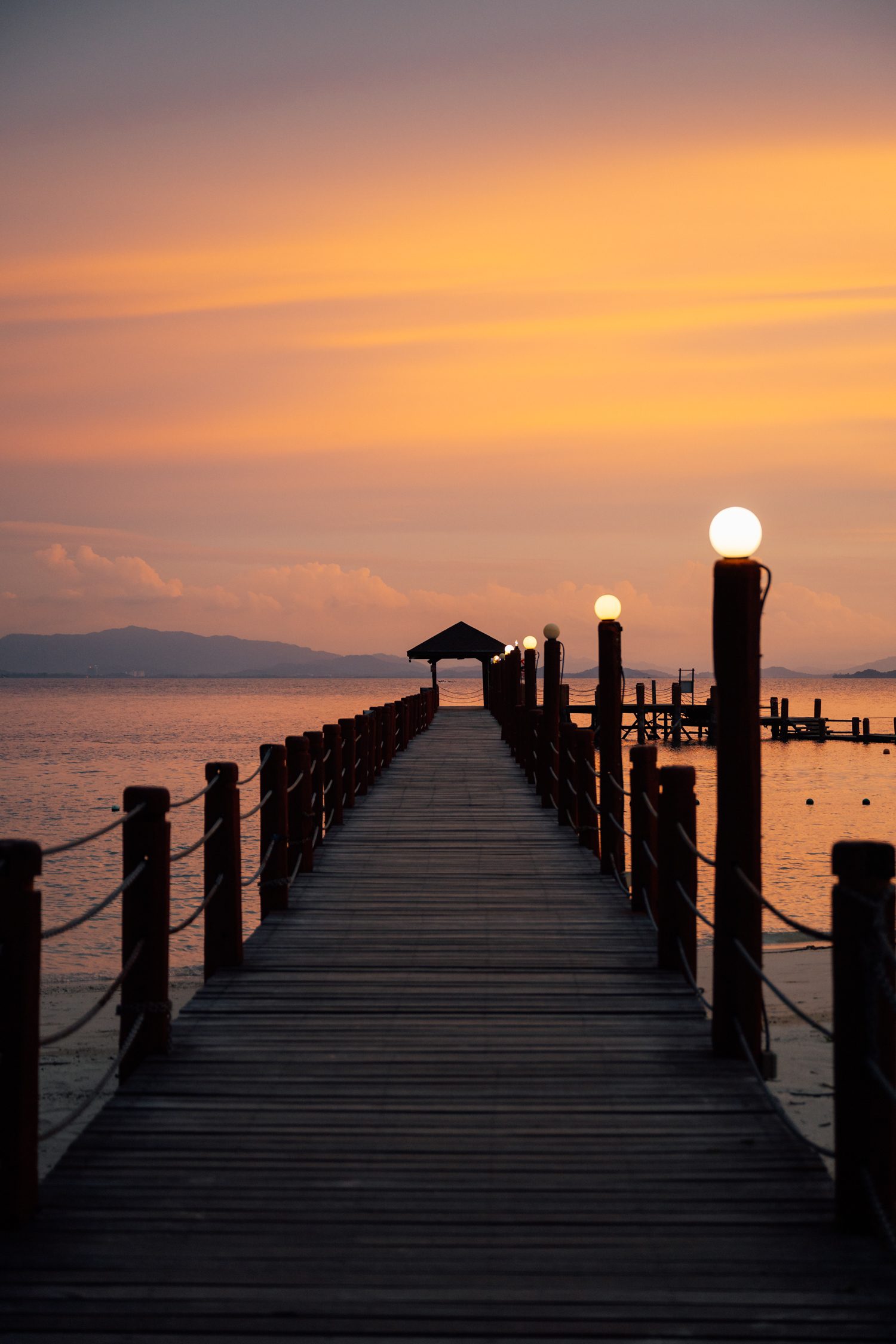
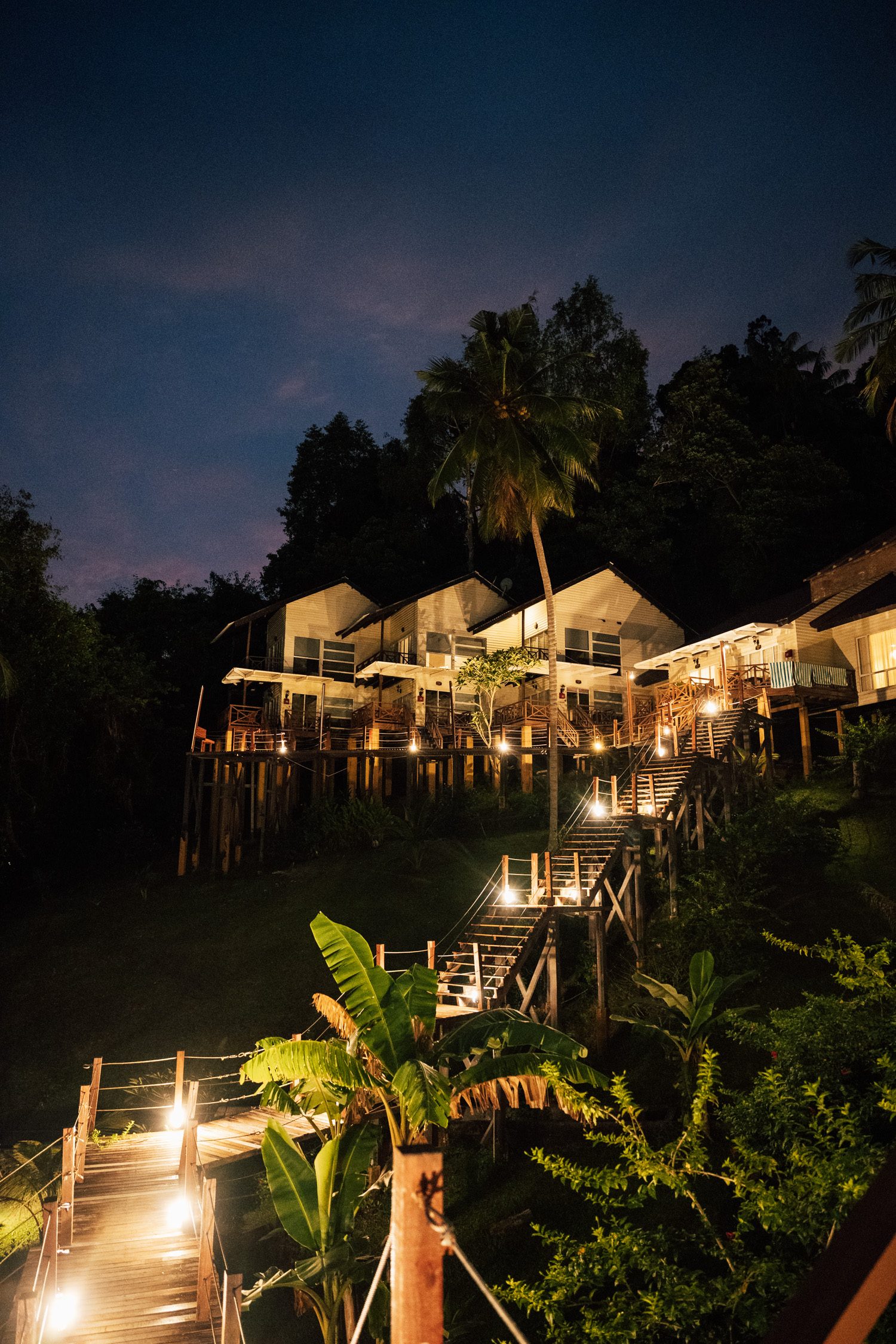
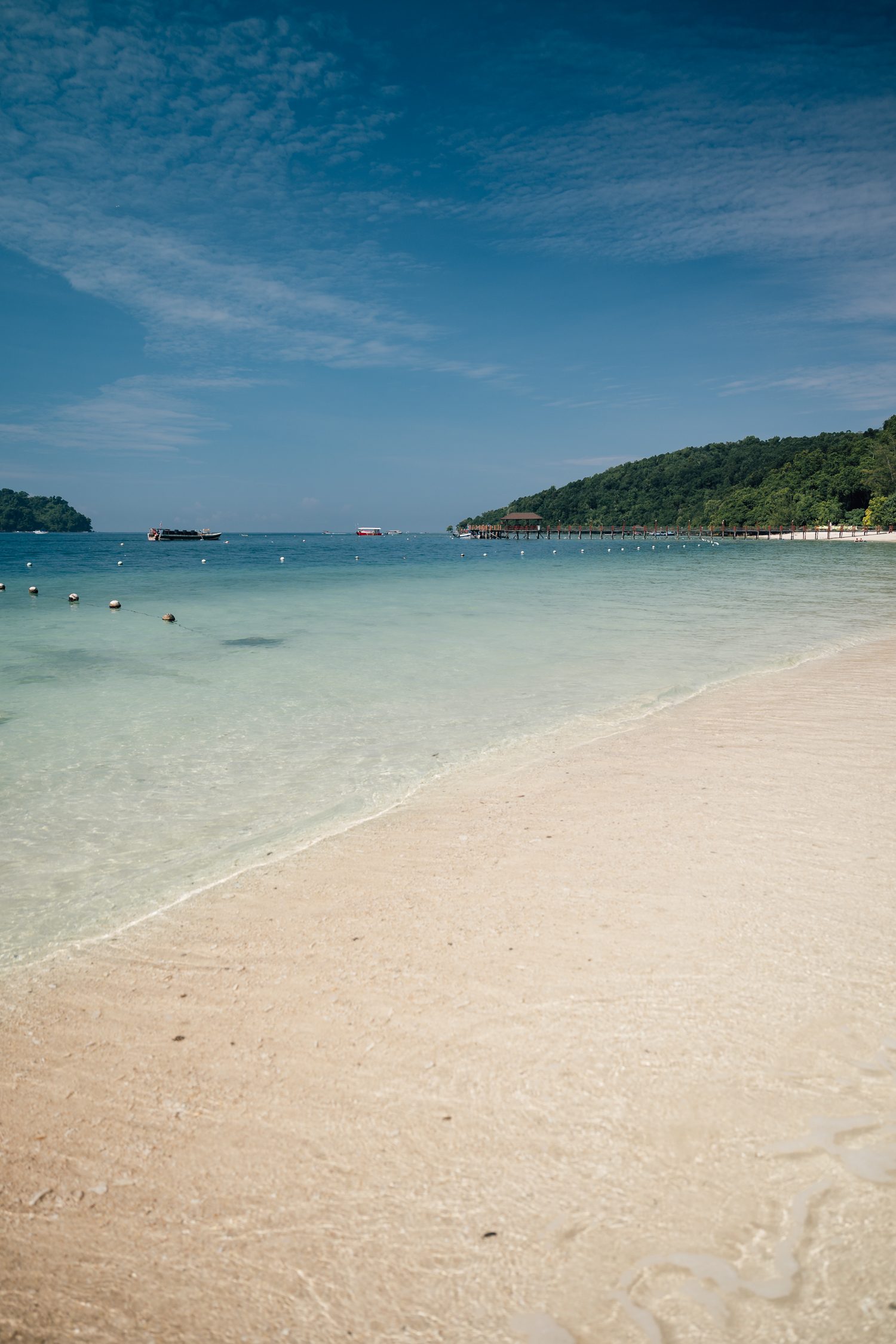
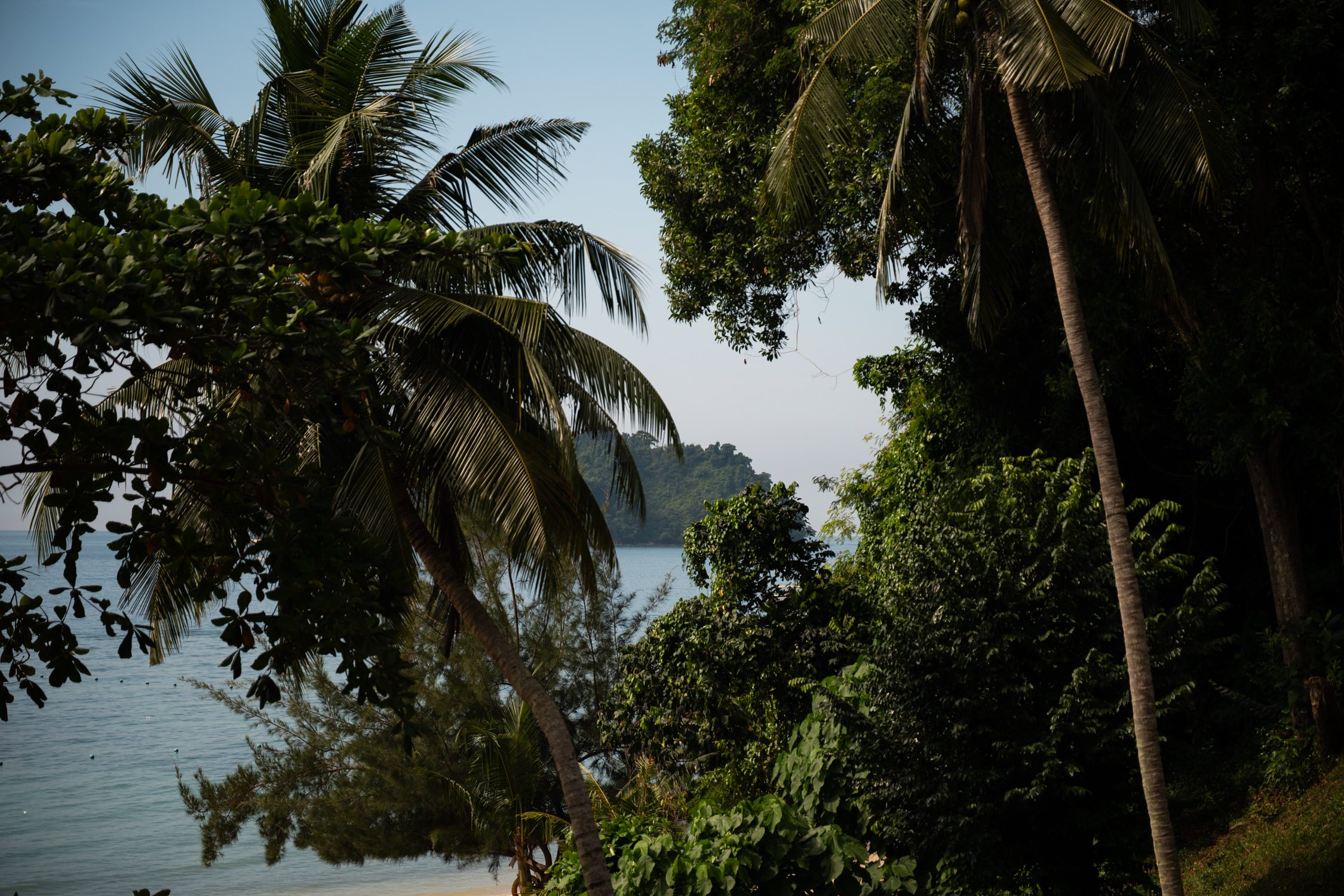
What many travelers don’t know is that just a short boat ride from Kota Kinabalu lies a slice of island paradise. Personally we had no idea Borneo also has some incredible beaches and marine protected areas. We only spent one night at Manukan Island Resort, but could’ve easily extended this for 2-3 nights and more opportunities to go diving and snorkelling.
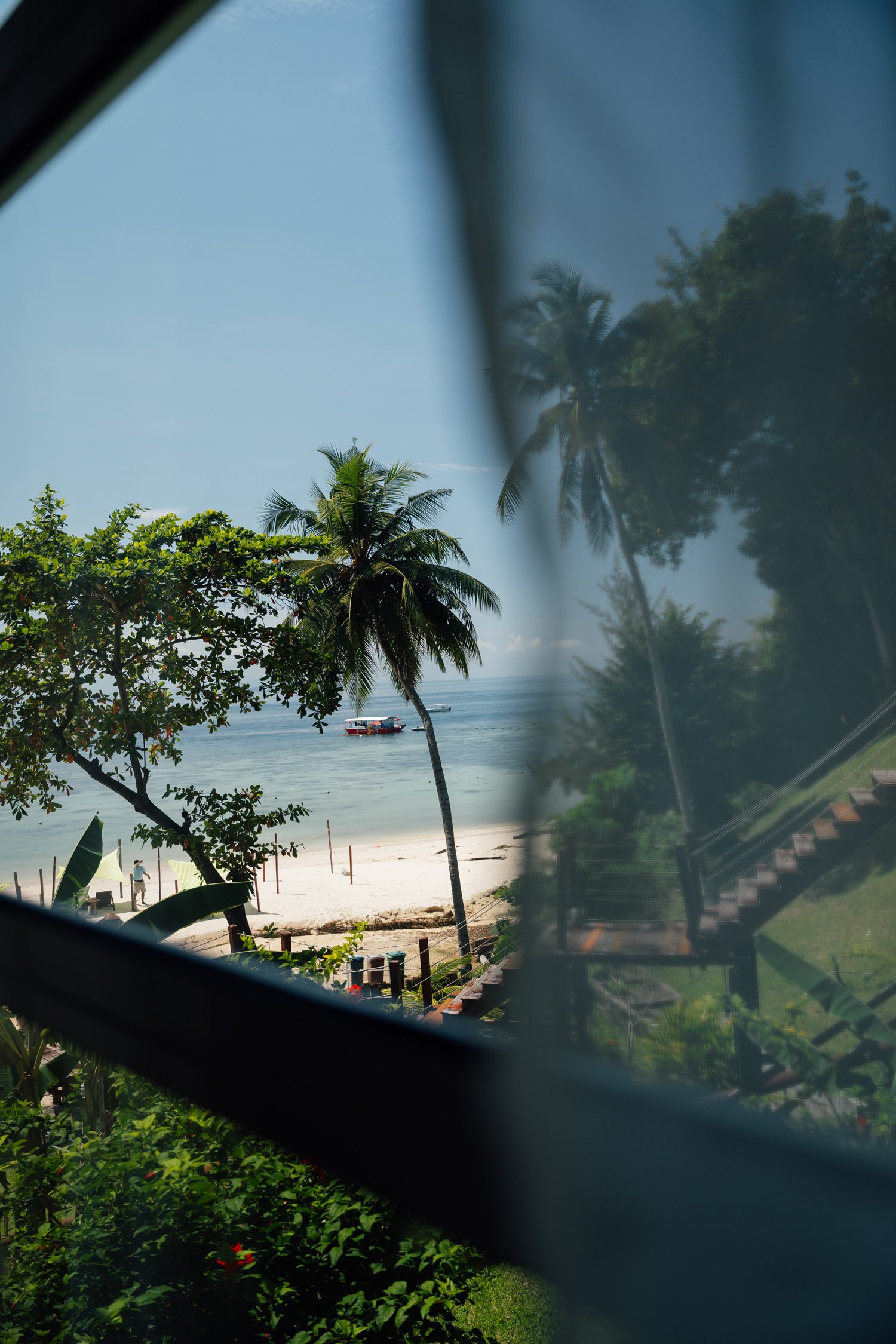
Manukan Island Resort (by Sutera Sanctuary Lodges) is a lovely soft landing after days of rainforest exploration. It’s worthwhile noting that this isn’t the high end luxury resort you might know from other parts of Asia, but you can still expect white sand, crystal clear water, snorkeling with vibrant fish and even monitor lizards wandering the beach. The only unfortunate part is that the beach here is shared with public visitors arriving by boats during the day, but by sunset the beach empties up and you can enjoy a private dinner in the sand.
There’s other options for beach extensions on Borneo’s West and East coast, depending on your needs, but no real high end luxury (yet) 😉
In any way it’s important noting the seasonality to make sure you have the best experience. We went in November and got lucky with the weather, but it’s not considered the optimal season for a beach trip. The best months would be March to May for clear water and dry weather.


Add-Ons: 10-14 days Borneo itinerary options
If you have more time and want an even deeper rainforest experience, consider adding:
Danum Valley Conservation Area
Unfortunately we didn’t have the chance to visit Danum during this trip, but would love to go next time. Here you can go on rainforest treks and game drives, a very different experience from the river based activities we did and therefore a great addition. Supposedly it’s one of the most pristine primary rainforests on Earth with only one lodge in the whole area (Borneo Rainforest Lodge), but it also is a bit more expensive than the rest of Borneo.
Tabin Wildlife Reserve
Tabin is another one we added to our wishlist for a next trip. It’s known for its mud volcanoes, rainforest trails, and also chances of seeing orangutans in the wild. This is where the orangutans from Sepilok are brought when they are reintroduced to the wild, so it’s another great opportunity to support wildlife conservation with ecotourism.
Both destinations add 3 to 4 days to your itinerary, depending on your preferences.
So, How Easy Is It Really?
Let’s simplify:
- Fly Scoot directly from Vienna to Singapore
- A short transit at Changi (which is actually enjoyable)
- Connect to Kota Kinabalu with Scoot
- Meet your local partners (like Borneo Eco Tours)
- Continue to Sandakan and then to Sepilok
- Check into a jungle lodge
- See wild orangutans within 24 hours
That’s it.
No complicated logistics, no grueling multi-day treks, no special permits. It was truly much easier than we thought!
Why You Should Go Now
Orangutans are critically endangered.
Their habitat is shrinking, their numbers are dropping, and seeing them in the wild is not guaranteed to be possible forever.
Traveling to Sabah supports:
- Conservation centres
- Eco-lodges
- Local communities
- Protection of rainforest habitat
It’s one of those trips that feels good in every possible way — for you, for the animals, and for the place itself.
Final Thoughts: The Journey That Stays With You
We went to Borneo to see orangutans.
We left with so much more:
The echoing call of gibbons at sunrise.
The silent presence of a herd of Bornean elephants.
The sight of a hornbill soaring over the river.
The quiet dignity of an orangutan building its nest in the fading light.
And the realization that some of the world’s rarest creatures are just a smooth, comfortable journey away—thanks to Scoot and the warm hospitality of Sabah. If you’ve ever dreamed of seeing wildlife so unique it can’t be found anywhere else, make Borneo your next trip.
It’s easier, closer, and more magical than you think.
Pin and save this post: