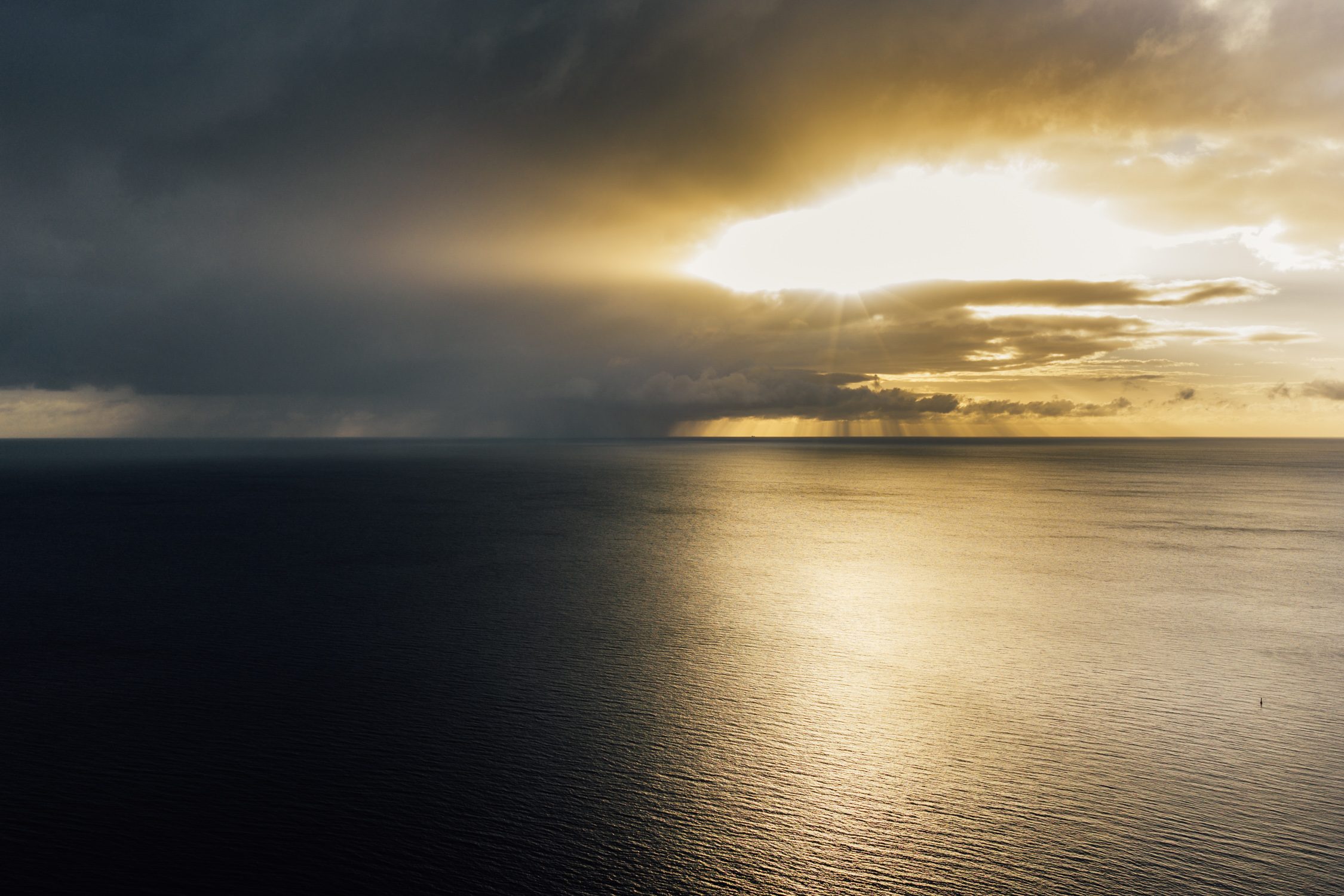
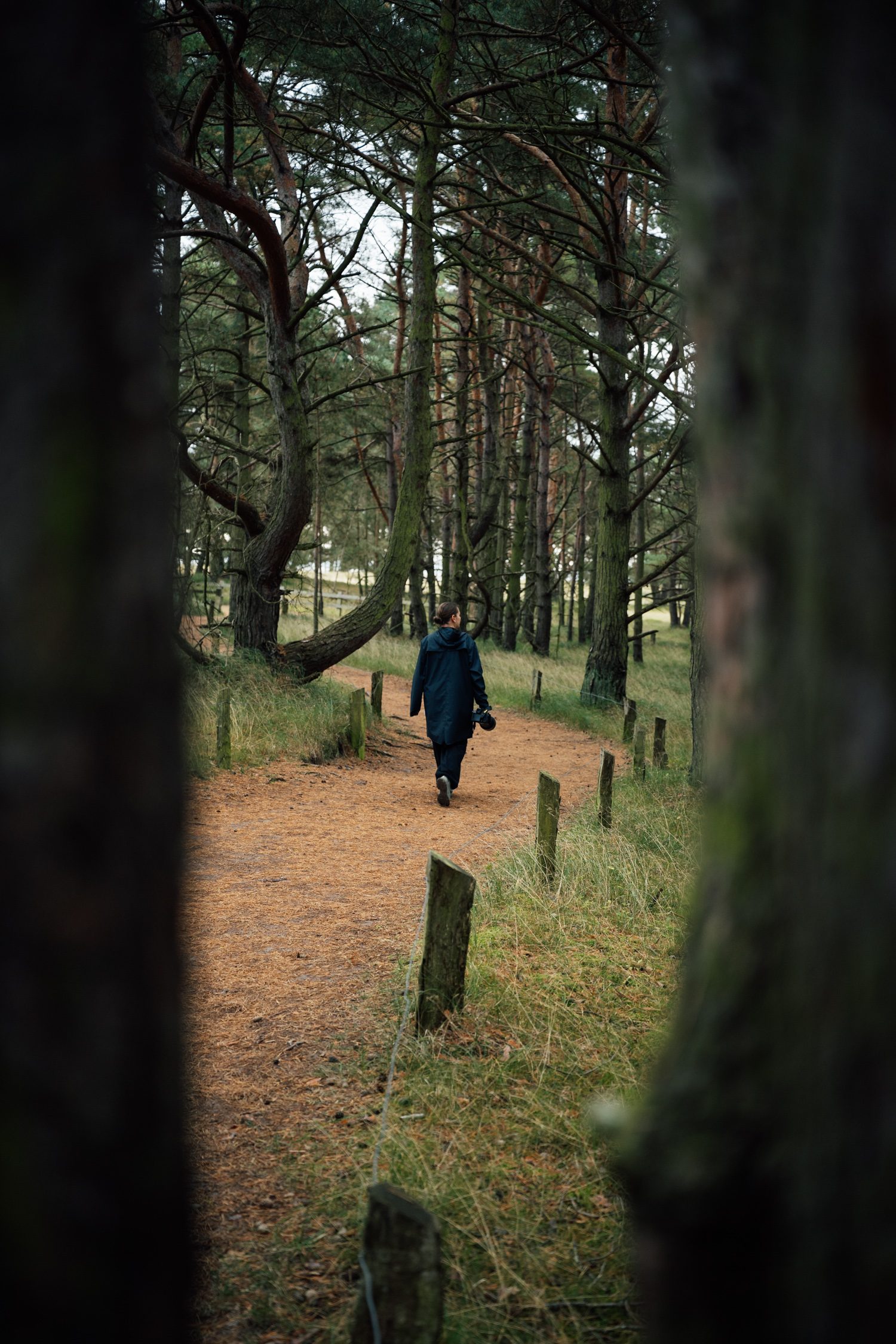
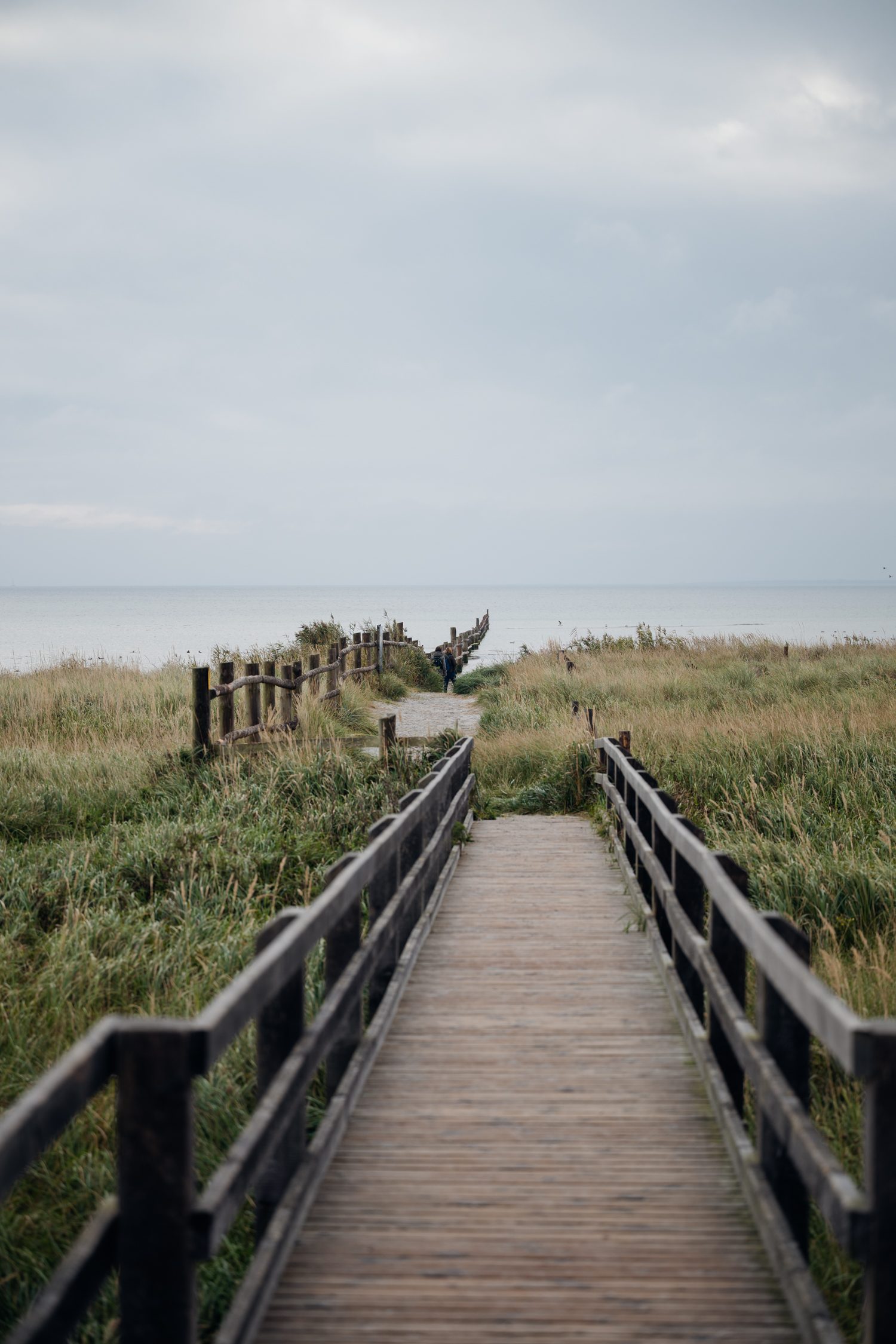
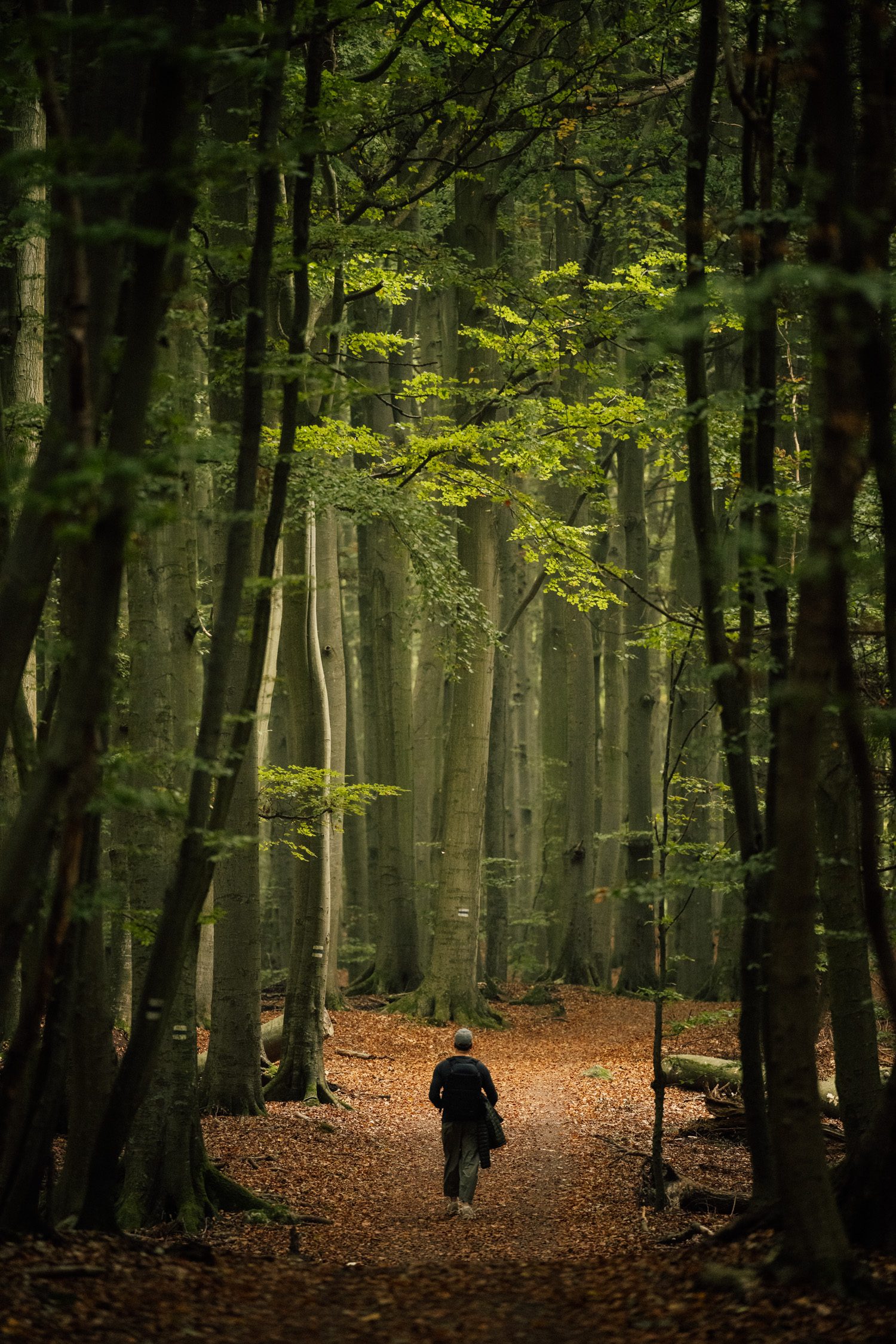
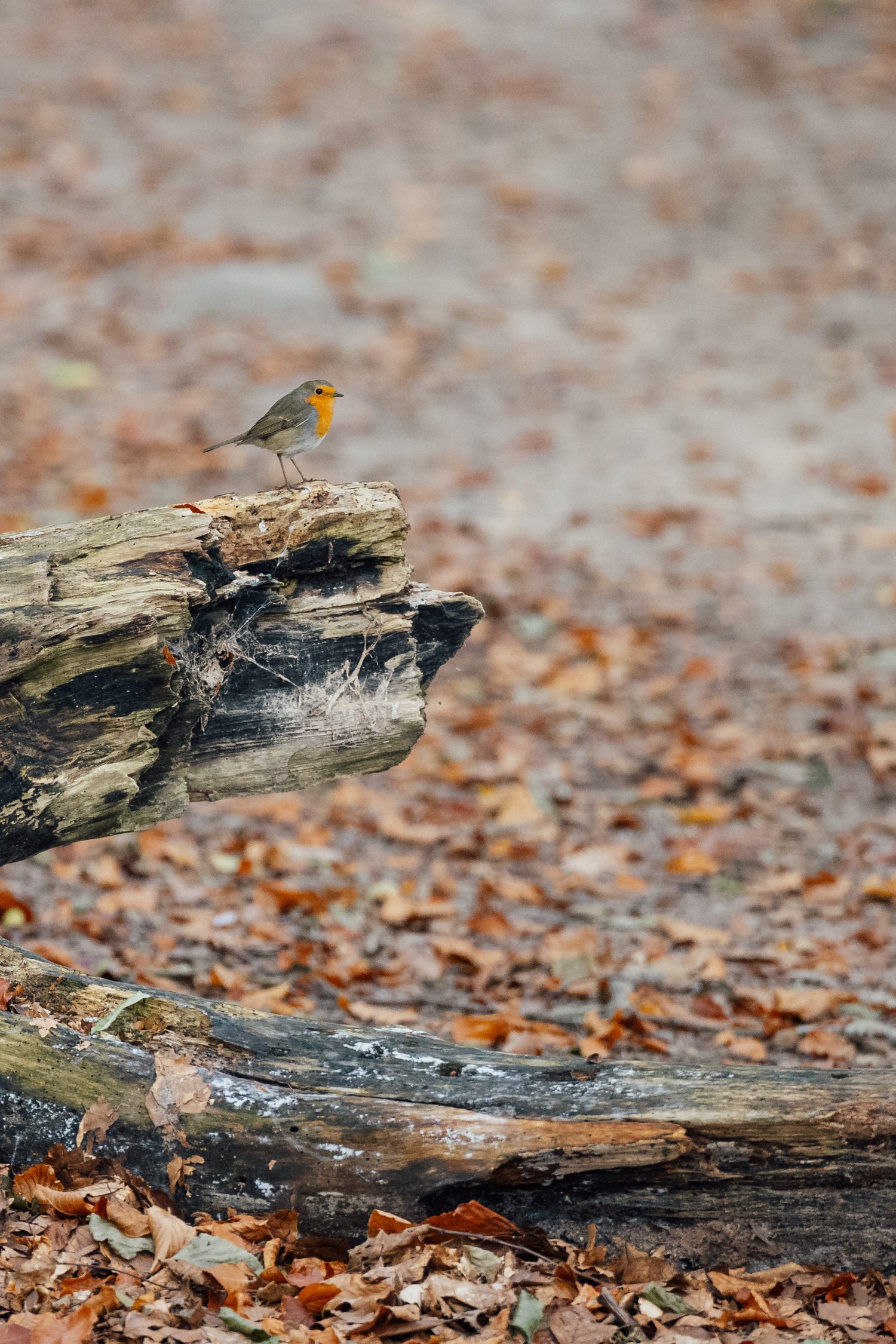
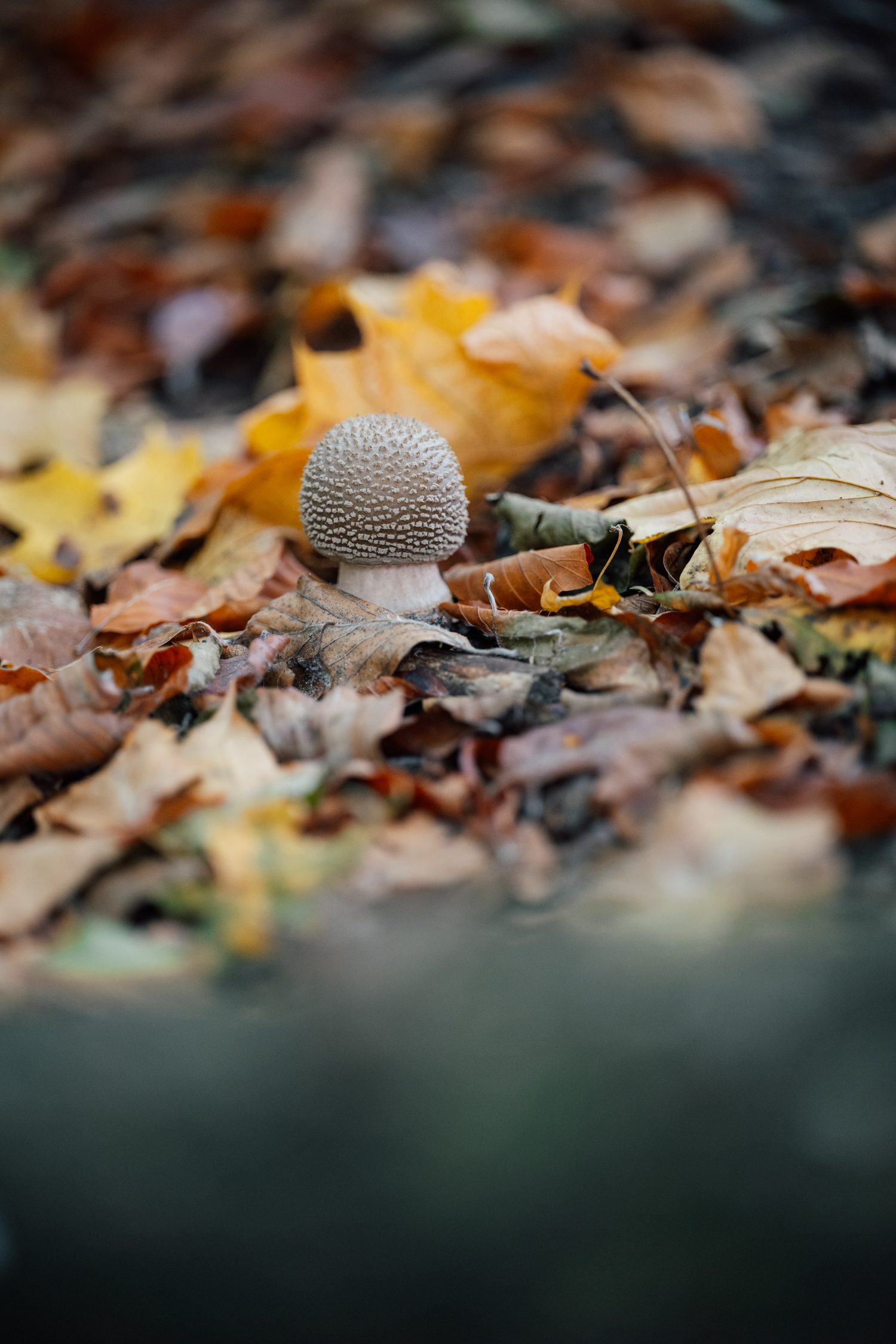
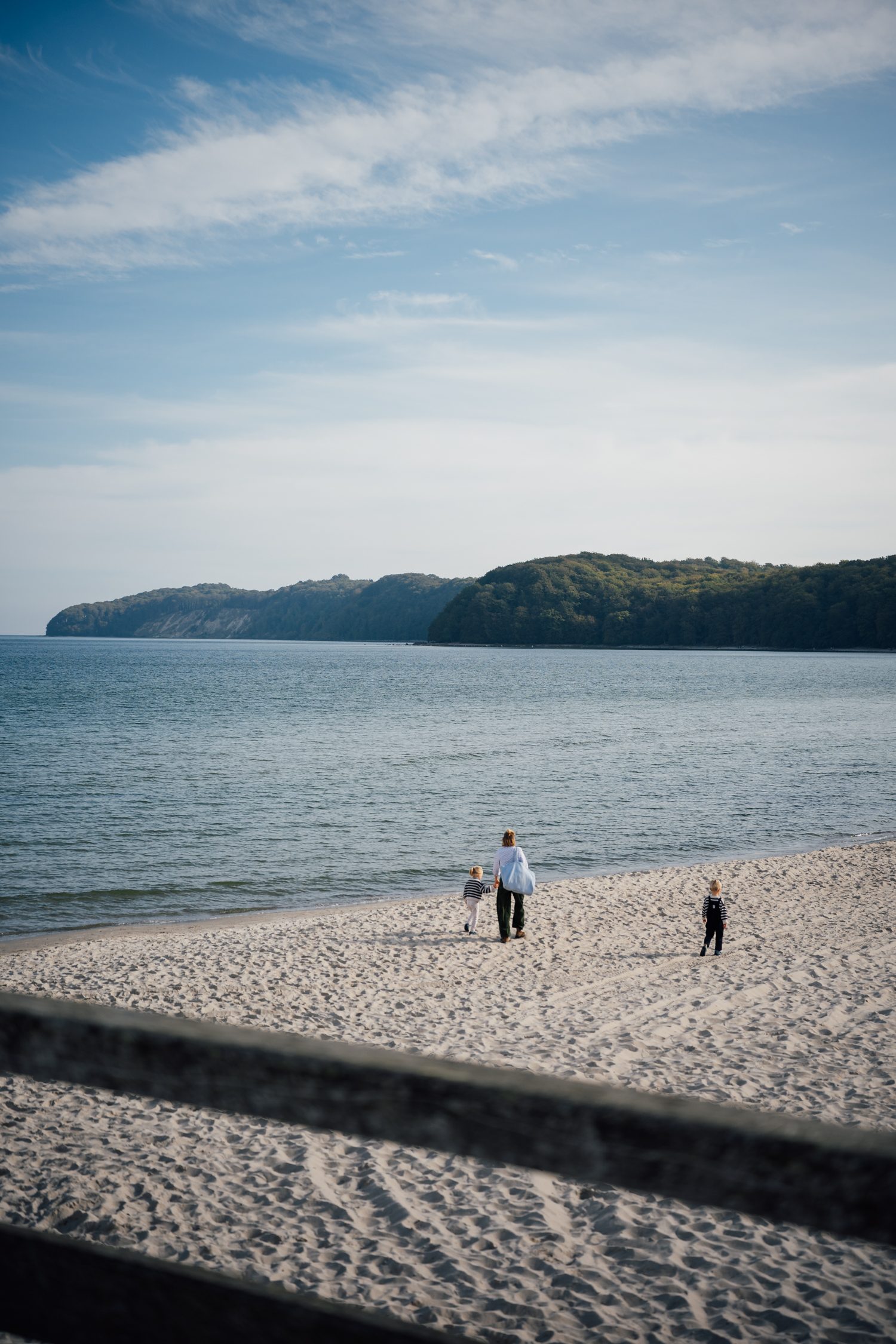
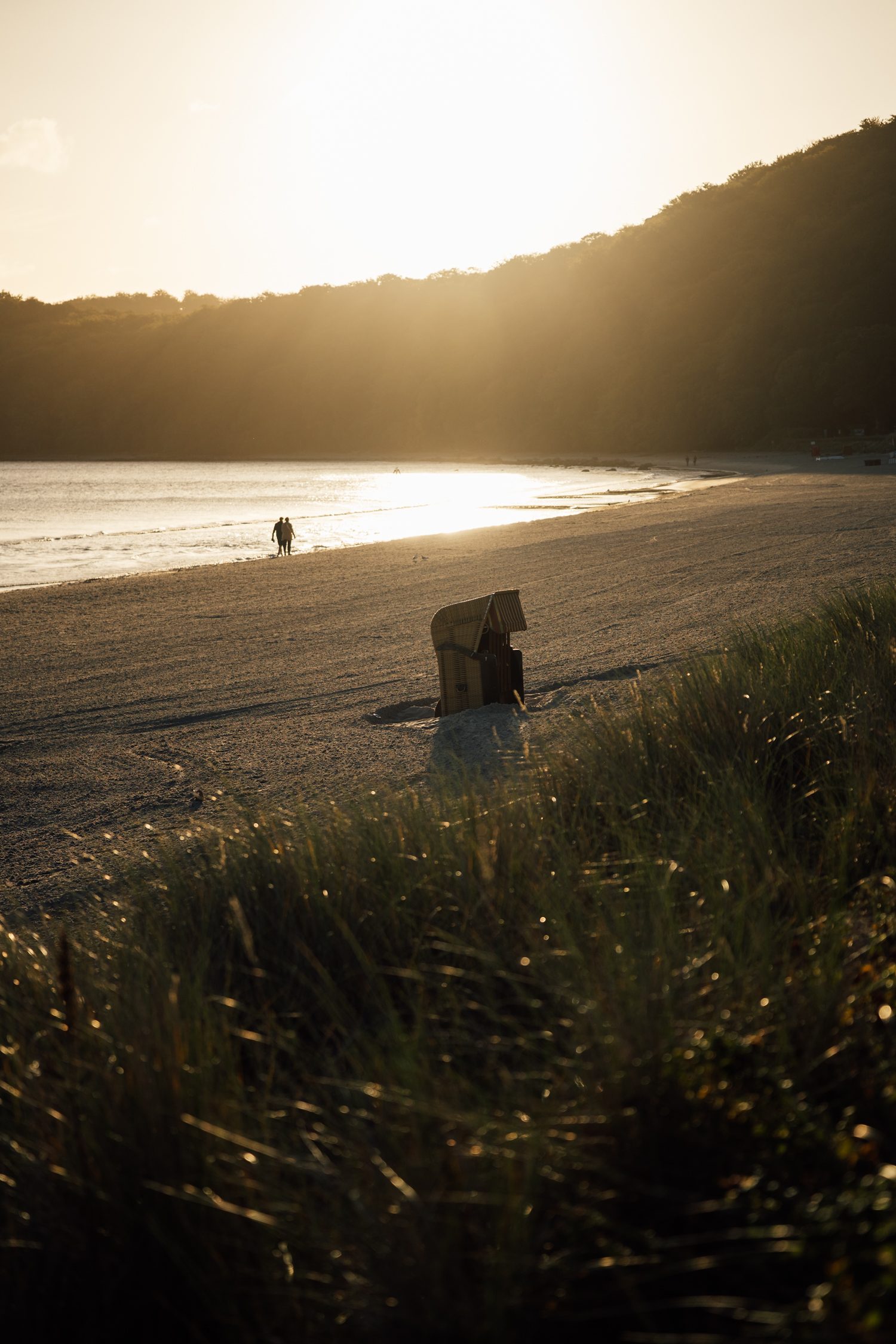
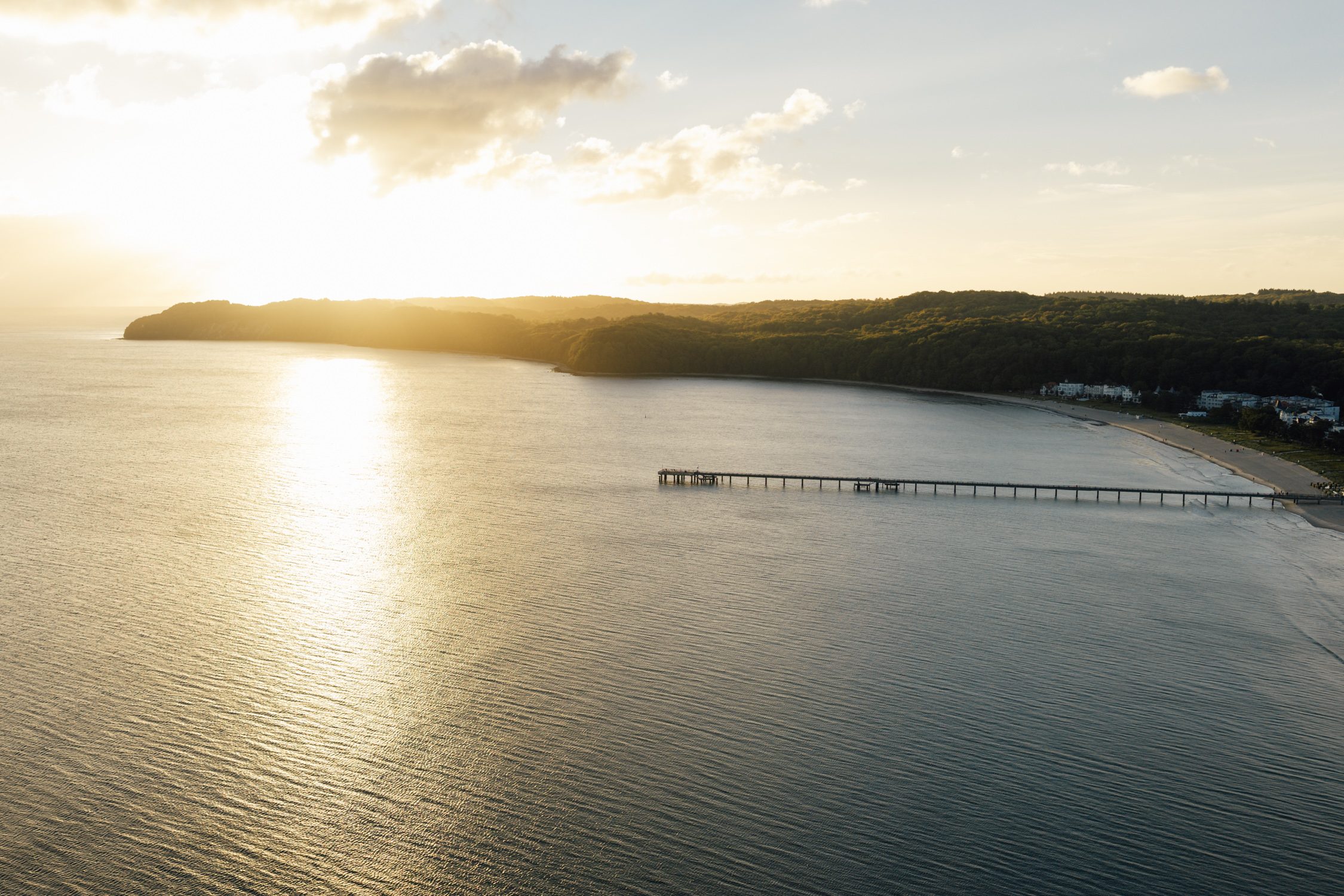
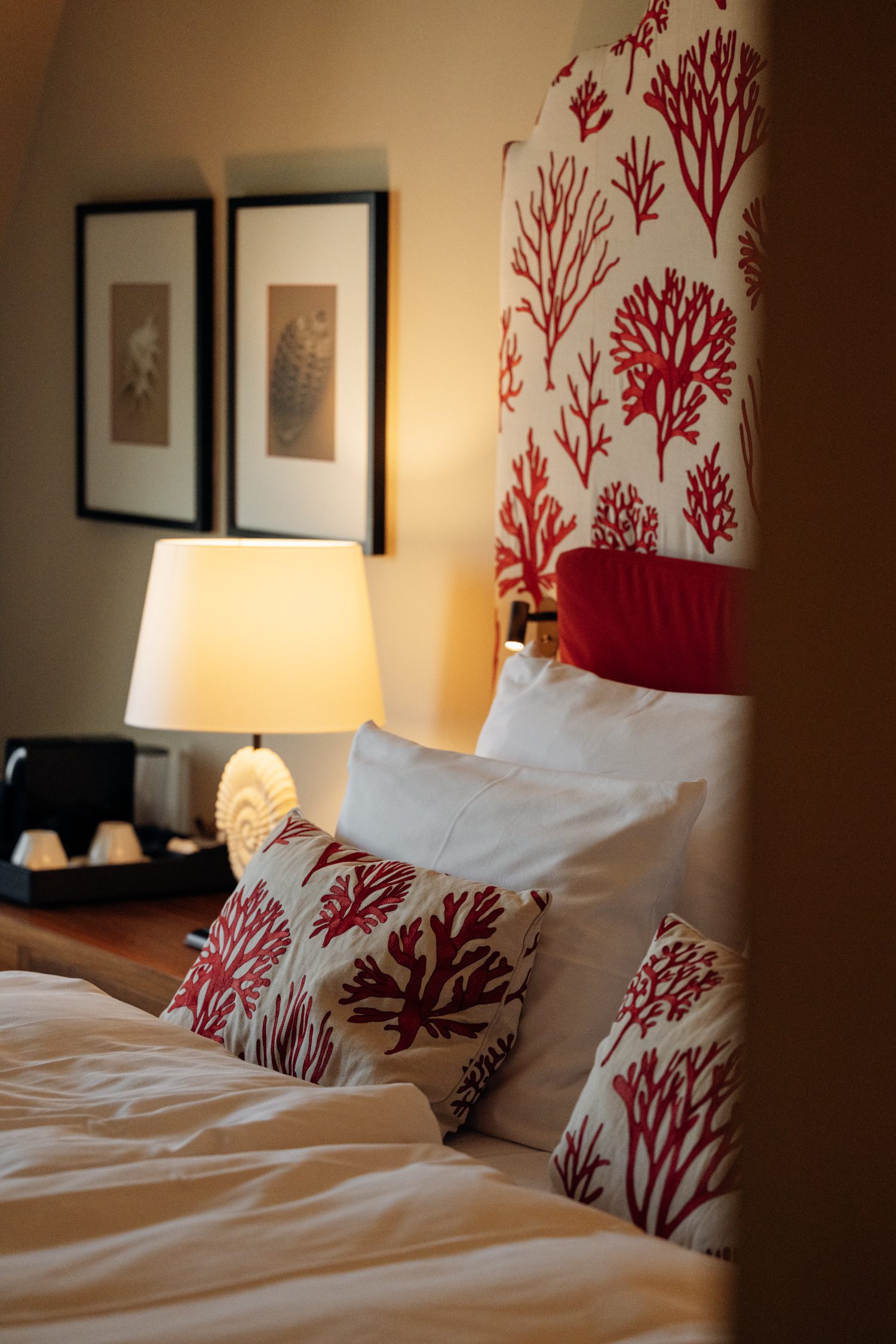
When we first visited the Baltic coast of Mecklenburg-Vorpommern in June for the Horizonte Zingst photo festival we left with a distinct sense of unfinished business.
We knew right then that we had to return with enough time to discover more and immerse ourselves in the region’s wilder side. Returning this autumn for our second trip to the area allowed us to experience the coast in its most magical season—when the summer crowds disappear and nature takes center stage.
In this guide we’re taking you along for the trip with all our recommendations for regions to visit and nature experiences to plan in Mecklenburg-Vorpommern’s North.
Autumn wildlife spectacles: Cranes and Coastal Stags
When autumn settles over Northern Germany, the coastal landscapes of Mecklenburg-Vorpommern transform. During our summer trip the Caribbean blue of the beach was accompanied by warm temperatures and beach guests, but in autumn it feels like the wildlife reclaims the(ir) space.
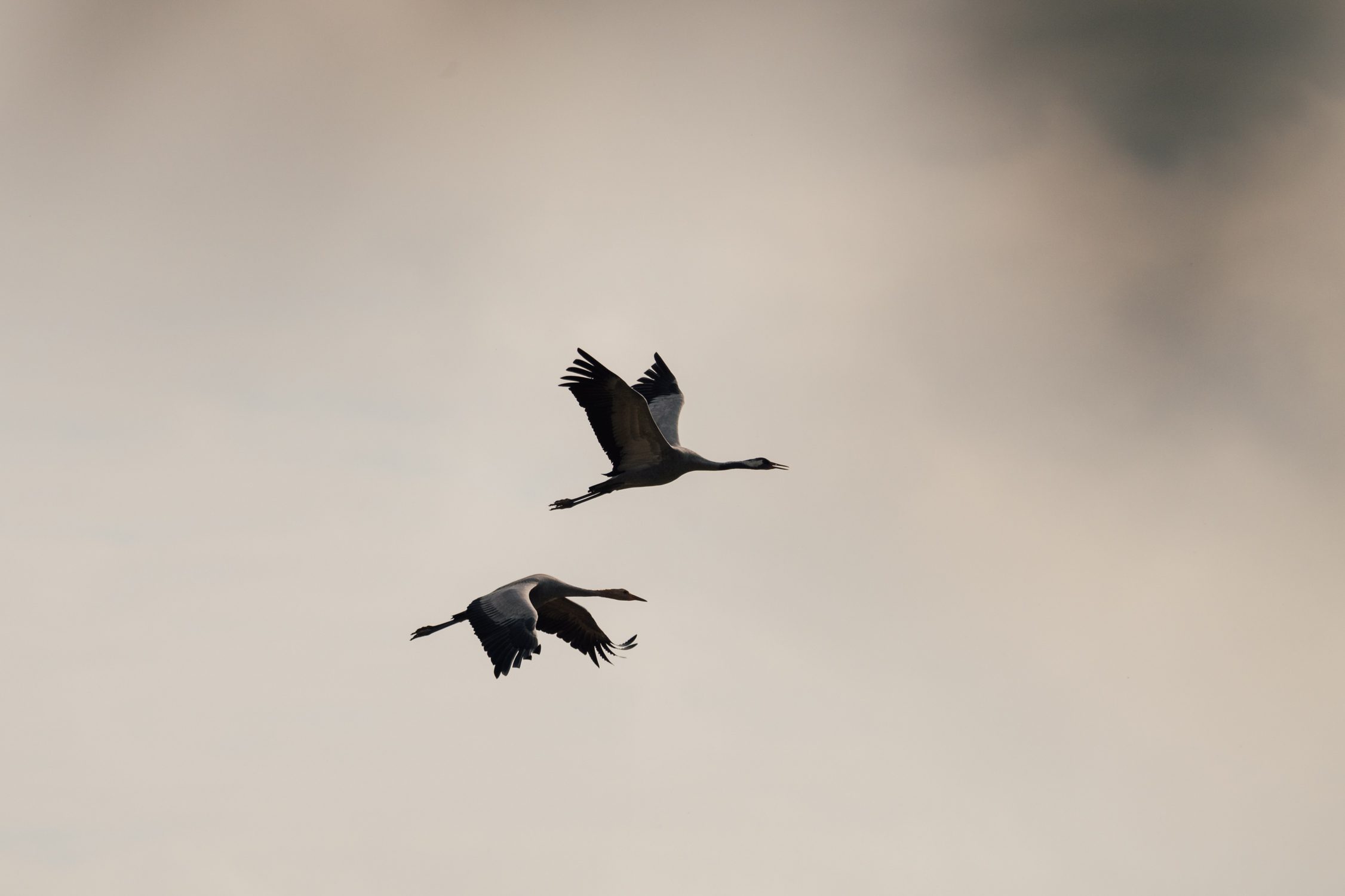
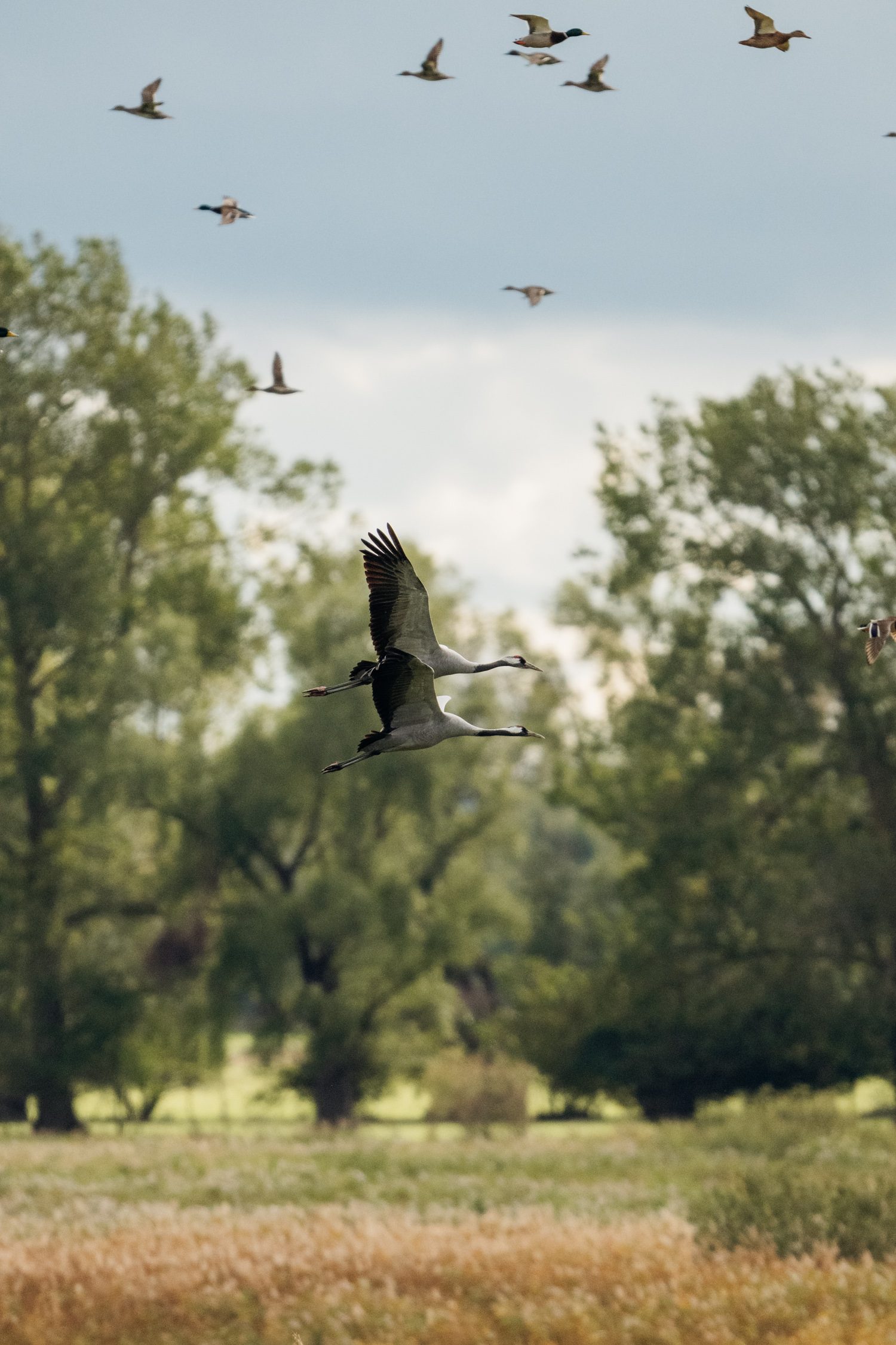
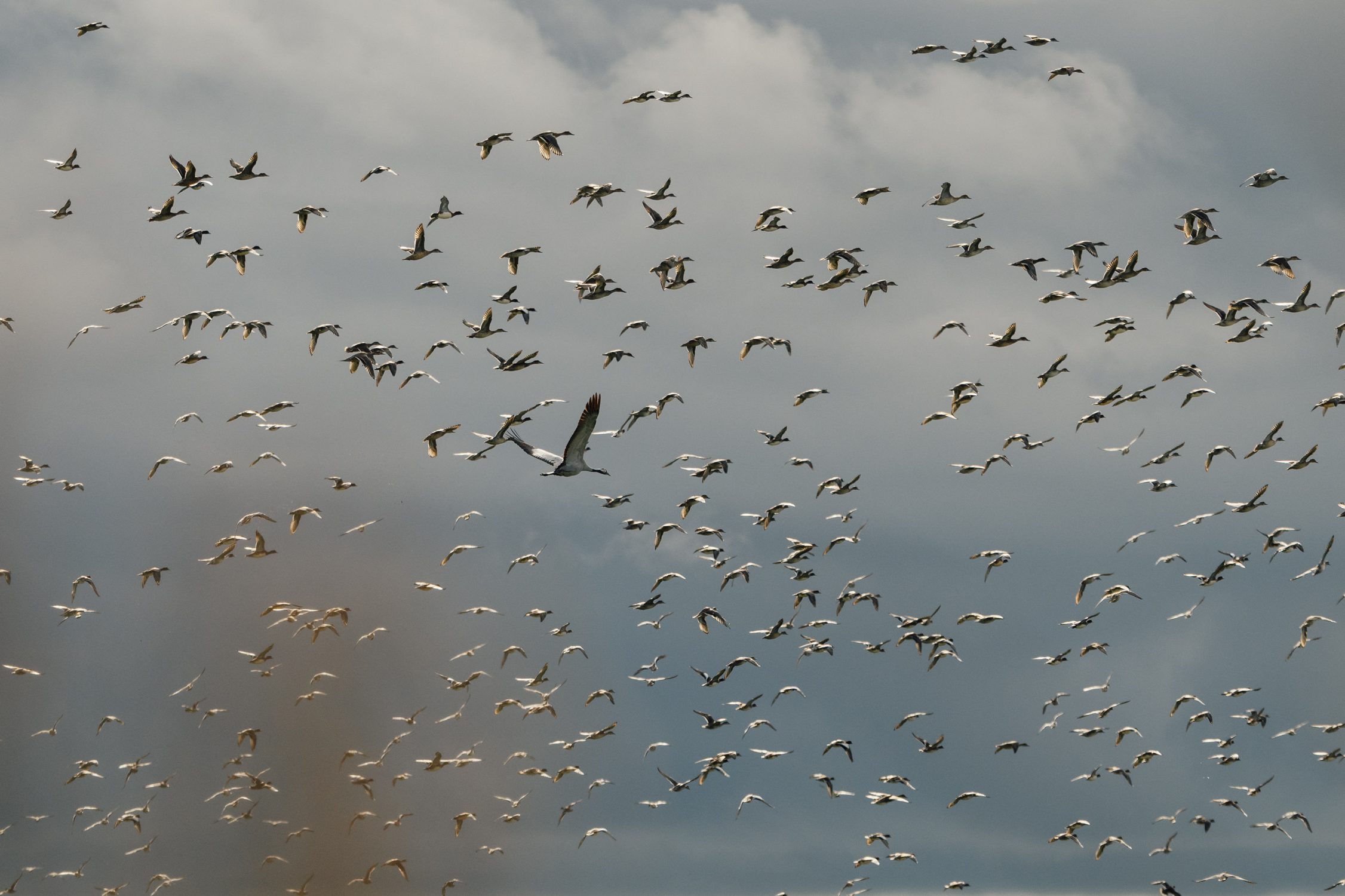
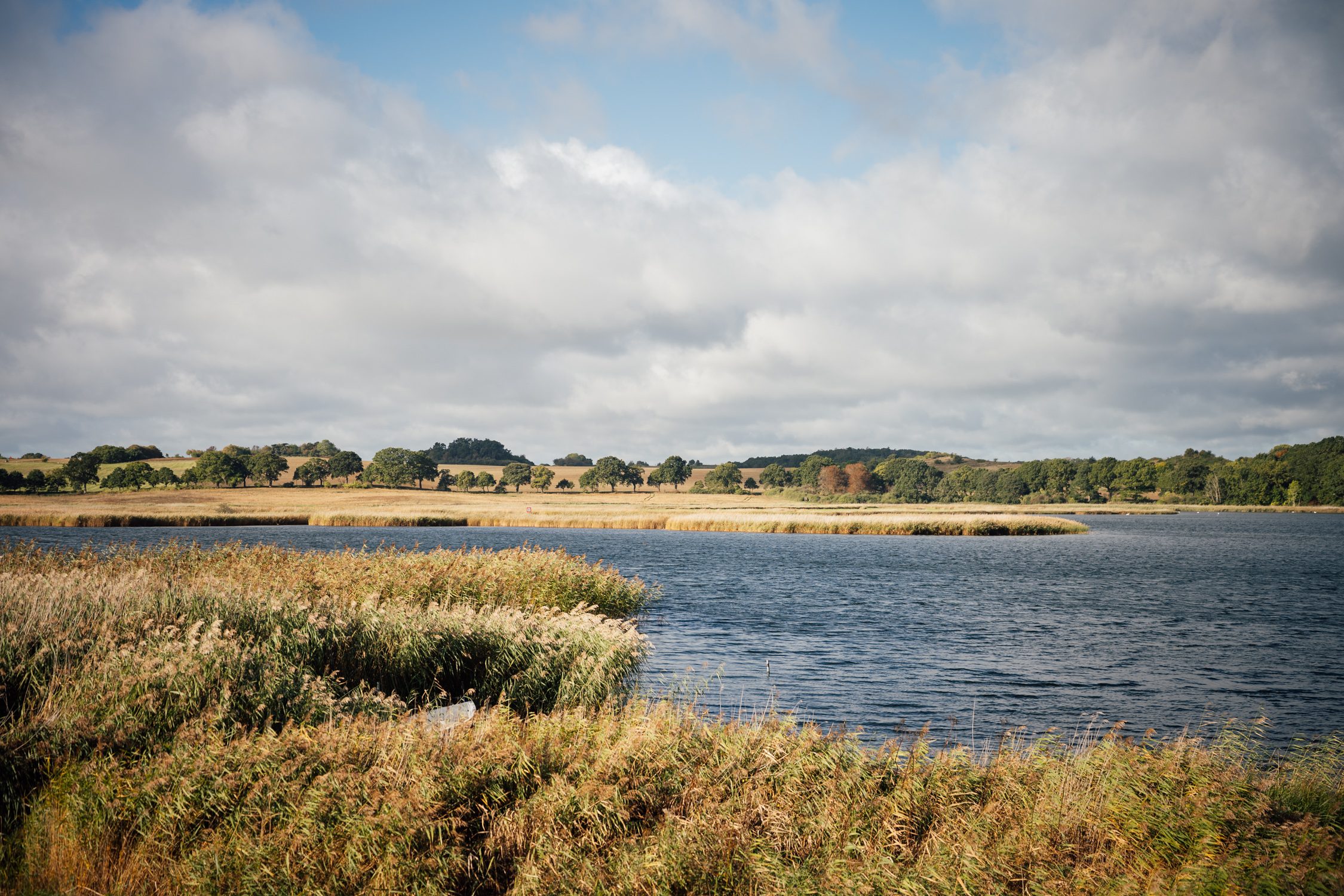
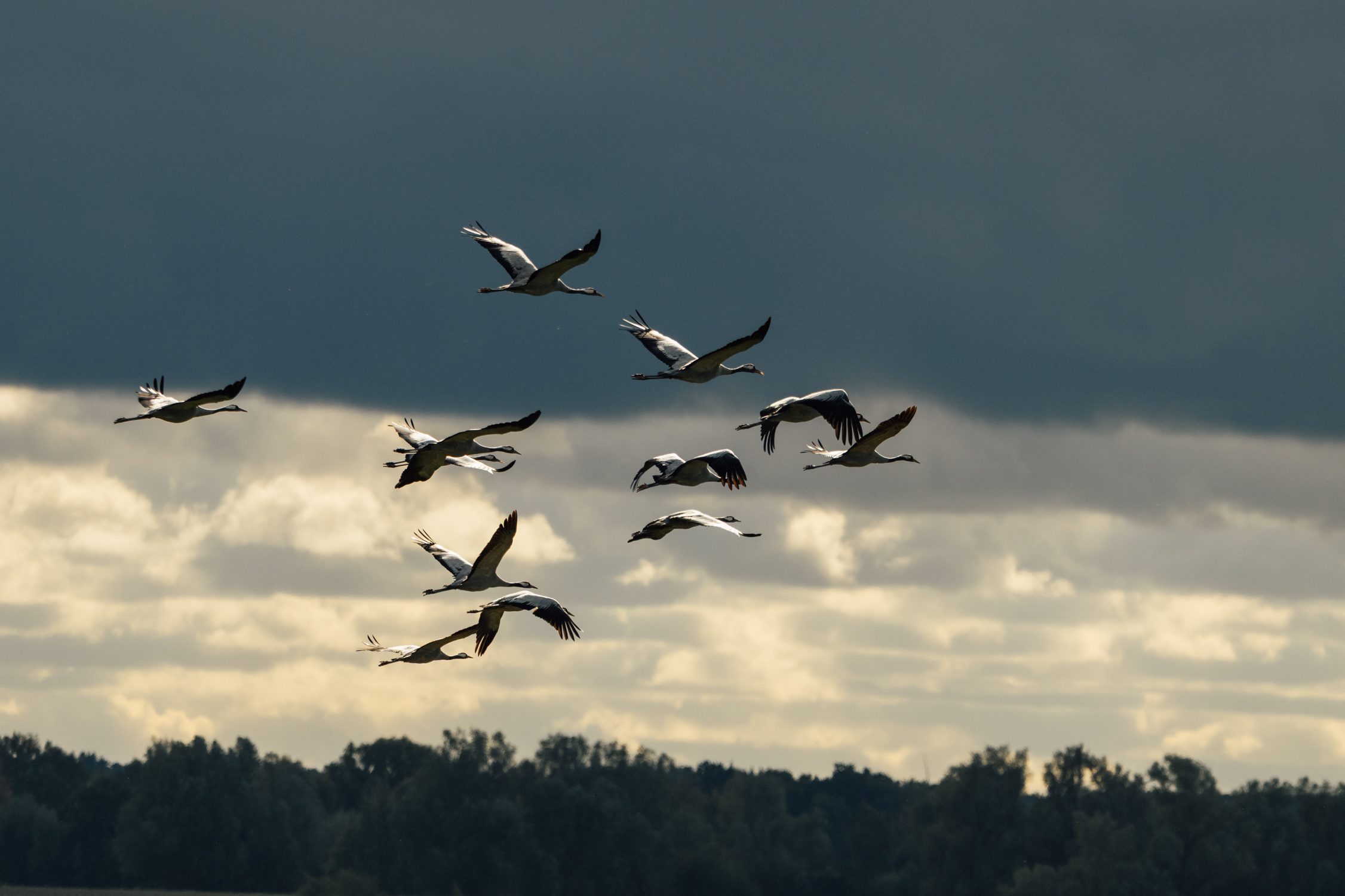
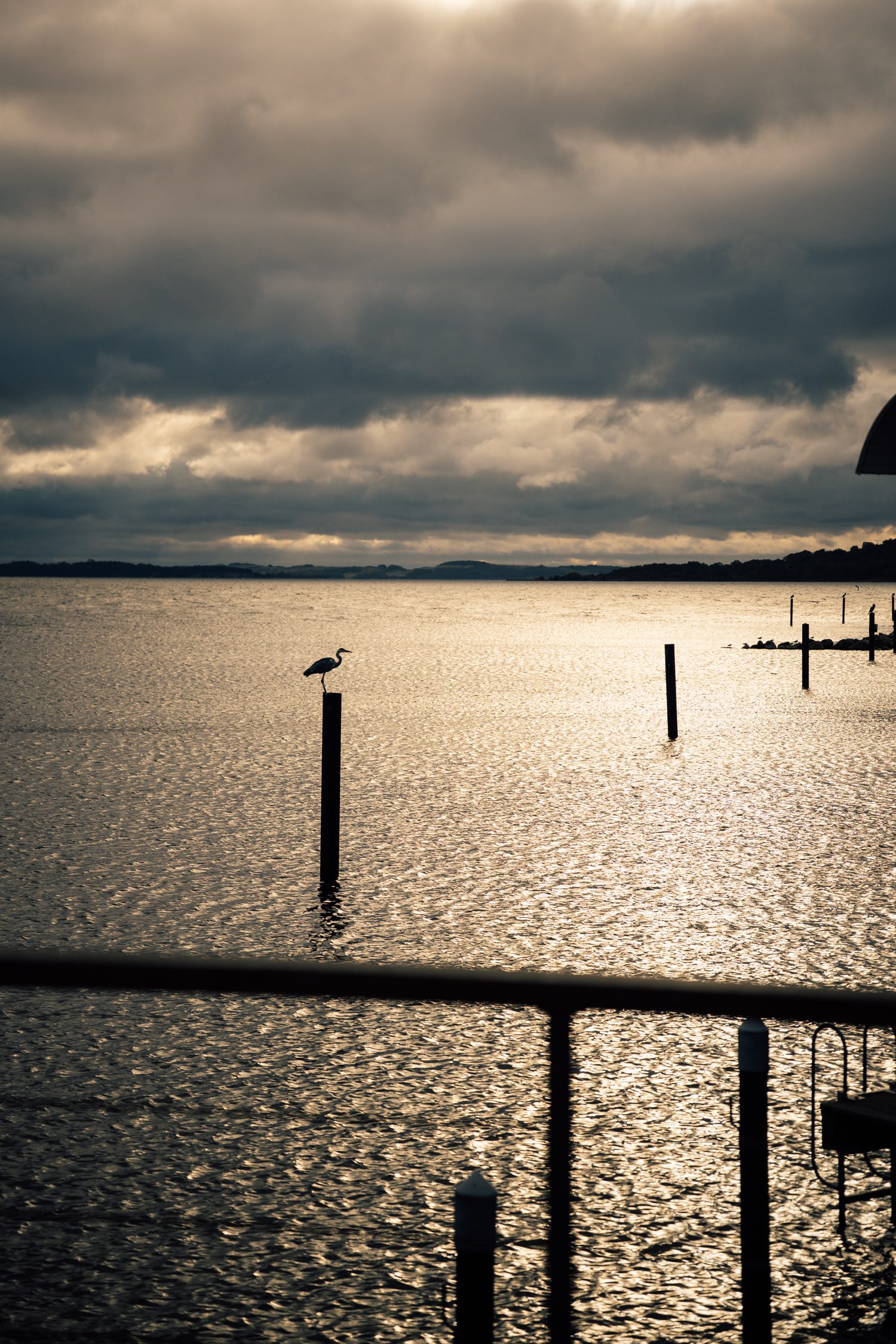
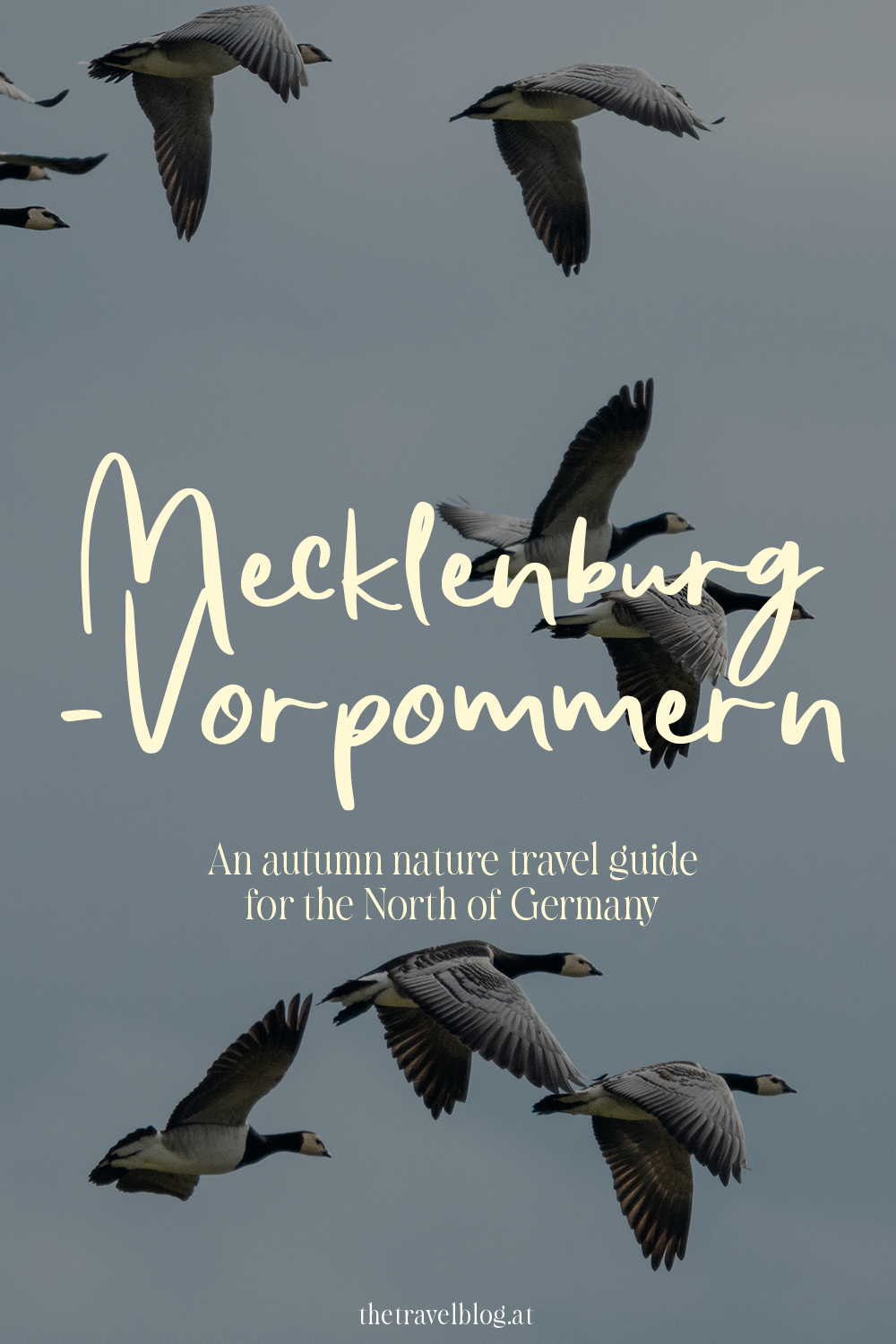
Crisp Baltic air sweeps across the brackish lagoons (called Bodden here), ancient beech forests are filled with the calls of stags in rut, and the sky fills with the trumpeting calls of tens of thousands of migrating common cranes.
For eco travelers and wildlife enthusiasts, autumn is an incredible time for coastal nature travel in Germany.
Where to go: Zingst & Rügen
Visiting in mid-to-late autumn unveils two natural spectacles that happen nowhere else in Central Europe in such proximity.
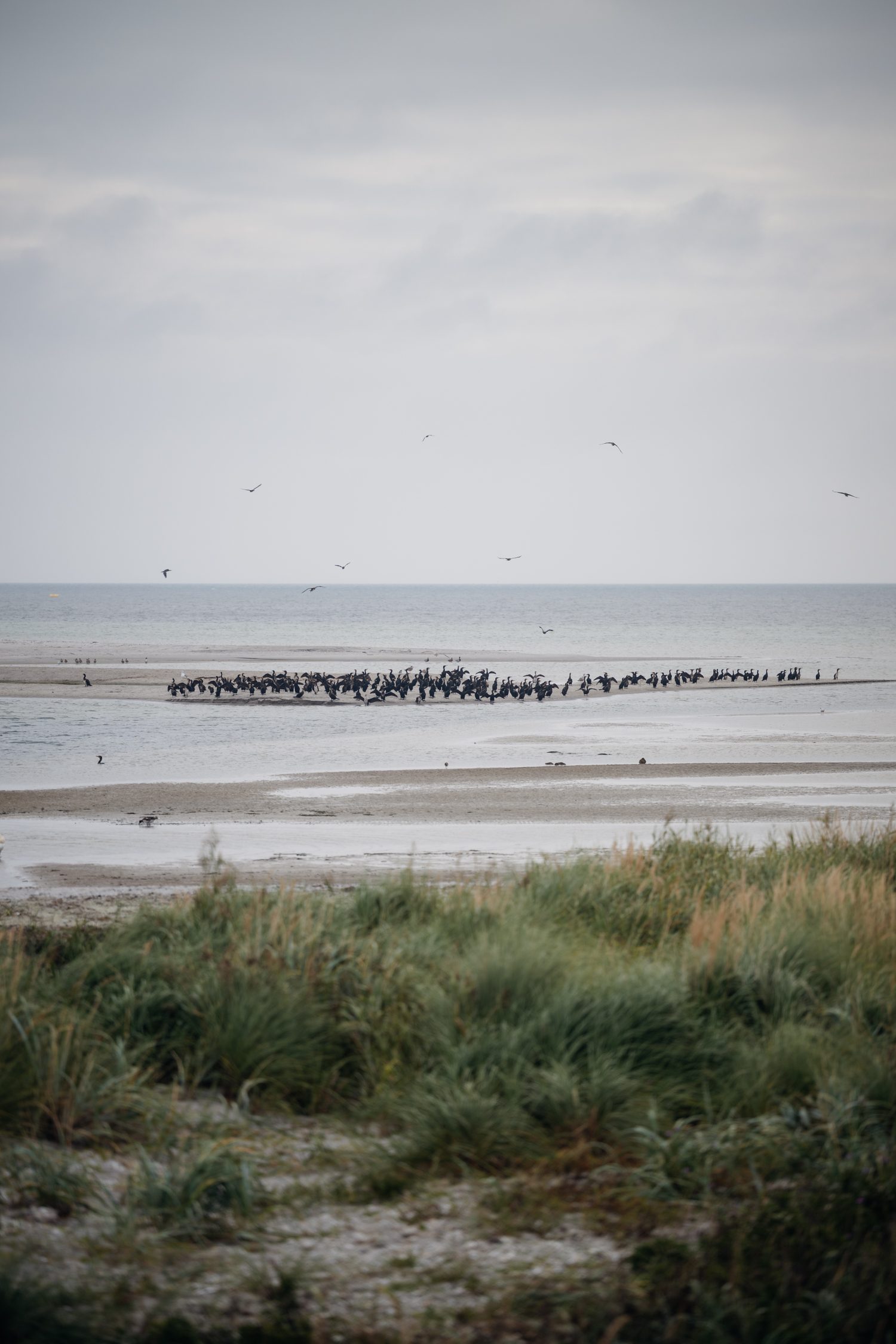
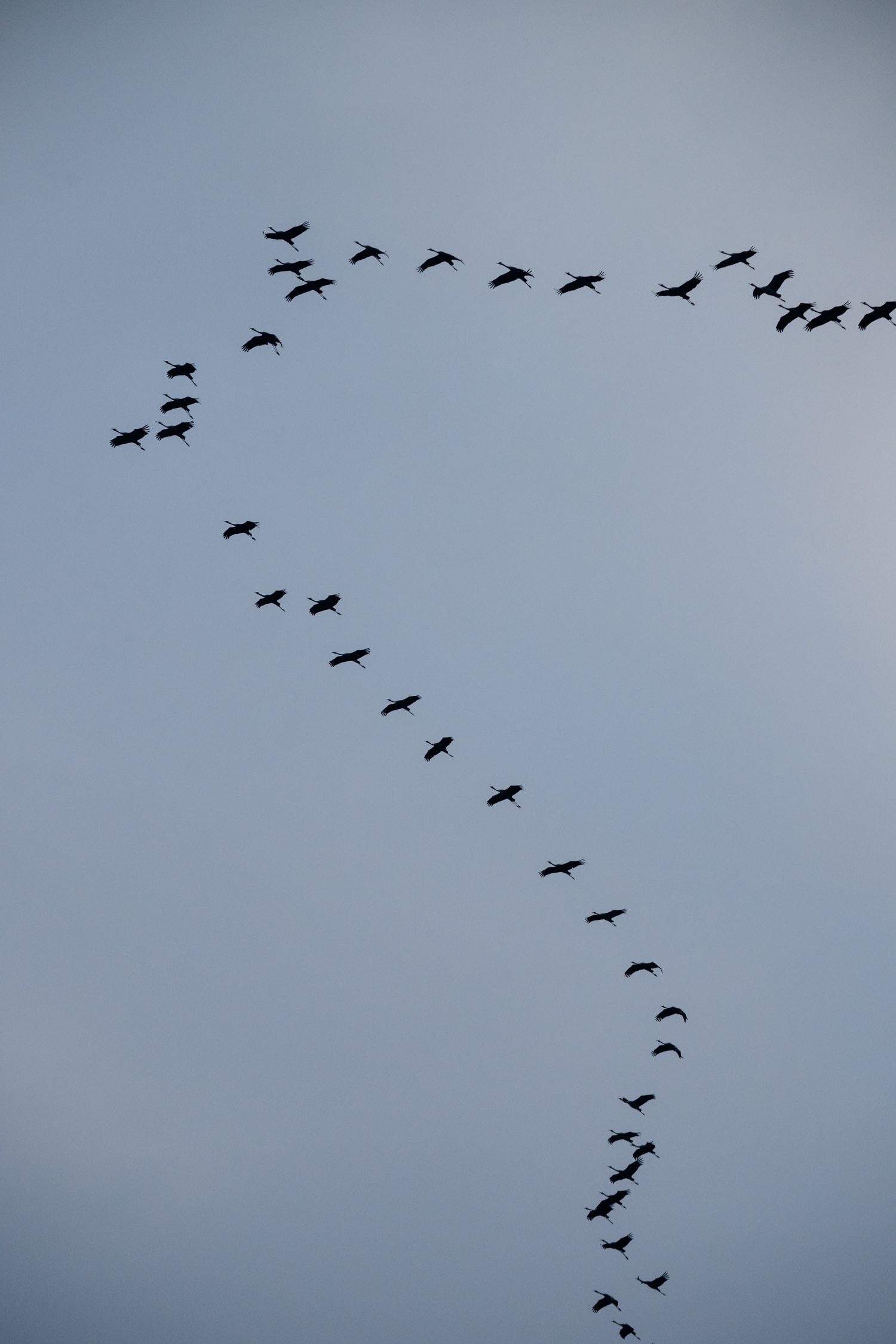
The Great Common Crane Migration: Over 60,000 to 70,000 cranes stop over in the shallow Bodden waters to rest and refuel before their long journey south.
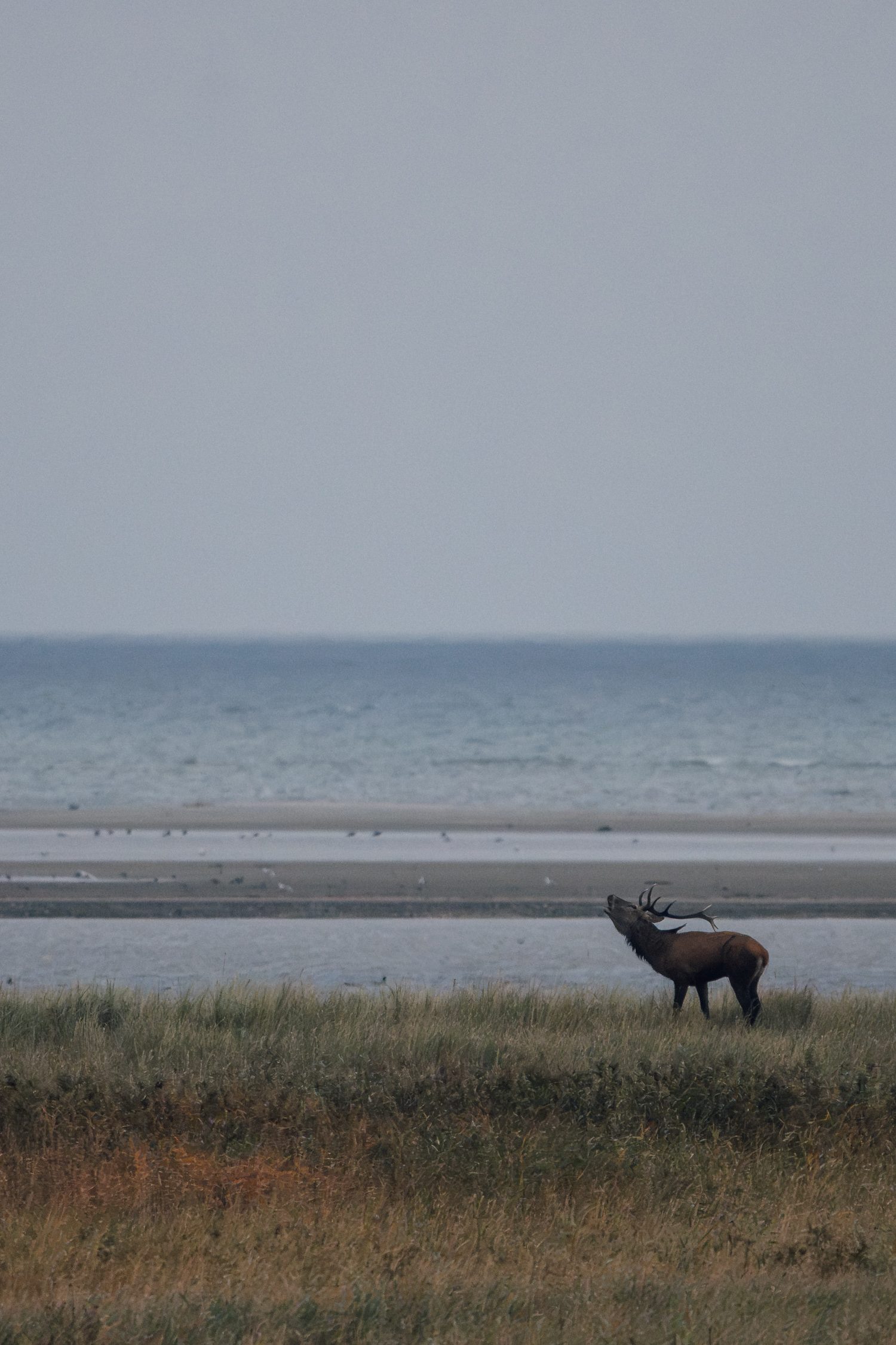
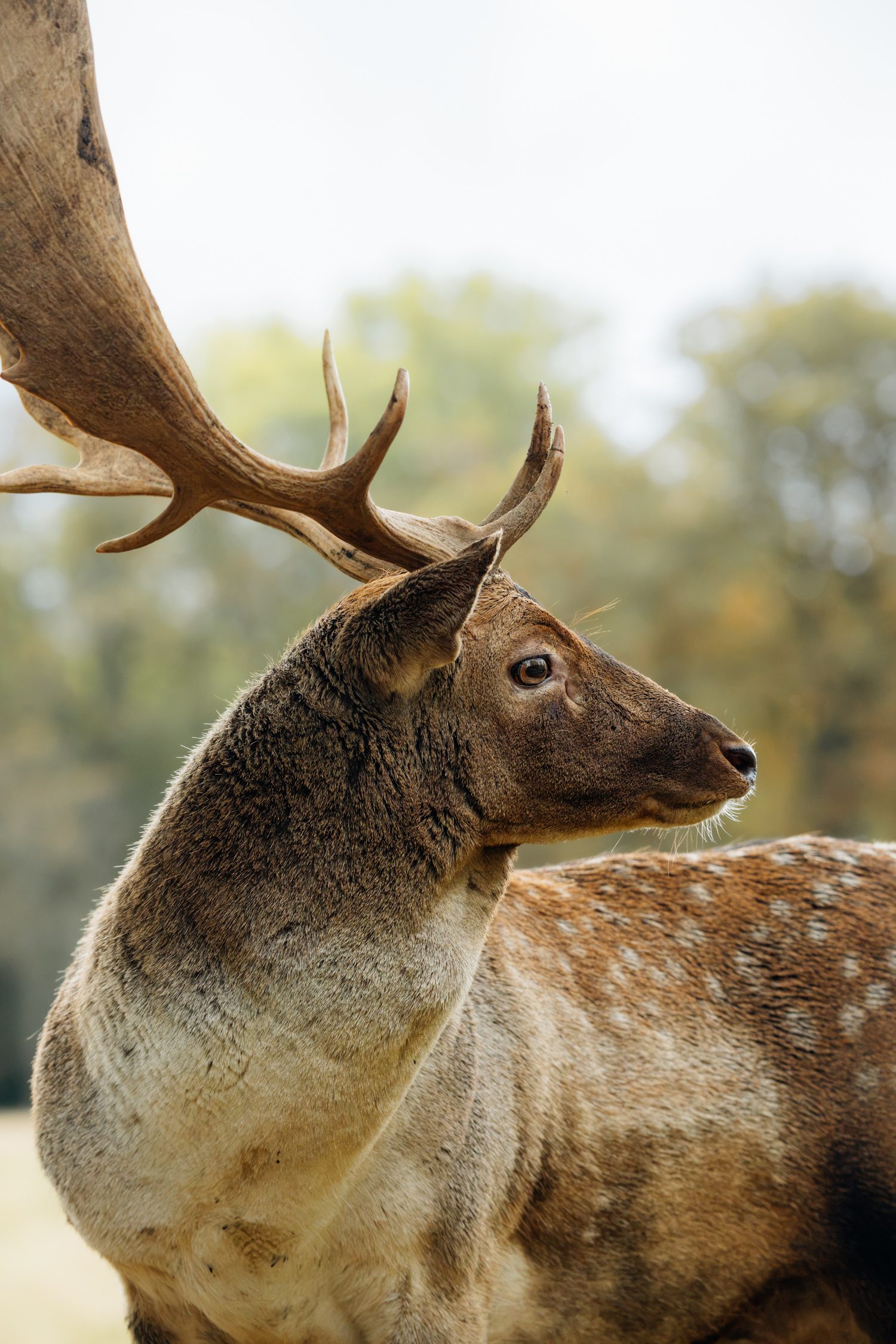
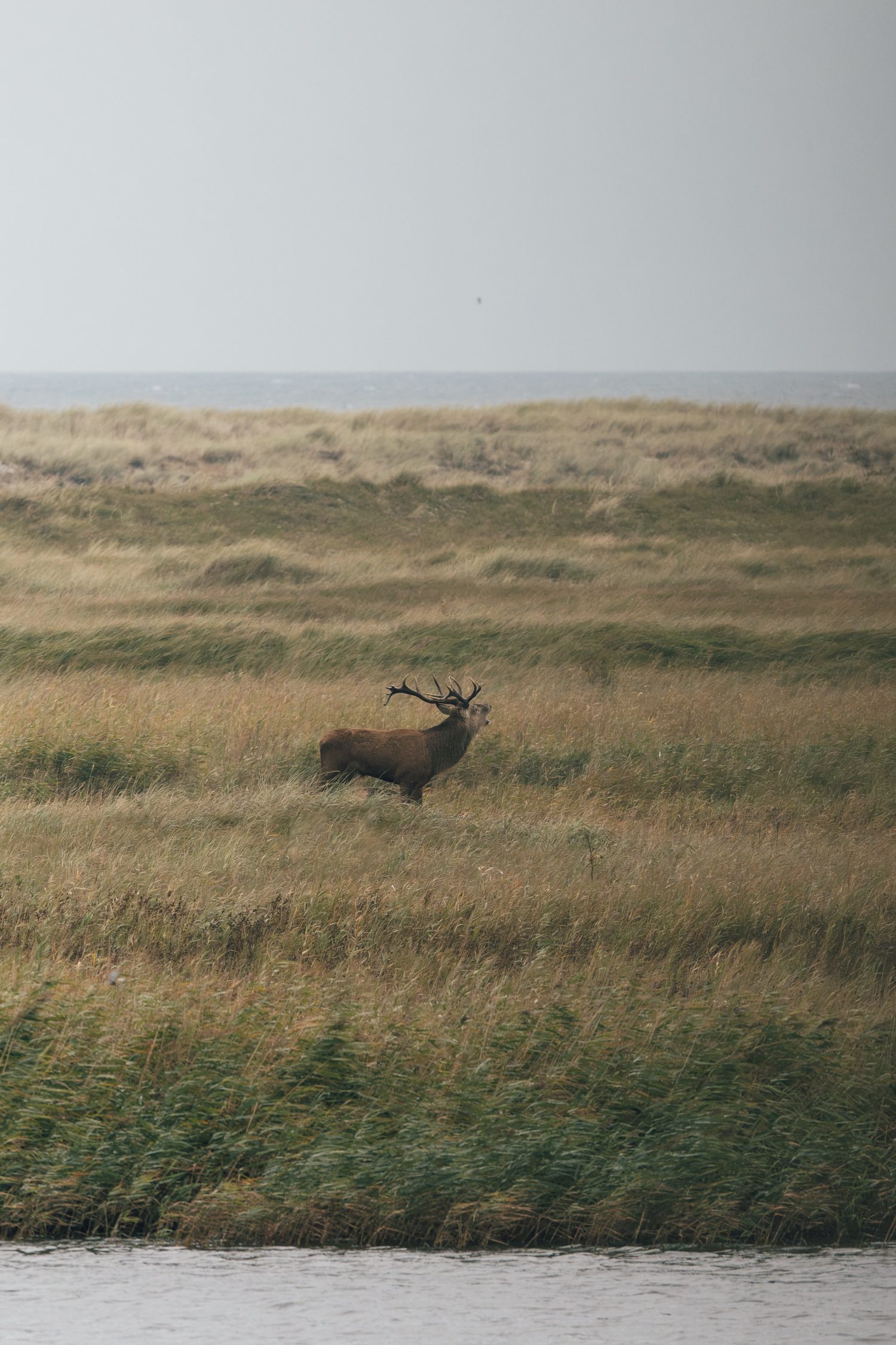
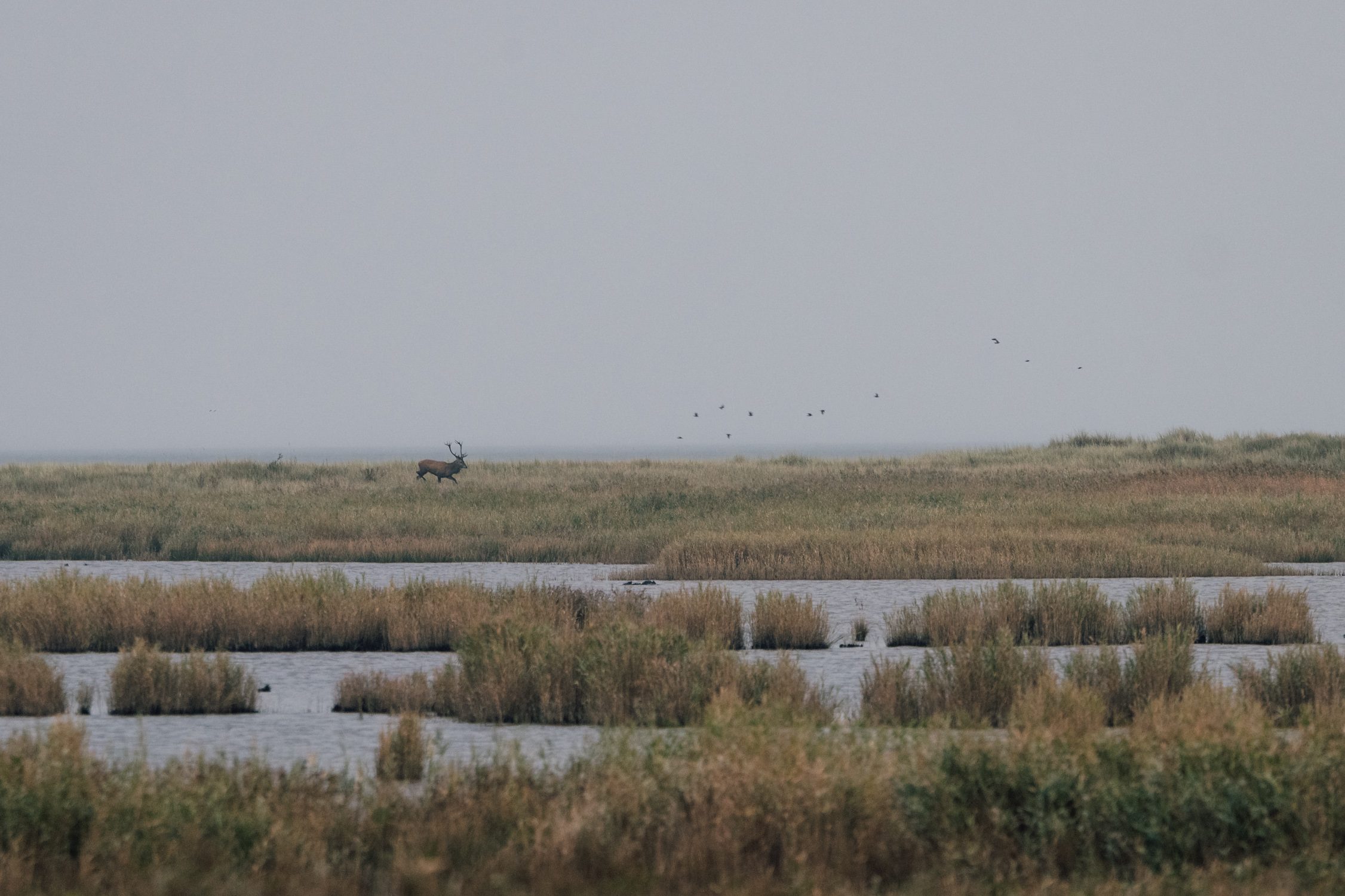
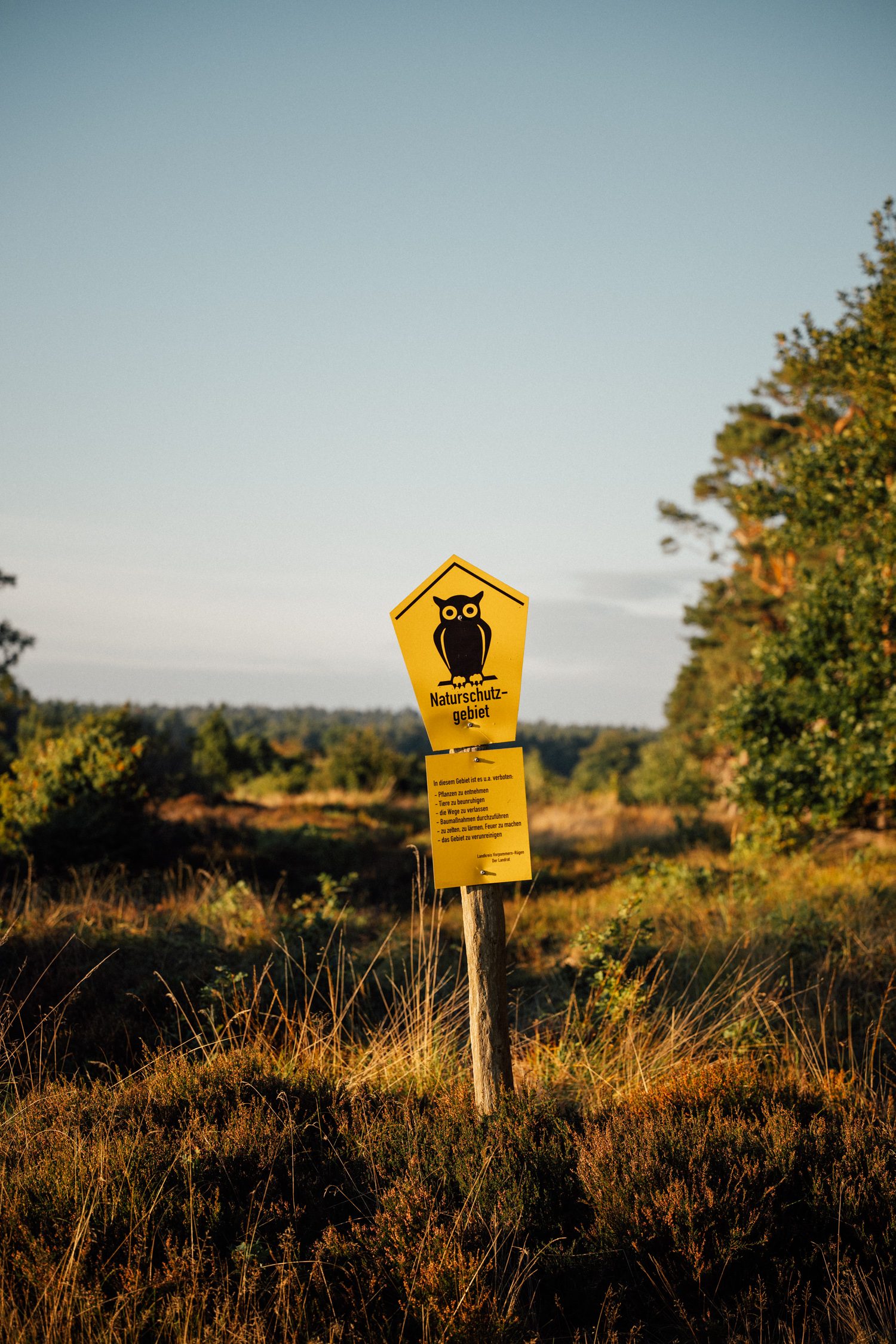
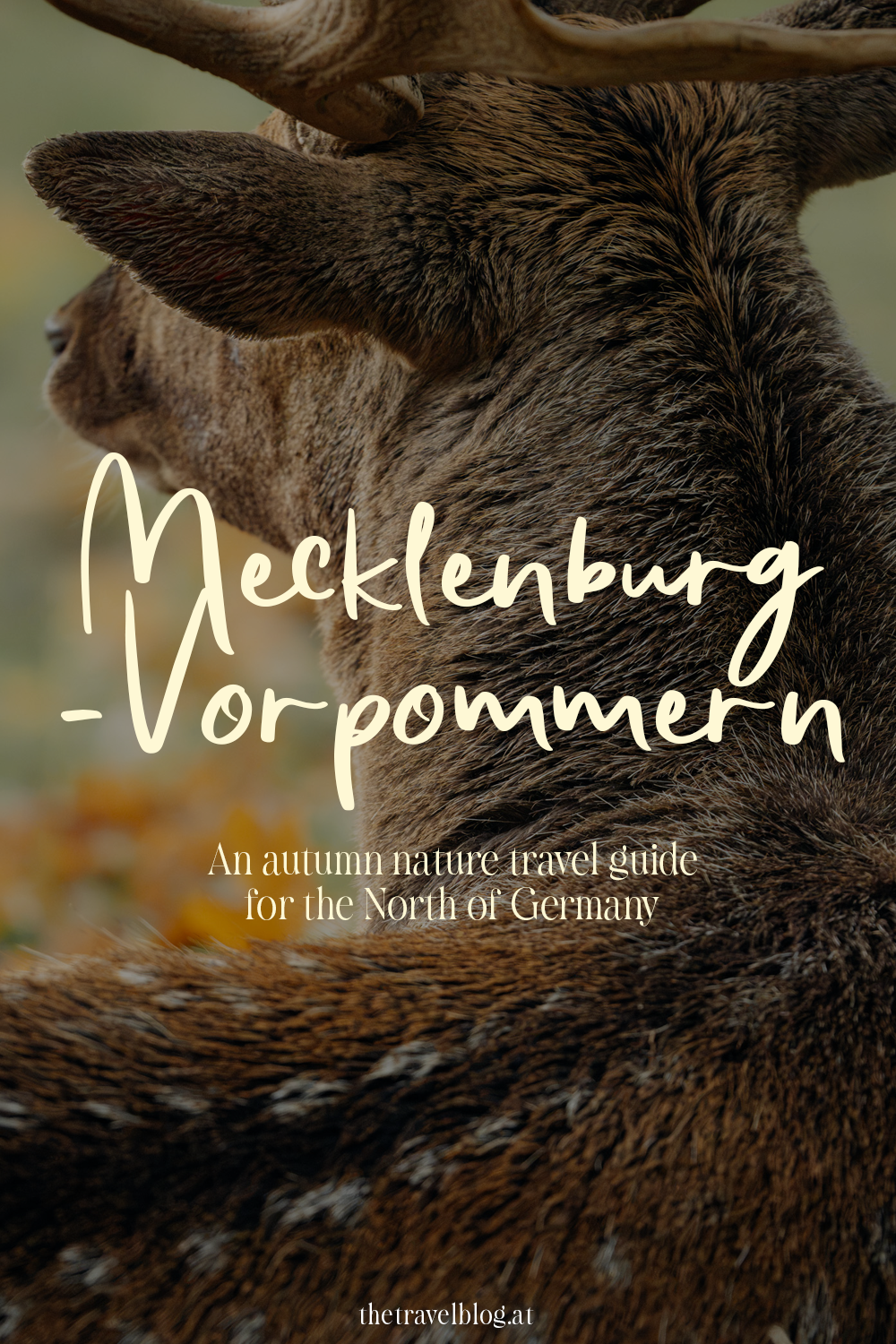
Coastal Red Deer Rut: On the pristine Darß peninsula, massive stags venture out from primeval woodlands onto sandy Baltic dunes and coastal marshes, providing an unforgettable wildlife viewing experience.
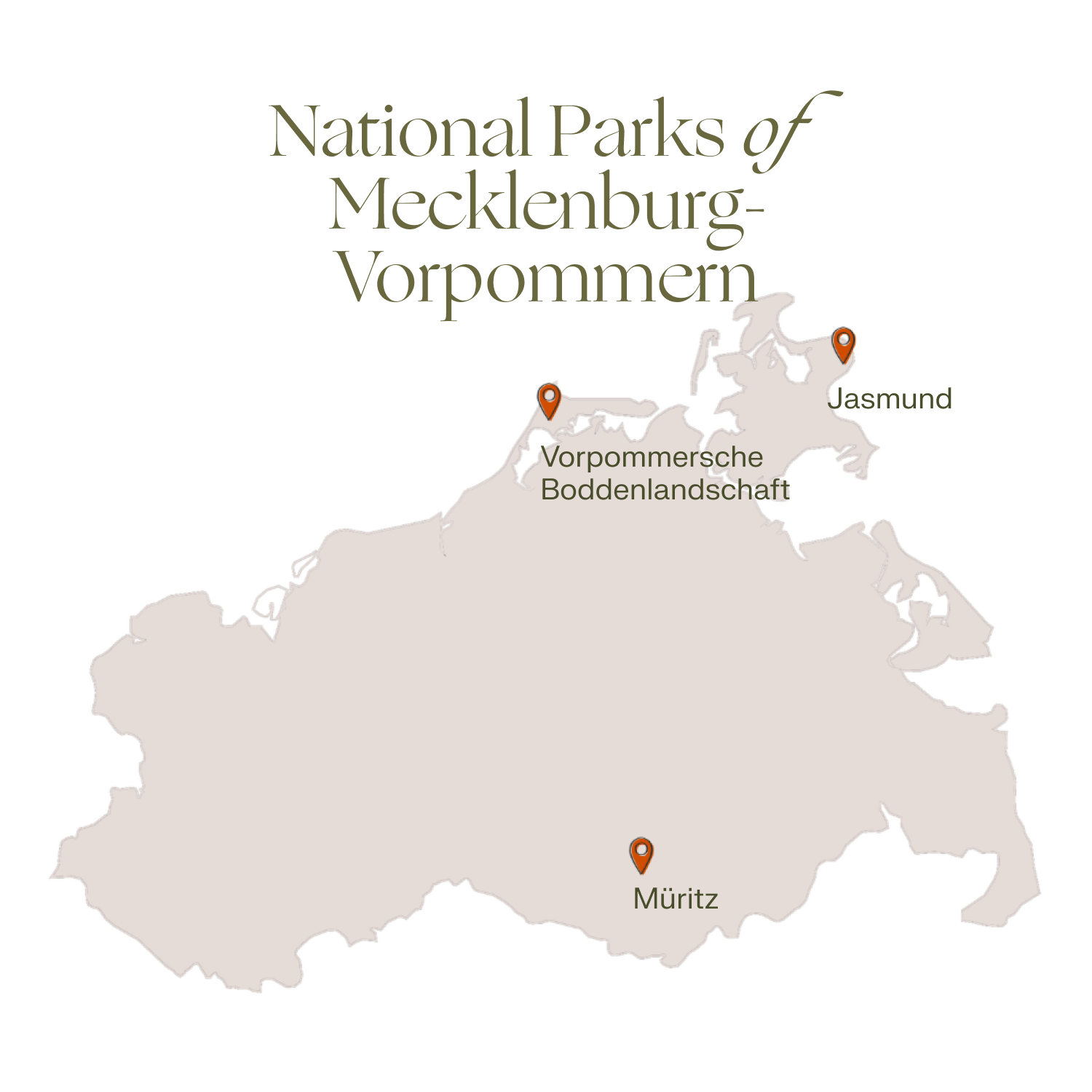
To witness both of those wildlife showcases the Northern coast of Mecklenburg-Vorpommern is the ideal base. On this trip we combined a stay at the peninsula of Zingst with a few different locations on the much larger island of Rügen. Each are located directly at the Baltic Sea and are prime real estate in terms of wildlife watching as well as home to two of the three National Parks of Mecklenburg-Vorpommern:
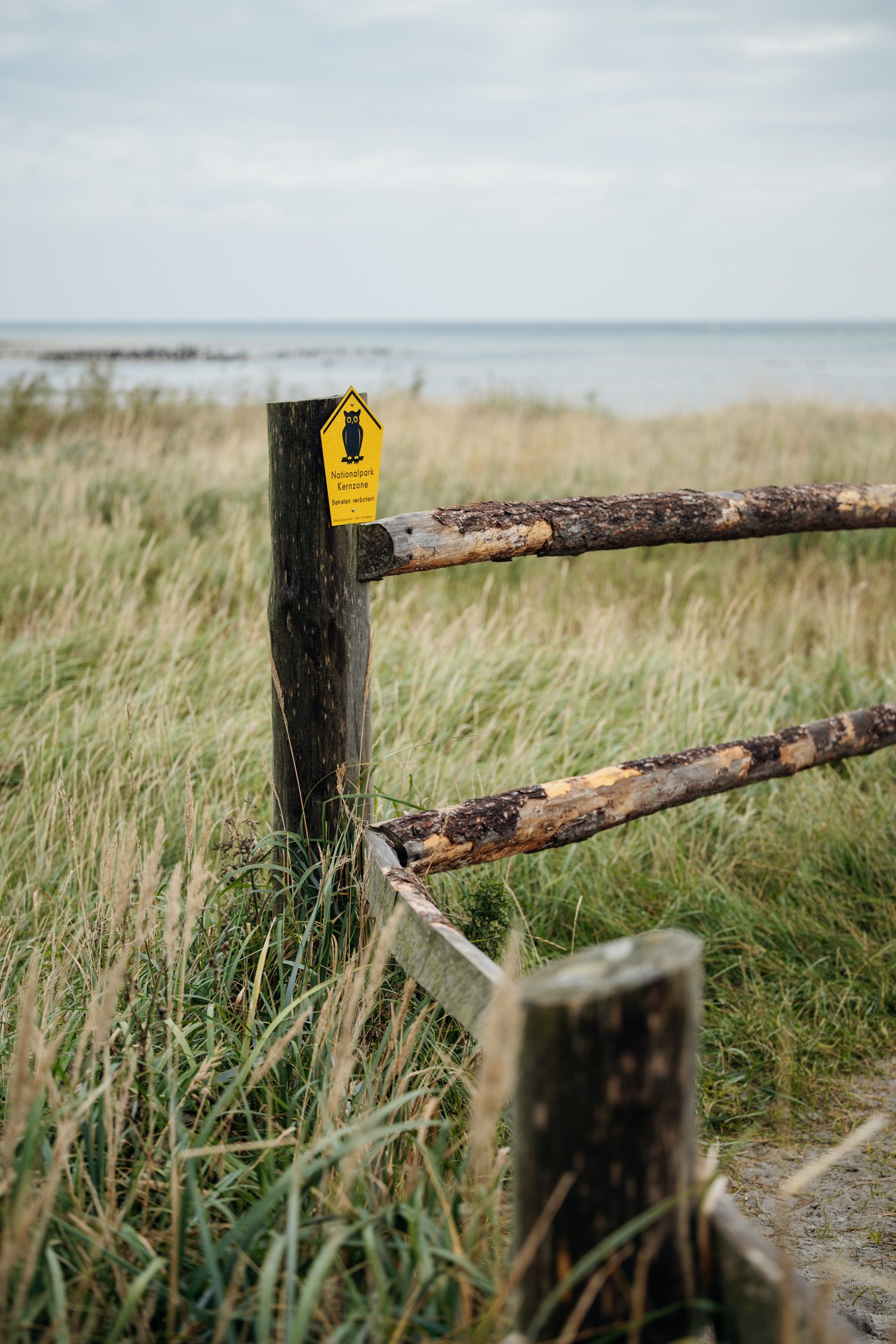
National Park Vorpommersche Boddenlandschaft, Islands Rügen, Hiddensee and Peninsula Fischland-Darß-Zingst
Jasmund National Park, IslandRügen
(We didn’t have time to head to the third National Park – Müritz – on this trip, but hope to go there on a next trip to experience a completely different ecosystem with an abundance of lakes. We’ll share more about the parks below.)
Why to visit Mecklenburg-Vorpommern (in autumn)?
Mecklenburg-Vorpommern harbors some of Central Europe’s most vital coastal and terrestrial ecosystems and holds a pioneering role in European nature conservation, with nearly 30% of its land area designated as large-scale protected natural landscapes—the highest proportion of any German state. At the same time tourism is centred around nature and there’s an incredible infrastructure to experience the protected areas mindfully.
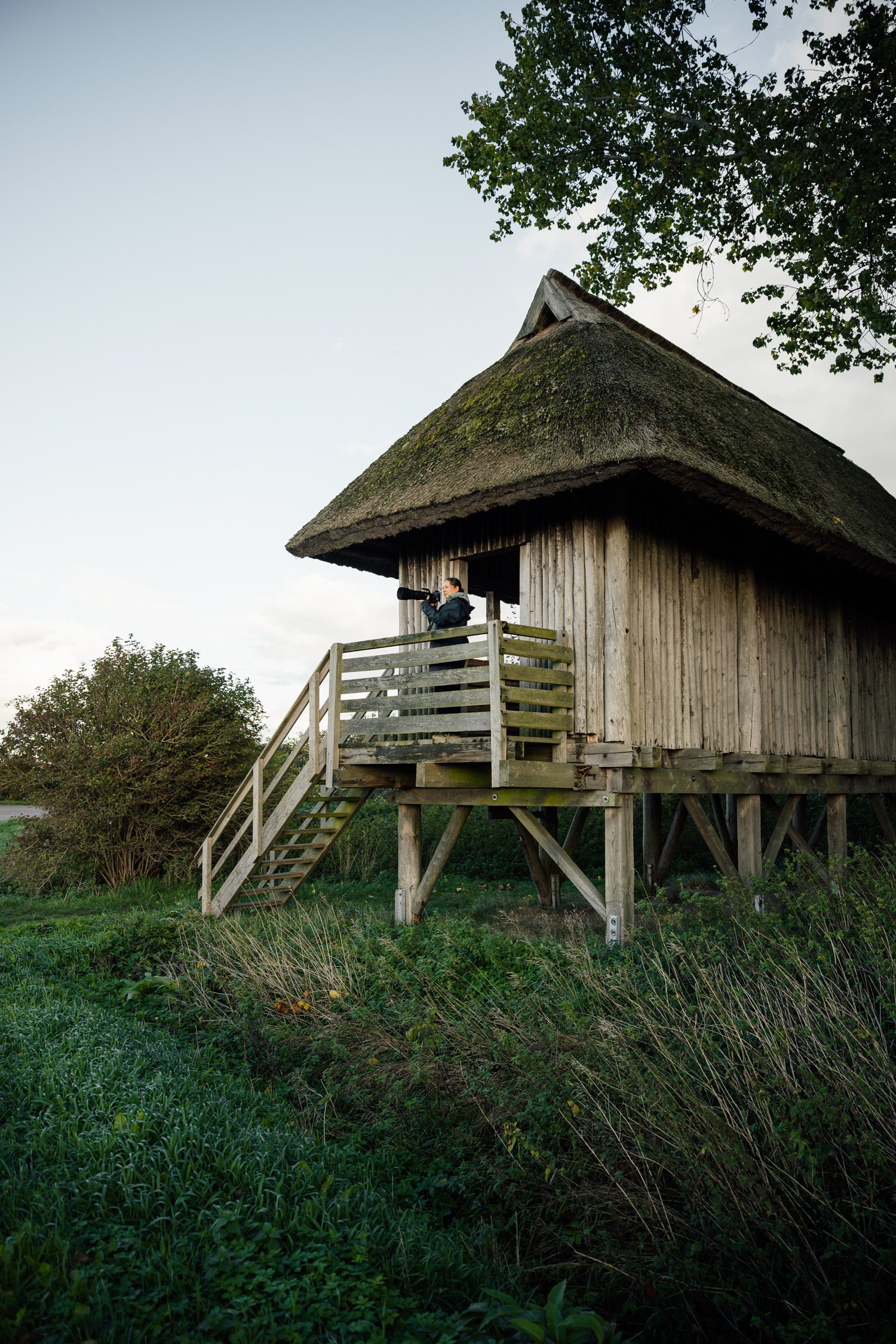
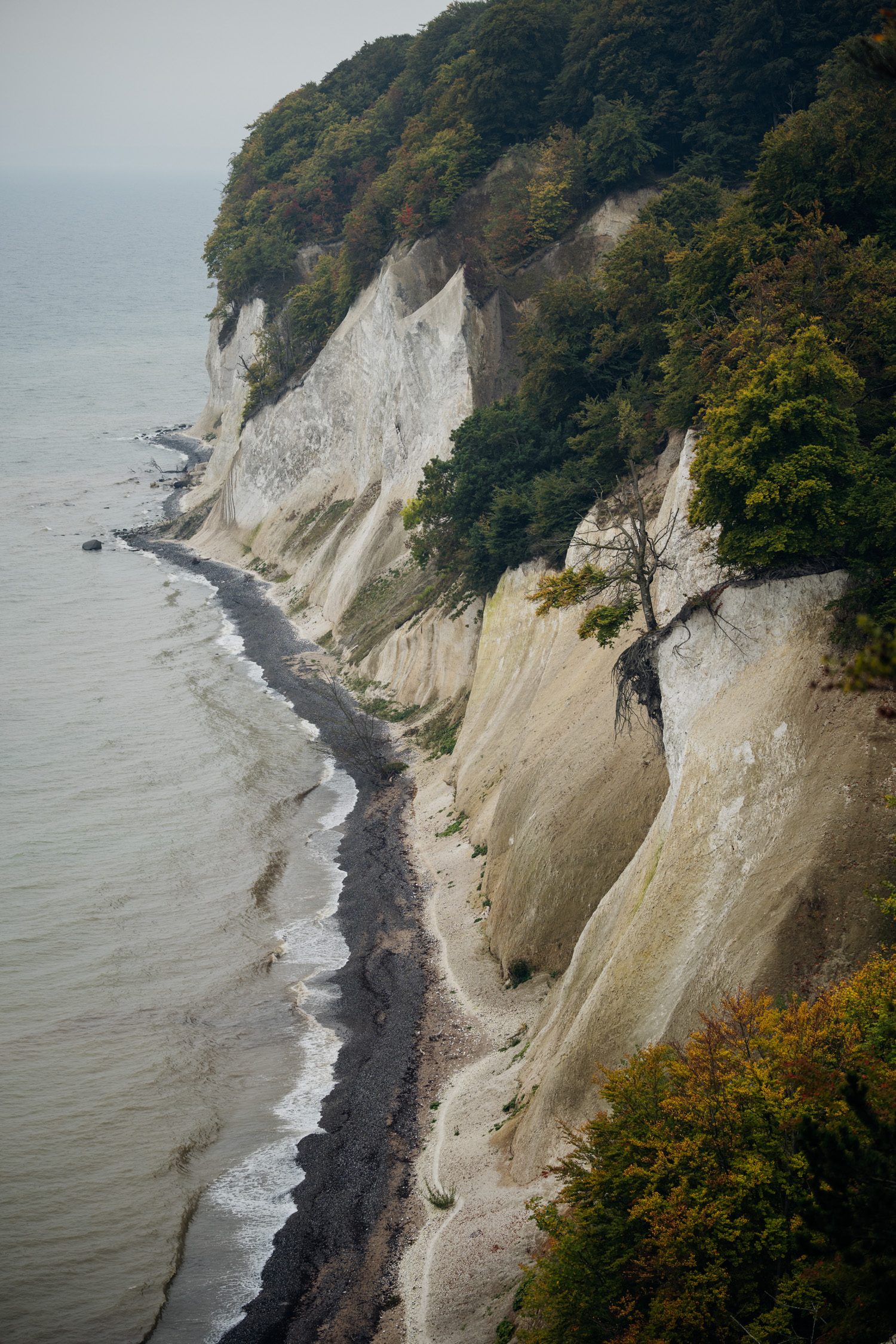
The shallow Bodden lagoons of National Park Vorpommersche Boddenlandschaft host Central Europe’s largest crane stopover, which you can experience from dedicated lookout towers and photographic hides. Jasmund National Park protects UNESCO-designated ancient beech forests tumbling down chalk cliffs into turquoise Baltic waters and invites for extended hikes along strictly limited paths.
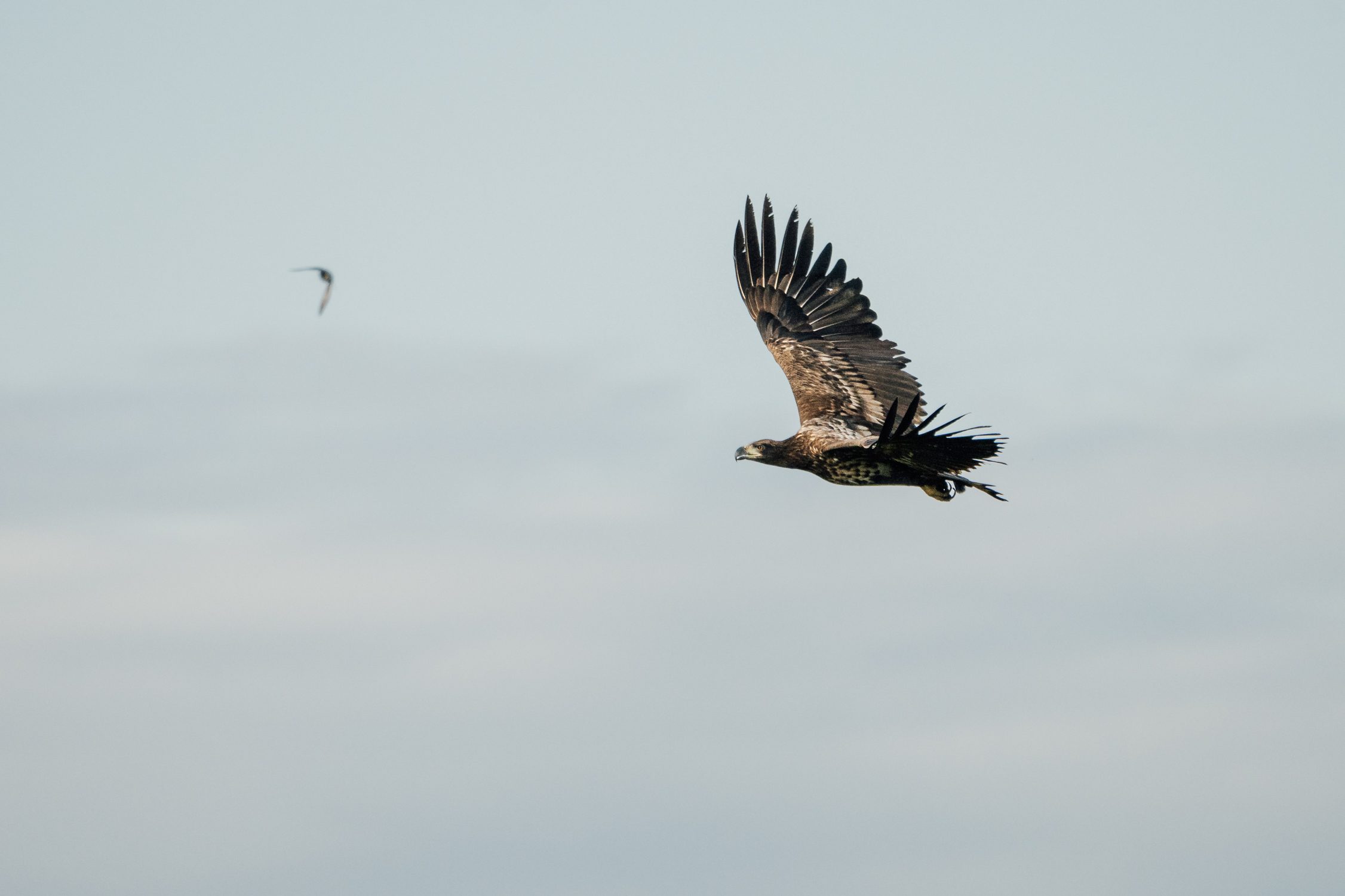
Together, these protected areas sustain incredible biodiversity, including Germany’s highest breeding density of majestic white-tailed eagles, which you can regularly spot soaring above in the sky.
For us these are reasons enough to put Mecklenburg-Vorpommern on our wildlife exploration bucket list!
National Parks in Mecklenburg-Vorpommern
Mecklenburg-Vorpommern is uniquely defined by its three distinct national parks, each safeguarding a different ecosystem vital to Central Europe’s biodiversity. While we only had the chance to visit two out of the three, let us briefly introduce all of them.
Nationalpark Vorpommersche Boddenlandschaft, the largest coastal national park in the Baltic region, is famous for its dynamic lagunar wilderness, shallow waters, and brackish bays (Bodden) that host tens of thousands of resting cranes and red deer roaming coastal dunes.
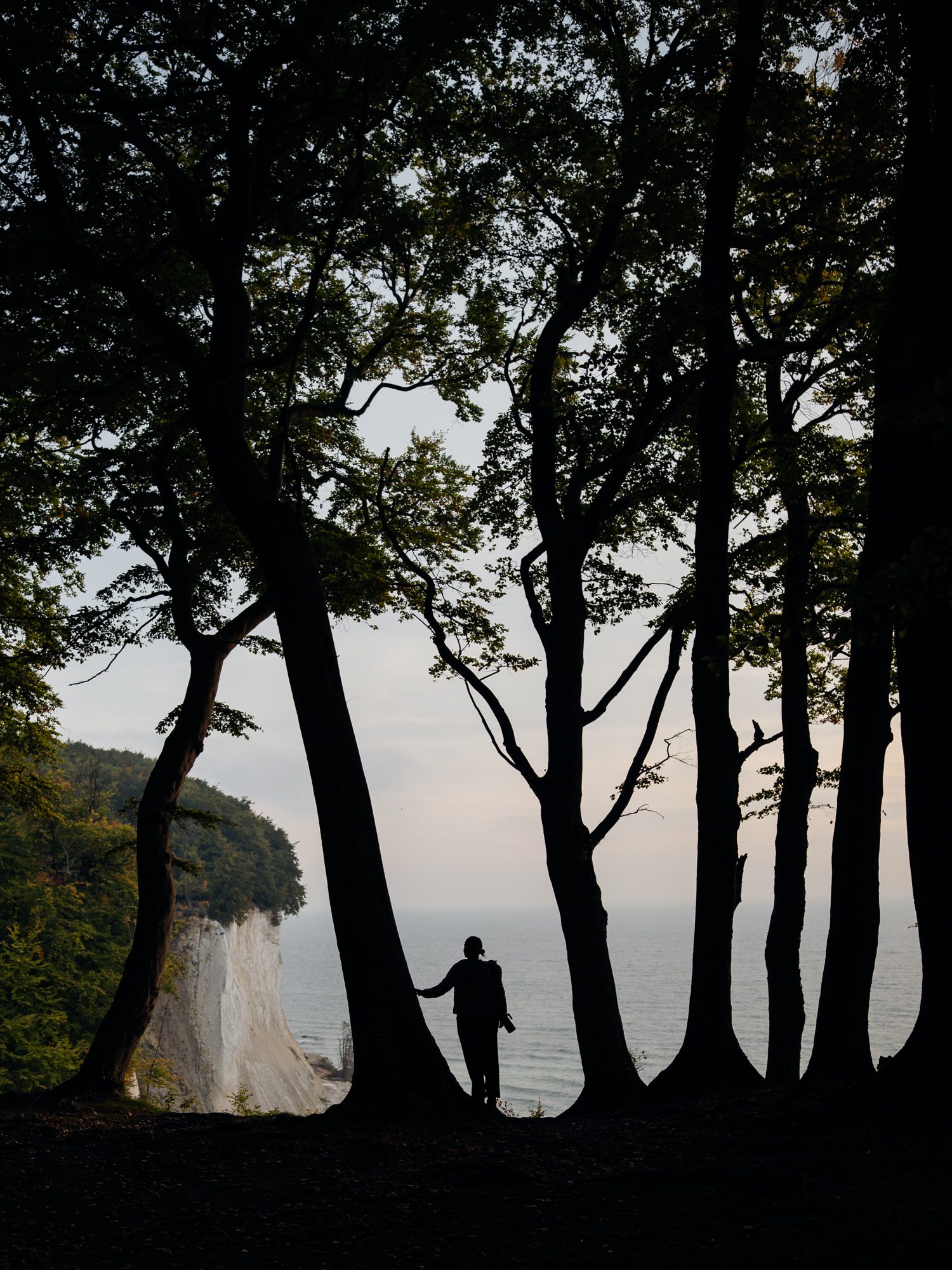
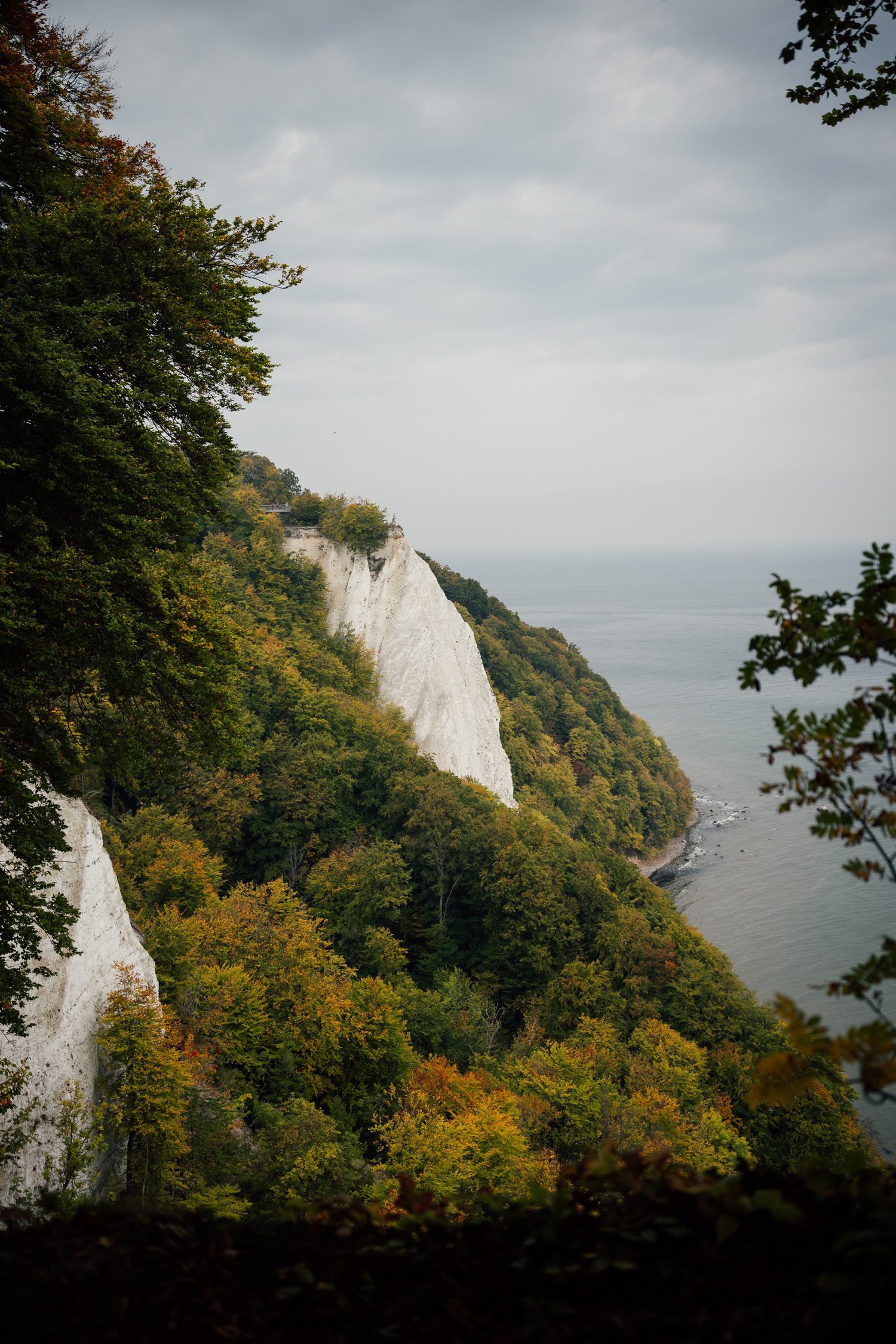
Jasmund National Park, Germany’s smallest national park, is world-renowned for its dramatic chalk cliffs towering over turquoise Baltic waters, framed by ancient, UNESCO-protected beech forests atop the Highfield (Hochufer).
Further inland lies Müritz National Park, Germany’s largest terrestrial national park, celebrated as the “land of a thousand lakes”—a vast watery labyrinth of ancient forests, peat bogs, and interconnected lakes that serves as a sanctuary for breeding white-tailed eagles, ospreys, and storks.
Beyond its three national parks, the region’s sanctuary network encompasses three UNESCO Biosphere Reserves—including the Southeast Rügen Biosphere Reserve, which we also visited during this trip.
What to expect from an autumn visit
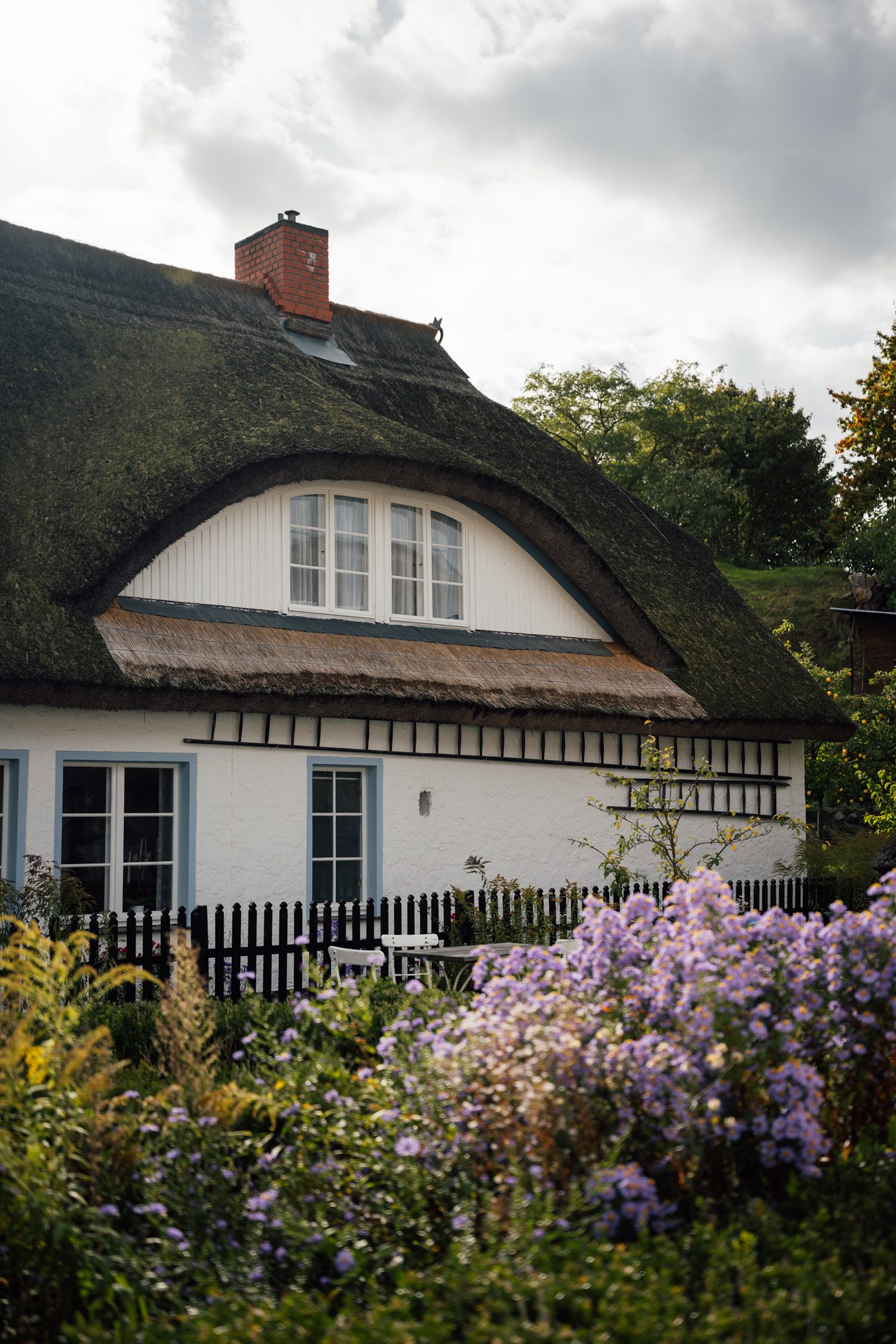
Expect a great combination of protected nature and established tourism infrastructure in a landscape where land and sea dynamically reshape each other. The coastline is defined by dramatic chalk cliffs, wind-sculpted coastal trees (Windflüchter), peaceful lagoon wetlands, and vast dune landscapes. In between you’ll find historic coastal towns with intricate spa villas, traditional thatched houses, modern apartments and chic hotels.
At the Baltic Coast tourism is quite developed, but in great accordance with the protection of the natural world and wildlife.
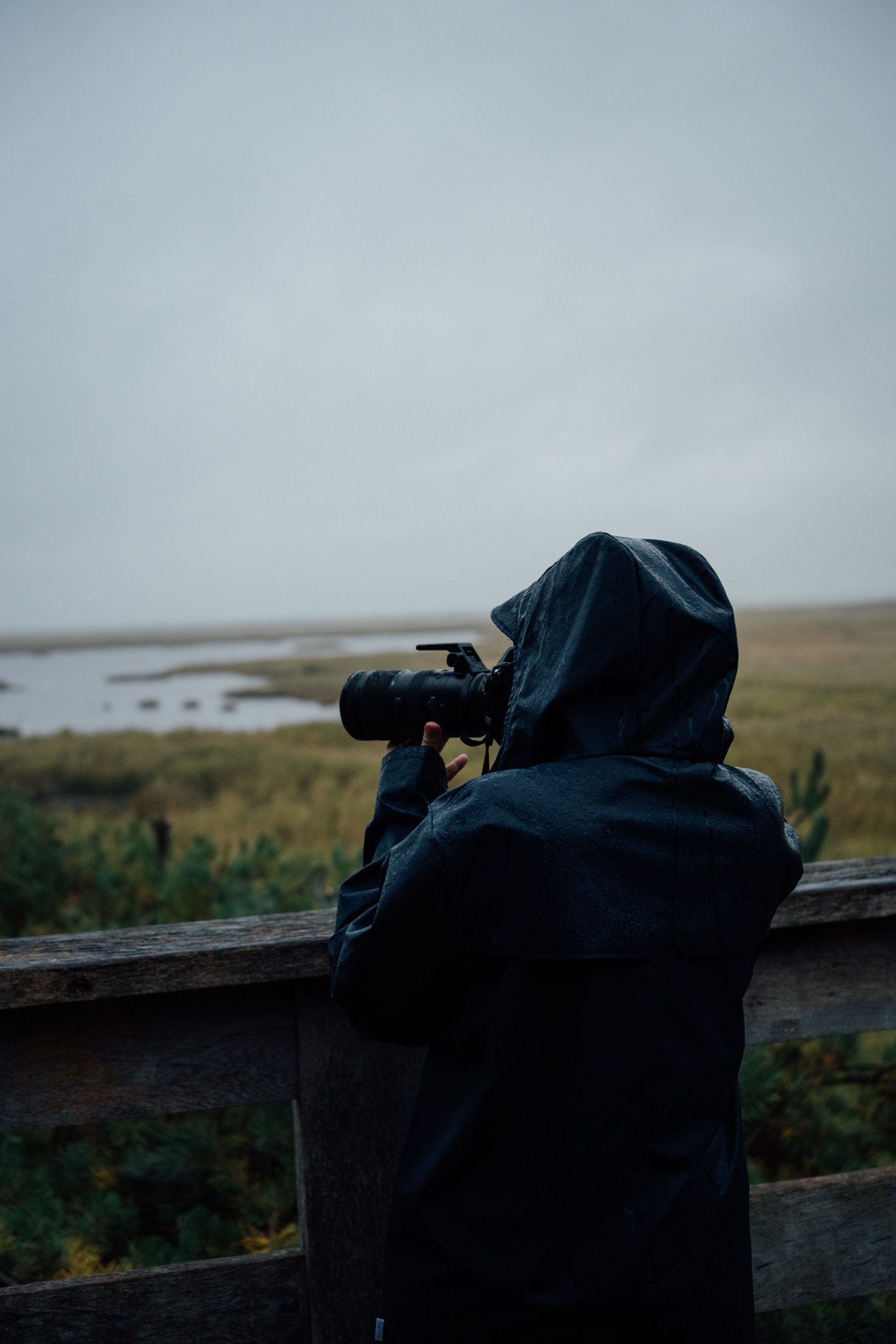
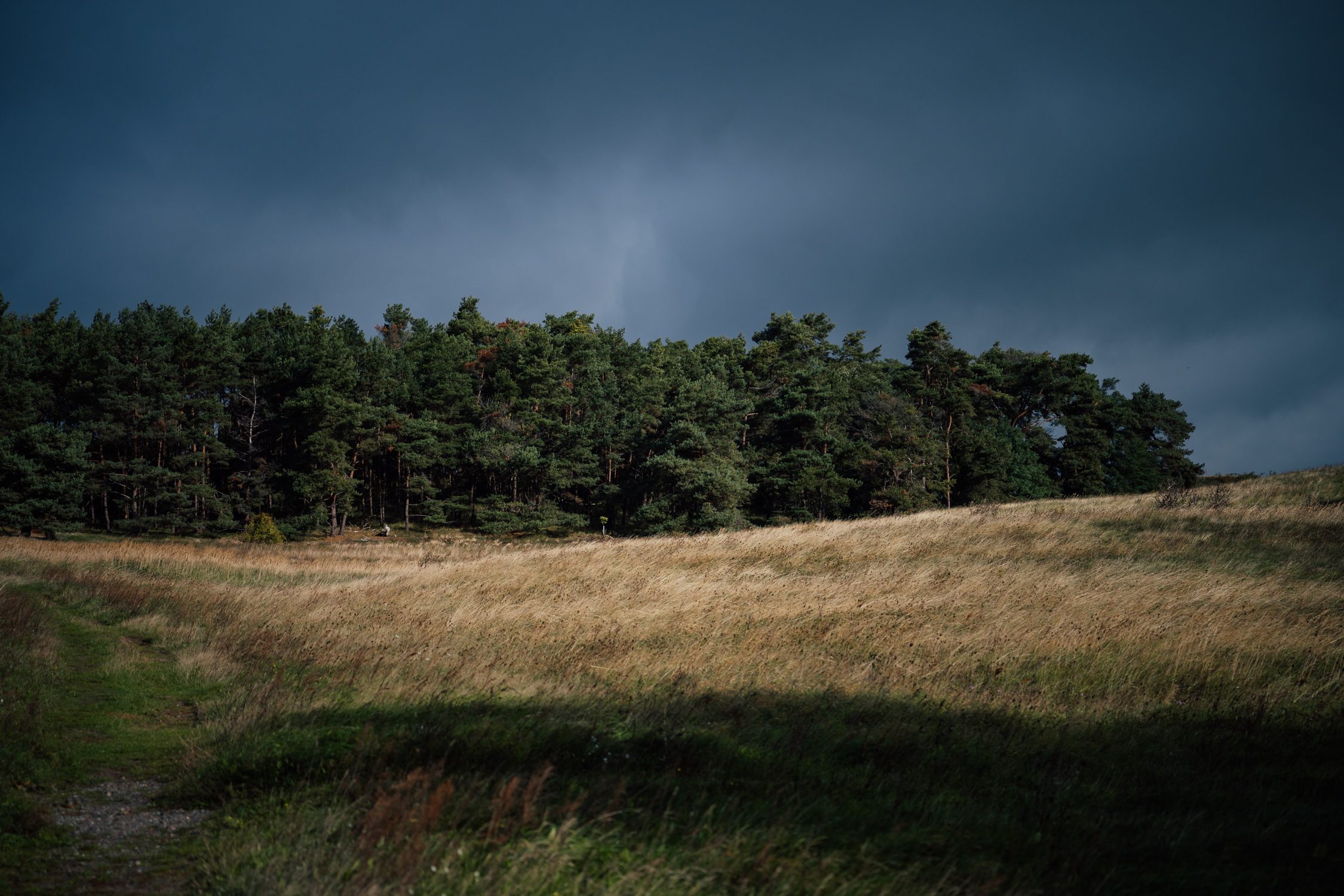
During autumn, the atmosphere turns tranquil. Summer crowds subside, giving way to softer tones, and some windy and wild weather days. We think it’s a great time to visit, but you should come prepared for weather changes, sometimes within minutes. We always had our raincoats in the car and were dressed in layers. We had it all, sunny days with blue sky, rainy periods and harsher winds, but that’s also the beauty of autumn (and you can always find a cozy place to hide inside for a while and drink a hot sea buckthorn nectar!).
When exactly to plan a visit
While the region is beautiful year-round, Mid September to Mid October is the optimal window for this specific autumn itinerary. During this peak autumn window:
Crane numbers reach their absolute maximum across the Darß-Zingst lagoon archipelago.
Red deer stag rutting activity reaches its crescendo.
The ancient beech canopy across Jasmund National Park and Granitz starts turning vivid orange and gold.
Things to do: Nature activity guide
We spent a full week up in the North which gave us plenty of time for different activities and experiences. The region offers a great blend of low-impact, immersive nature experiences designed for active travelers, wildlife enthusiasts, and naturalists alike.
The nature activities in the region range from crane watching or stag observing—to sailing trips on traditional wooden vessels called “Zeesboote”. Our favourite activities included plenty time in nature during coastal hikes or when climbing observation towers, but let us give you the full overview of what you can do in Mecklenburg-Vorpommern in autumn.
Wildlife & Nature observation and photography
Deer rut watching at National Park Vorpommersche Boddenlandschaft: Stroll along the Bohlenwanderweg (wooden plank trail) within the national park to observe stags roaming through coastal dunes right down to the Baltic water’s edge. This is the only place (in the world?) where you can see red deer at the coastline. We recommend to go early in the morning before sunrise for the best chance to see the wild animals come out of the forest and utter their loud mating calls. This is only possible in autumn, when stags carry their large antlers and are in rut.
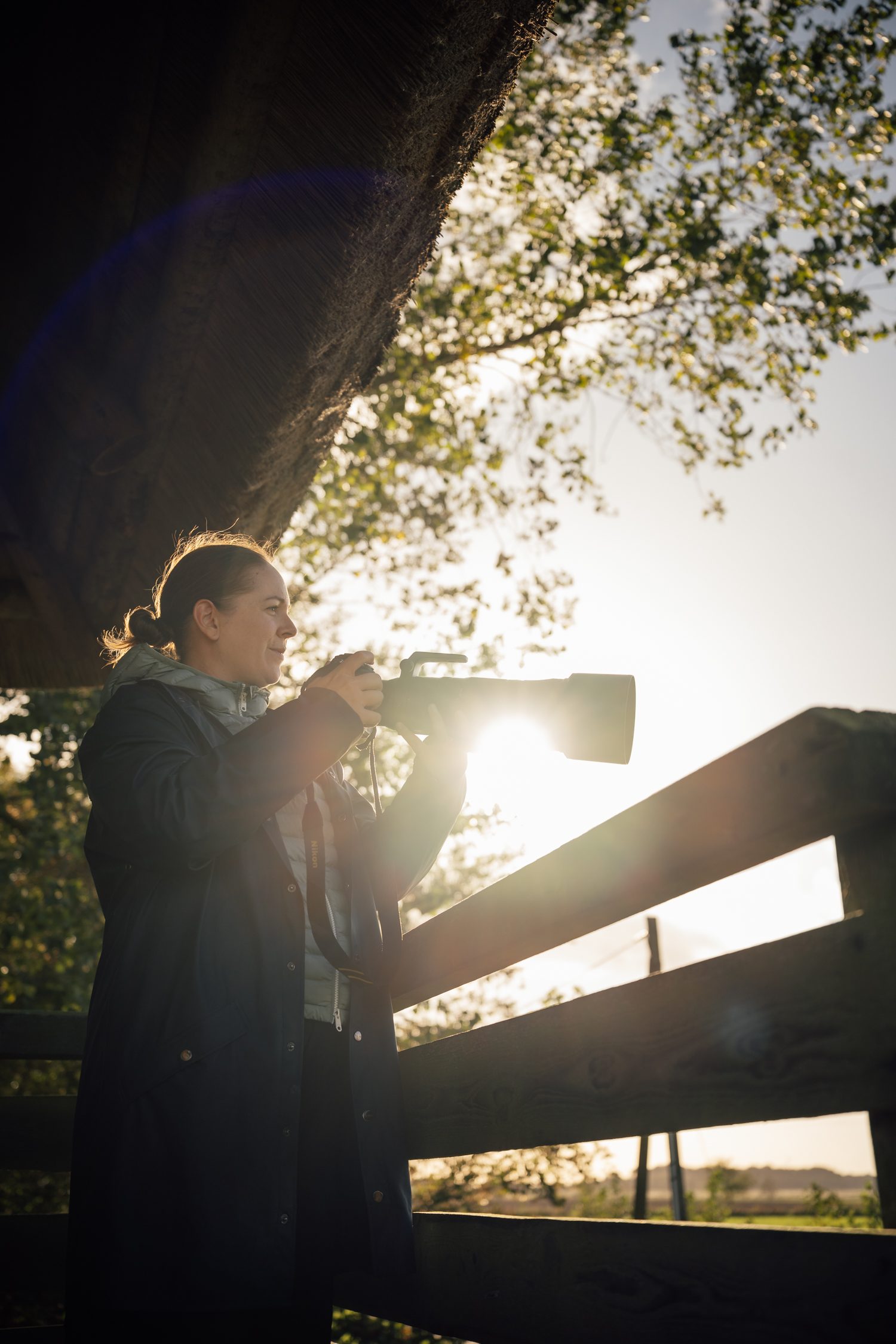
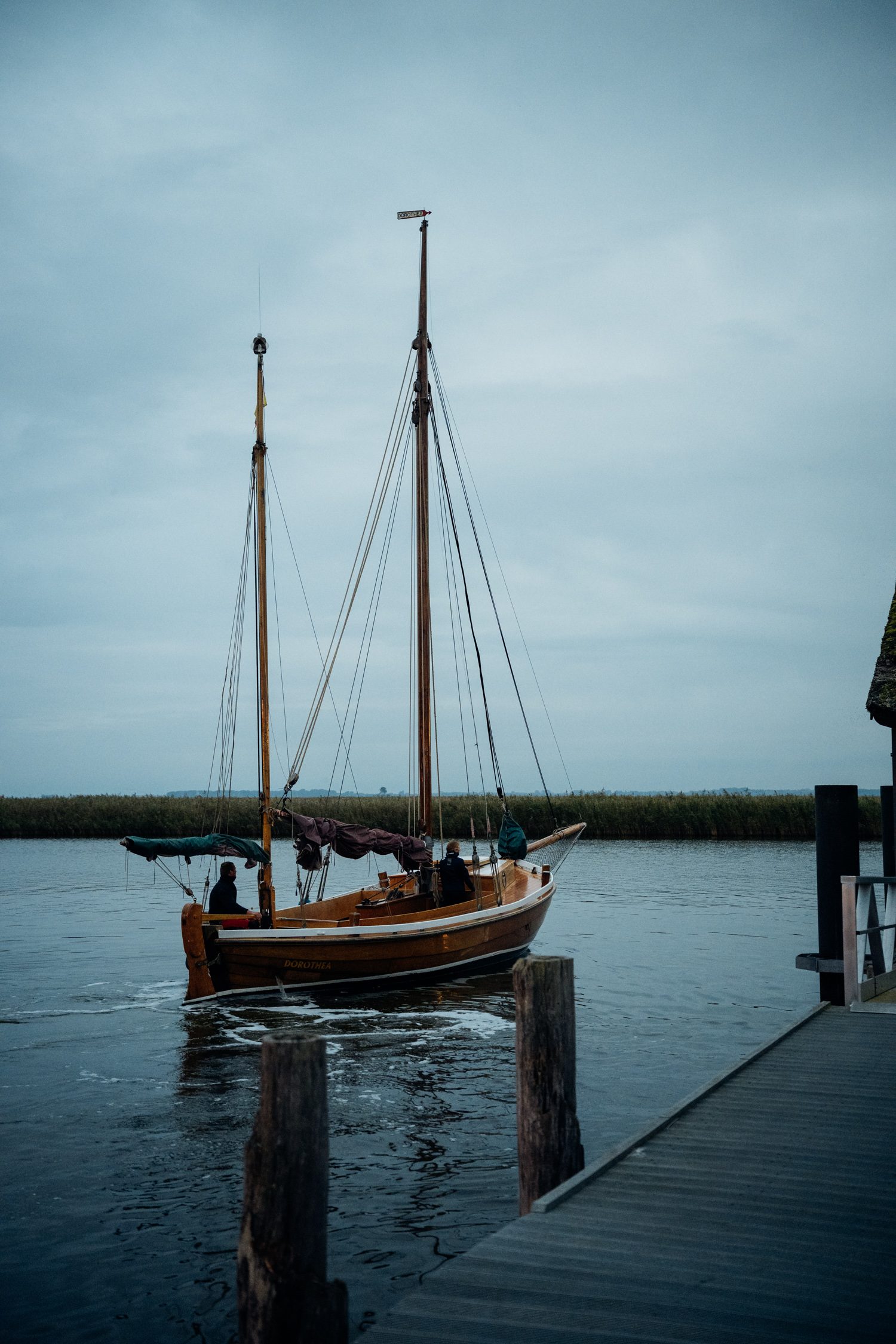
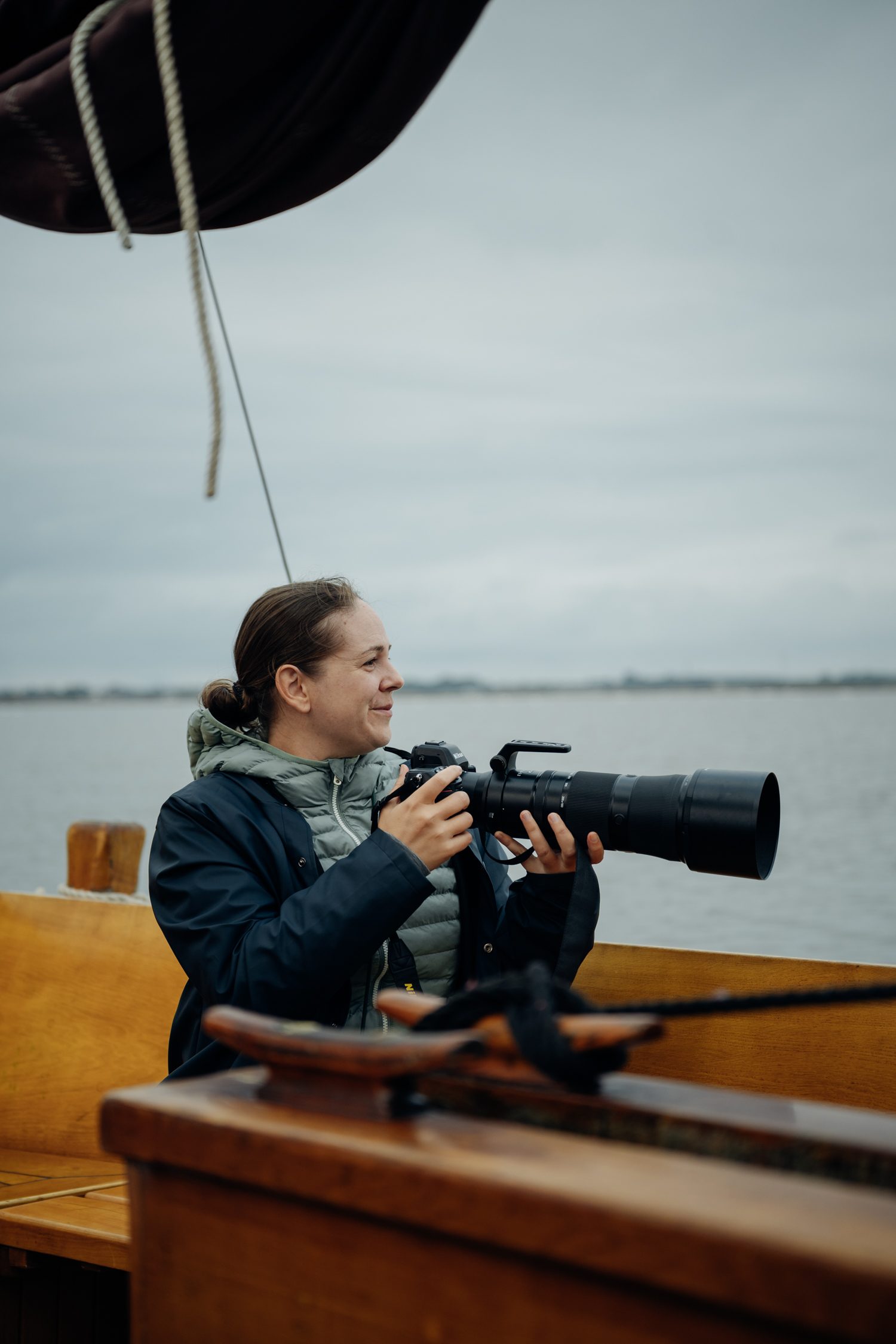
Guided Crane Watching & visit of Vogelschutzinsel Kirr: One of our favourite activities was an exclusive guided tour by Fotoschule Zingst to the otherwise inaccessible Kirr Island (a protected bird sanctuary) with renowned nature photographer Mario Müller. This tour, that you can book in advance, starts directly in Zingst and also includes a sailing trip (weather permitting) on a traditional “Zeesboot” to watch the evening arrival of thousands of common cranes at their resting spots. Mario also offers photo workshops at his photo hide to see white-tailed eagles up close.
Crane Conservation and education at Kranichwelten & Kranorama: Visit Kranorama near Günz for an elevated, non-intrusive observation platform where you can watch hundreds of cranes as well as other large congregations of birds without disturbing their resting spots. Make sure to also deepen your ecological knowledge of the impressive bird species at the Kranichwelten exhibition and visitor center (tip: we had lunch there and it was excellent too!).
Marine Encounters & Traditional Sailing
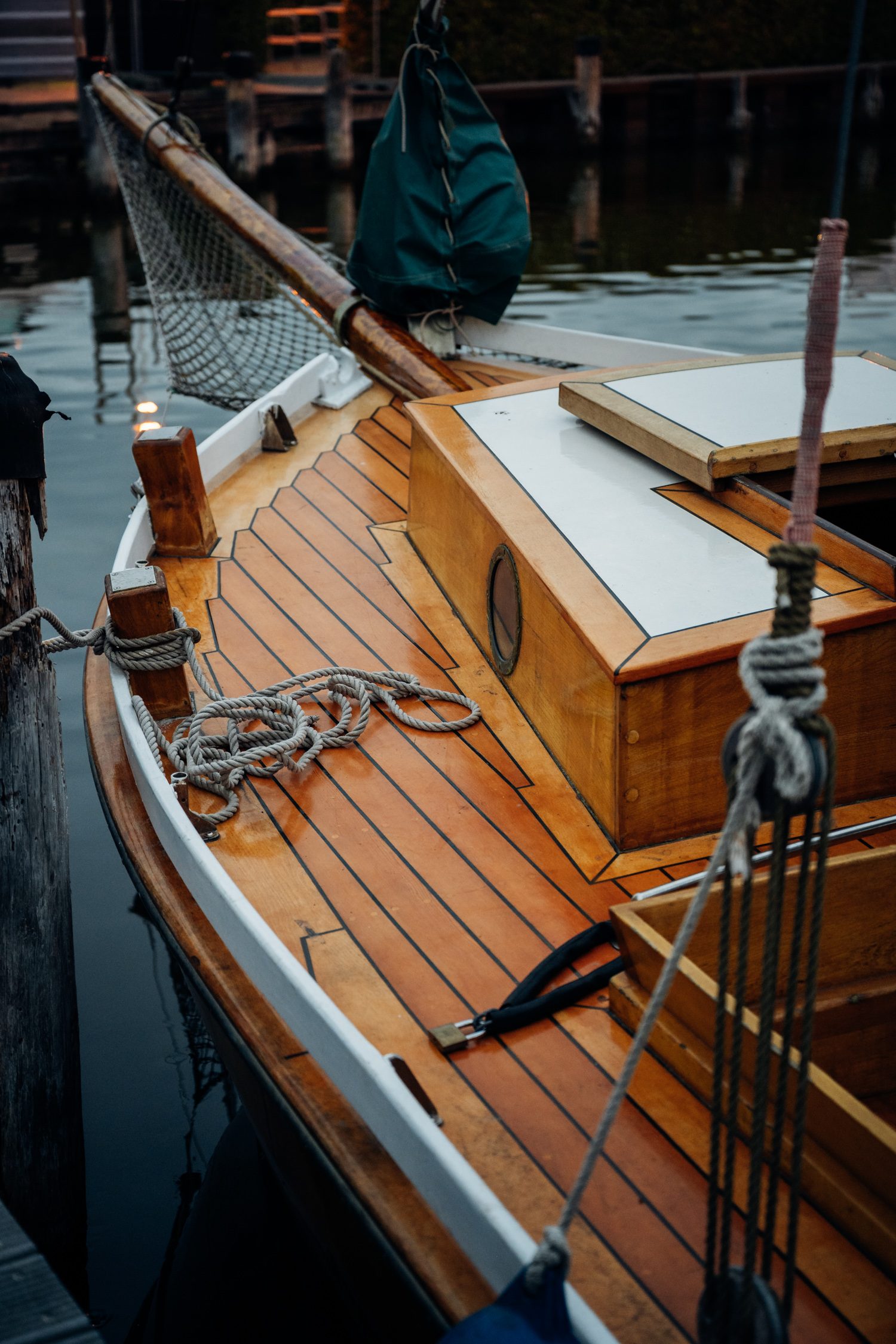
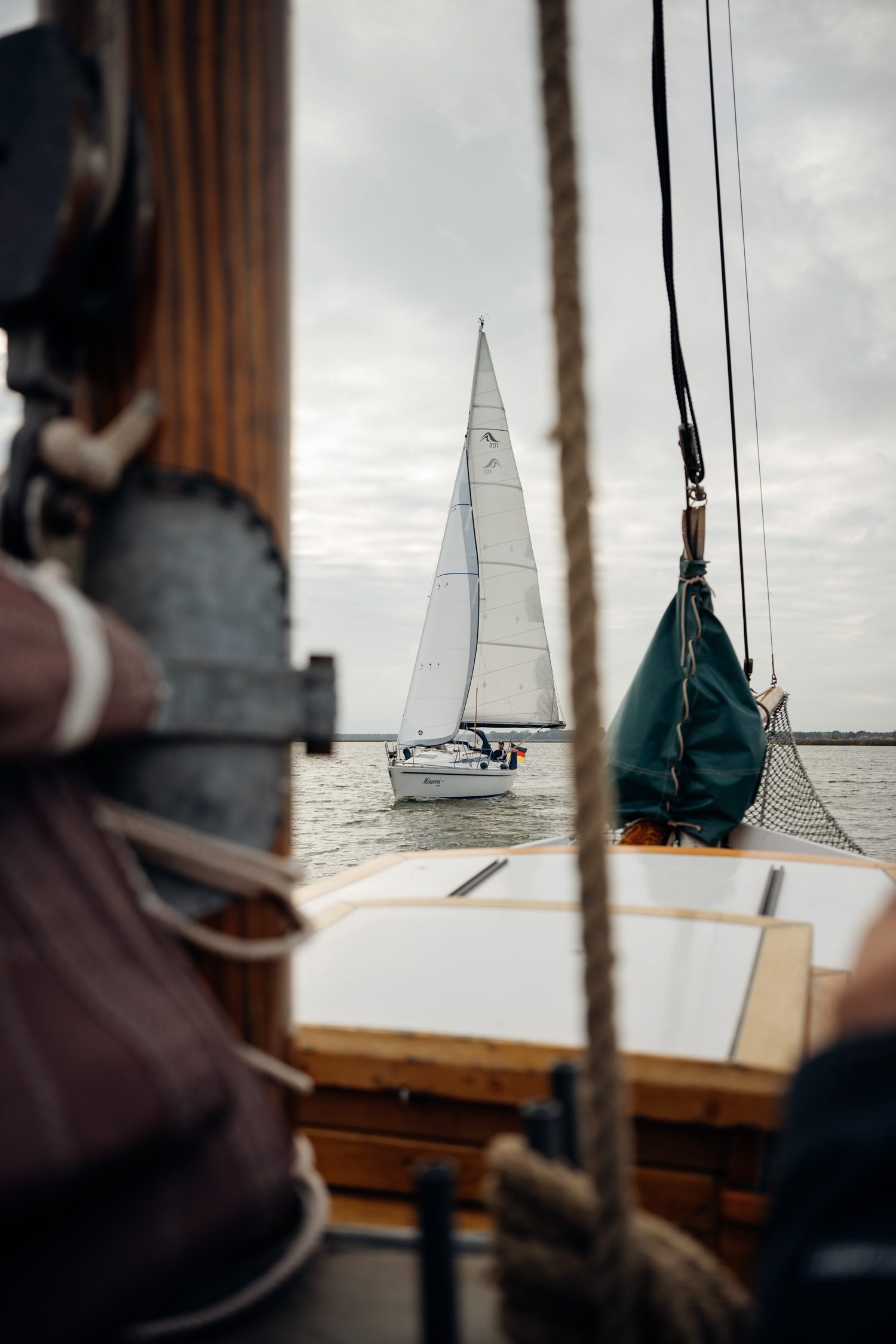
Traditional Zeesboot Sailing: Apart from the crane watching tours you can also simply embark on a regular sailing trip across calm lagoon waters or the open Baltic Sea. If you want to go aboard a historic Zeesboot—traditional wooden fishing boats distinguished by their warm reddish-brown sails–you have to make sure to book a dedicated Zeesboot tour.
Exploring Southeast Rügen Biosphere Reserve: Another wonderful region to discover by boat is the Southeast Rügen biosphere reserve. We started at the Lauterbach marina (“im jaich”) on a small sailboat to explore the marine habitats.
Coastal Hiking, bicycle tours & canopy walks
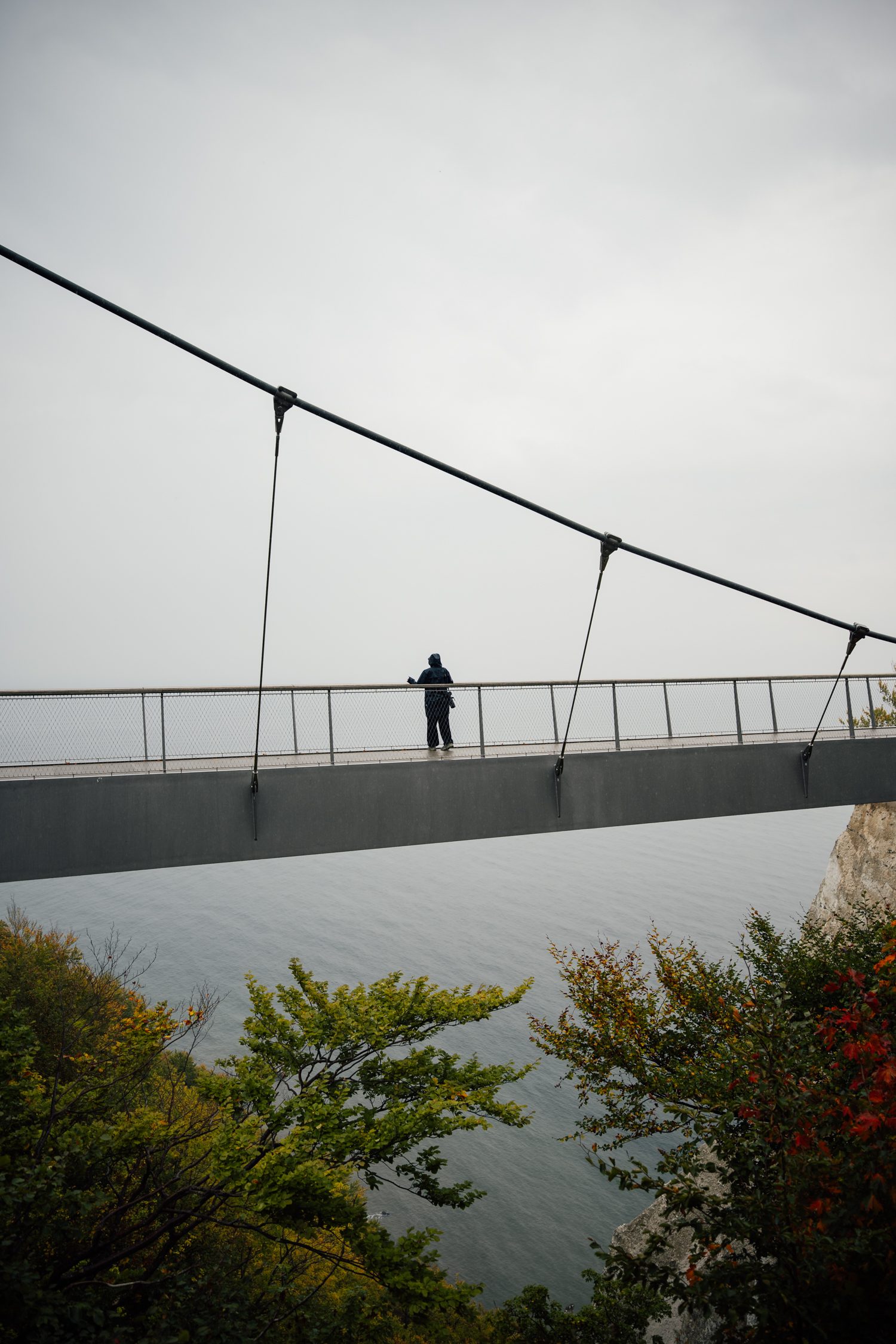
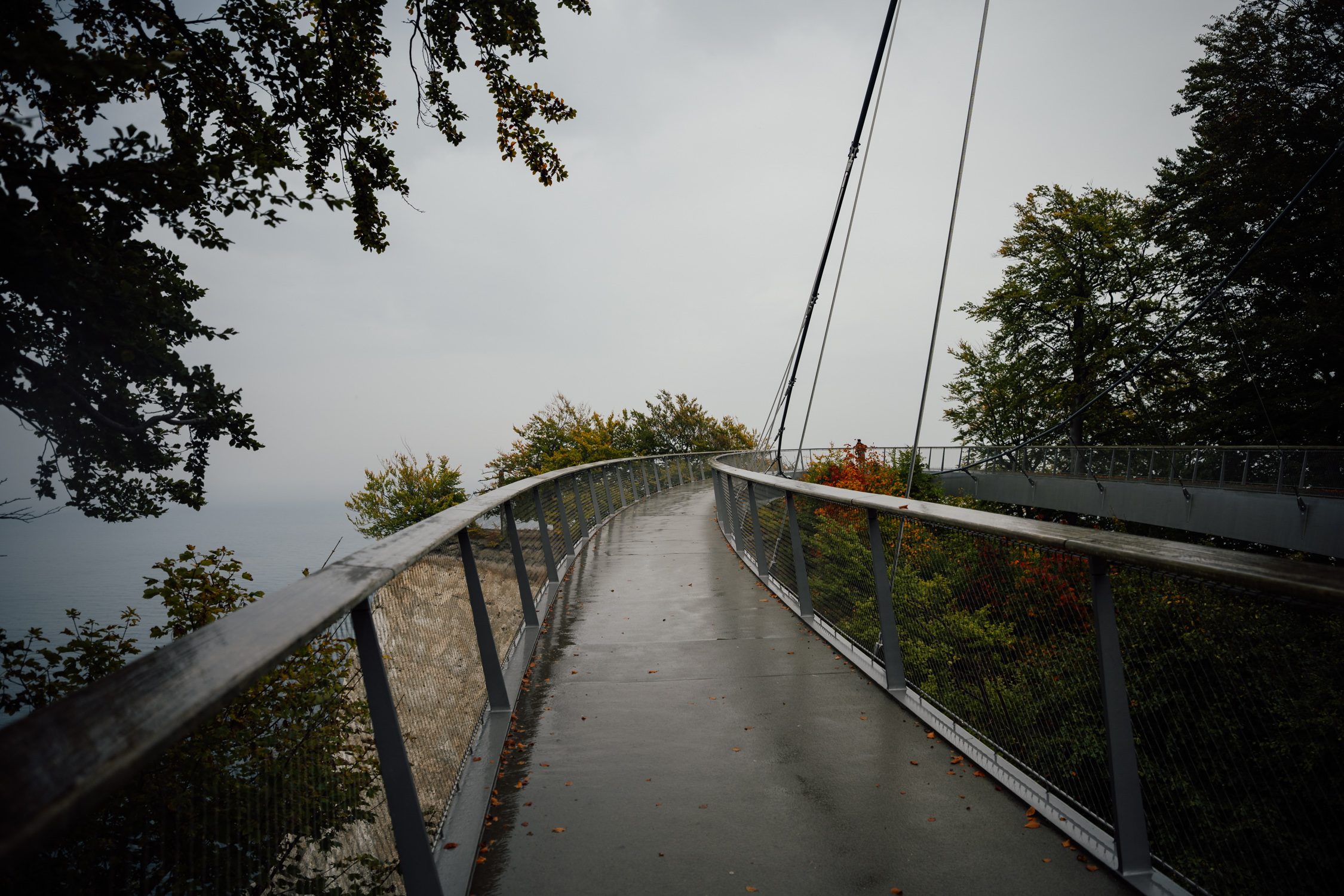
Cliff Top Trail & Jasmund Chalk Coast: Hike the sweeping cliff path through UNESCO-protected ancient beech forests from Sassnitz all the way to the iconic skywalk at Königsstuhl National Park Centre, looking out over the Baltic Sea. We hiked the 8 kilometres in the early morning to be able to witness the sunrise at the lookout points and arrived at Königsstuhl just in time for an early lunch. You can also take a bus to the national park center and then hike the way back down South. Either way it’s one of the most stunning hikes along the coast. The National park center at Königsstuhl also includes a comprehensive exhibition showcasing the variety of ecosystems, wildlife and conservation efforts that is worth a visit when you’re finishing (or before you’re starting) the hike.
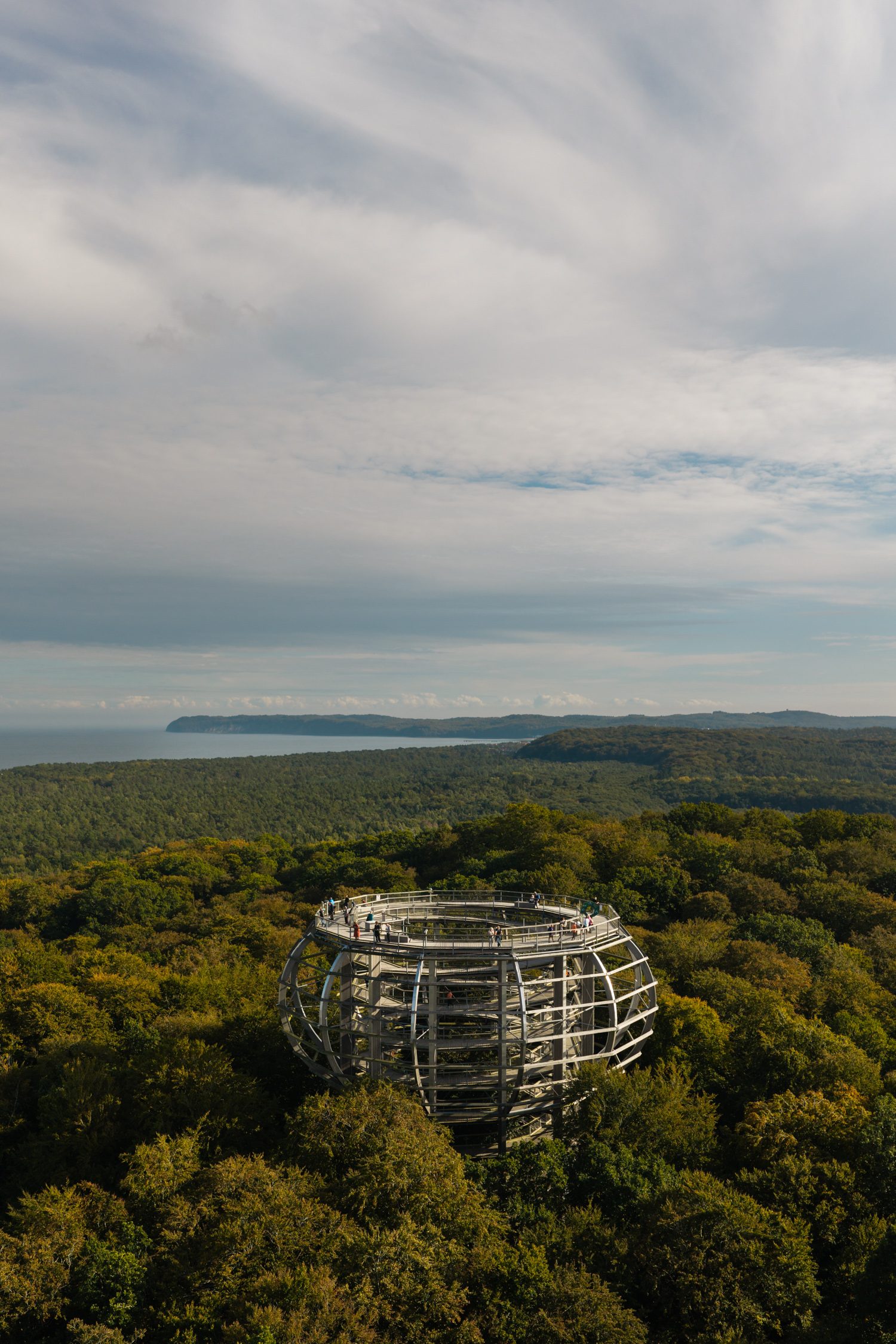
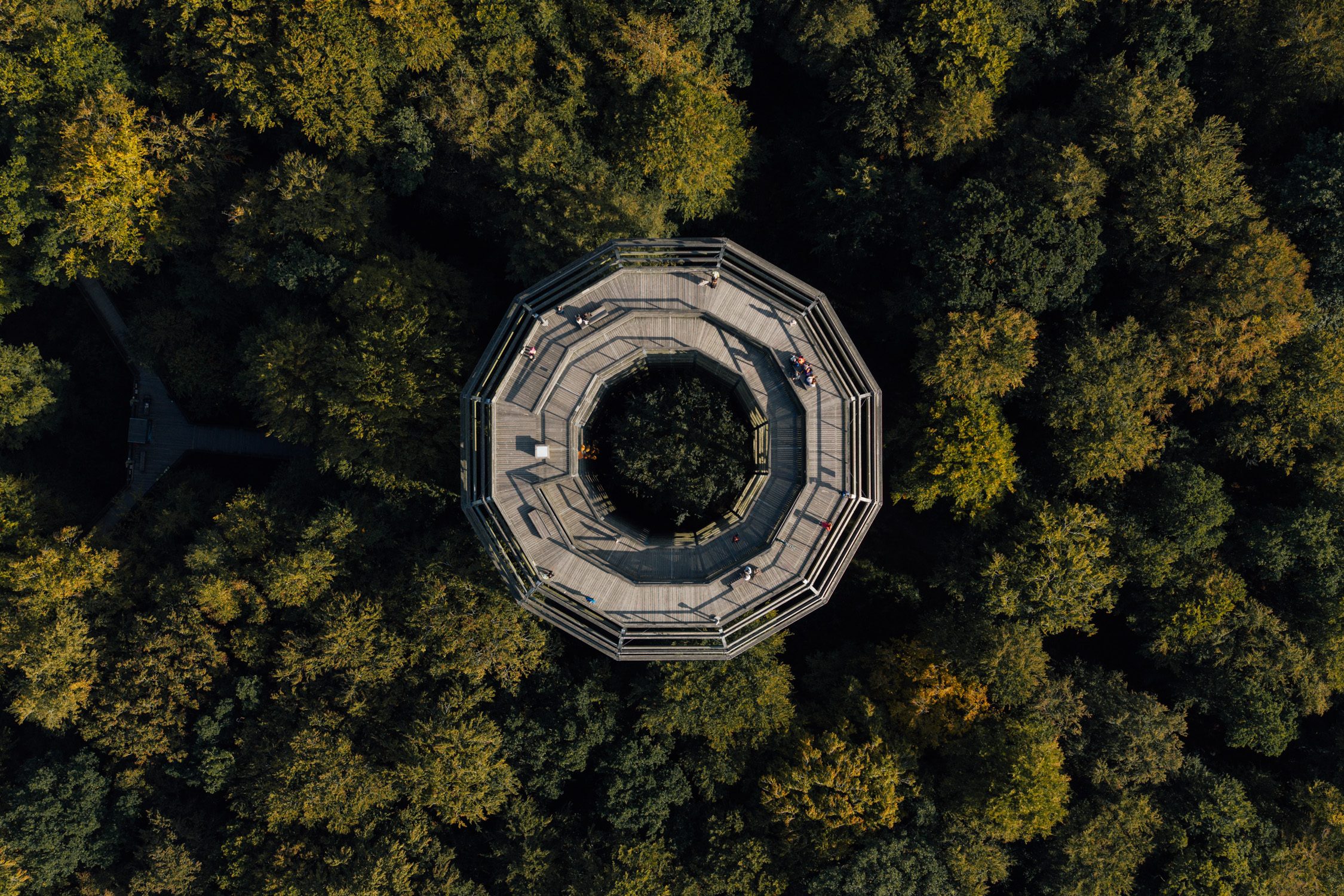
Tree Canopy Walkway (Baumwipfelpfad): A wonderful way to get an overview of the region is to walk among the treetops at the Naturerbe Zentrum Rügen close to seaside resort of Binz all the way to the “Adlerhorst” (eagle’s nest), where you can enjoy 360 degree panoramic forest perspectives alongside interactive ecology exhibits.
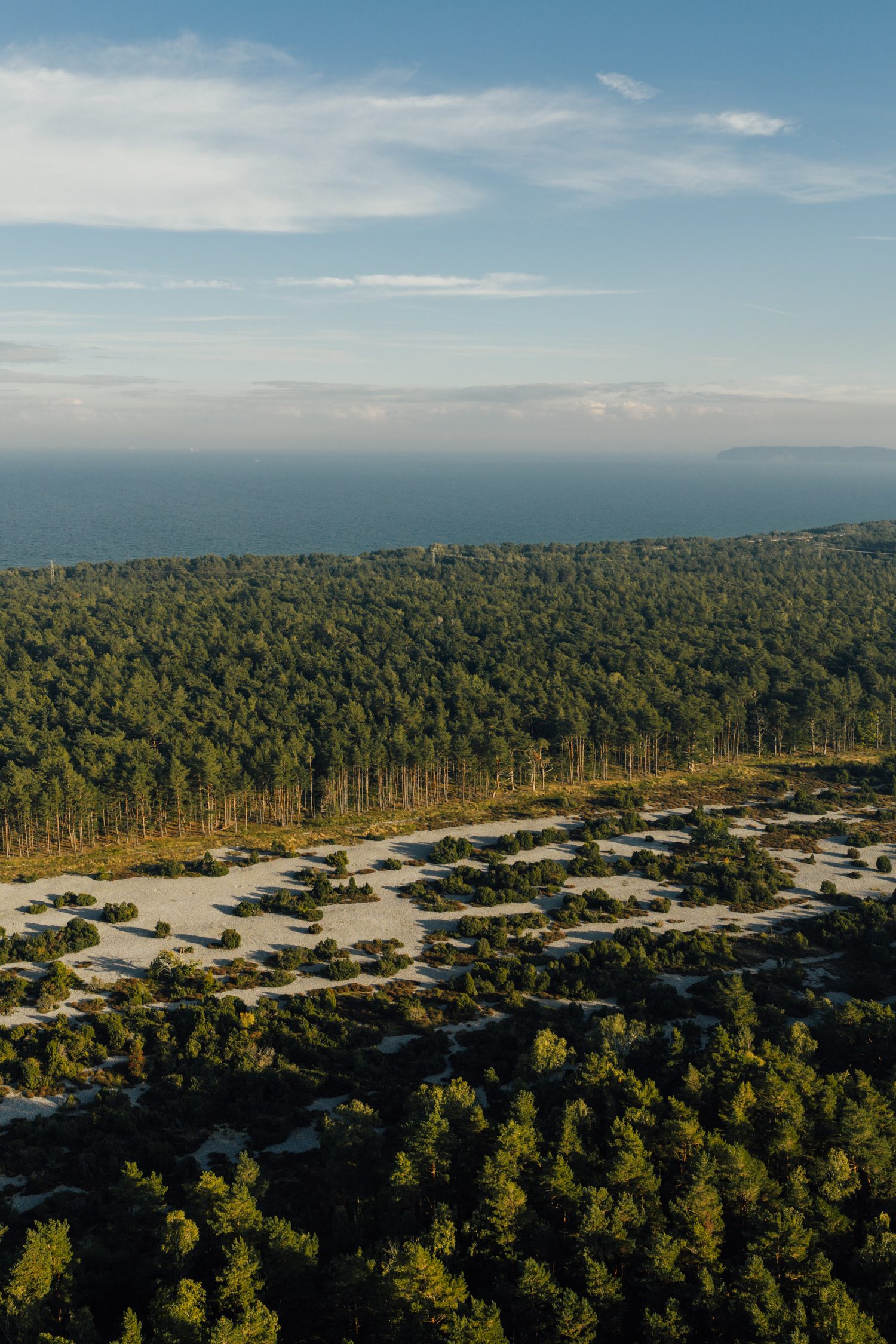
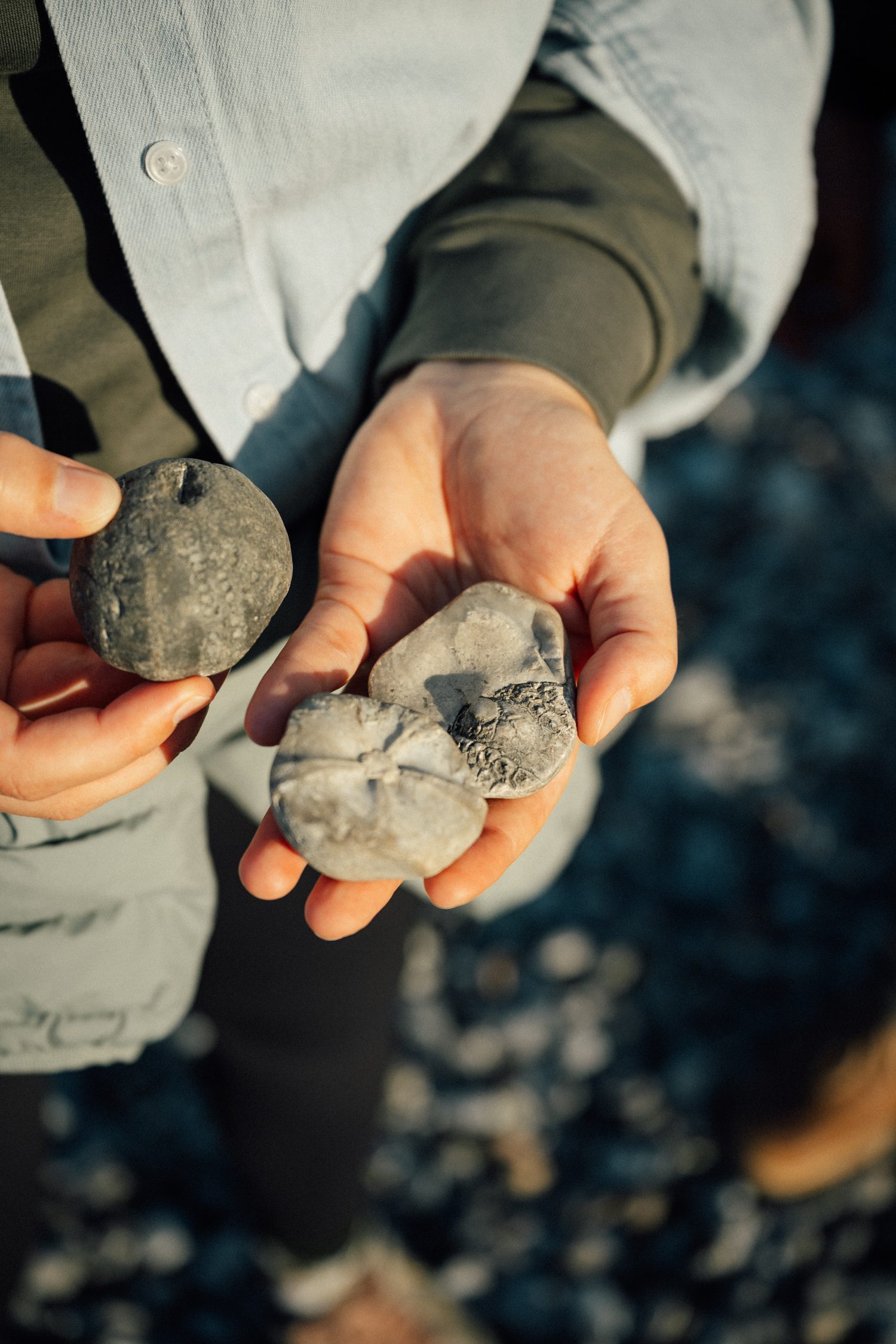
Flintstone Fields (Feuersteinfelder) in Binz: If you’re already at the Naturerbe Zentrum we would recommend to also join a naturalist-guided walk through Rügen’s famous stone-age “flint sea,” learning about the geological forces that shaped the Baltic coastline over thousands of years. This place surprised us in the best of ways–we didn’t have any idea what a visit of a Flintstone field would entail, but it was an incredibly educational and calm activity in a stunning and unique natural surrounding while still being very close to the lively bay of Binz.
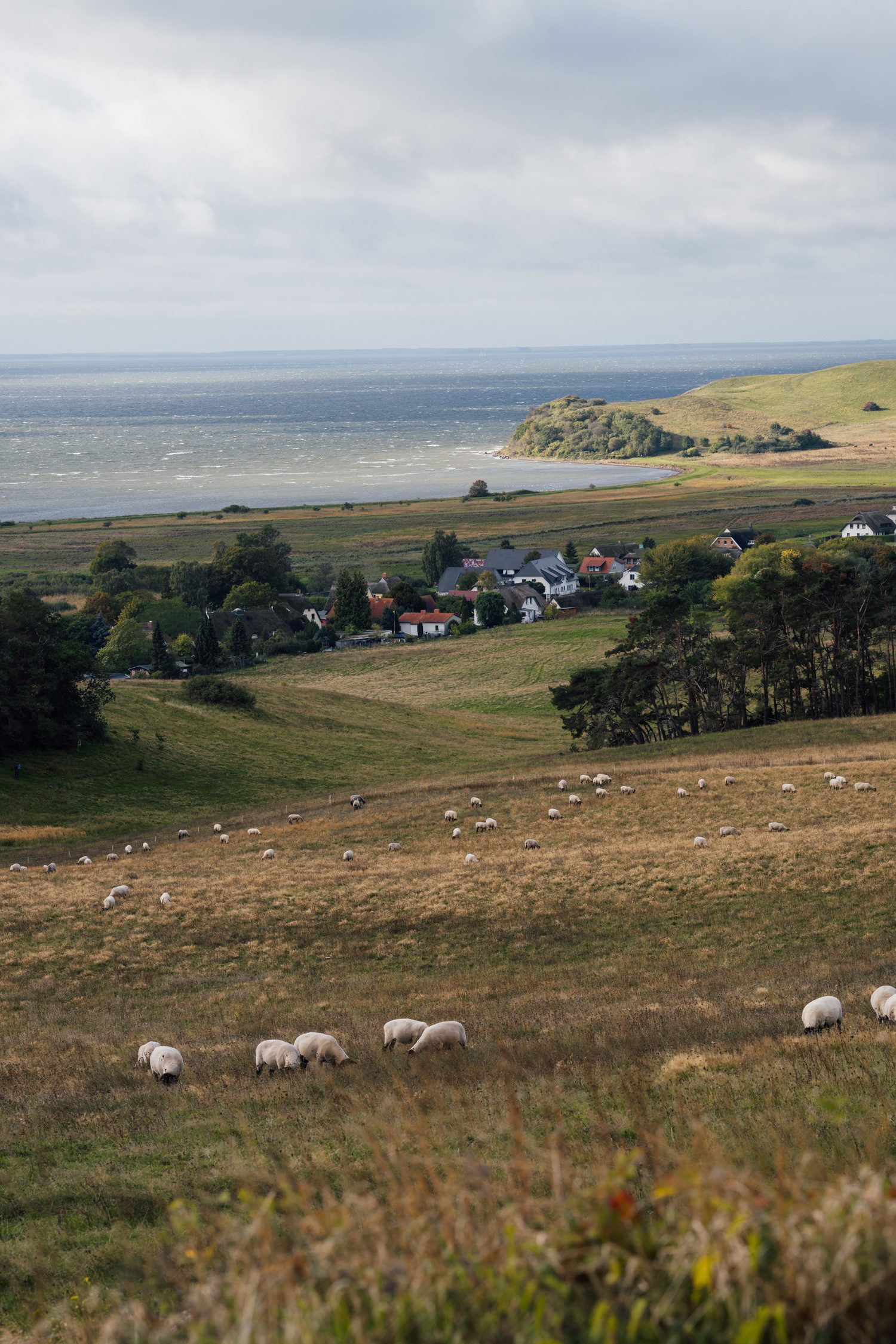
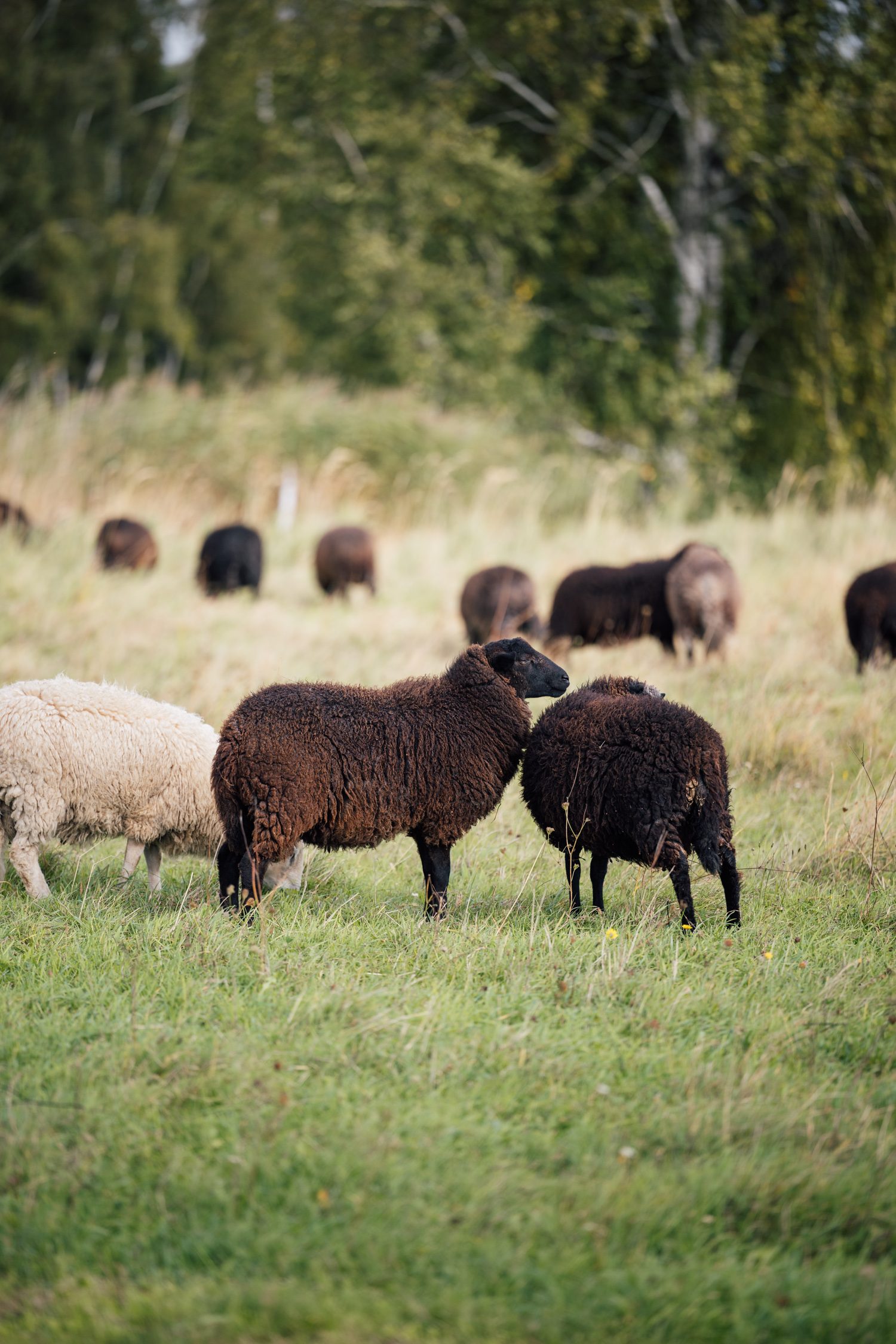
Zicker Alps & Bakenberg Hike: Walk up to Bakenberg and through the rolling hills of the Zicker Alps in Mönchgut for a breathtaking 360-degree vista spanning salt marshes, the Bodden lagoons, and the open Baltic Sea. We called this place “Germany’s Scotland”, because it reminded us of the wild Atlantic coast in some ways. There’s large herds of sheep that shape the ecosystem, especially the “Pomeranian Coarsewool” – a local subspecies that was almost extinct in the 20th century and is now back due to efforts from local farmers such as the ones from Pommernhof Westphal. Their sheep are part of conservation grazing efforts to protected the cultural grasslands of the Mönchgut area.
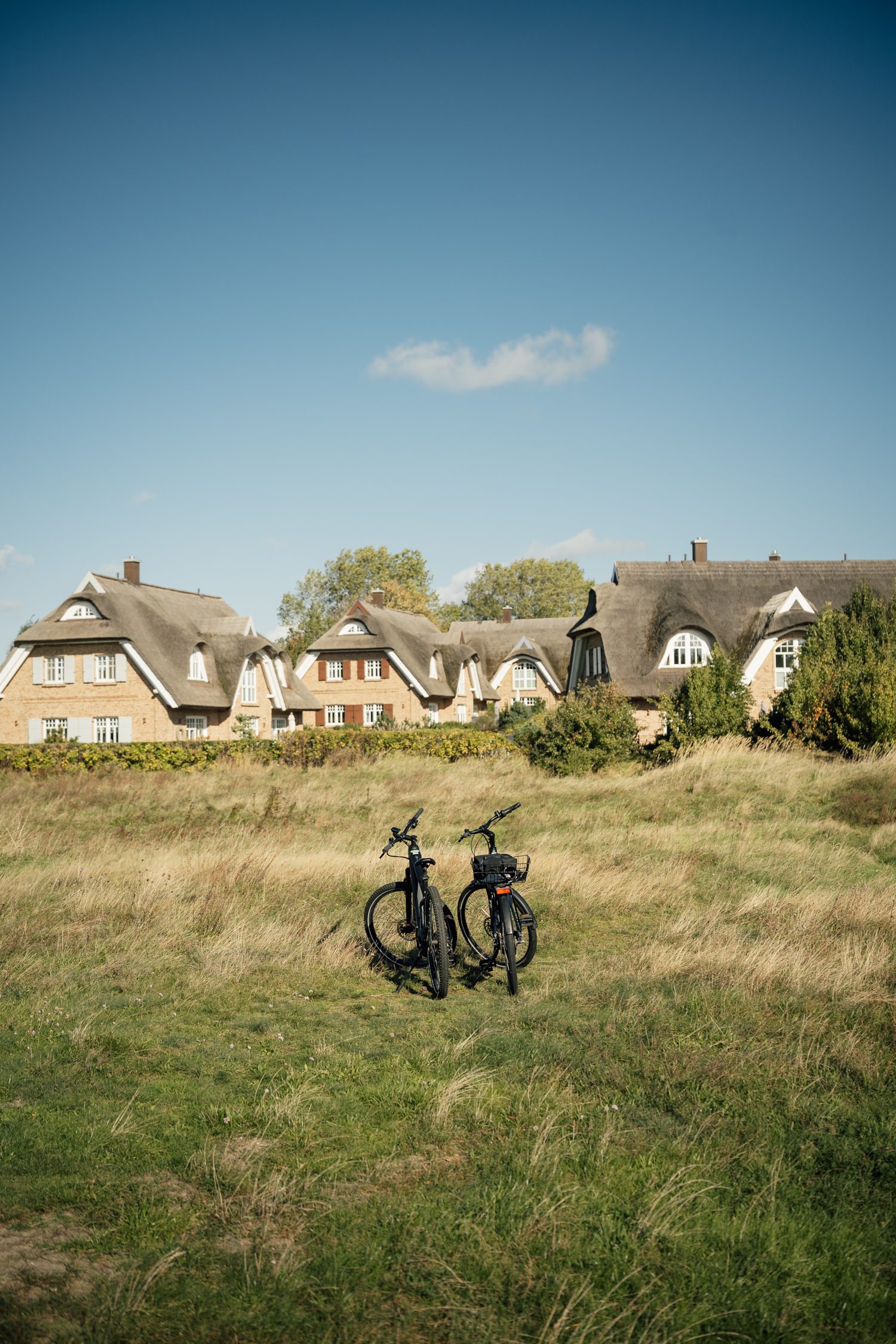
Mönchgut Bike Tour: Another way to visit the Mönchgut area is to rent a bike (or an e-bike if you’re lazy like us :). There’s a comprehensive network of cycling paths to explore the quiet fishing villages, thatched cottages, and rolling hills of Mönchgut-Granitz. Our bicycle tour took us from Sellin to Baabe and Göhren, three of the beautiful Baltic Sea spa towns. In between the towns you’ll get to experience the great variety of landscapes while cycling from quaint villages through forests, alongside the Bodden and the sea all the way trough the Mönchgut area.
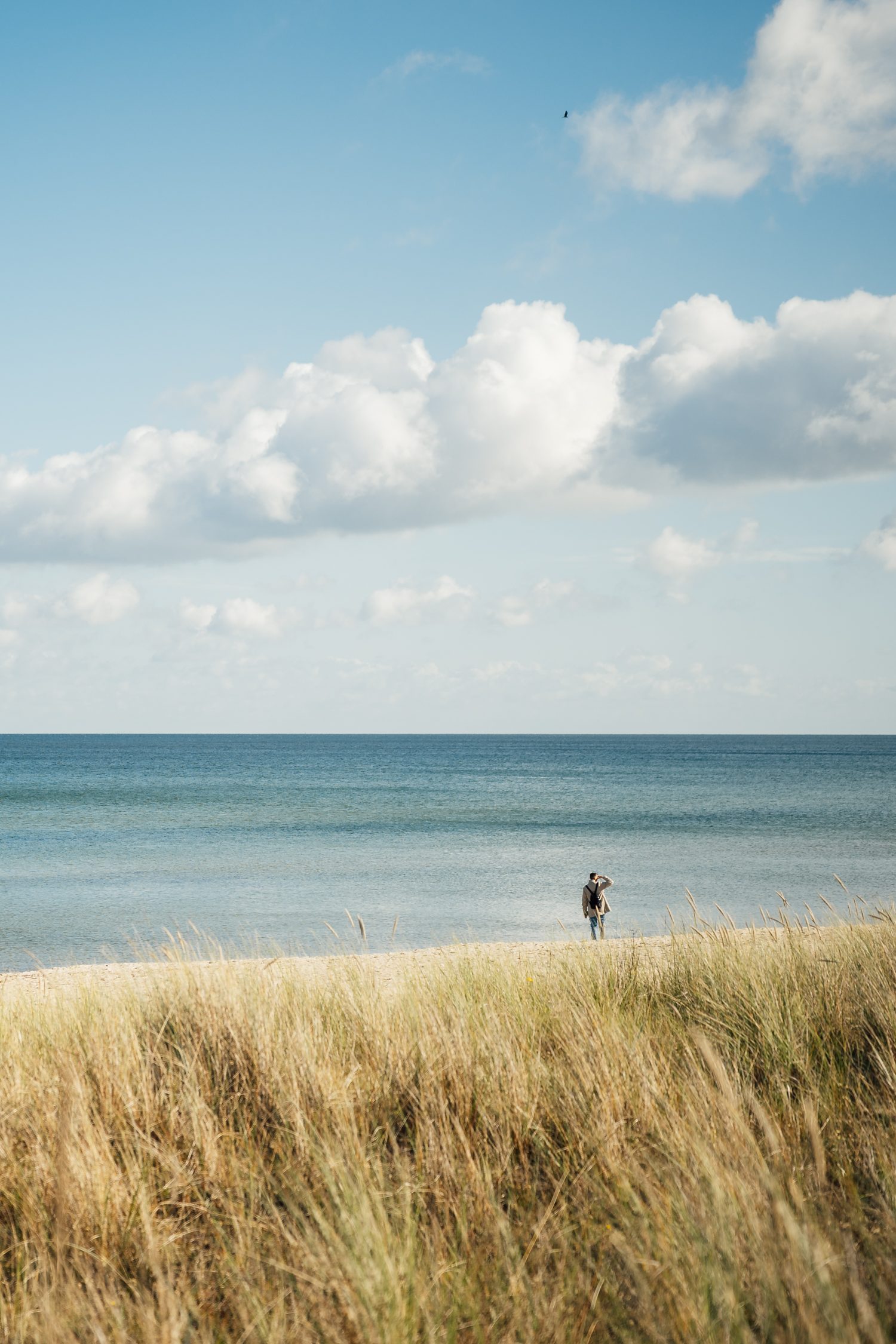
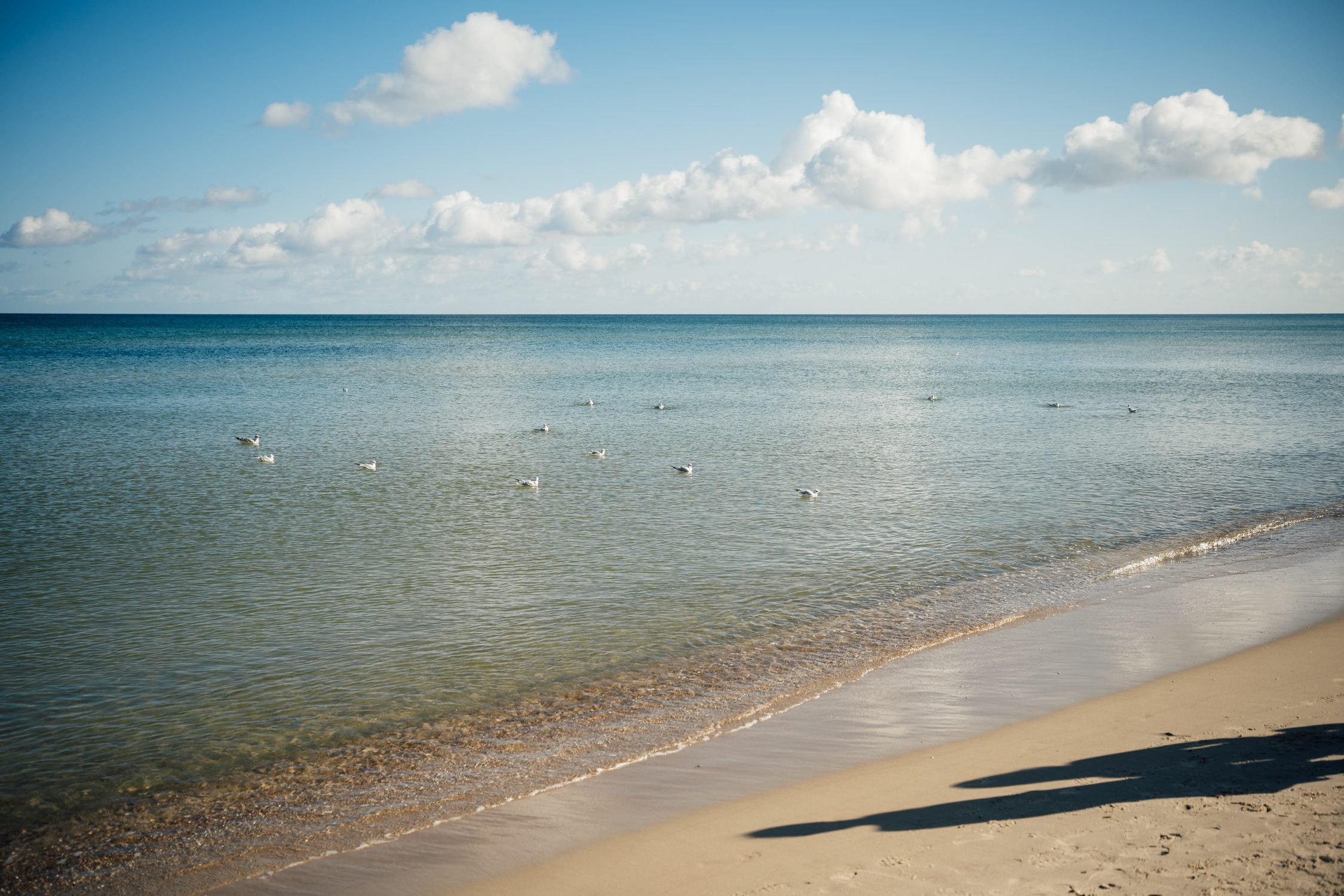
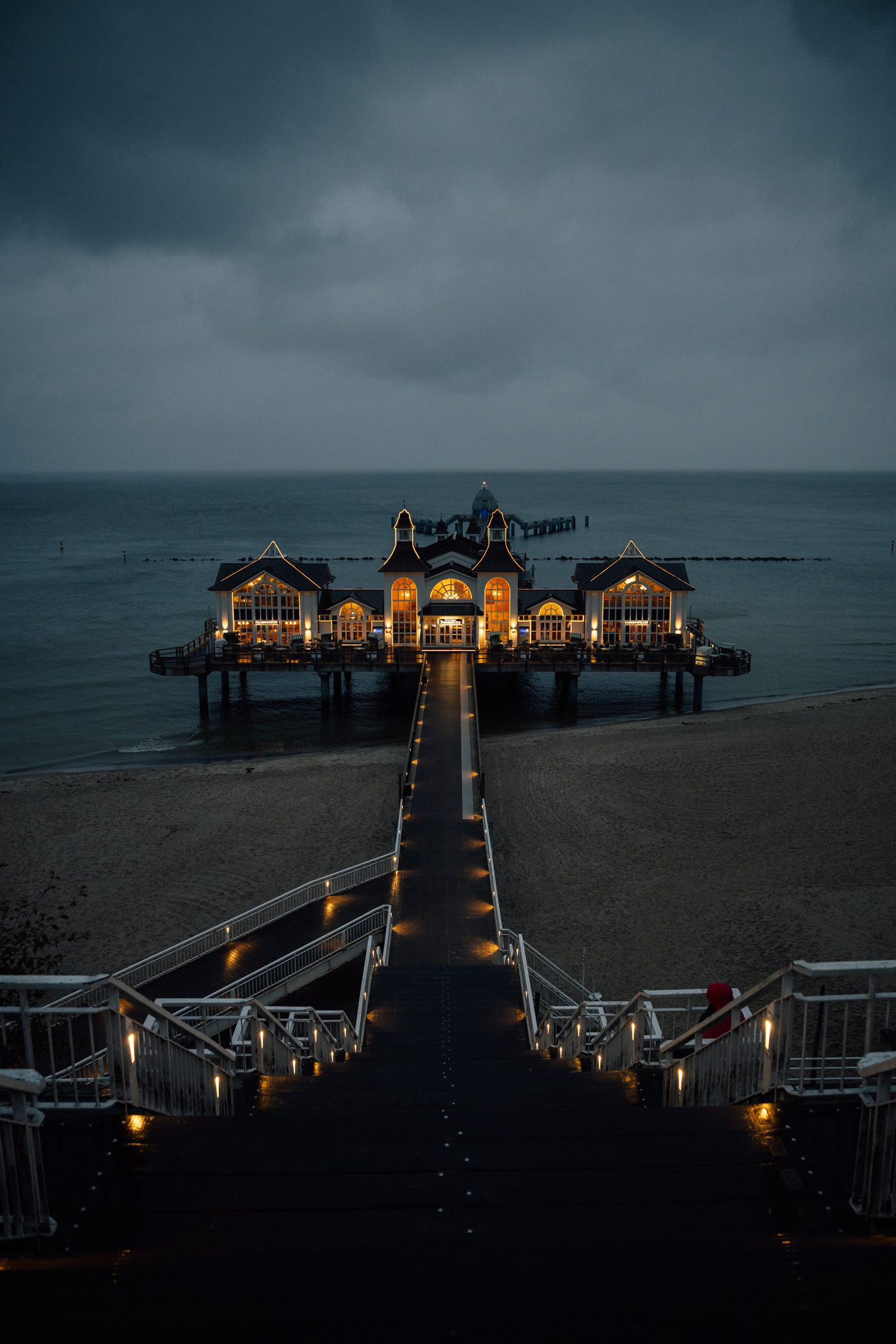
Coastal explorations and walks: One of the main attractions (at least for Austrians like us who live in a landlocked country) are the endless miles of beaches along the Baltic Coast. We spent a wonderful morning at the bay of Binz when the sun rises behind the Granitz (which is part of the Southeast Rügen Biosphere Reserve), we walked along the bays of Sellin, Baabe and Göhren–each of them wide stretches of soft sand straddled by incredibly clear turquoise water.
Where to Stay: Waterside Eco-Comfort
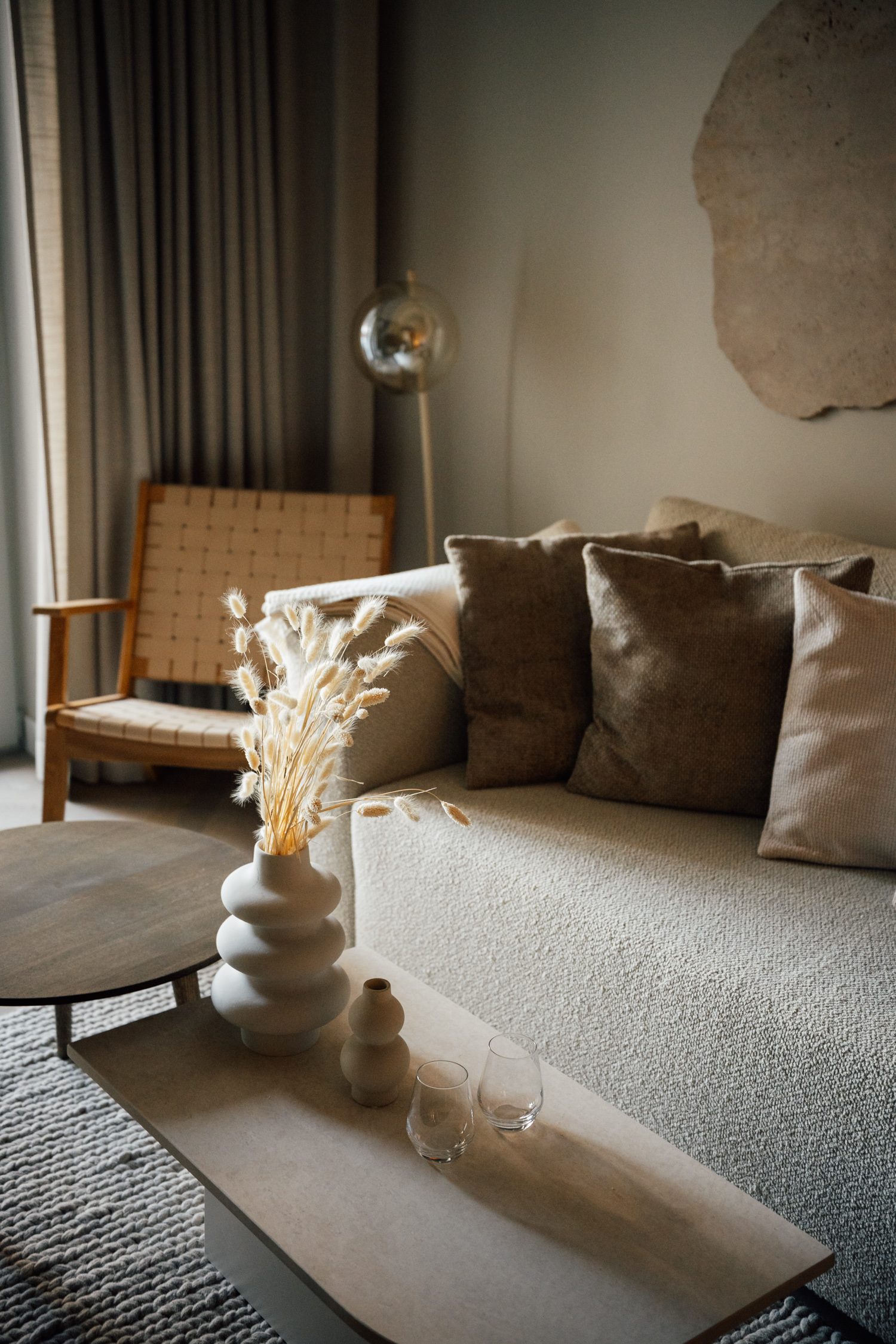
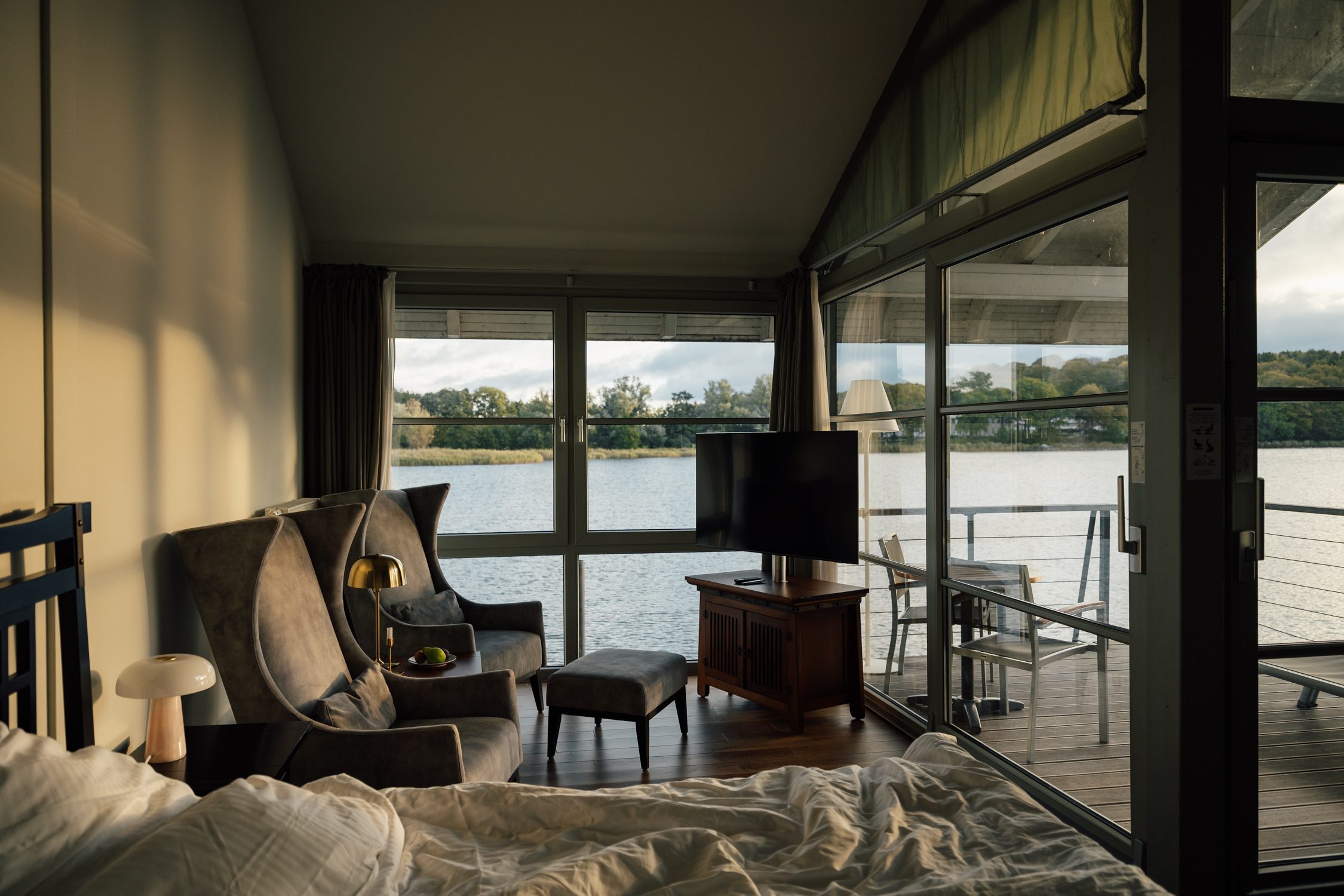
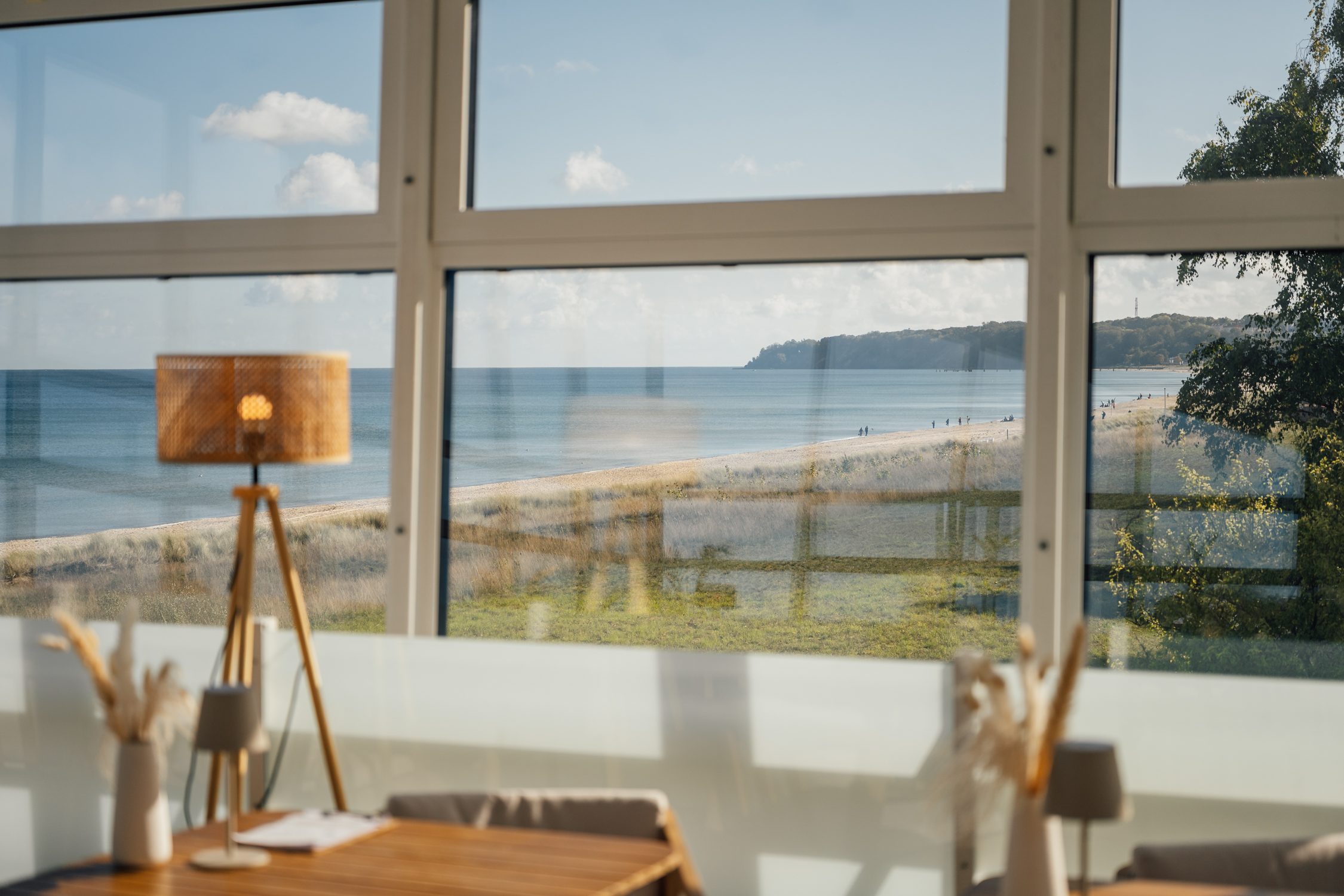
To stay completely connected to the rhythm of the tides, staying directly by the water makes all the difference. We stayed at three different places during our trip, but each accommodation was either built atop the water on stilts or within steps from the beach.
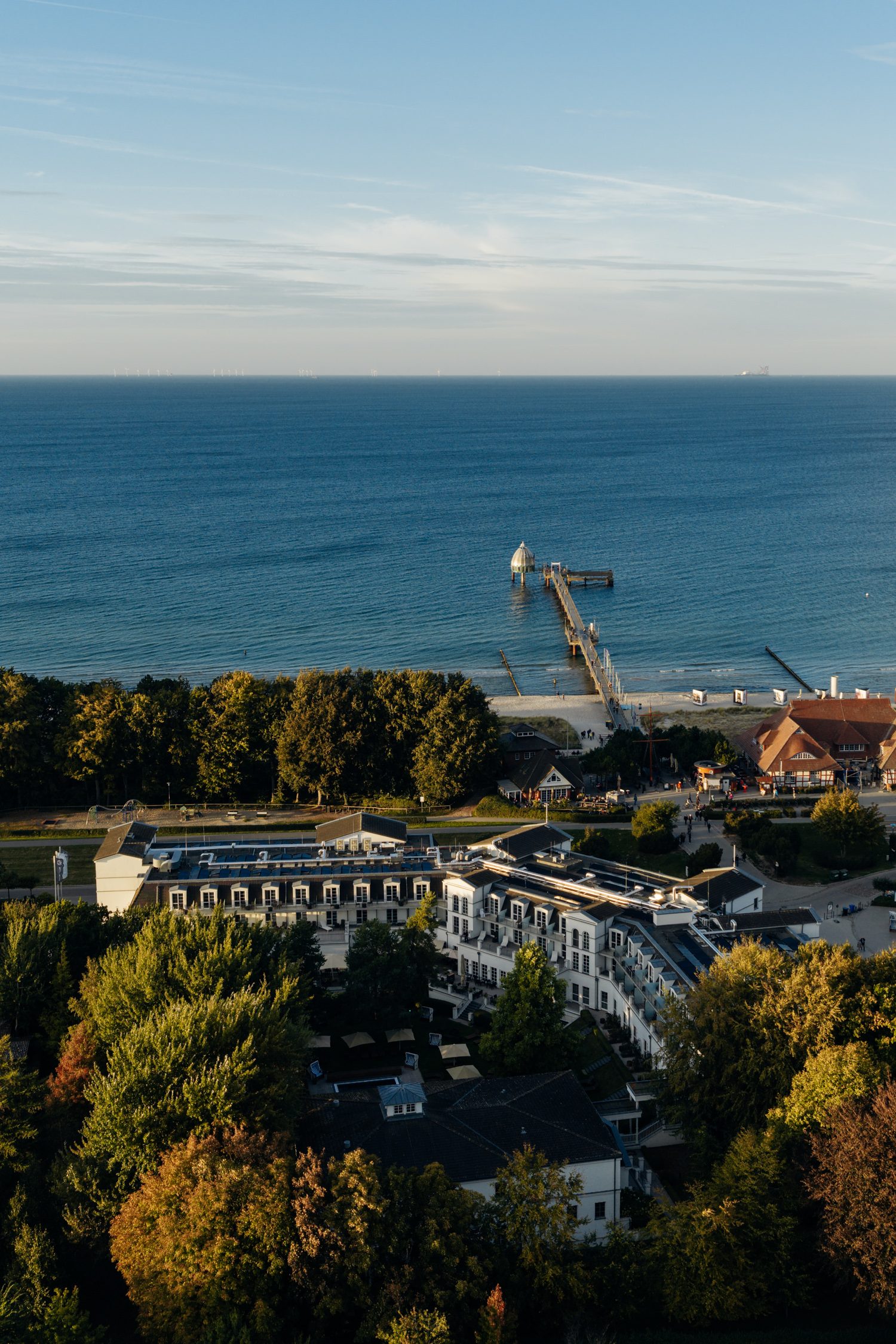
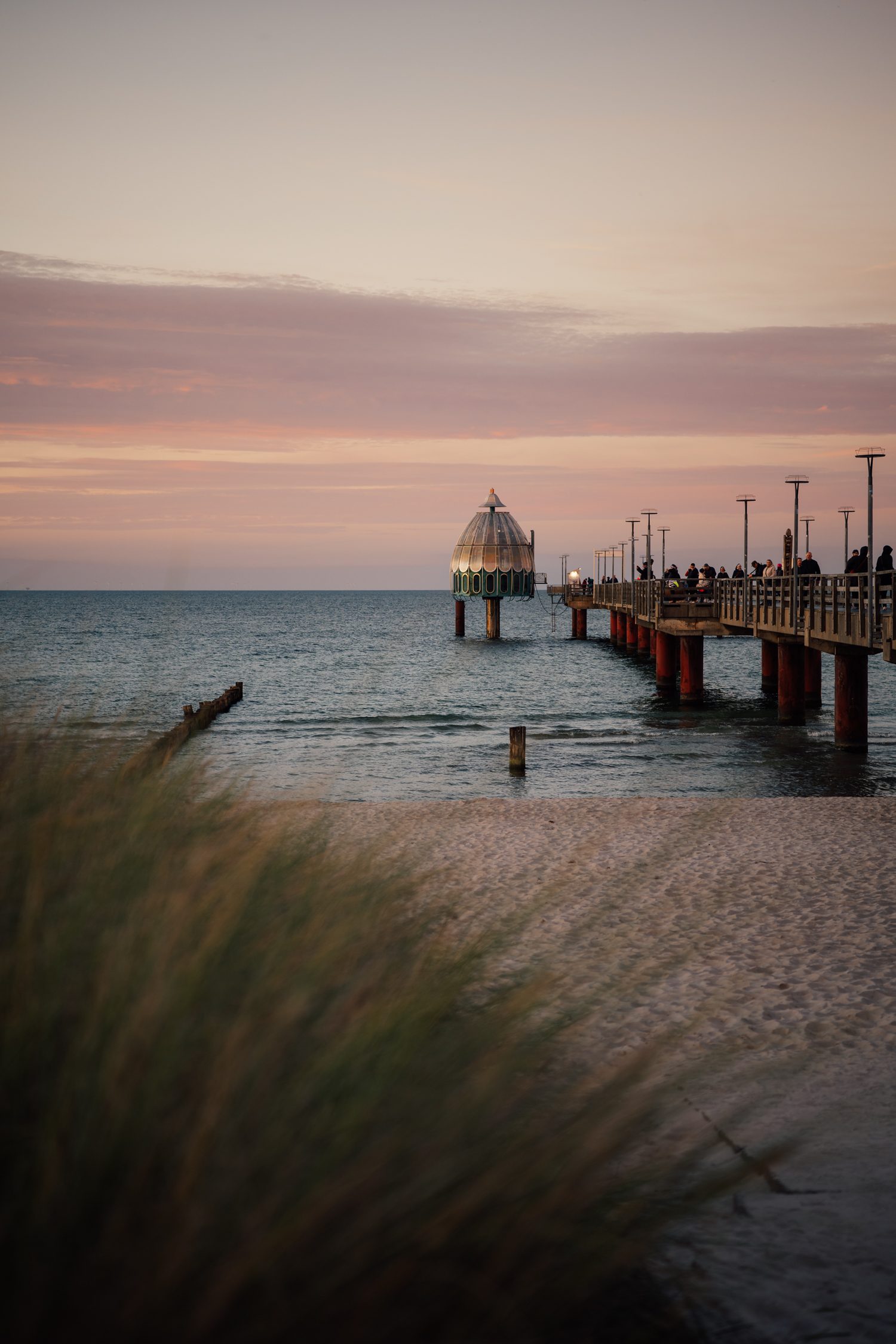
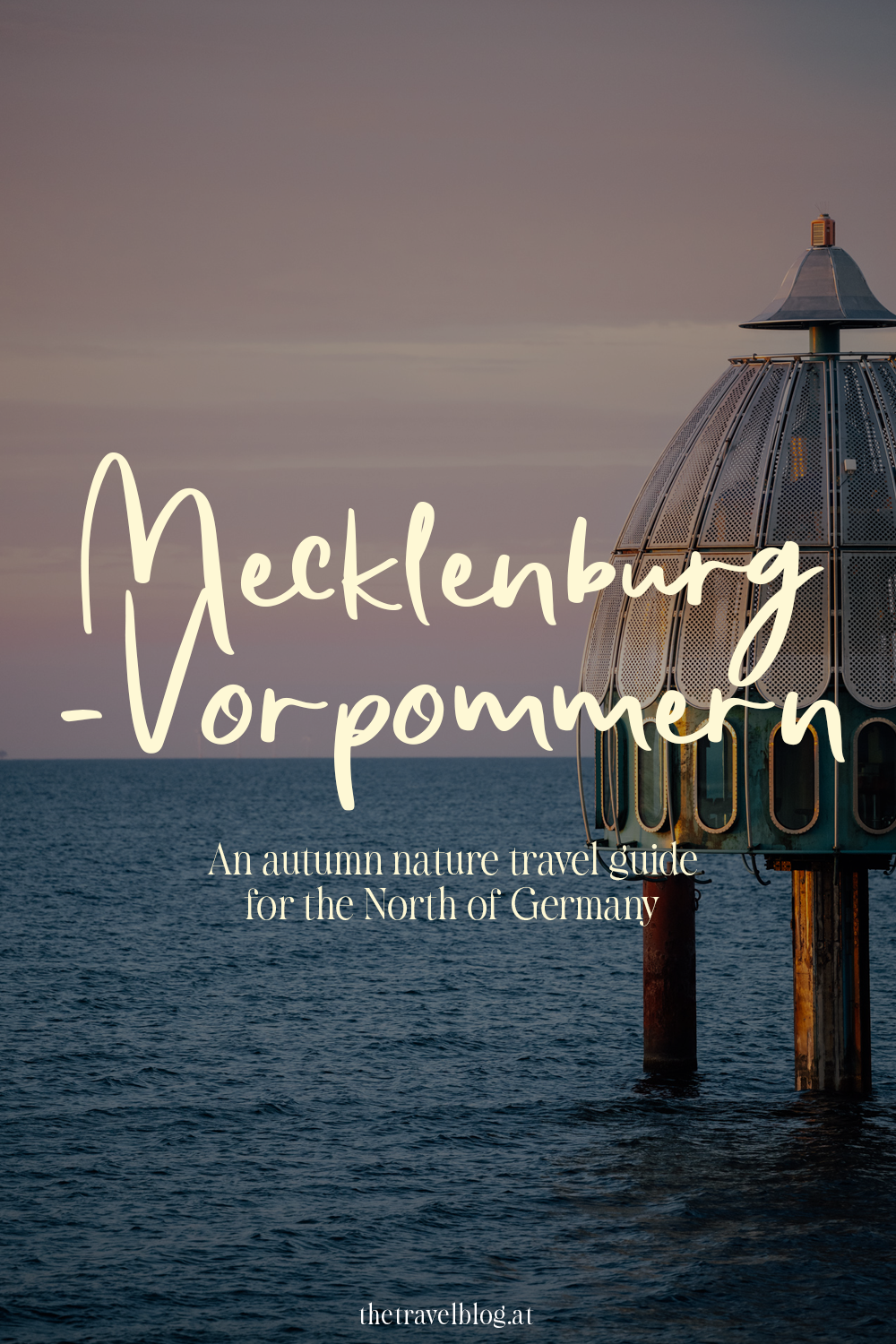
In Zingst, Strandhotel Zingst places you right behind the sea dyke with immediate beach access and just steps from the landmark “Seebrücke” (which is the best place to watch the sunset).
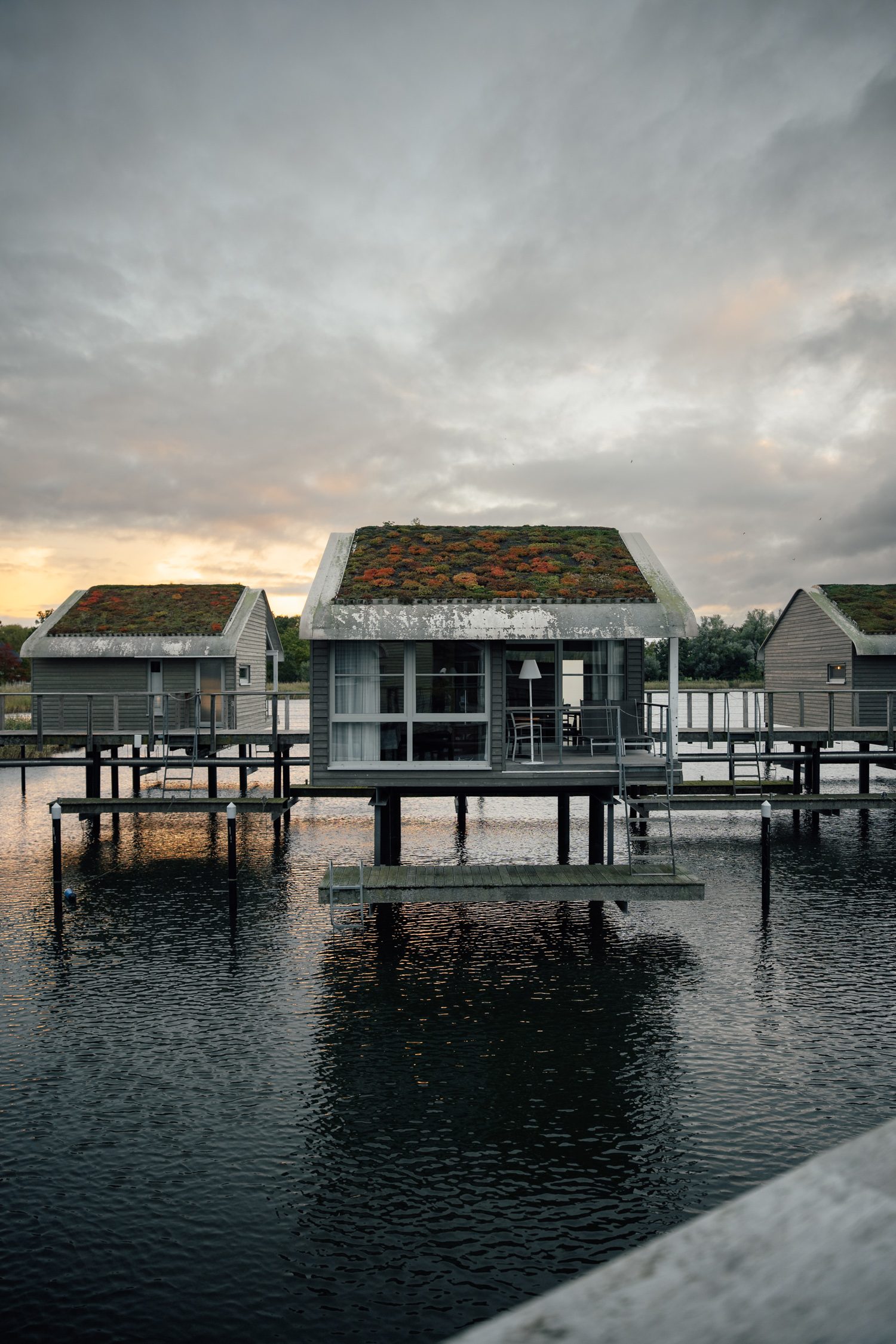
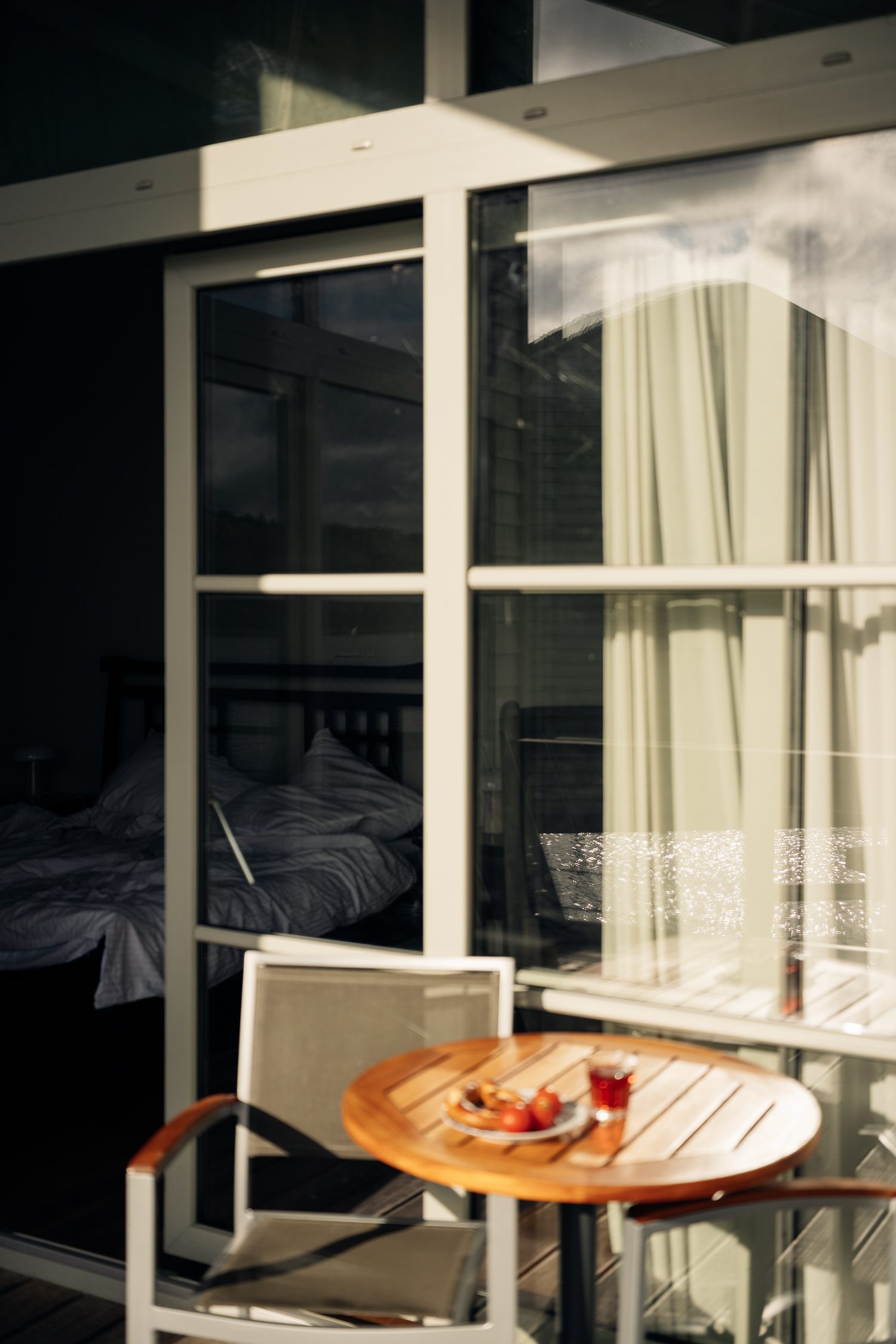
For something truly unique, the stilt house suites at Wasserferienwelt im-jaich in Lauterbach sit directly floating above the calm Bodden lagoon, letting you fall asleep to the gentle lap of water beneath your room.
Local Culinary Stop
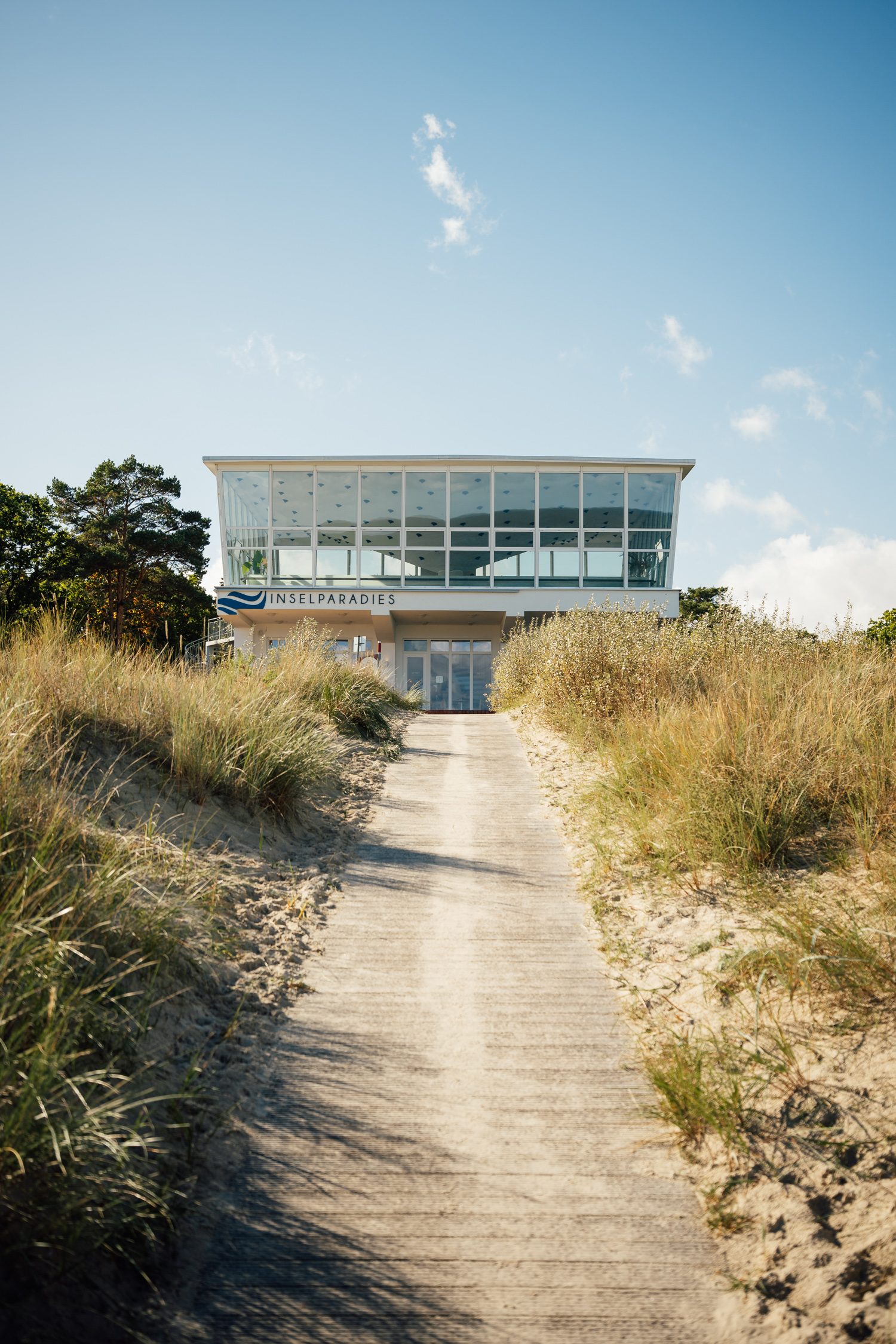
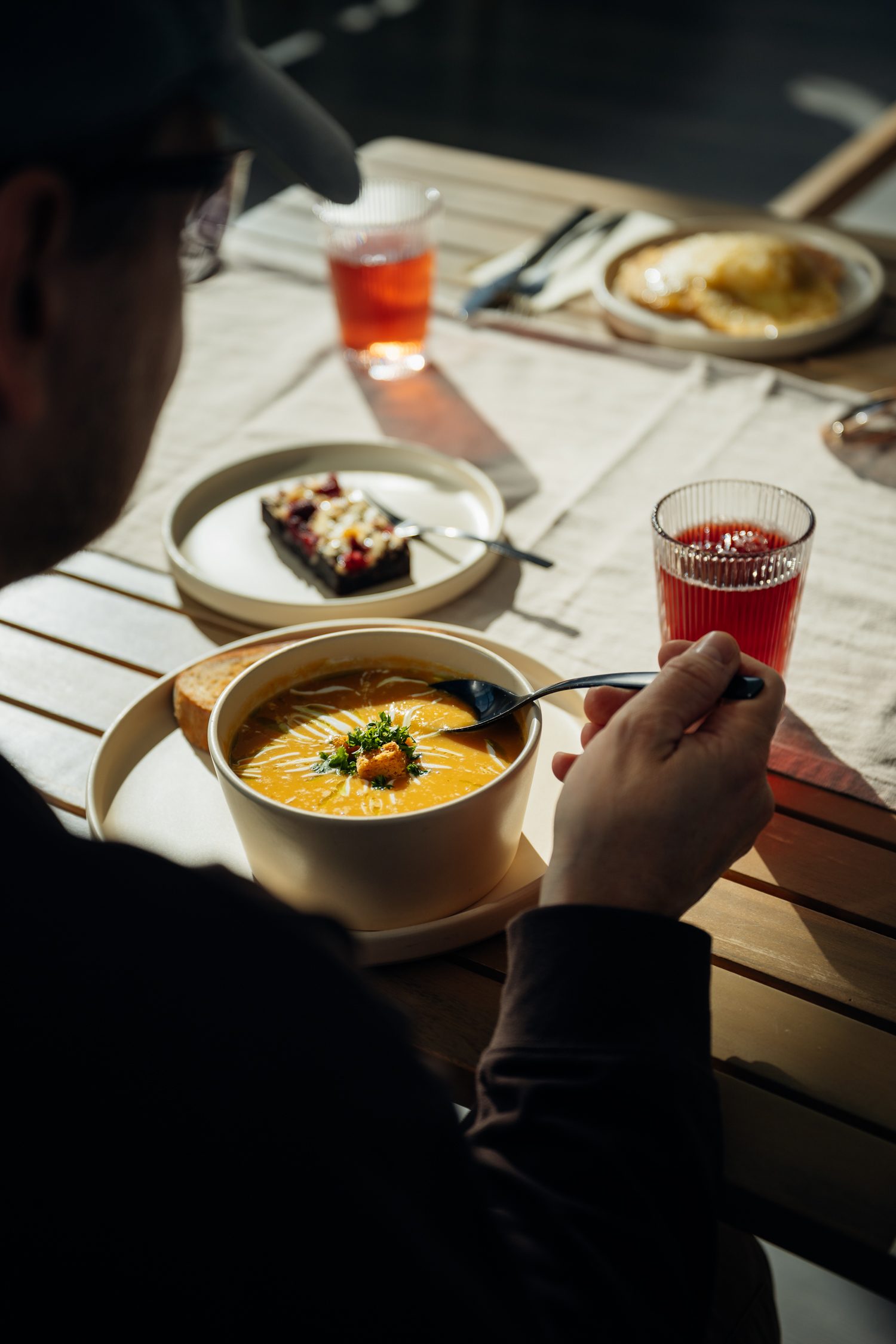
One last tip: If you’re ever in Baabe, make sure to stop for lunch or an afternoon snack at MYNT Café and restaurant. Located in a listed heritage building called “Inselparadies”, which was designed by local famous architect Ulrich Müther in the 1960ies and still feels fresh and relevant to this day.
How to get to Mecklenburg-Vorpommern
Getting to the very North of Germany from Austria is surprisingly effortless–even if you don’t want to fly. We took the ÖBB Nightjet night train, which runs either directly from Vienna to Berlin or Hamburg and back. Both cities allow for access to Mecklenburg-Vorpommern easily by car. We recommend booking a private sleeper cabin on the train for maximum comfort (and your own private bathroom). This allows to wake up at your destination refreshed and ready for the explorations. For the rest of the trip a rental car is essential to access trailhead parking areas, photographic hides and the different parts of the rural areas we recommend in this guide.
Save and pin this guide for your next Germany trip:
Disclaimer: This is a sponsored post as part of a press trip and collaboration with Mecklenburg-Vorpommern’s tourism board. The views in this blogpost are our own.
From rhinos & Kenyan sanctuaries in the Lewa Conservancy
We use cookies on our website to give you the most relevant experience by remembering your preferences and repeat visits. By clicking “Accept All”, you consent to the use of ALL the cookies. However, you may visit "Cookie Settings" to provide a controlled consent.
This website uses cookies to improve your experience while you navigate through the website. Out of these, the cookies that are categorized as necessary are stored on your browser as they are essential for the working of basic functionalities of the website. We also use third-party cookies that help us analyze and understand how you use this website. These cookies will be stored in your browser only with your consent. You also have the option to opt-out of these cookies. But opting out of some of these cookies may affect your browsing experience.
Necessary cookies are absolutely essential for the website to function properly. These cookies ensure basic functionalities and security features of the website, anonymously.
Cookie
Duration
Description
cookielawinfo-checkbox-analytics
11 months
This cookie is set by GDPR Cookie Consent plugin. The cookie is used to store the user consent for the cookies in the category "Analytics".
cookielawinfo-checkbox-functional
11 months
The cookie is set by GDPR cookie consent to record the user consent for the cookies in the category "Functional".
cookielawinfo-checkbox-necessary
11 months
This cookie is set by GDPR Cookie Consent plugin. The cookies is used to store the user consent for the cookies in the category "Necessary".
cookielawinfo-checkbox-others
11 months
This cookie is set by GDPR Cookie Consent plugin. The cookie is used to store the user consent for the cookies in the category "Other.
cookielawinfo-checkbox-performance
11 months
This cookie is set by GDPR Cookie Consent plugin. The cookie is used to store the user consent for the cookies in the category "Performance".
viewed_cookie_policy
11 months
The cookie is set by the GDPR Cookie Consent plugin and is used to store whether or not user has consented to the use of cookies. It does not store any personal data.
Functional cookies help to perform certain functionalities like sharing the content of the website on social media platforms, collect feedbacks, and other third-party features.
Performance cookies are used to understand and analyze the key performance indexes of the website which helps in delivering a better user experience for the visitors.
Analytical cookies are used to understand how visitors interact with the website. These cookies help provide information on metrics the number of visitors, bounce rate, traffic source, etc.
Advertisement cookies are used to provide visitors with relevant ads and marketing campaigns. These cookies track visitors across websites and collect information to provide customized ads.