
Seeing gorillas in the wild was one of our top bucket list items for many, many years. We missed our chance in Rwanda a few years ago and when the opportunity came up to travel to Uganda we knew: Now was the time! Uganda is an incredible destination if you want to plan a gorilla trek, but Uganda also has much more to offer.
In this travel guide we’ll share all our tips for a safari trip to Uganda–from primate experiences like chimpanzee habituations to gorilla treks.
Find our 10 night itinerary for a first Uganda safari in this post, alongside tips for each tour stop.
10 nights in Uganda
Beyond the thrill of exploration, this journey had a deeper purpose—to witness firsthand how responsible tourism supports conservation efforts, preserving Uganda’s extraordinary biodiversity for future generations.
With our guide, Nelson, at the wheel and an itinerary packed with unique encounters, we embarked on an 10-night journey through Uganda that would take us from the thunderous power of Murchison Falls to the mist-veiled heights of Bwindi.
In this post we’re sharing our full Uganda itinerary and tips, so you can follow in our footsteps.
Thinking about visiting Uganda? Join us in January 2027:
Our Uganda itinerary
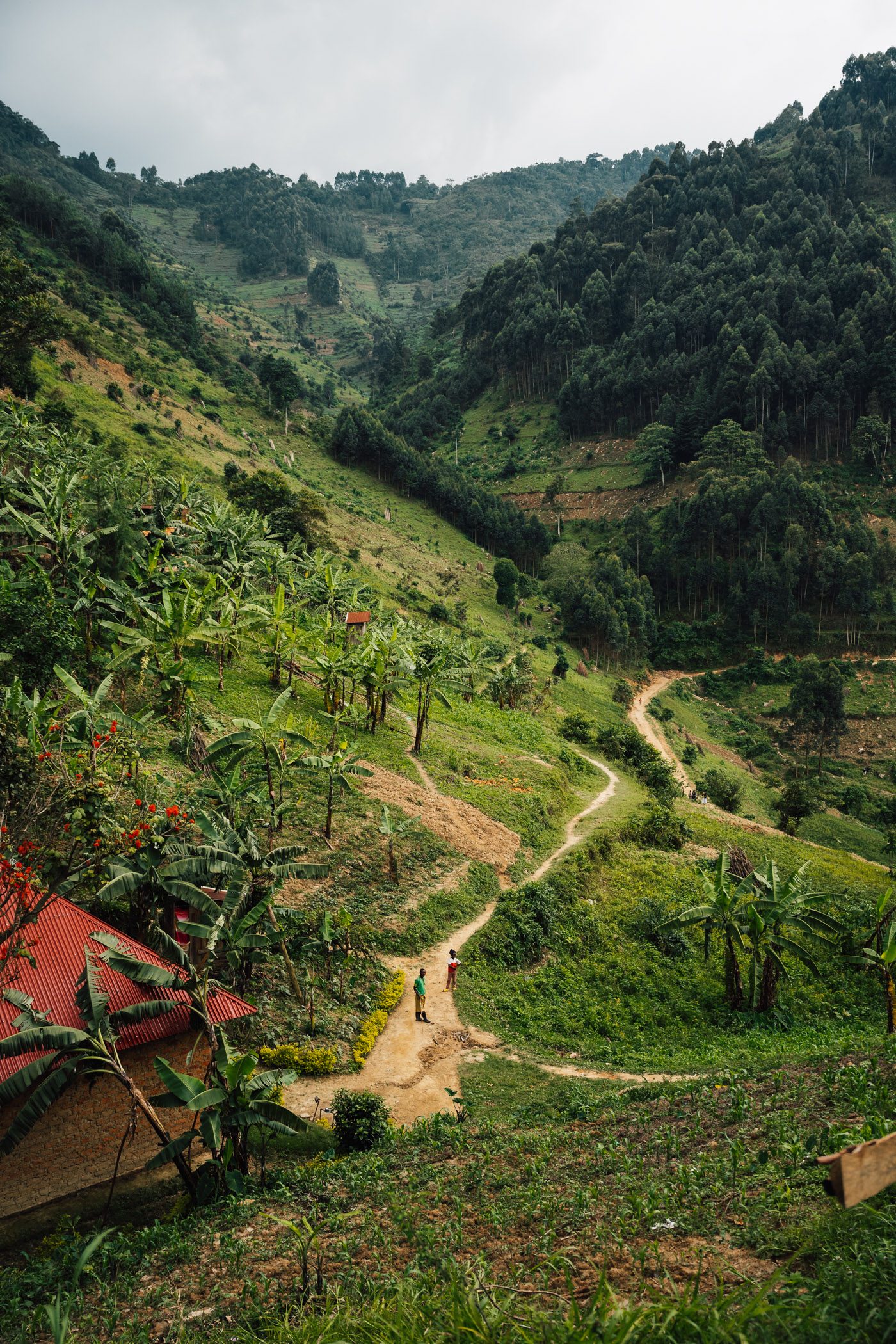
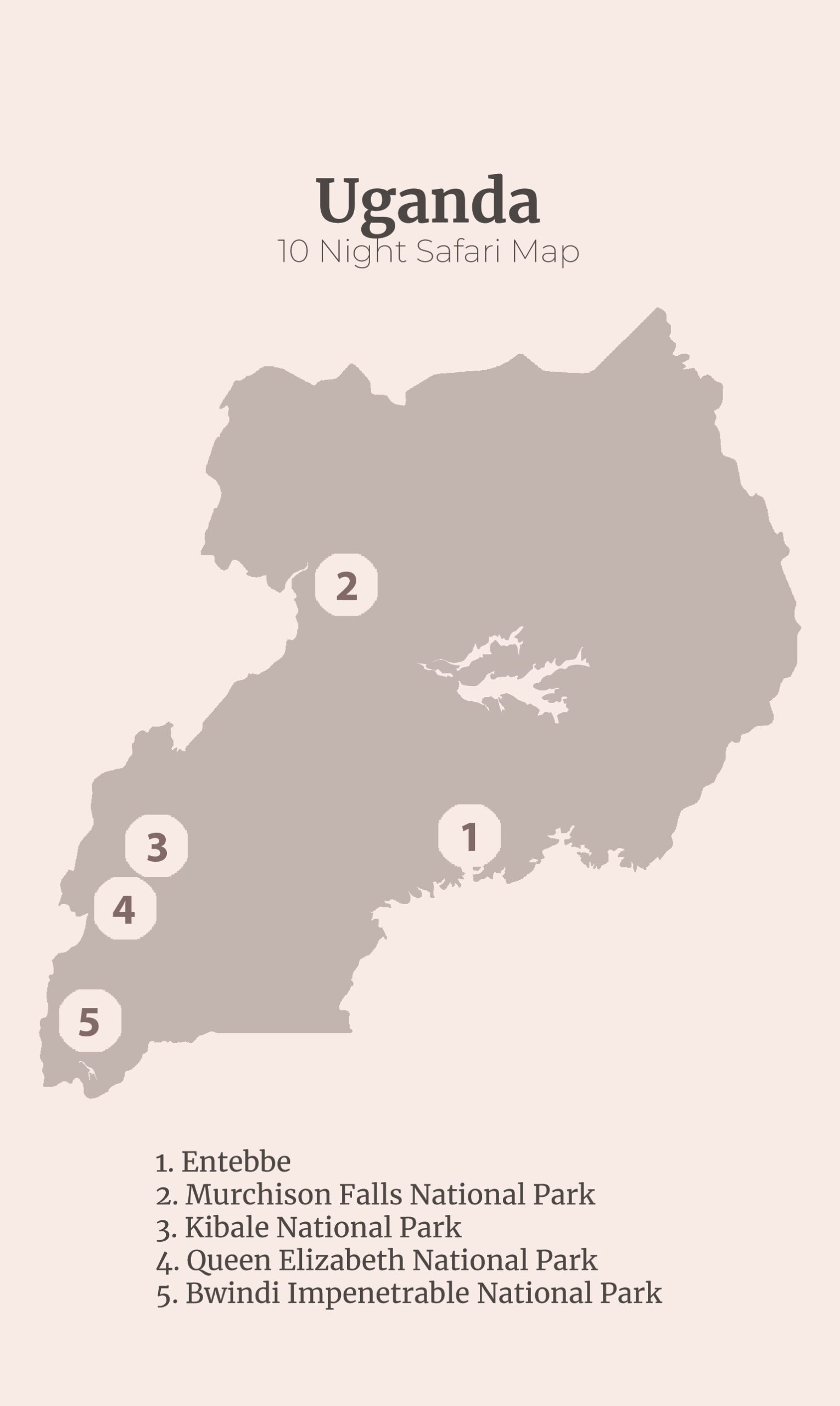
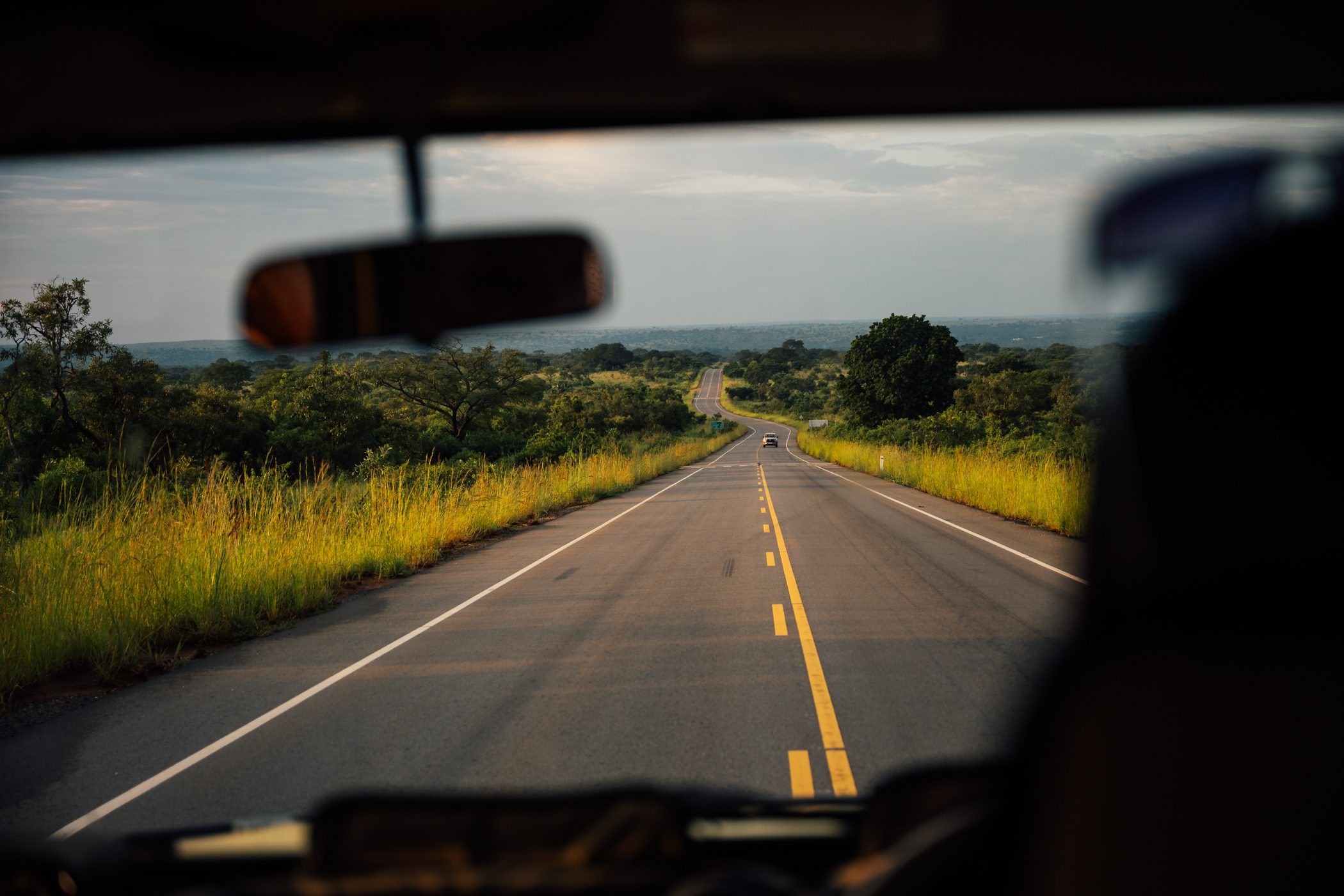
We spent a total of 10 nights in Uganda which is ideal for a first exploration of the country. Most of the tourism is concentrated in the Southwest of Uganda and this 10 night itinerary can be done by road transfer easily, making it more cost effective than a fly-in safari. The road conditions are very good in this part of Uganda and while travel days can be long it’s also rewarding to see the countryside apart from the National Parks.
Here’s where we stayed during our 10 nights:
- 1 Night – Entebbe (The Boma Entebbe)
- 2 Nights – Murchison Falls National Park (Twiga Safari Lodge)
- 2 Nights – Kibale National Park (Chimpundu Lodge)
- 2 Nights – Queen Elizabeth National Park (Elephant Plains Lodge)
- 2 Nights – Bwindi Impenetrable Forest (Nkuringo Bwindi Gorilla Lodge)
- 1 Night – Entebbe (The Boma Entebbe)
A Gentle Start in Entebbe
There is something intoxicating about stepping off a plane into the warm embrace of a new country. The moment we arrived in Entebbe, Uganda, the air felt heavy with adventure, the kind that promised dense and emerald jungles, encounters with primates, and the sweet taste of plantains at roadside stops.
Oh how sweet it was to be back on African soil: Hello from Uganda, hello from the Pearl of Africa!
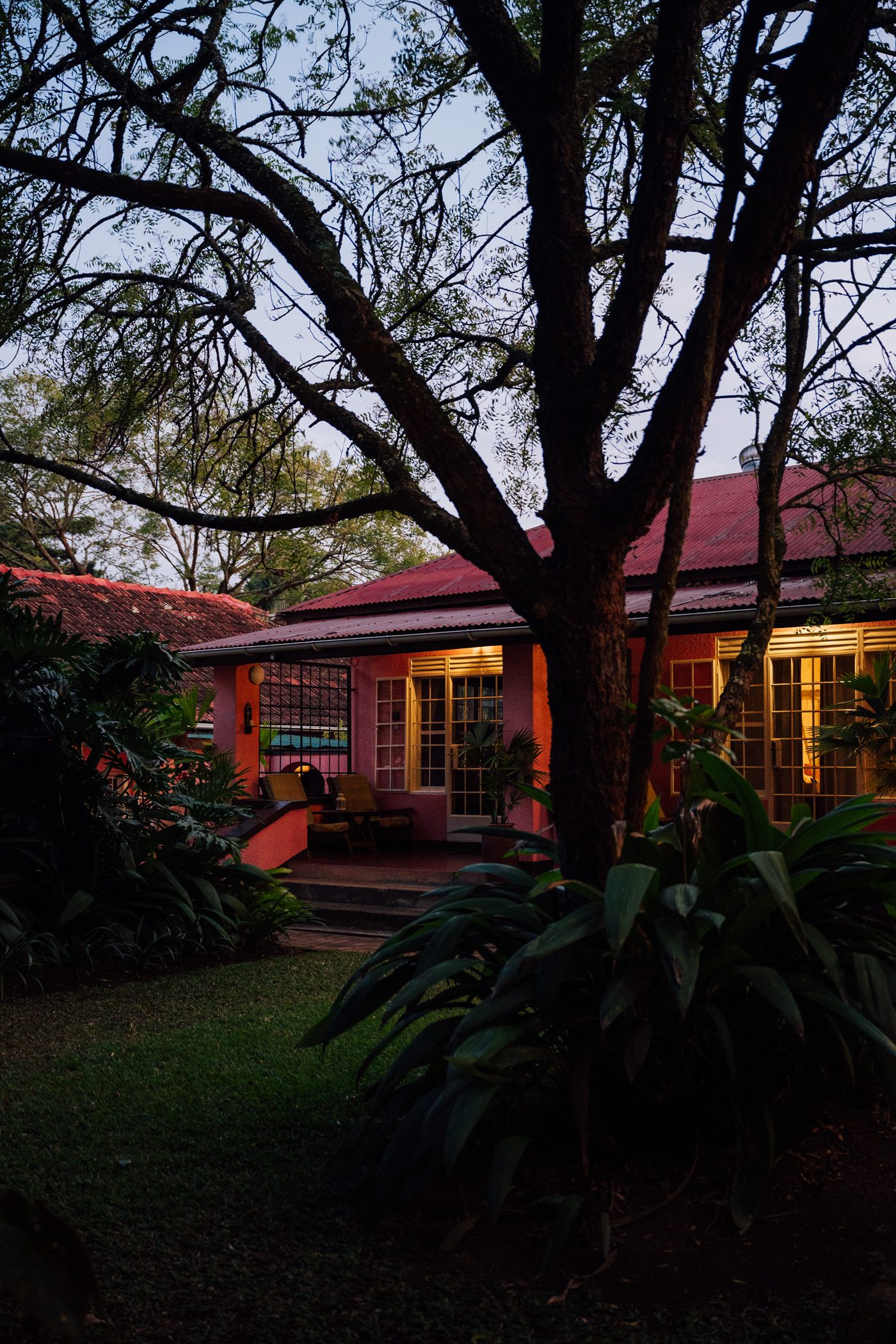
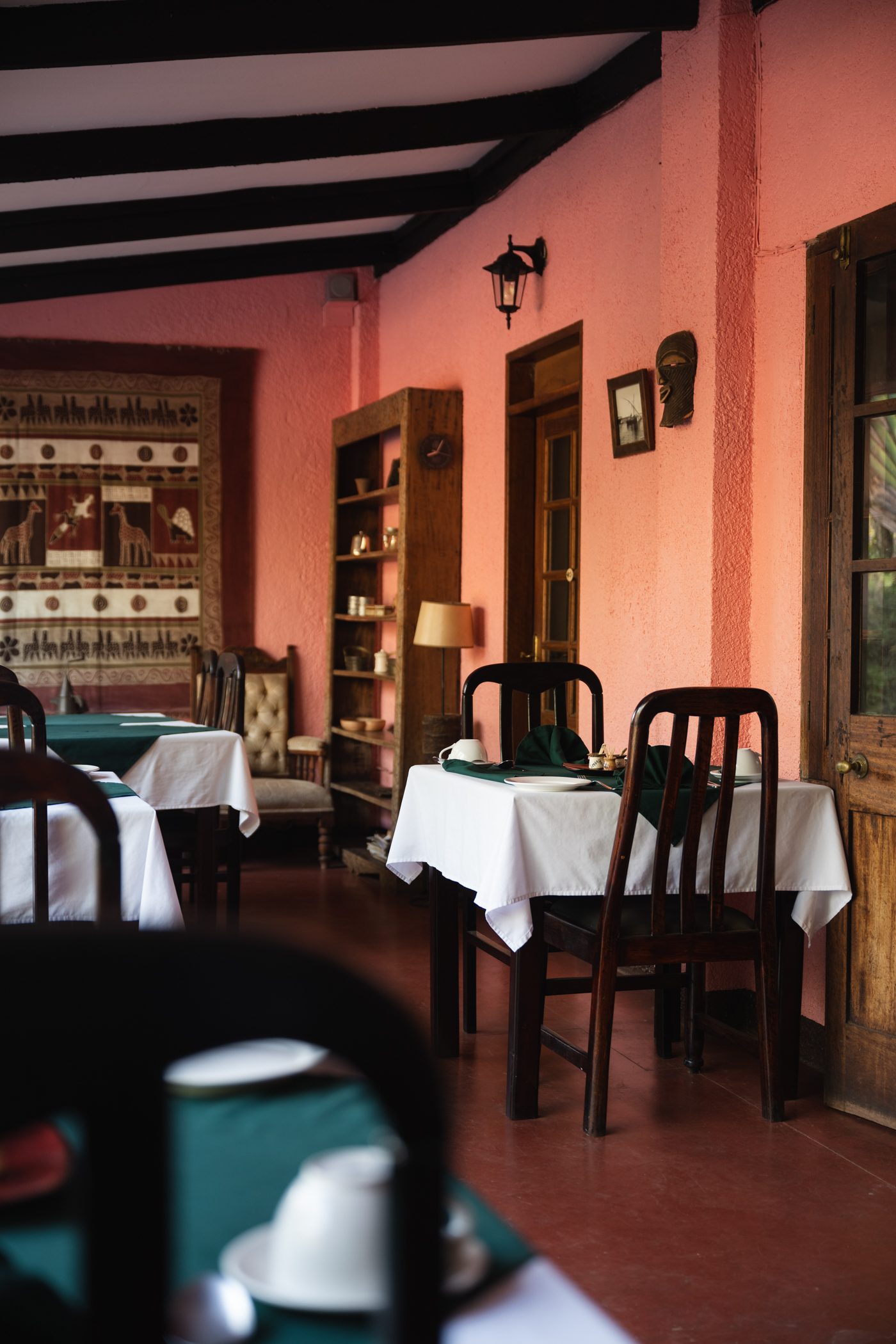
Our first stop was The Boma Entebbe, a boutique retreat that exudes old-world charm. We always plan at least one night in the city after the international flight–just to be safe if anything goes wrong, any delays occur or if we miss a connecting flight. In Entebbe there’s quite a few options to stay and relax after the flight before leaving on safari the next day.
The 1940s heritage buildings of The Boma Entebbe now house 15 rooms located in a lush garden just minutes away from Entebbe International Airport. Here we dined under the stars, listening to the hum of cicadas, and recharged after the flight. The next day, the real adventure would begin.

How to travel Uganda
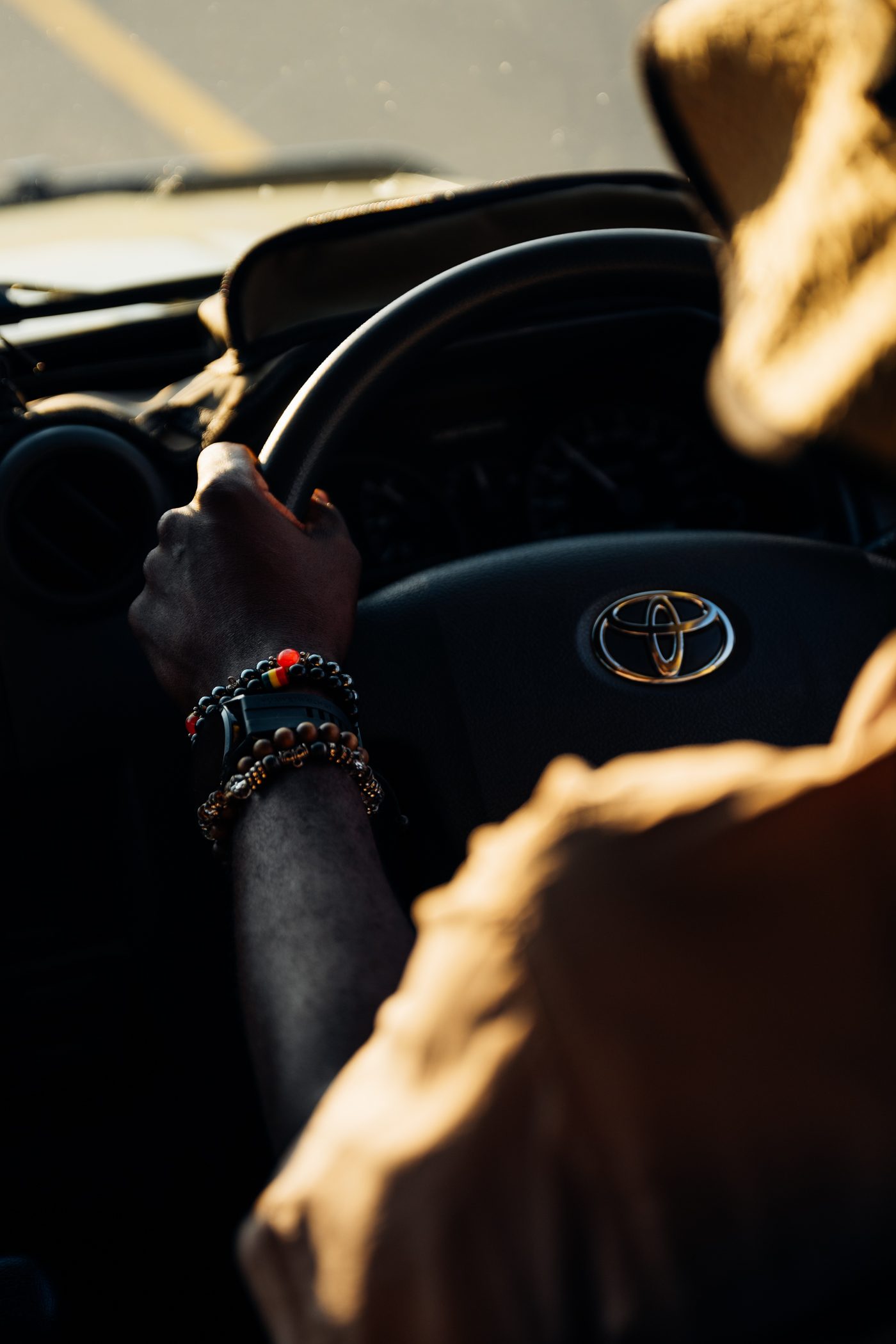
Compared to other safari destinations Uganda is relatively easy to travel by car. The distances aren’t too vast and most of the famous National Parks are all located in the South-Western part of the country (most notable exception is Kidepo in the very North, which we didn’t visit on this trip and which would be a classic for an extended trip or a second visit).
If you start your round trip in Entebbe you can easily combine the most important National Parks with road transfers.
We only took one domestic flight at the end of the trip to get back to Entebbe from Bwindi (from Kisoro airport), which essentially saved us a full day on the road (this would’ve been at least a 10 hour drive).
If you have more time you could also take a road transfer for this final leg of the trip, but then it would be best to include at least one overnight somewhere along the way like at Lake Mburo.

Ziwa Rhino Sanctuary
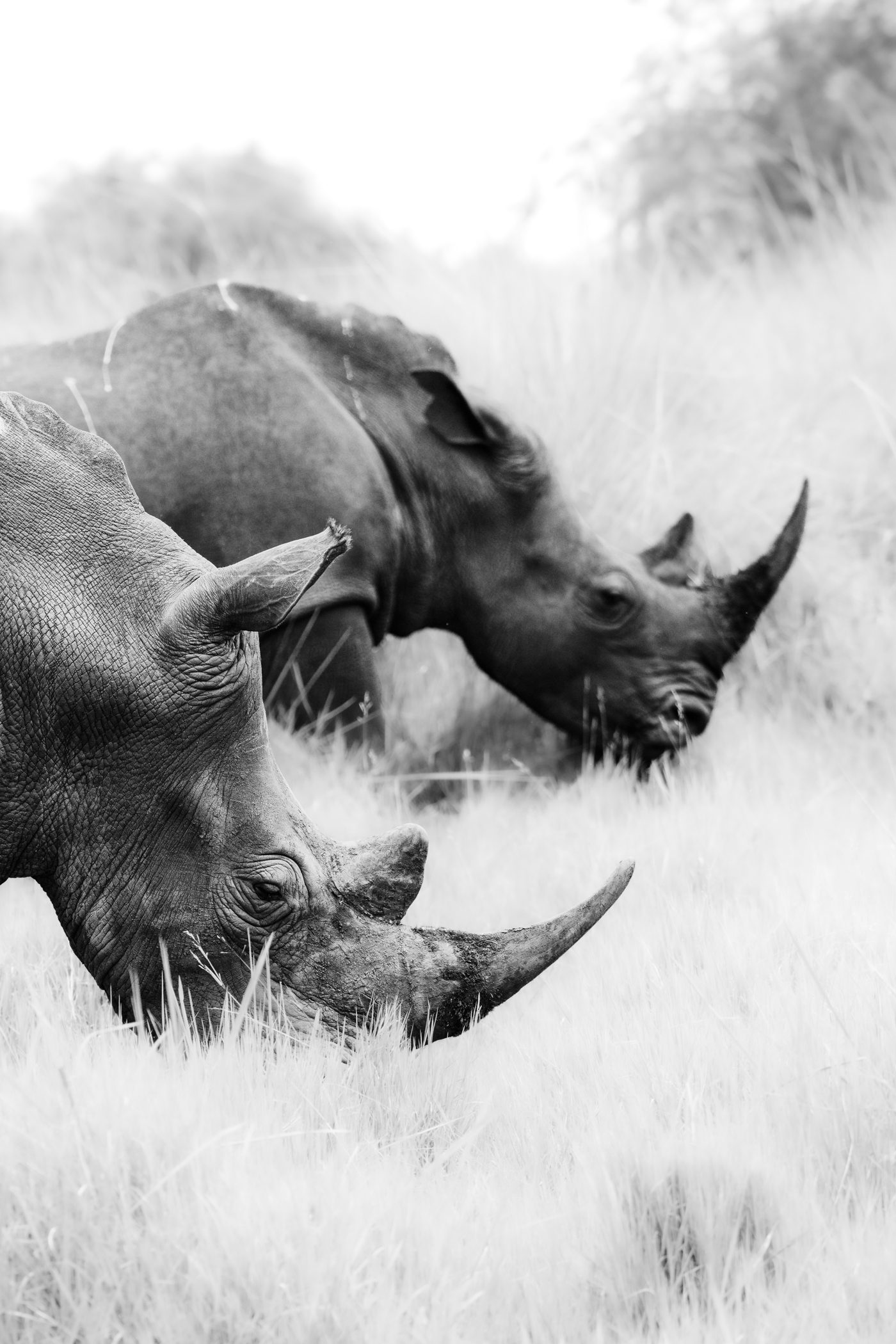
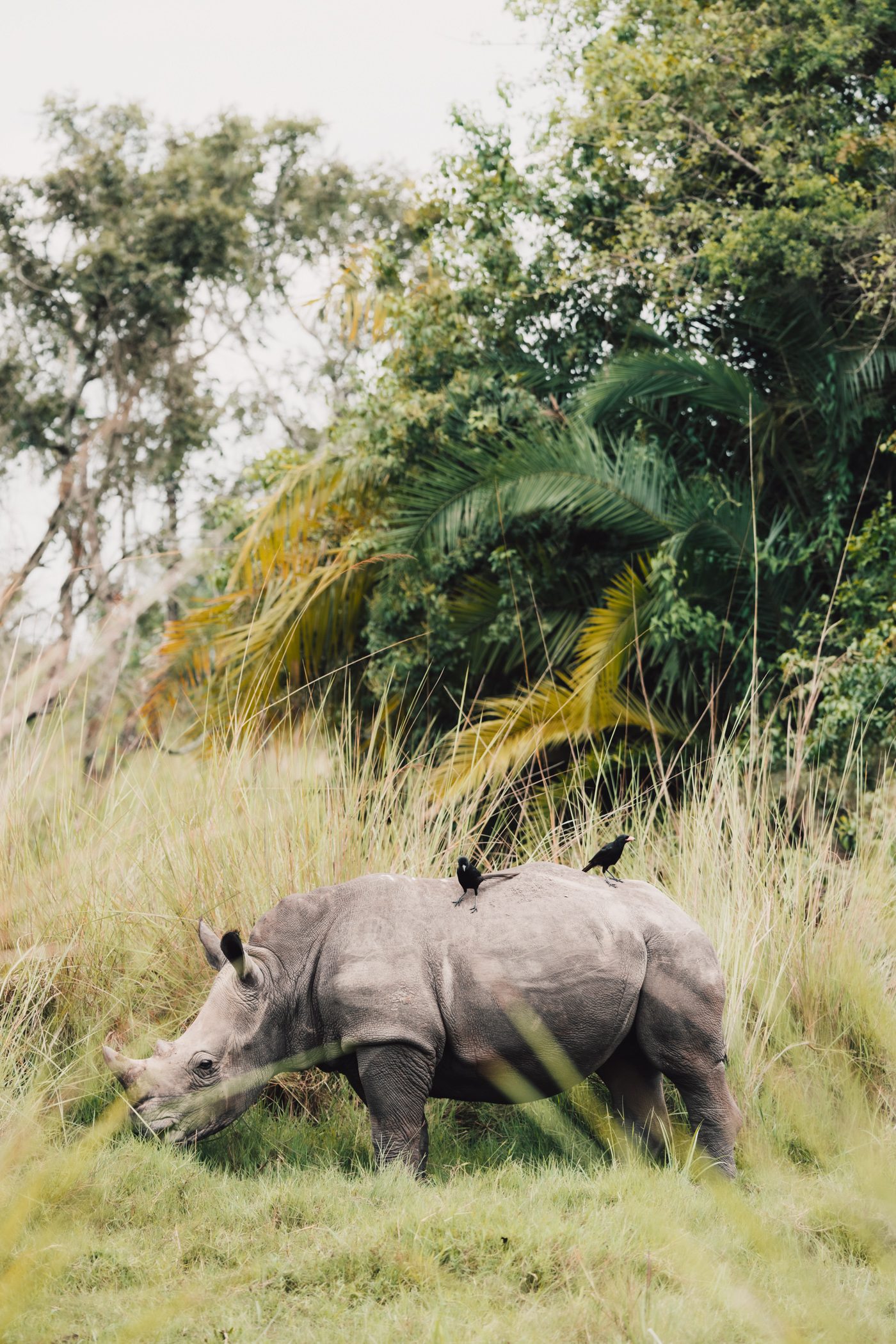
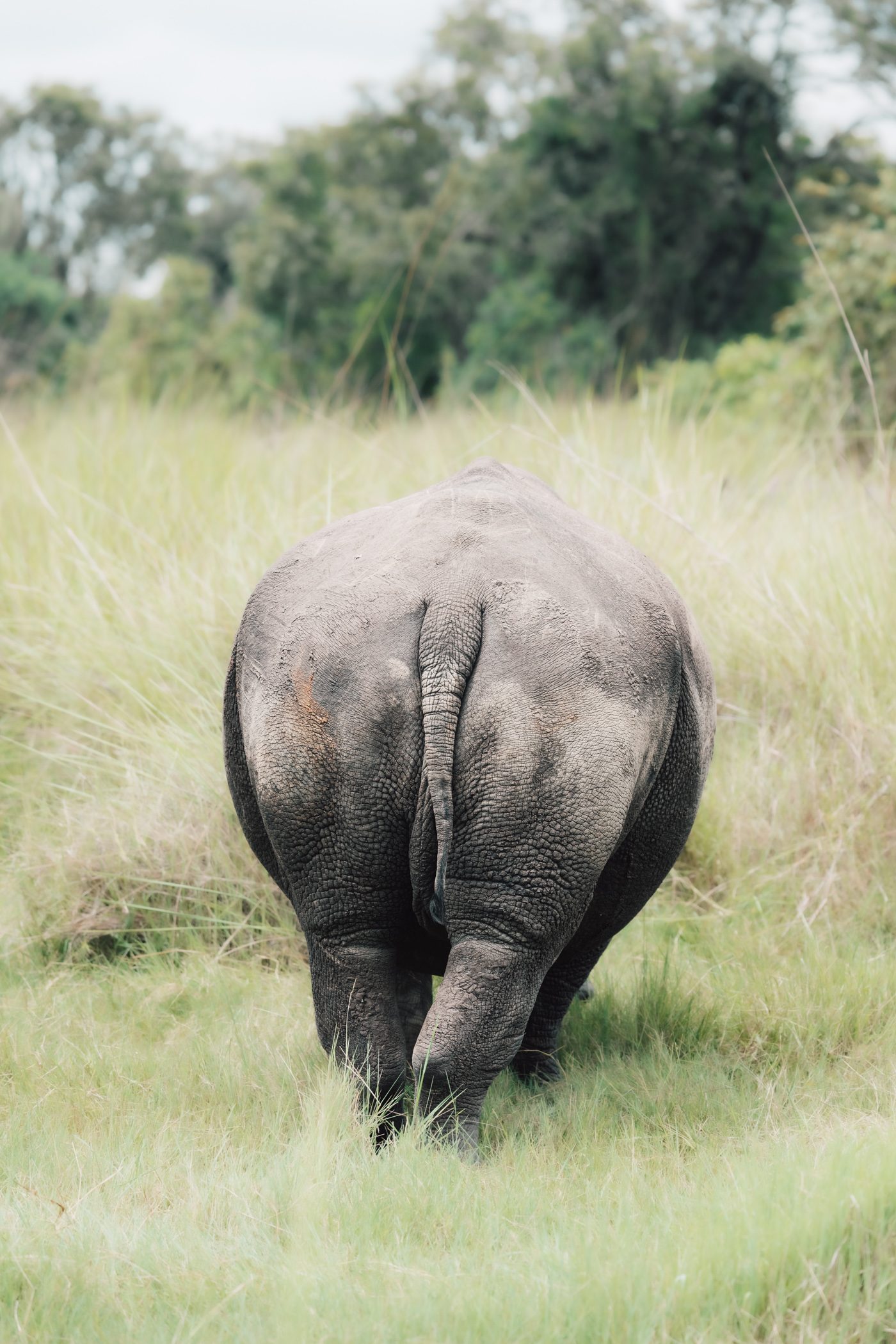
After one night in Entebbe our trip started–going up towards Murchison Falls National Park. It’s a long drive, punctuated by juicy market fruits and the sweet char of grilled plantains. But there’s one stop, that you need to include: Ziwa Rhino Sanctuary. This private reserve plays a critical role in Uganda’s conservation landscape, working to reintroduce rhinos after their local extinction in Uganda due to poaching in the 1980s.
Here you can walk with rhinos – a once-in-a-lifetime experience, that you should not skip!
Walking through the reserve, we stood mere meters from some of the few dozen of rhinos that call the sanctuary home. Grazing peacefully—their presence is powerful and gentle at the same time. The plan is to reintroduce these rhinos to Uganda’s National Parks in the future, but currently this is the only place where you can see rhinos in Uganda. What a way to kick off our Uganda trip!
Murchison Falls: Where the Nile Roars
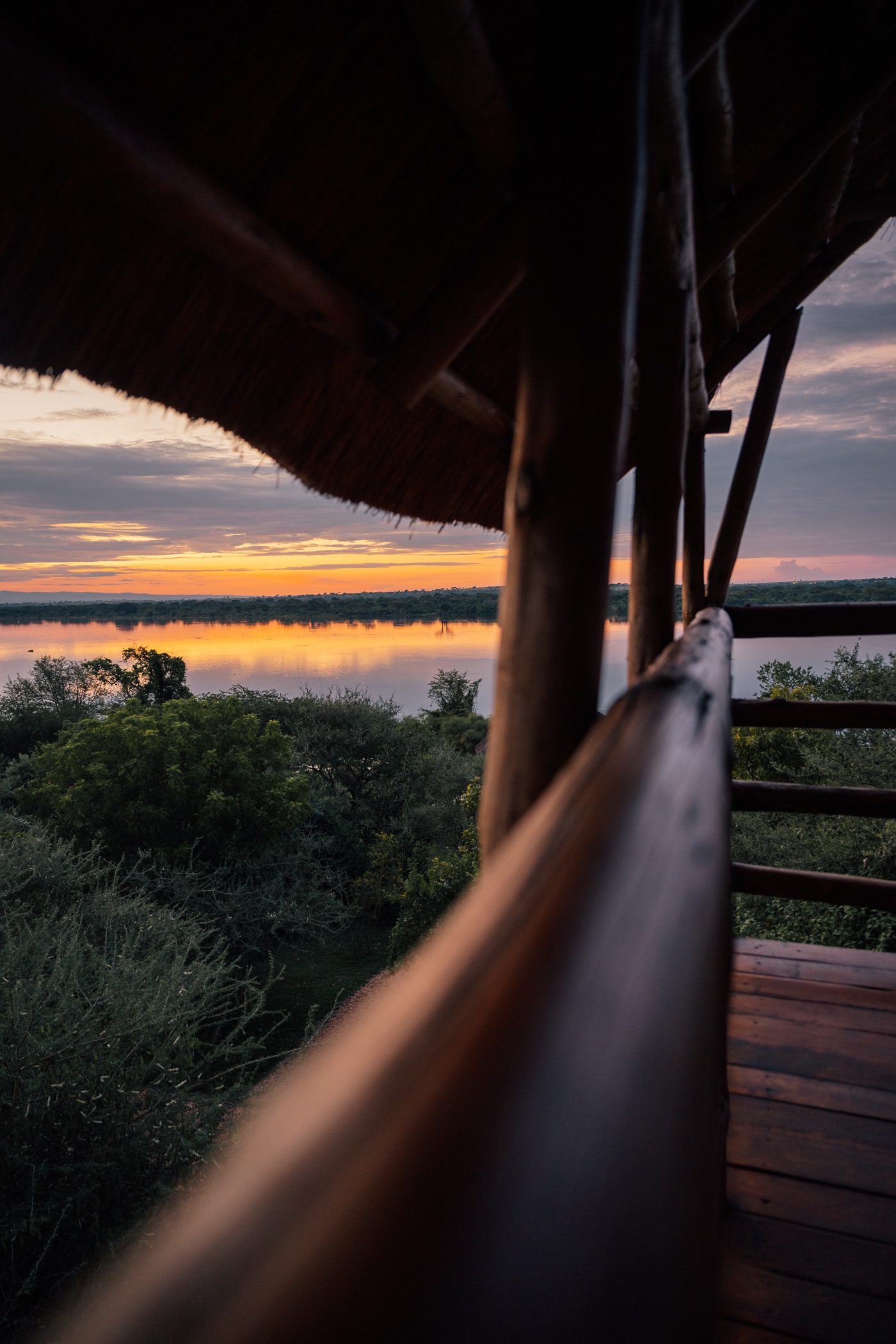
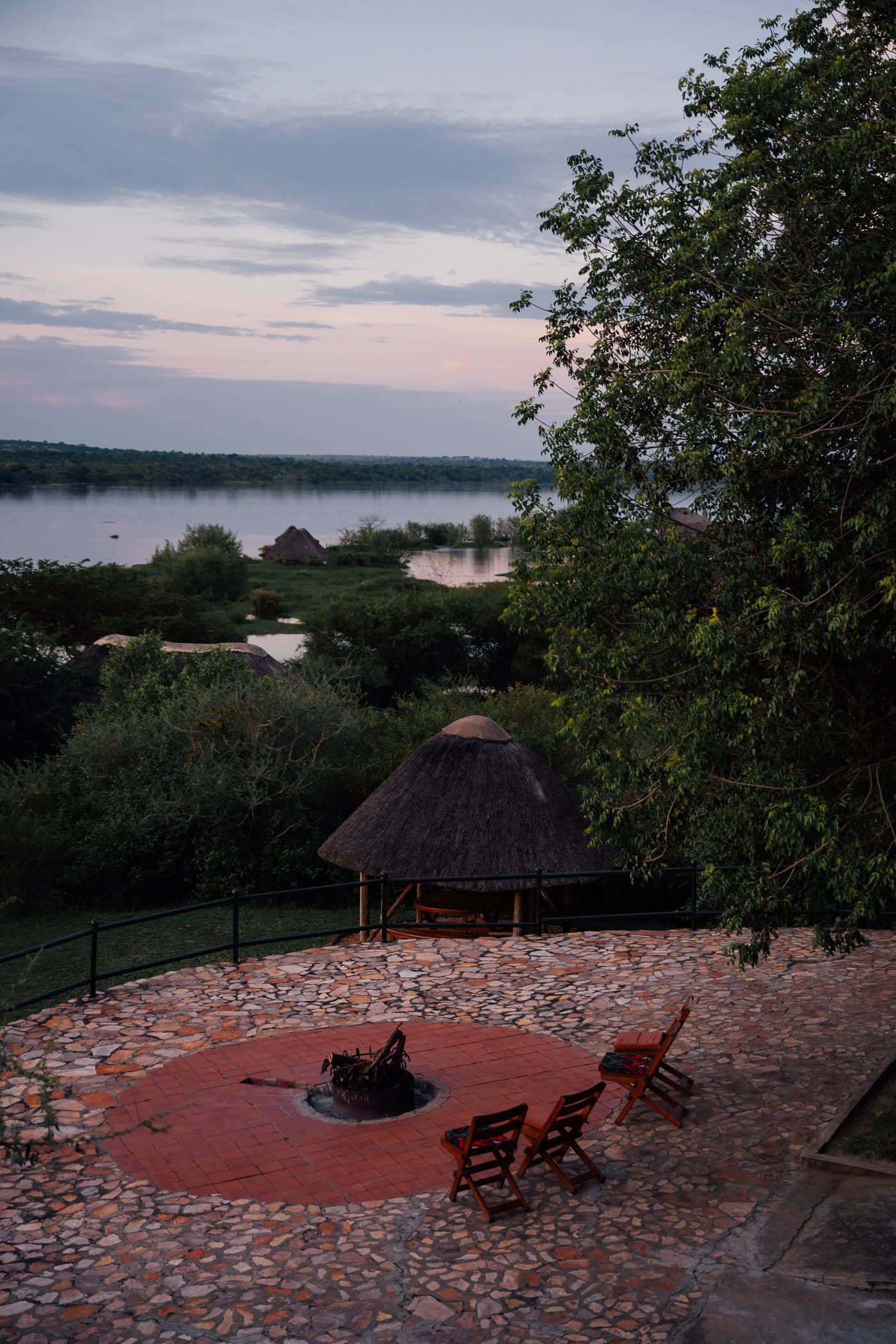
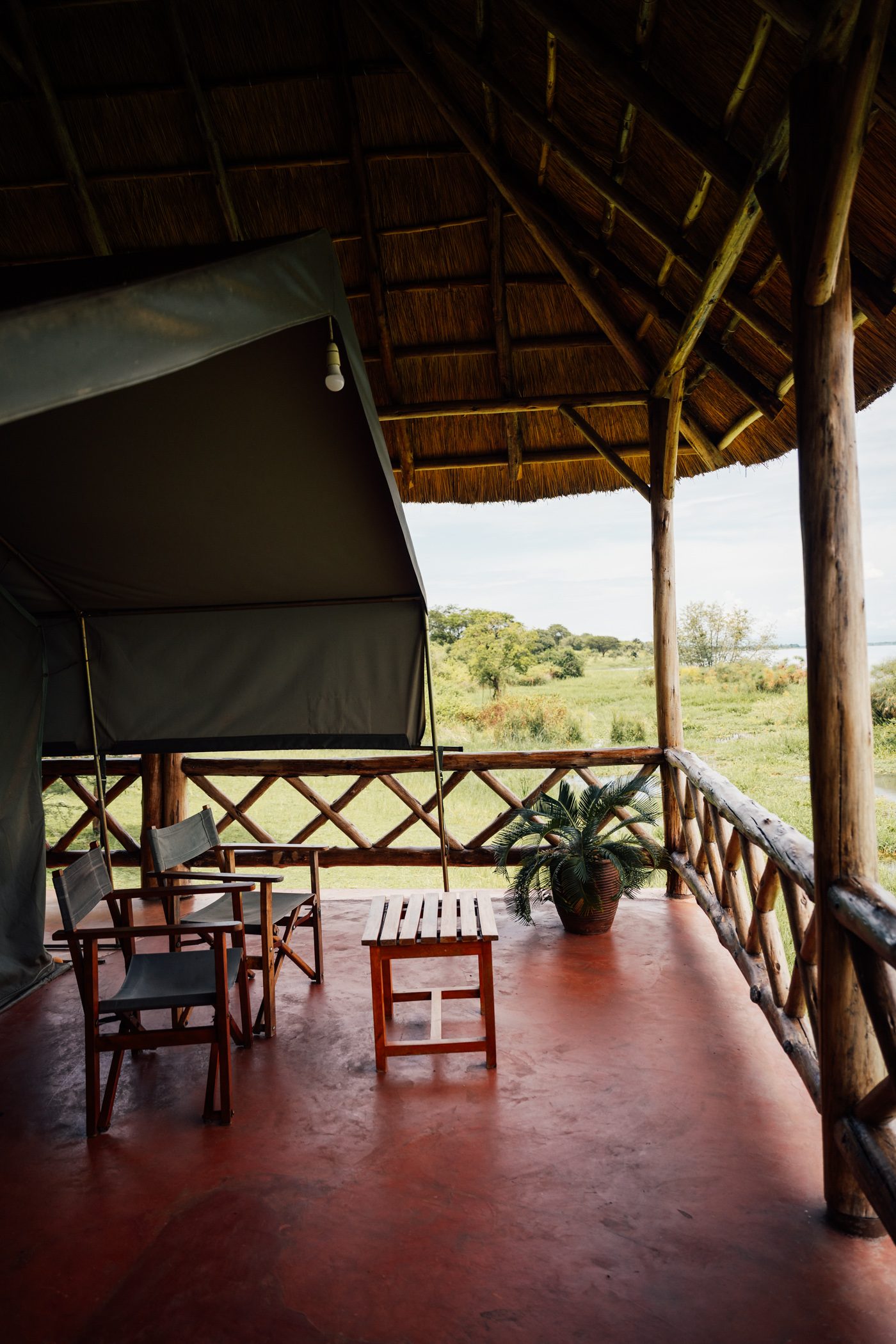
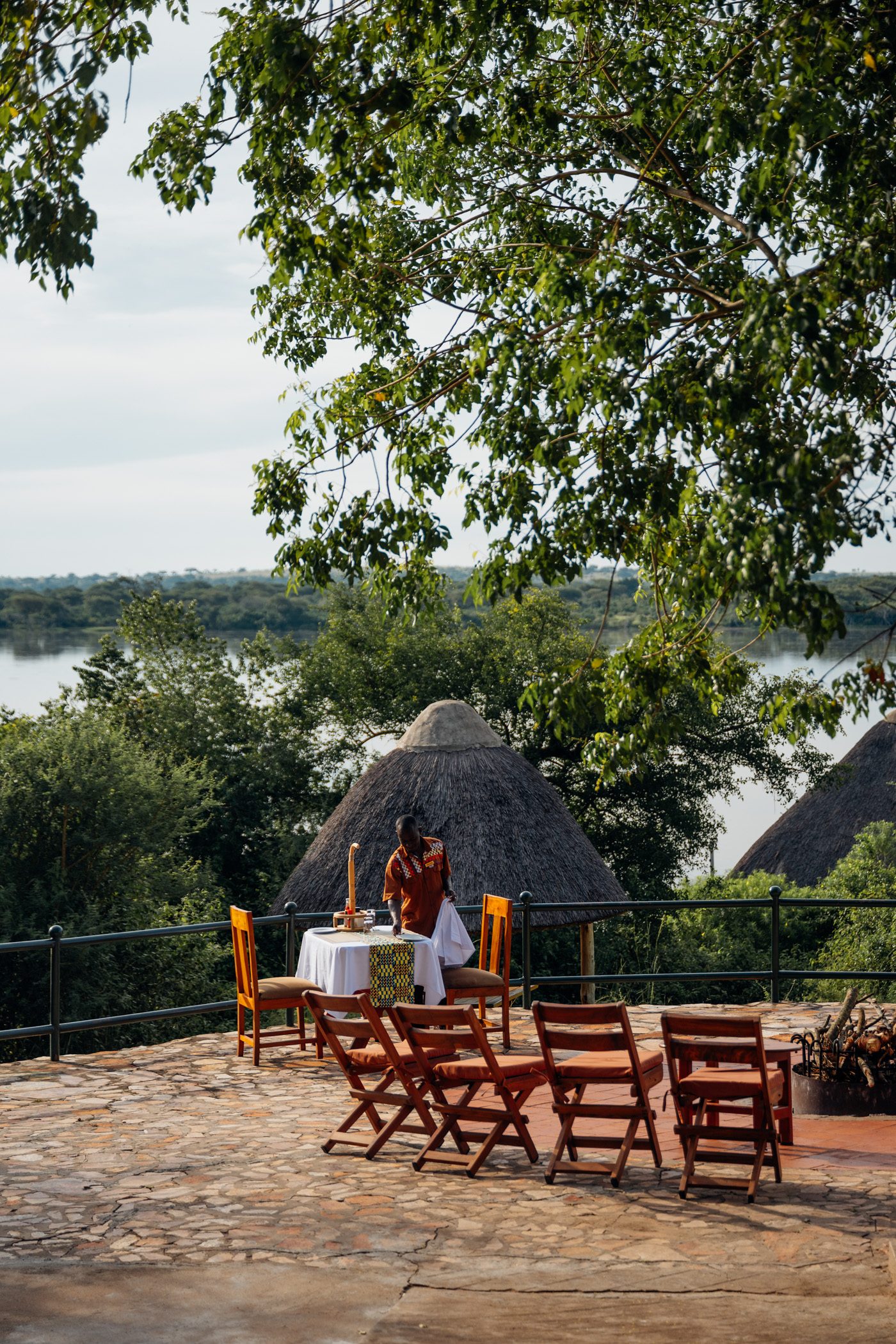
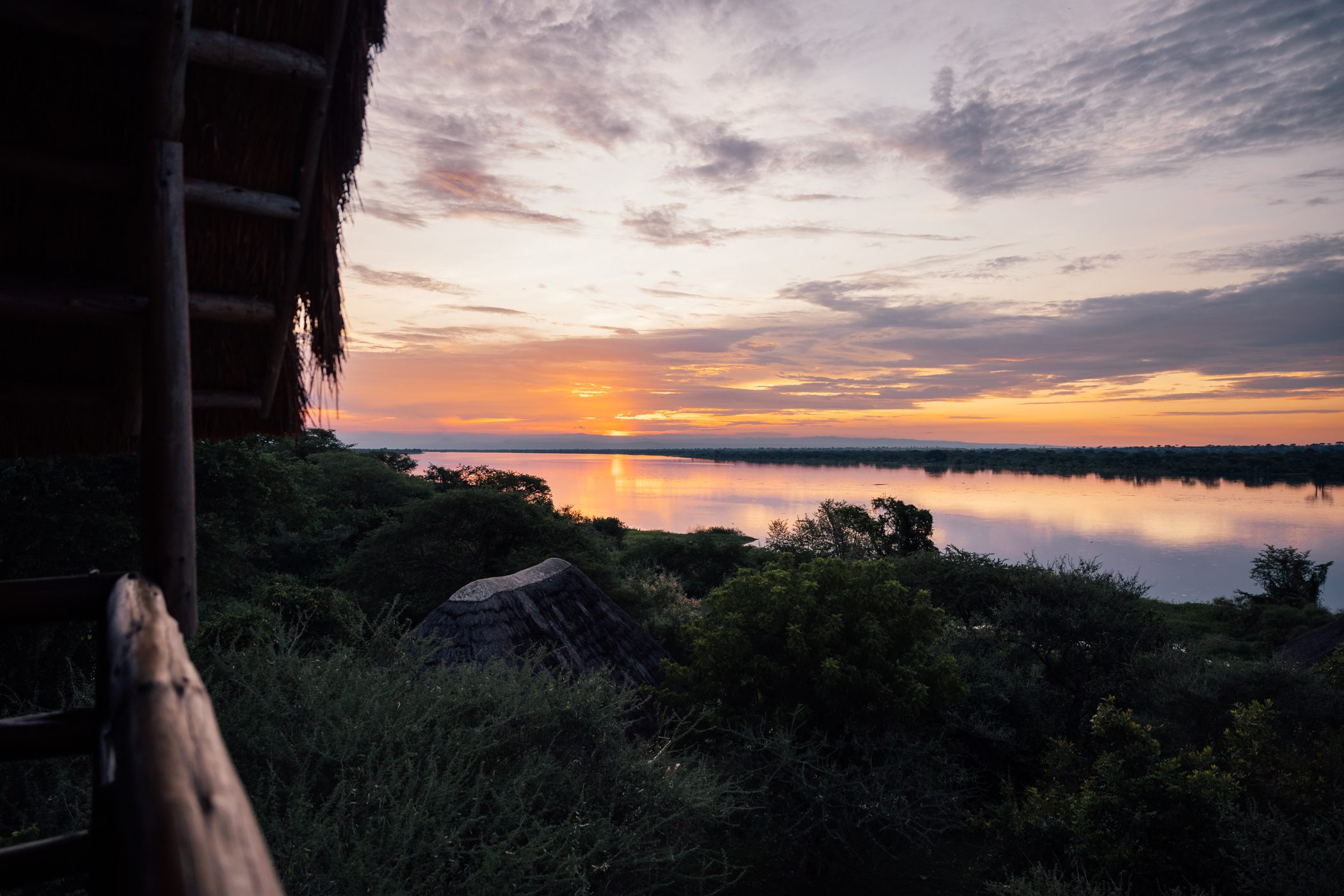
By evening of our first day of the road trip we checked into Twiga Safari Lodge, notably in a tent directly at the banks of the river Nile. The location couldn’t be better and we can hardly contain our excitement when we hear lions roar in the distance and the rhythm of nightly cicada songs around us. The next day we would experience our first full safari day in Uganda!
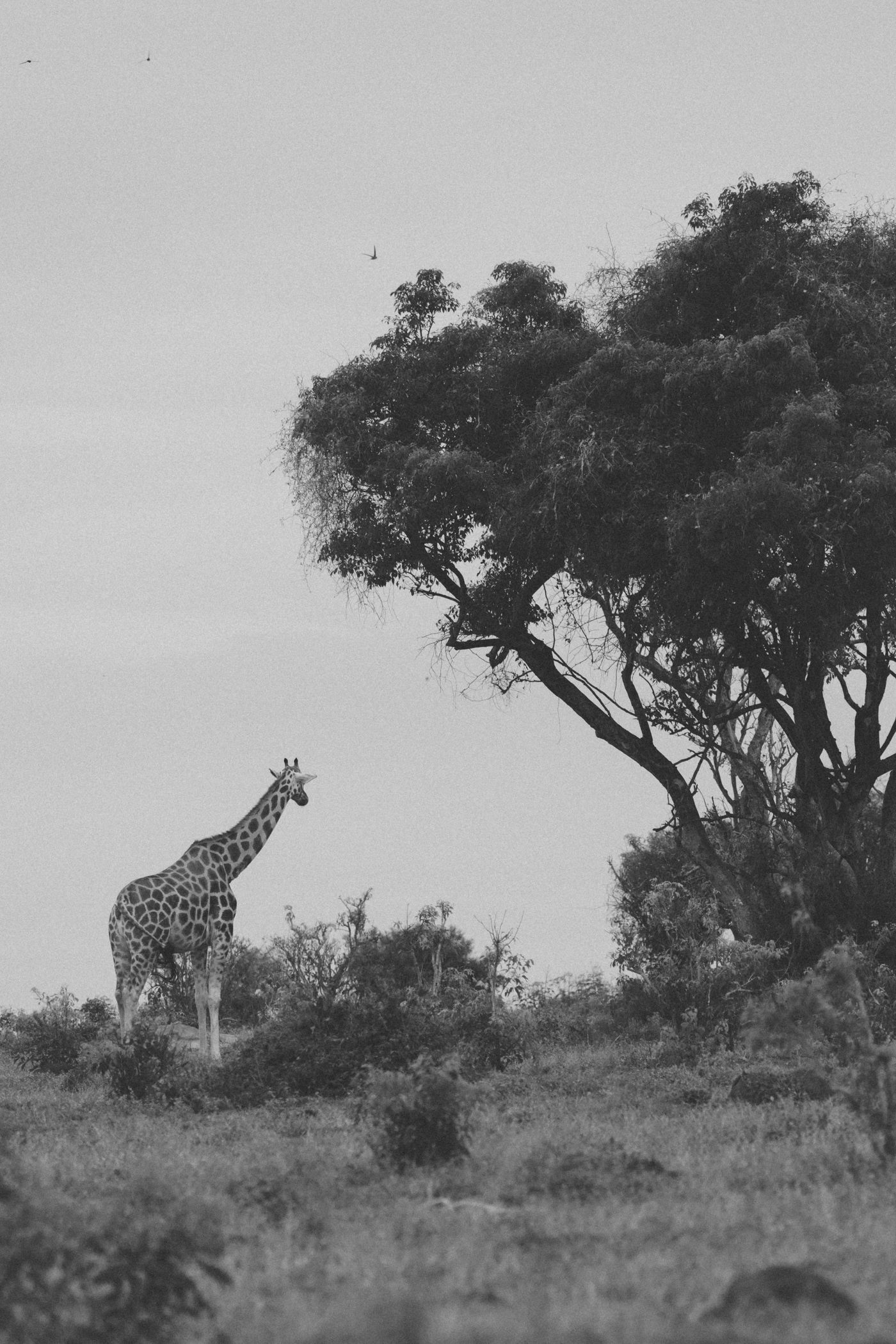
Murchison Falls National Park is famous for a few different reasons: First and foremost the thrilling Nile river cruises to the bottom of the falls, but secondly and maybe even more exciting for wildlife enthusiasts, the population of Rothschild’s giraffes. With fewer than 2,500 remaining in the wild, these elegant creatures are among the most endangered giraffe subspecies. Yet, Murchison Falls holds the largest single population, home to over 1,500 individuals, making it a crucial stronghold for their survival.
This park, Uganda’s largest, is an example of how sustainable tourism generates crucial funding for anti-poaching initiatives and habitat protection, ensuring species like the Rothschild’s giraffe continue to thrive.
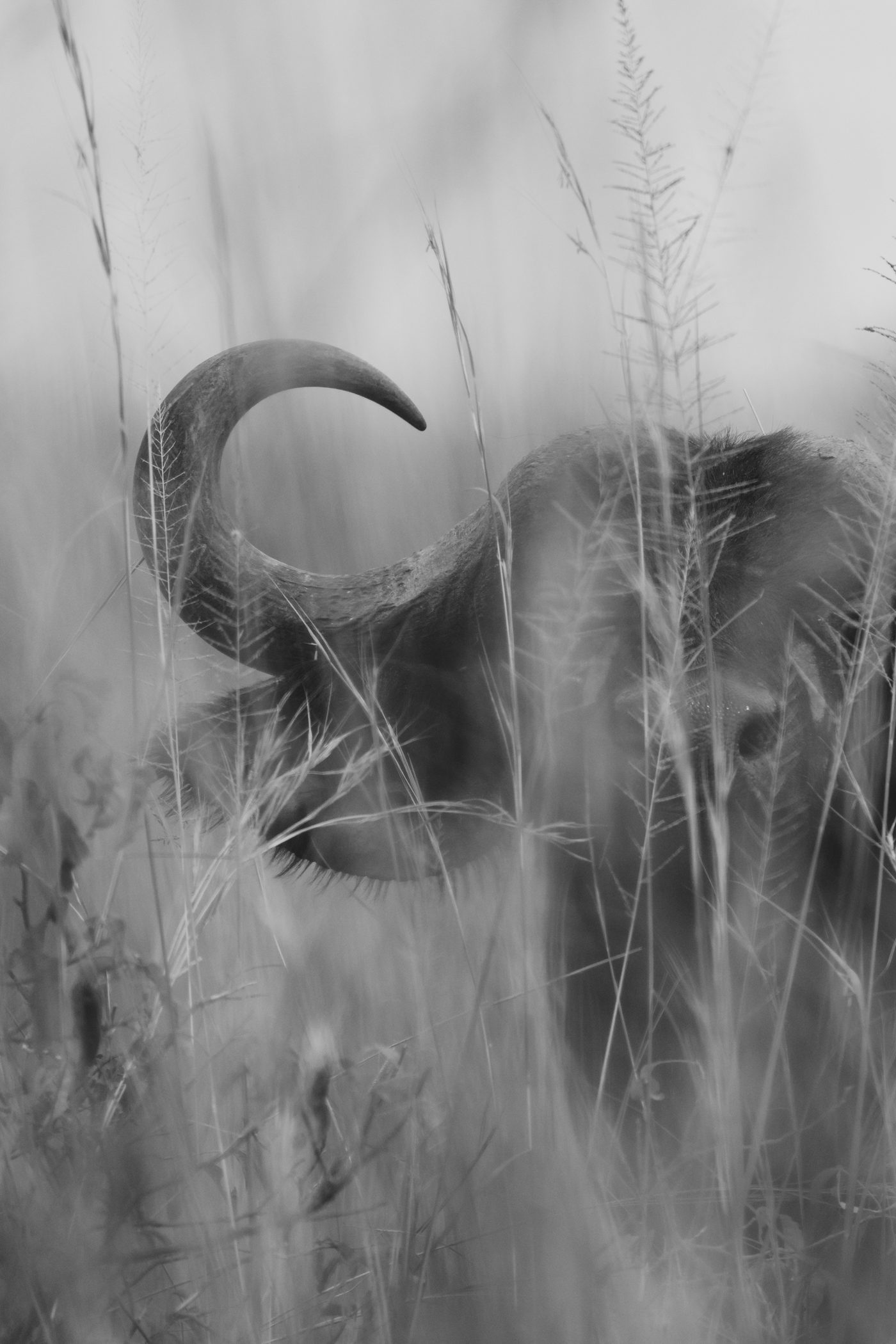
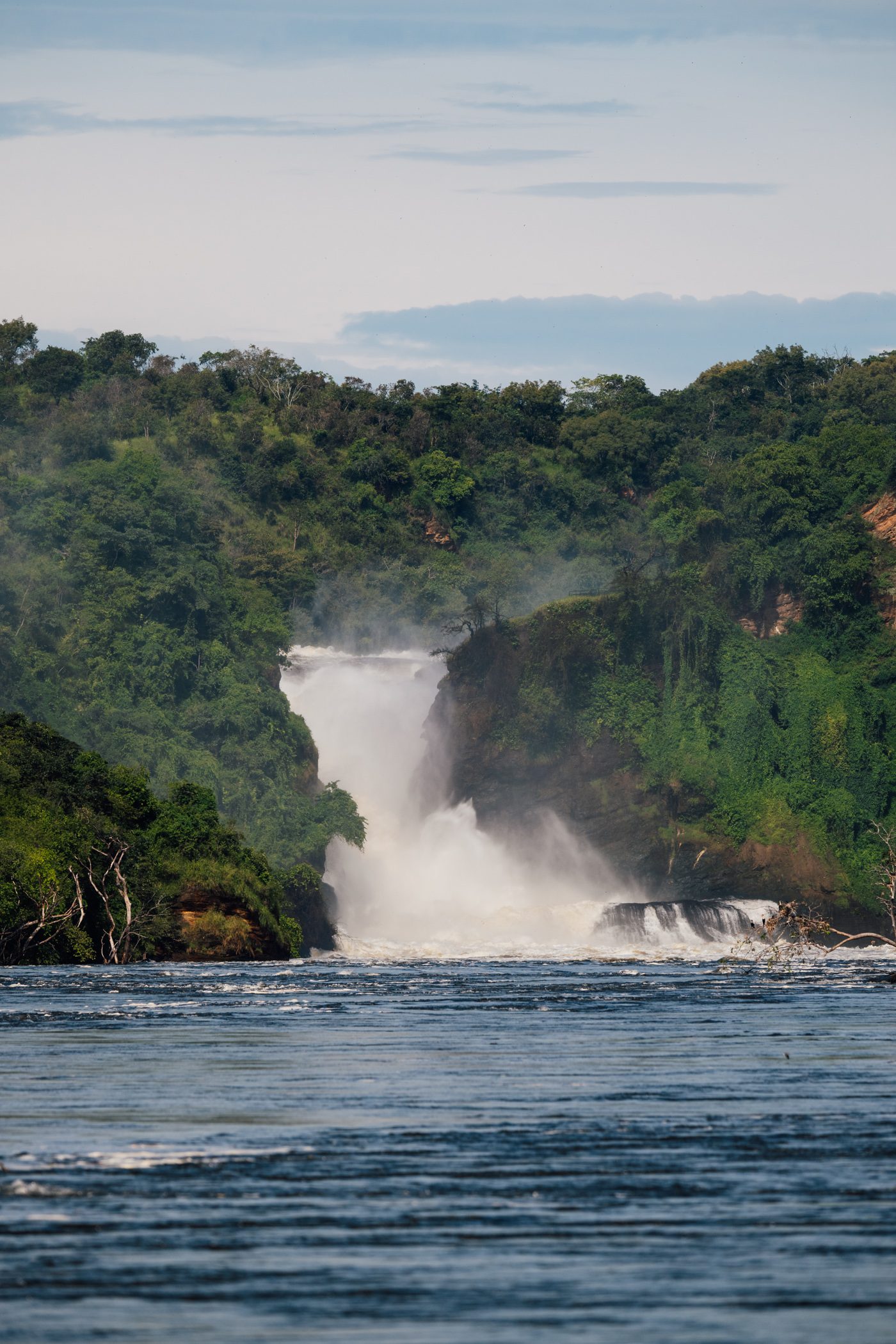
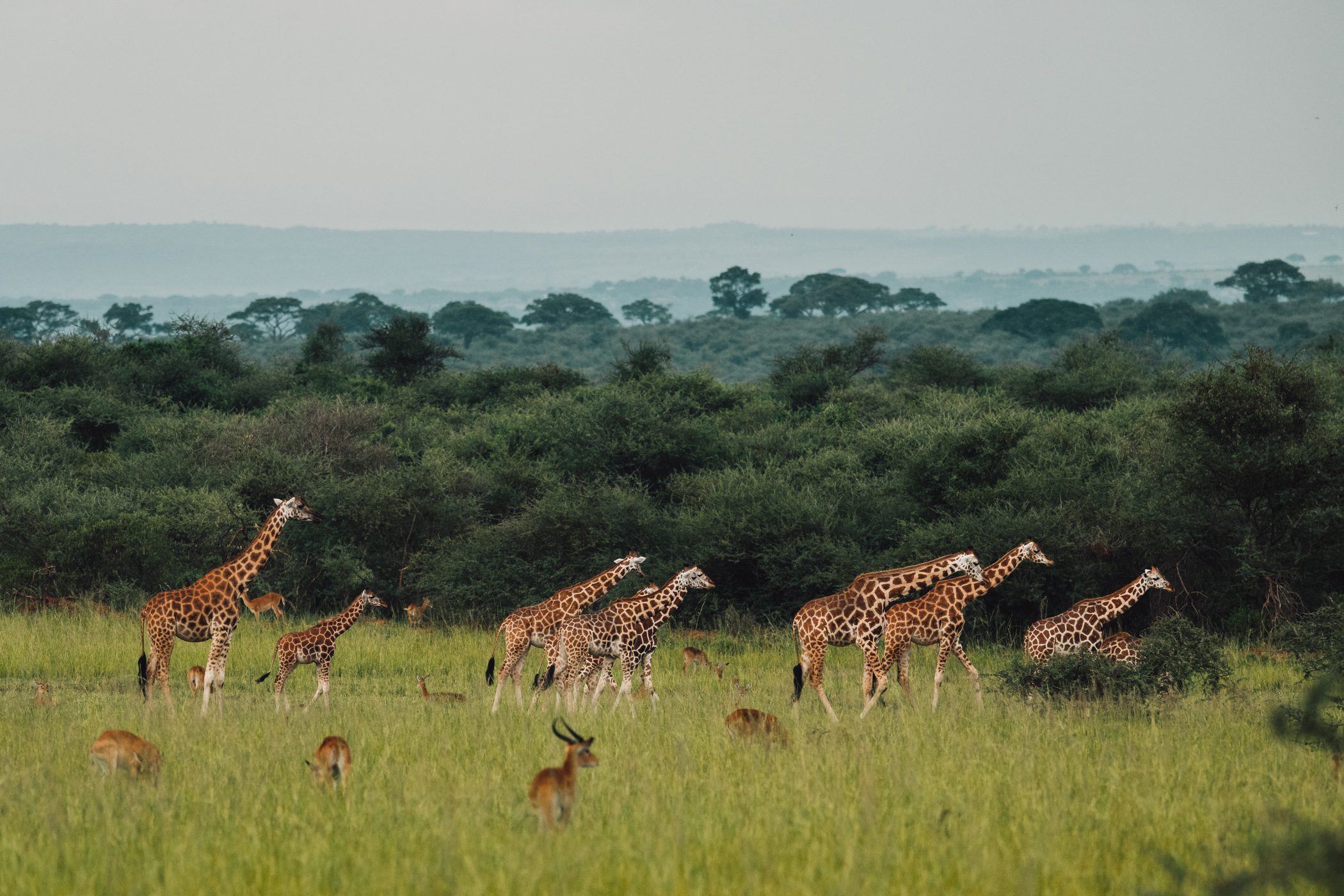
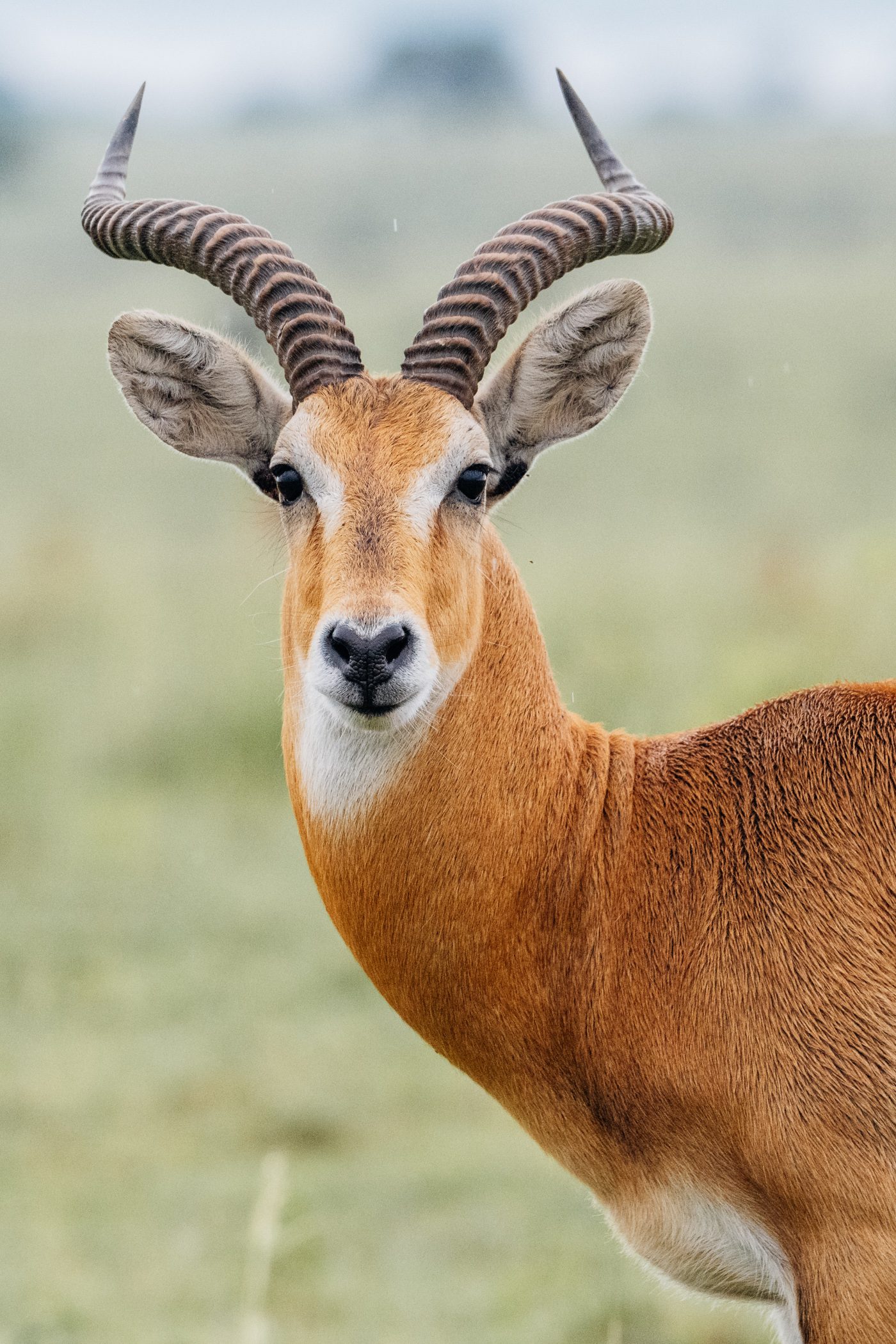
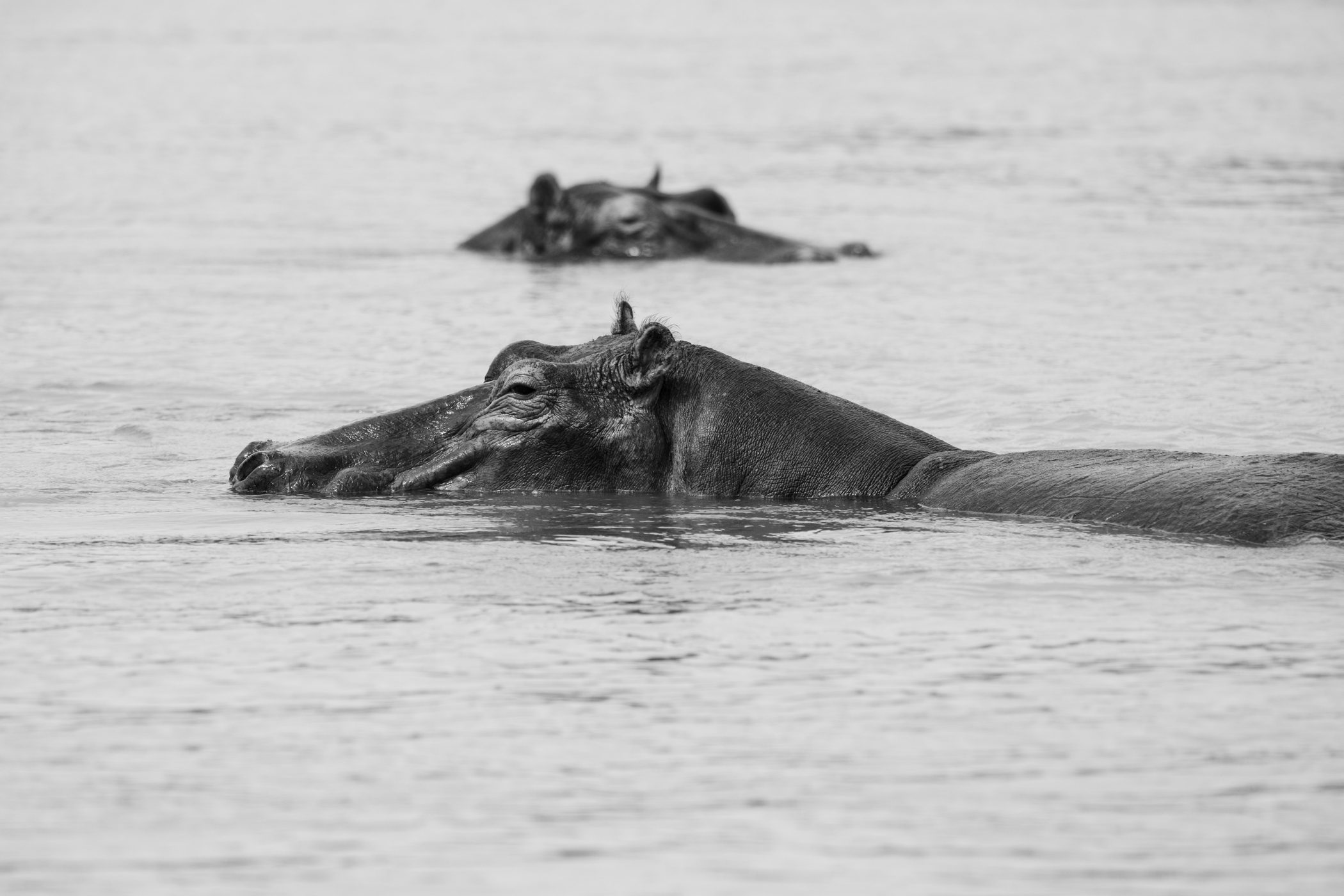
We would suggest to stay at least 2 nights at Murchison Falls National Park–to be able to go on guided game drives to see Ugandan Kob (a type of antelope typical for this region) as well as the stunning Rothschild’s giraffes. A must do is also a boat cruise on the river Nile to see humongous Nile crocodiles, lounging hippos and start to peak into the incredible bird life of the region.
Chimpanzee Habituation Experience in Kibale
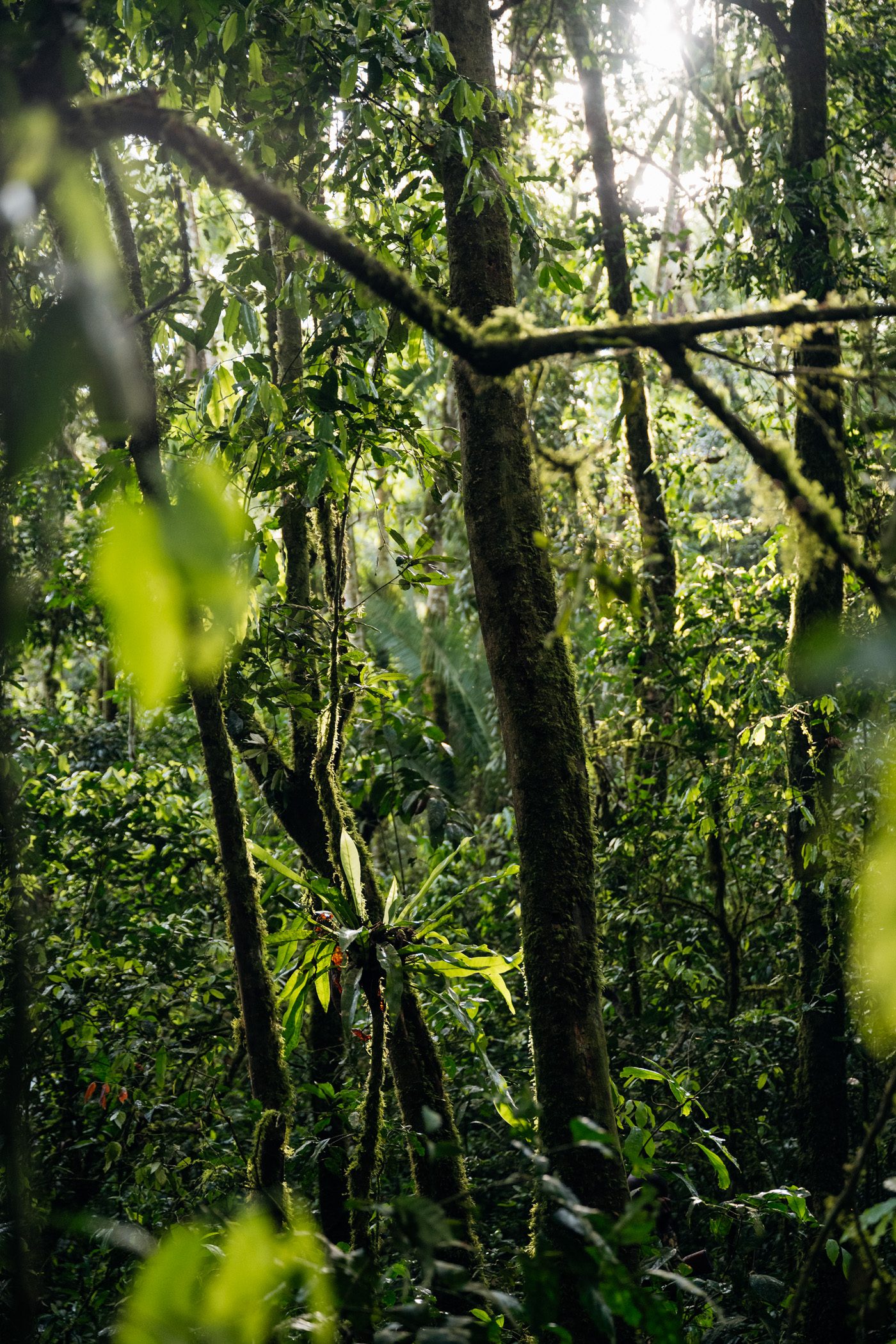
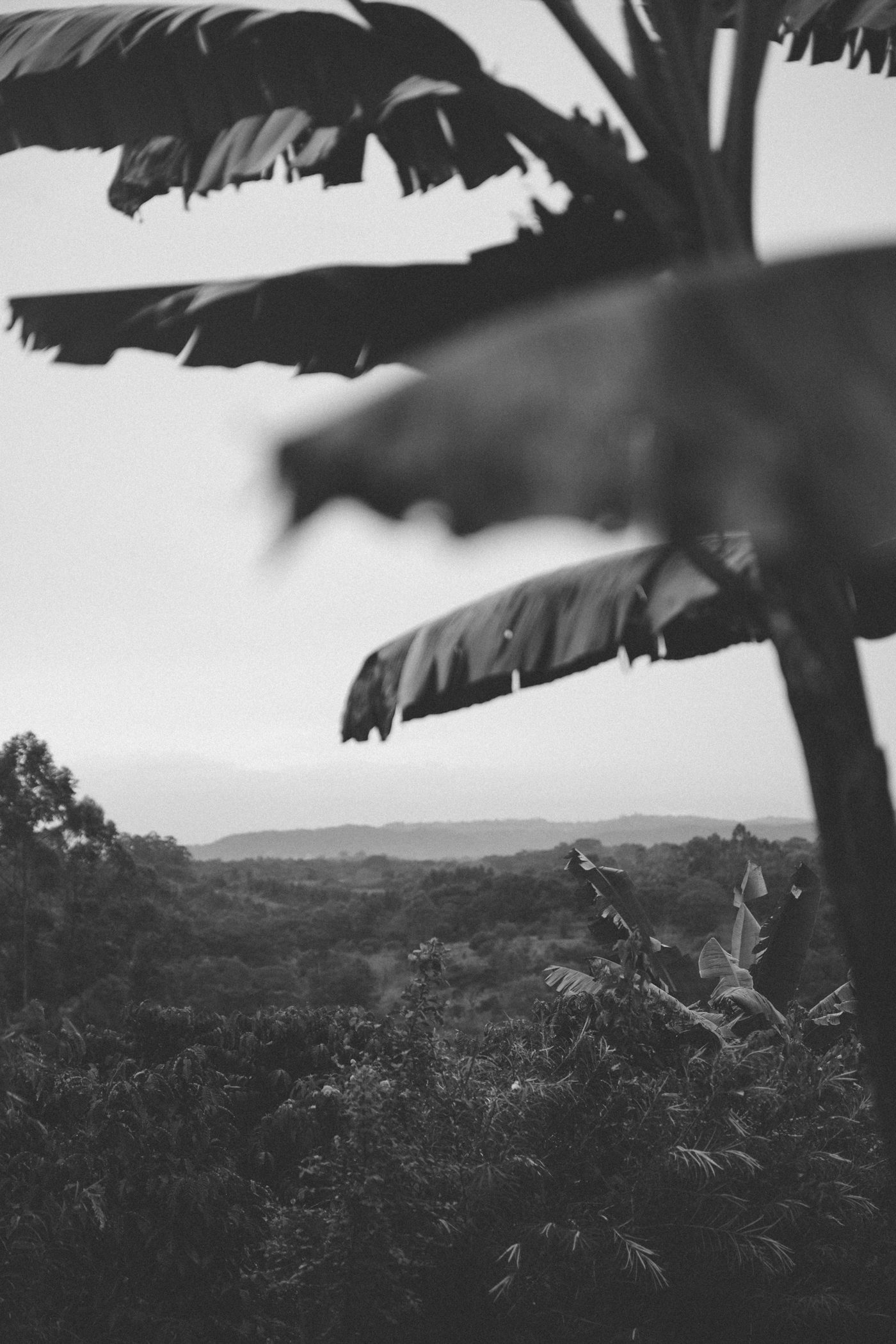
From the sprawling savannah of Murchison Falls, we ventured down South again. The landscapes are incredibly diverse, even if the country is mostly green. While Murchison Falls was dotted with Borassus palm trees, the landscape changes drastically once you dive into the emerald canopy of Kibale National Park, home to one of the most successful primate conservation programs in Africa.
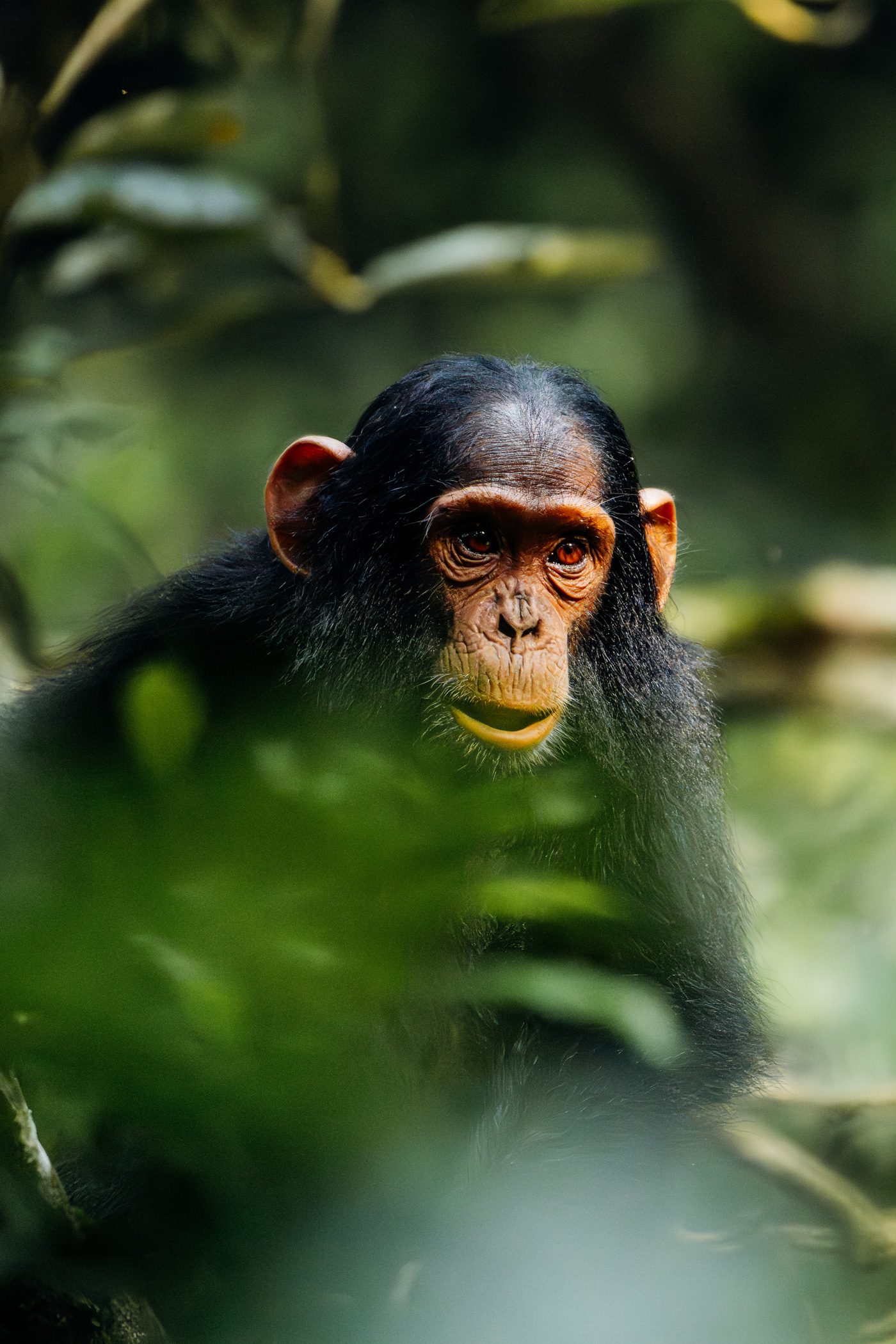
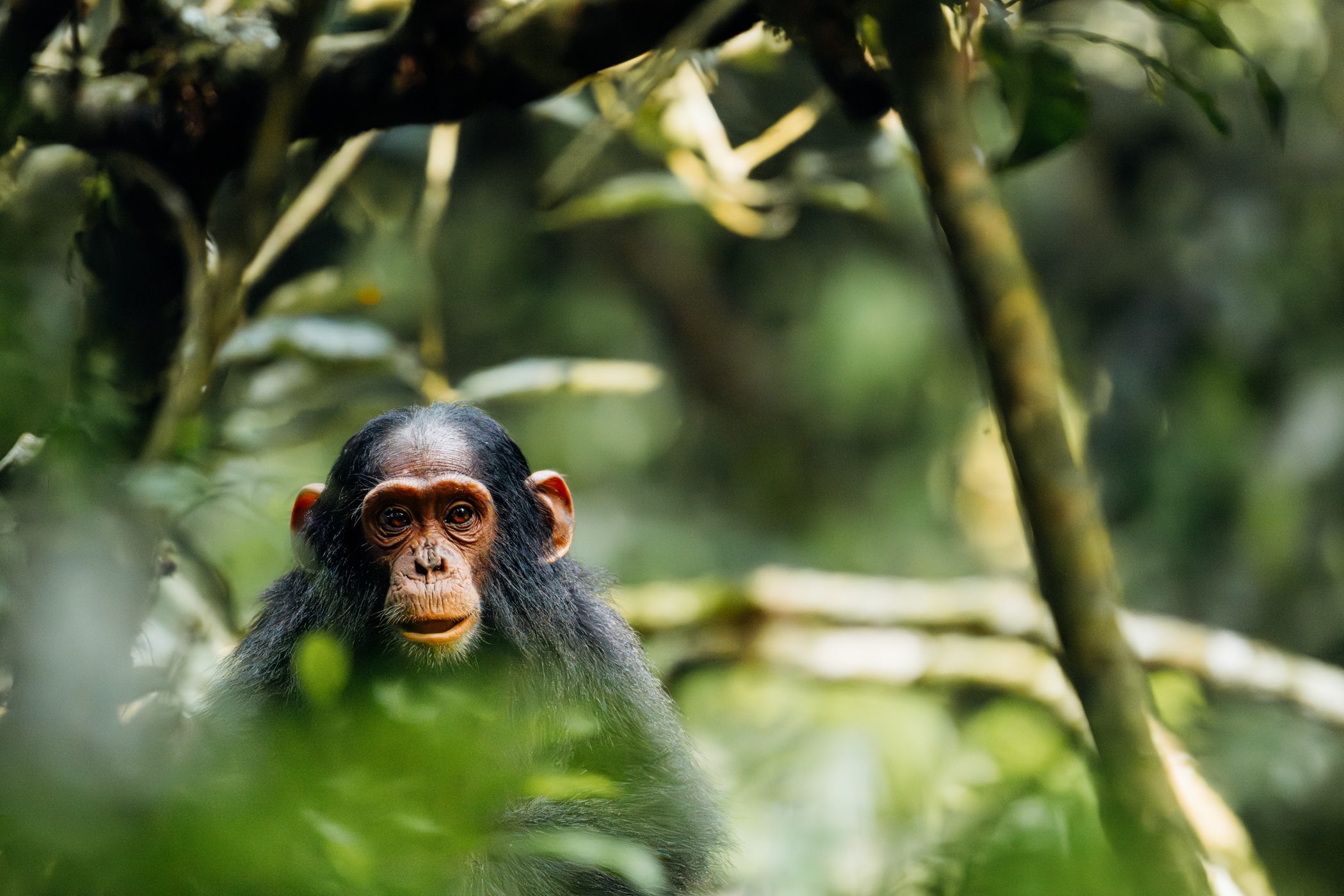
Visitors come here for the famous chimp treks, but we had something special planned in our itinerary: A chimpanzee habituation experience. At the crack of dawn we found ourselves hiking through the undergrowth with expert guides, tracking the enigmatic chimpanzees. Compared to regular treks the chimpanzee habituation experience is a full-day activity where you track chimp families that aren’t yet fully habituated.
The habituation experience costs 50 USD more than the regular chimp treks, but allows for more time spent with the chimpanzees and was worth it 100%!
In 2025 the chimpanzee habituation experience costs 250 USD per person (vs. 200 USD for the regular chimp trek). This way you can join rangers on duty while they are familiarizing wild chimpanzees with human presence, allowing for a deeper and more immersive look at their natural behaviors. While trekking is more widely available and suited for those wanting a brief but exciting encounter, habituation provides a more in-depth, educational experience for wildlife enthusiasts interested in primate research and conservation.
It’s also a good option for photographers, as you’ll have more time with the chimps and can even visit more than one chimp family during the trek.
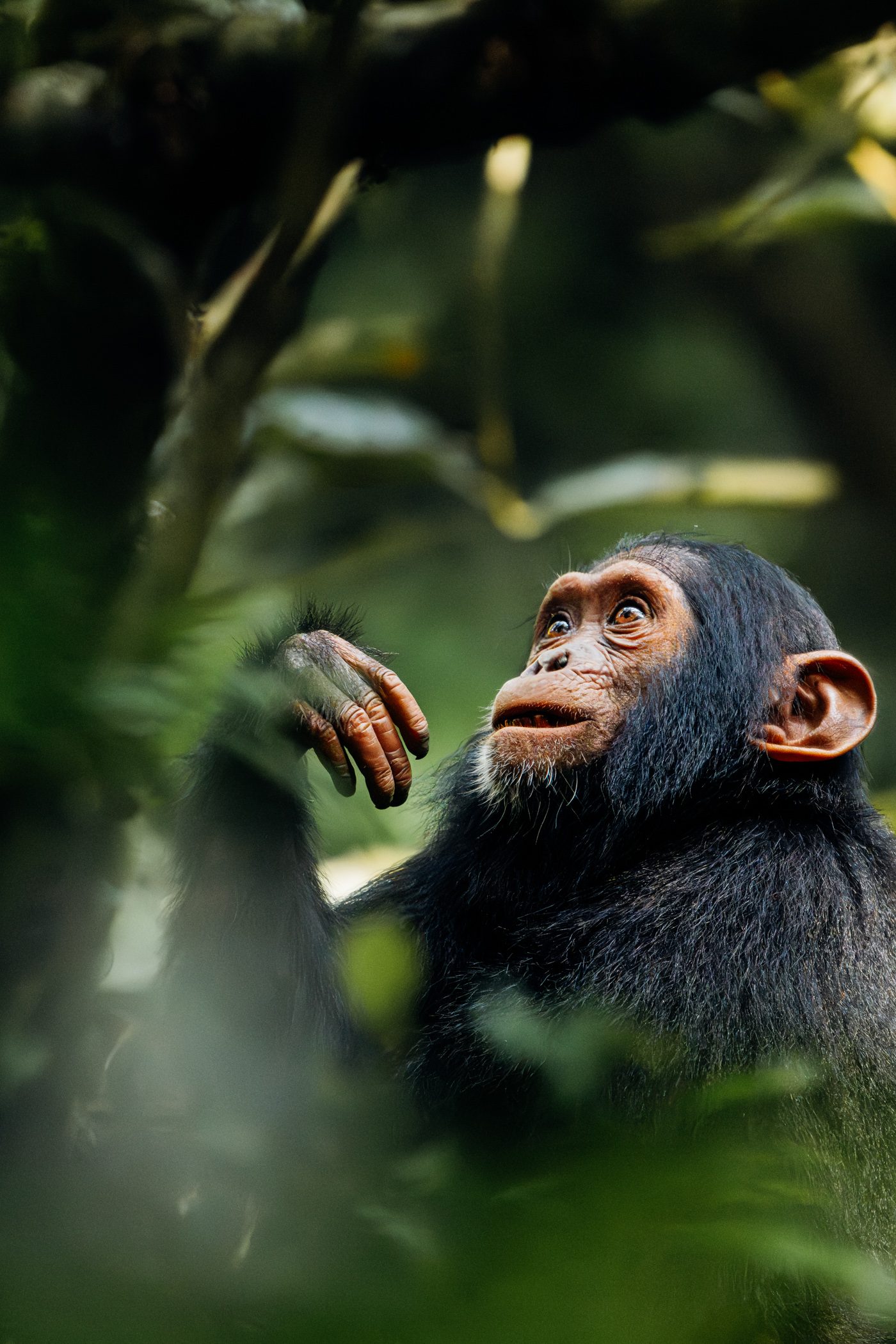
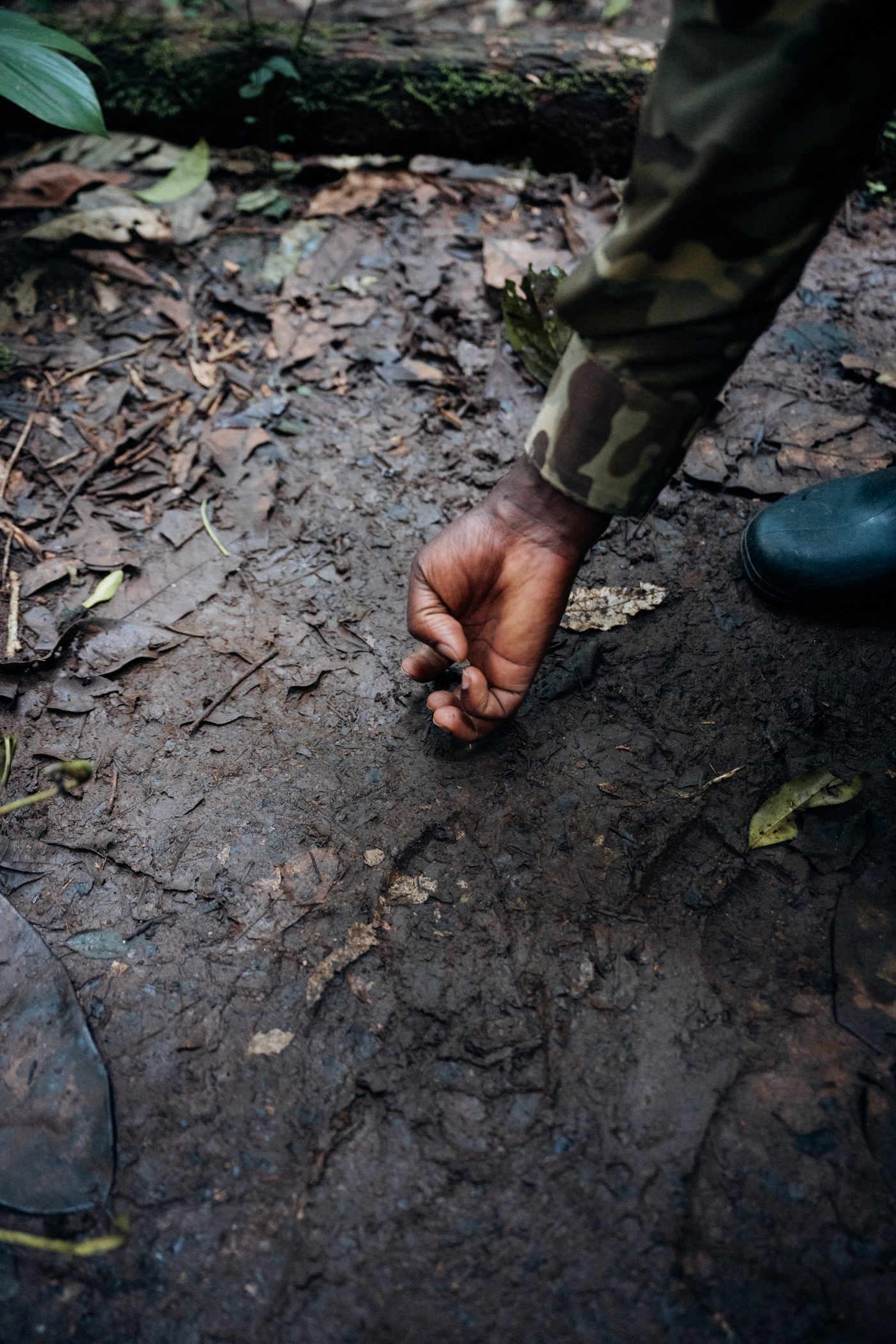
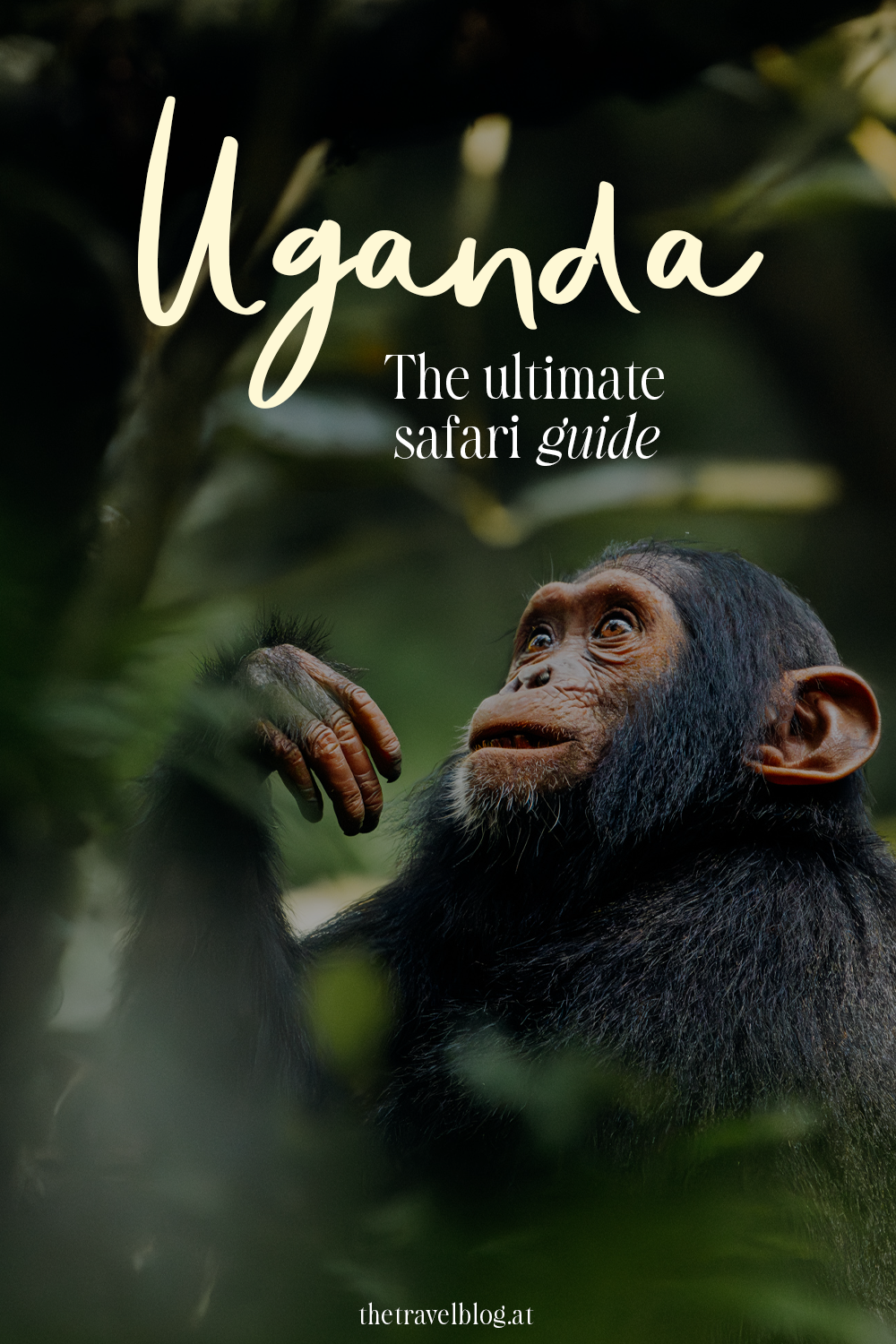
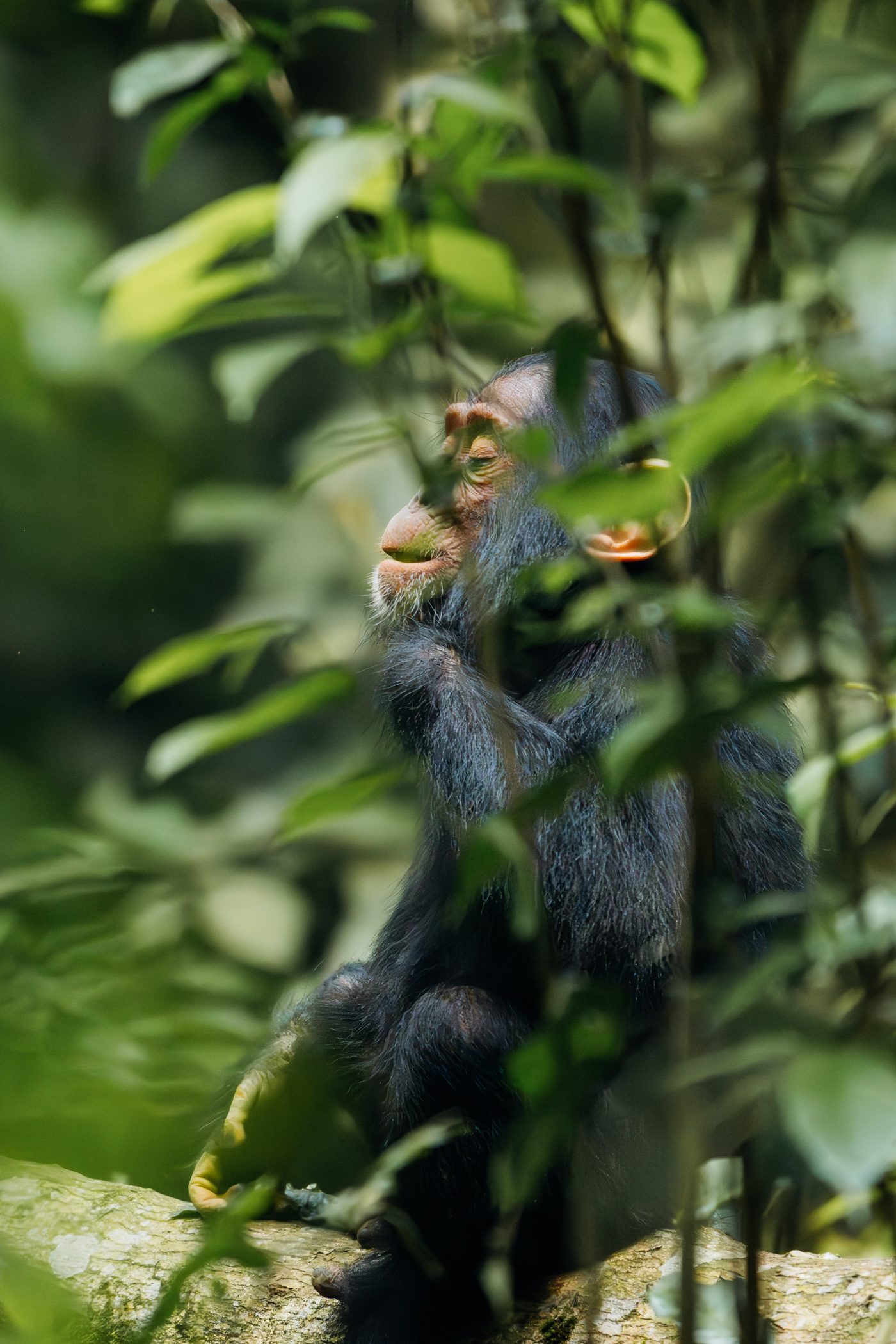
Our initial sighting was electric—a burst of movement in the branches, then the deep, intelligent gaze of our closest relatives. The first family we saw stayed high up in the tree tops eating fruit, so eventually we moved on to a second group, with two juveniles playing on low branches very close to us—which allowed for better photography opportunities.
Spending hours in their world, watching them groom, play, and forage, was a humbling privilege.
Kibale is home to over 1,500 chimpanzees, forming part of Uganda’s most significant primate population. Conservation efforts here are deeply tied to tourism; habituation permits fund research, anti-poaching patrols, and community outreach programs that reduce human-wildlife conflict.
Bigodi community tourism
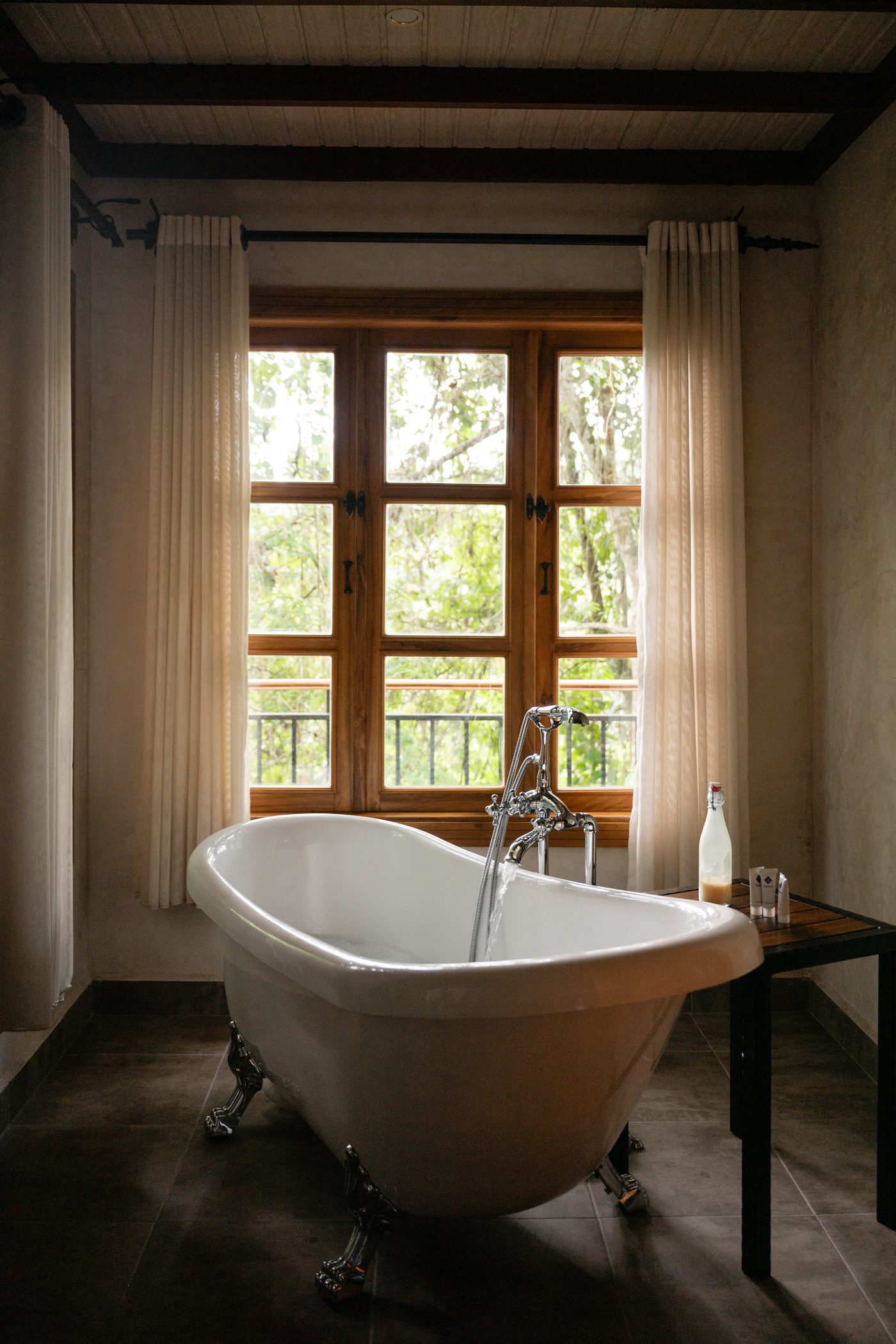
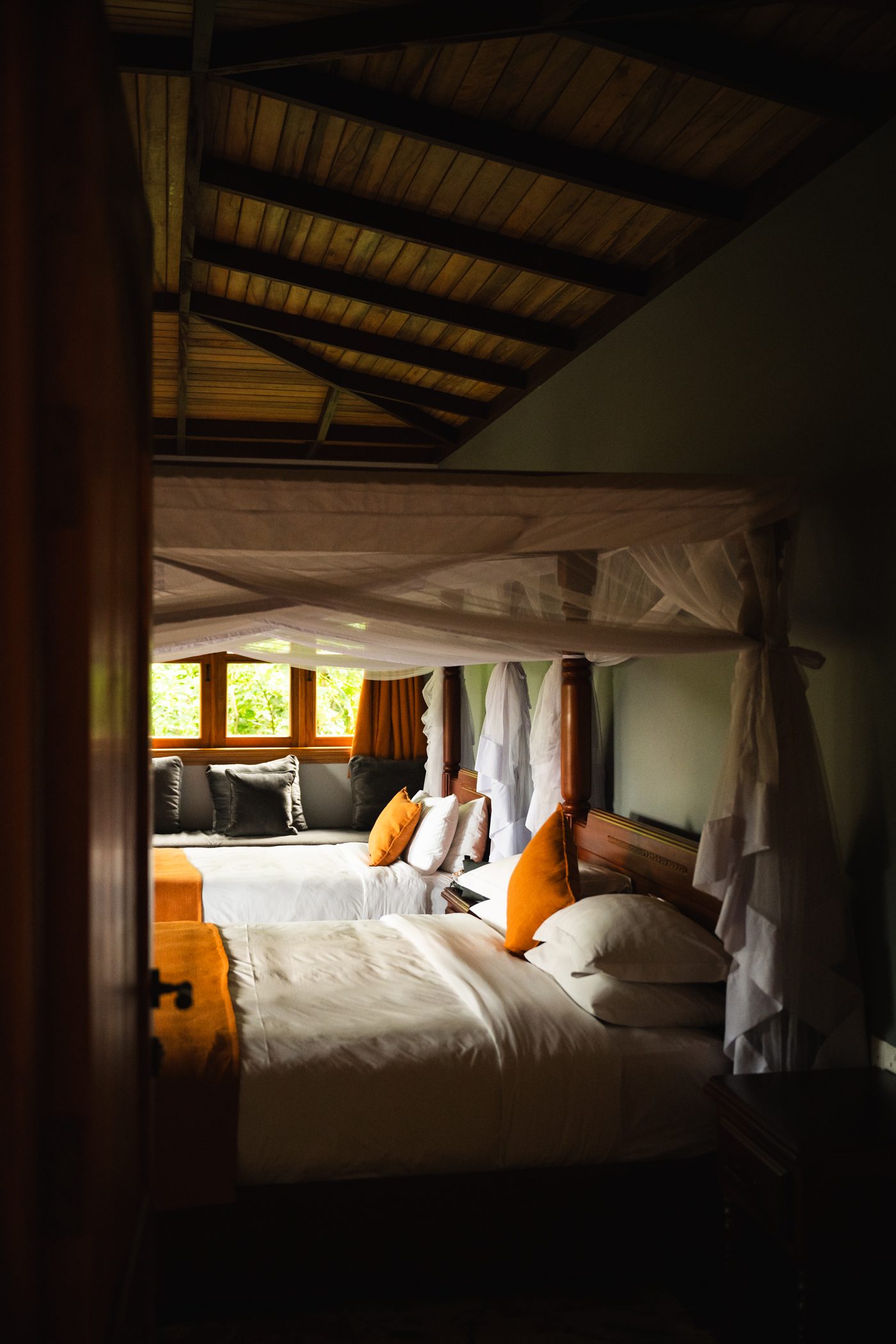
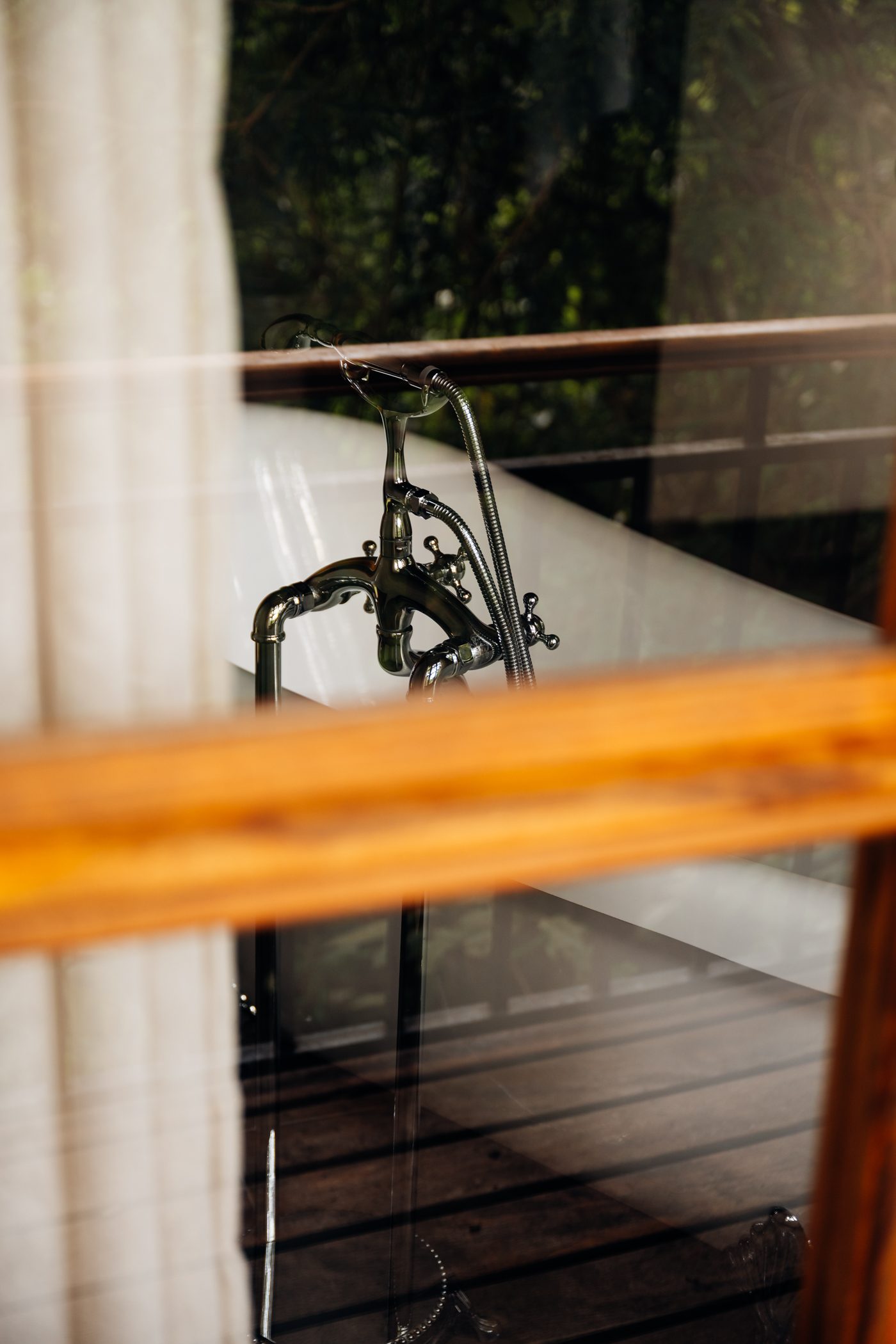
After a comfortable night (and a heavenly hot bath) at Chimpundu Lodge we had one more activity waiting for us in Kibale.
The Bigodi Community Tourism Experience offers visitors a small glimpse into rural Ugandan life and conservation efforts. Managed by the local community, this initiative provides guided swamp walks through the Bigodi Wetland Sanctuary, where visitors can spot diverse bird species, primates, and lush flora. Unfortunately we arrived there during a massive rain and hail storm and so our swamp visit was cancelled. But luckily there’s also the option for a village tour.
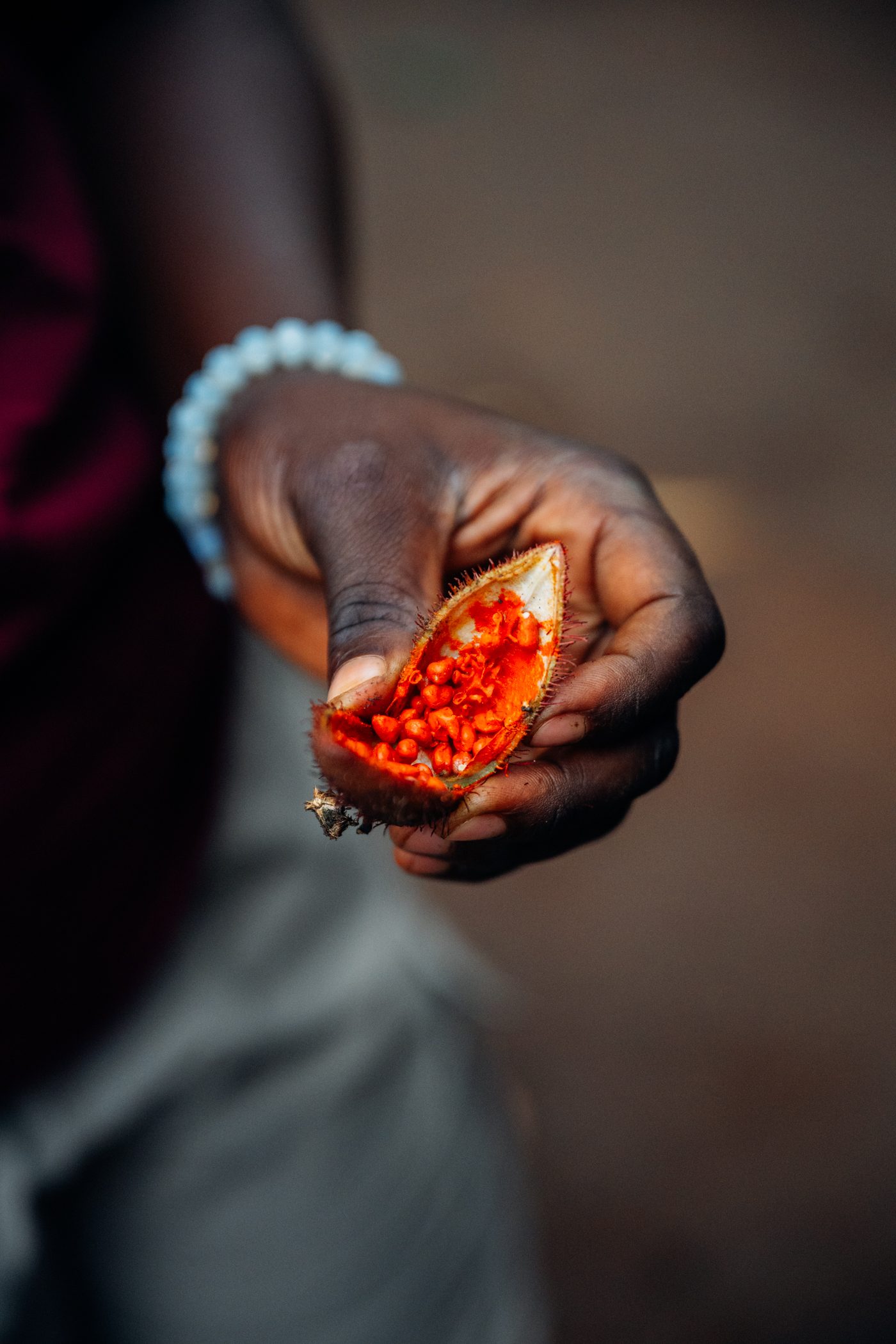
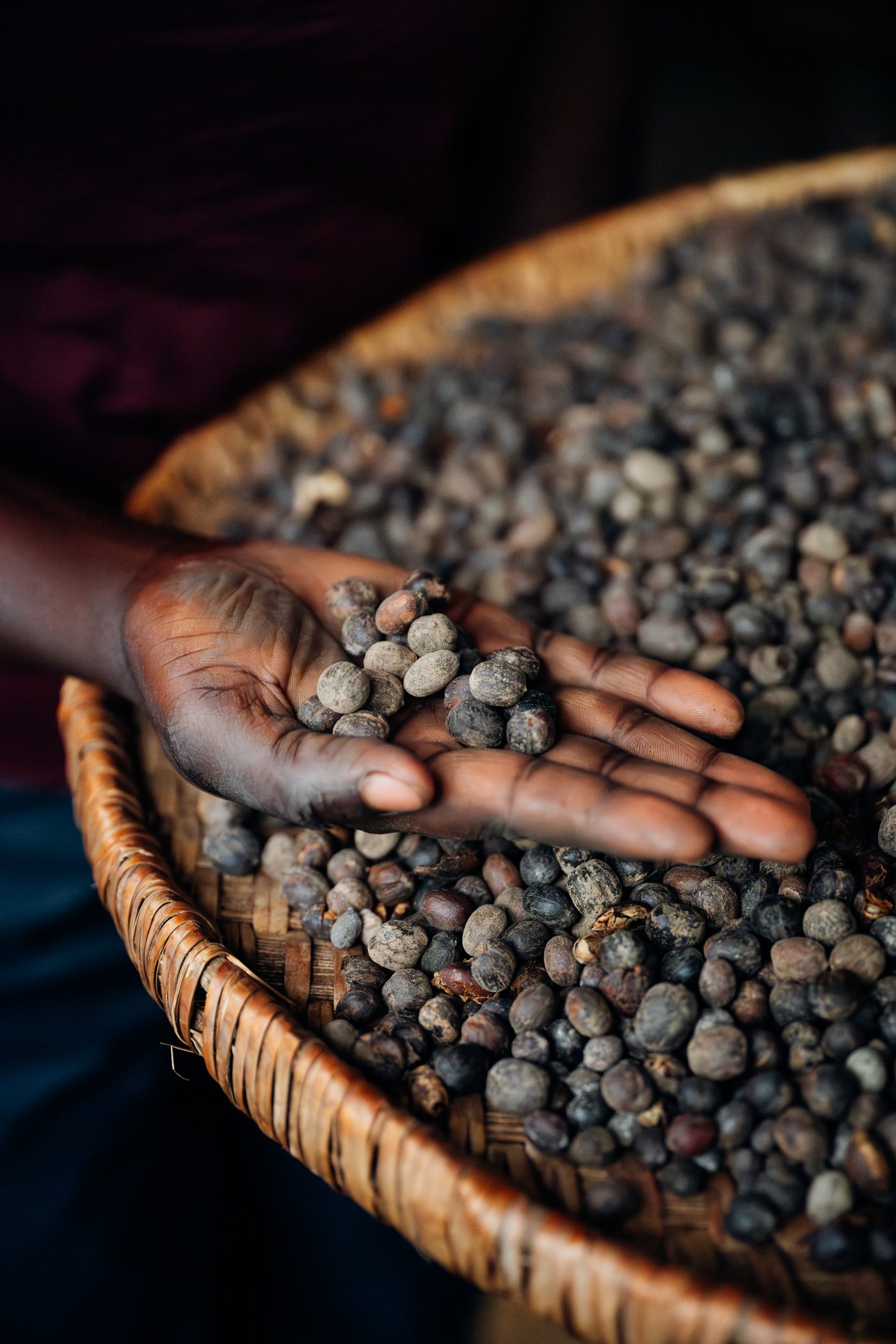
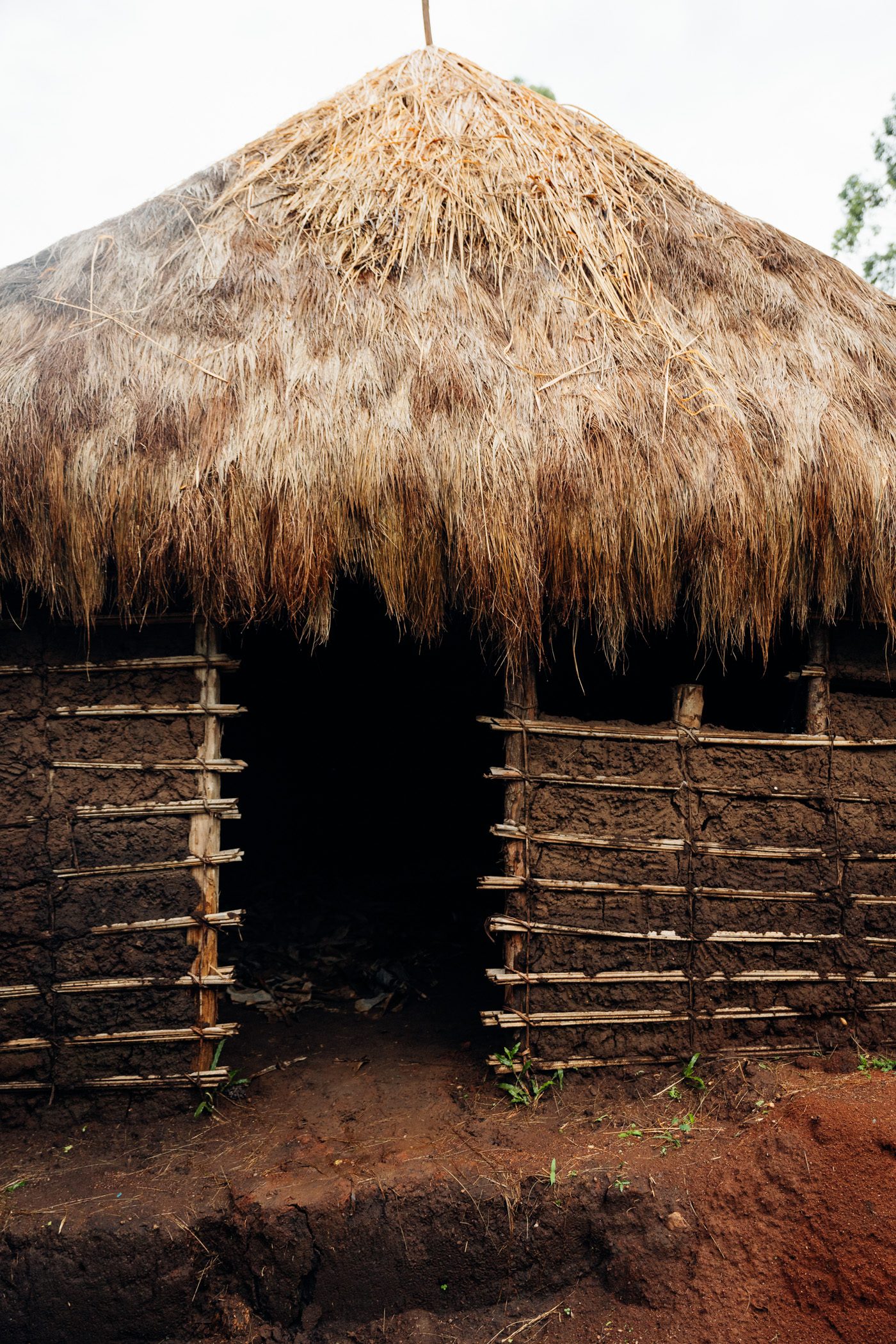
In Bigodi the community allows tourists to engage in traditional rural activities like coffee processing, banana juice and craft-making sessions. And so we found ourselves seeking shelter under the thatched roof of the local self-proclaimed coffee making queen called Nema Setrinah, where she showed us how she grinds and cooks coffee on an open fire. We warmed ourselves up before making our way to the second stop, where Alex produced a lovely fresh banana juice for us.
These experiences not only promote eco-tourism, but also directly benefit local development, making it a model for sustainable travel. On our way back to the car we passed by the new water well of the village, which has been bought from the proceeds of the tourism initiatives, showcasing the direct positive impact this creates.

Queen Elizabeth National Park: Tree-climbing lions
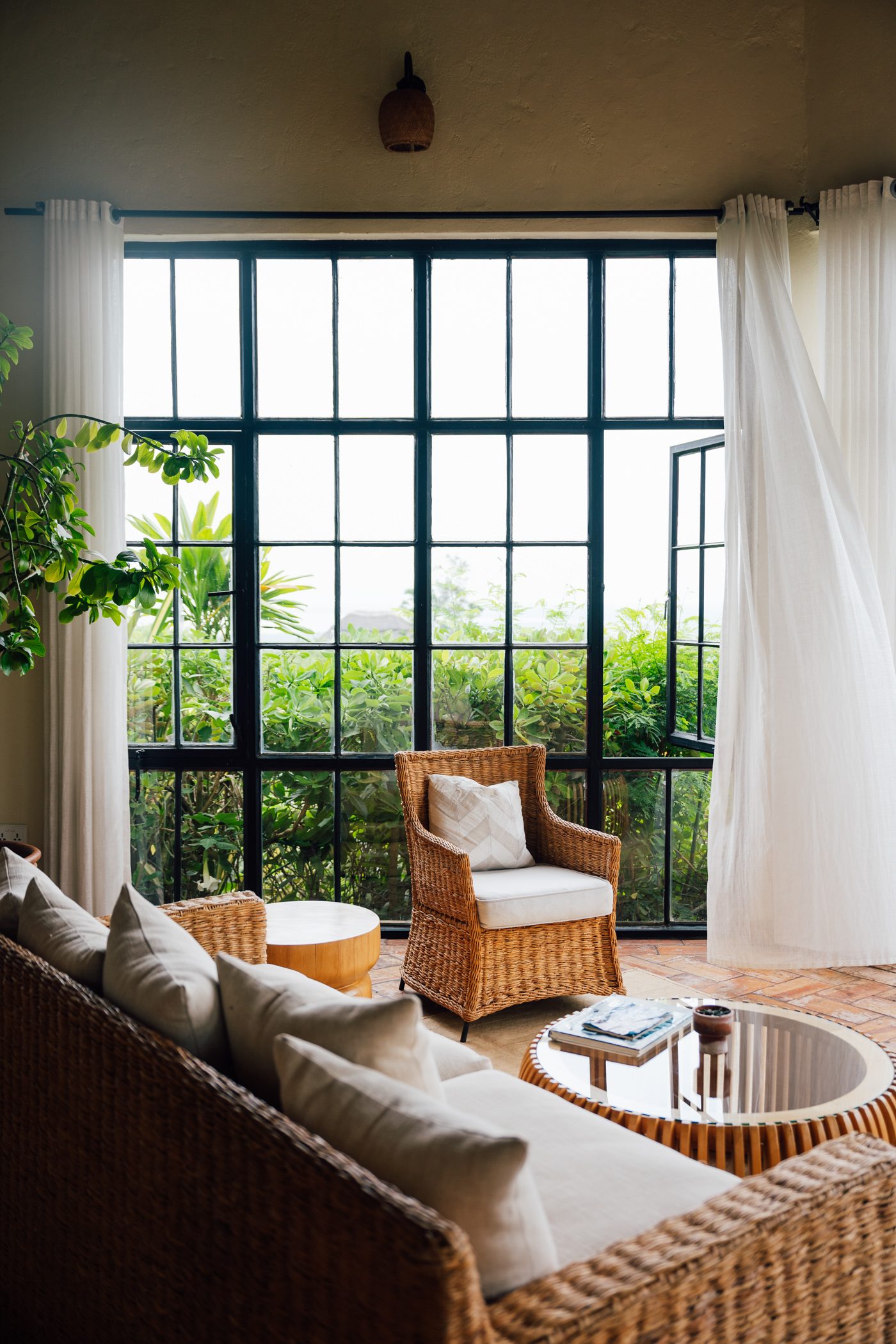
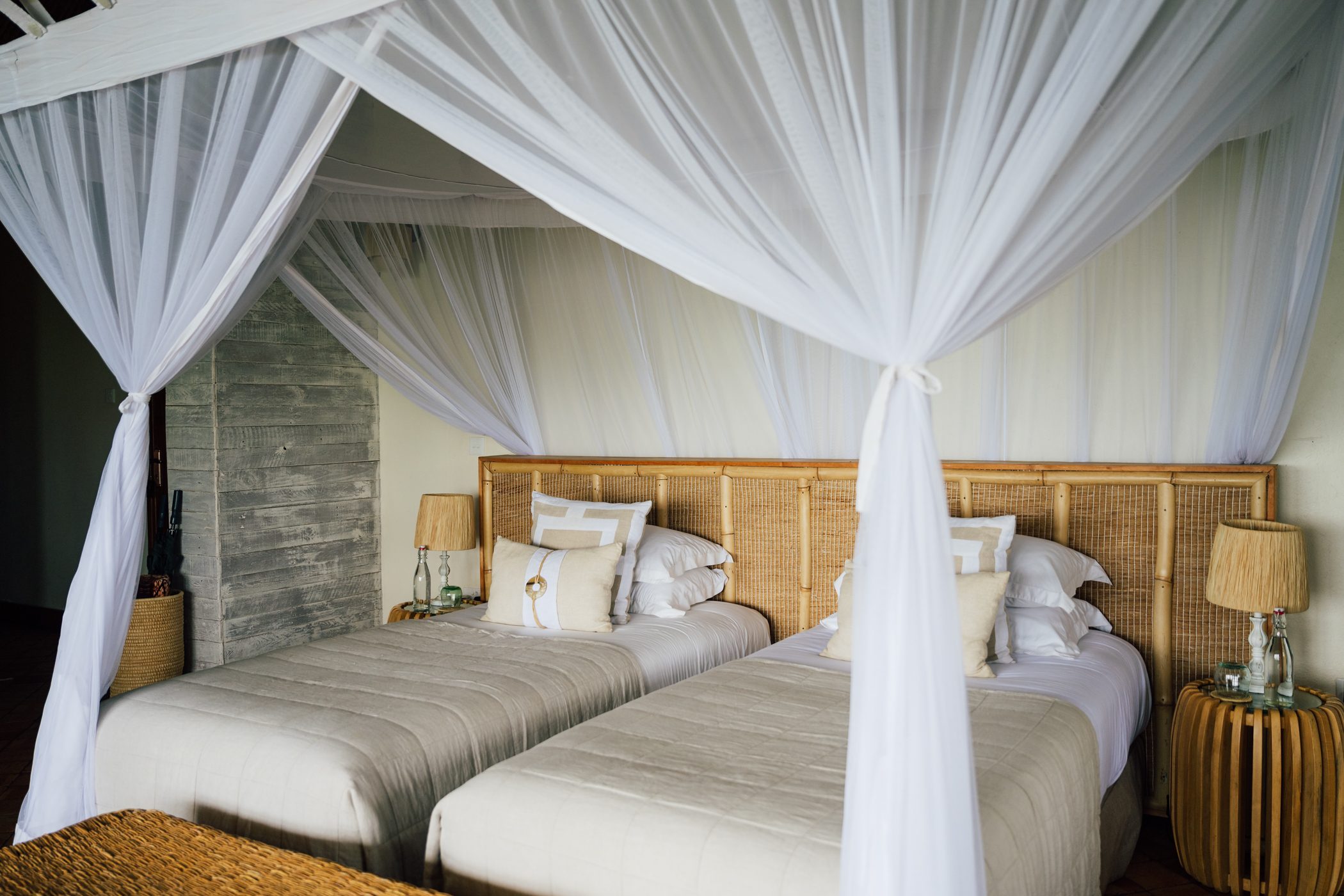
Heading further South the next day, we entered the vast expanse of Queen Elizabeth National Park, where elephants, buffaloes, and lions reign supreme. We stayed at the stunning Elephant Plains Camp for two nights, located close to the Kasenyi sector towards the Northeast of the immense park.



Most visitors come to Queen Elizabeth National Park to see lions, especially the famous tree-climbing lions that have established this special behaviour in the Ishasha sector of the park. They have recently been seen venturing further to the East as well, but seeing them in Kasenyi is rather uncommon.
But Kasenyi plains has one speciality: You can book a special predator experience, where you join lion researchers in their vehicles and are also allowed to drive off-road, which is otherwise prohibited on regular game drives.
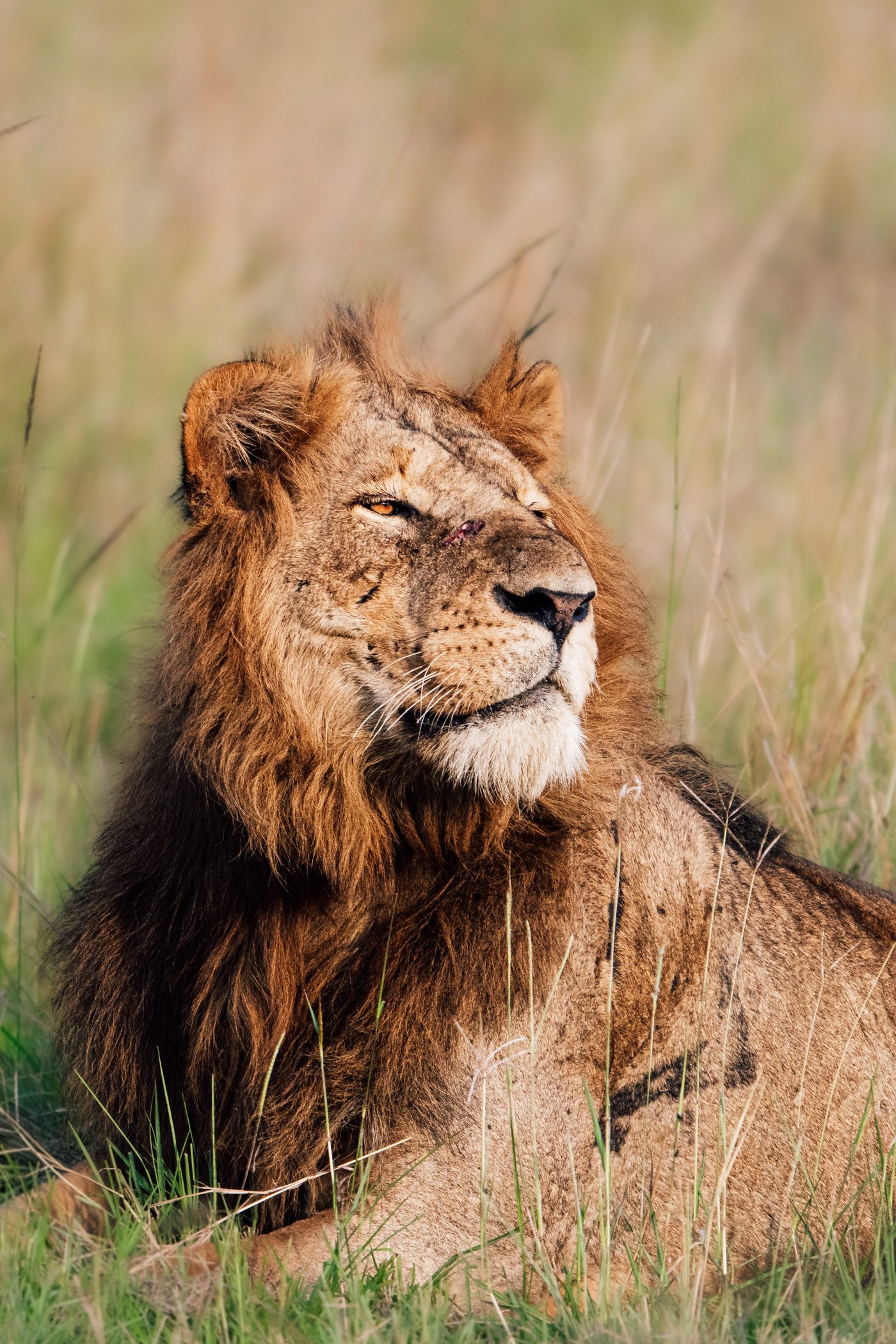
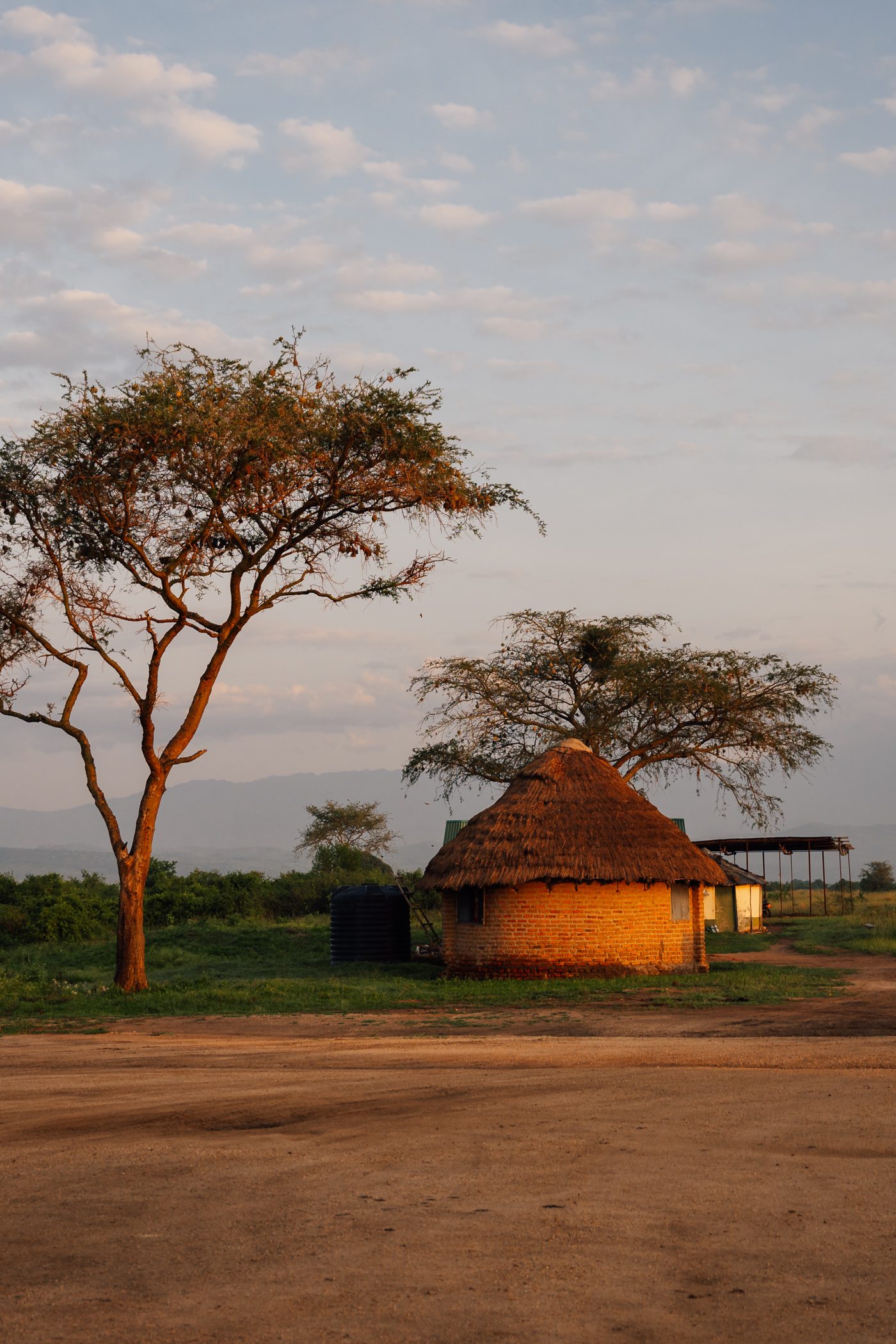
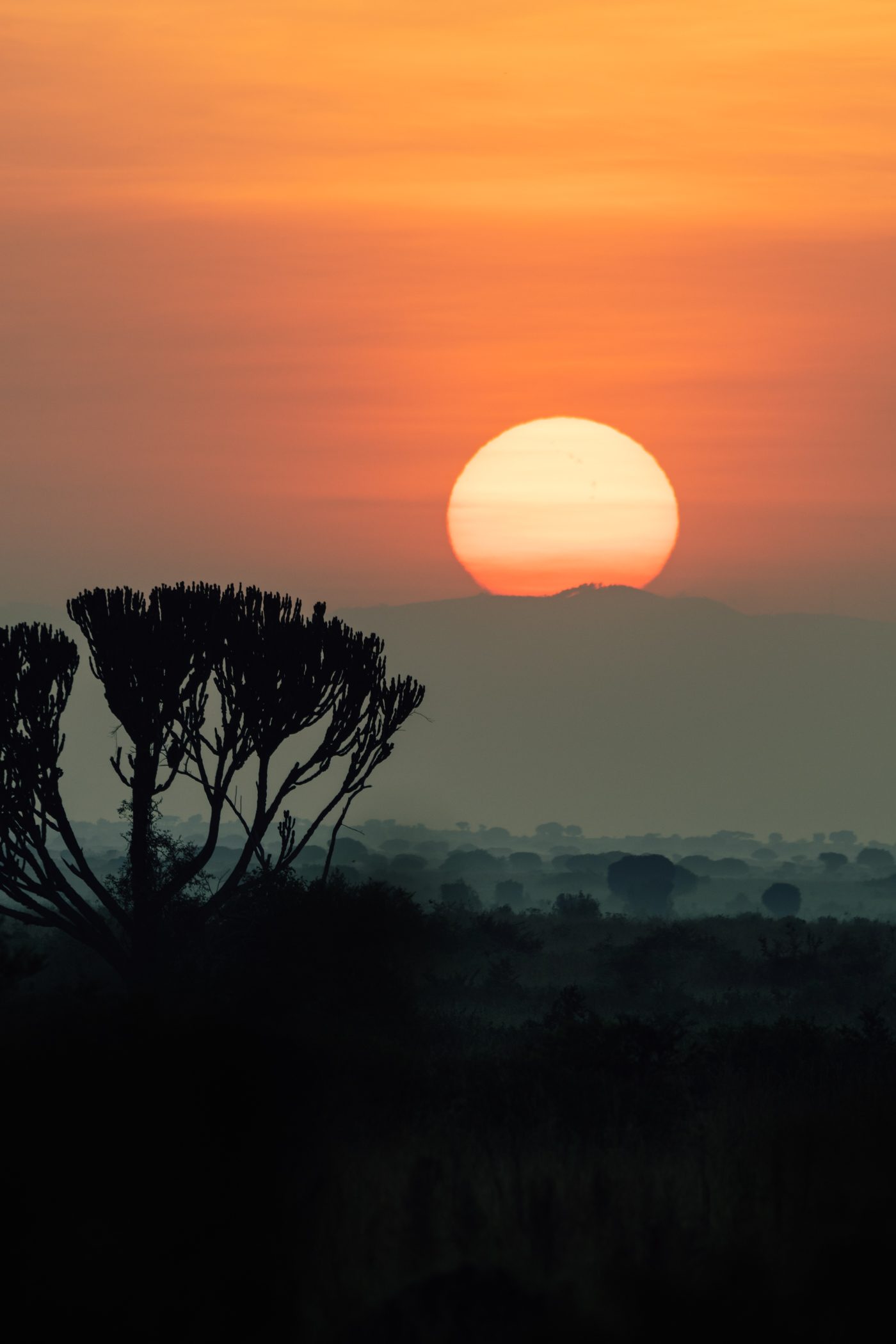

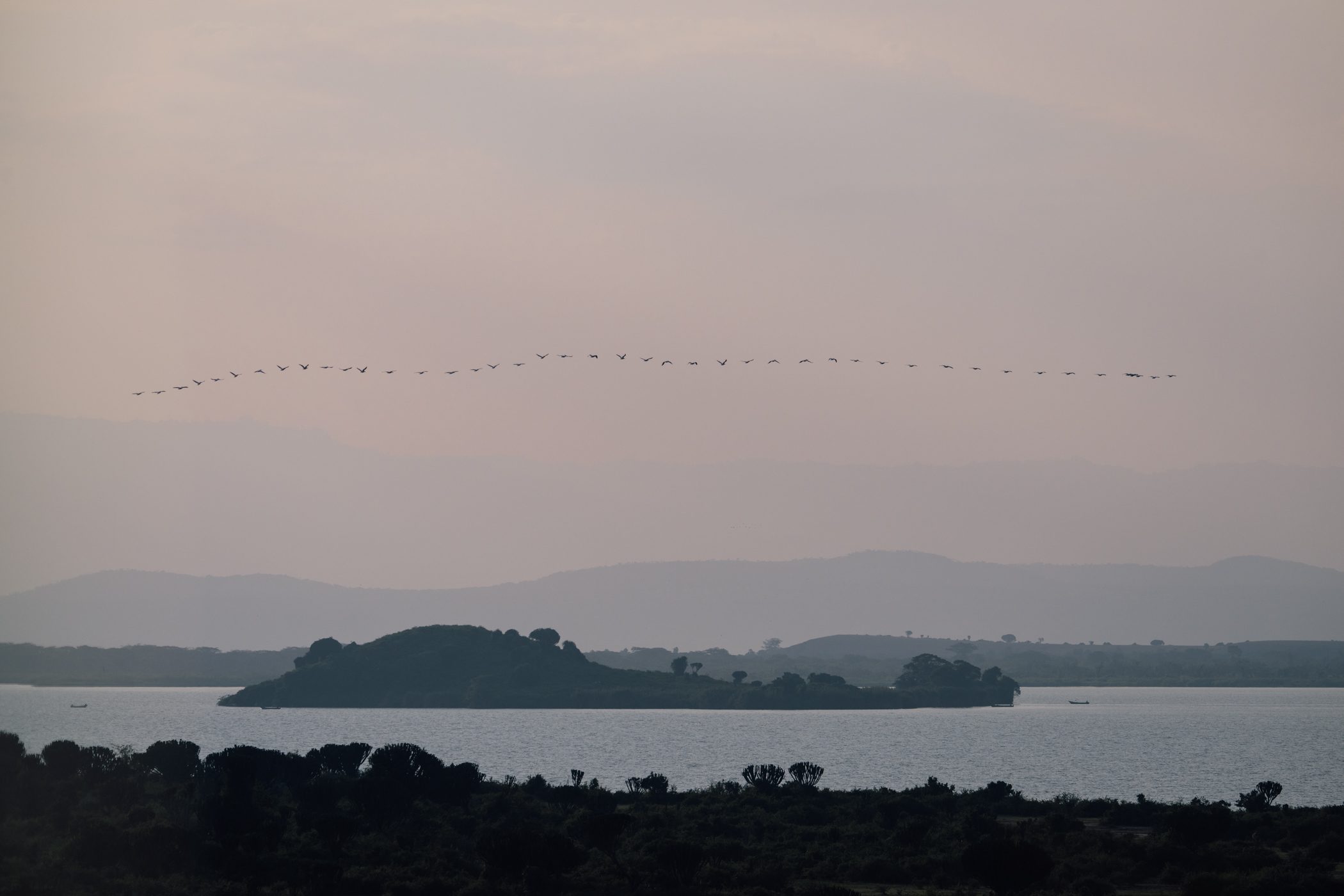
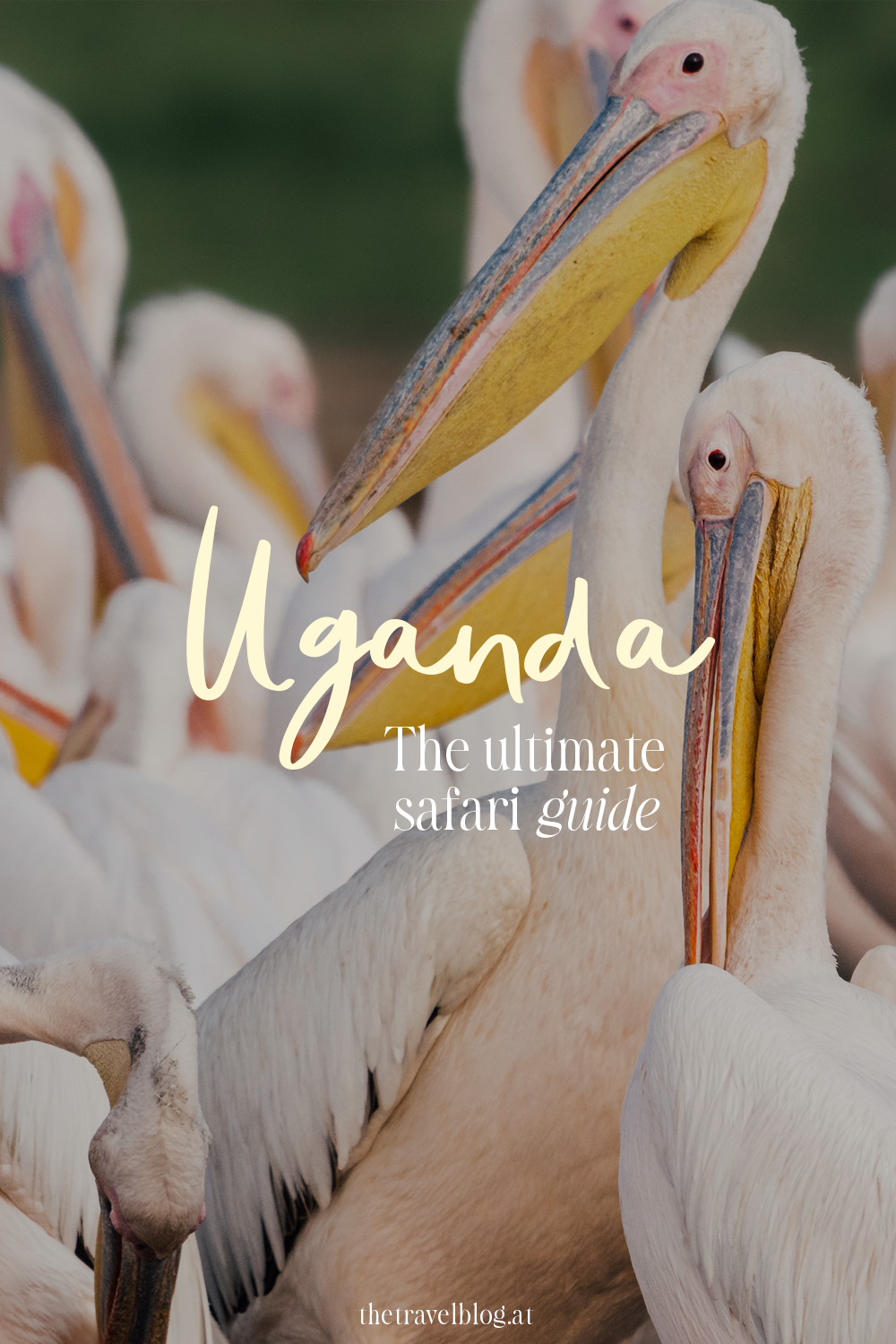
We went on morning and afternoon game drives with sightings of elephants, hippos and lions in the Kasenyi sector but also ventured all the way to Mweya island for our favourite activity of our stay: A private boat cruise on the Kazinga Channel, which brought up-close moments with bathing elephants, buffaloes and waterbucks, flocks of pelicans, African fish eagles and the flash of kingfishers diving for their next meal.
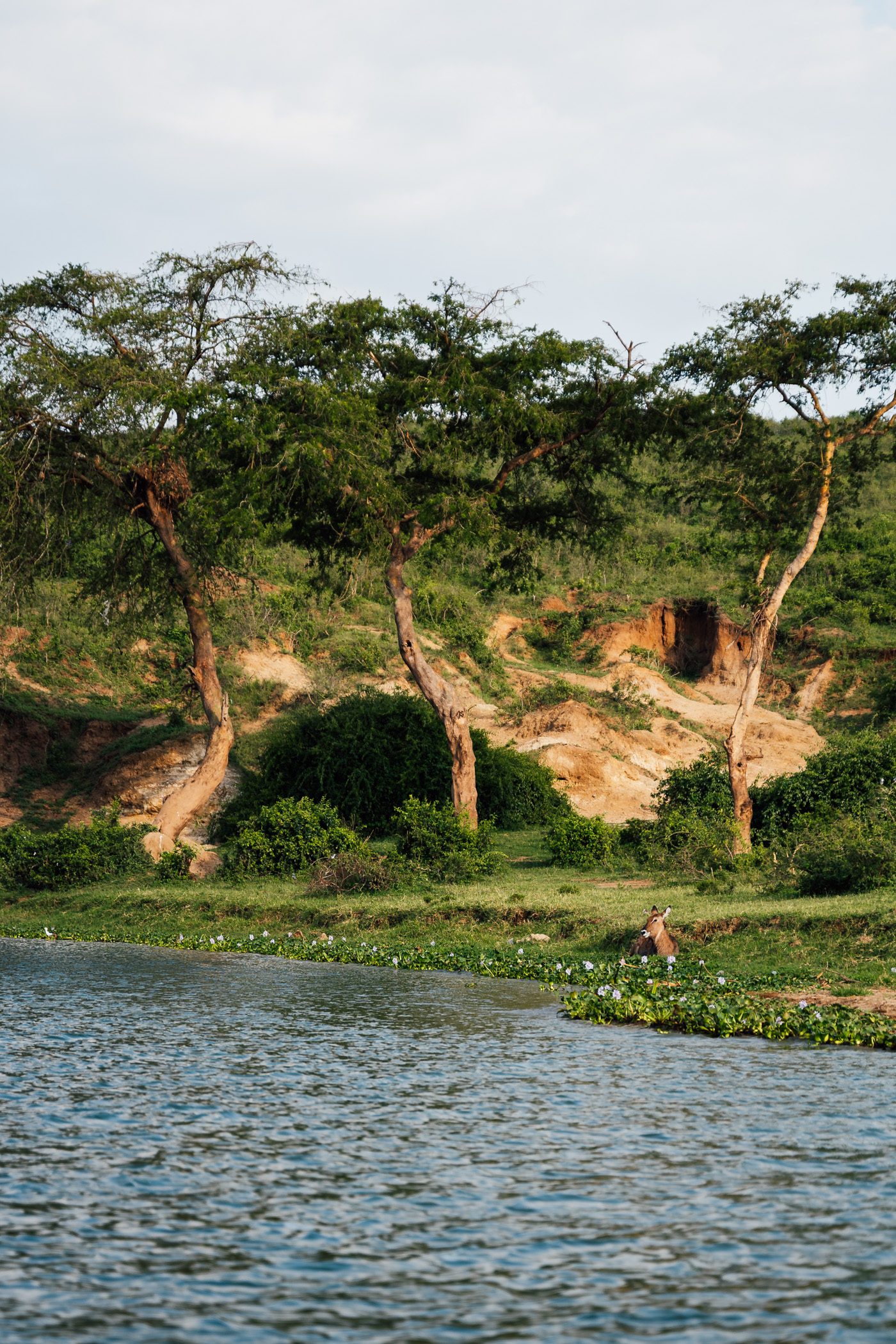
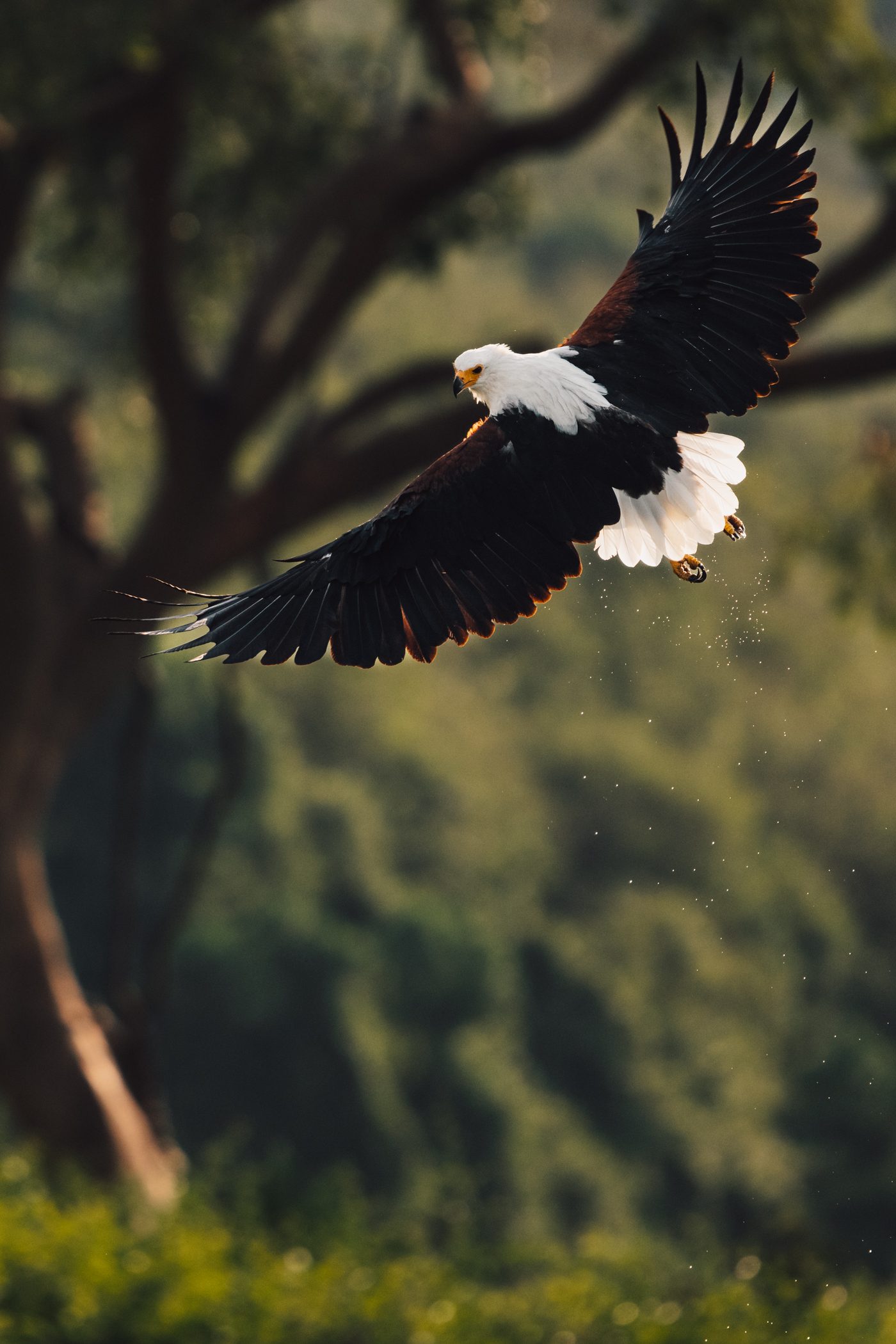
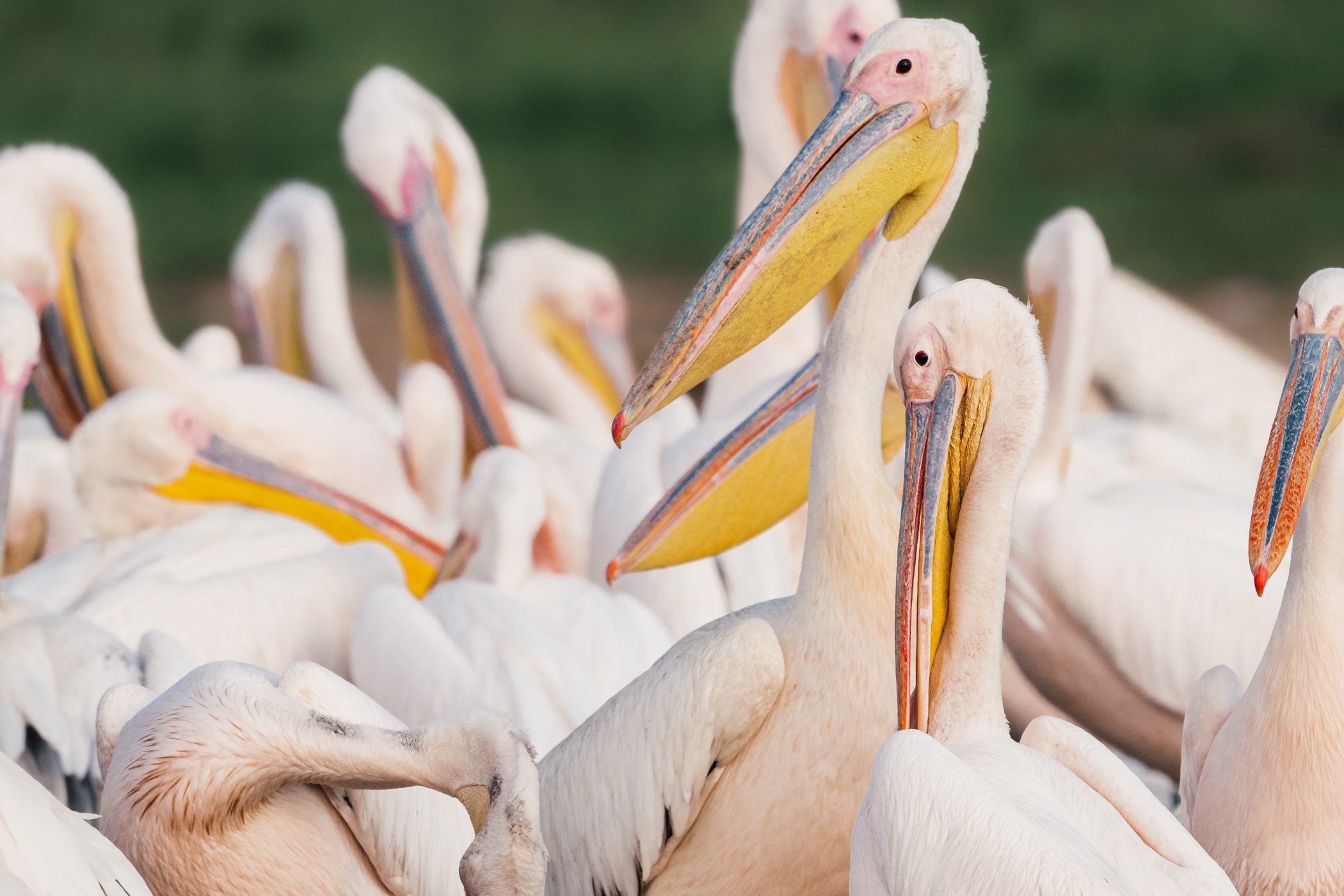
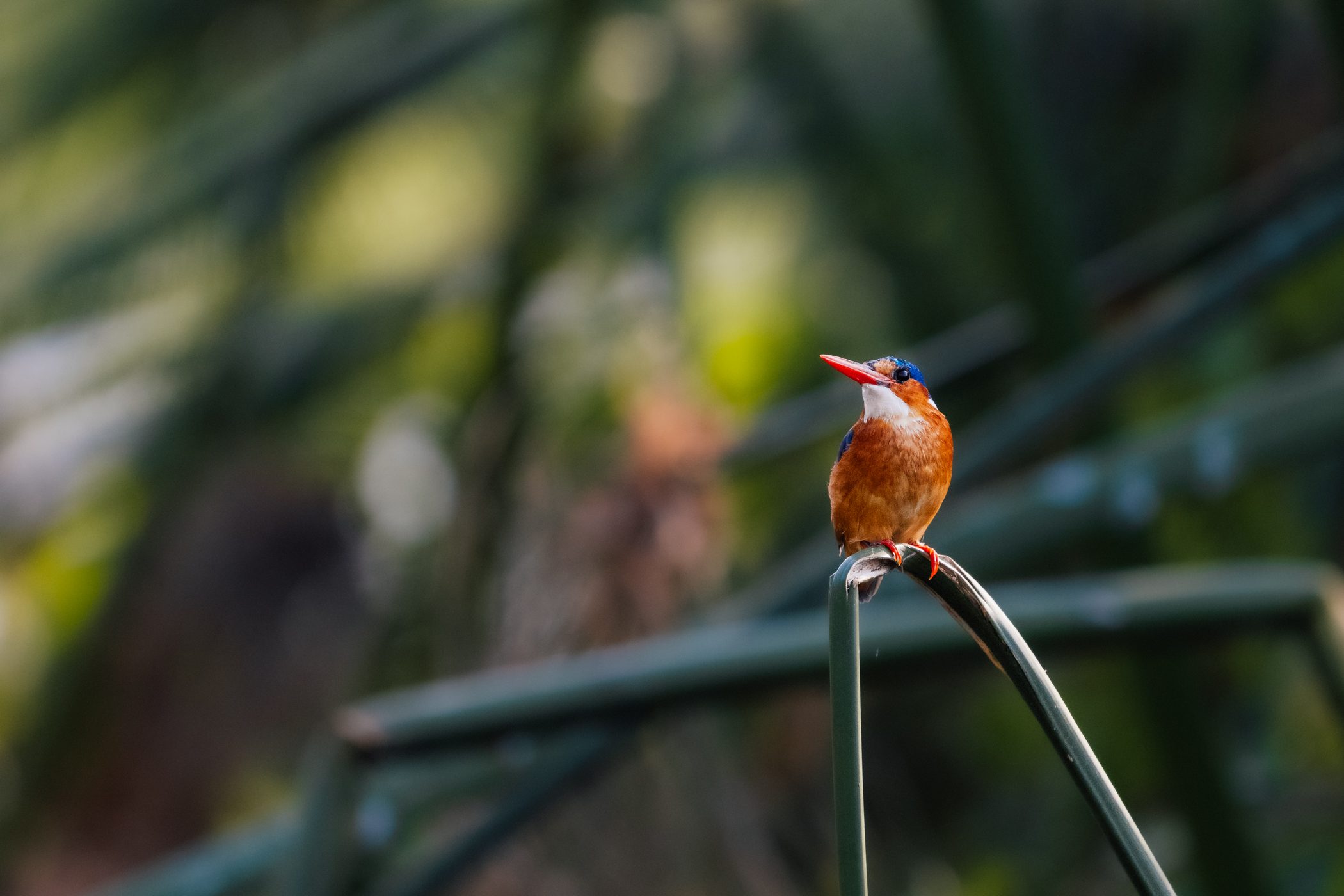
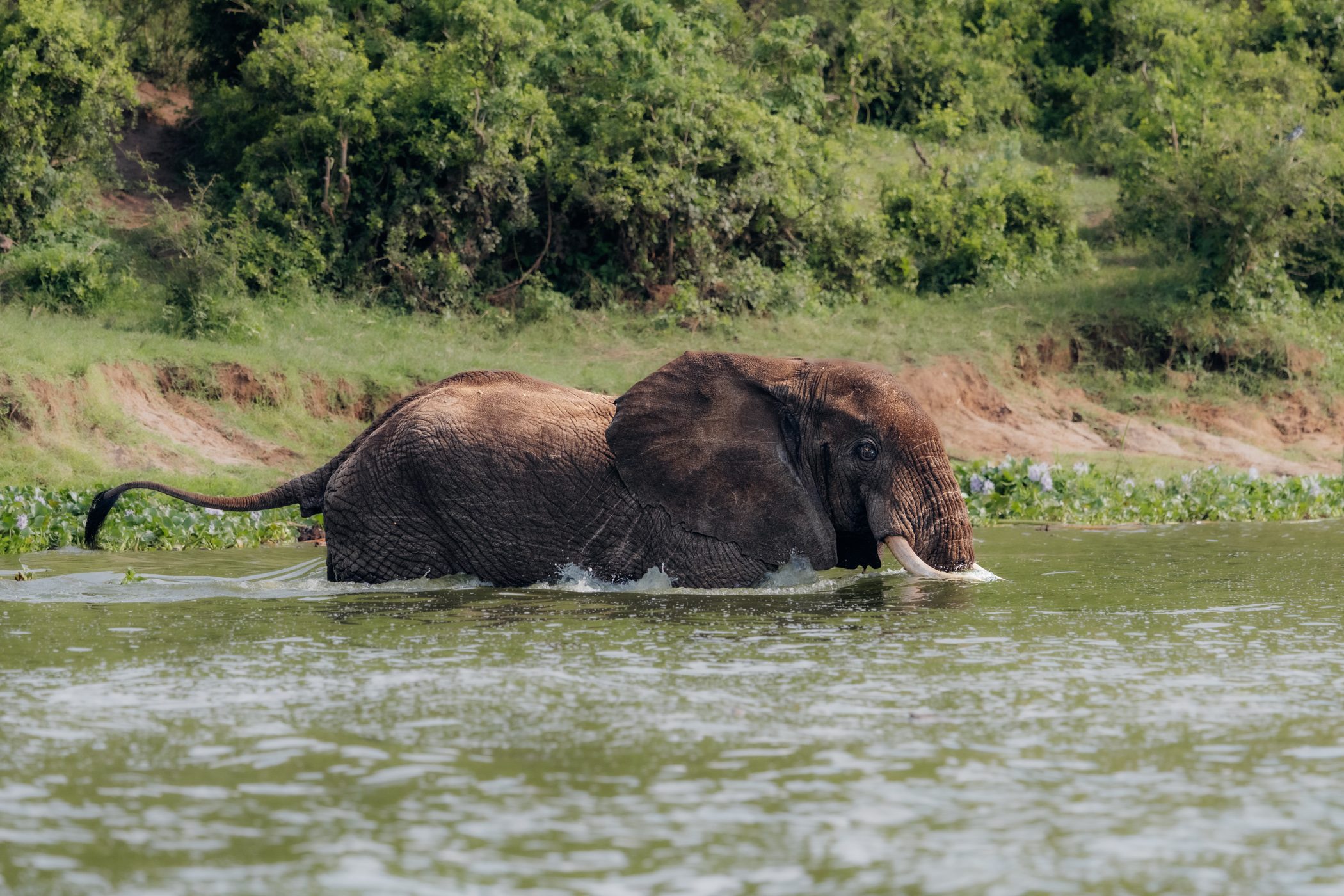
The next morning – on our way to the South – we decided to cross through Ishasha sector of the park to maybe get a glimpse of the famous tree-climbing lions.
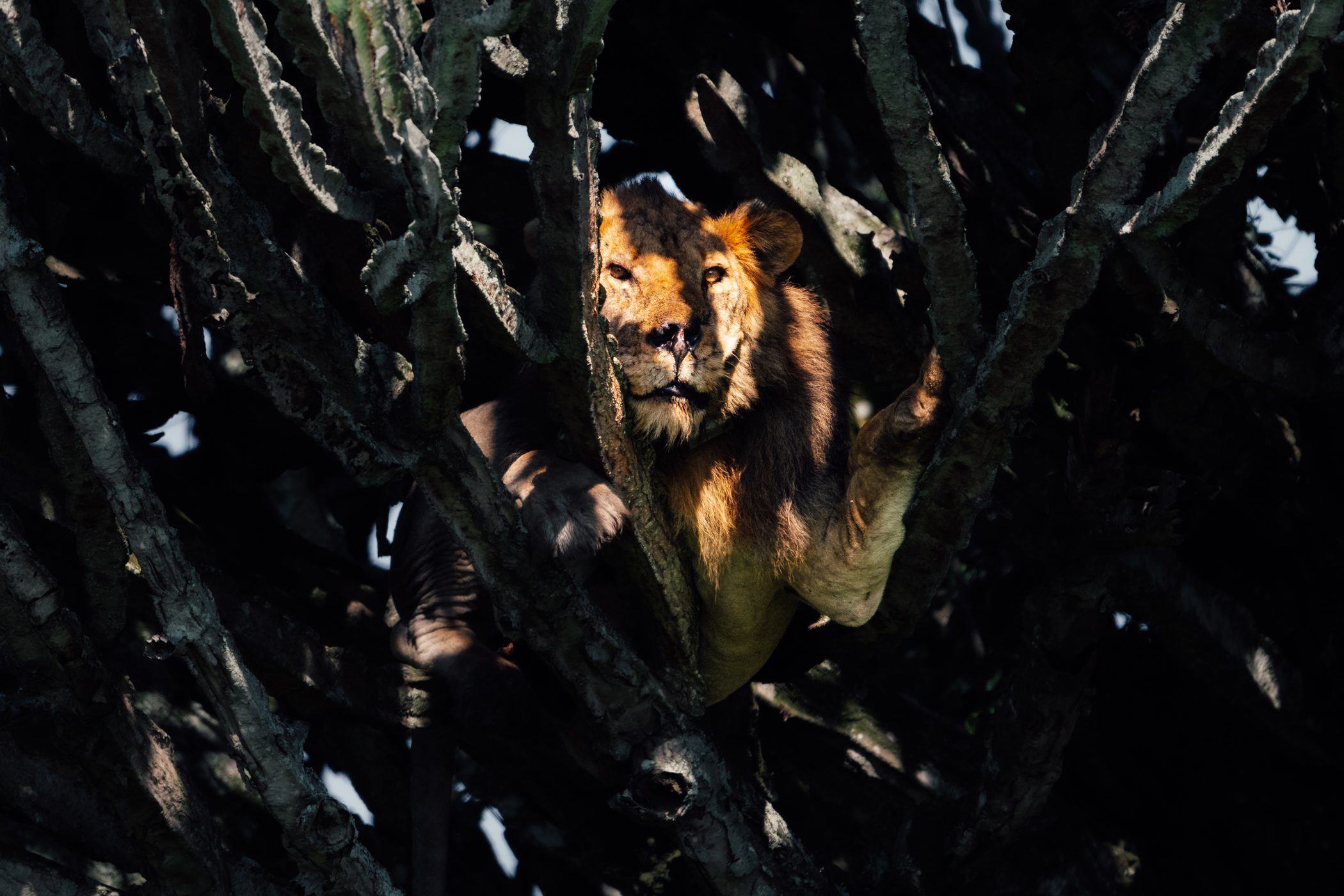
Just when we made a corner before even entering the park our guide Nelson spotted something in a huge Euphorbia tree. While driving with 50km/h he somehow managed to spot two lions draped languidly in the branches. It took us all our camera tele zoom to even catch a glimpse of them gazing down at us with a mixture of laziness and disinterest. Classic lion behaviour! We had envisioned a more beautiful open tree of course, but it goes to show lions choose the most unassuming of trees to relax sometimes.
The famed tree-climbing lions of Ishasha had made their appearance and we were happy to continue our journey.
Bwindi Impenetrable Forest: Magic moments with gorillas
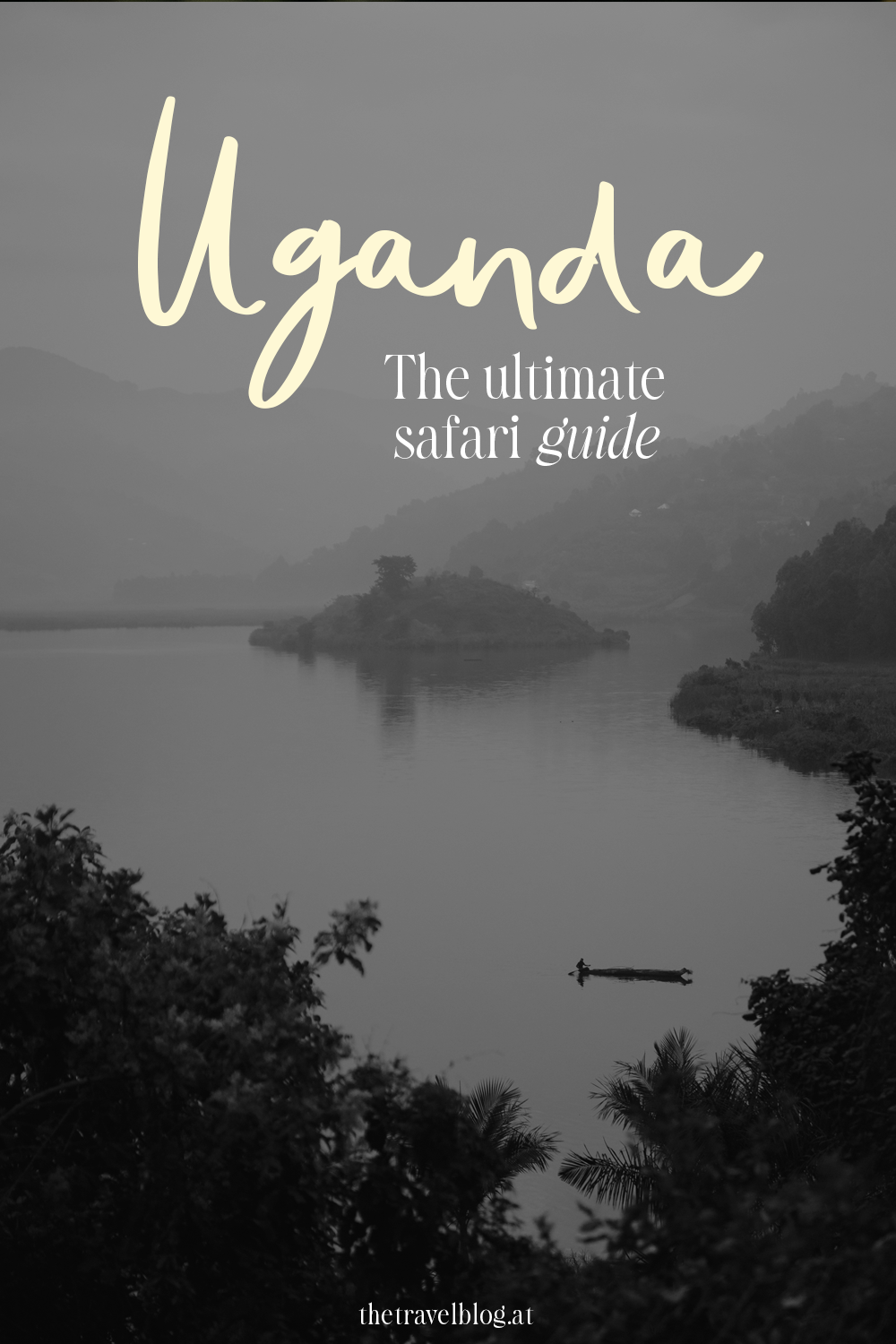
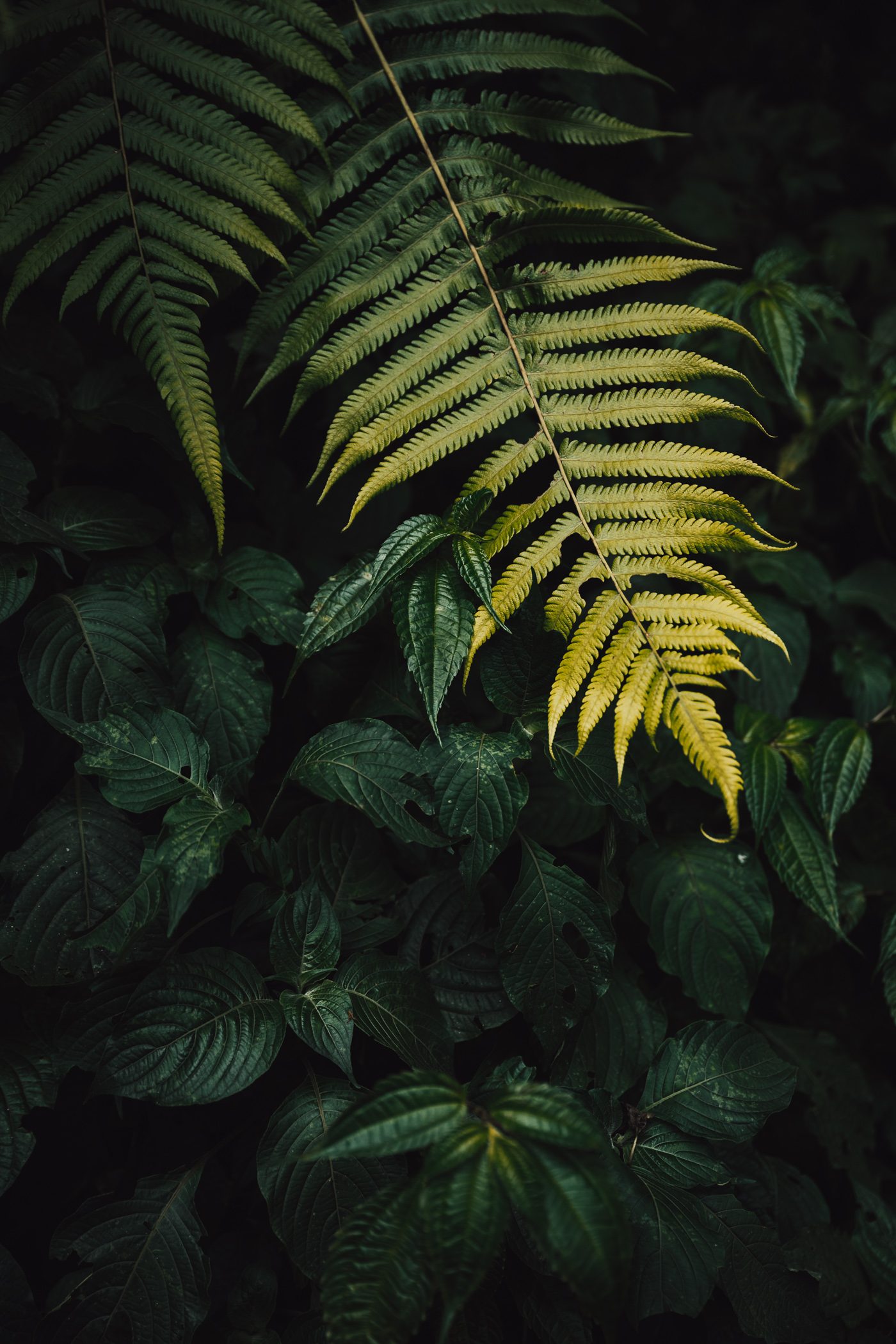
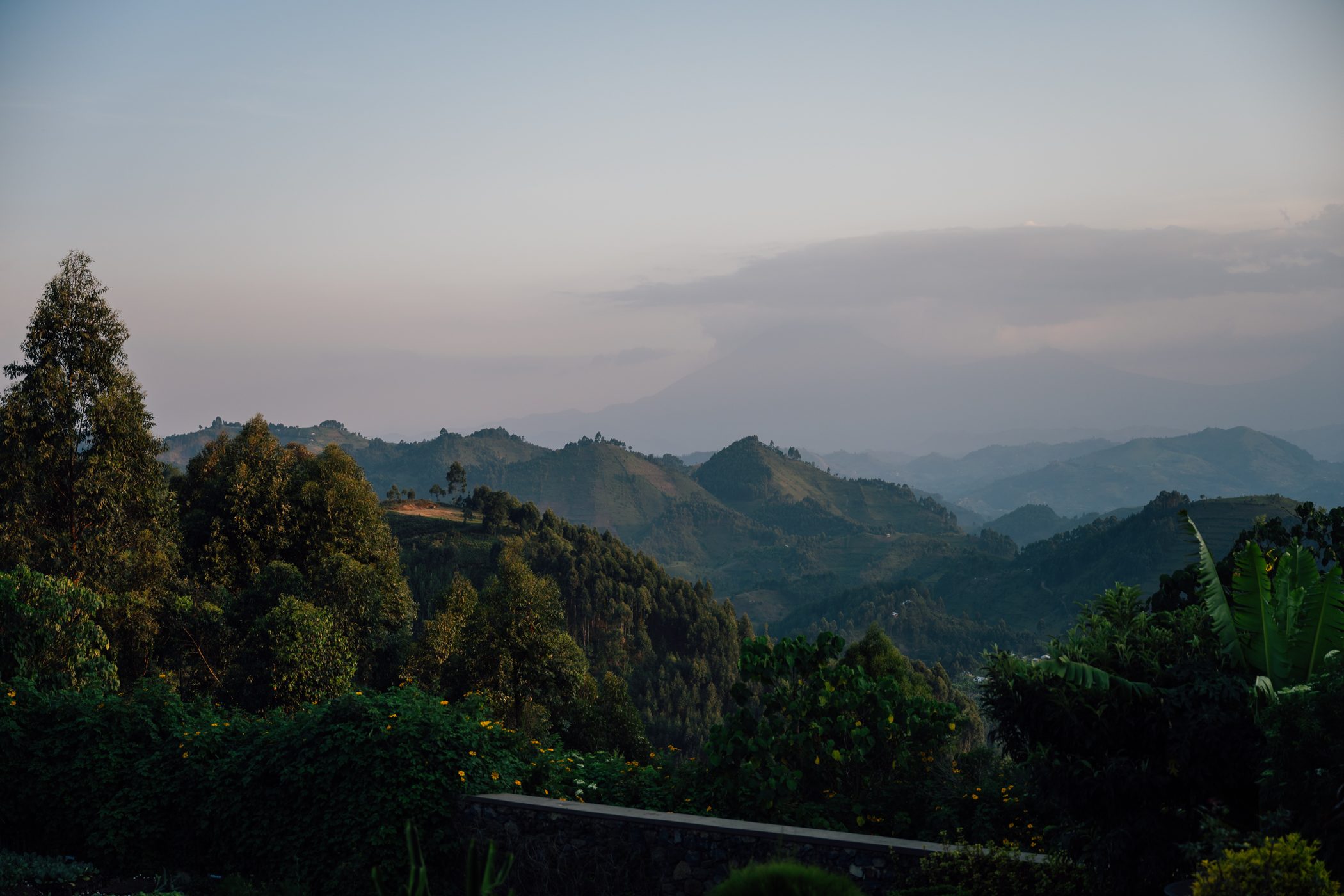
Seven hours on winding mountain roads led us to our last stop, Bwindi Impenetrable Forest, where mist curls through ancient trees and ferns. Here, among thick vines and dense foliage, lives nearly half the world’s population of mountain gorillas—one of conservation’s greatest success stories.
In 2018, a census revealed that the global population of these great apes had surpassed 1,000, with 495 individuals residing in Bwindi alone, up from just a few hundred in previous decades. This recovery is largely due to sustainable tourism, where each gorilla trekking permit funds anti-poaching patrols, ecosystem protection and community development.
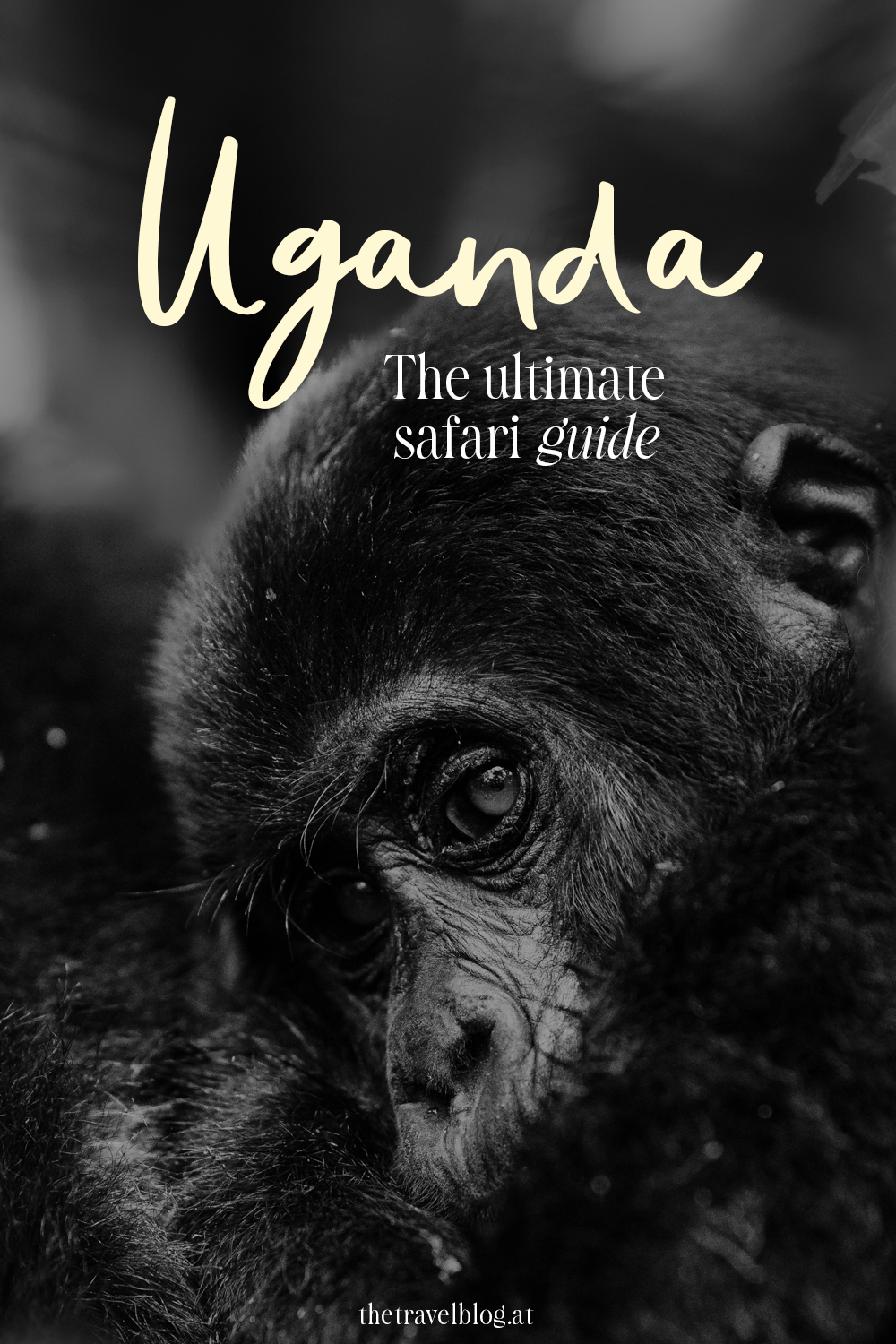
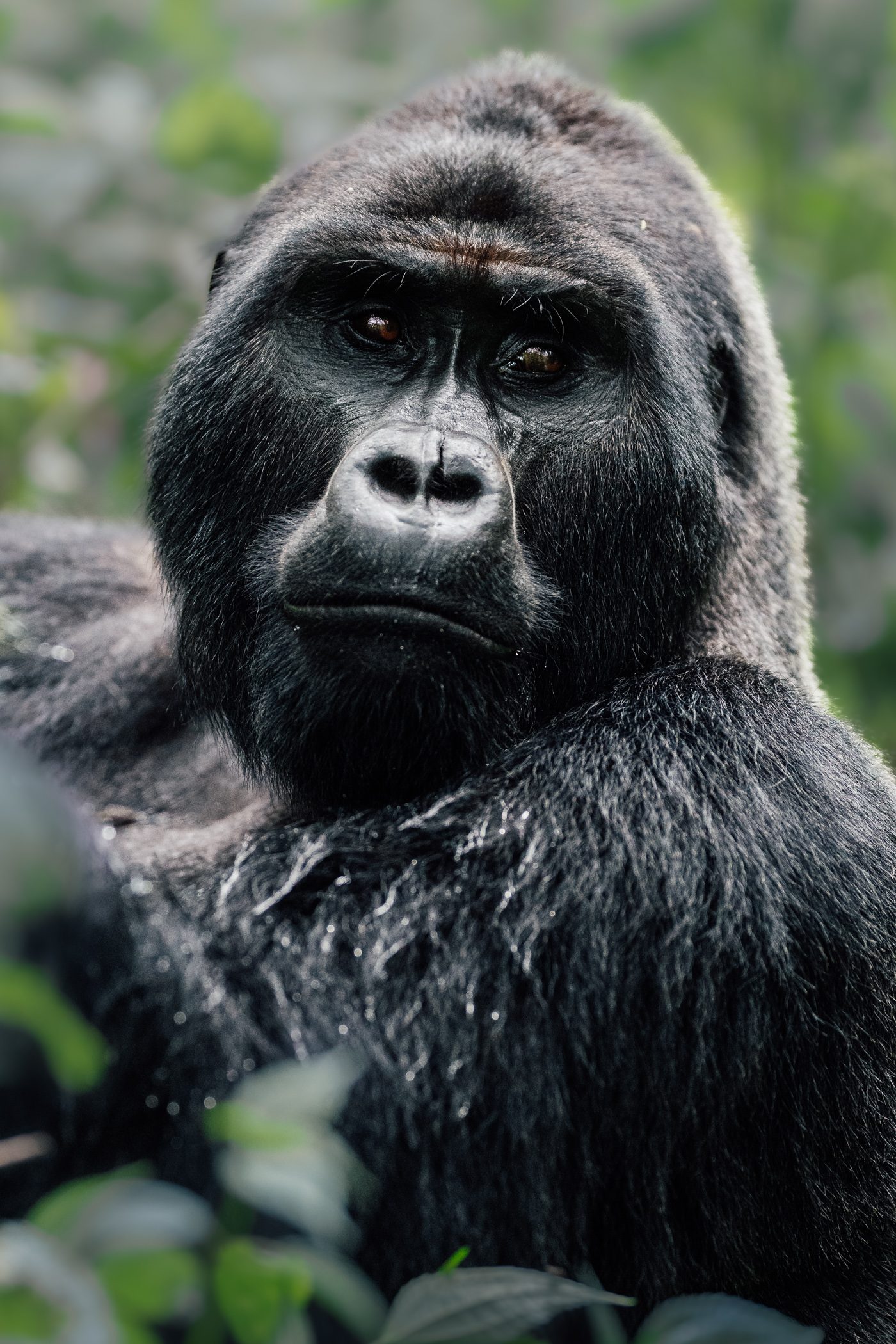
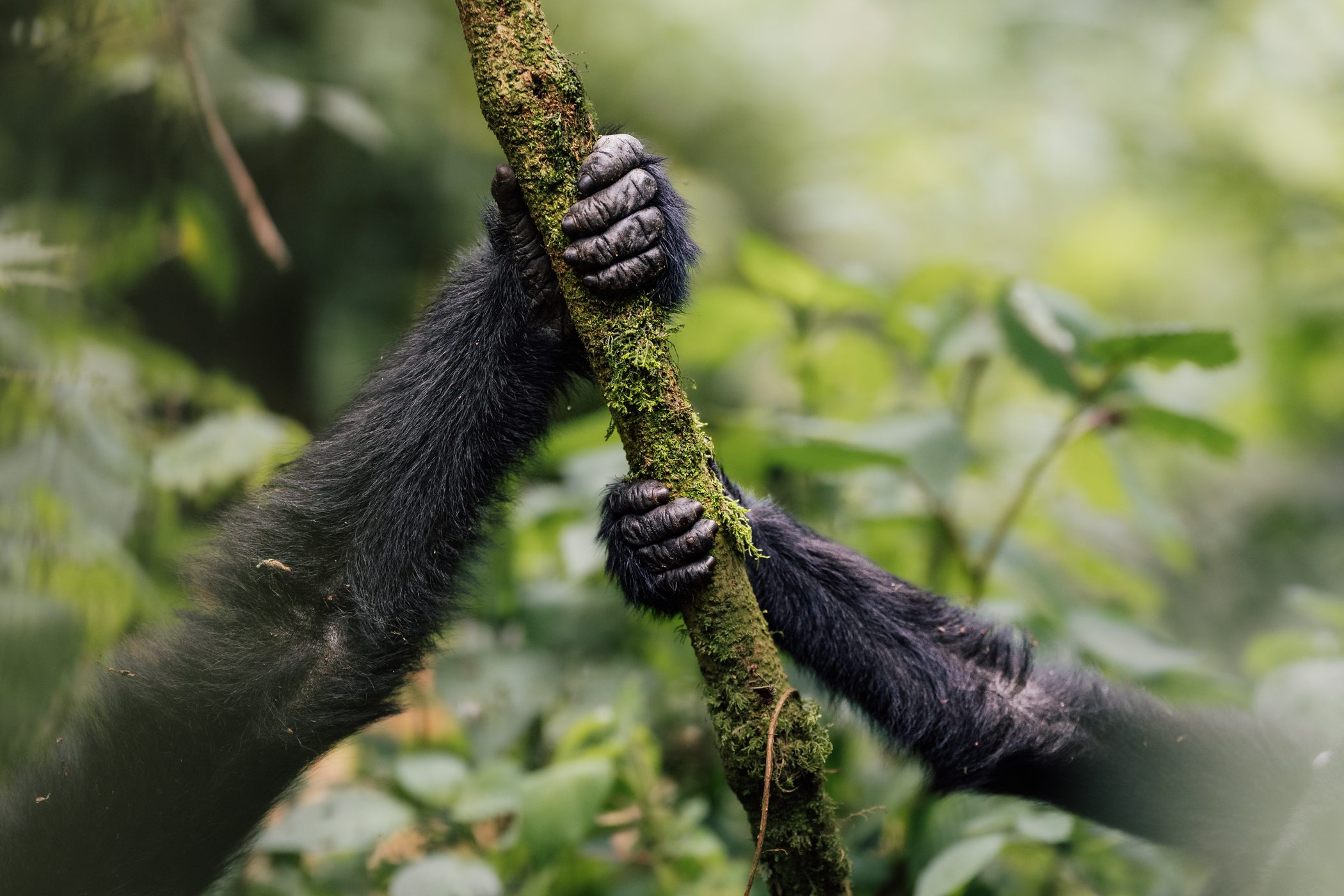
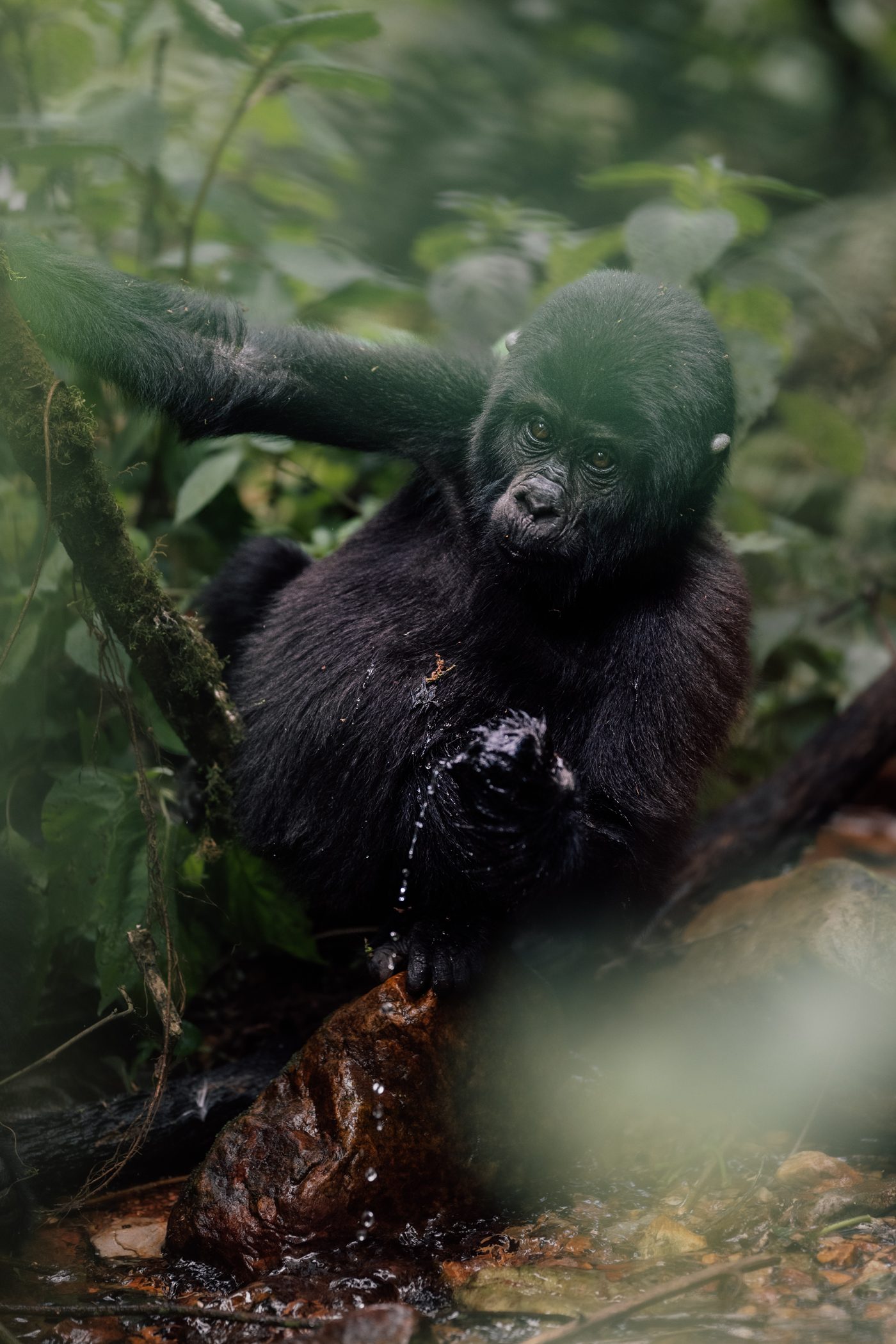
Our gorilla trek guide Onesmus led us deep into the jungle, and after almost four hours of steep hiking, we found them—the Posho family. It was our first time seeing gorillas and it’s hard to describe the feeling of standing eye to eye with these incredible animals.
A silverback named “Magara” loomed large, surveying his domain, while playful infants tumbled over each other, their dark eyes full of mischief. It was a moment that left us breathless, not from the exhaustion, but from sheer, overwhelming wonder.
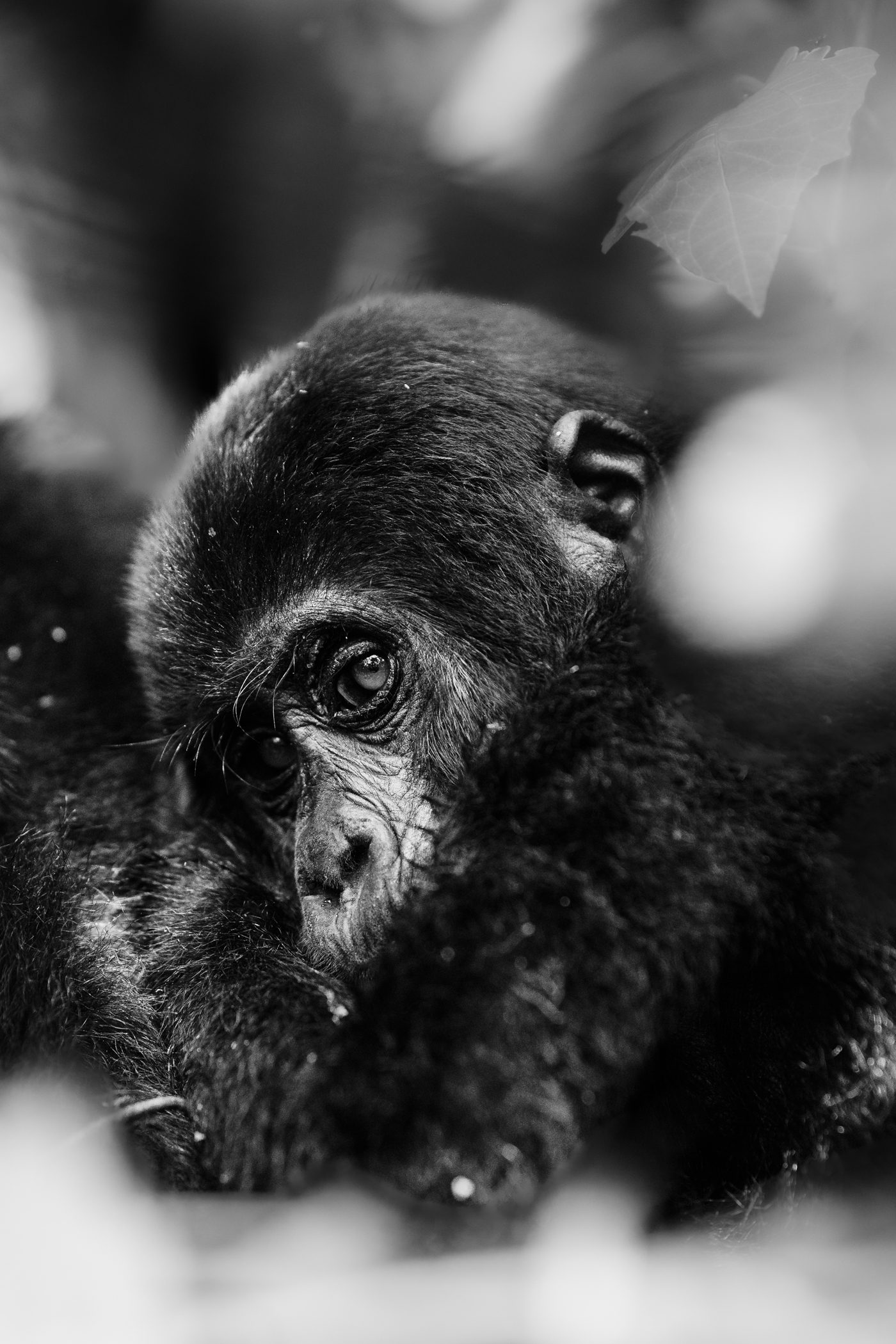
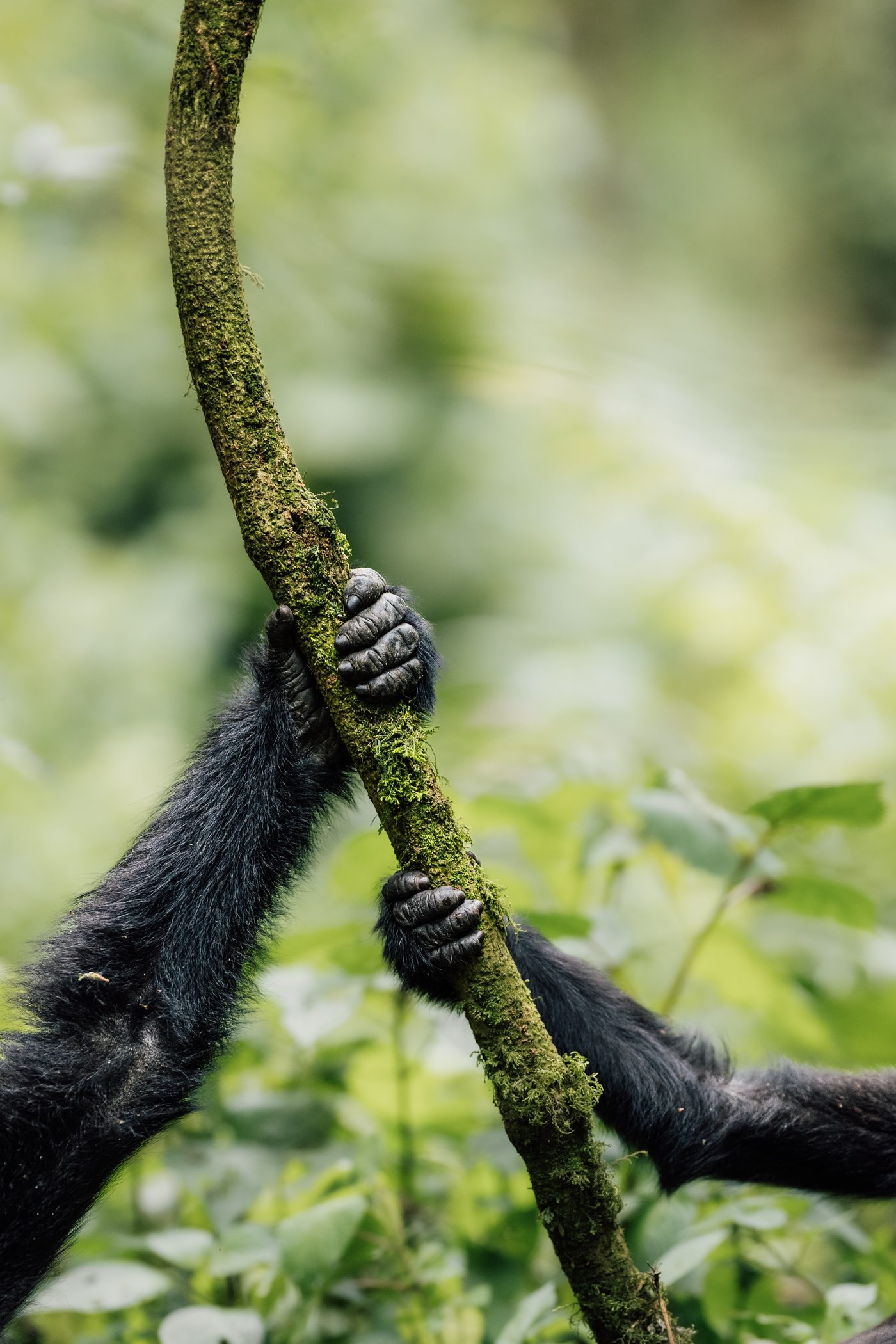

They say the Nkuringo sector is the most challenging sector when it comes to gorilla treks in Bwindi and boy, did we feel our legs after this day in the jungle. It took us a total of about six hours of hiking, while other groups returned within 2 hours (including the one hour spent with the gorillas). Nkuringo has the advantage of being especially remote, but the trek here was physically quite demanding.
So if you are not a fit climber we would recommend to choose a different sector then Nkuringo for your gorilla trek in Bwindi.
Hiring porters for your gear is a must here, especially if you’re a photographer carrying heavy equipment. We first didn’t want to take the hiking poles that were offered (as we wanted to have our hands free for photography), but in the end we were extremely thankful for the poles. We had to cross streams, jump over holes, hike through muddy terrain–we truly needed those poles more than we had anticipated. But the moments with the gorillas were worth all the strenuous hiking in the end!
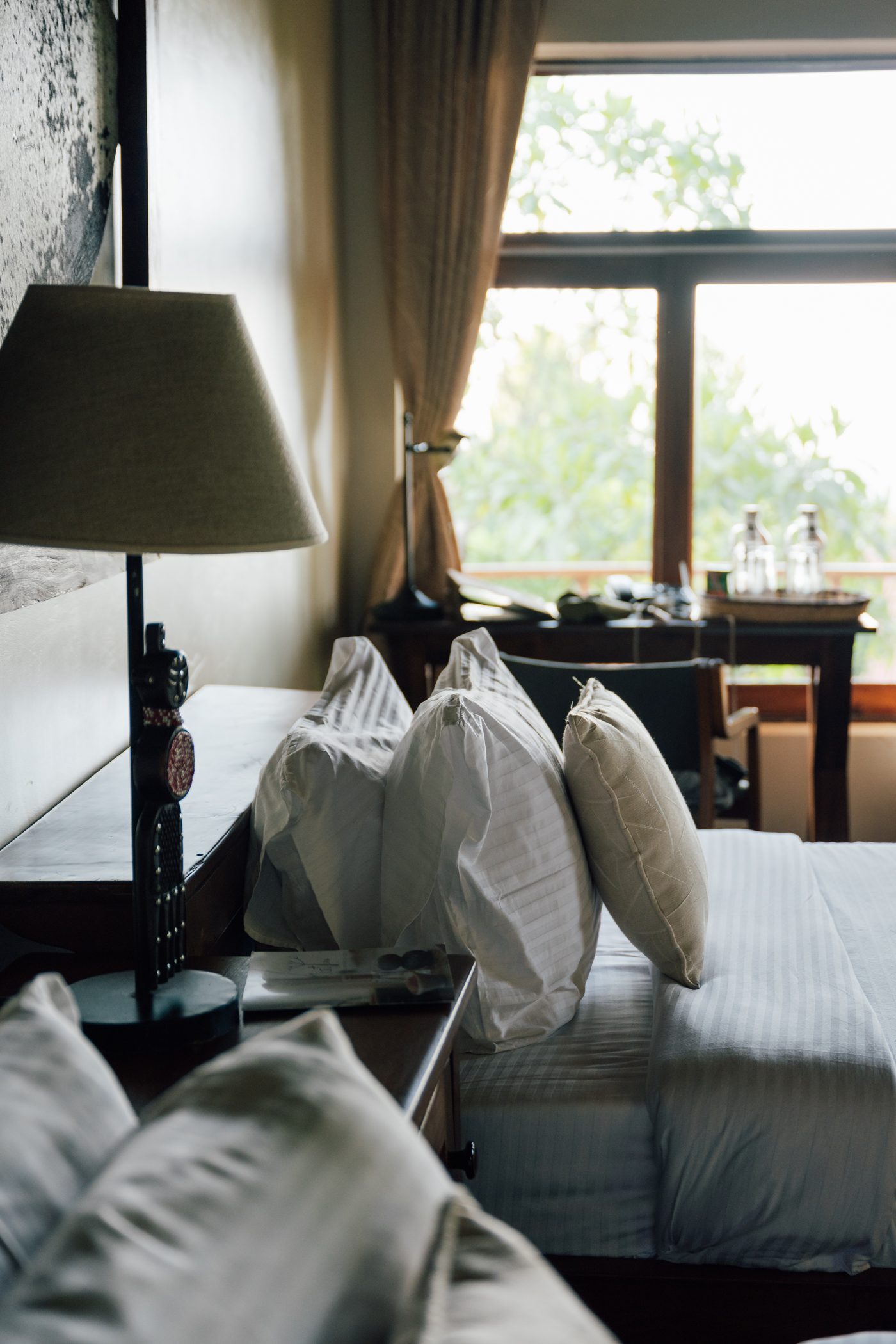
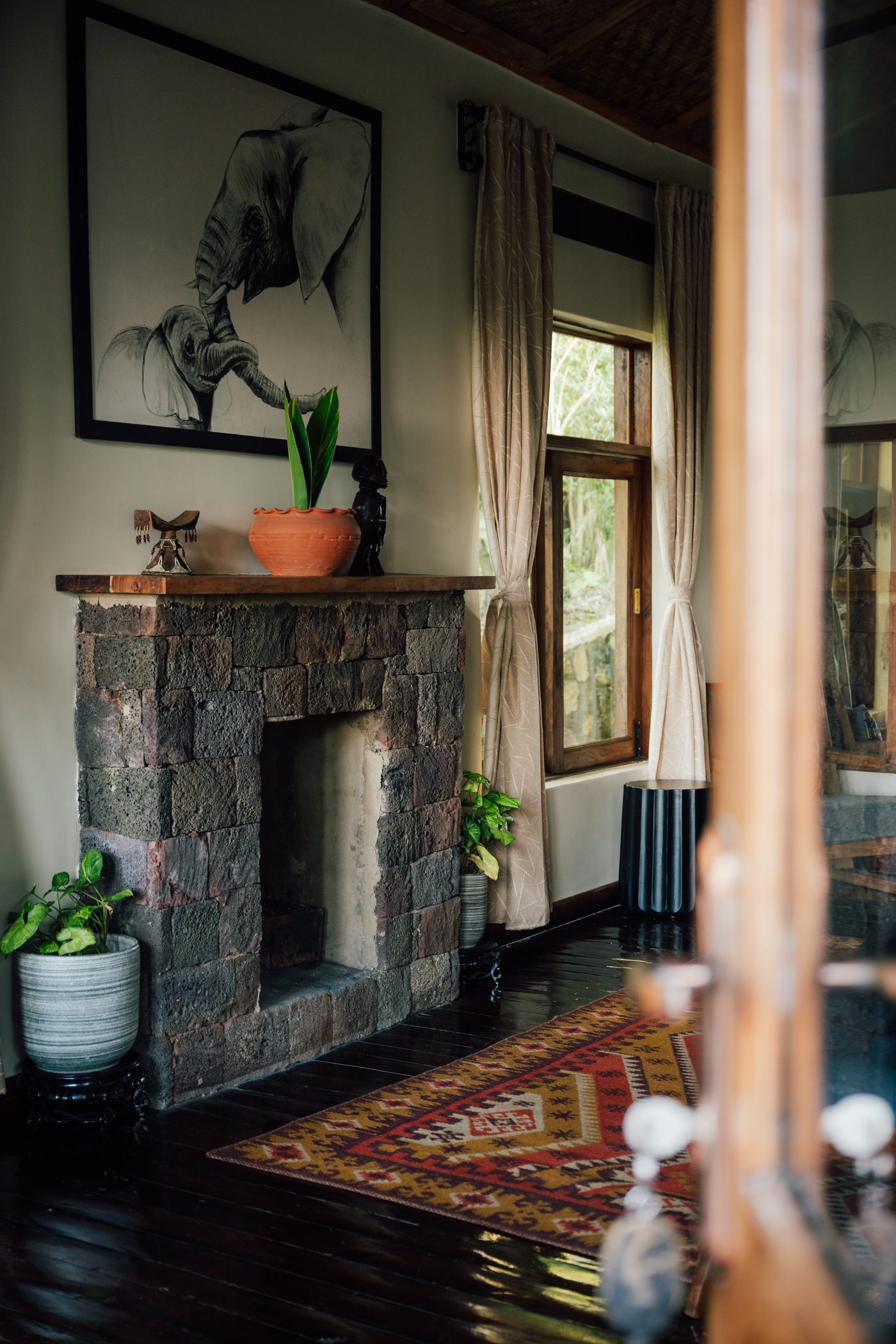
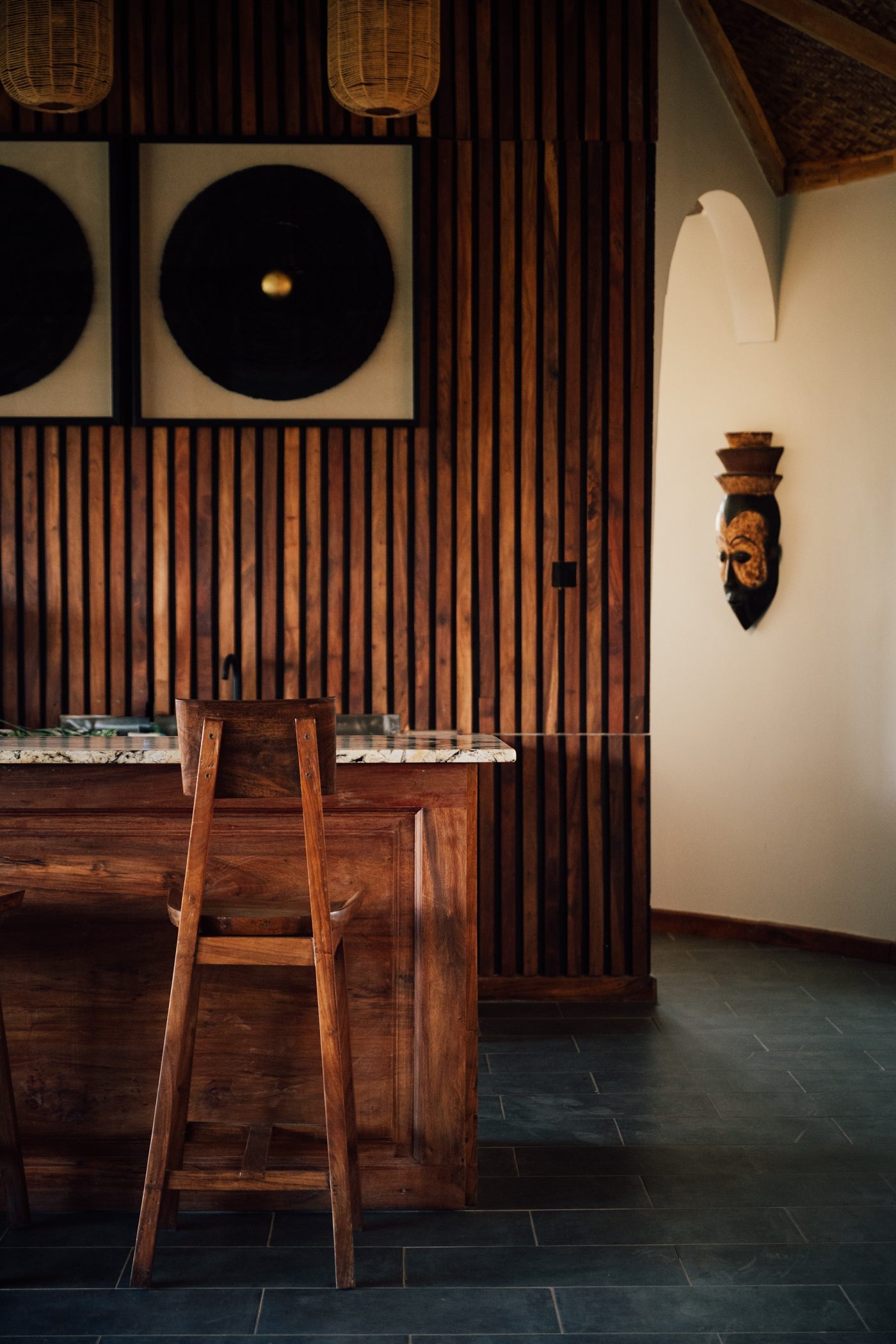
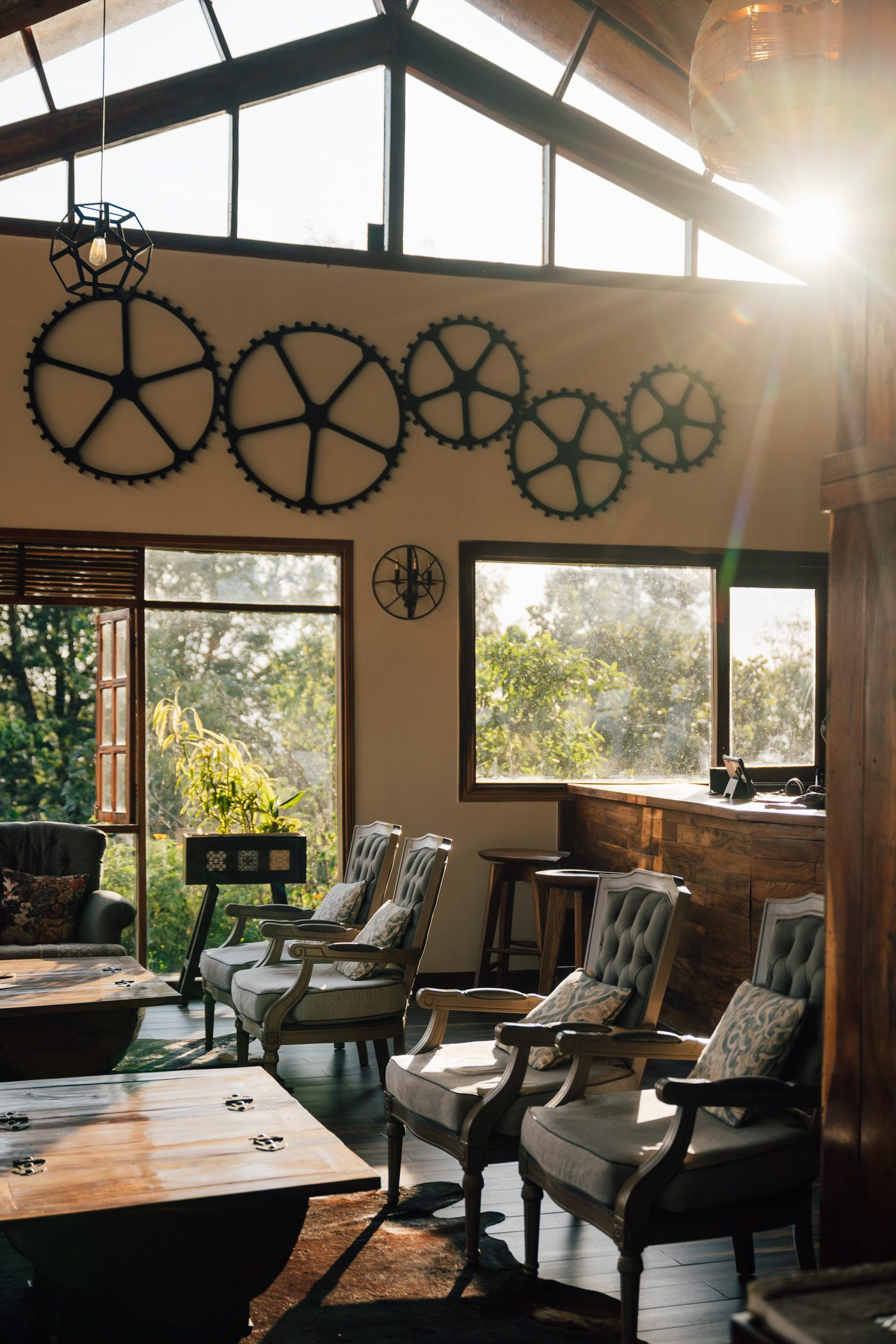
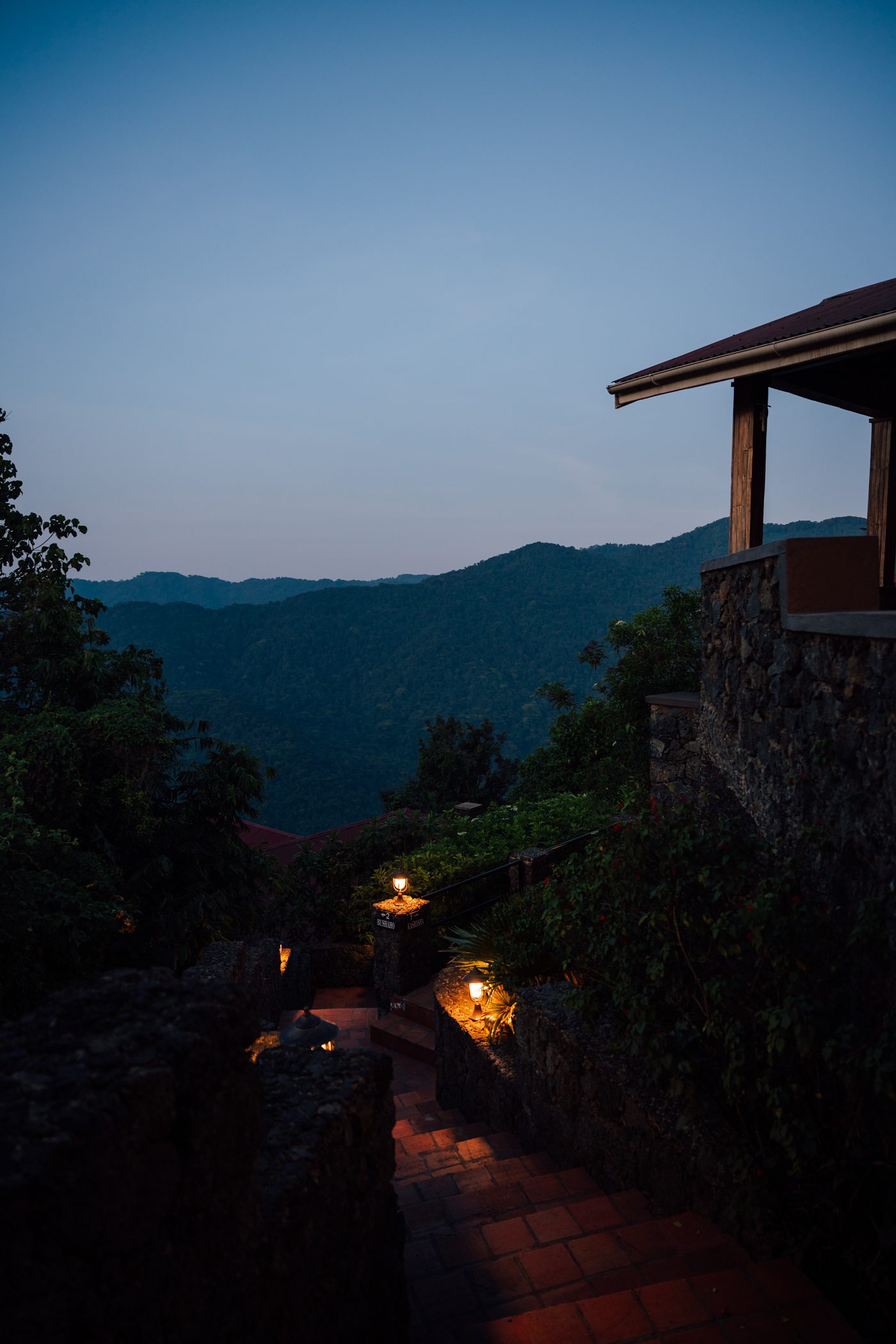
Nkuringo Bwindi Gorilla Lodge was the perfect place to unwind after the exhaustion of the gorilla trek and we didn’t do anything else in the afternoon. Some guests go on second gorilla treks and stay a night longer, but for us this marked the end of our journey.

Mbamba Swamp: Shoebill cruises
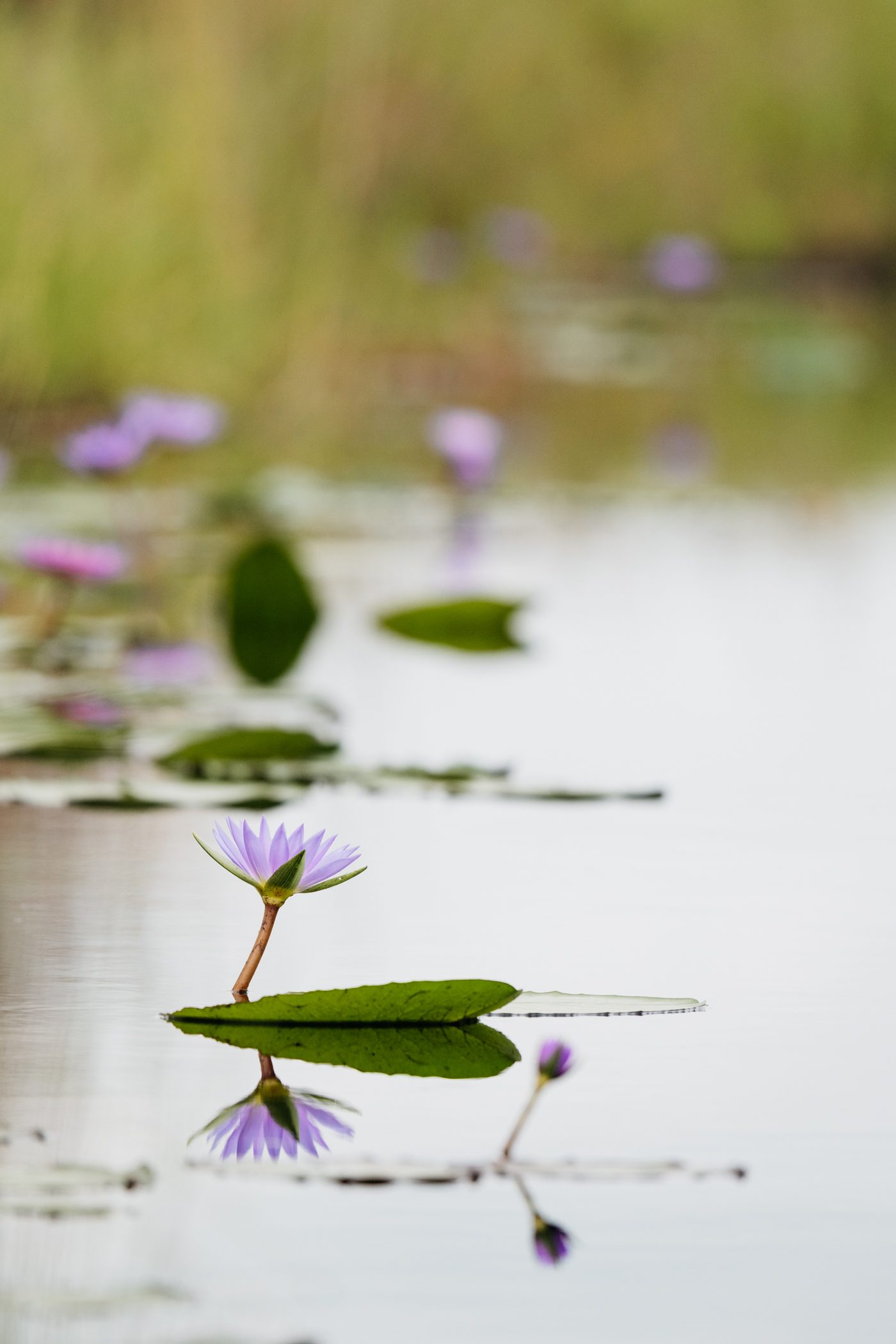
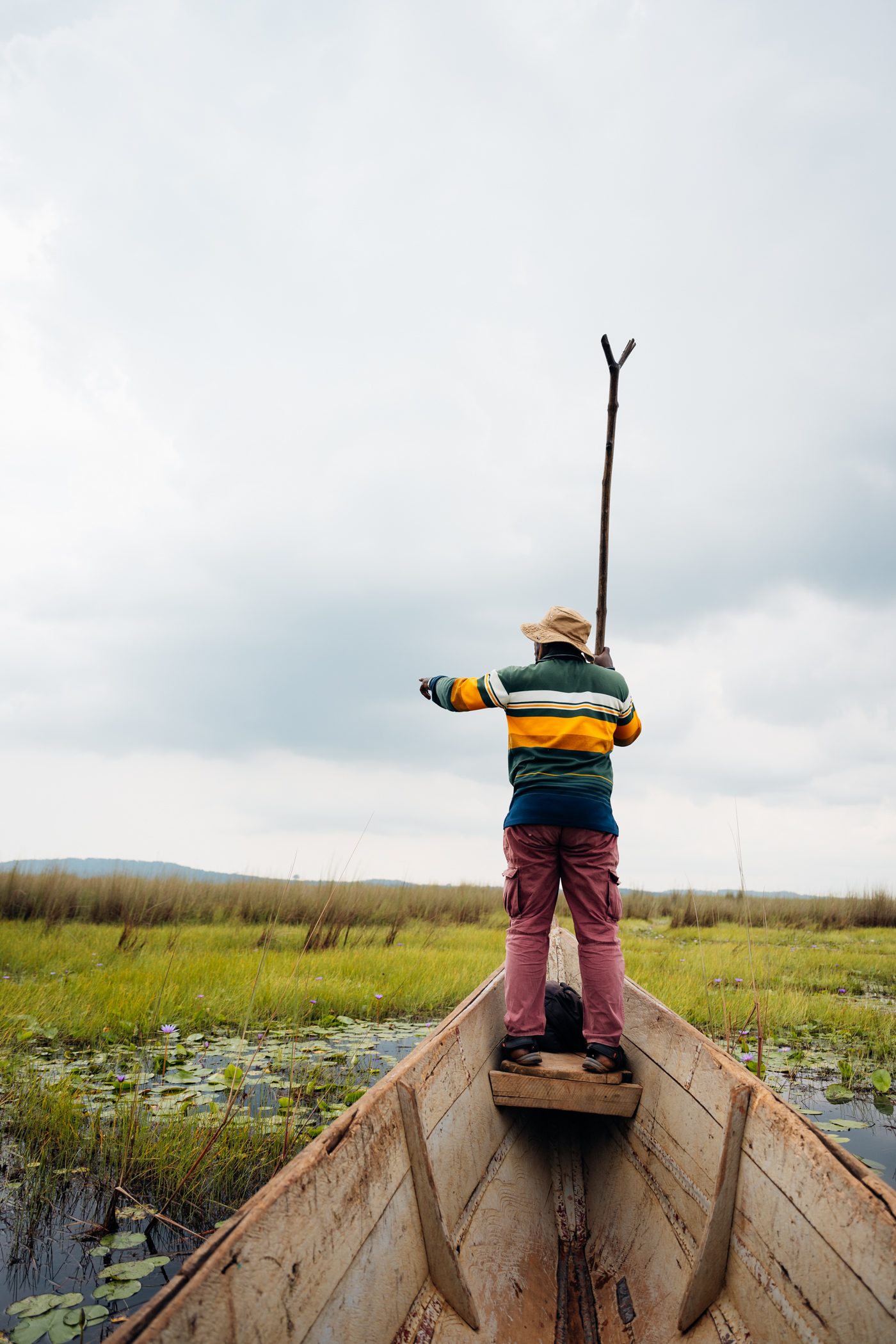
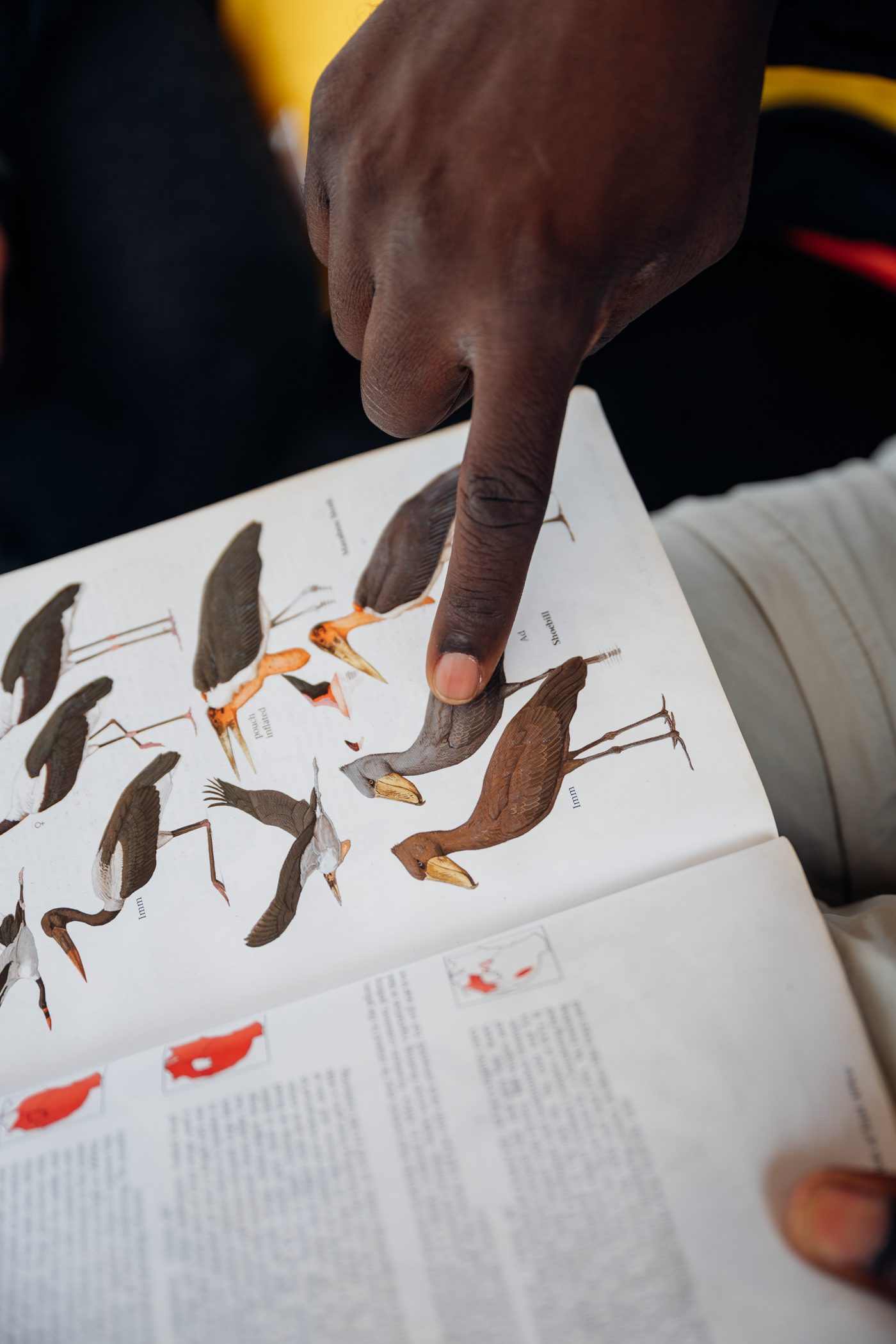
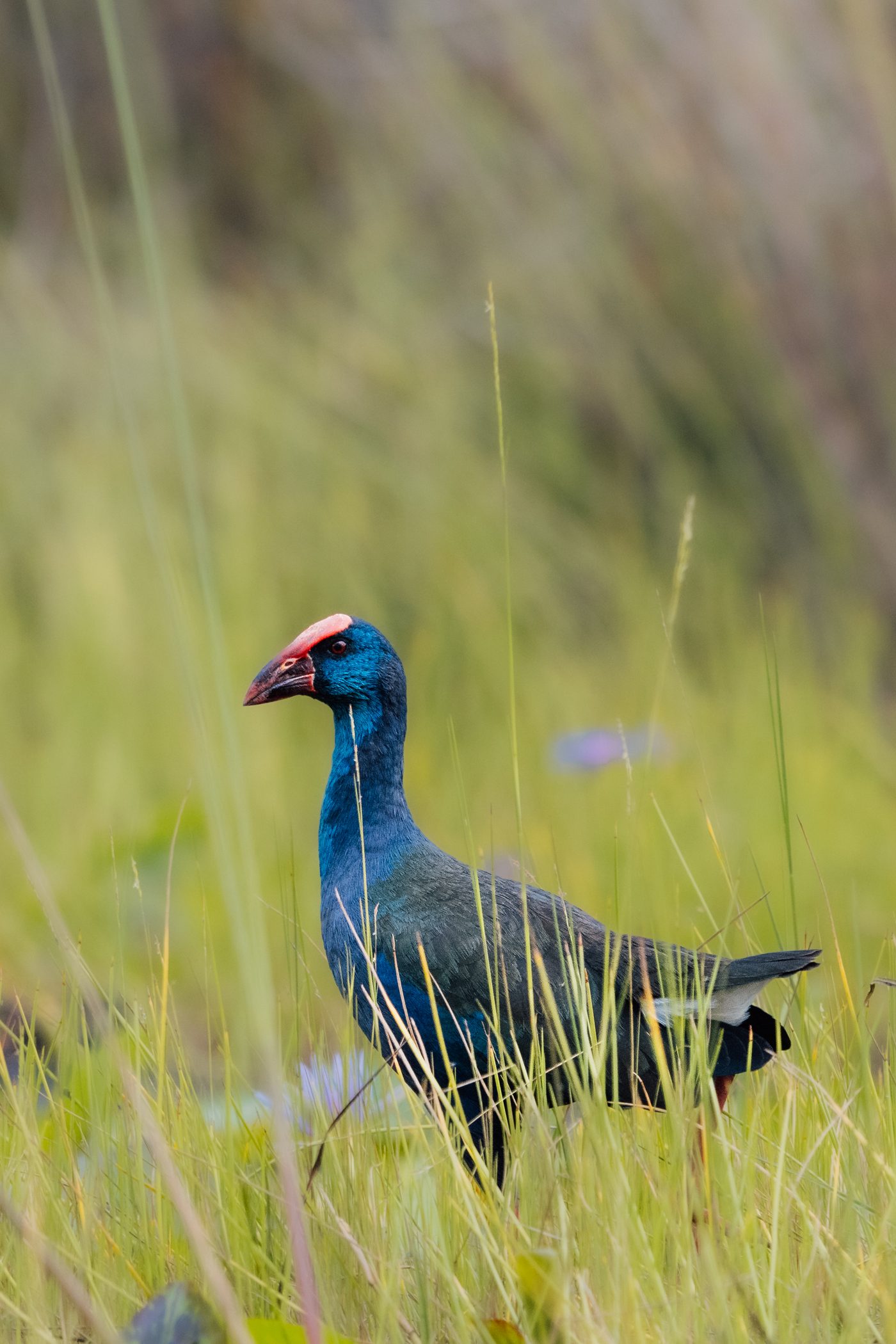
The next morning we took a bush plane from Kisoro airstrip to get back to Entebbe, where we had one last activity planned: A boat cruise at Mbamba swamp to see the iconic shoebill. Turns out we should’ve booked a morning cruise as our afternoon activity got cut short by heavy rainfalls and we learned that the chances to see the ancient bird are much higher in the morning. So if you ever plan this, make sure to book the sunrise tour! The swamp itself is incredibly beautiful and even if you don’t see the the shoebill you’ll see many other stunning birds.
Our travel partner: Pinto Africa
As always this trip was planned by safari specialists Pinto Africa, who are our trusted partners when it comes to ethical and sustainable safaris. They are an owner-run safari company based in Austria, run by Zambian-born Luke Evans, who is focusing on putting together safaris with a strong focus on responsible tourism. I can wholeheartedly recommend their services.
Farewell, for Now
After one last night at The Boma Entebbe, we boarded our flight home, the landscapes and faces of Uganda imprinted forever in our minds. This country had enchanted us with its hues of green, vibrant wildlife, incredible diversity and smiles of the people. And more importantly, it had reinforced an undeniable truth: when done responsibly, travel is not just an indulgence. It can be a force for good, a lifeline for conservation, and a bridge between humanity and the wild. Without tourism the mountain gorillas of Uganda might not exist anymore, and this is a truth we can hardly fathom.
Seeing gorillas in the wild was one of the most profoundly touching experiences we ever had on safari and we hope you all get a chance to do this one day!
Pin and save this post: