
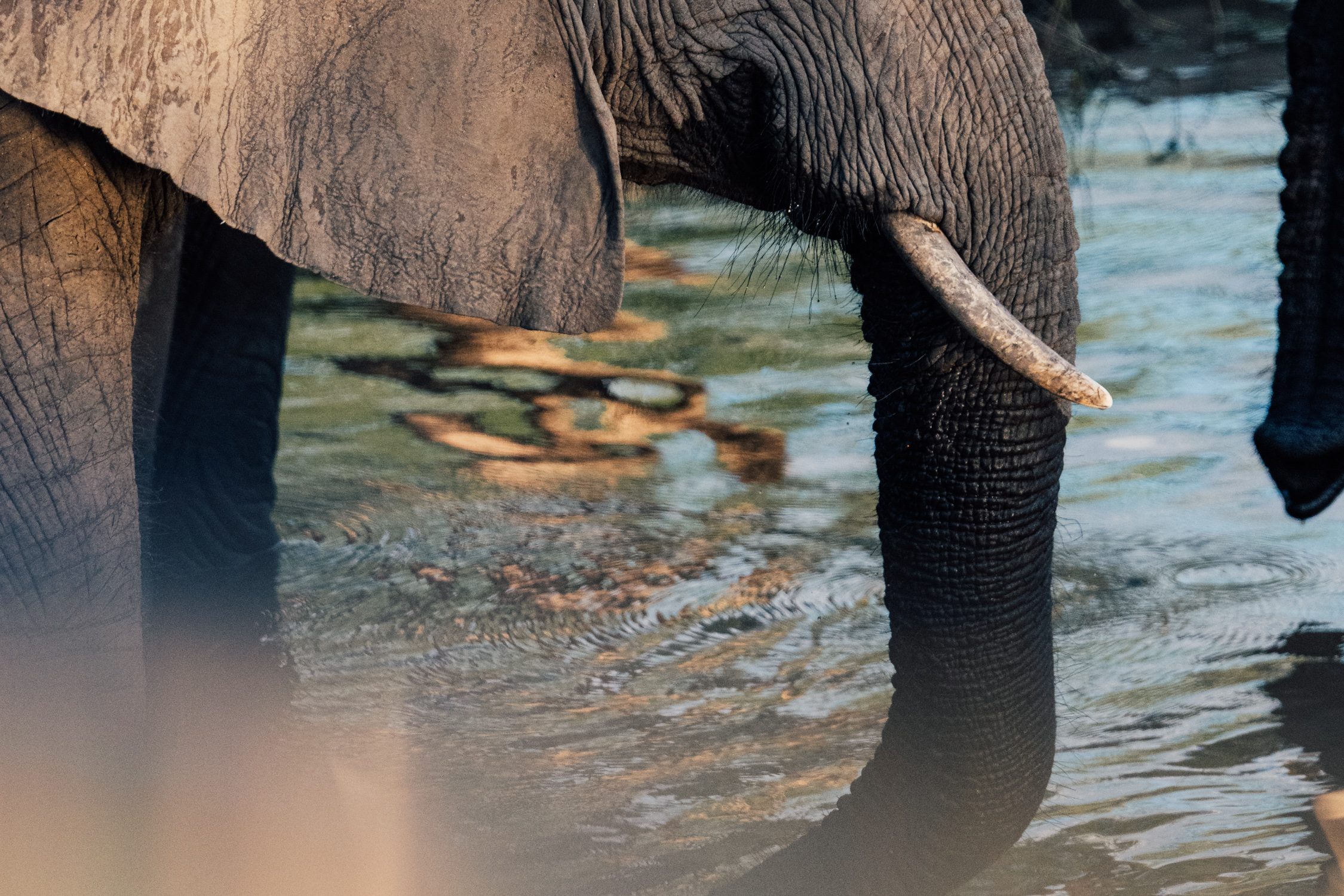
It’s hard to believe, but this was already our fourth time visiting Zambia on a safari. Our first visit was in 2019. Since then, we keep returning. In 2023 we launched our group journeys and are now hosting a Zambia expedition once a year (if you’re interested in joining check out our upcoming journeys). But to share the memories from yet another special journey to what we can only refer to as “safari wonderland“, here are the stories and photos from our last Zambia safari that brought us to the Kafue and Lower Zambezi National Parks.
Zambia is a destination that casts a special spell on people. Each journey feels different, yet the magic never fades.
The journey
Last year, in May, I had the joy of guiding a group of six like-minded travelers to Zambia—some experiencing Africa for the first time, others seasoned safari veterans. Together, we embarked on a fly-in safari to some of Zambia’s most remote corners, including the untamed Kafue and the crown jewel of the country: the Lower Zambezi National Park.
Our itinerary
- 1 night in Lusaka
- 3 nights at Musekese Camp, Kafue National Park
- 3 nights at Kutali Camp, Lower Zambezi National Park
- 3 nights at Chula Camp, Lower Zambezi National Park
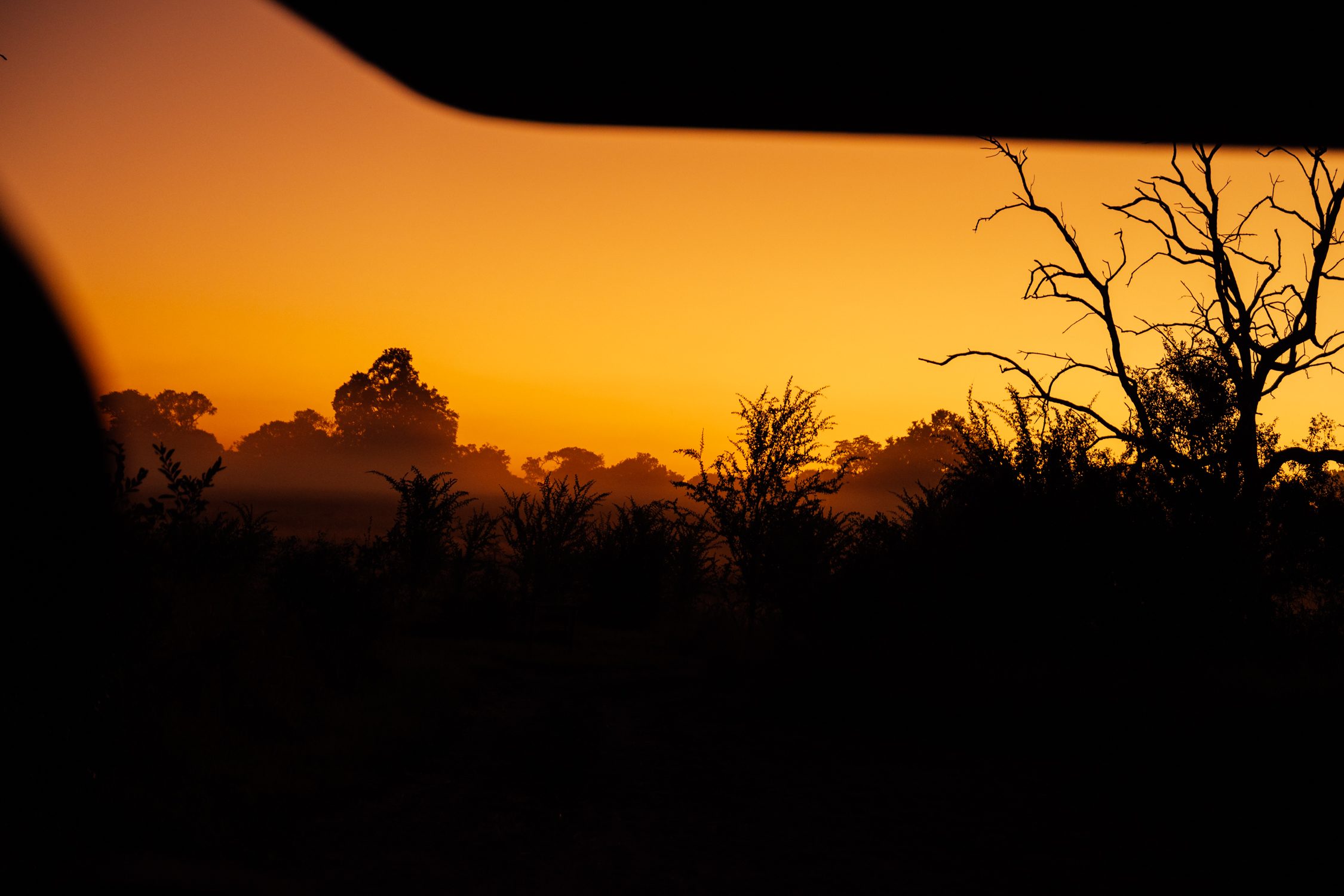
Kick-off in Lusaka
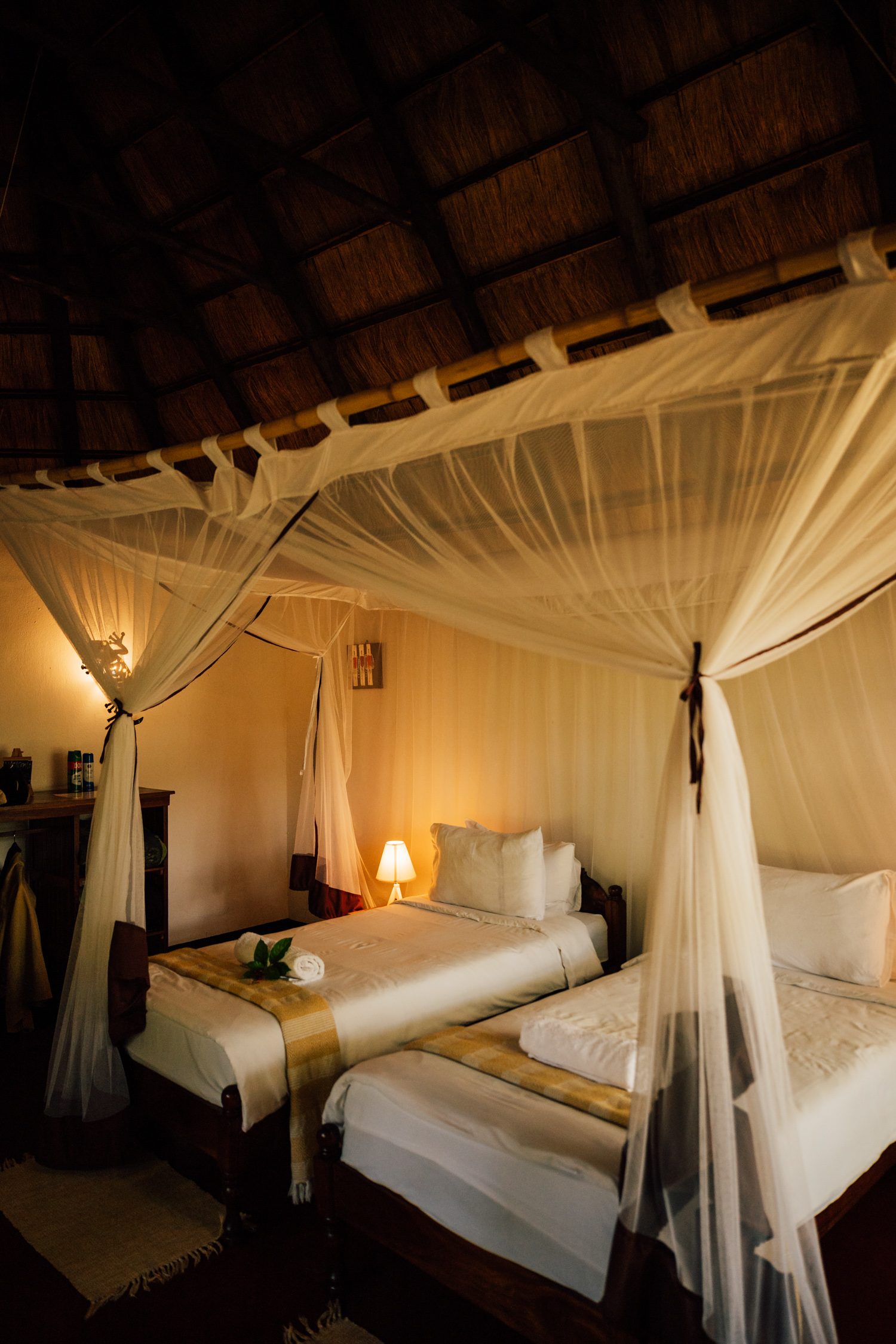
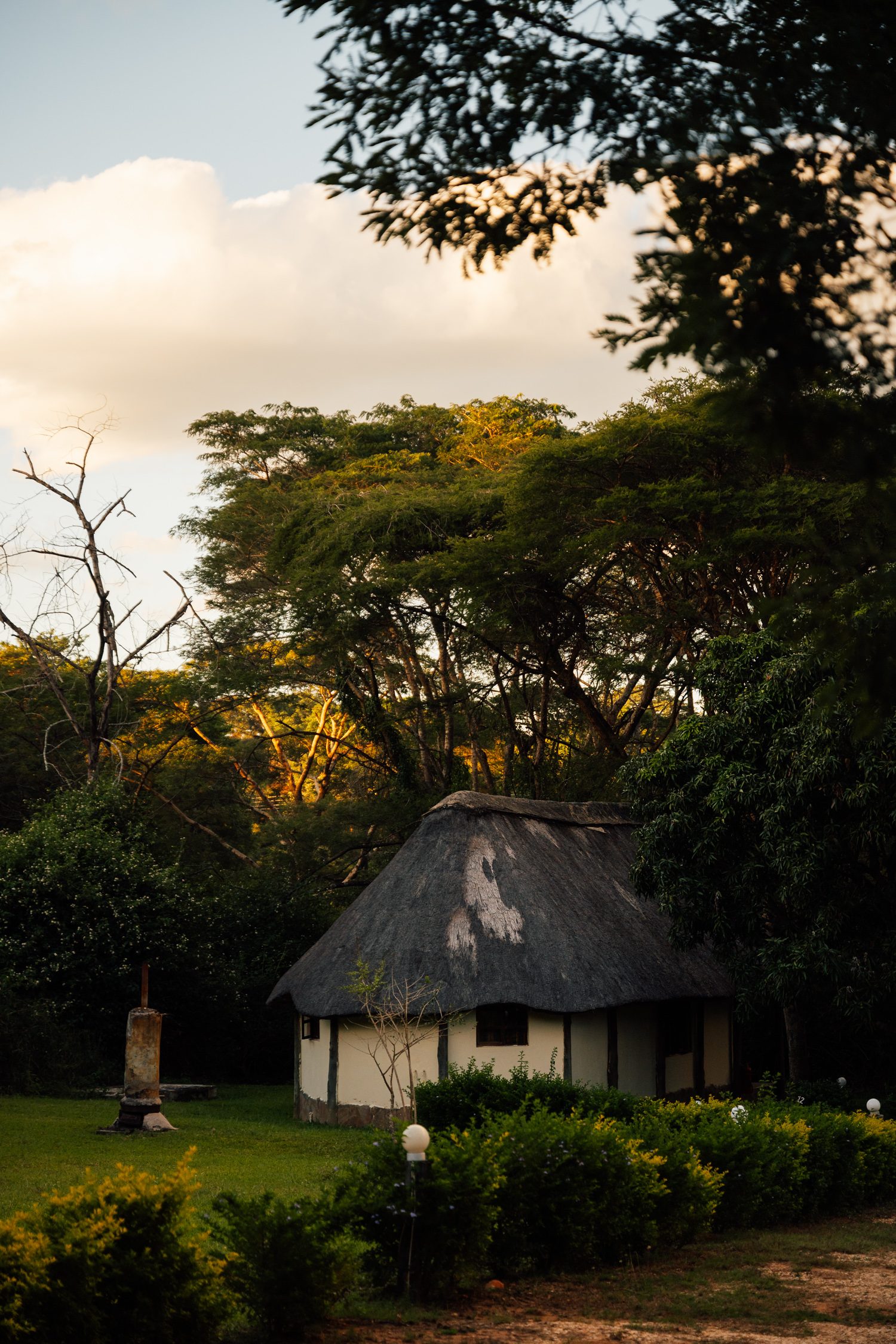
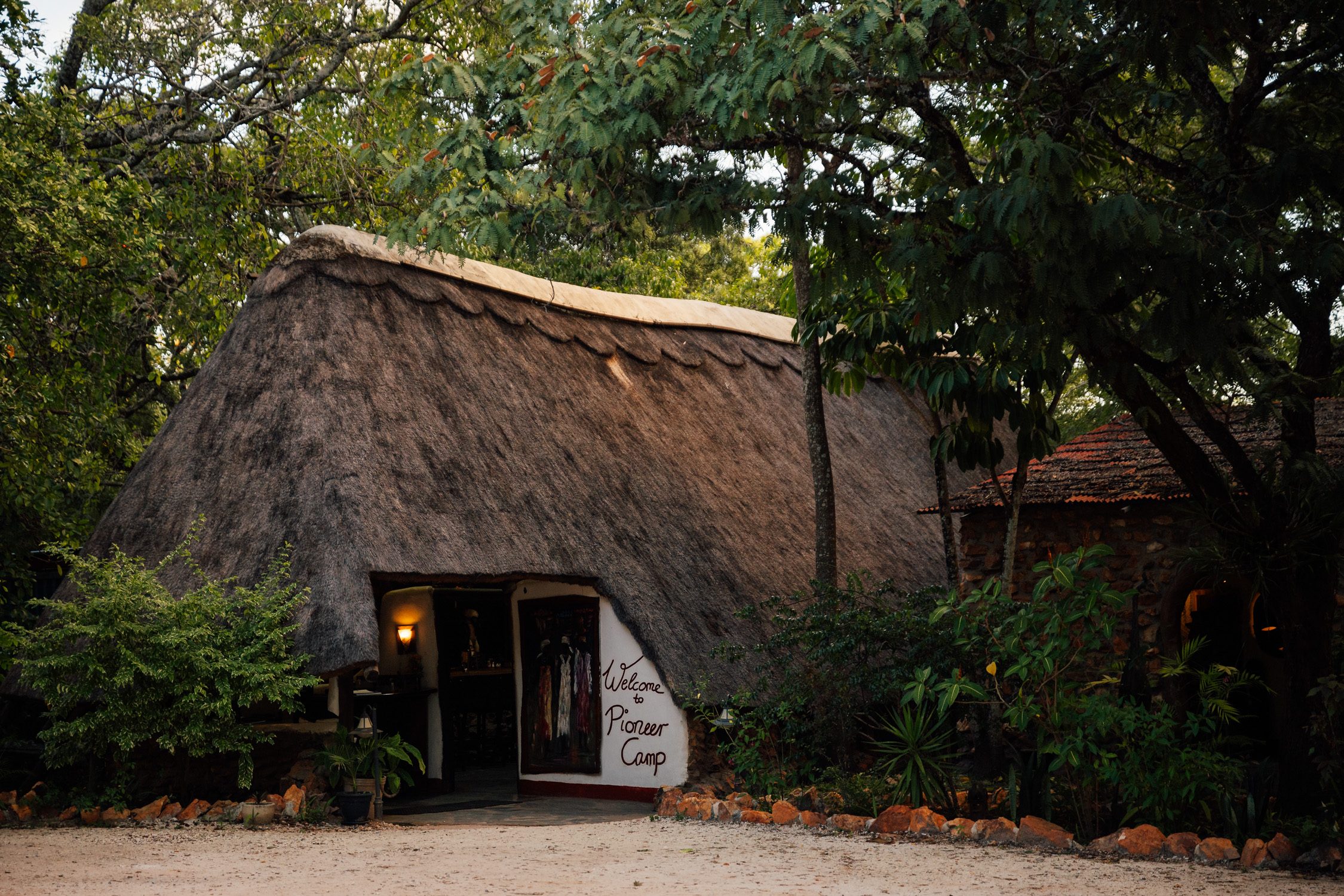
Our adventure began on May 9th, as we touched down in Lusaka in the afternoon. After a short drive, we checked into Pioneer Lodge and enjoyed a welcome dinner, filled with anticipation for what lay ahead. Pioneer Lodge is a lovely place to start a Zambia trip, as it’s located in a quiet area of the city with a huge garden and lovely thatched cottages. It’s also not too far from the international airport, so it’s an easy stopover for a night before heading to the bush.
Heading into Kafue National Park
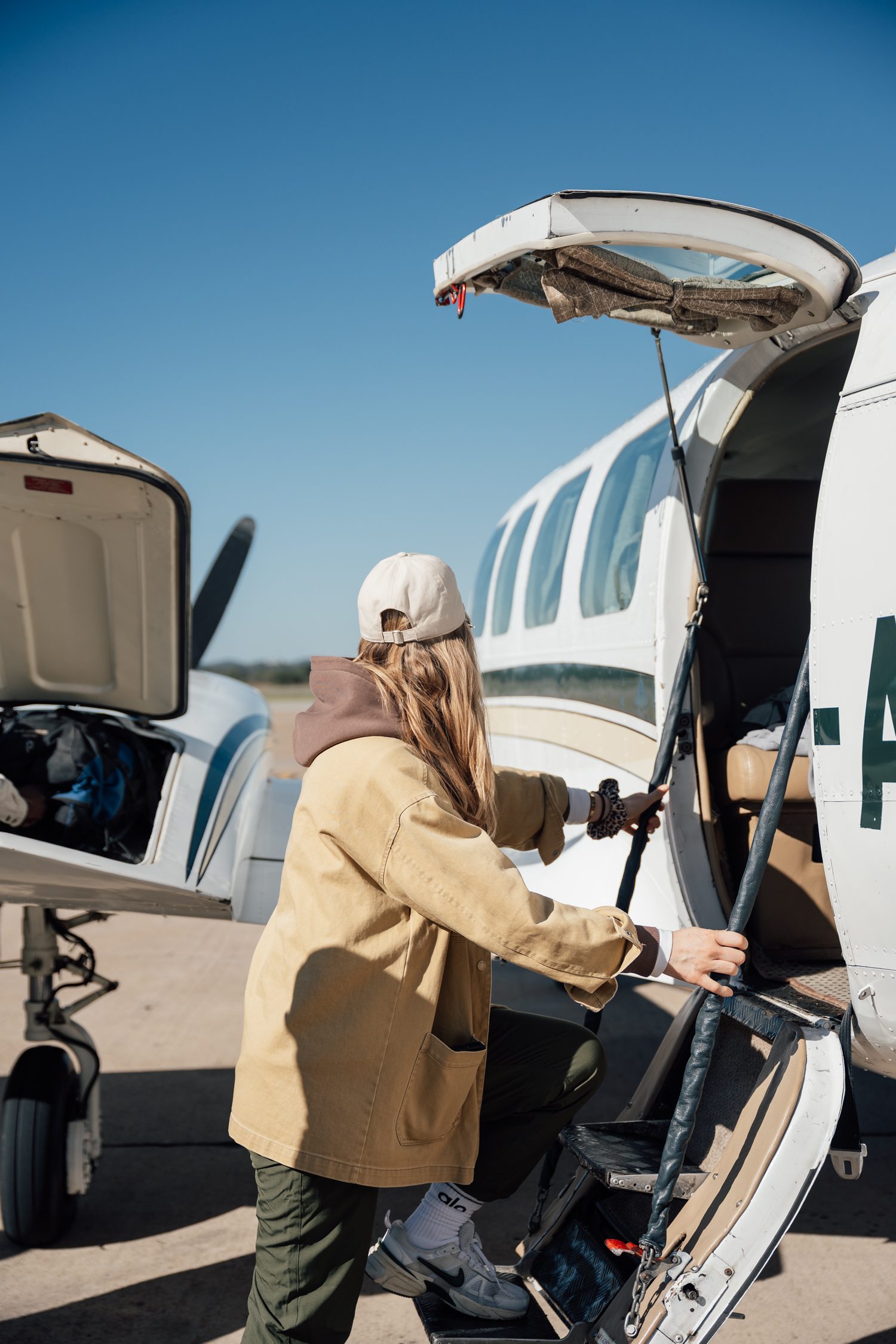
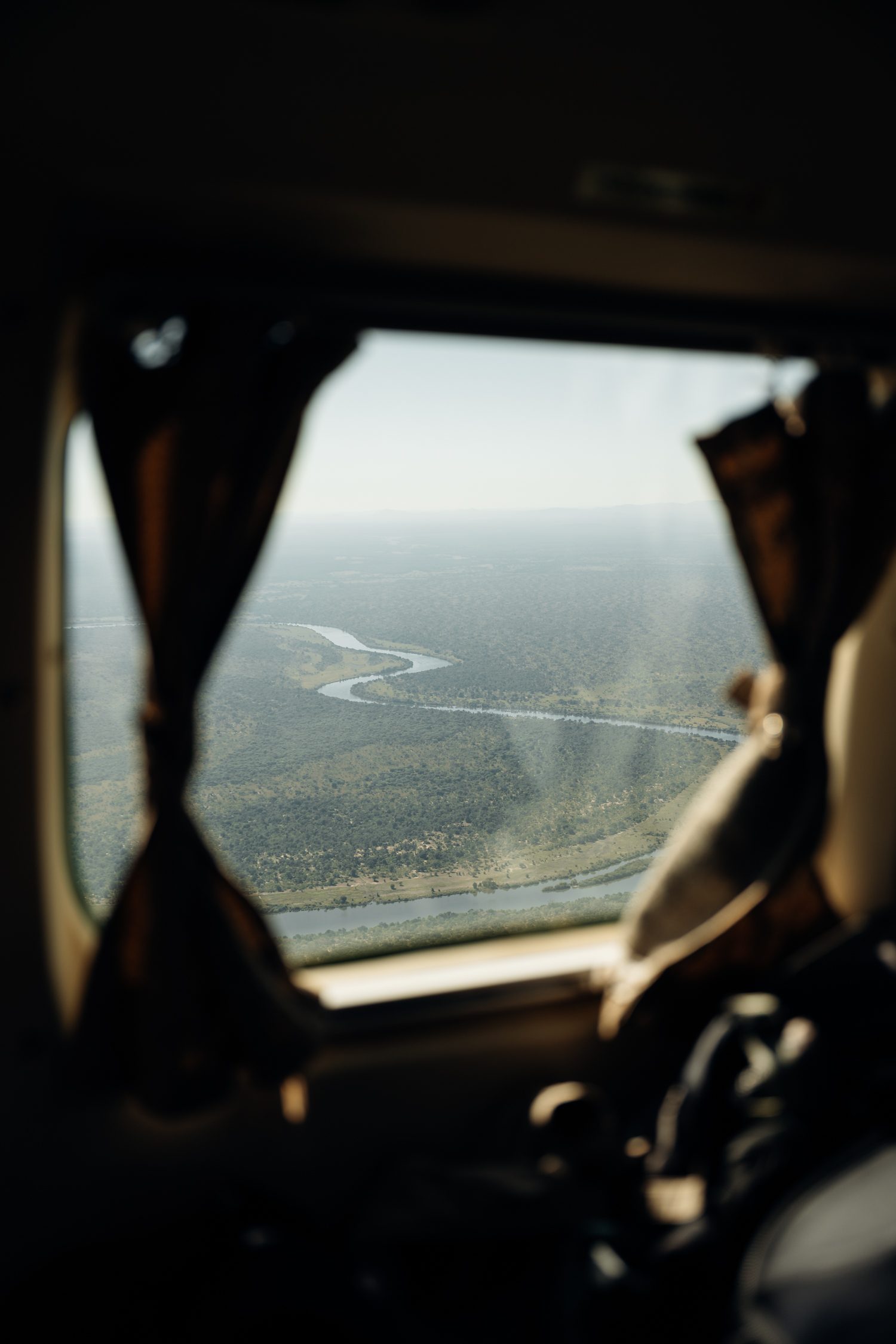
The next morning, our true journey began. We departed at Pioneer Lodge at 6am, flew out of Lusaka at 9am on our private charter flight and landed at Lufupa airstrip in Kafue National Park just over an hour later.
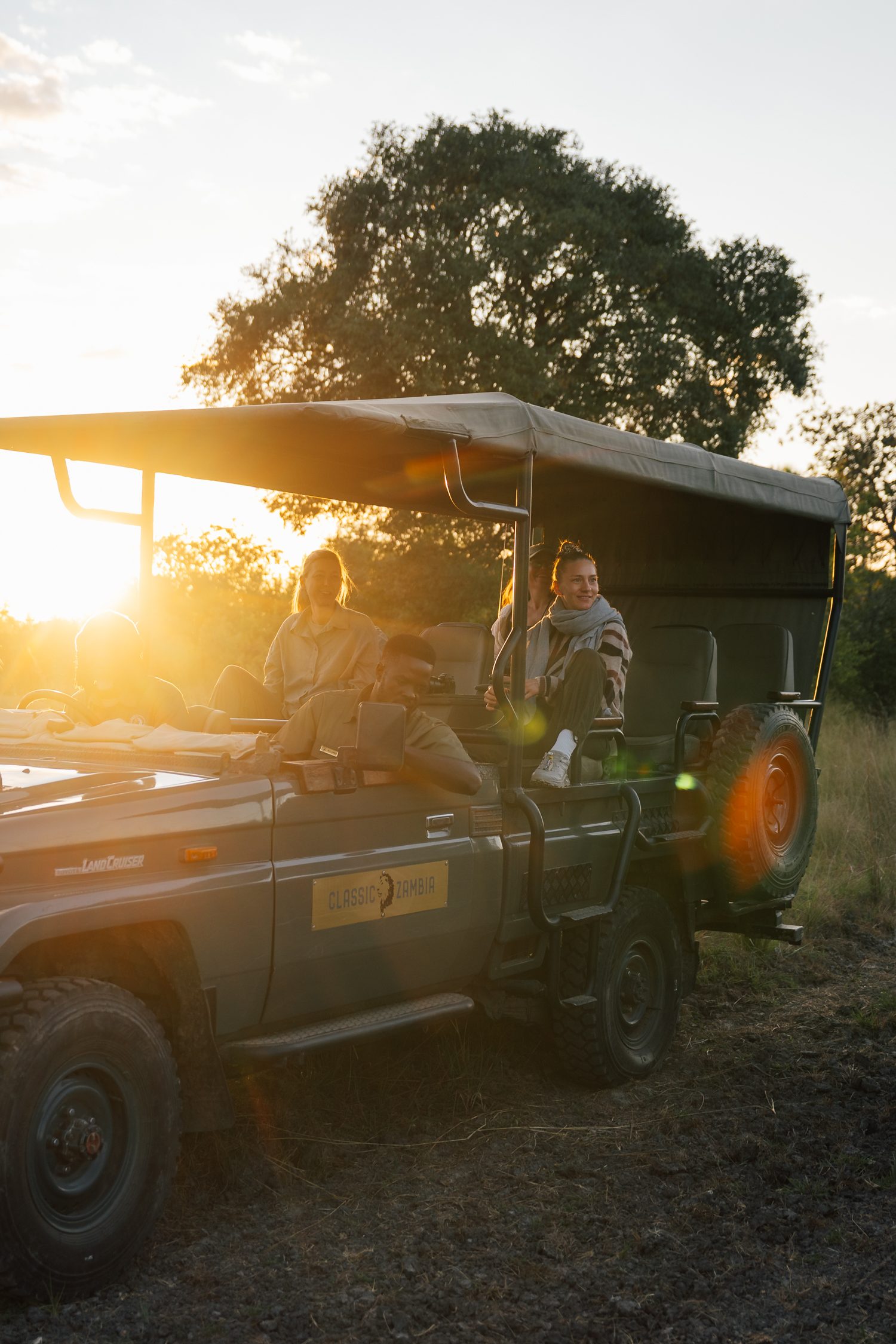
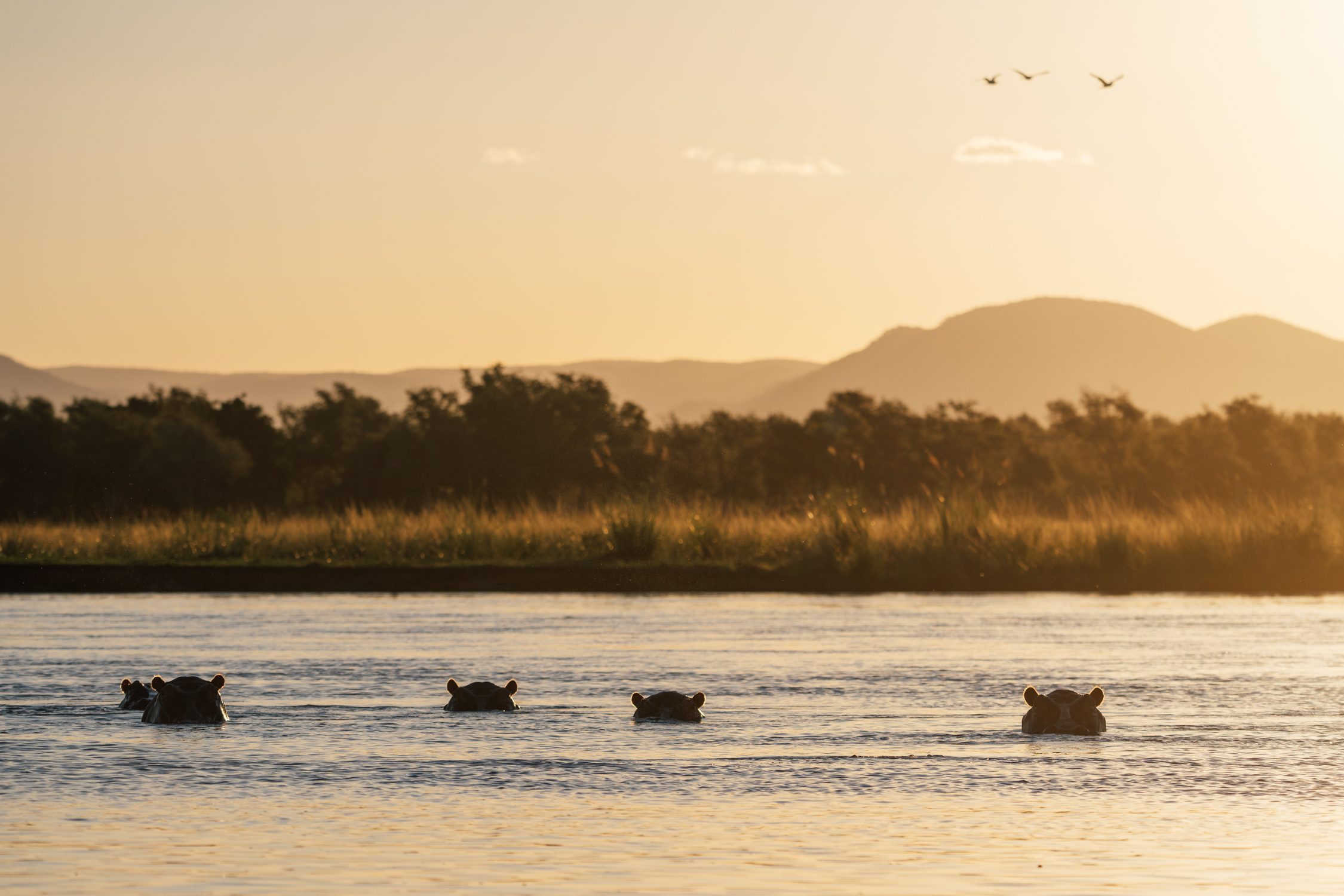
The journey to Musekese Camp is always a memorable one—a short drive, followed by a boat ride through the hippo-filled waters of the Kafue river, and then another quick drive into camp. This transfer is already a first taste of the adventures that lay ahead. By lunchtime, we were enjoying our first meal at Musekese, surrounded by wilderness and with views of the wonderful Eden Lagoon in front of the deck.
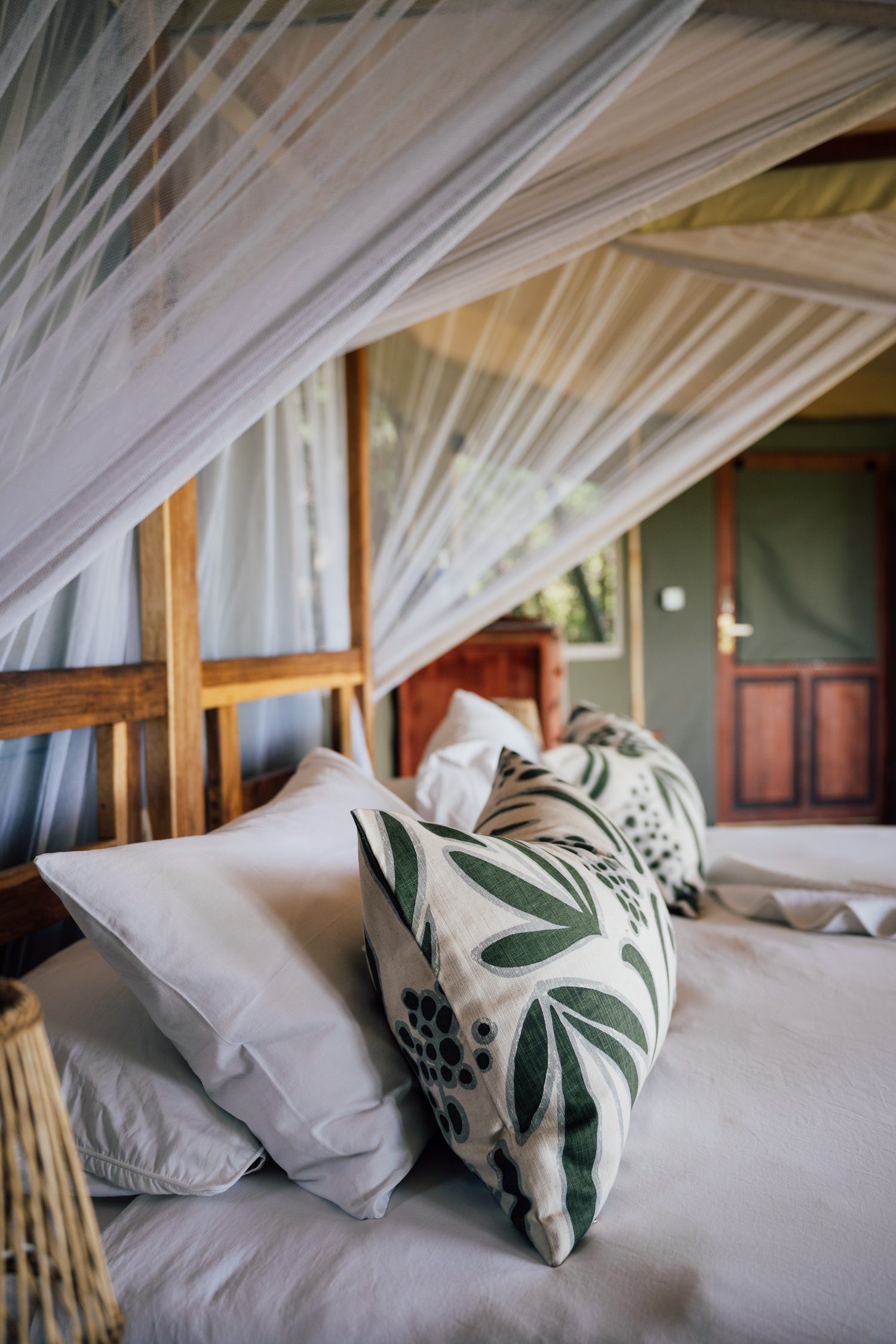
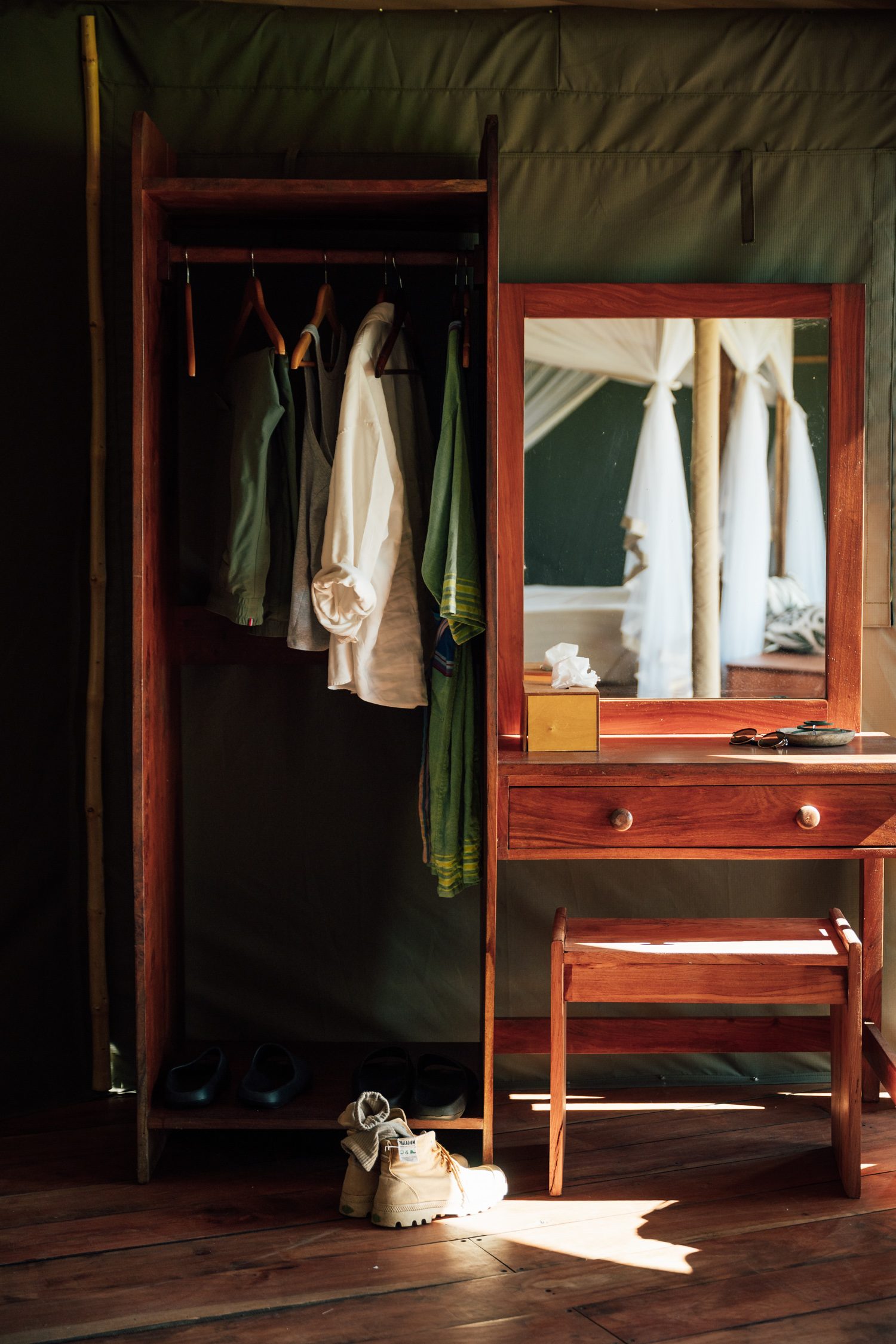
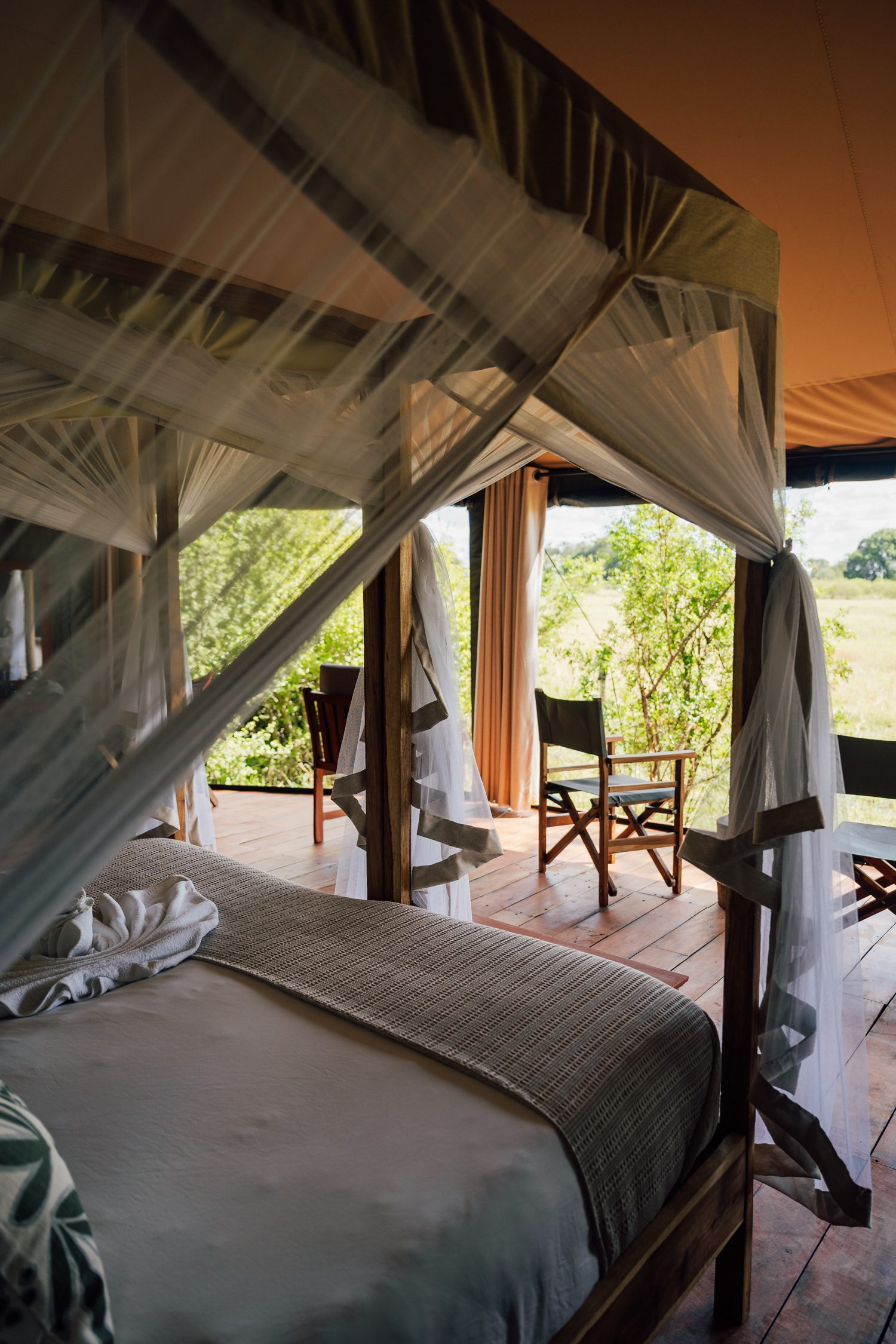
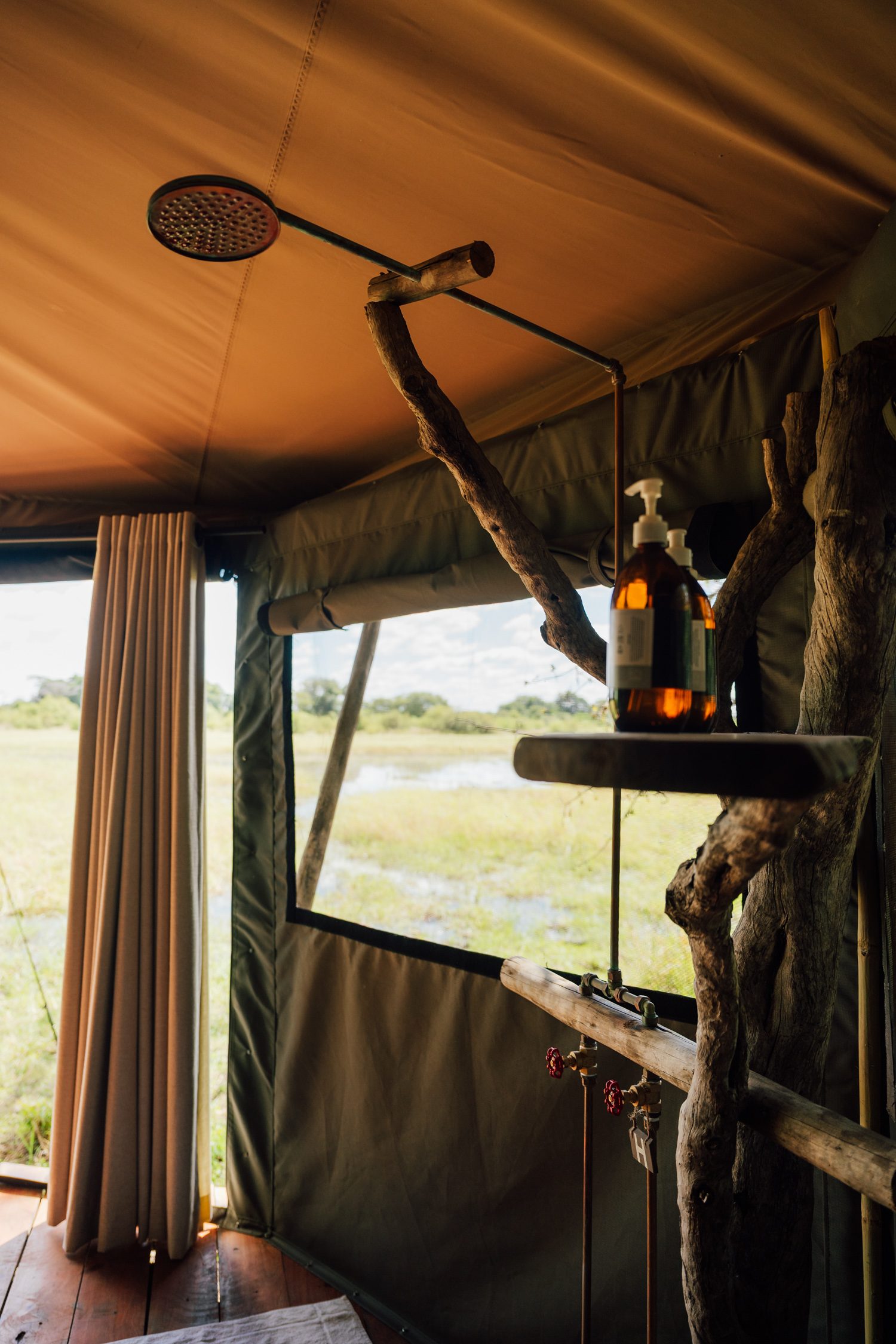
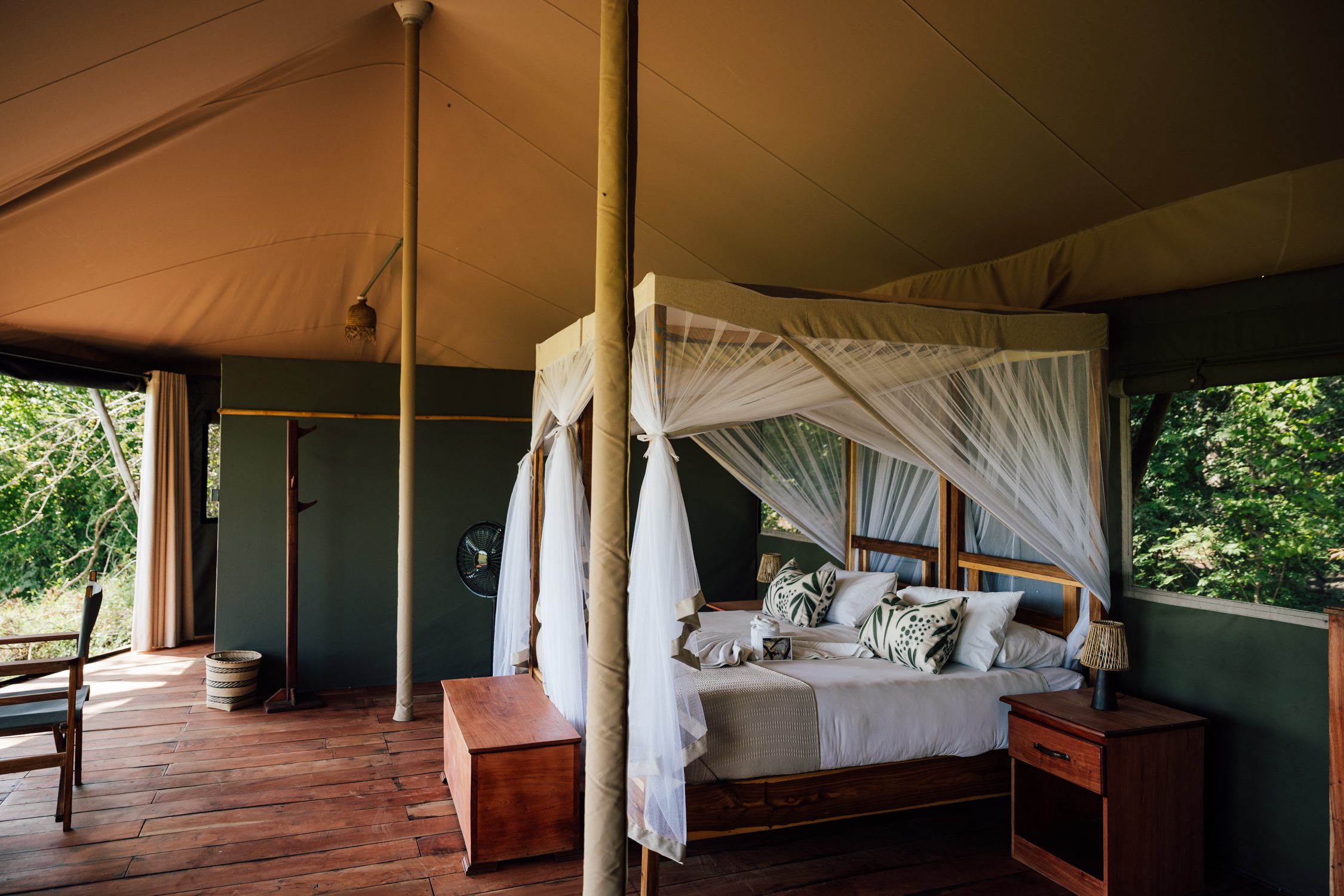
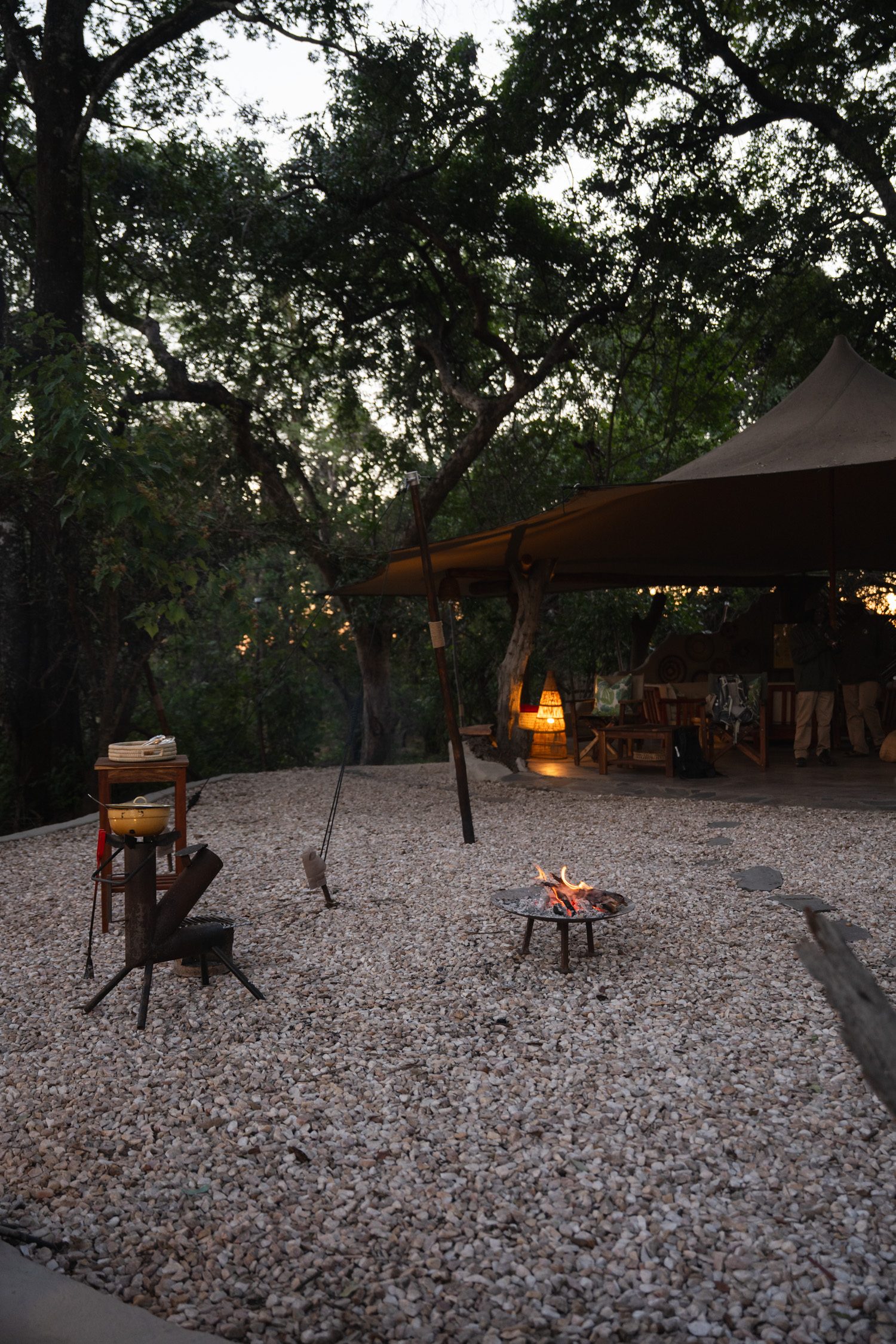
Musekese had seen a few refurbishments since last season, most noticeably there’s now power in the rooms. Phones and camera batteries can now be charged from the comfort of the guest tents and there’s also fans to cool off during the hot mid day hours. Also the bathrooms are now separated from the bedroom for a bit more privacy.
That afternoon, we enjoyed our first game drive. The rains had been plentiful in the green season (which had just ended), leaving Kafue greener than I had ever seen it before. Being there so early in the season meant working for sightings a bit harder, with long grass and dense bushes making spotting a bit more complicated.
But that’s also the beauty of a place so remote that there’s not a single other car to be seen for days. A classic sundowner followed by a night drive gave us a taste of what was to come. As we sat around the campfire and enjoyed dinner, the excitement of being back in Zambia started to settle in.
3 nights at Musekese Camp, Kafue National Park
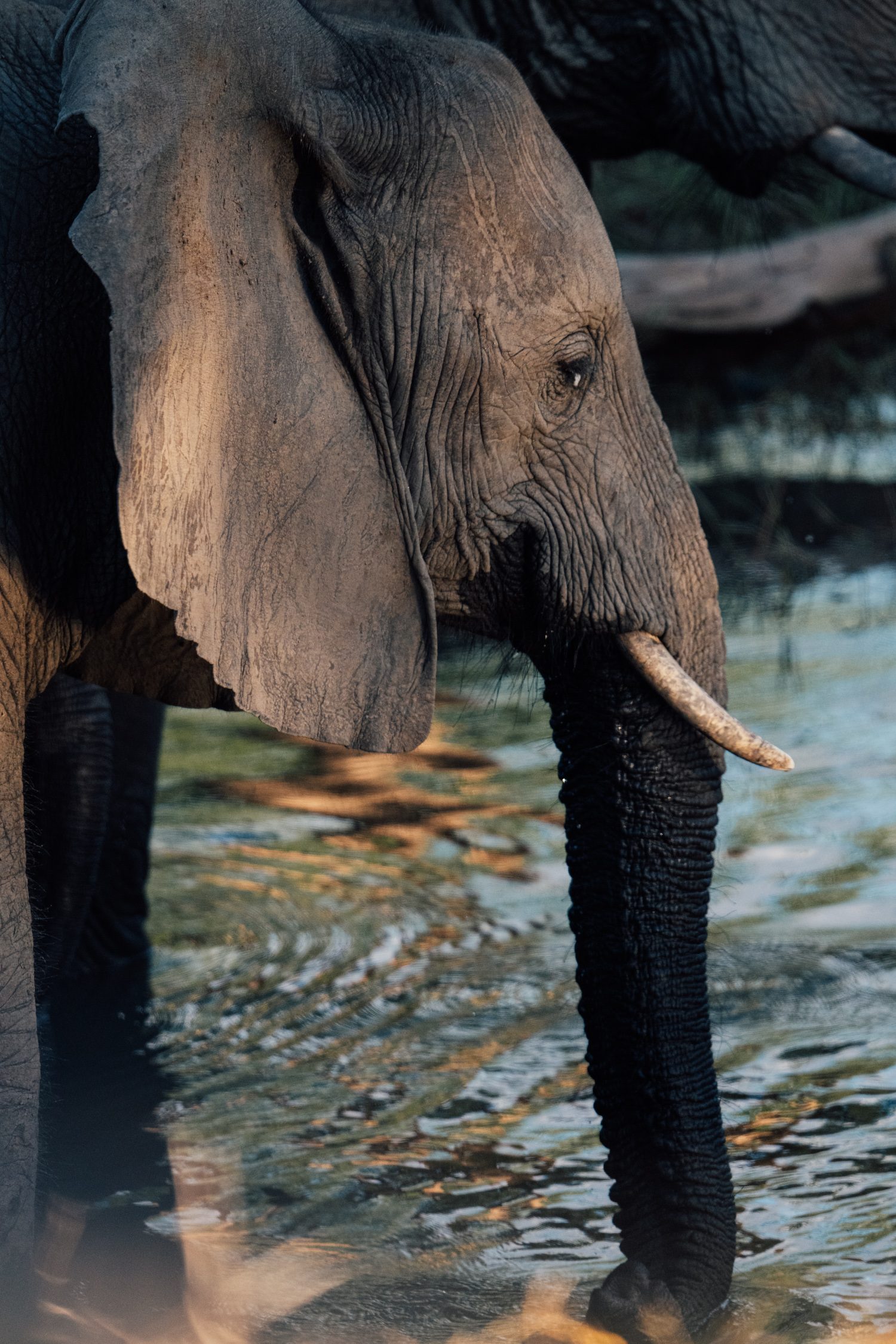
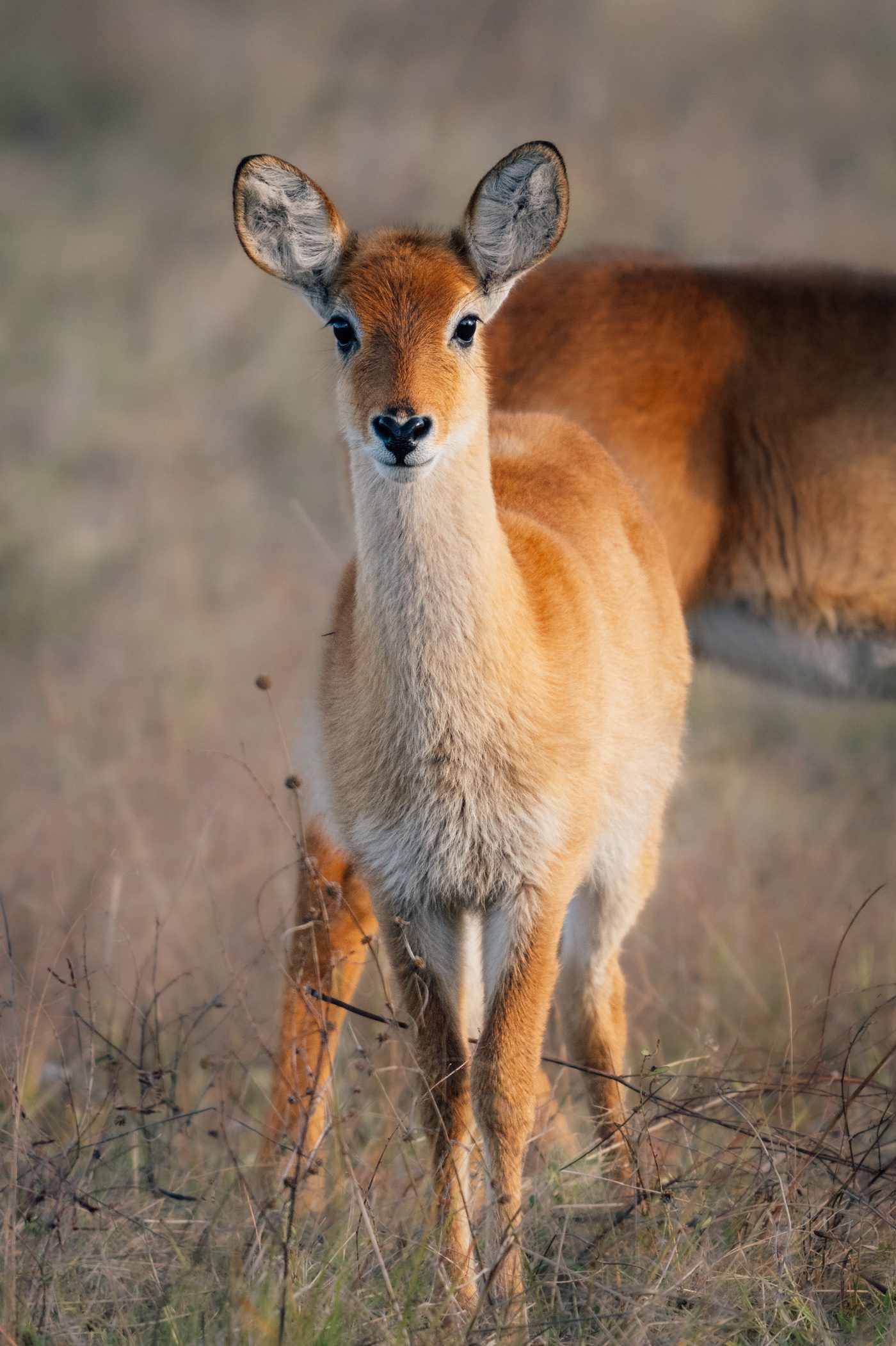
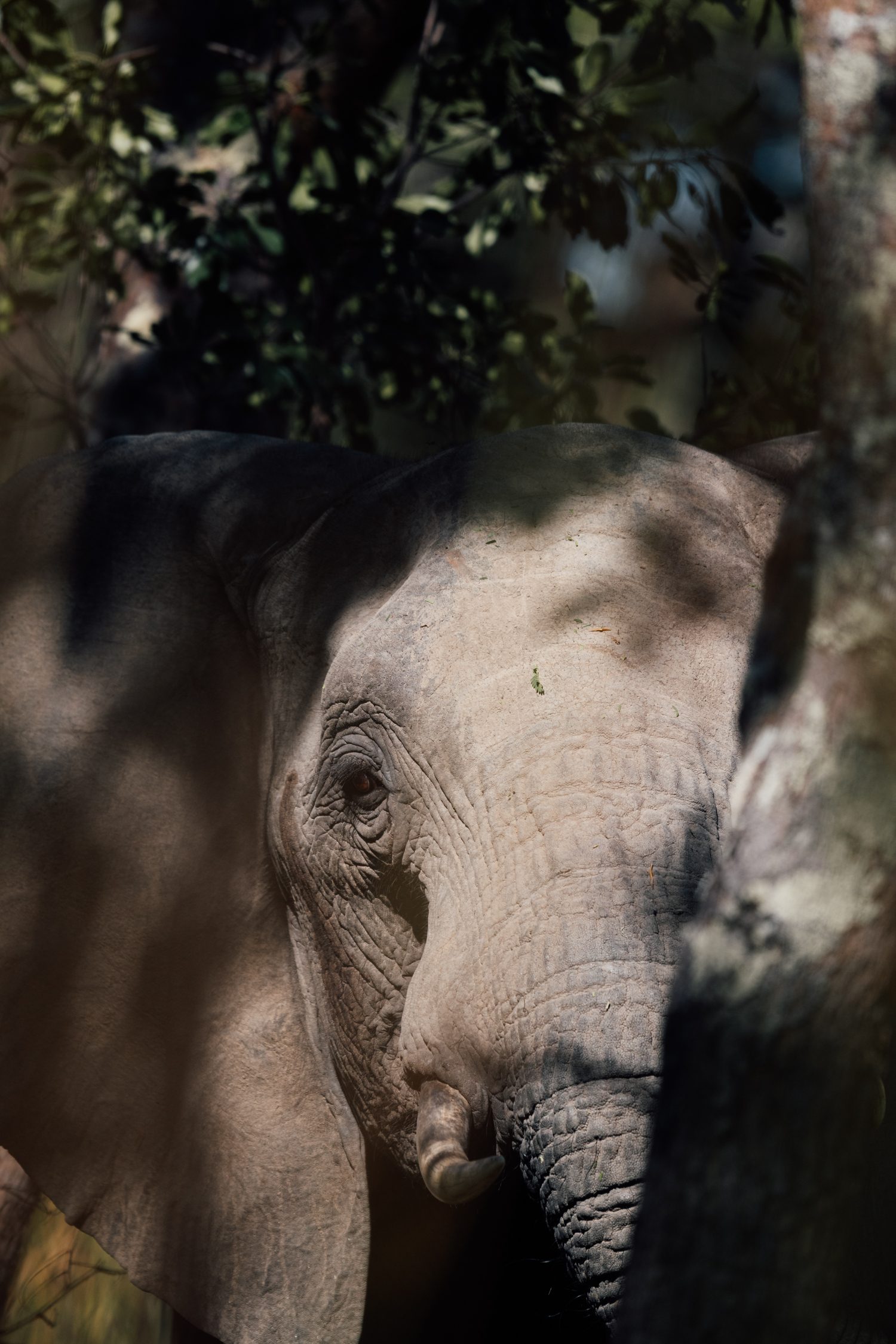
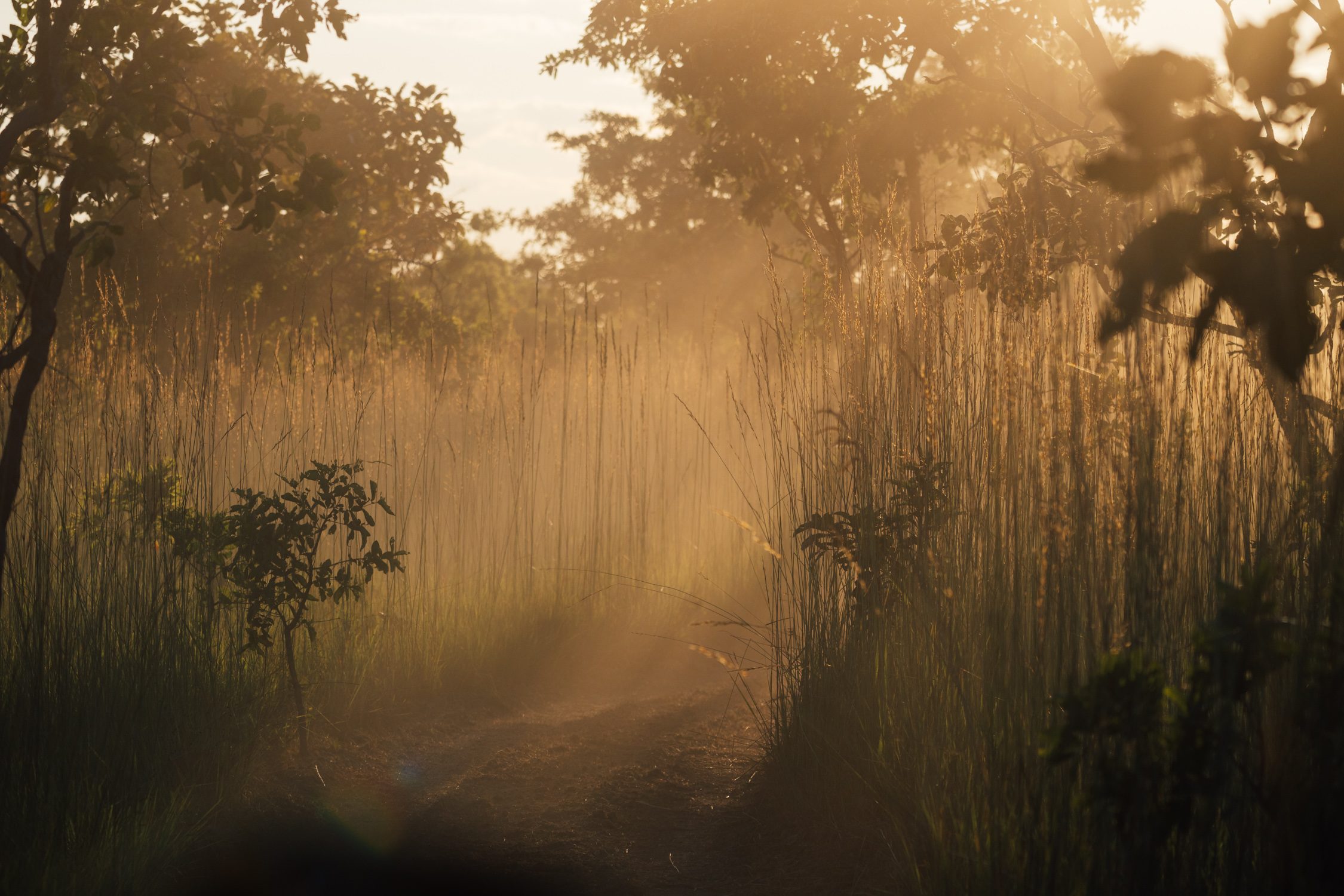
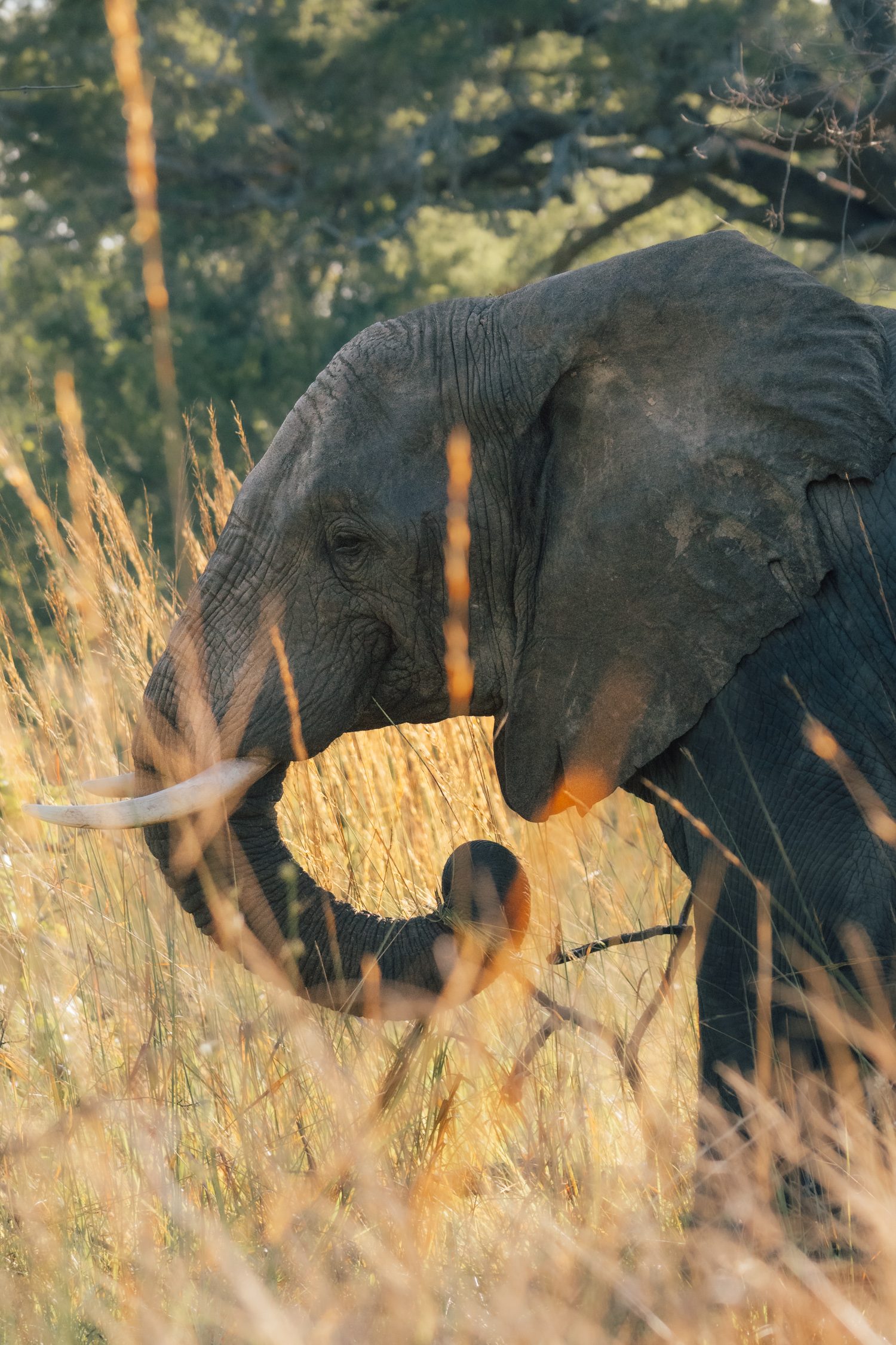
Our first full day in Kafue started early, with a 5am wake-up call and a misty morning game drive. We spotted puku, impala, elephants—and one of our two cars even saw the elusive wild dogs.
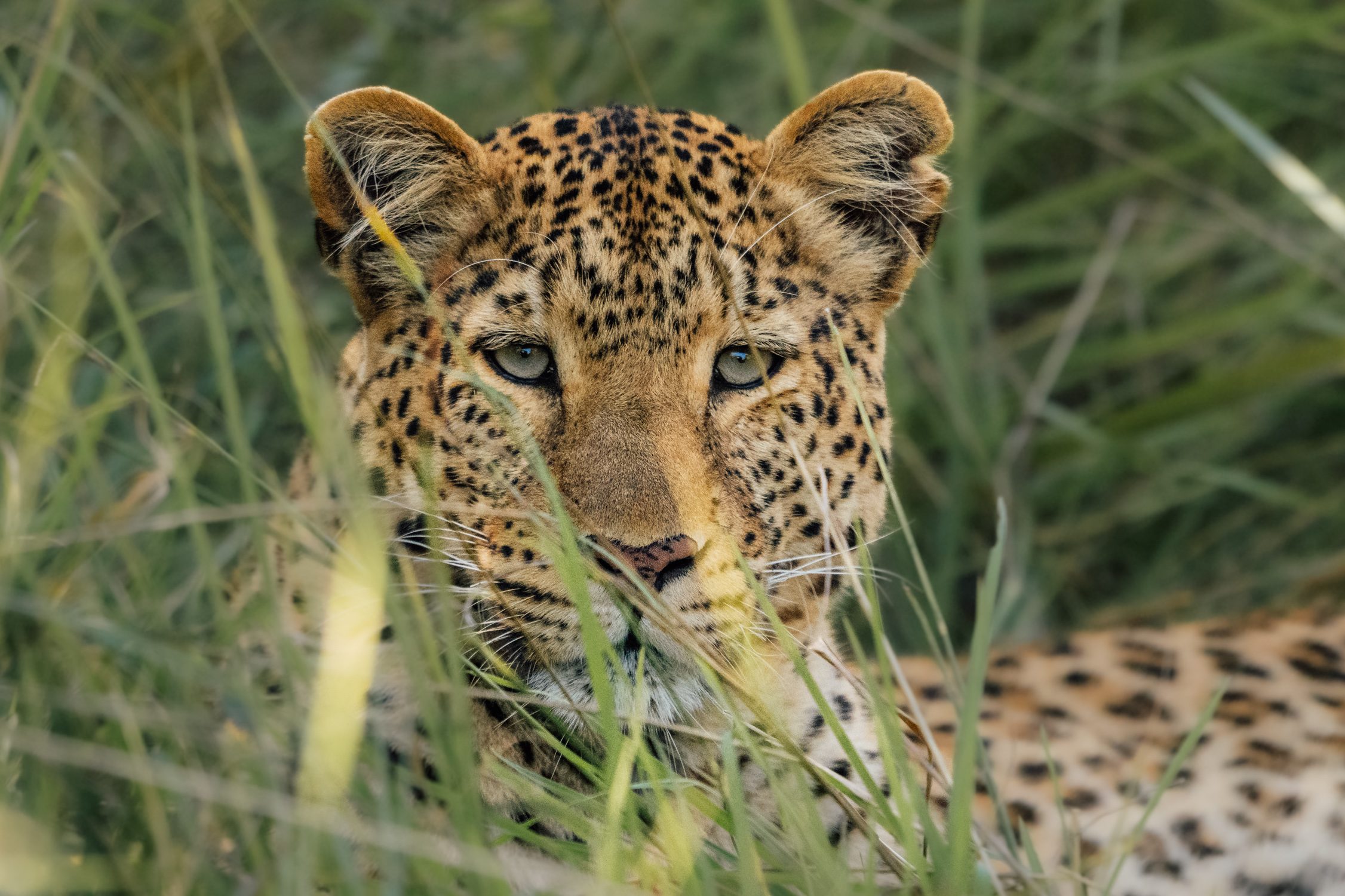
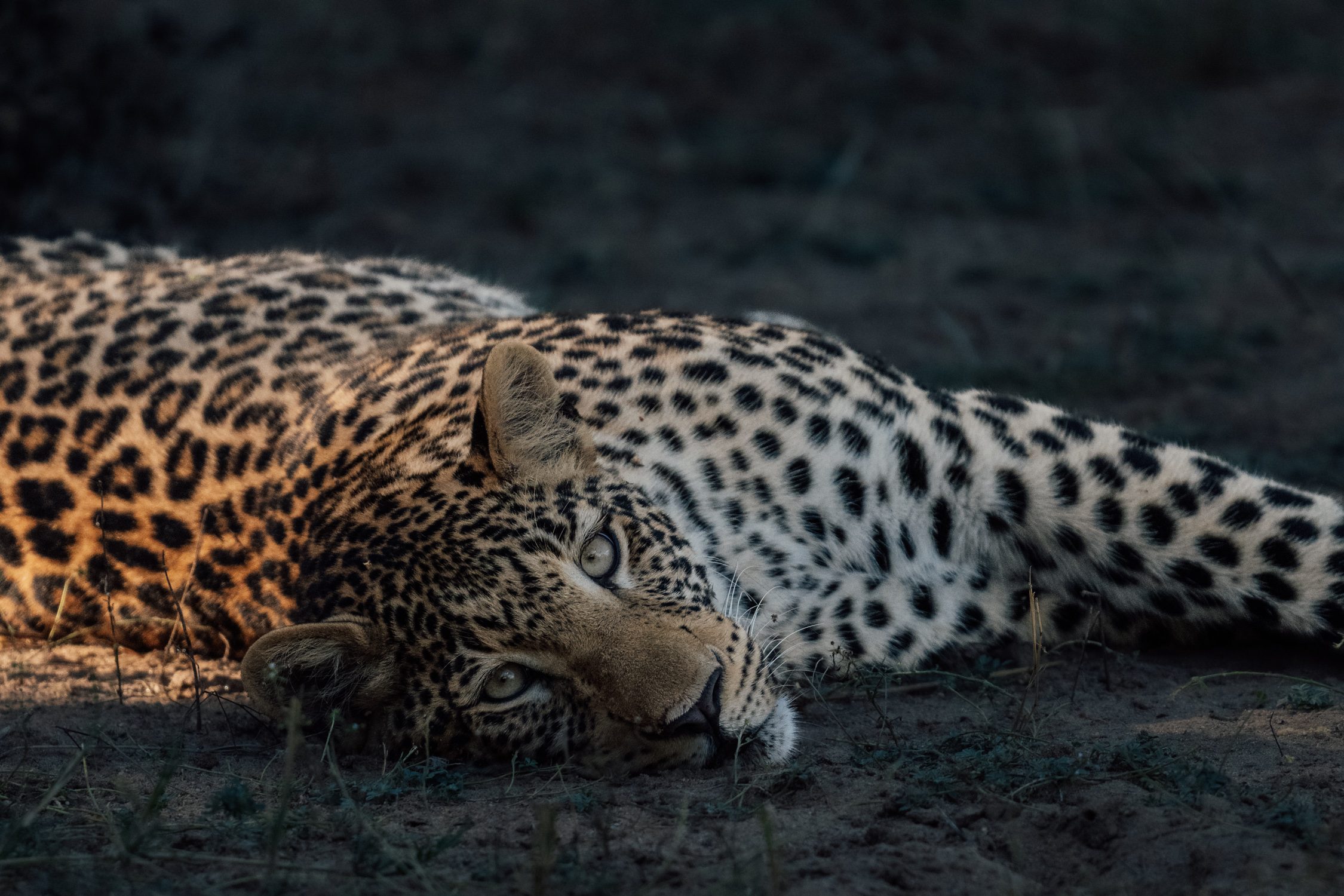
In the afternoon we tracked a leopard after we had found fresh scat (shaped like a middle finger 😅). It took us a while, but in the dark hours after the sunset we finally found the culprit: a male leopard called MSM3 by researchers (or informally known as “Bazooka” by the guides).
This was the first time the guides had seen Bazooka this season and everyone was elated that he’s still alive. He’s well above his prime by now and might not have a lot of time left, but boy is he an impressive leopard. Personally I’ve seen him every time I come to Musekese and I feel an intense sense of gratitude whenever I get a chance to meet him.
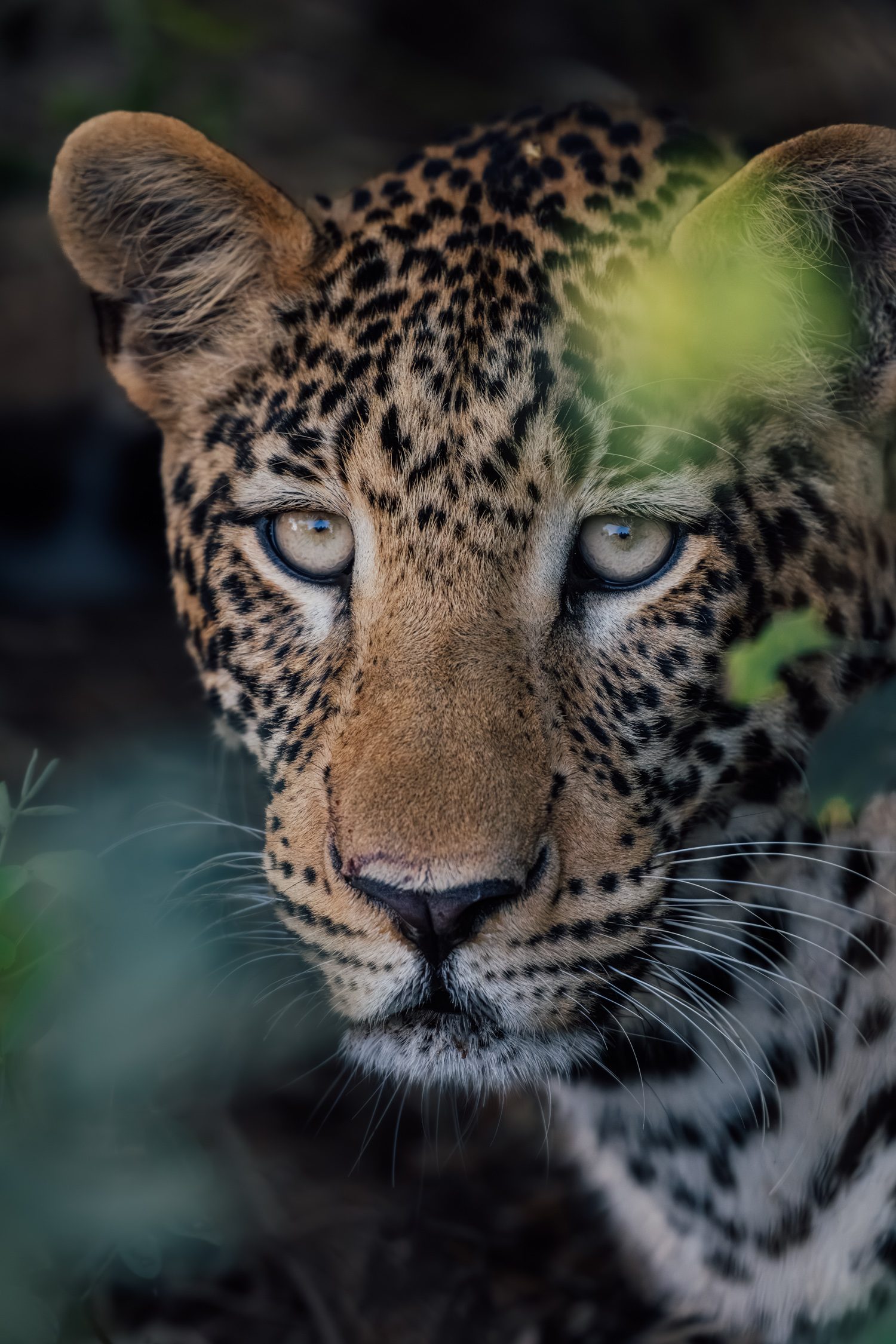
As night fell we made our way back to camp. That’s one of the specialties of Zambia, night drives are always part of the safari. Only minutes into the drive we encountered a hyena followed by a female leopard named “MSF8” (or more aptly called “Kinky Tail” by guides due to her, well, kinked tail). Little did we know at this stage that she had welcomed a cub not too long ago.
The following day brought even more excitement. A lion sighting changed our walking safari plans within minutes. We were just standing next to a termite mount learning about their incredible behaviour and importance for the eco system, when trainee guide Yvonne radio’ed us that she just stumbled upon the lion prides on her drive out.
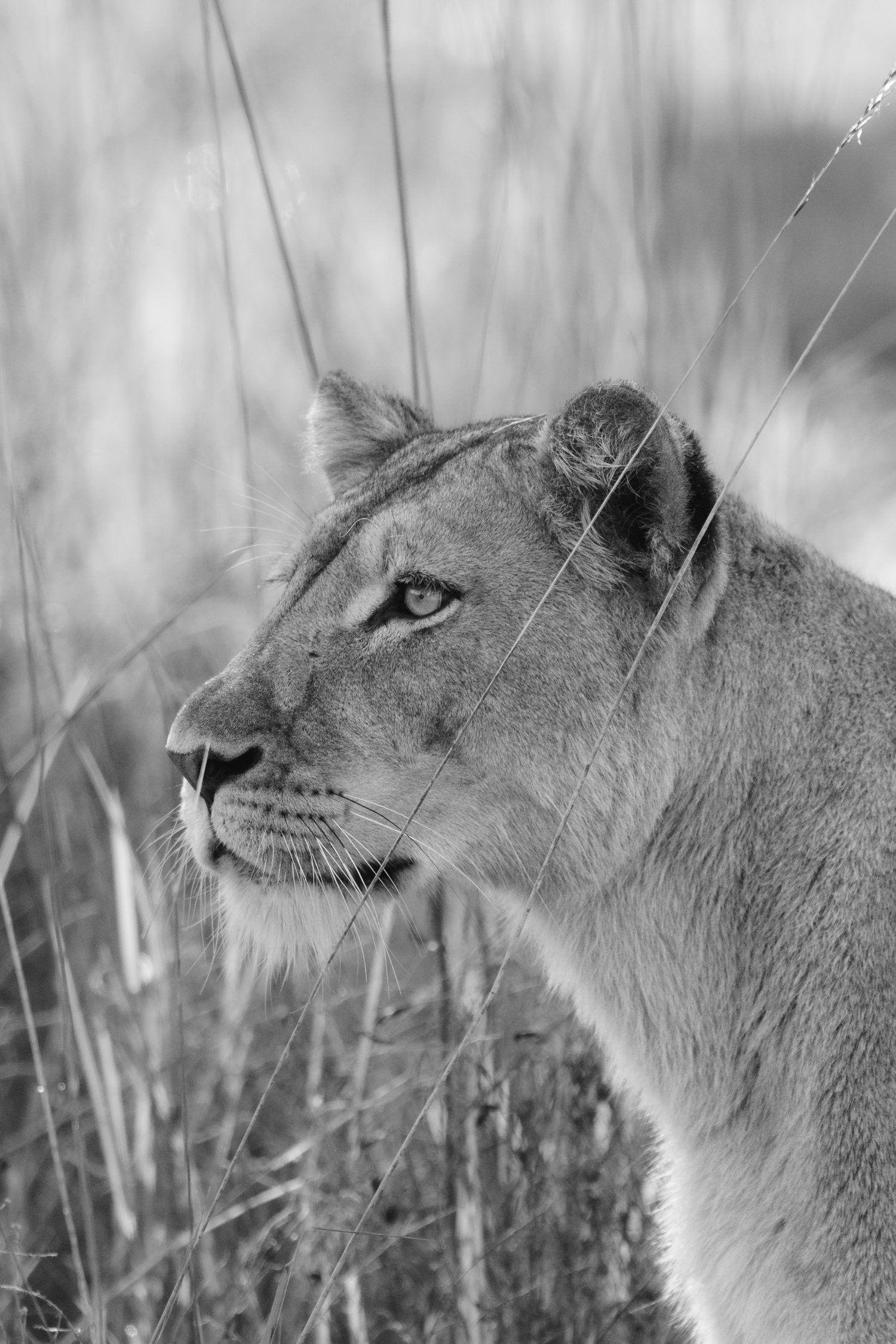
Quickly we jumped into our cars and ended up witnessing a dramatic encounter between two lion prides—the Kamasot pride and the SCZ pride. It’s rare seeing two prides interact with each other as they usually avoid each other’s company. And so we saw the two females of the SCZ pride forcefully chasing out a female and a young male from the Kamasot pride from their territory.
After a short bush breakfast our guides decided to check for the last location where we saw Kinky Tail the night before. Our two vehicles split up and well, let’s just say one group was lucky enough to not only spot Kinky Tail, but also her new cub when they arrived. Seeing a leopard cub is such a treat and I was very happy for the group. When we came a few minutes later the cub had retreated to the den and so we only enjoyed Kinky Tails presence for a while.
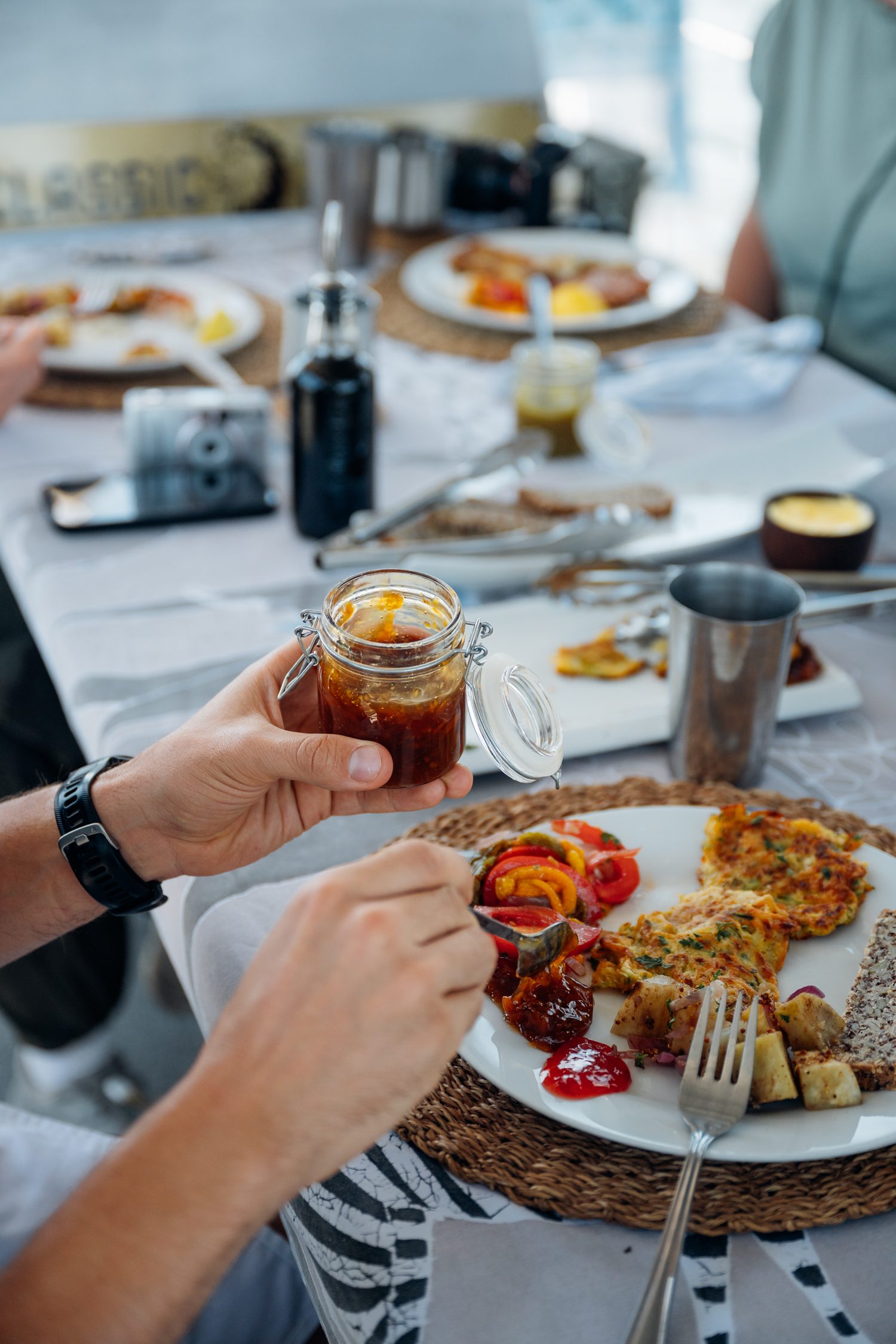
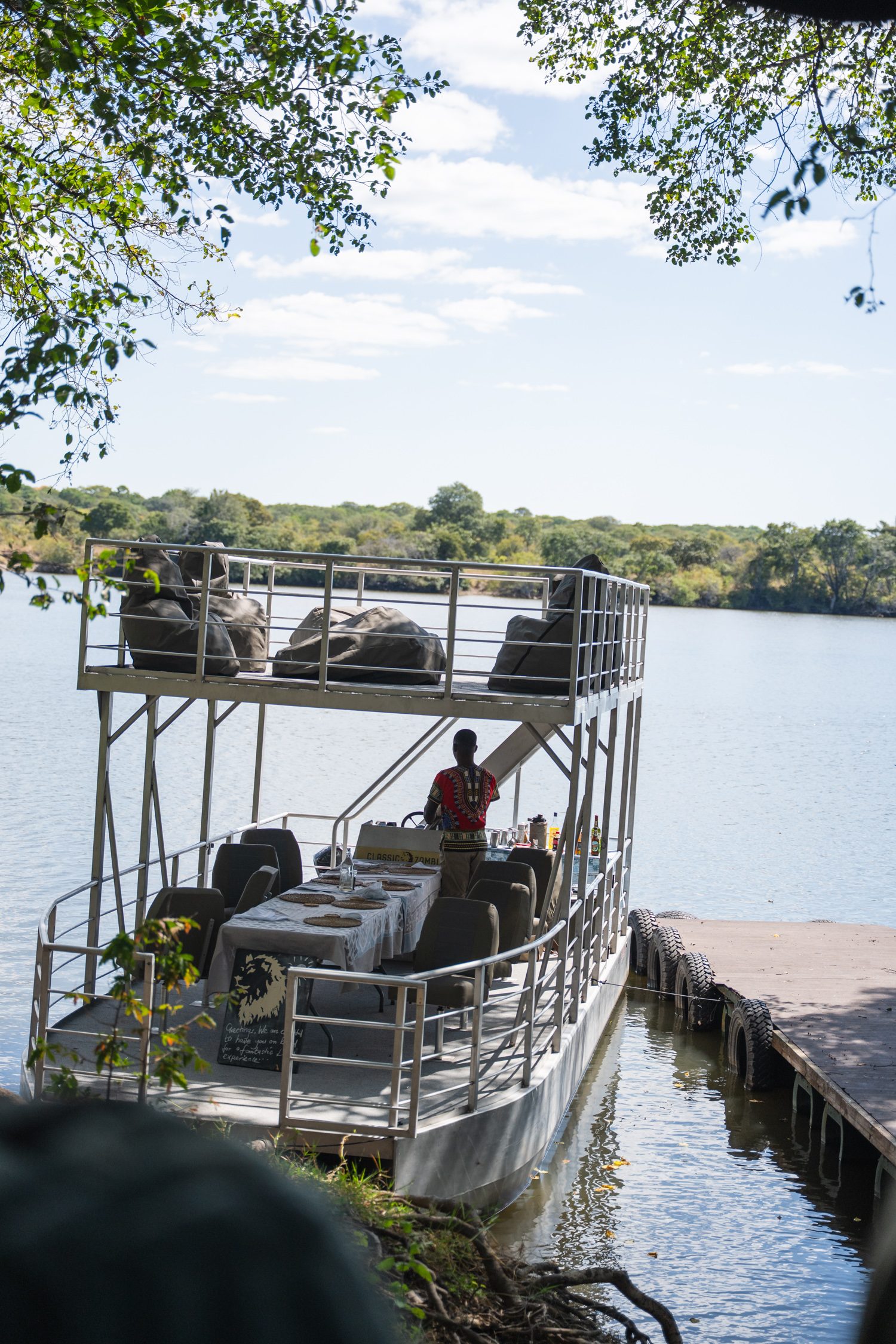
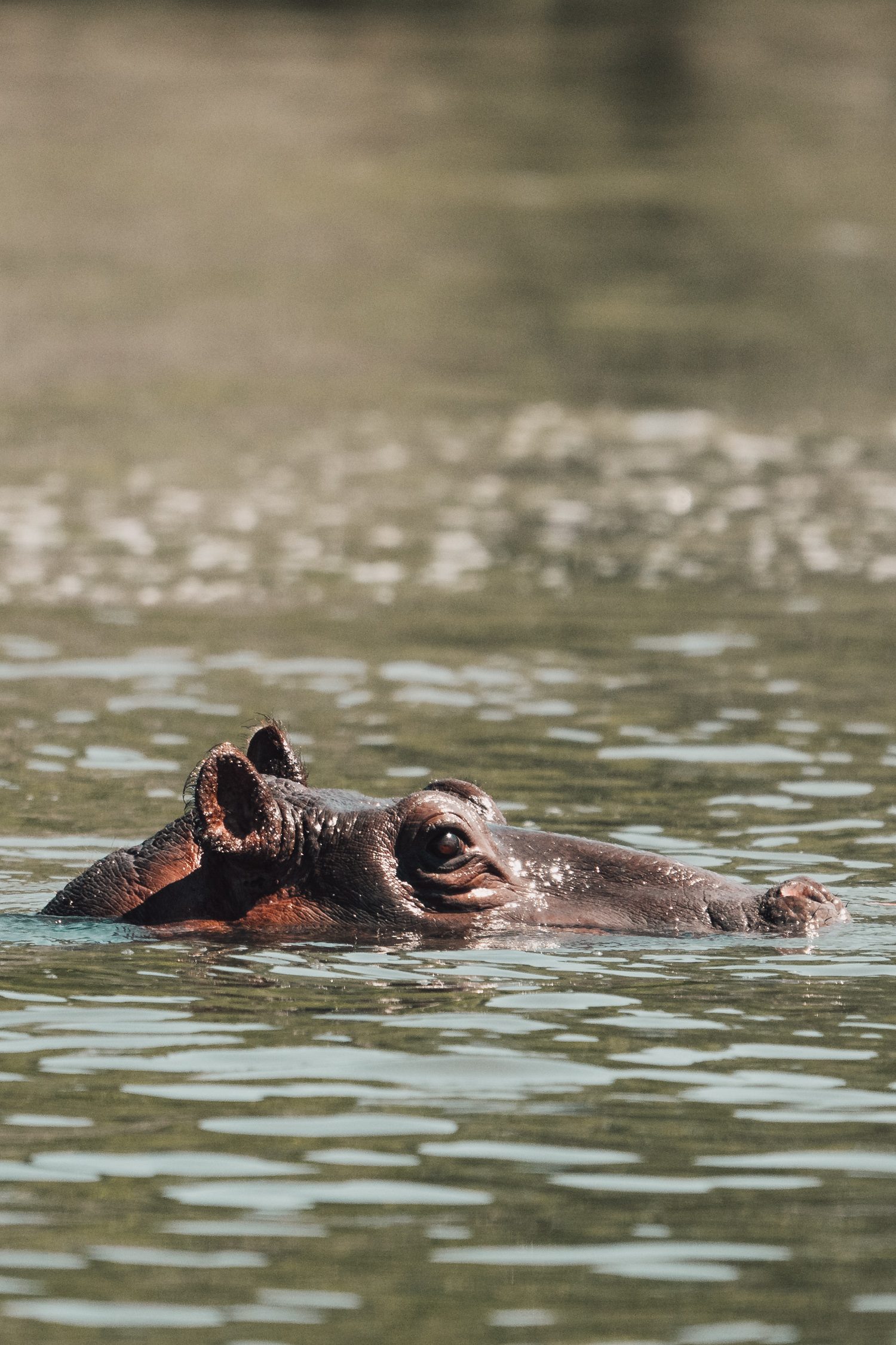
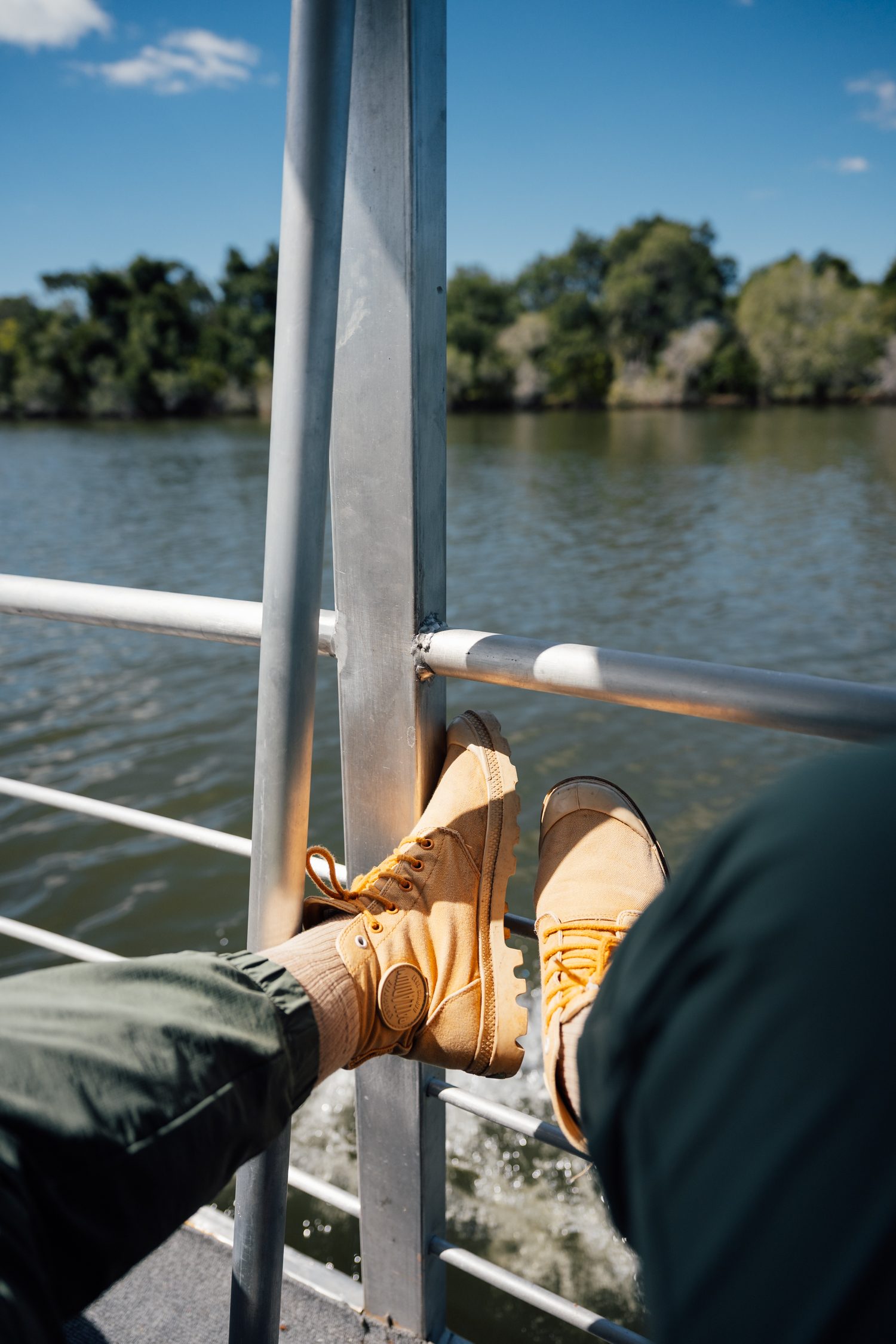
Our lunch was another special surprise that day. The Musekese team had prepared a lunch cruise for us! And so while we nibbled on a lovely spread of delicacies on the boat, our views were filled with hippos all around us.
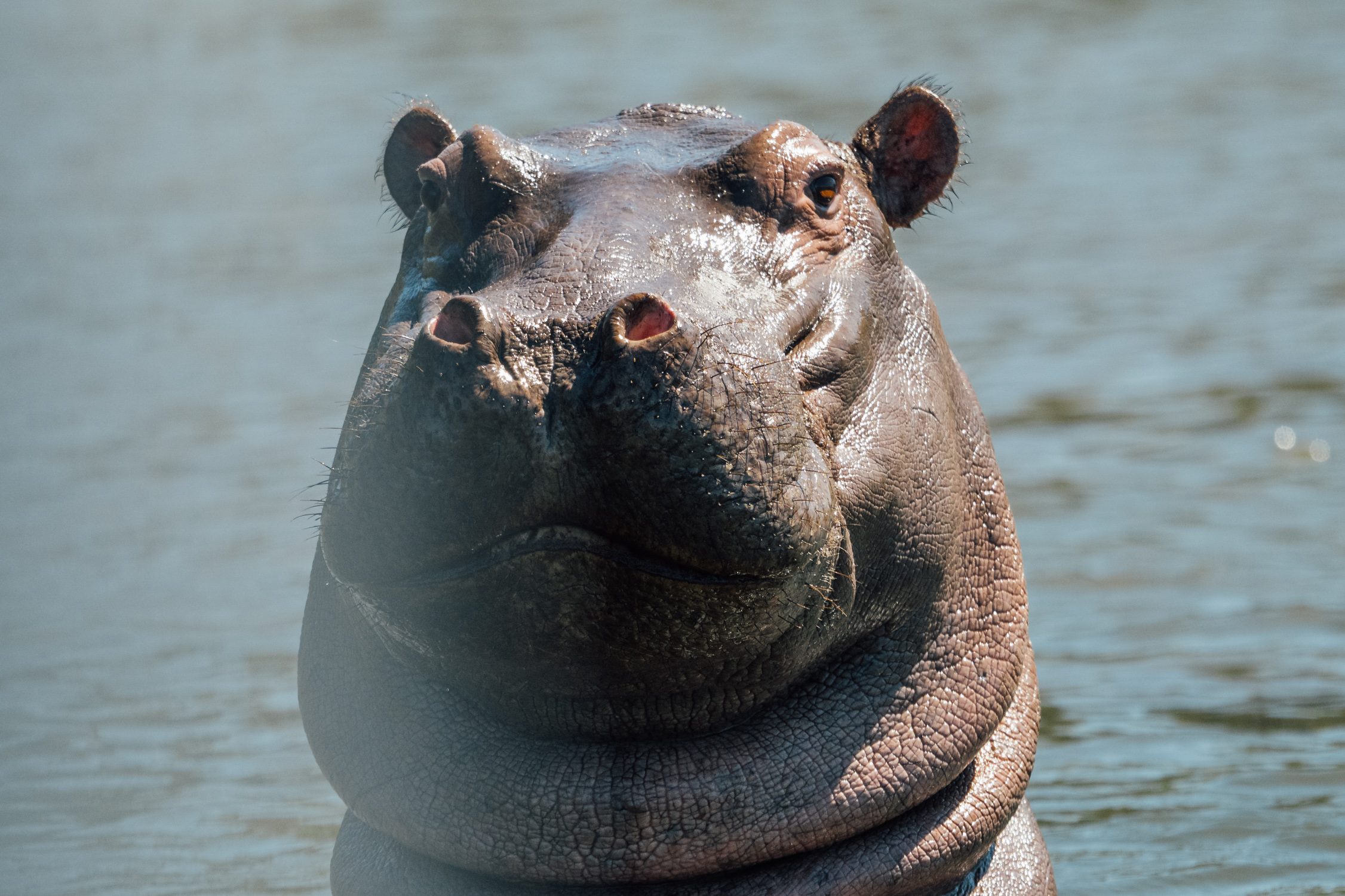
In the afternoon a conservation talk by Musekese Conservancy reminded us of the deeper importance of this ecosystem and how much goes into protecting it. The conservation team from Musekese had come to the camp just to give us a short presentation (while afternoon tea and cakes, clever!). Since African Parks assumed management of Kafue Musekese conservancy is focusing their work on the GMAs along the park edges and the work that happens there is critically important – not just as a buffer zone, but for the whole park.
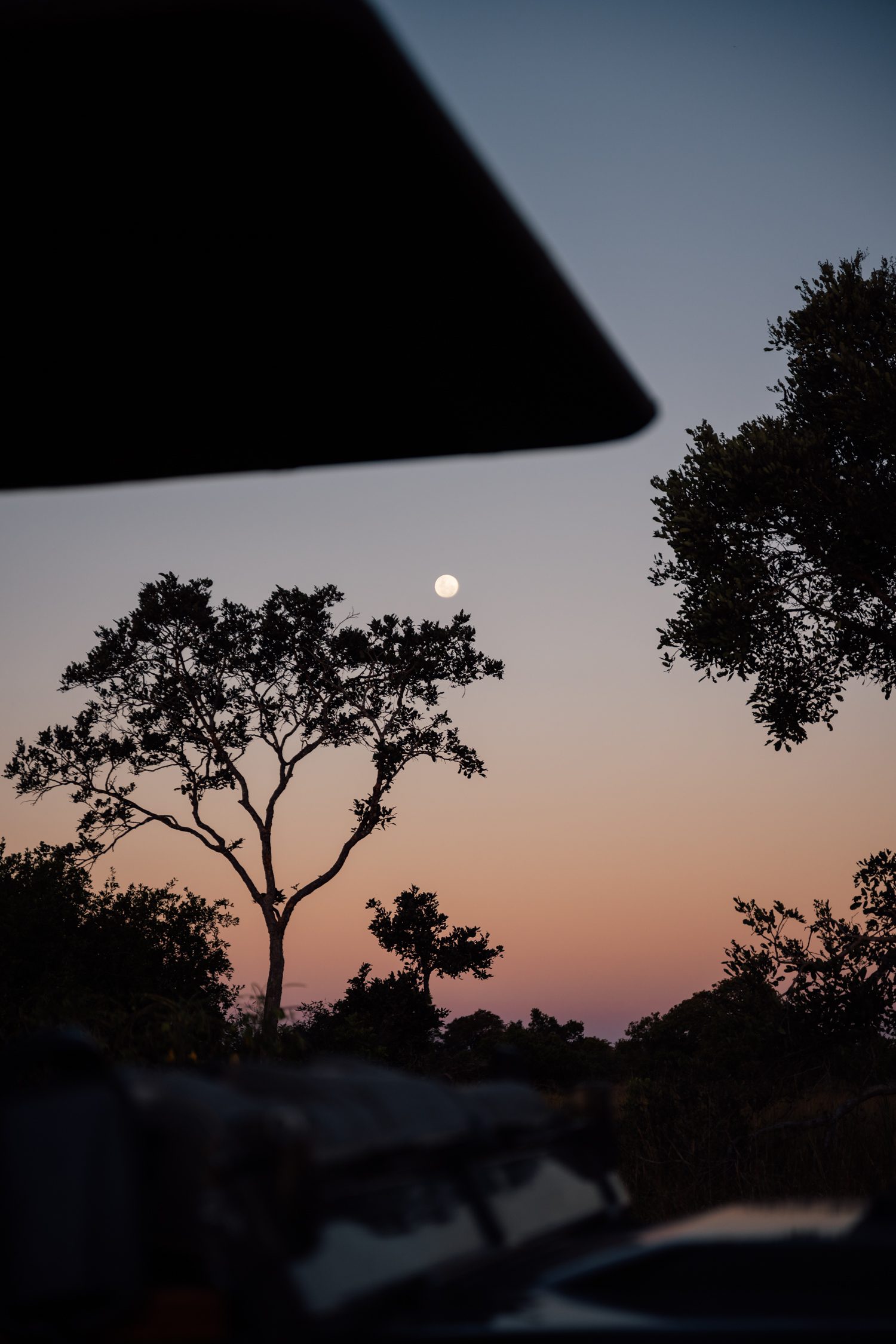
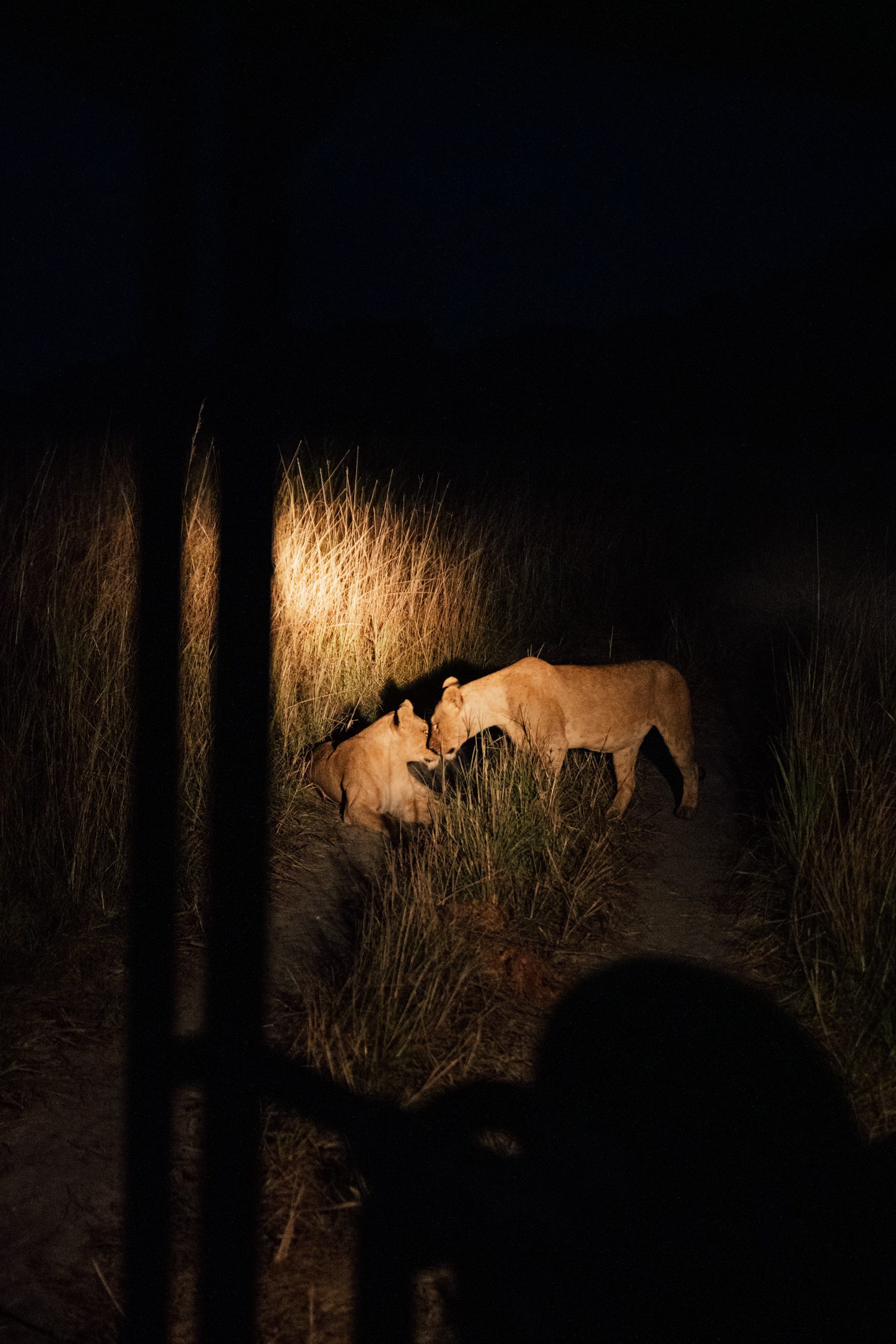
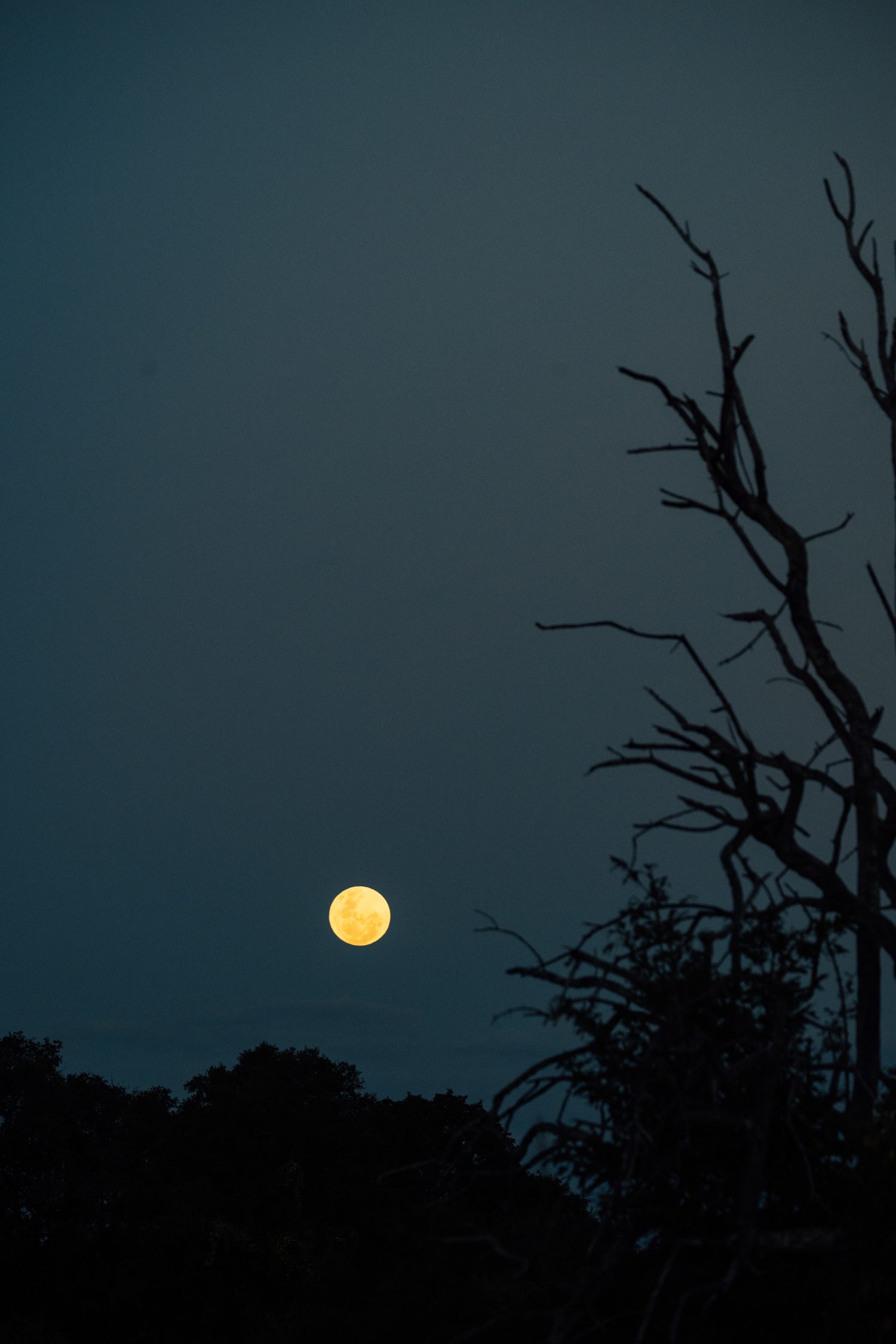
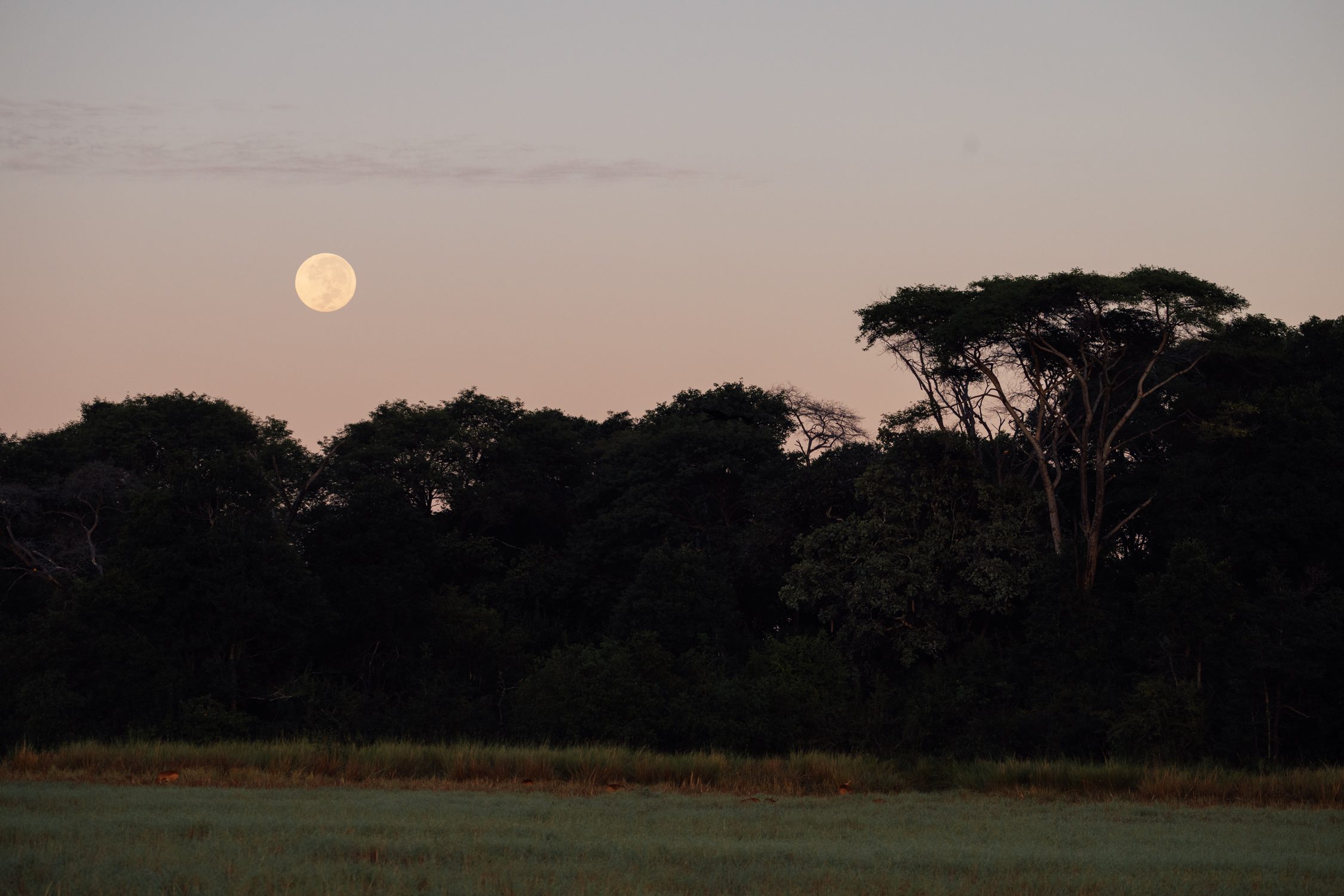
A full moon rose during our sundowners, and later during the night drive we saw Kinky Tail again, followed by the same two SCZ pride lionesses we had encountered earlier. But now they were hunting – directly behind Musekese camp!
We will never forget the sounds of them brushing through the gras next to our car and then suddenly speeding up and racing through the darkness of the night. What an adrenaline filled encounter. Minutes later we thought we had lost them, but they emerged on the road right in front of us again – their hunt wasn’t successful this time.
The day ended with a memorable dinner alongside one of the co-founders of Musekese, Phil Jeffery, who shared incredible insights into their work in Kafue.
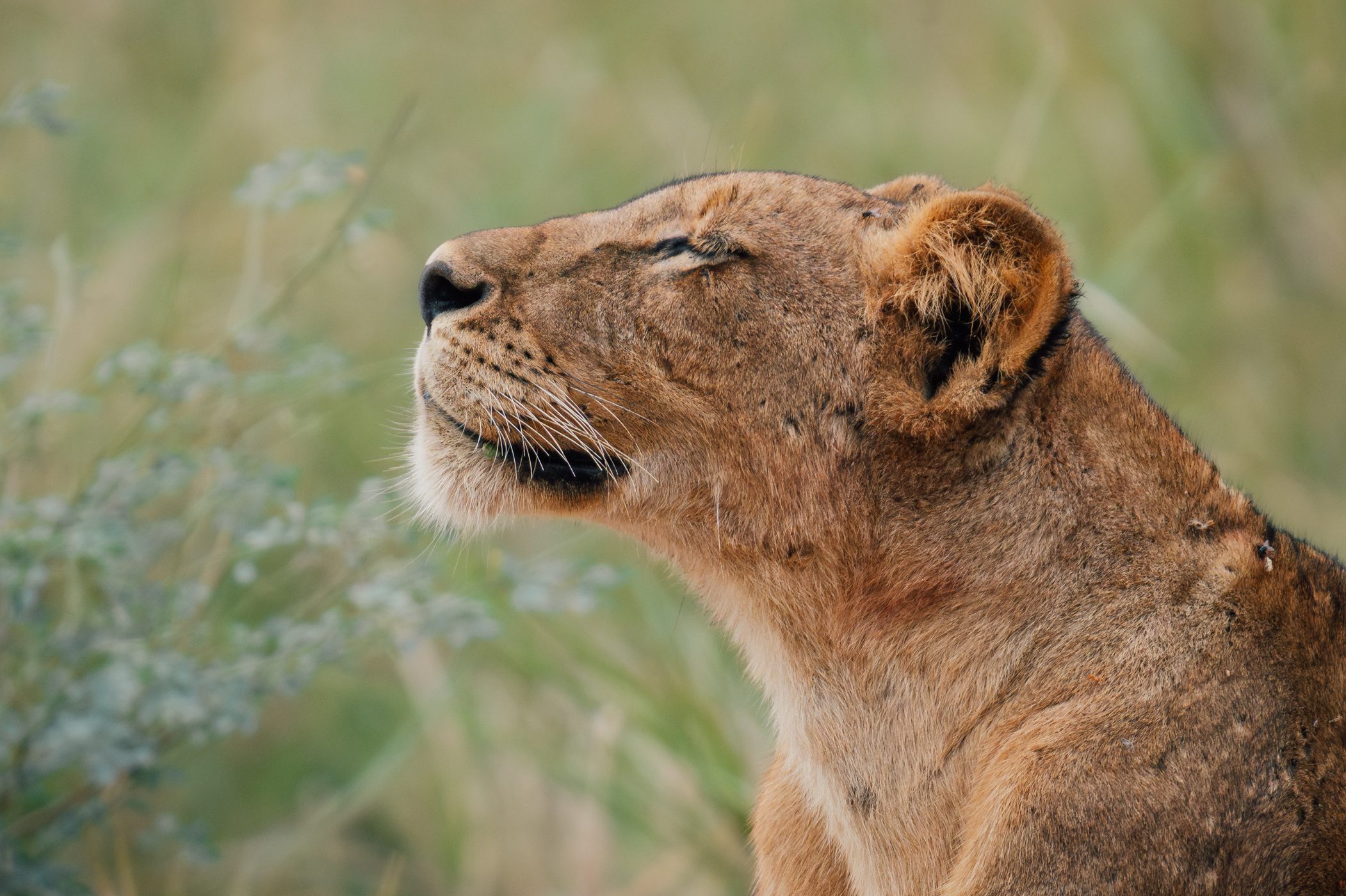
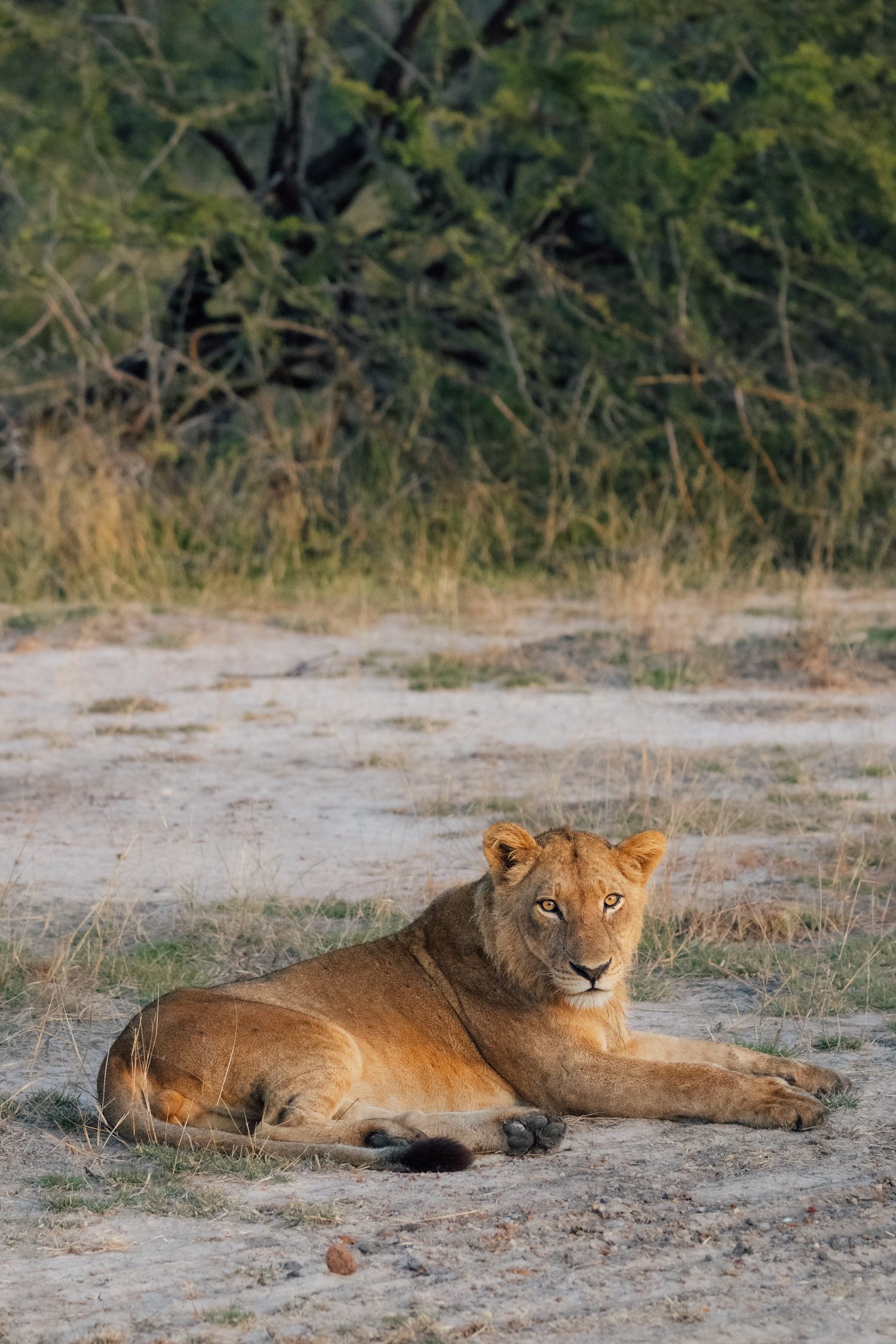
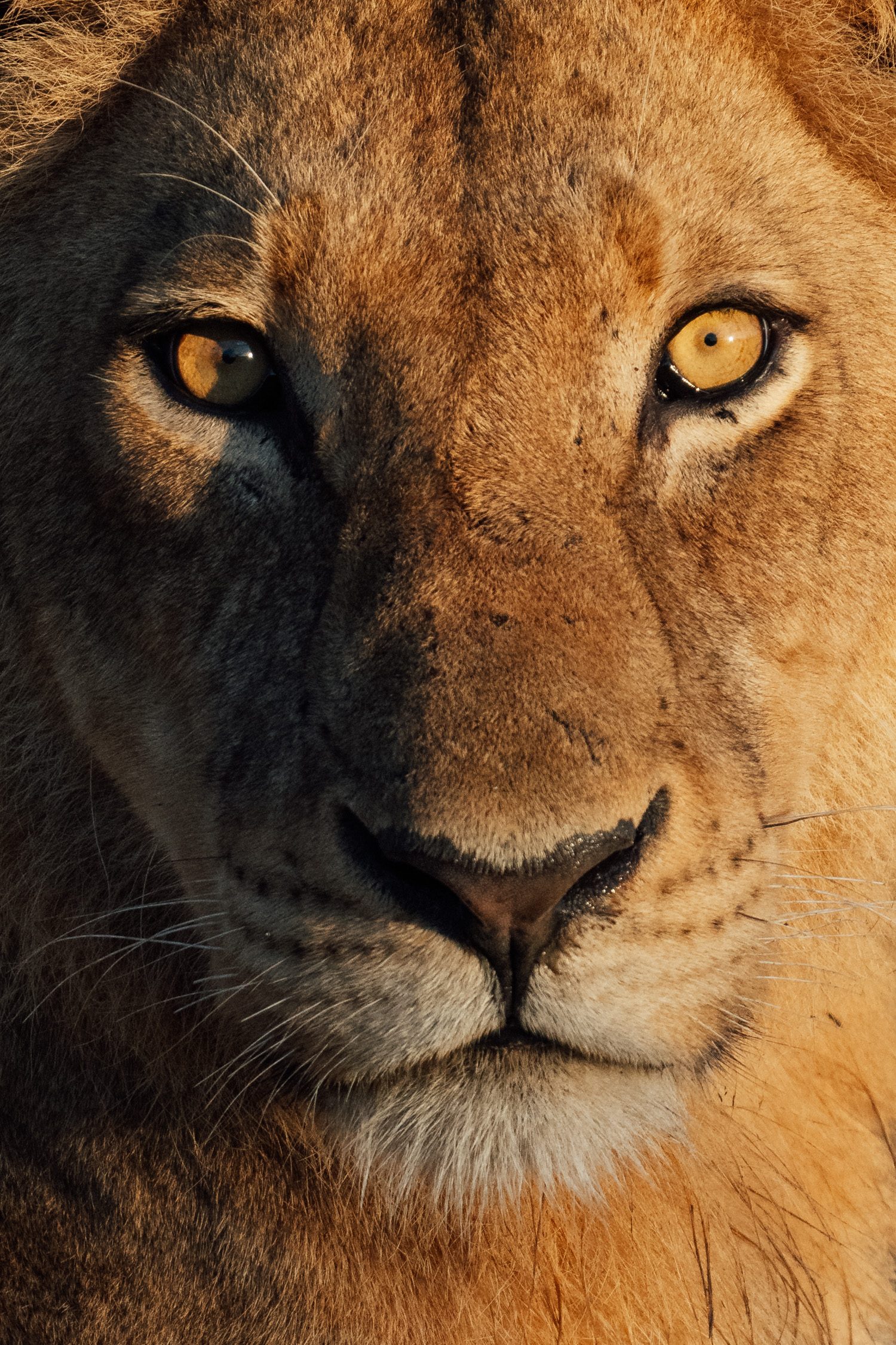
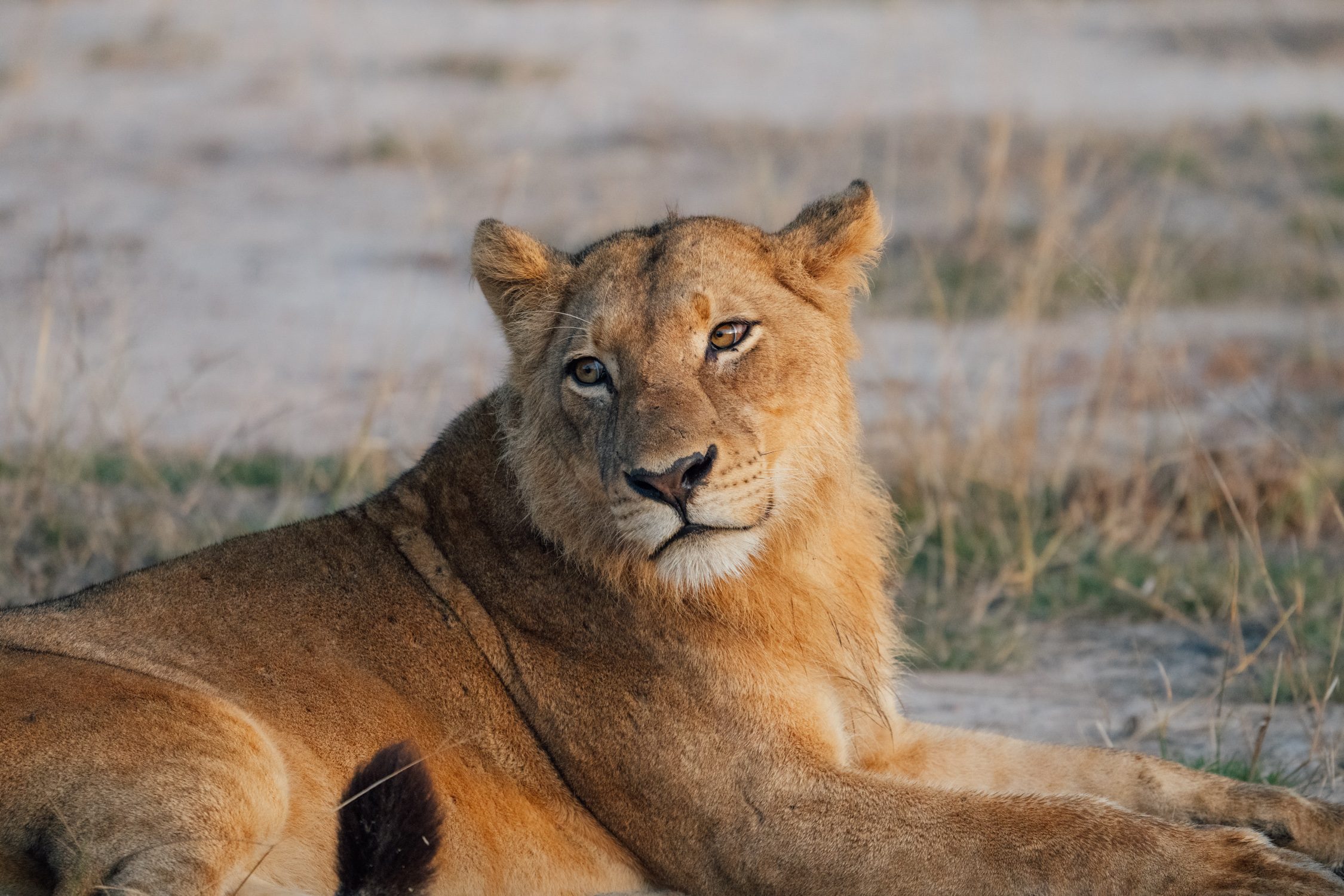
On May 13th, we celebrated one of my guests birthday. Not just with a lovely birthday song at breakfast before dawn, but more importantly with a beautiful young male lion in the very first golden morning light! Seeing the birthday girl’s face light up with gratitude made that whole encounter even more special to us. This particular young male was the last lion who survived from the SCZ litter of three from 2022, showcasing just how unforgiving their world here in Kafue can be.
Later that morning it was time to say goodbye to the Musekese camp and team as we flew to the Lower Zambezi.
3 nights at Kutali Camp, Lower Zambezi National Park
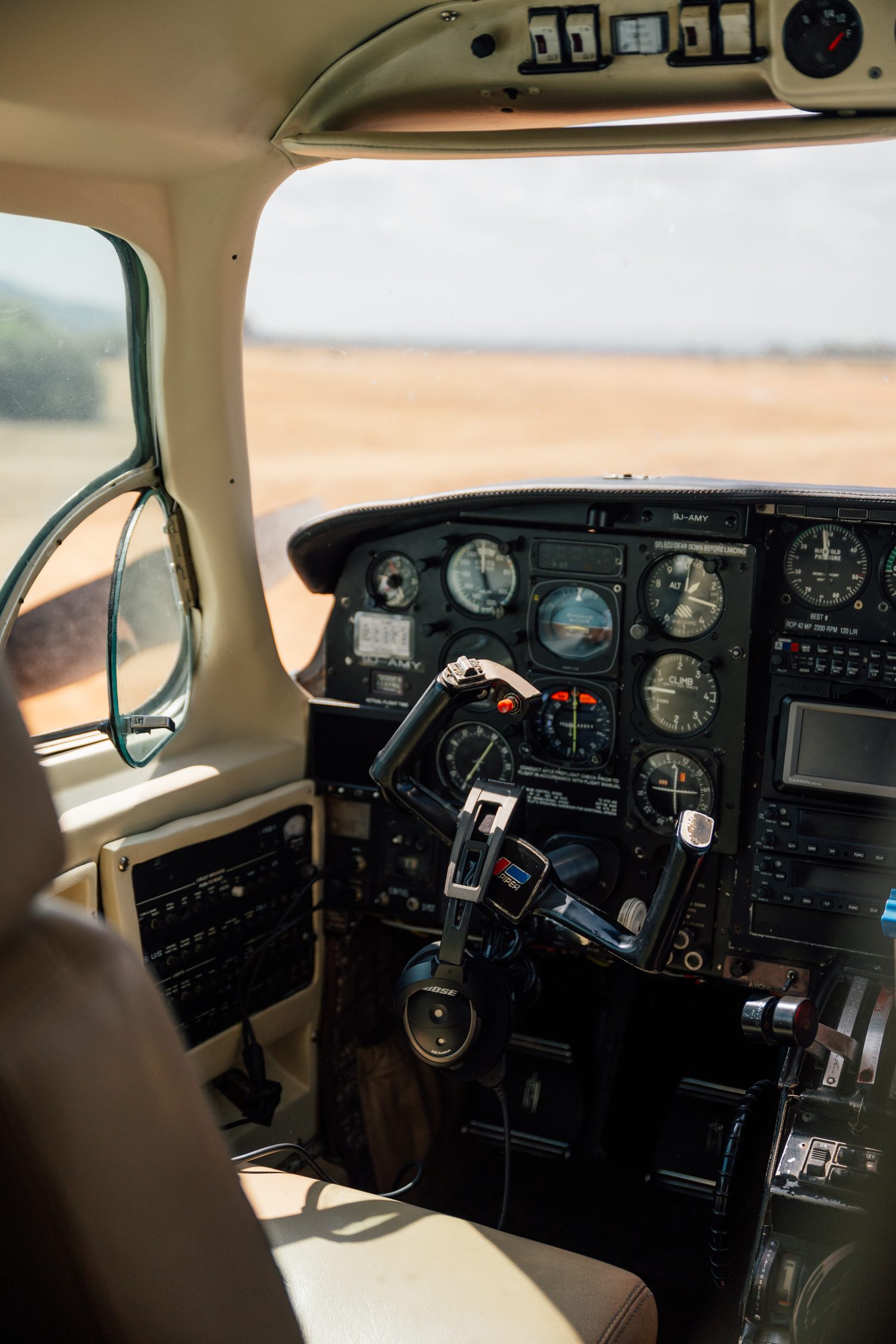
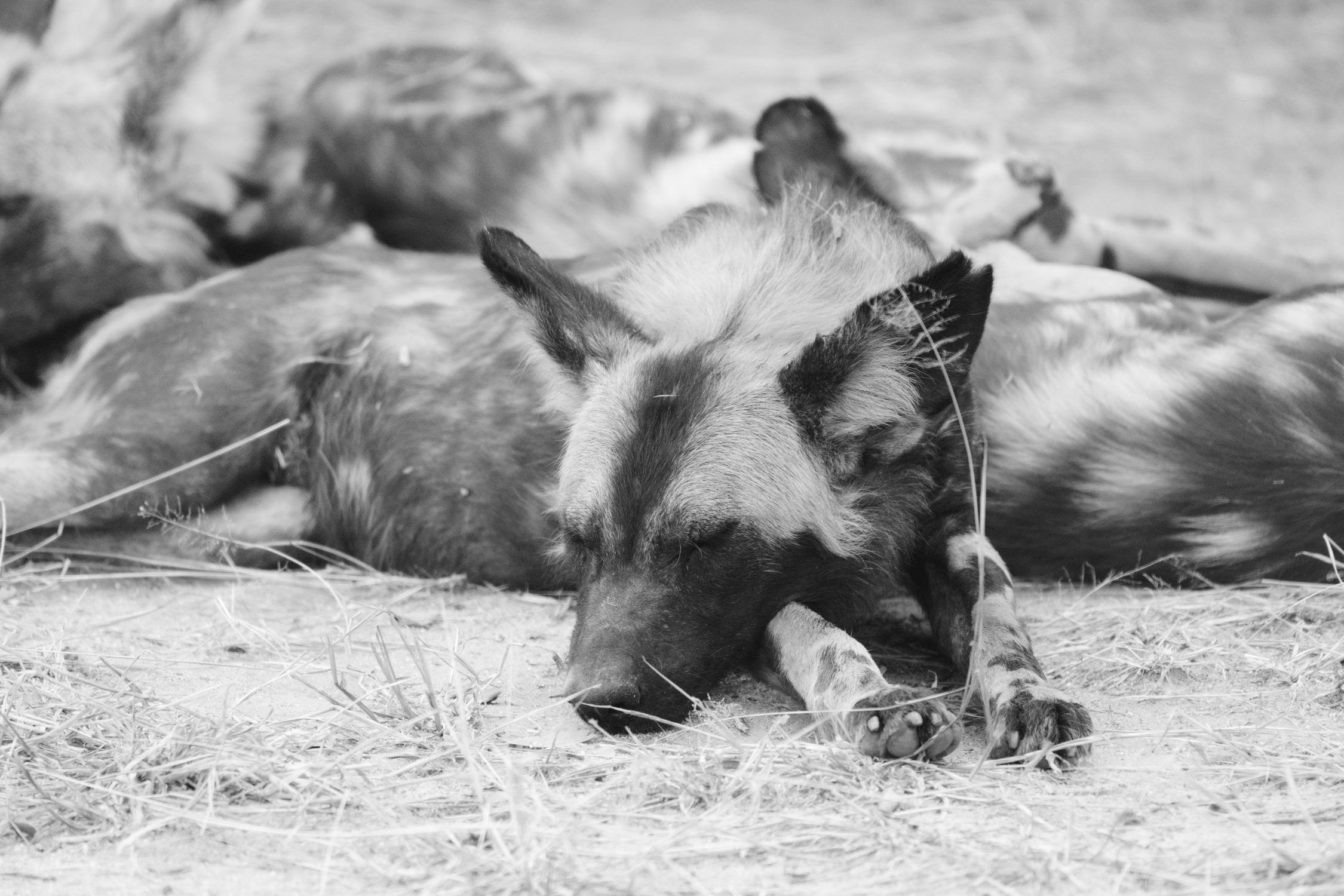
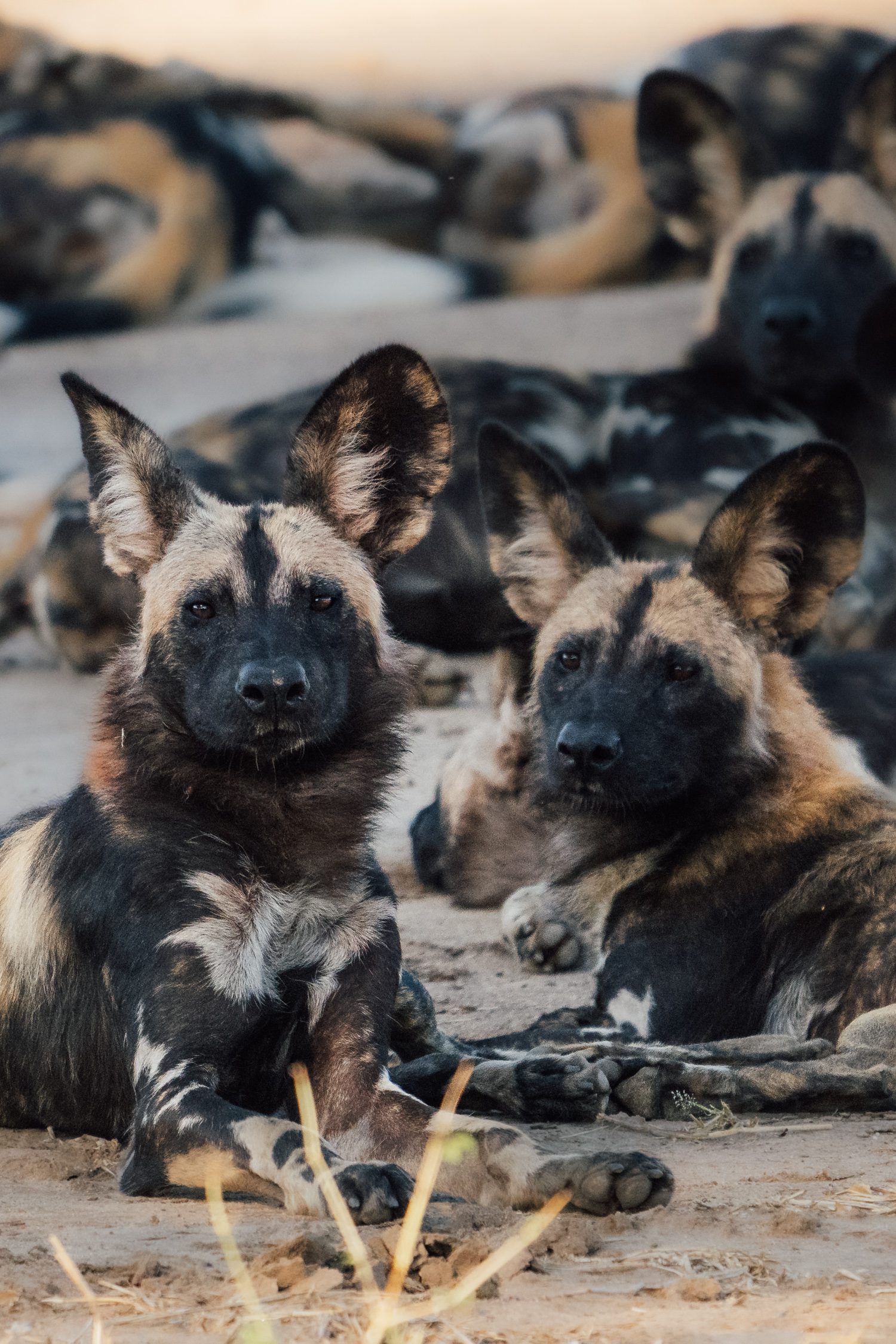
After two hours on our private charter plane we arrived at Jeki Plain where we were picked up and transferred to Kutali Camp. The landscape changed dramatically from Kafue, with zebras, elephants, and waterbuck greeting us on the way in. And then to our surprise we even saw the famous pack of wild dogs straight on our transfer drive to camp! What a way to start our time in the park.
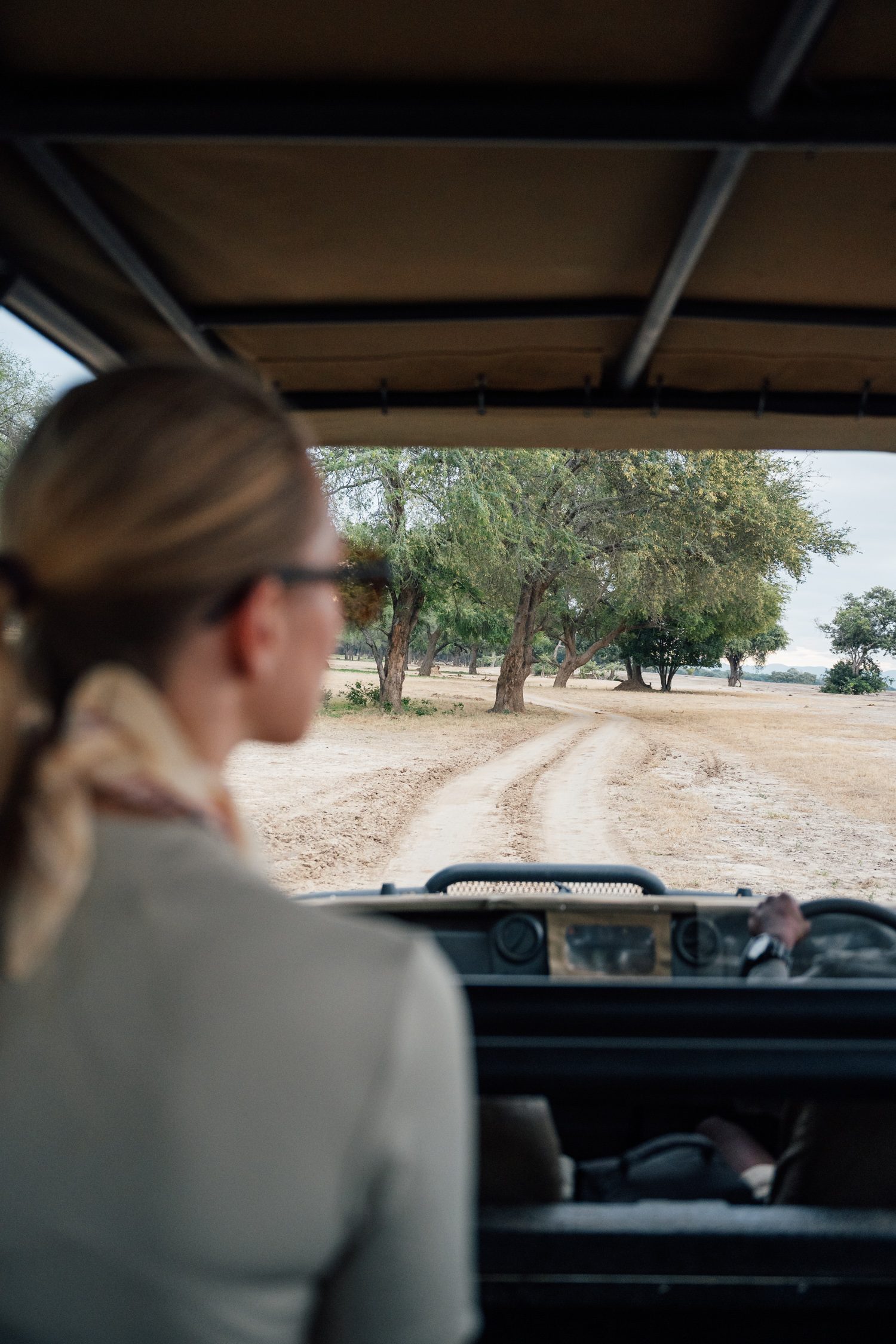
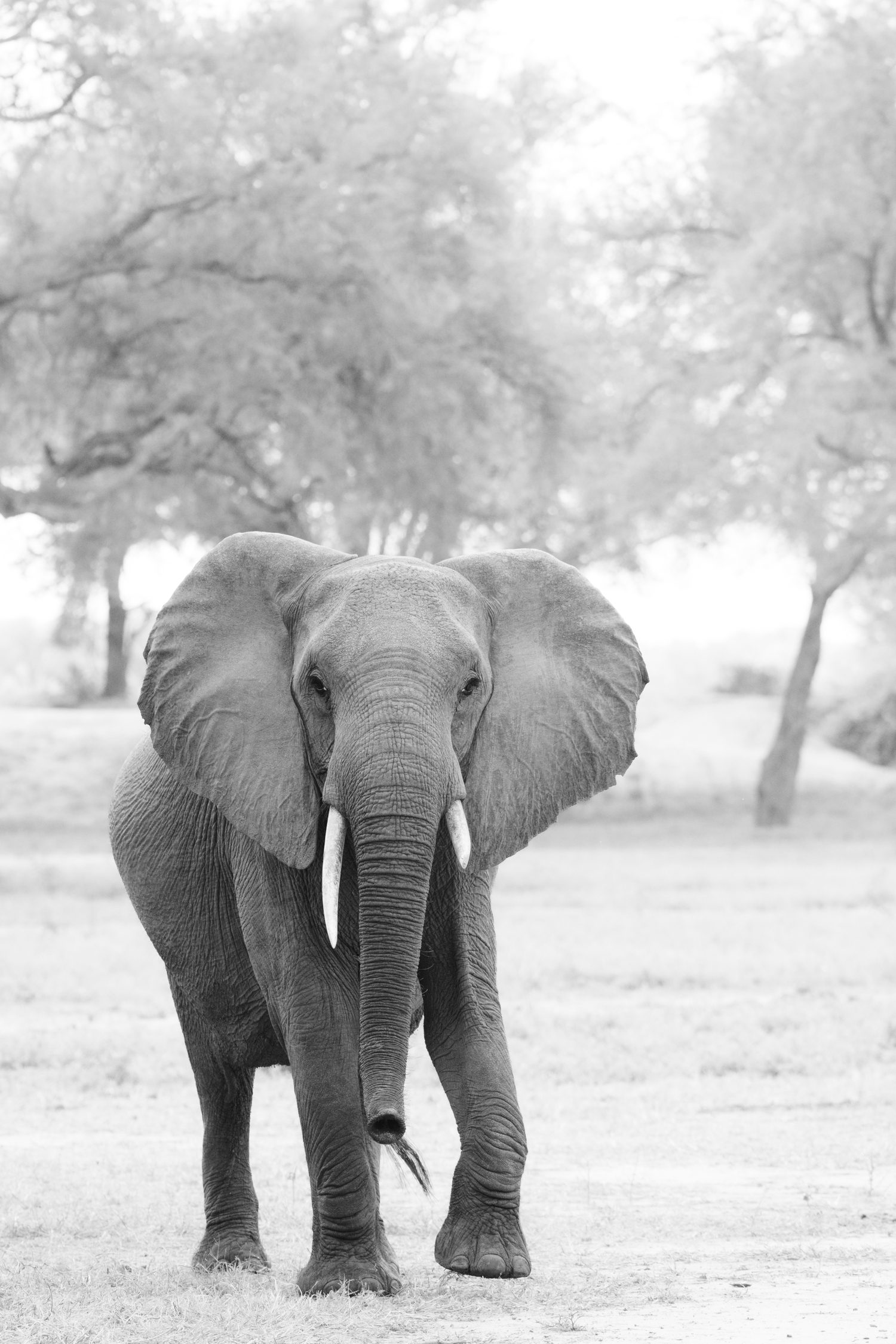
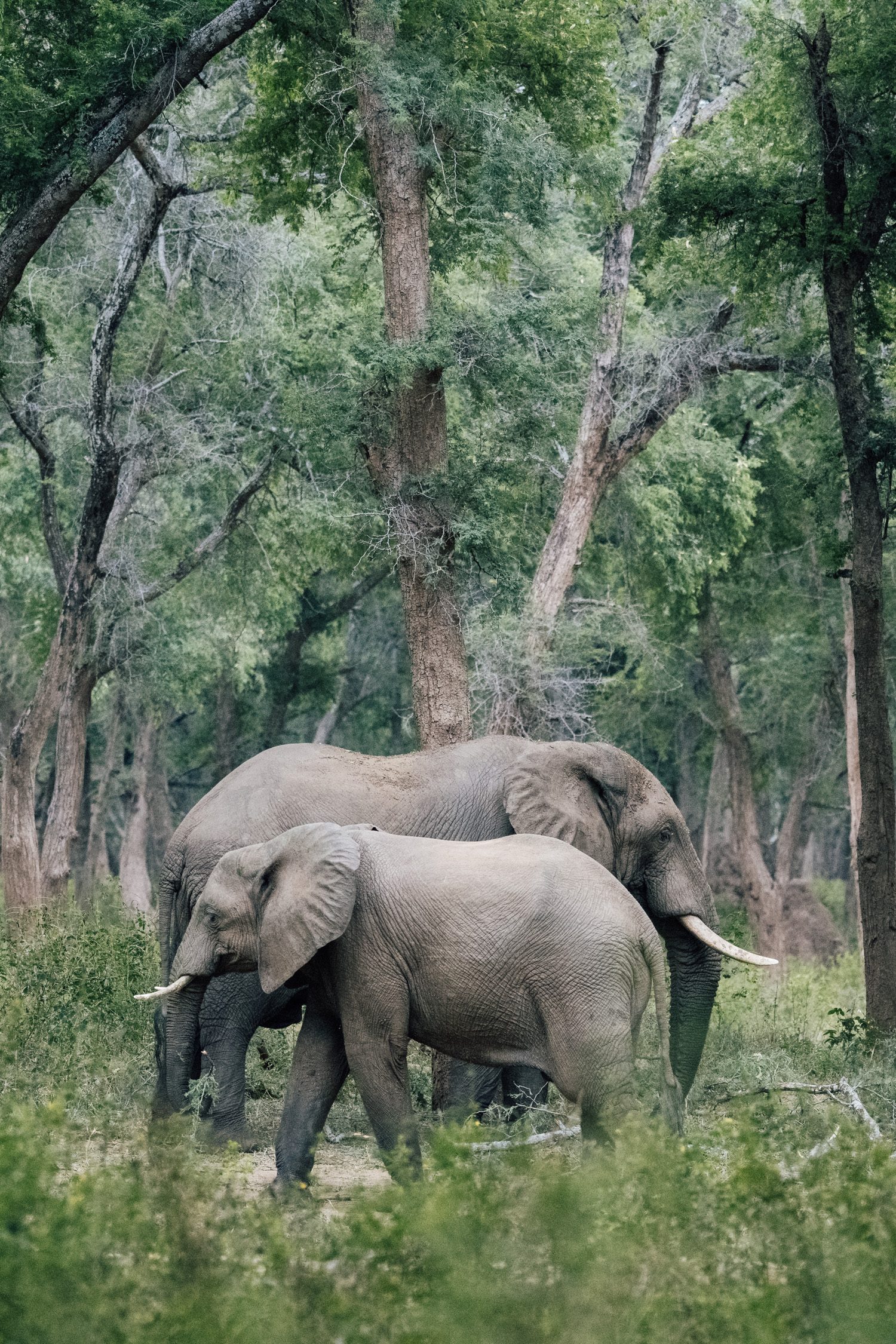
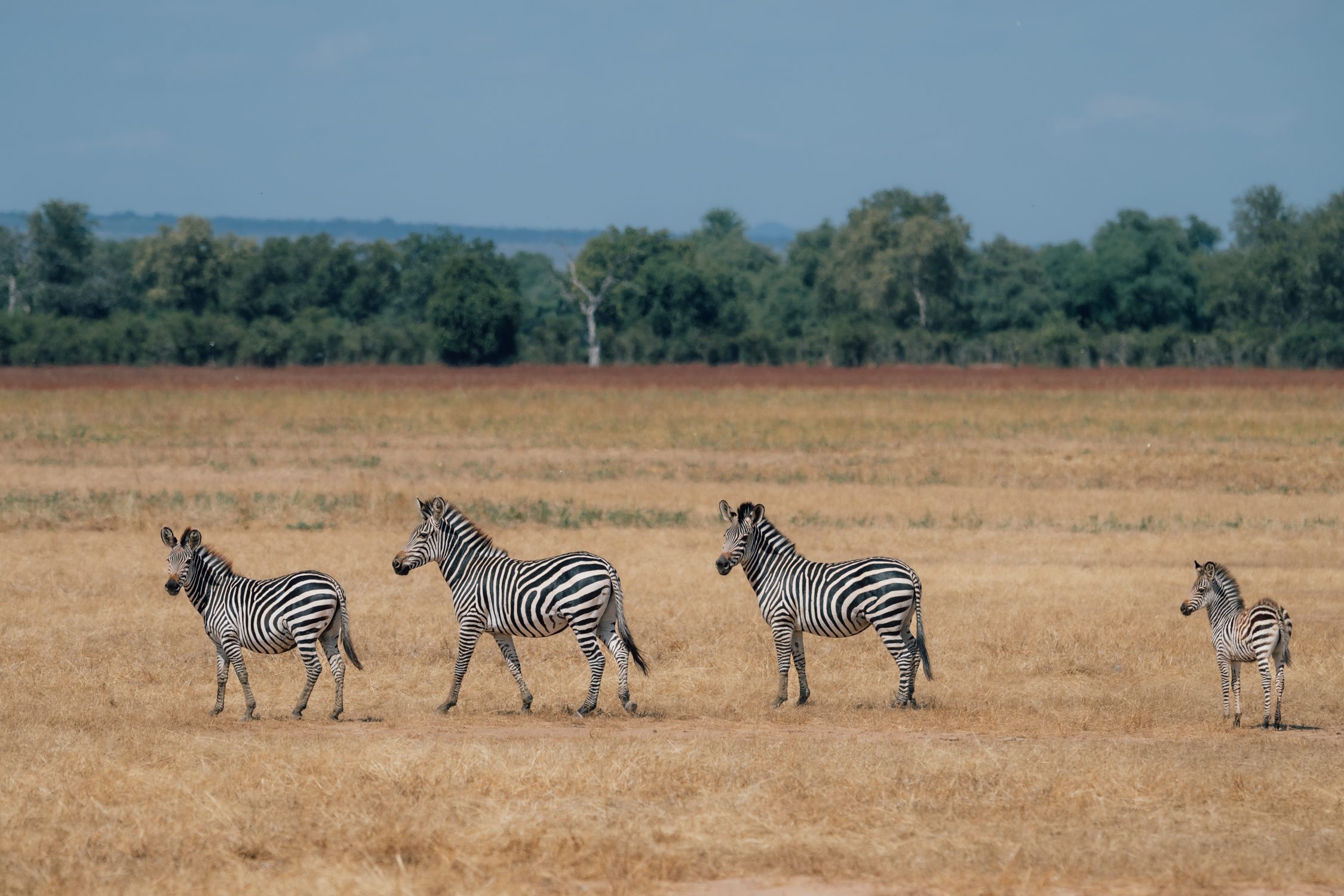
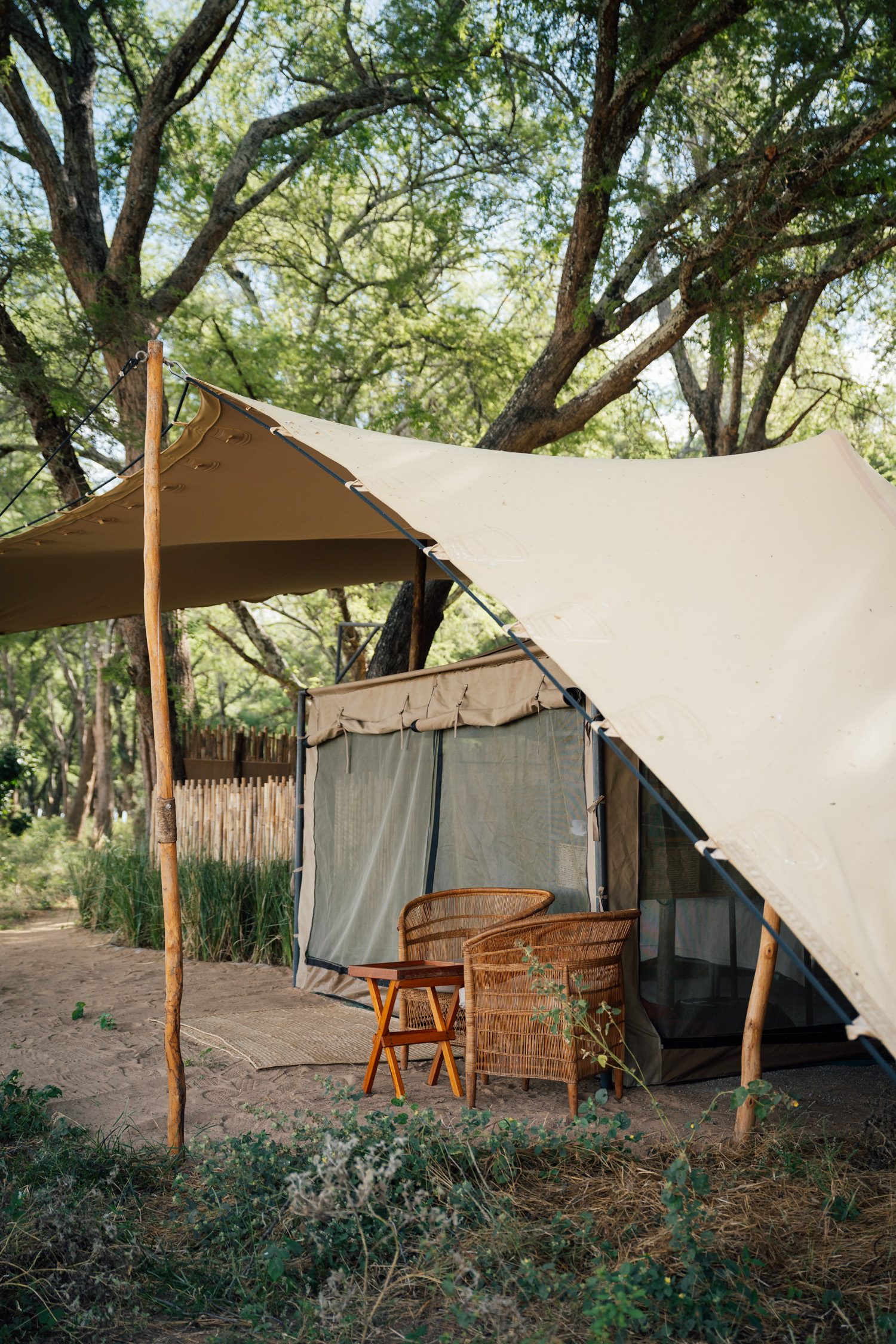
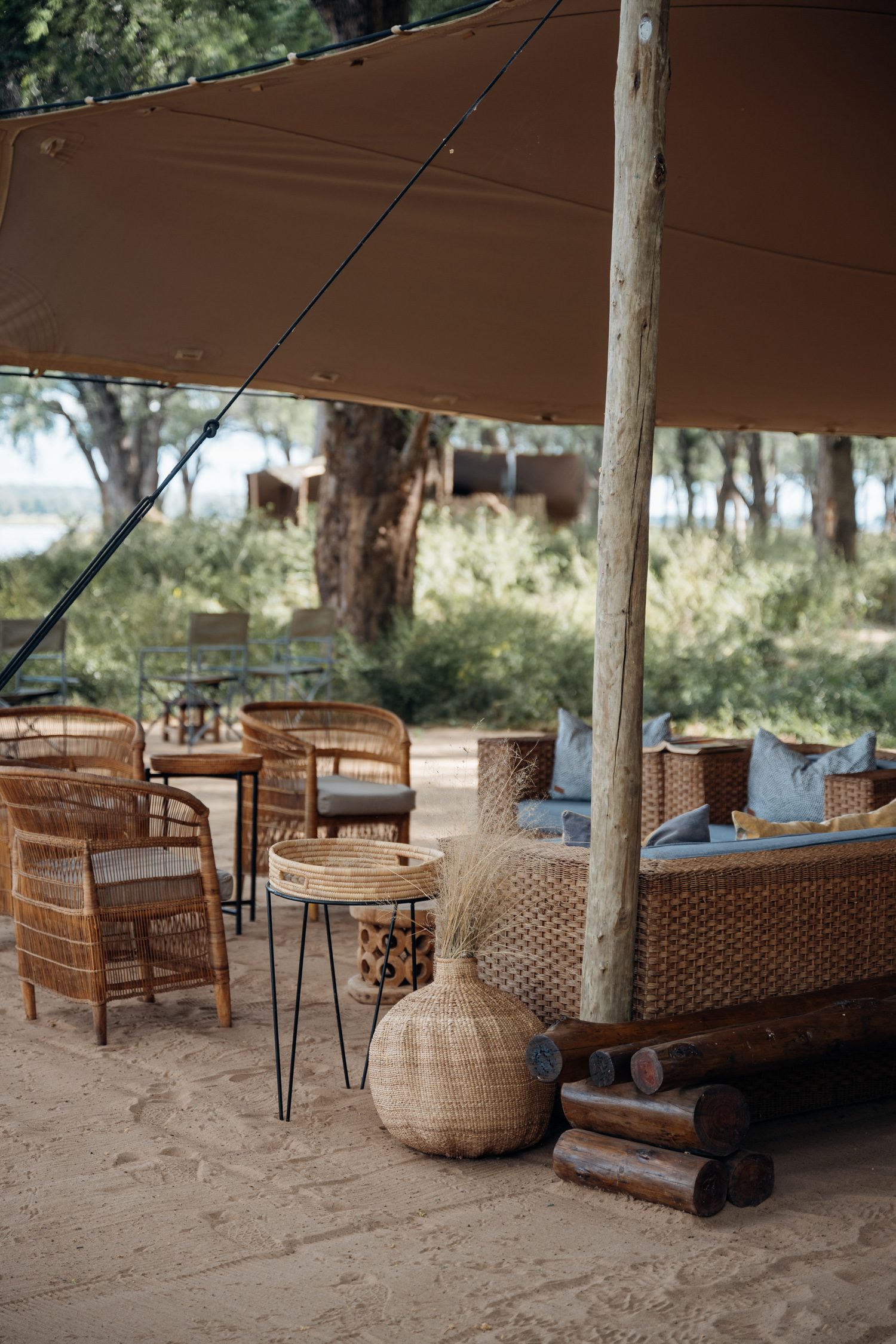
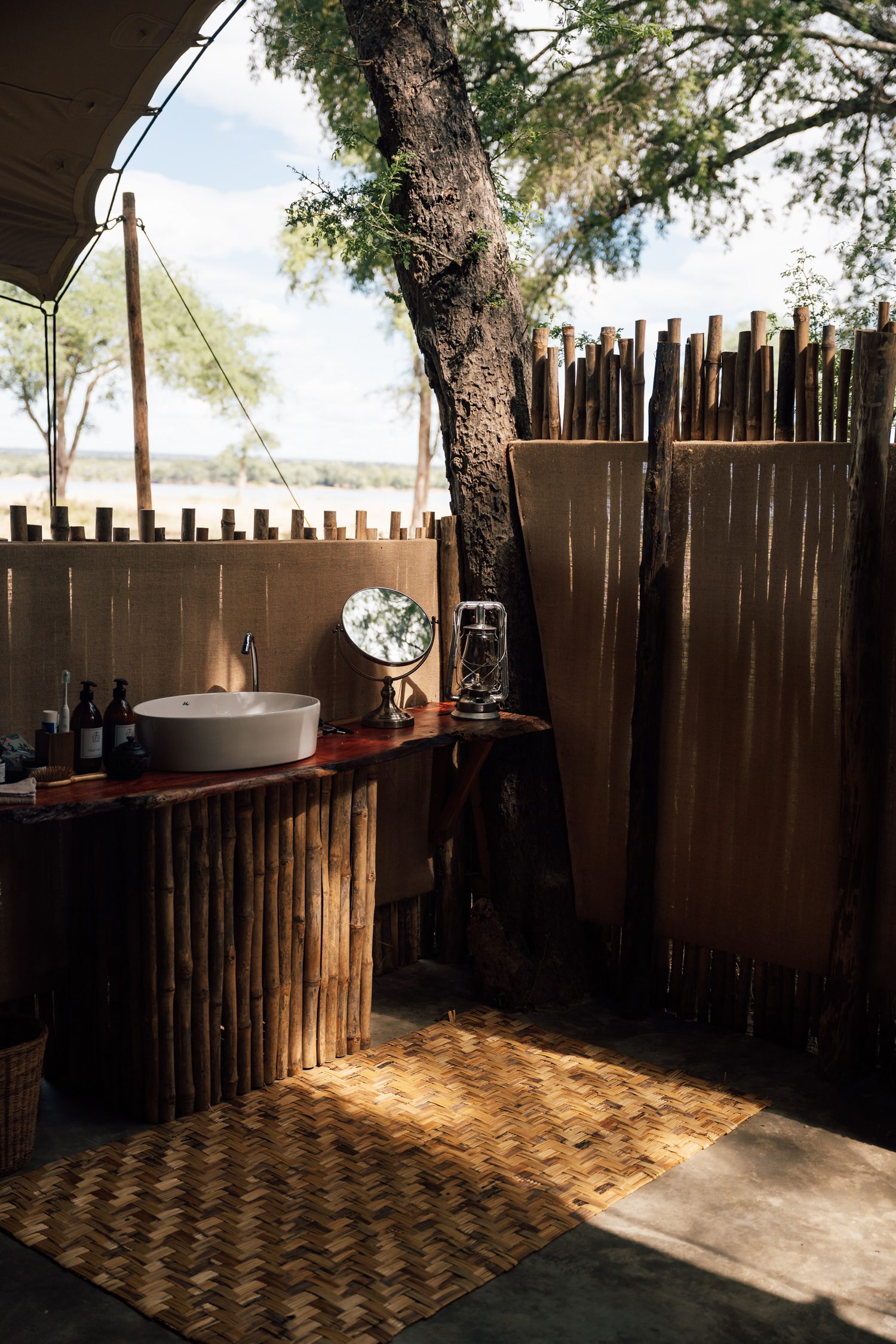
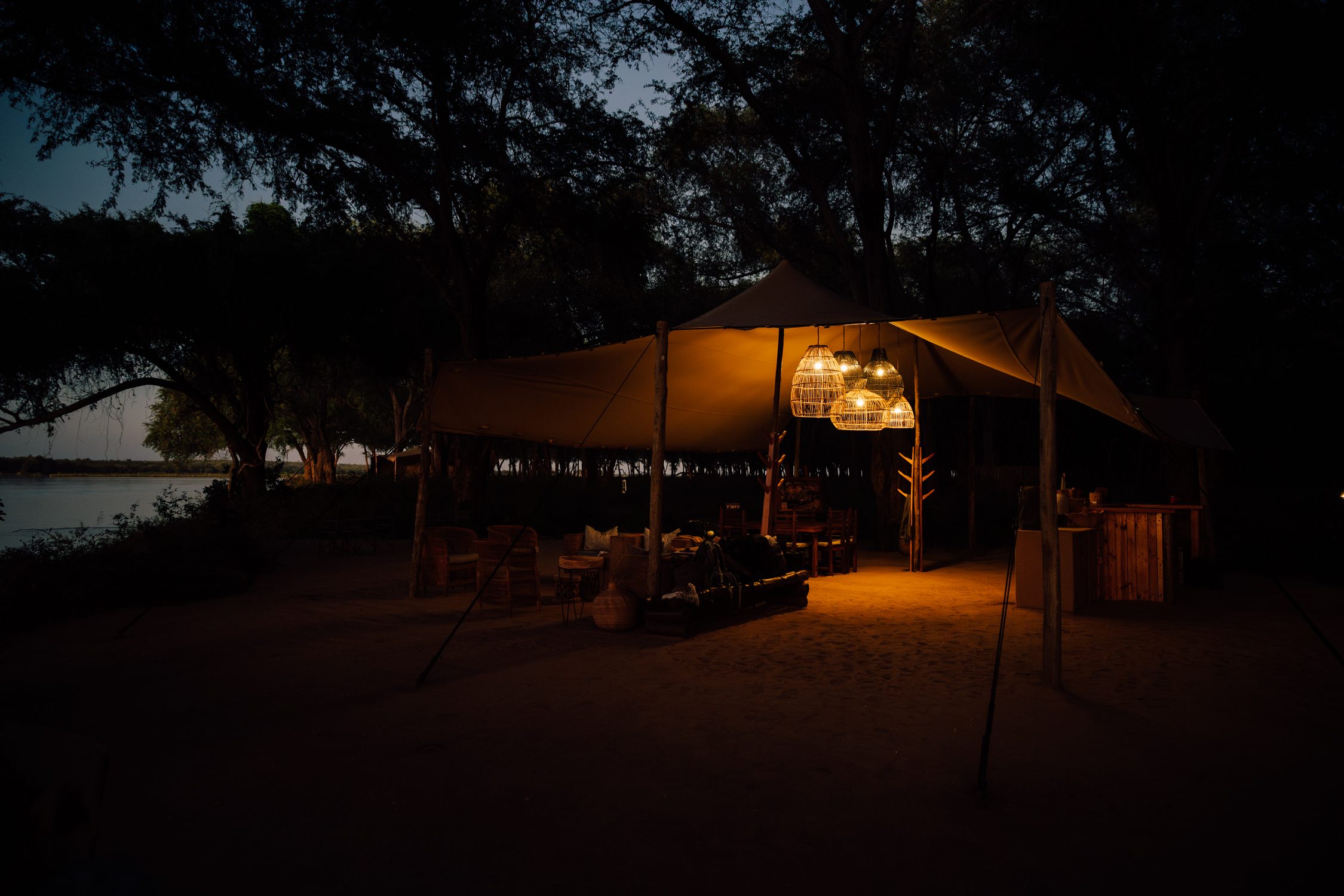
At Kutali Camp this season also brought a few changes. Electricity in the rooms, new fans to cool down, larger canopy roofs for extra shade and comfort and most noticeably the huge brand-new outdoor bathrooms. The beloved bucket shower is still the same (thank god!), but now there’s full plumbing for the sinks, poured concrete floors and ample space to watch elephants while showering.
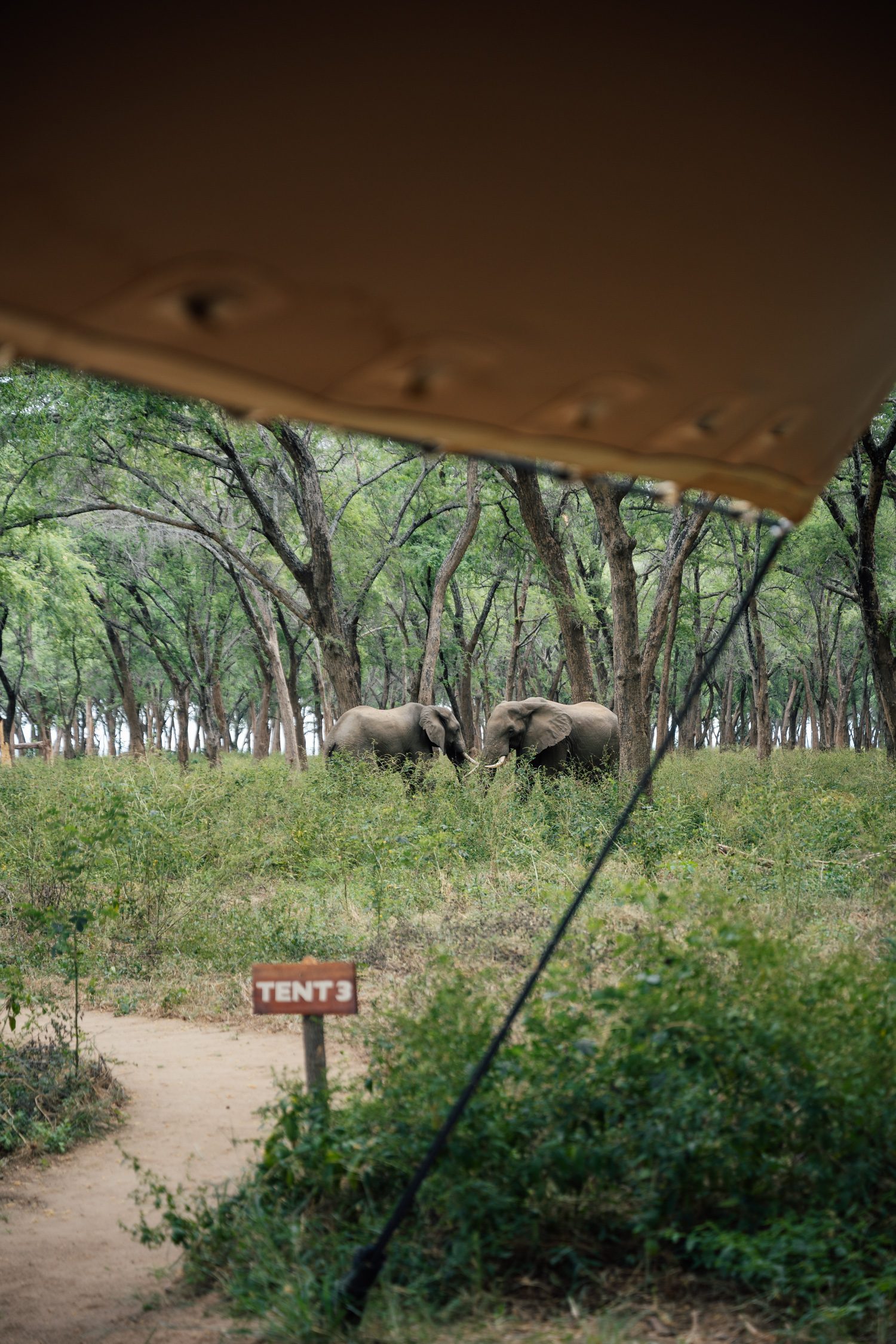
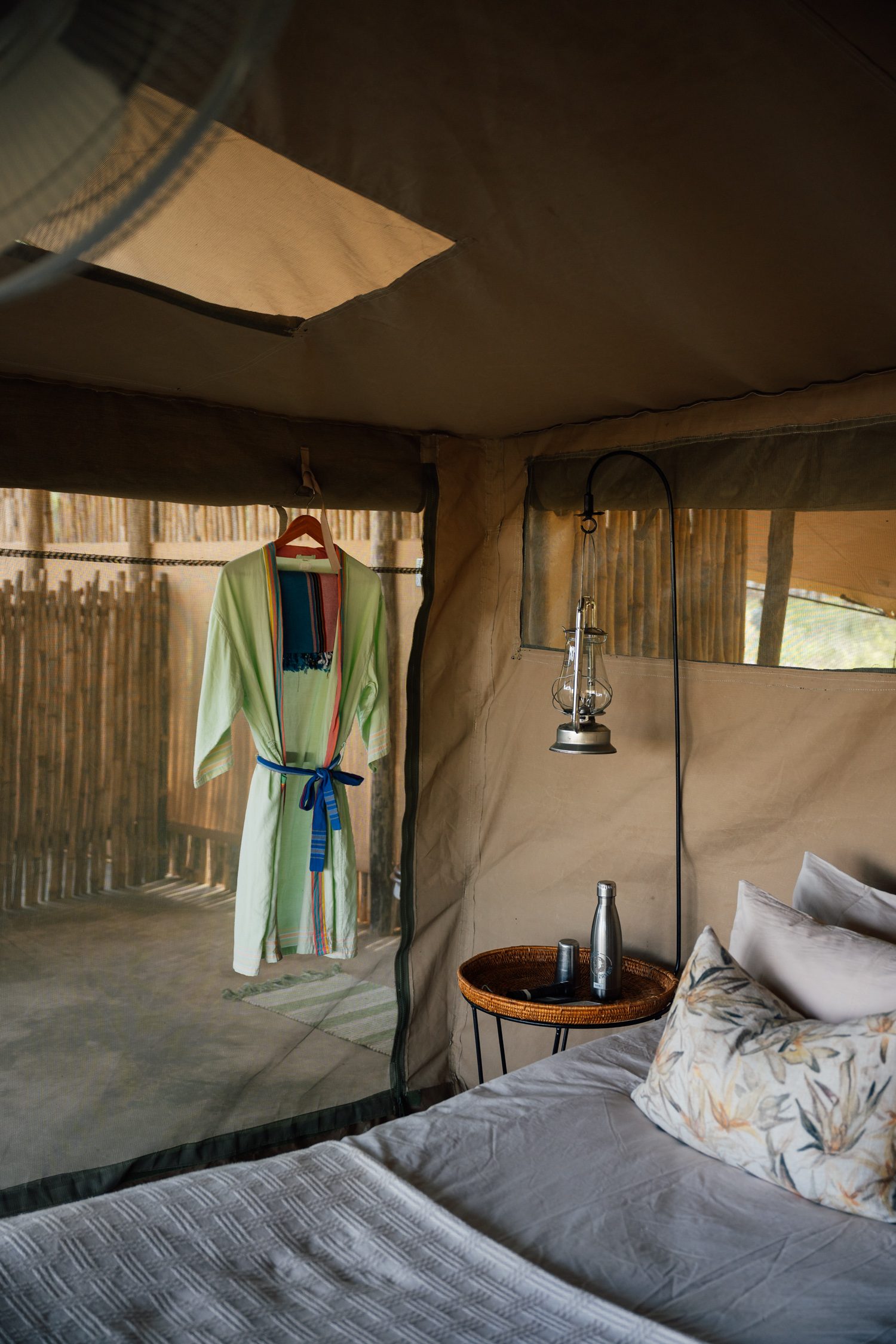
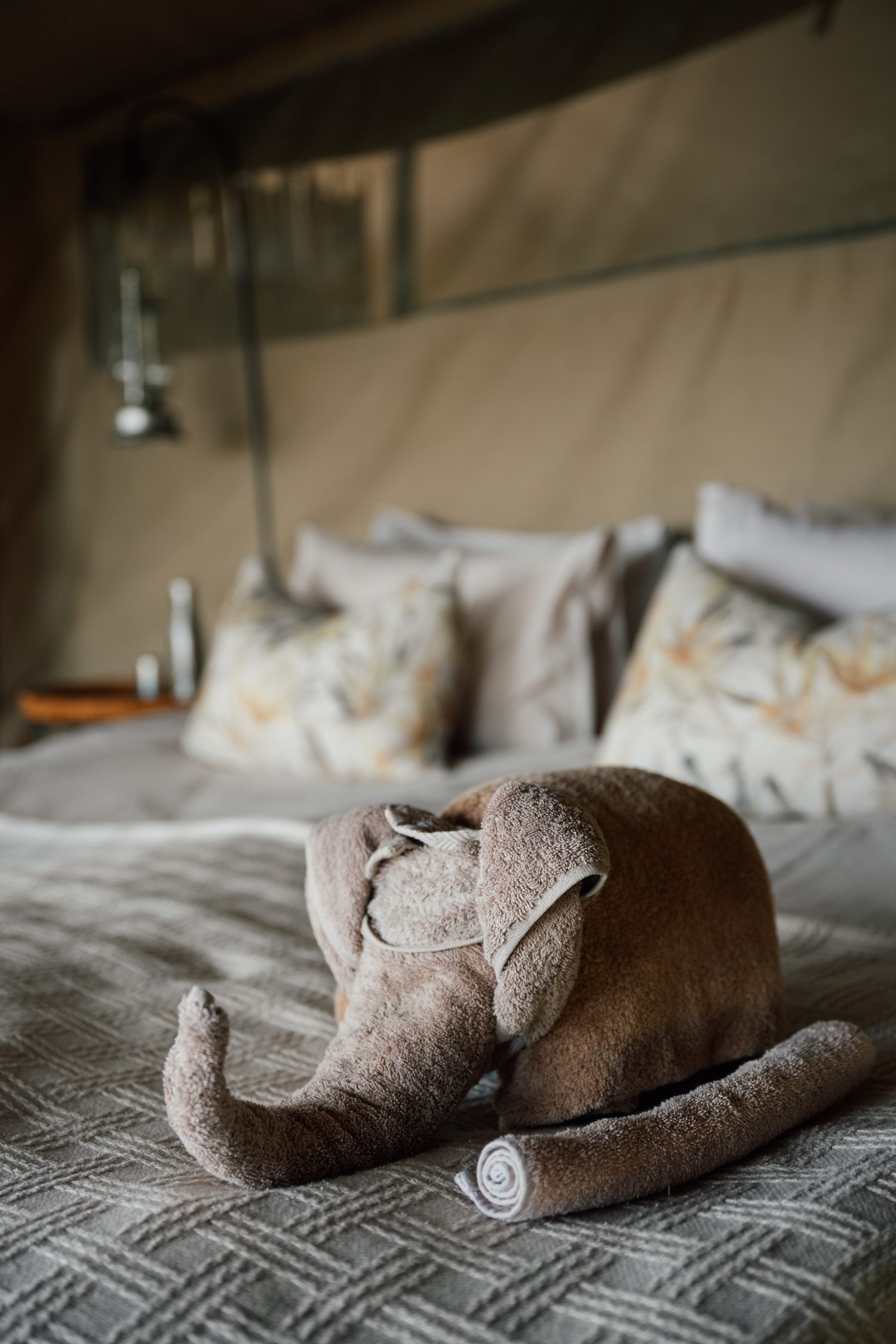
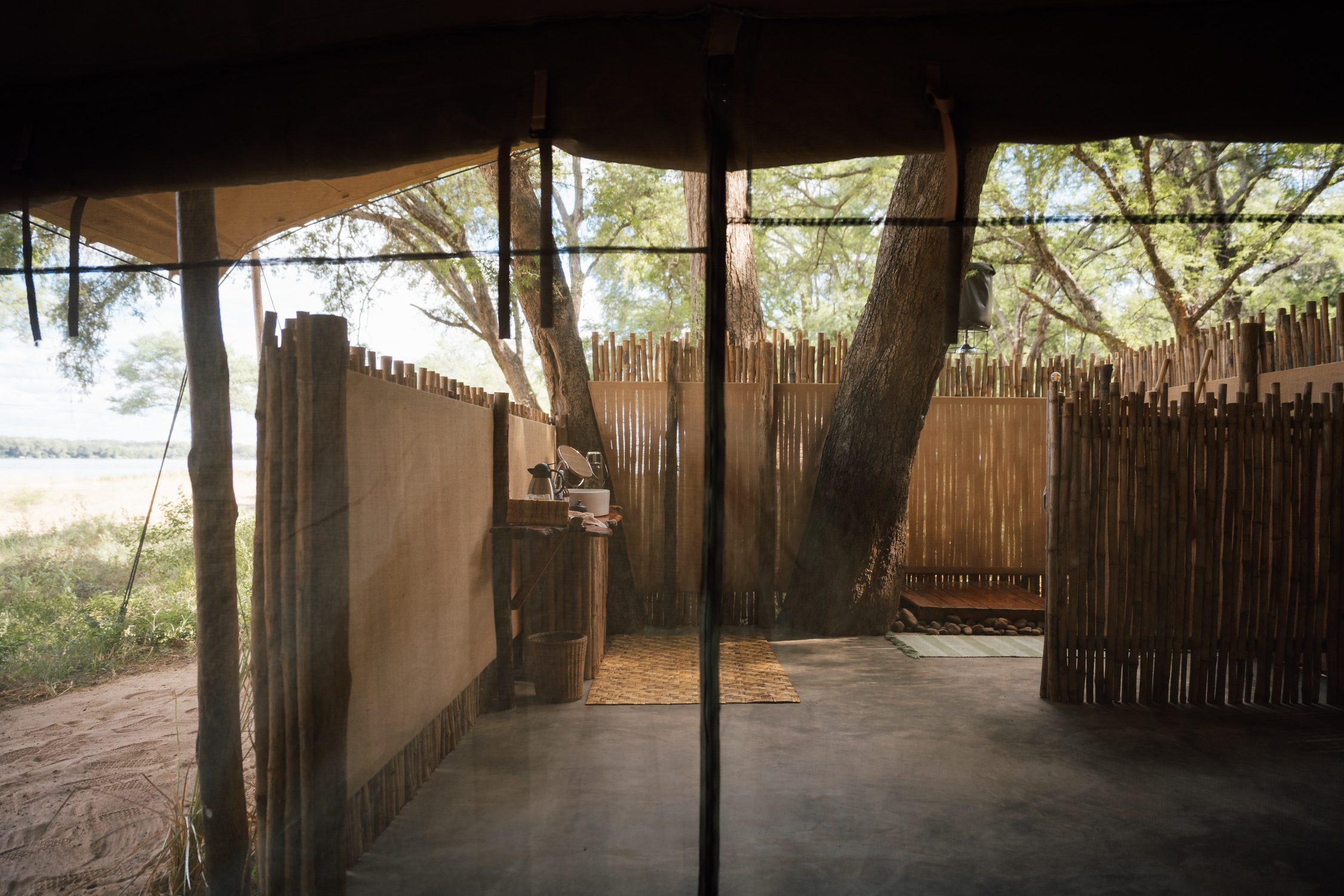
Our first afternoon game drive was up next and would already surprise us in the best of ways.
At Chakwenga plain we encountered the wild dogs again – a true highlight! But it shouldn’t stop there. Before the sun set we encountered a lion pride with 11 individuals. Three females with eight cubs! They were grooming, playing, stretching and getting ready for their nightly activities. We spent the whole evening with them all by ourselves – what an incredible sighting.
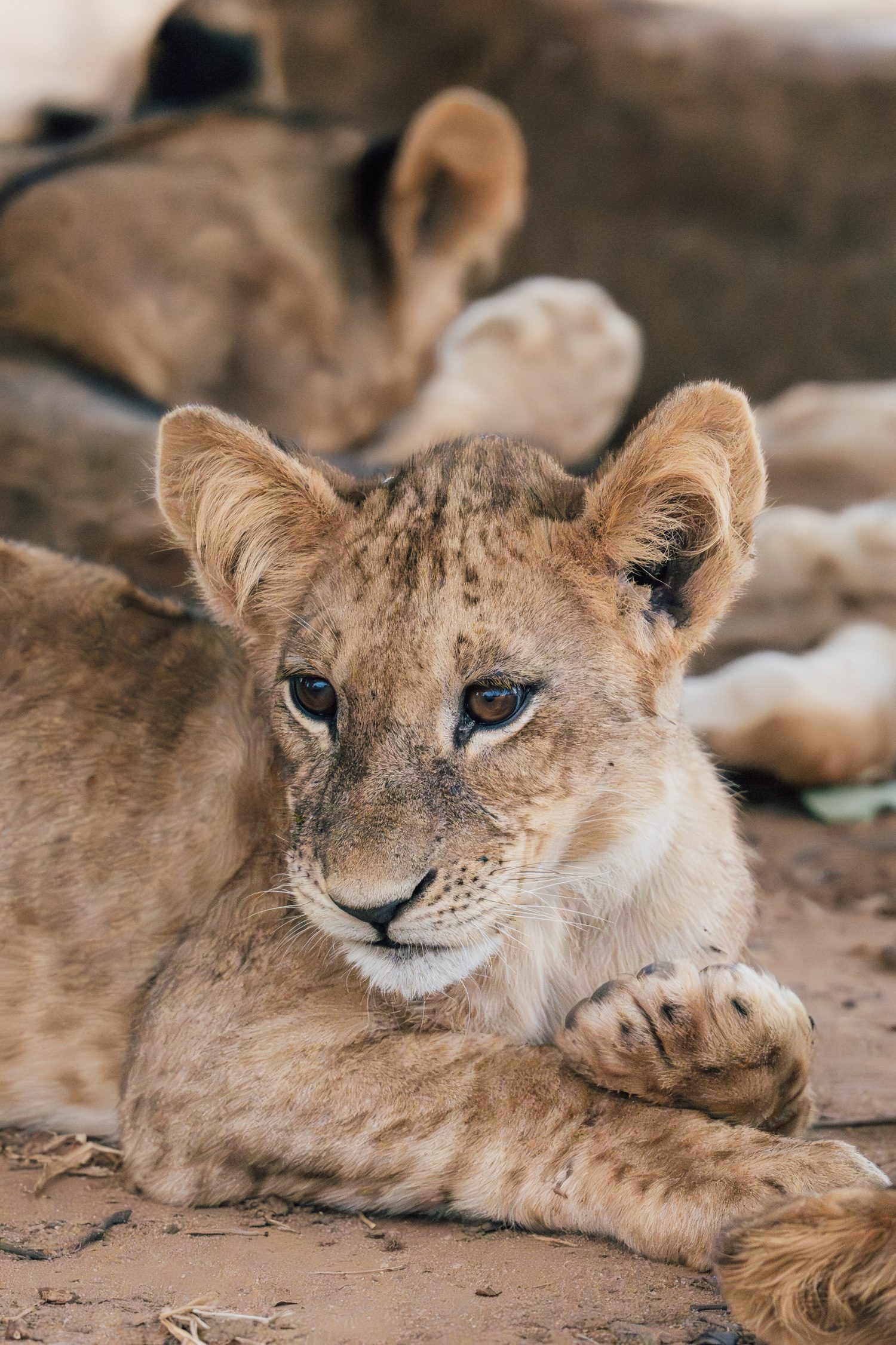
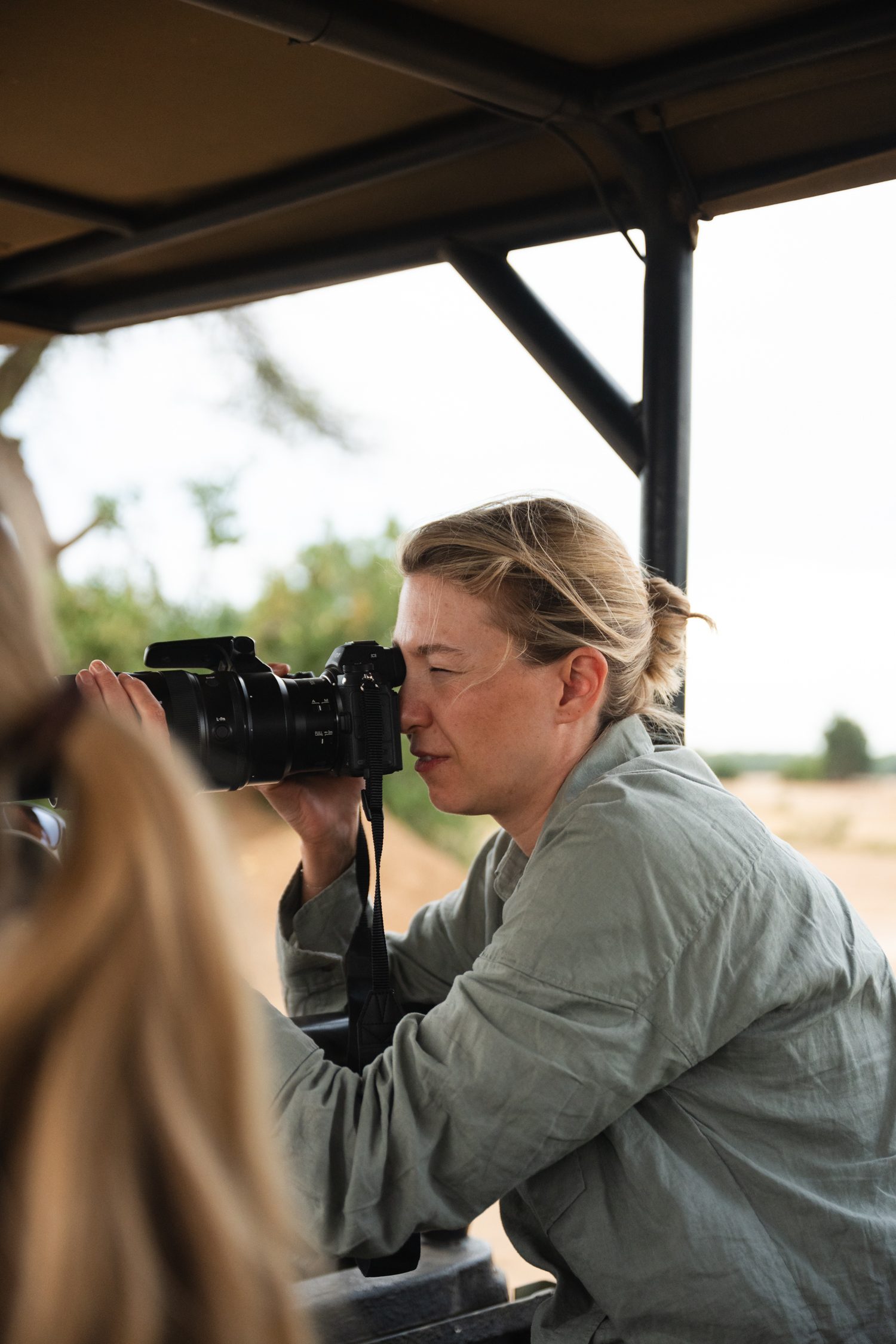
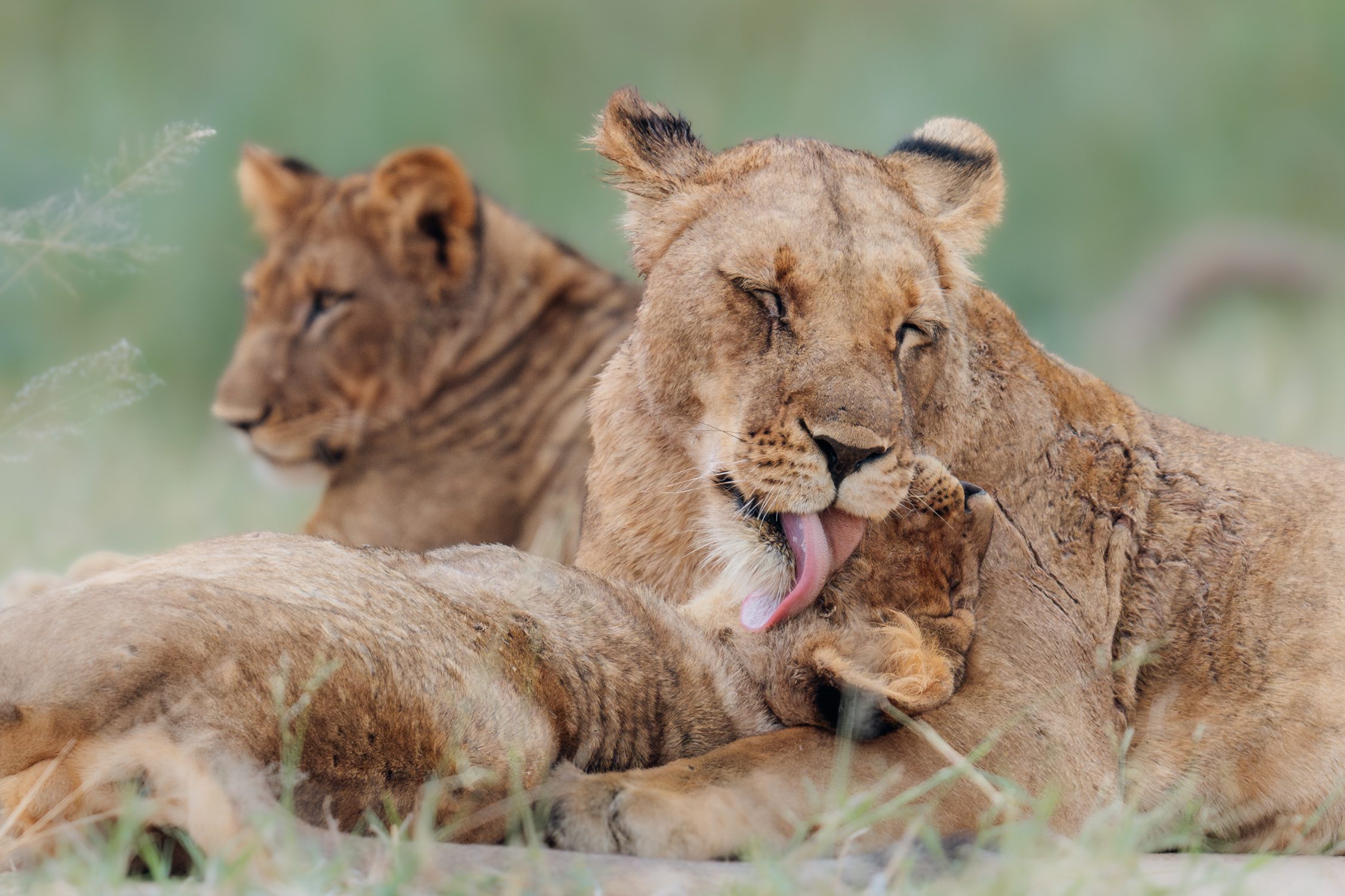
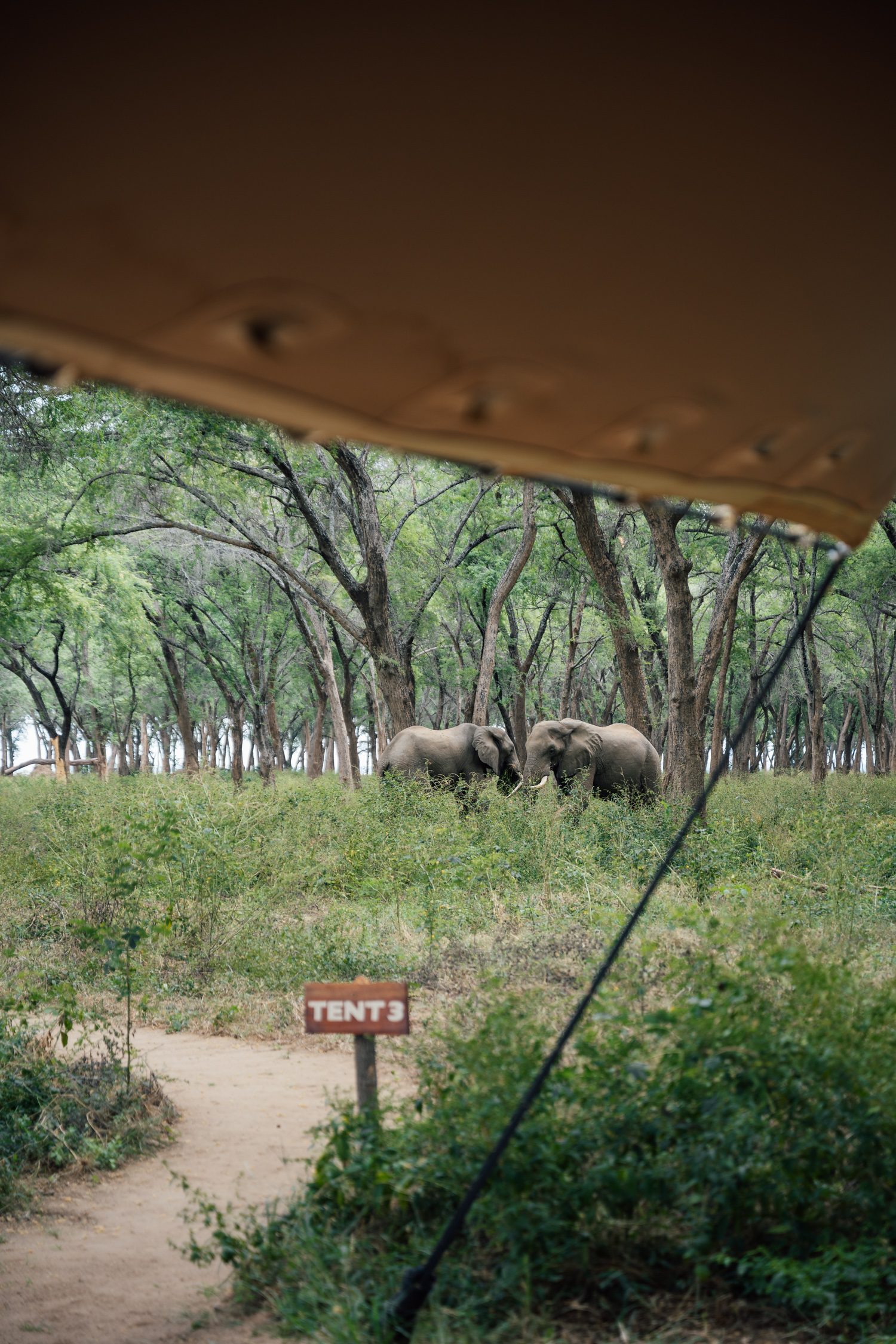
The next morning brought elephants straight into camp. We had already seen and heard them at night, some just an arm’s length away from our tents… they seemed to love the fresh green that had grown all throughout the camp. Our game drive brought more sightings of the lion pride and elephants galore. An editing session in the afternoon allowed us to reflect on our work, and another night drive rewarded us with glimpses of a genet and a civet. Dinner was had surrounded by hippos who had started rumbling around camp that evening.
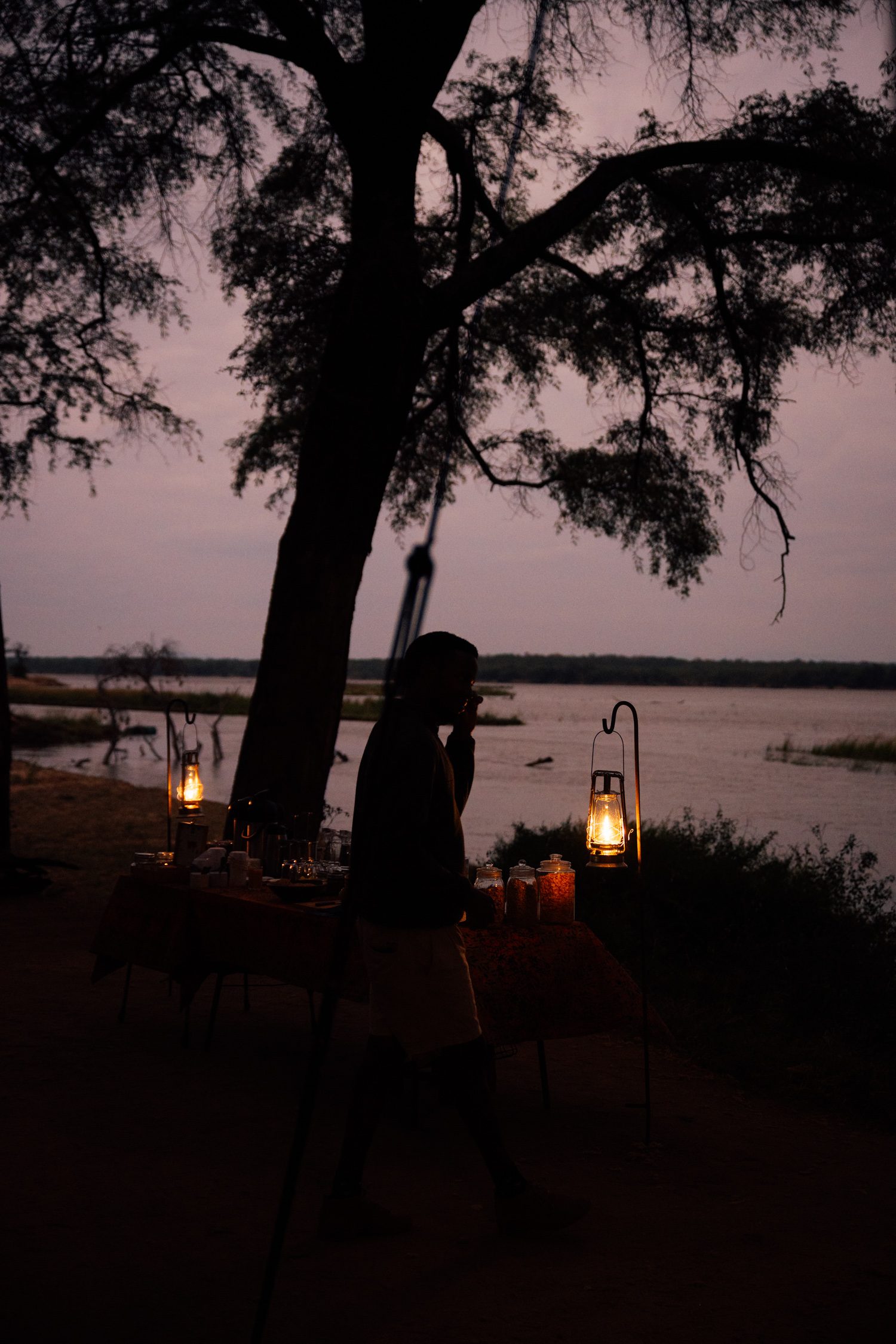
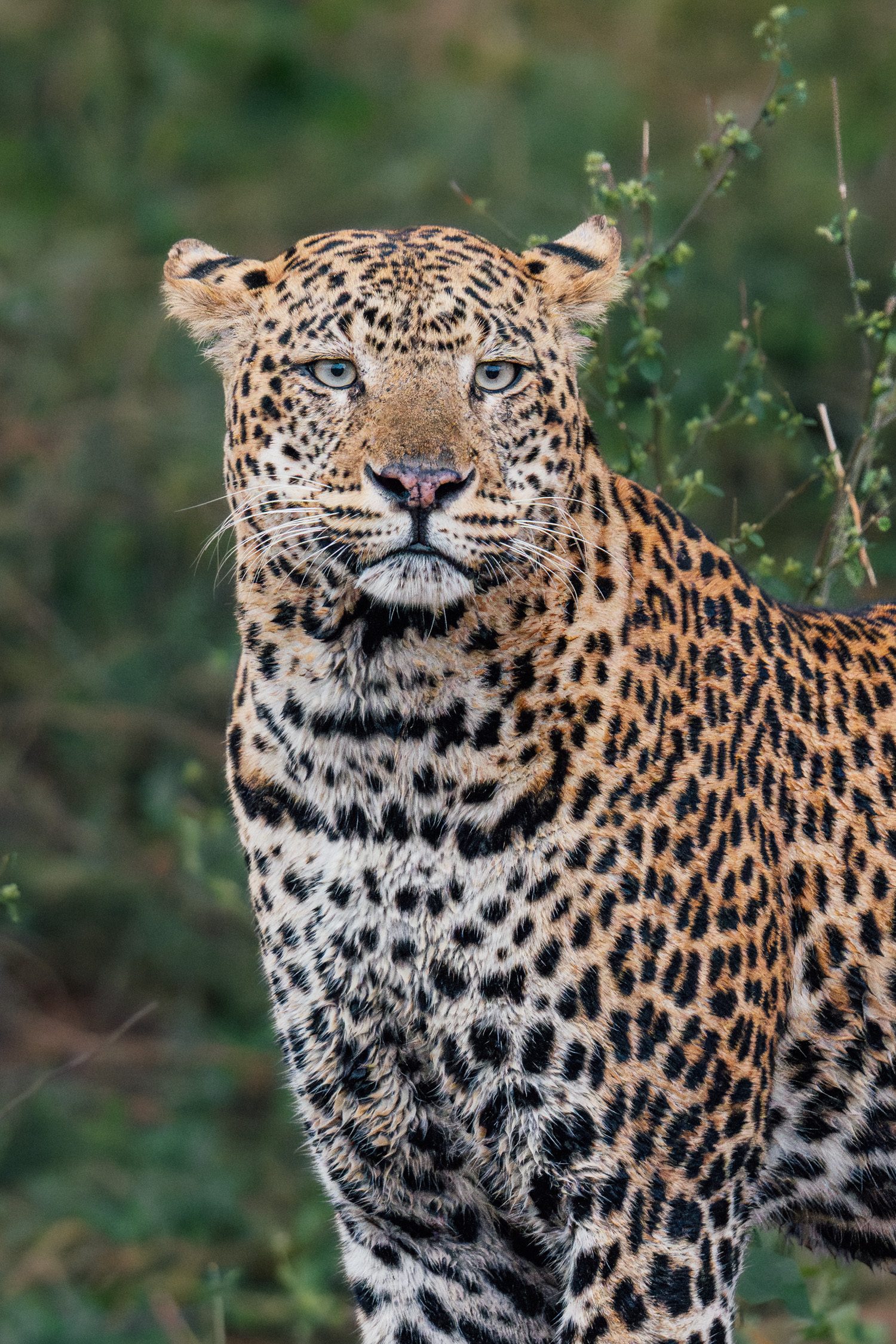
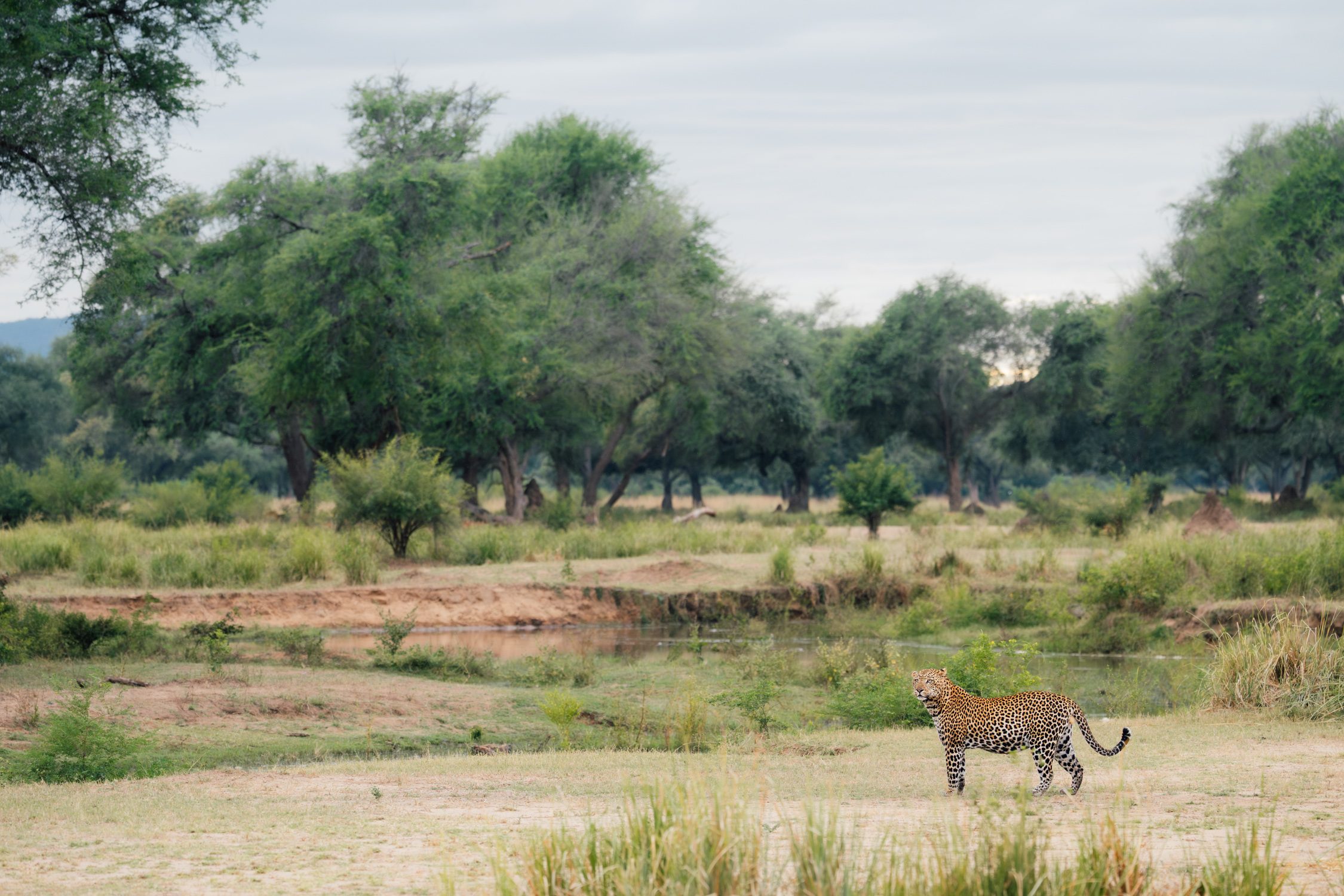
By May 15th, our safari rhythm felt natural. This morning held another incredible surprise in store for us. We discovered a majestic male leopard named Big Tom by the guides, who was wandering around one of the side channels of the Zambezi river, clearly wanting to cross.
He tried and tested a few different locations, but couldn’t find it in his heart to make the leap across. Our guides told us that a female he had been seen with was waiting on the other side, but today he couldn’t come up with enough courage to make his way across to her. Instead he climbed up a Mahogany tree, where we assumed he would stay for the remainder of the day.
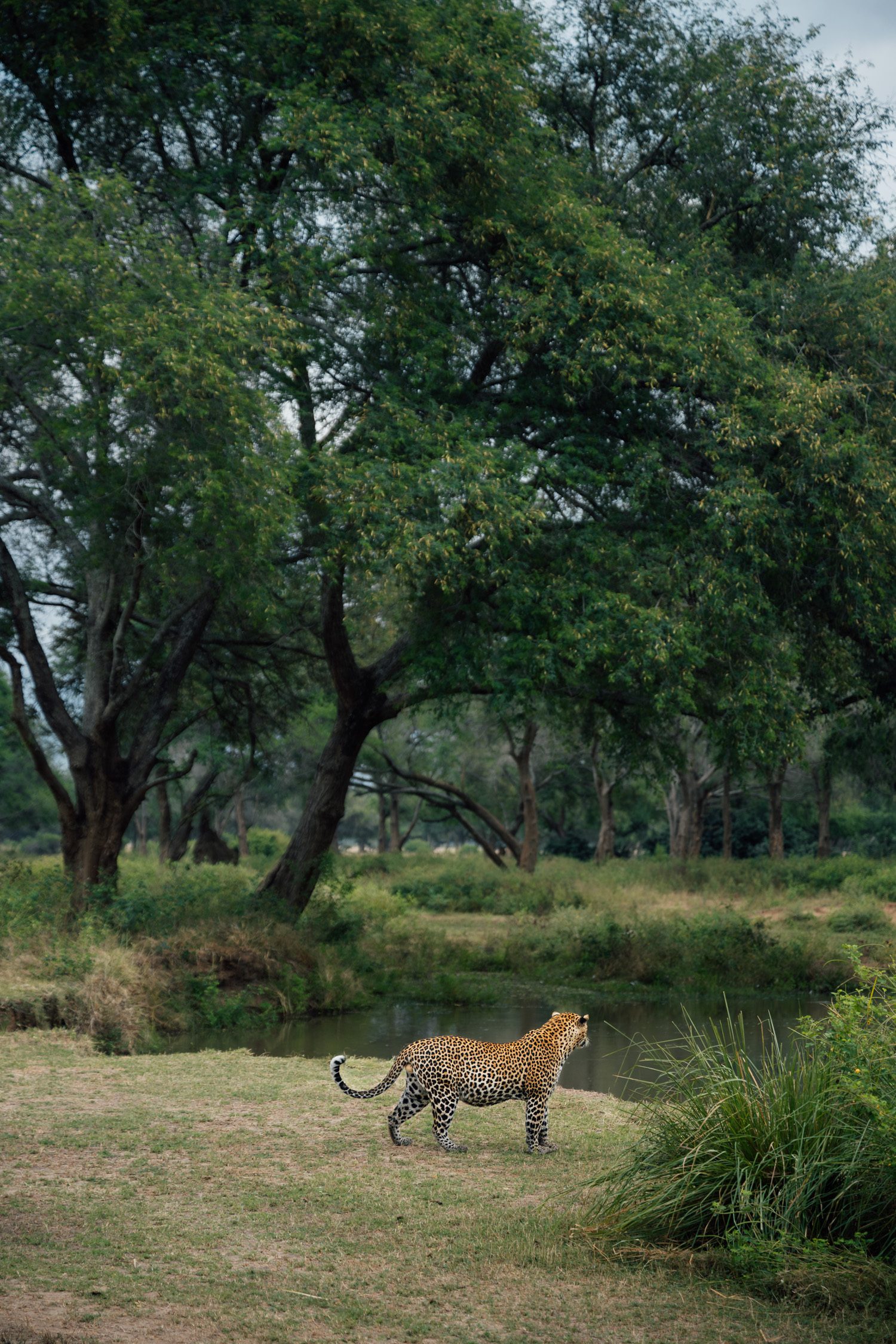
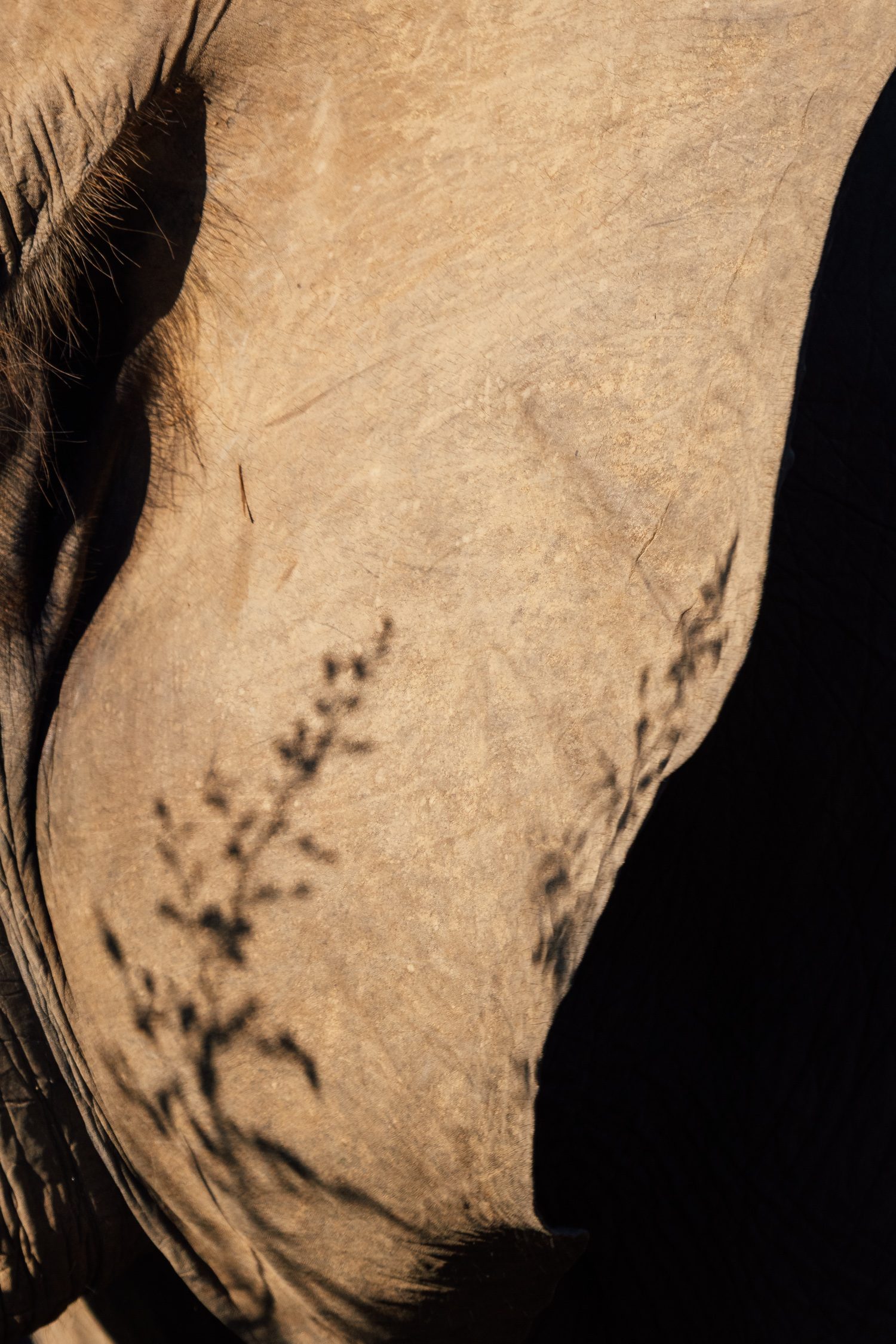
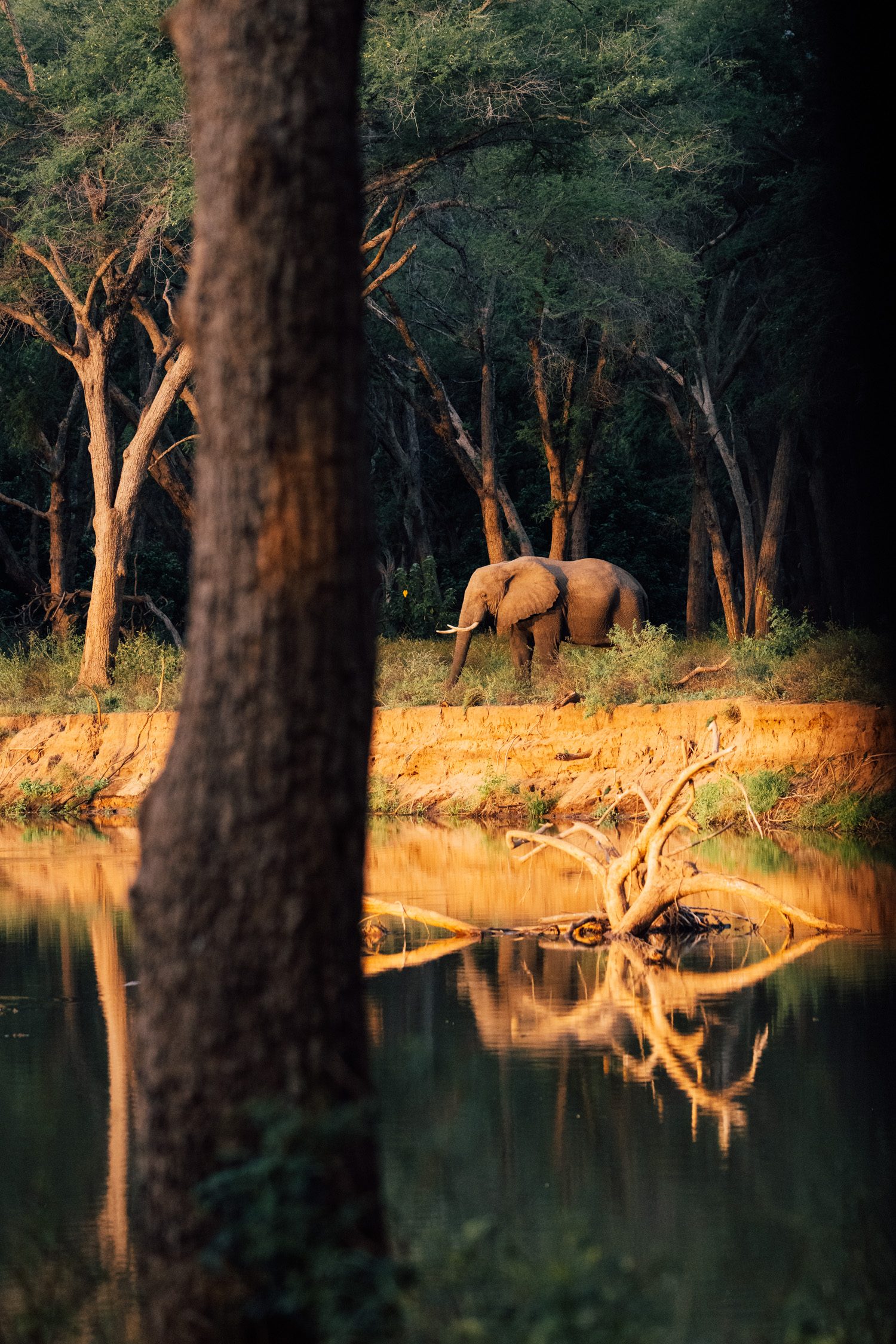
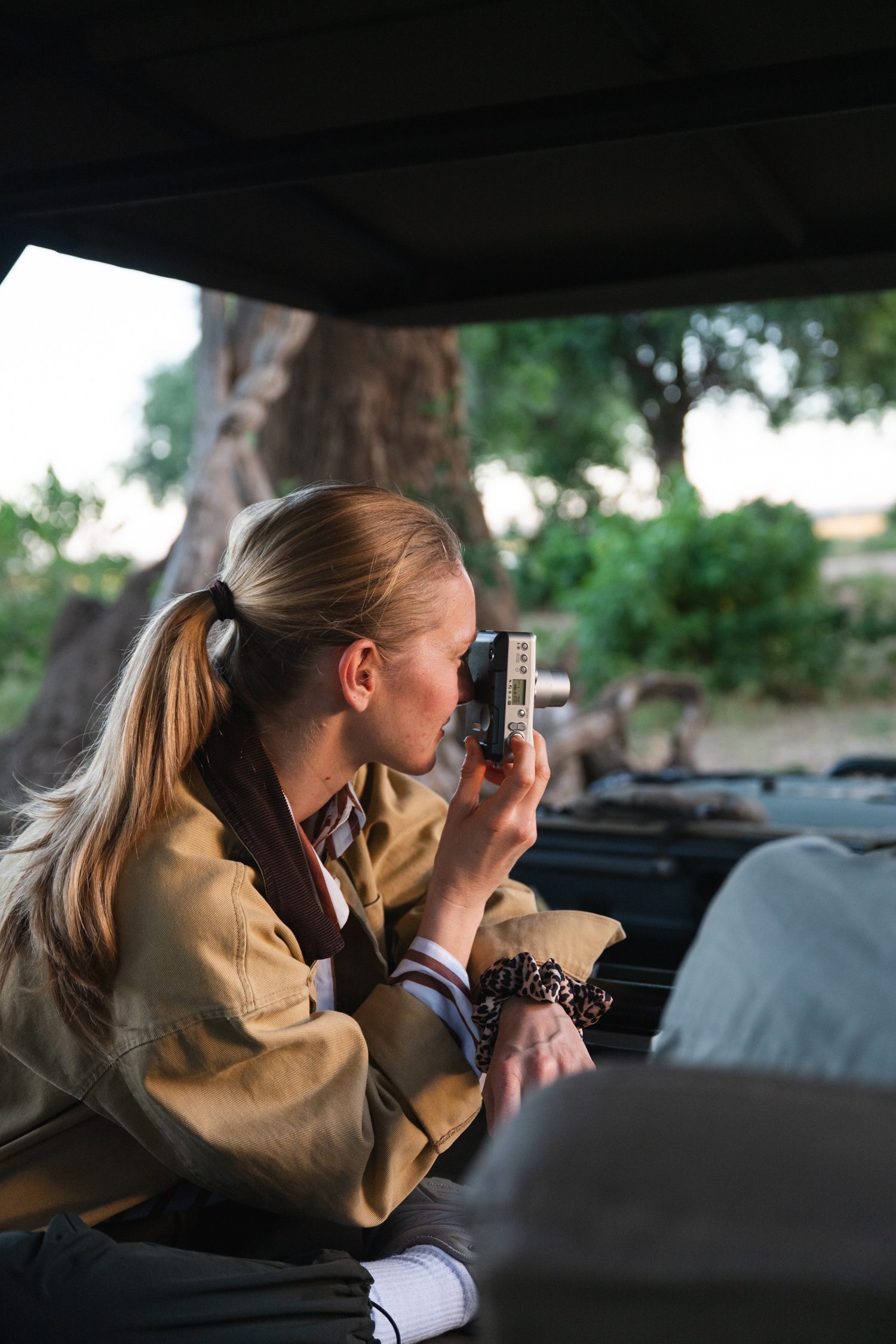
Later in the afternoon we watched a group of elephants cross a channel and then spent some time with the same pride of lions with eight cubs feeding on a waterbuck, which they had killed the night before. As always Lower Zambezi is more than just the animals, the landscape and vegetation here is stunningly beautiful and we often feel tempted to take photos of strangler figs and just the small details that make this place so special.
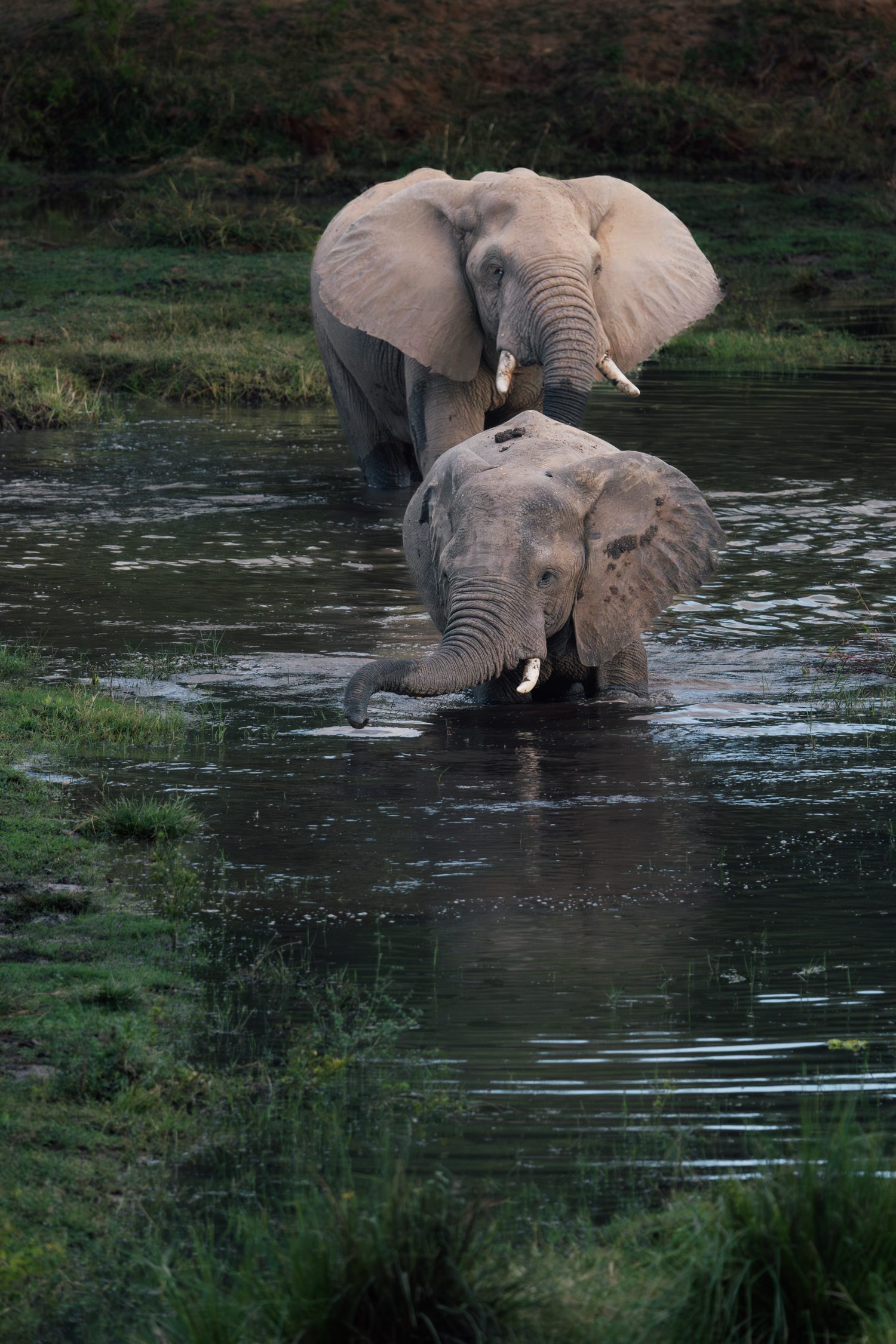
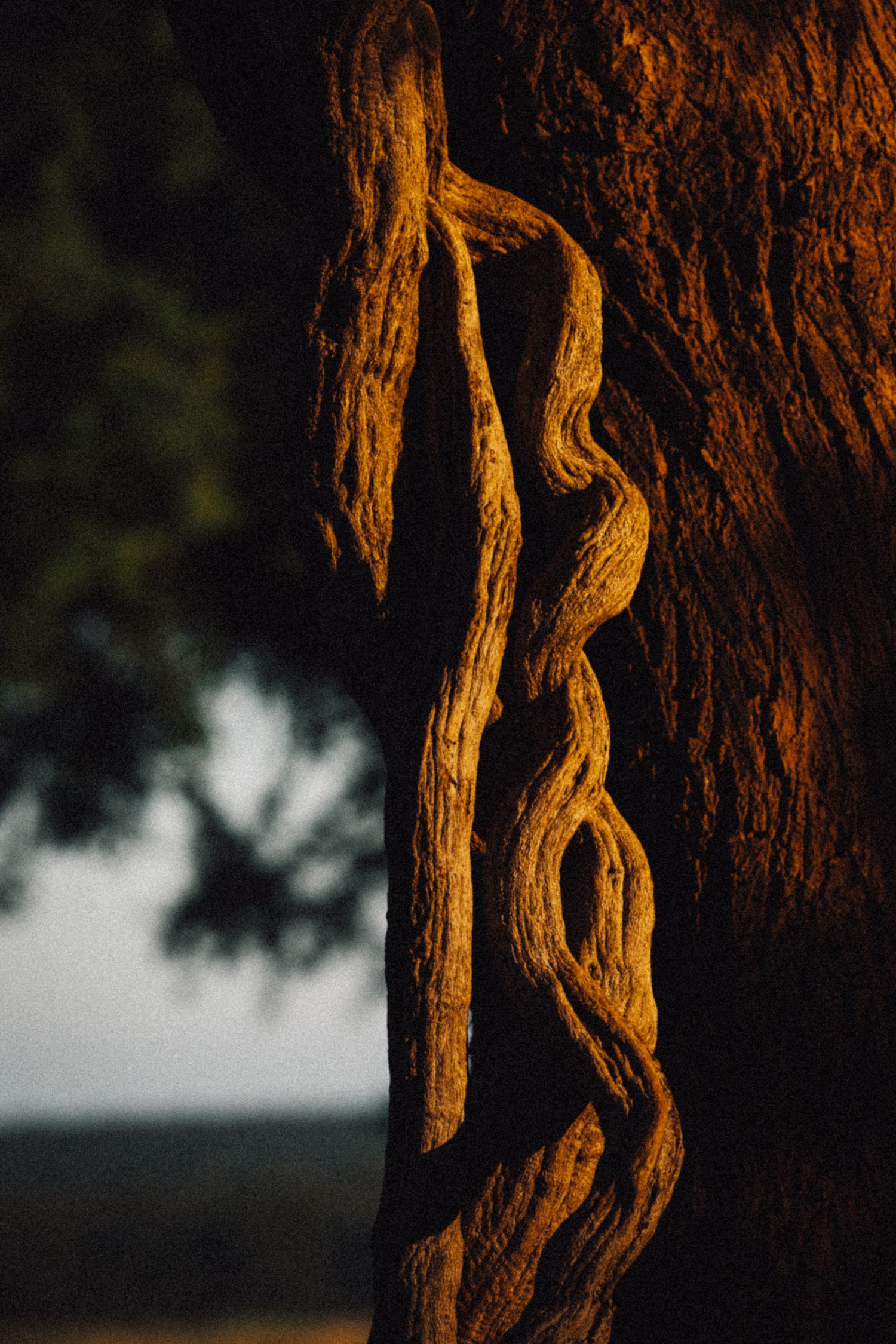
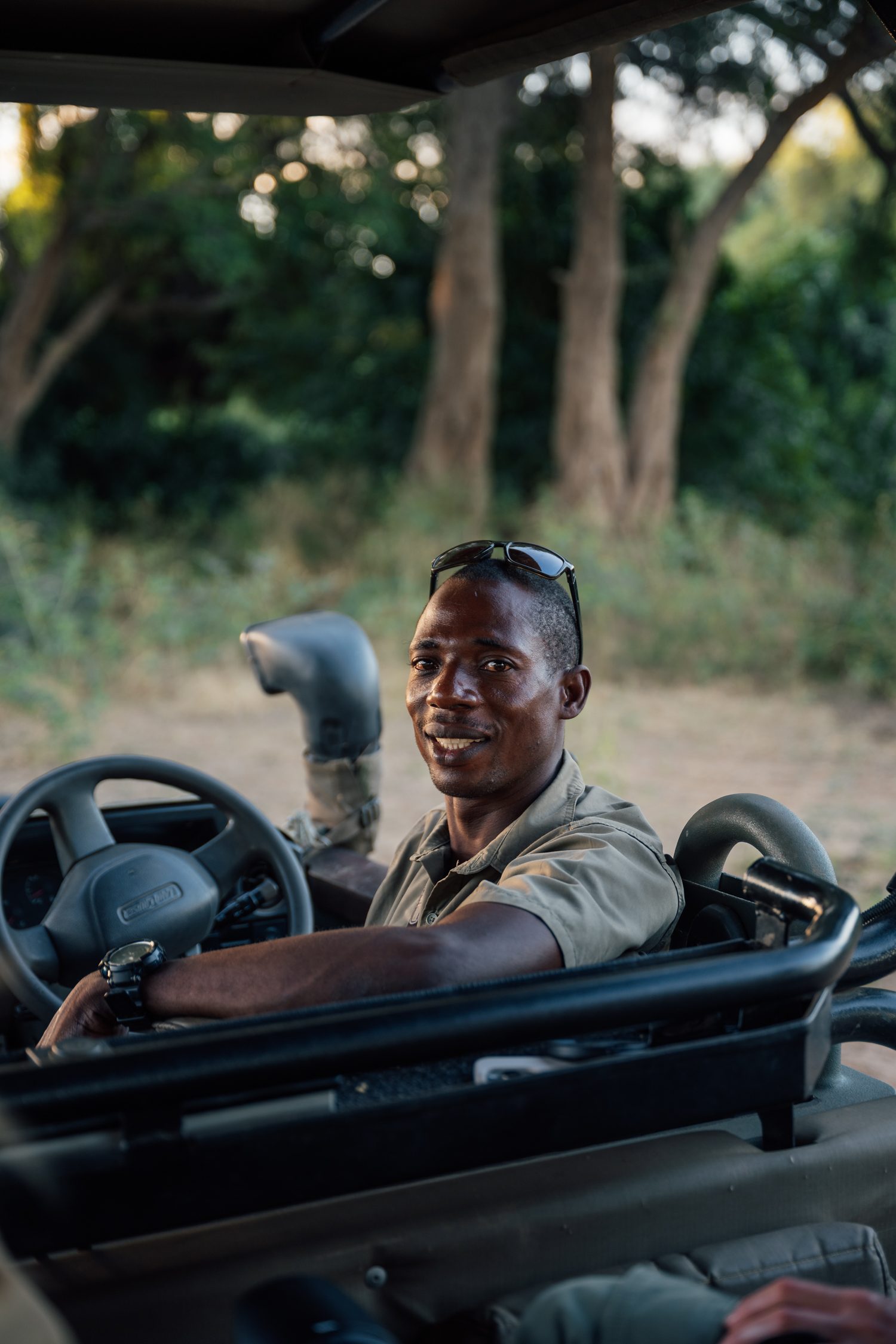
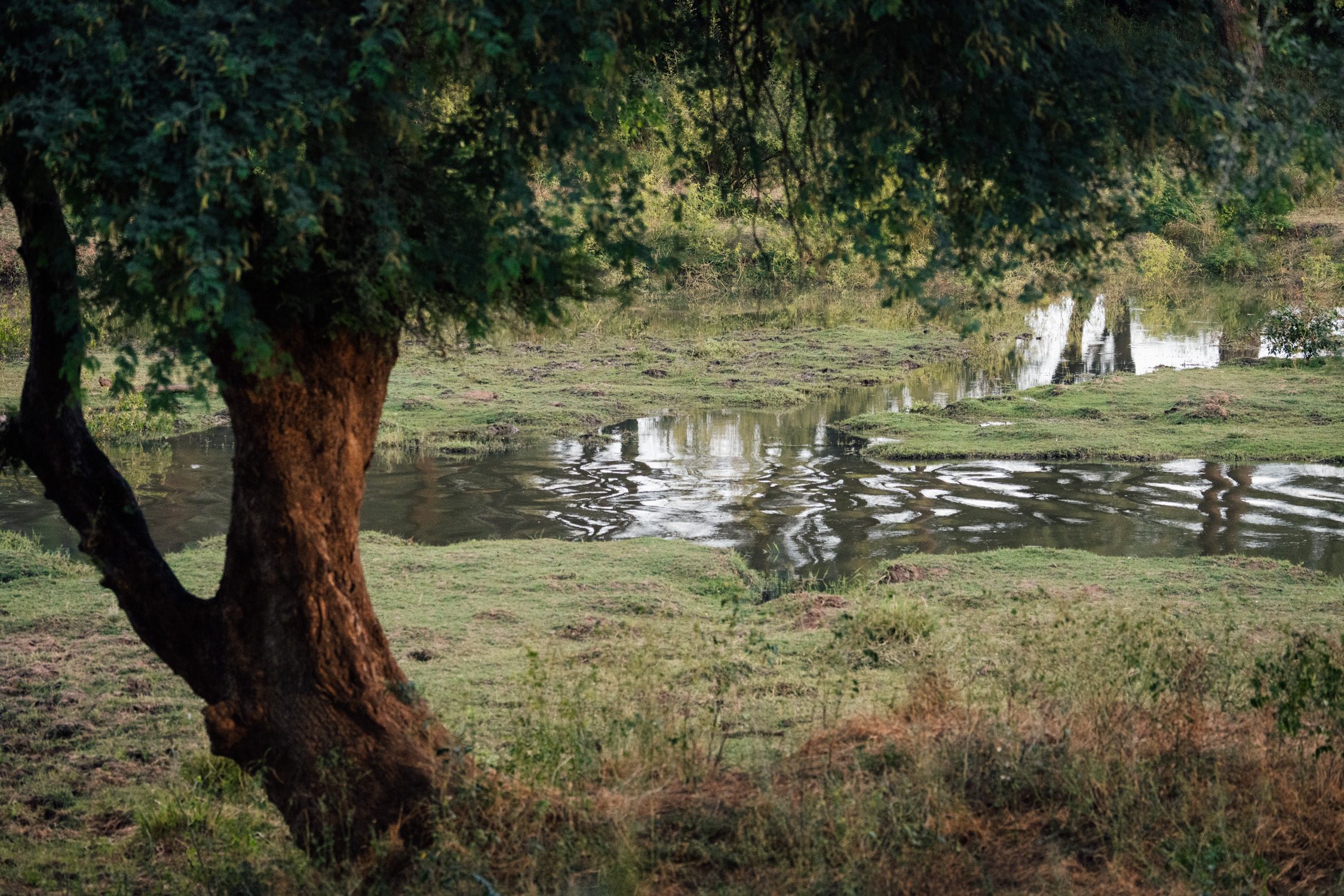
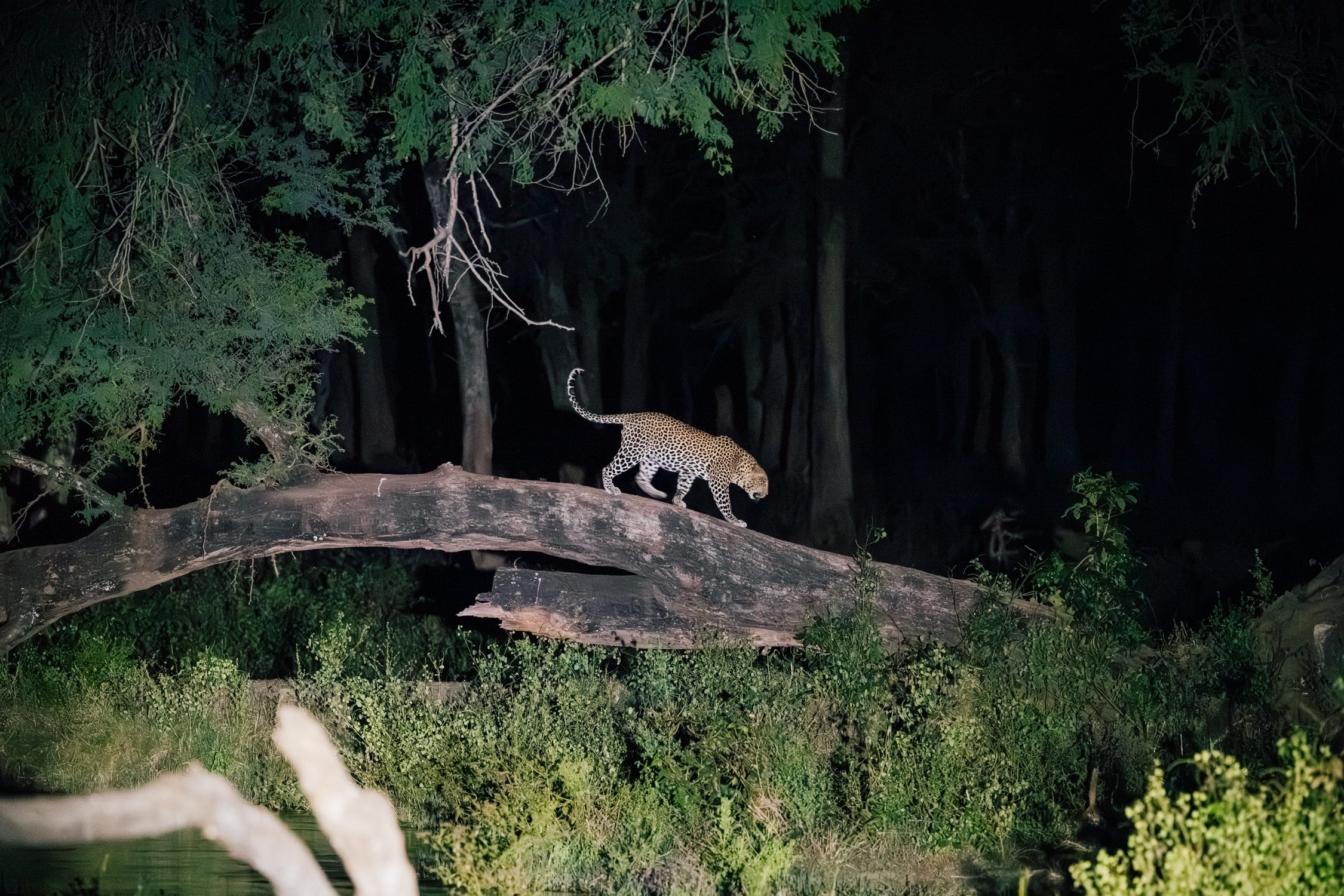
When the sun was about to set we decided to return to the Mahogany tree where the male leopard Big Tom was resting. In the very second when we arrived he decided to jump off the tree – right in front of our car. We couldn’t believe our eyes (and cameras obviously weren’t ready yet). But we followed him for a bit while he walked right toward our camp. When he climbed over a large tree that had fallen over a channel we knew why – he still wasn’t in the mood to get wet… 😅
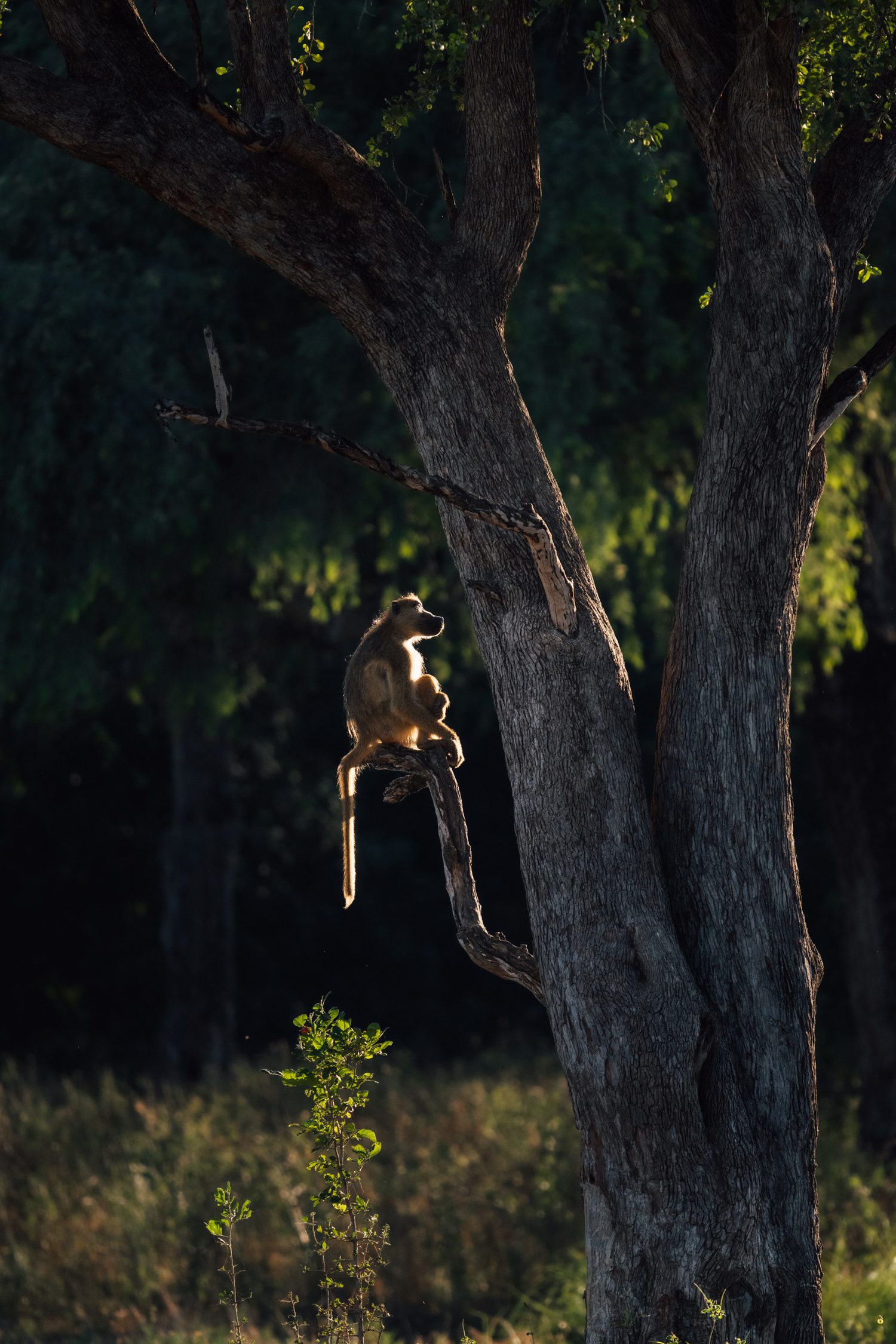
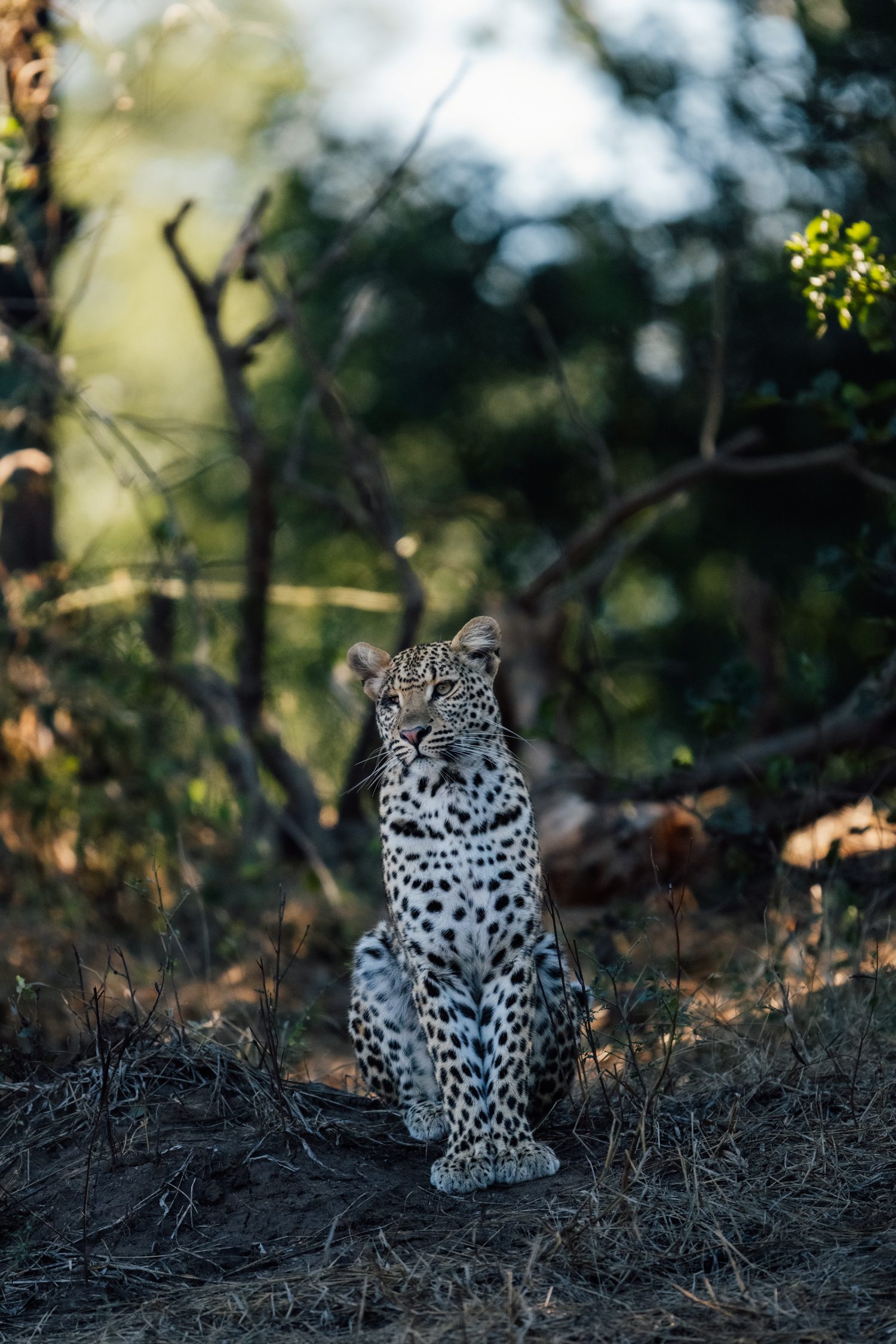
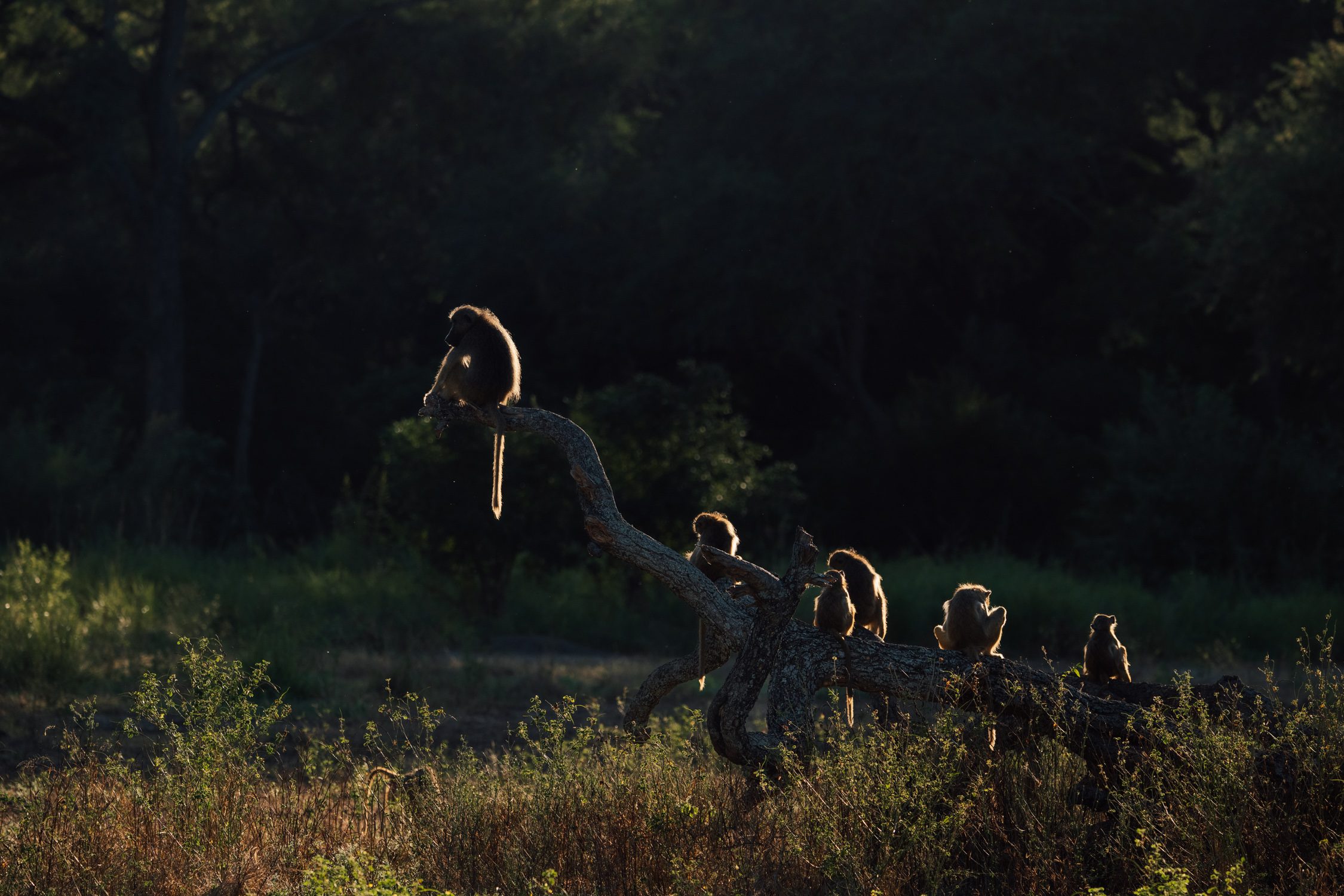
The 16th of May was a day full of emotion. We saw baboons lit beautifully by the morning sun and a mysterious female leopard with an injured eye, who the guides couldn’t identify. That’s just how many leopards there are in Lower Zambezi National Park. Today it was time for us to change camps.
Combining the two different Classic Zambia properties is well worth it in Lower Zambezi National park, as they offer different locations and experiences.
3 nights at Chula Camp, Lower Zambezi National Park
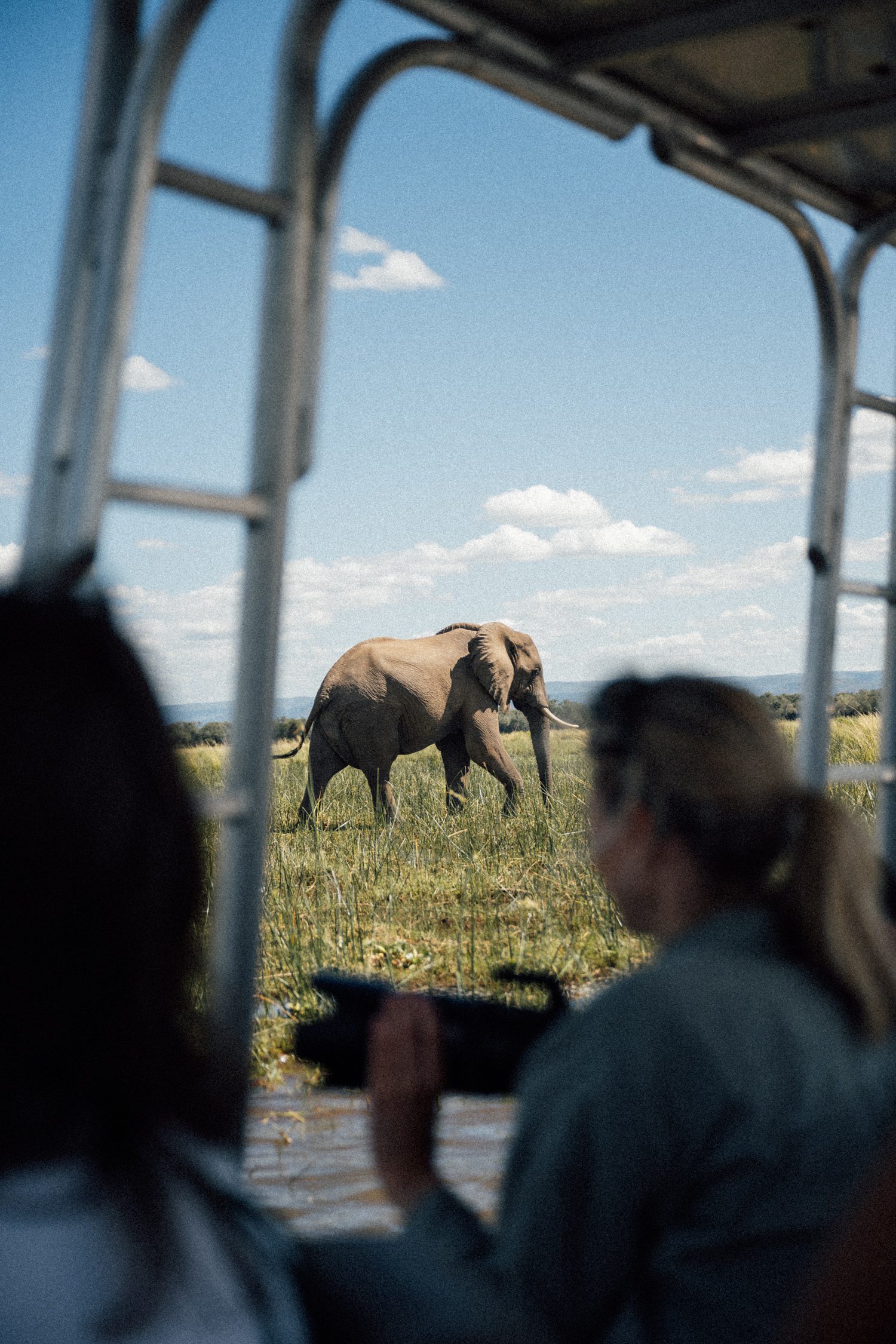
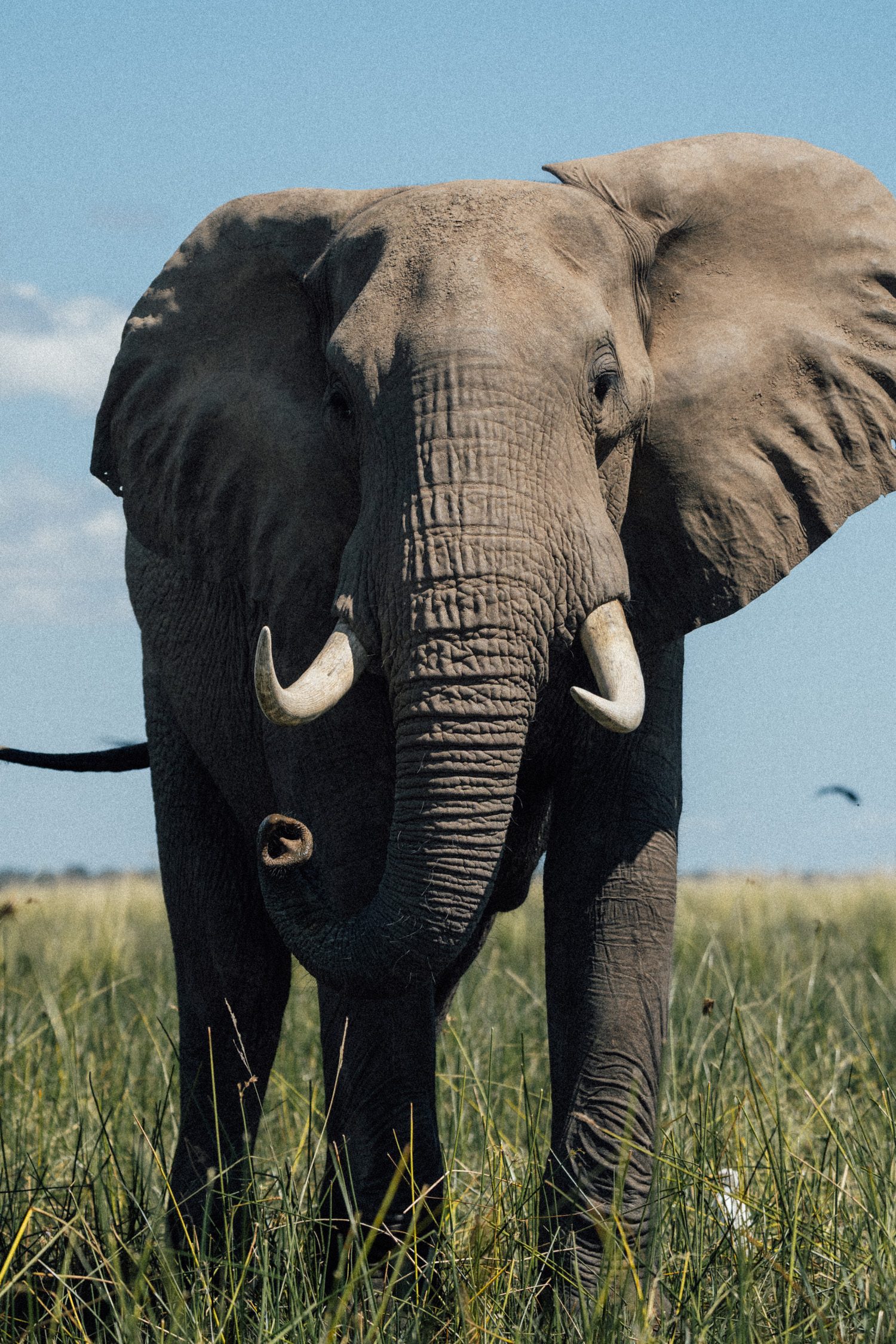
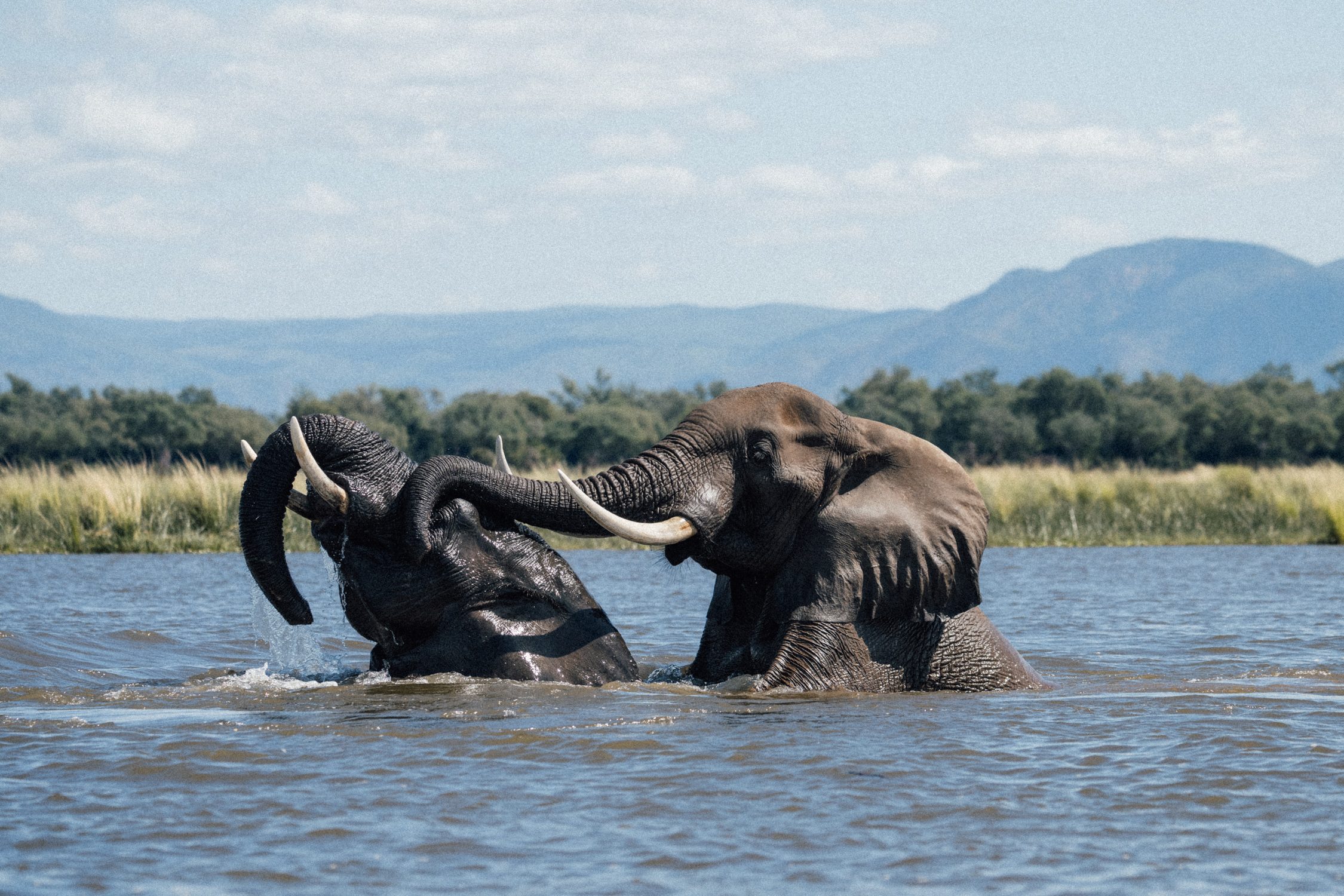
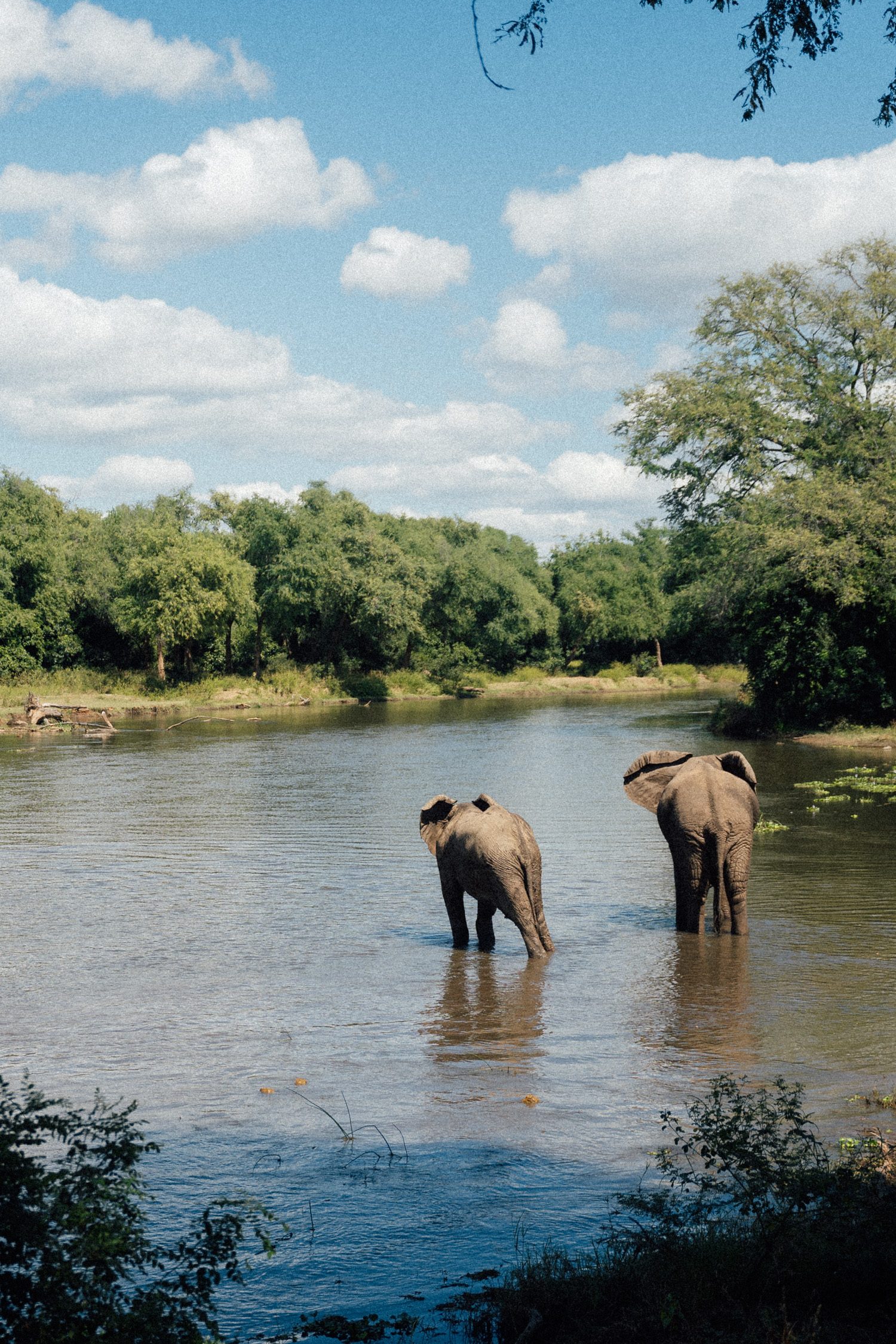
We decided to take the opportunity and do the transfer by boat instead of by car. This gave us an extra activity in the late morning hours. When coming close to Chula Camp we already spotted elephants at the shoreline of one of the islands in the river. We approached carefully and couldn’t believe how close we could get to the three large elephant bulls, without them even lifting a brow. Quite the opposite – they actually decided to head into the water and play in the river right in front of us. It looked like they were practicing mating rituals with each other that day and we enjoyed this sighting to the fullest.
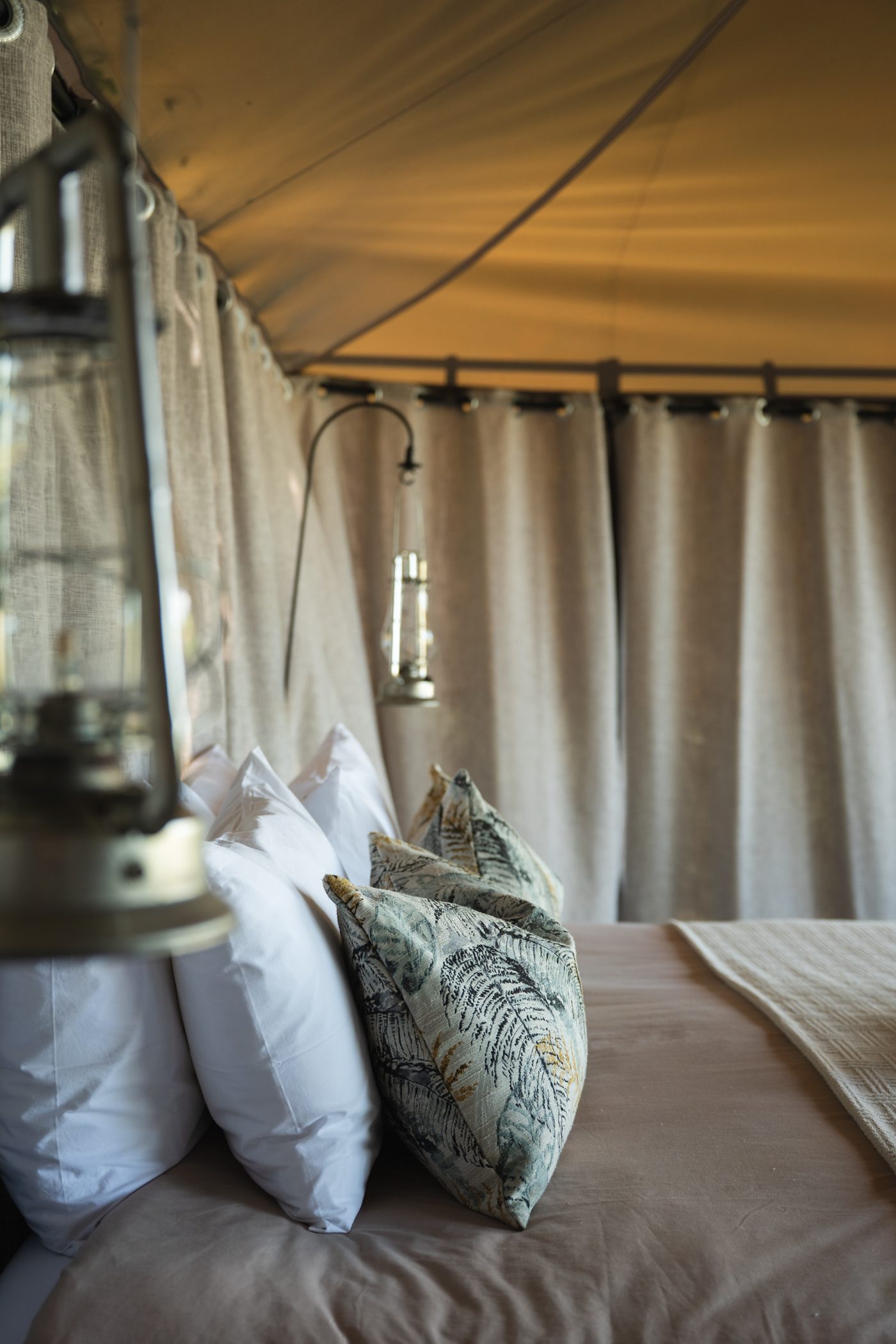
Chula Camp has also been upgraded with power outlets and fans in the rooms, alongside new curtains and blankets. The outdoor bathrooms here are awaiting their upgrade – maybe by 2026 they’ll also be as fancy as over at Kutali?!
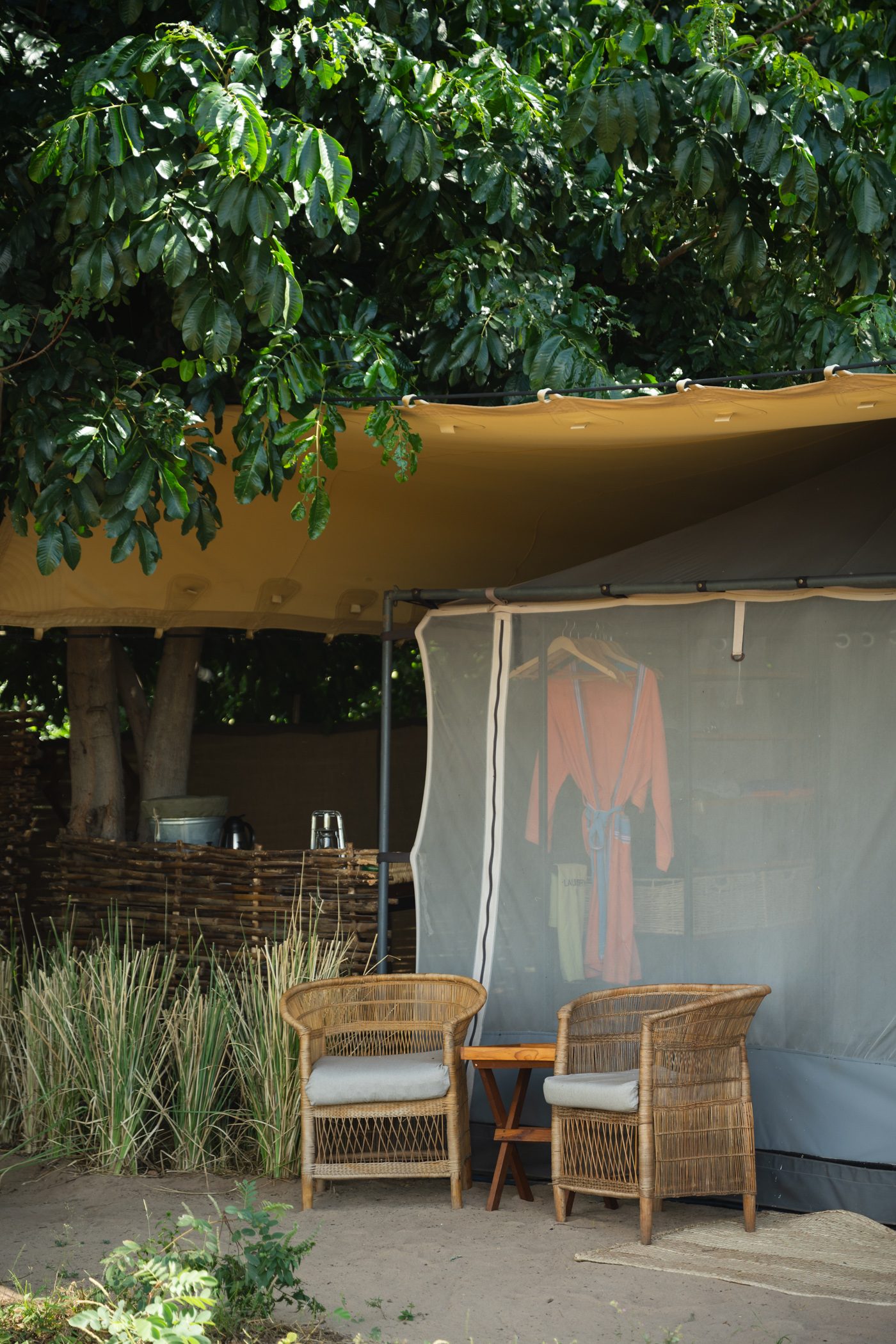
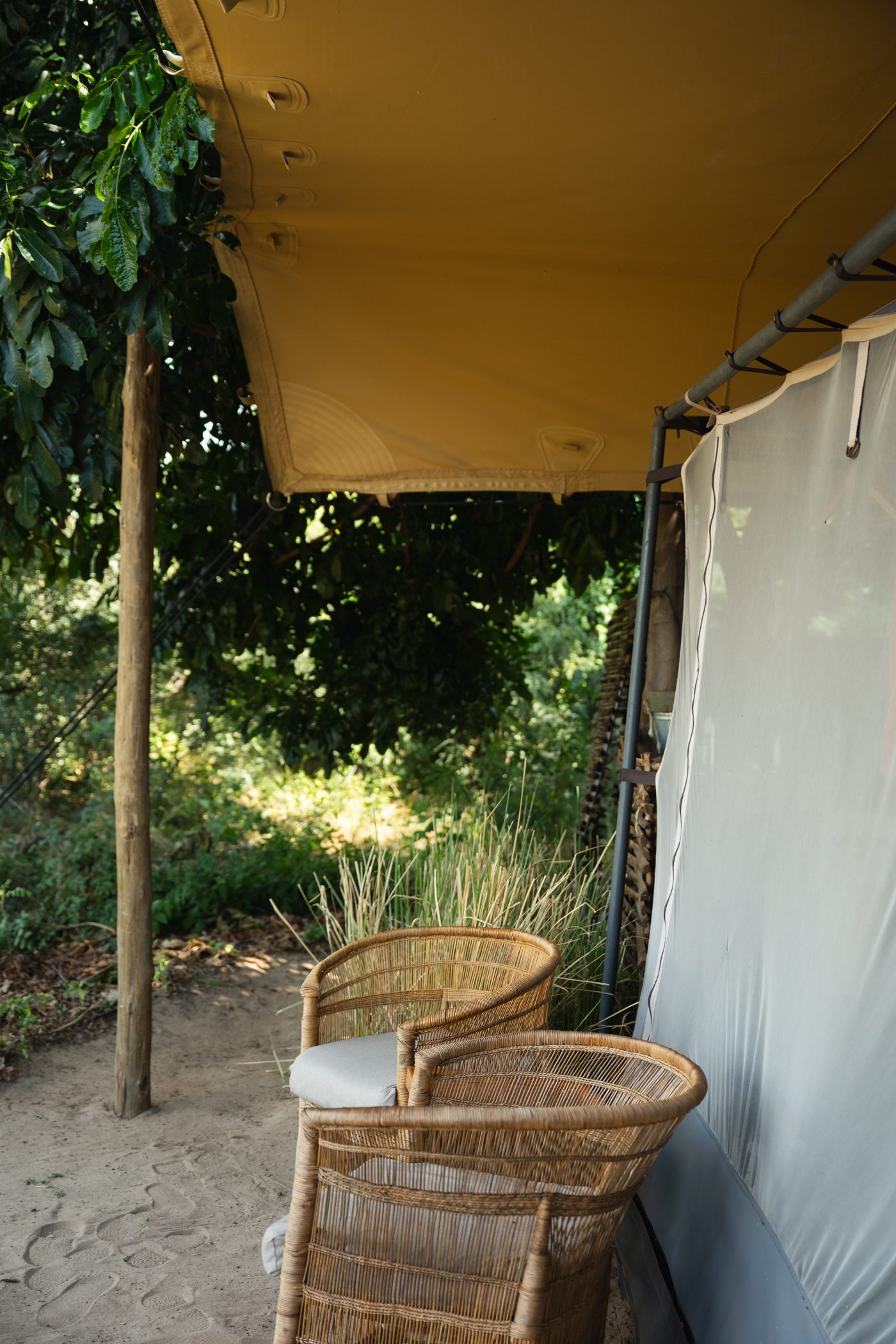
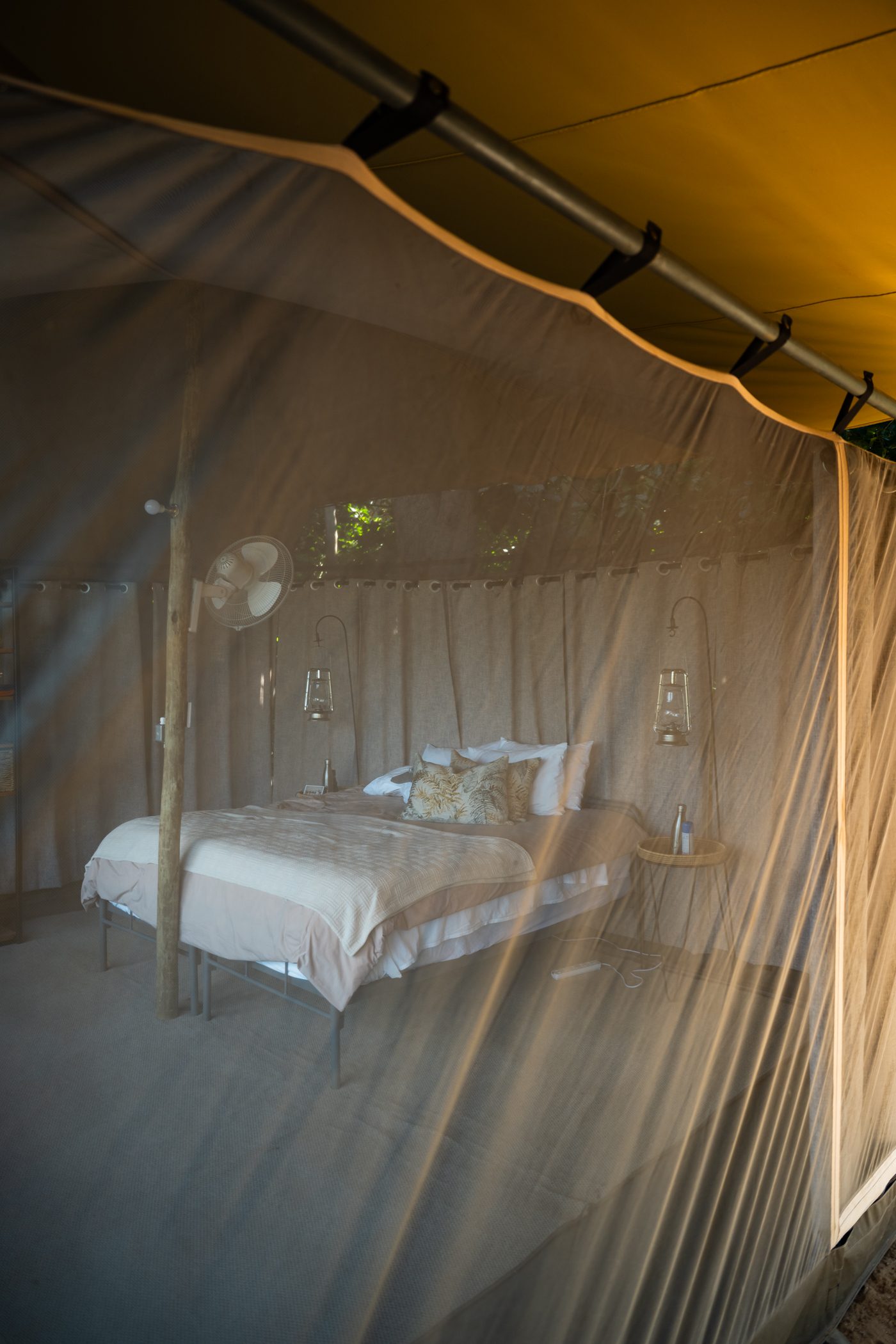
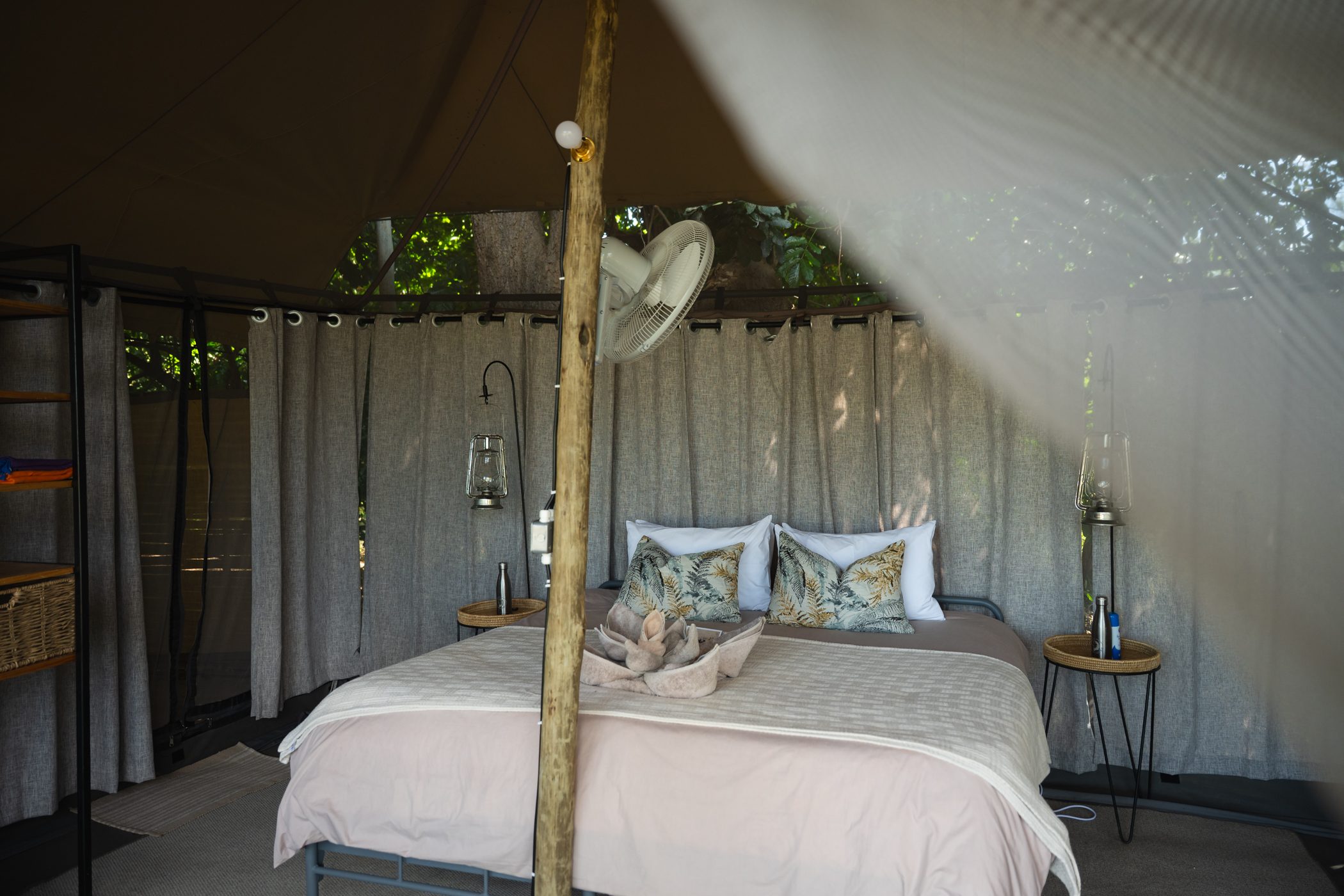
That afternoon, we got the full Chula island program. Remember – Chula is an island, so game drives always start with a short transfer drive, then a Mokoro ride across discovery channel – before reaching the game drive vehicles on the mainland. While just on that short transfer drive from Chula camp to the boating dock we saw a female leopard.
Turns out Chula island is home to a few resident leopards and this female had been mating the last couple of days. Now she seemed to relax and enjoy some time alone.
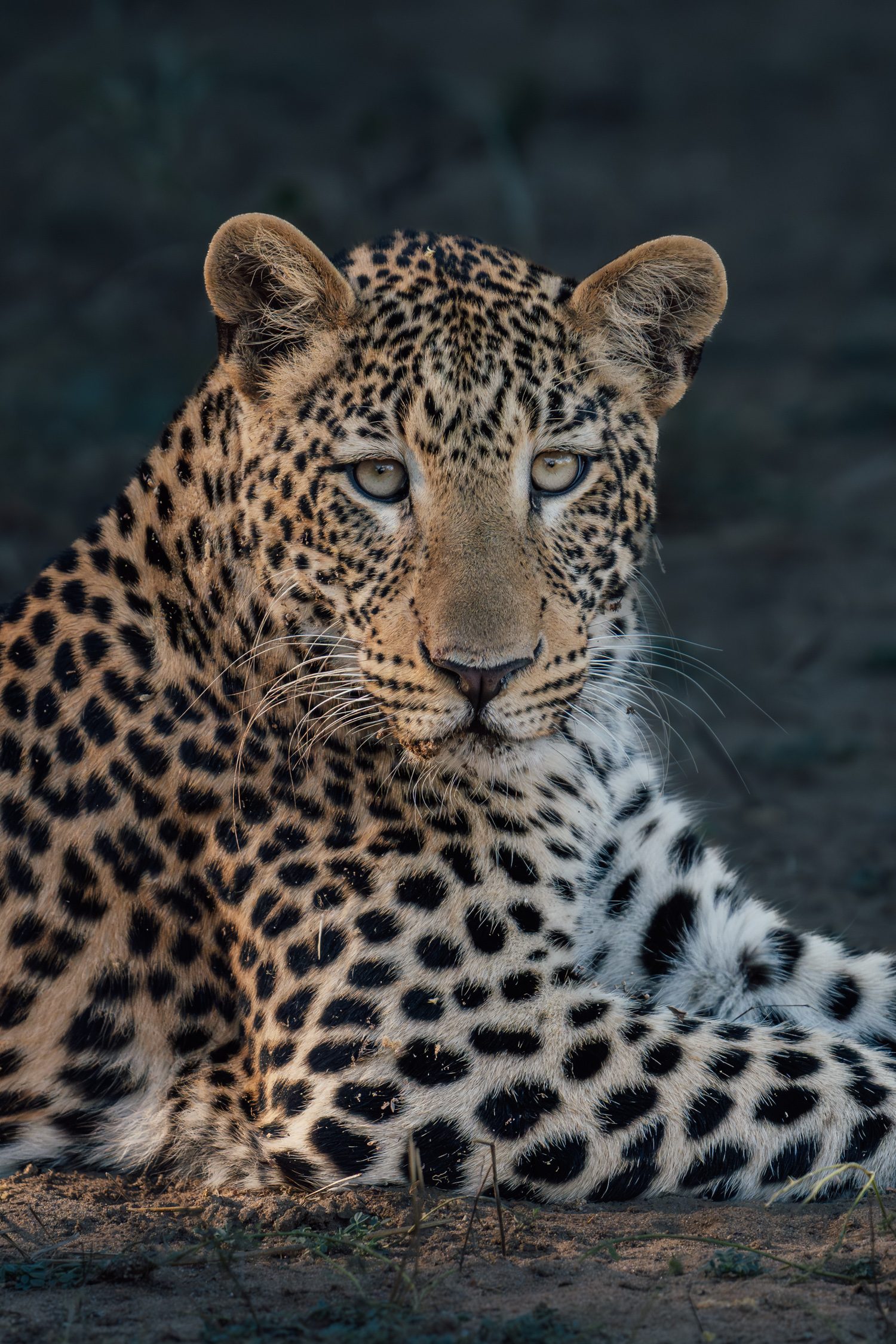
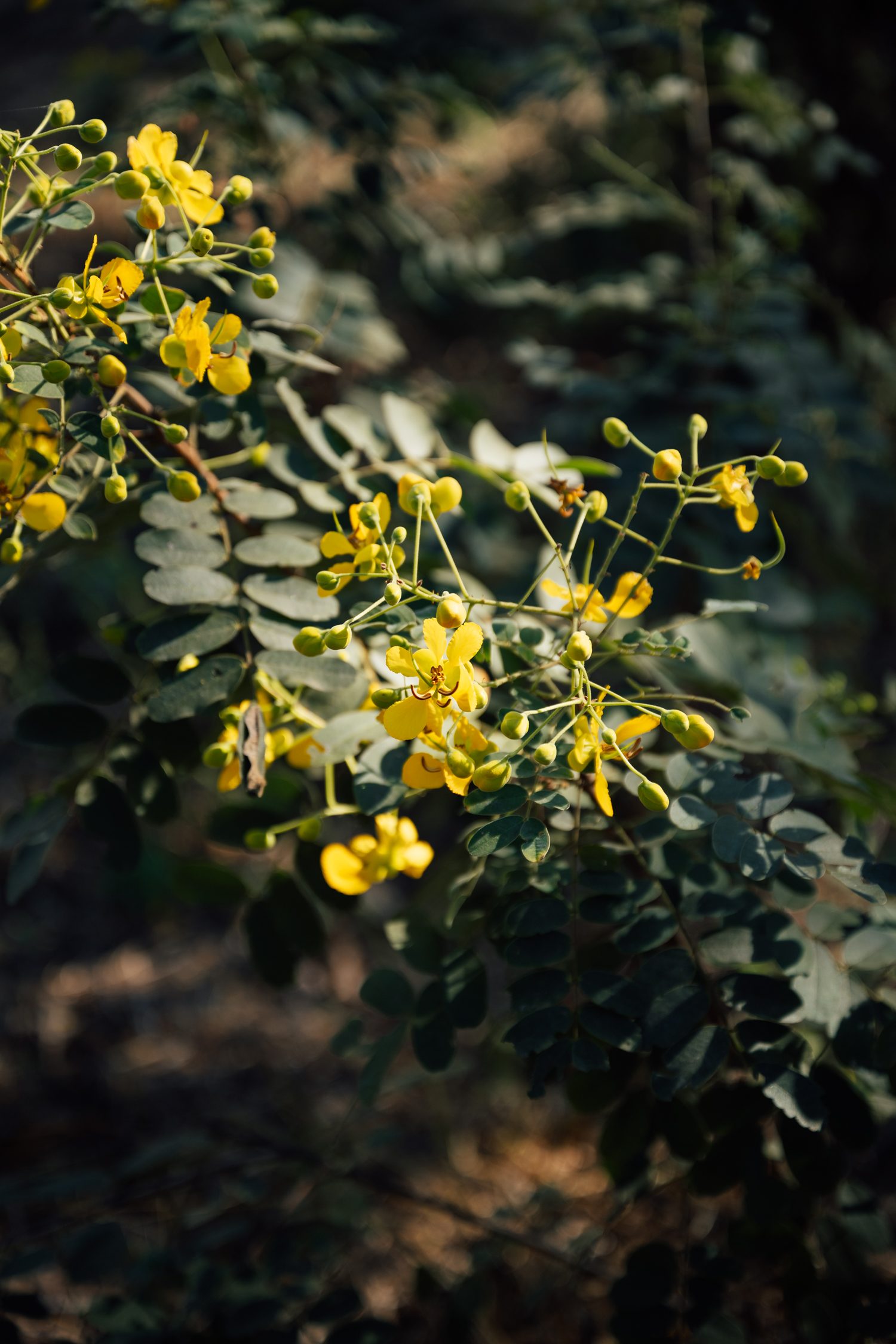
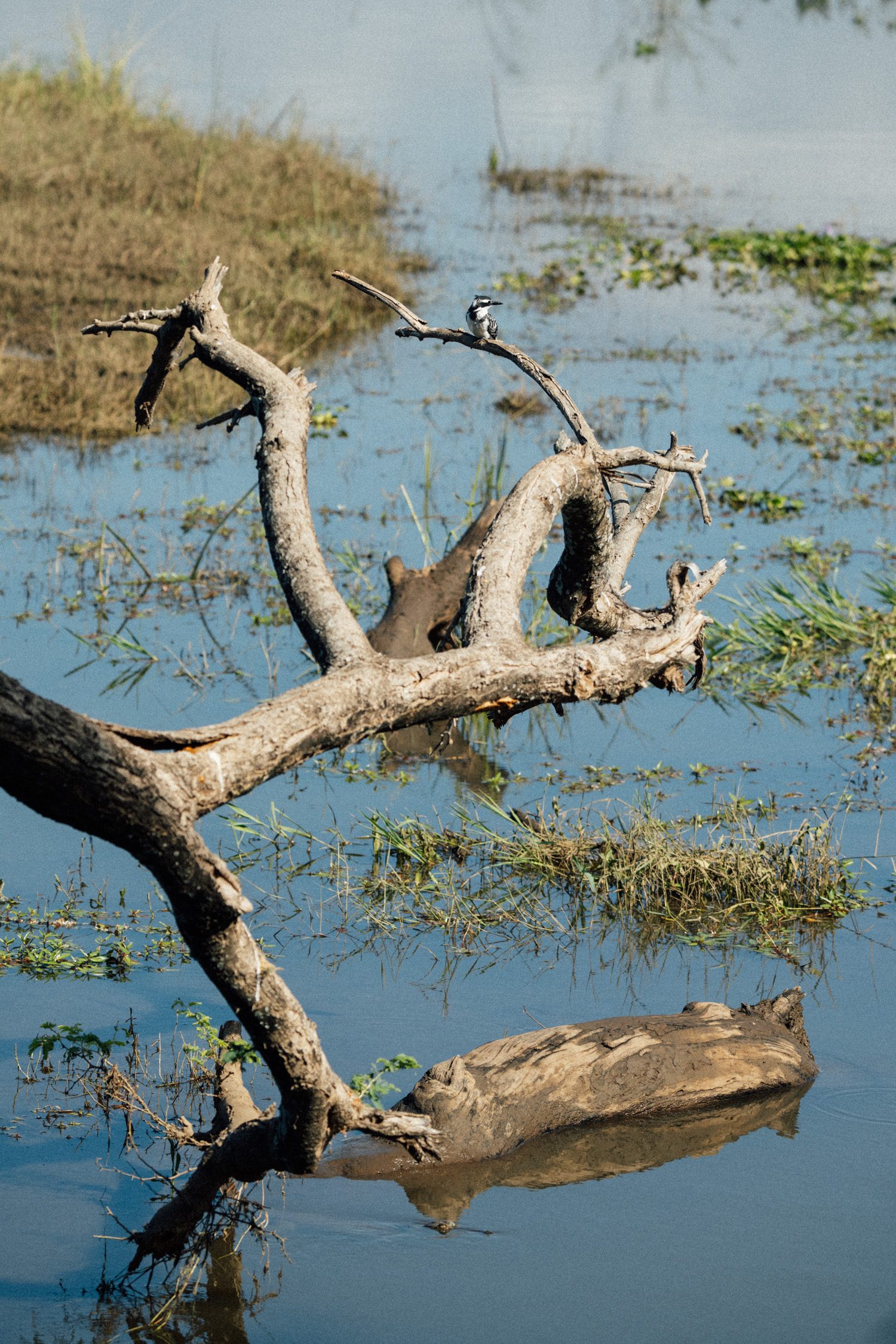
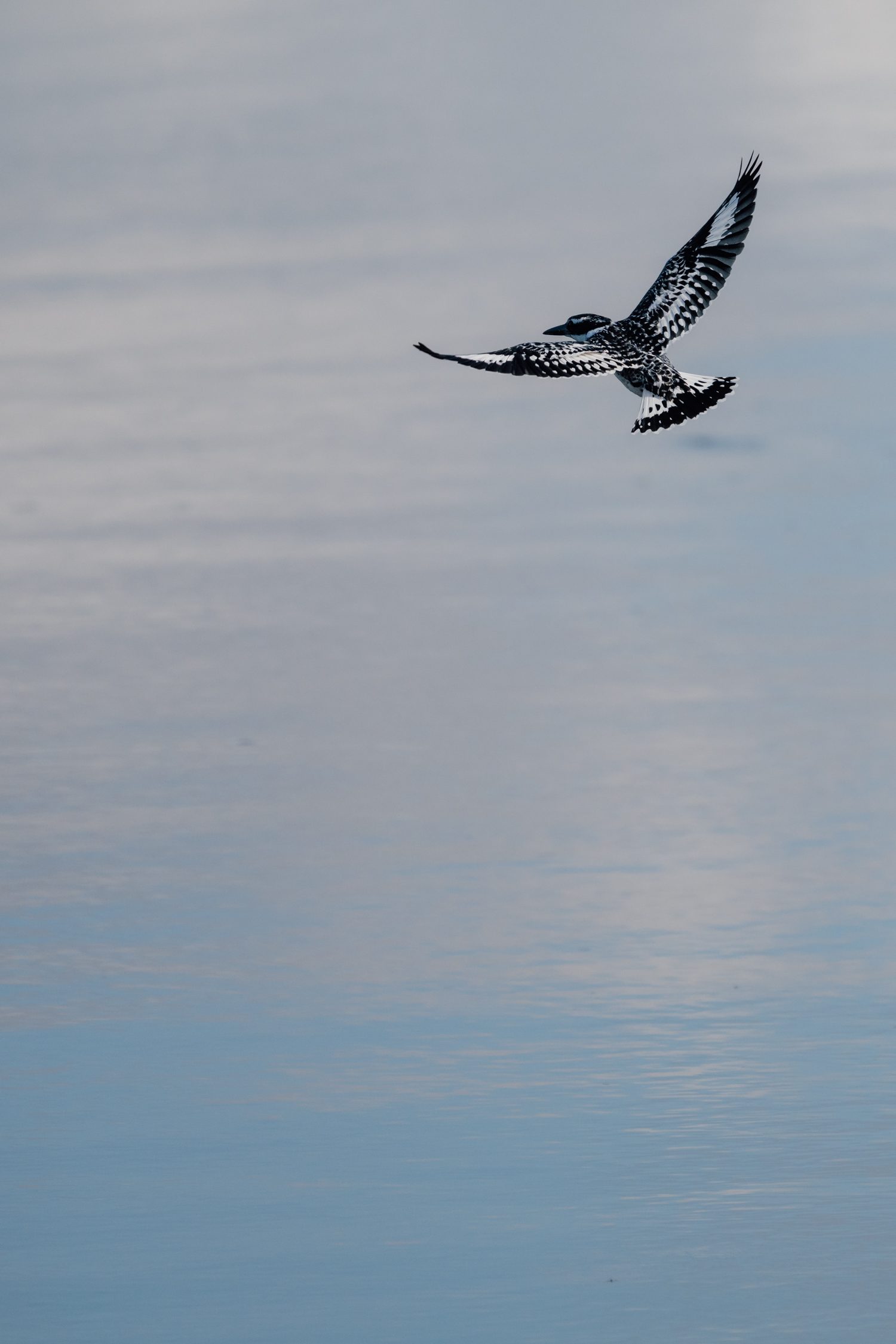
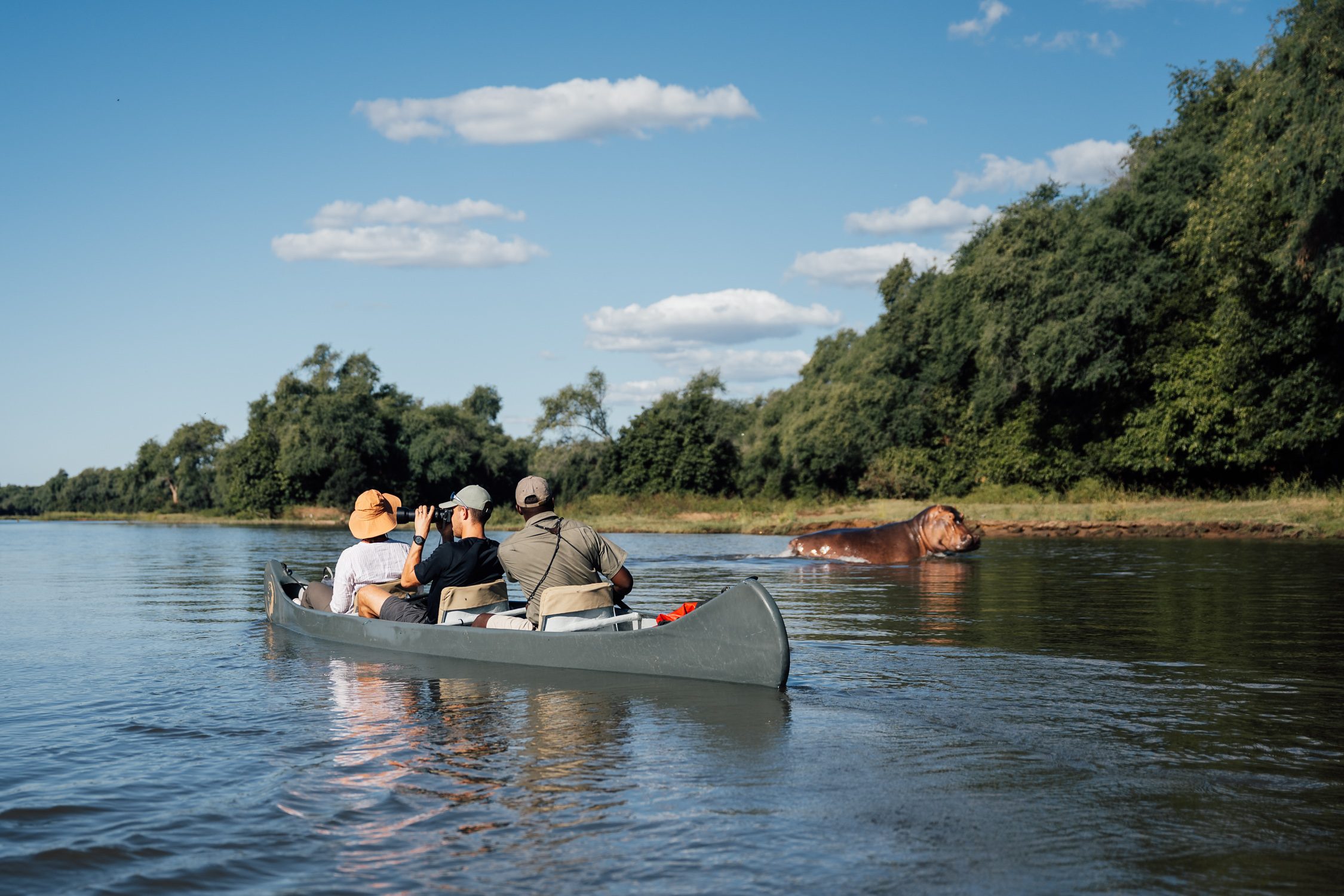
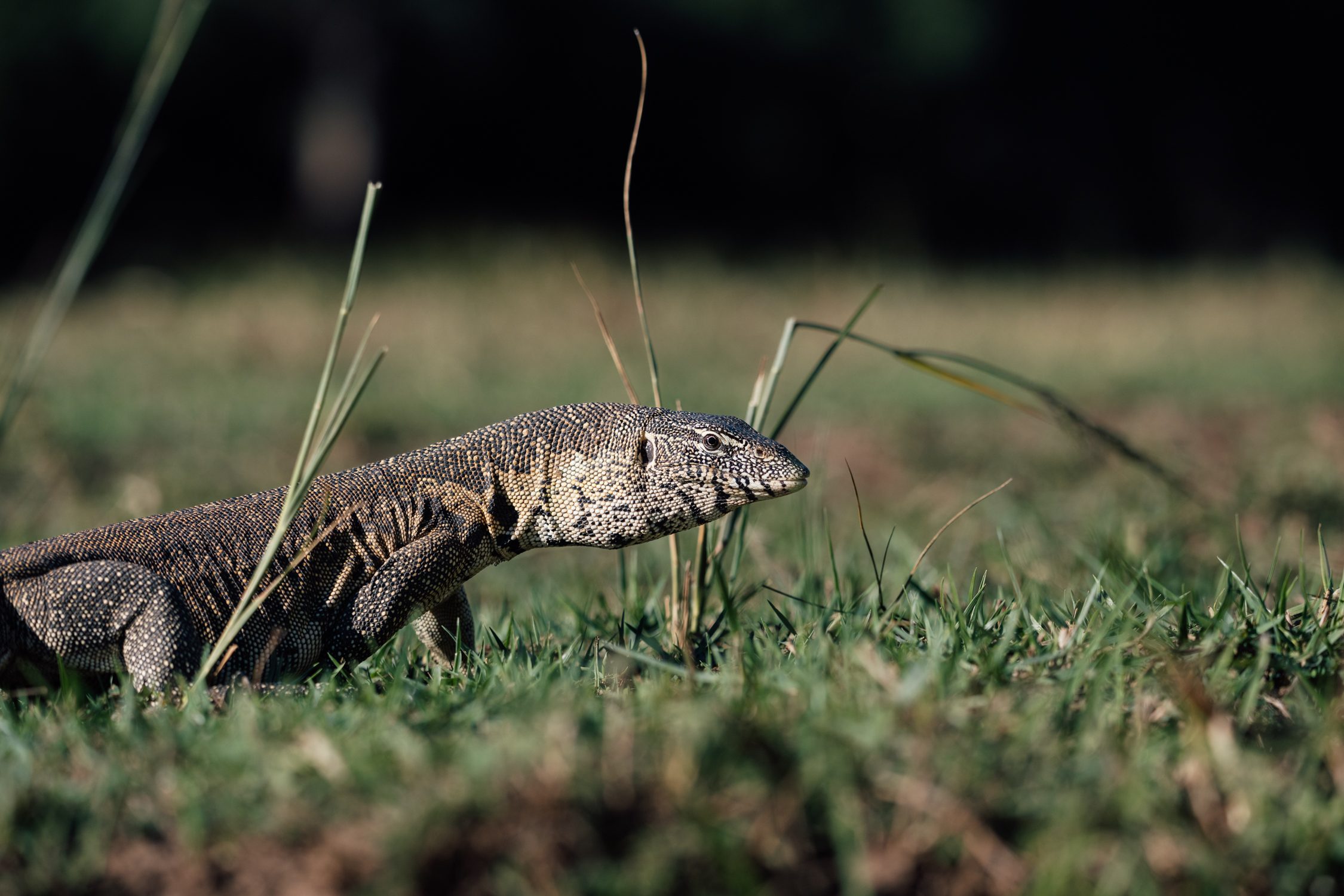
While one part of the group went on a game drive I took a small group on a canoe safari – one of my favourite activities in the Lower Zambezi. Paddling silently we shared the stunning Discovery channel with hippos, elephants and a mighty monitor lizard. 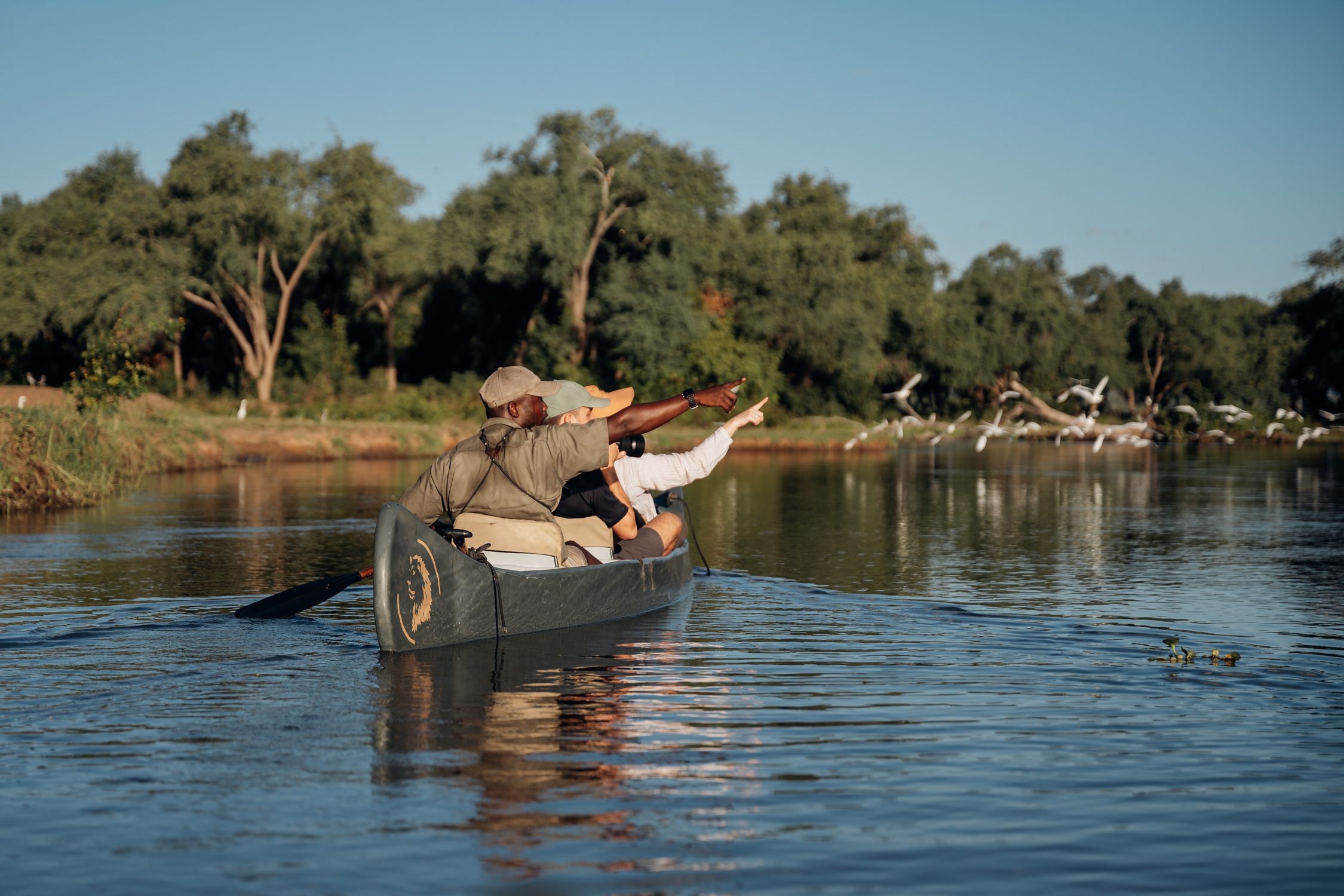
At the end of the channel we left the canoes behind, boarded a boat and ended the day with a sundowner on a small uninhabited island on the Zambezi river. What a day!
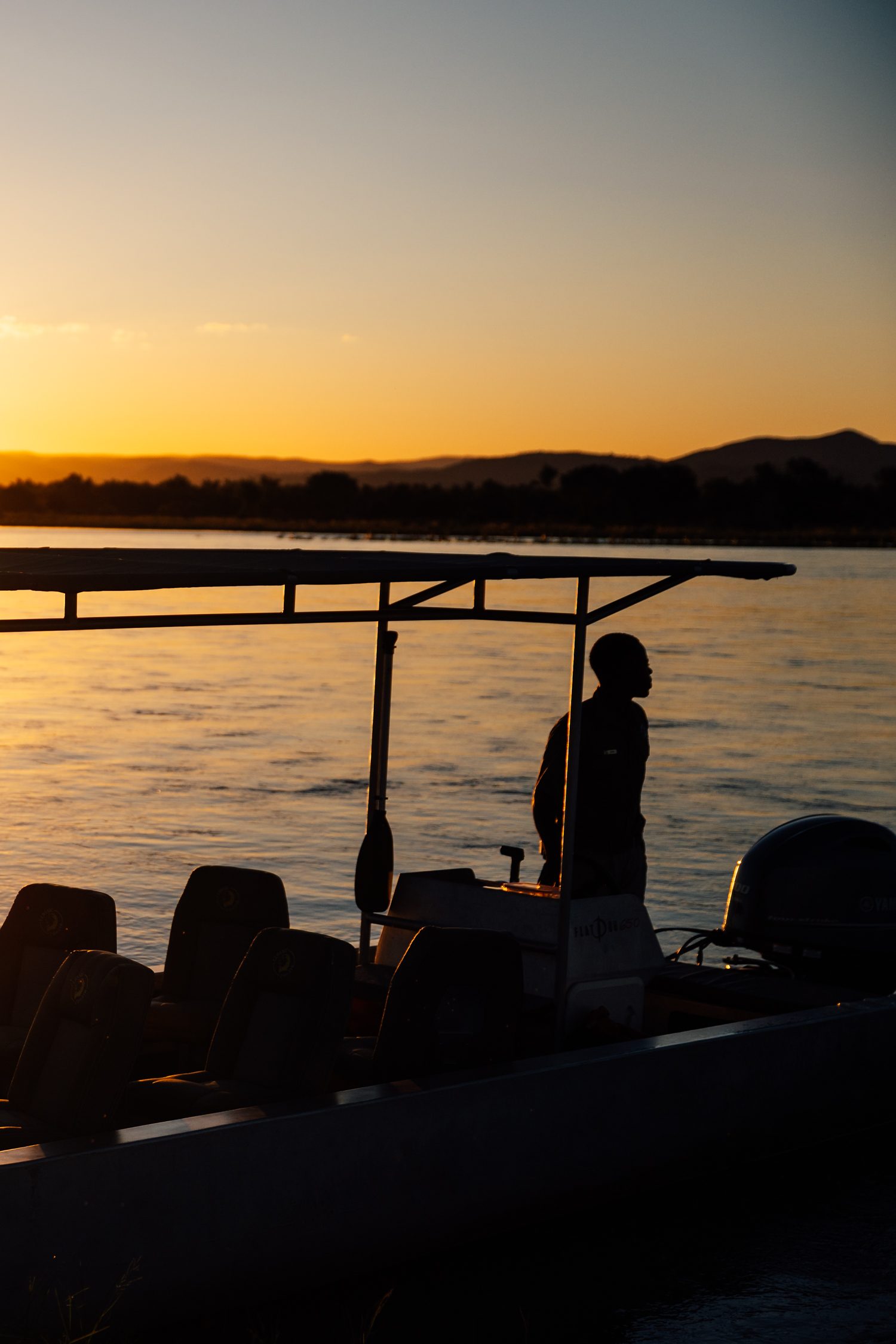
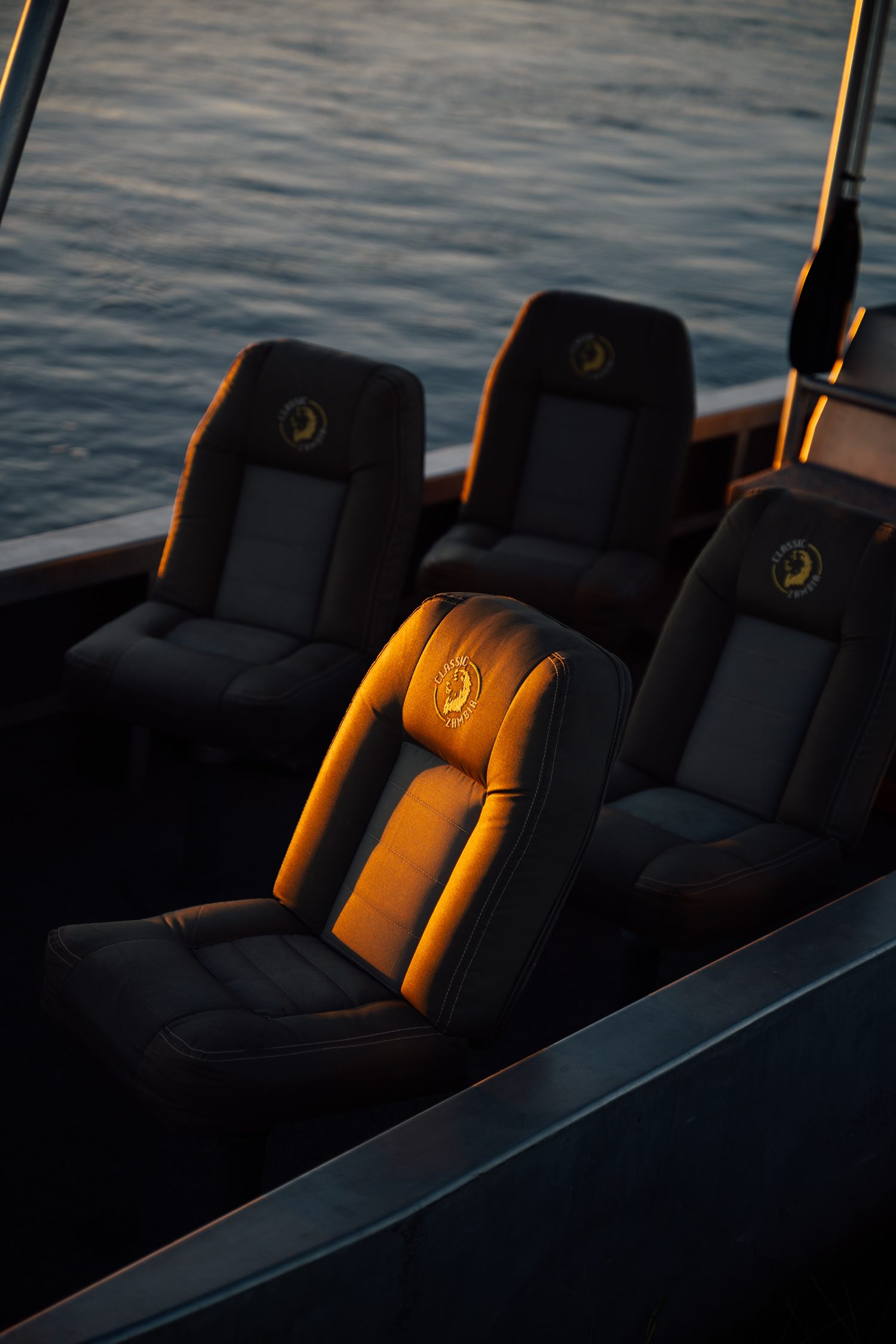
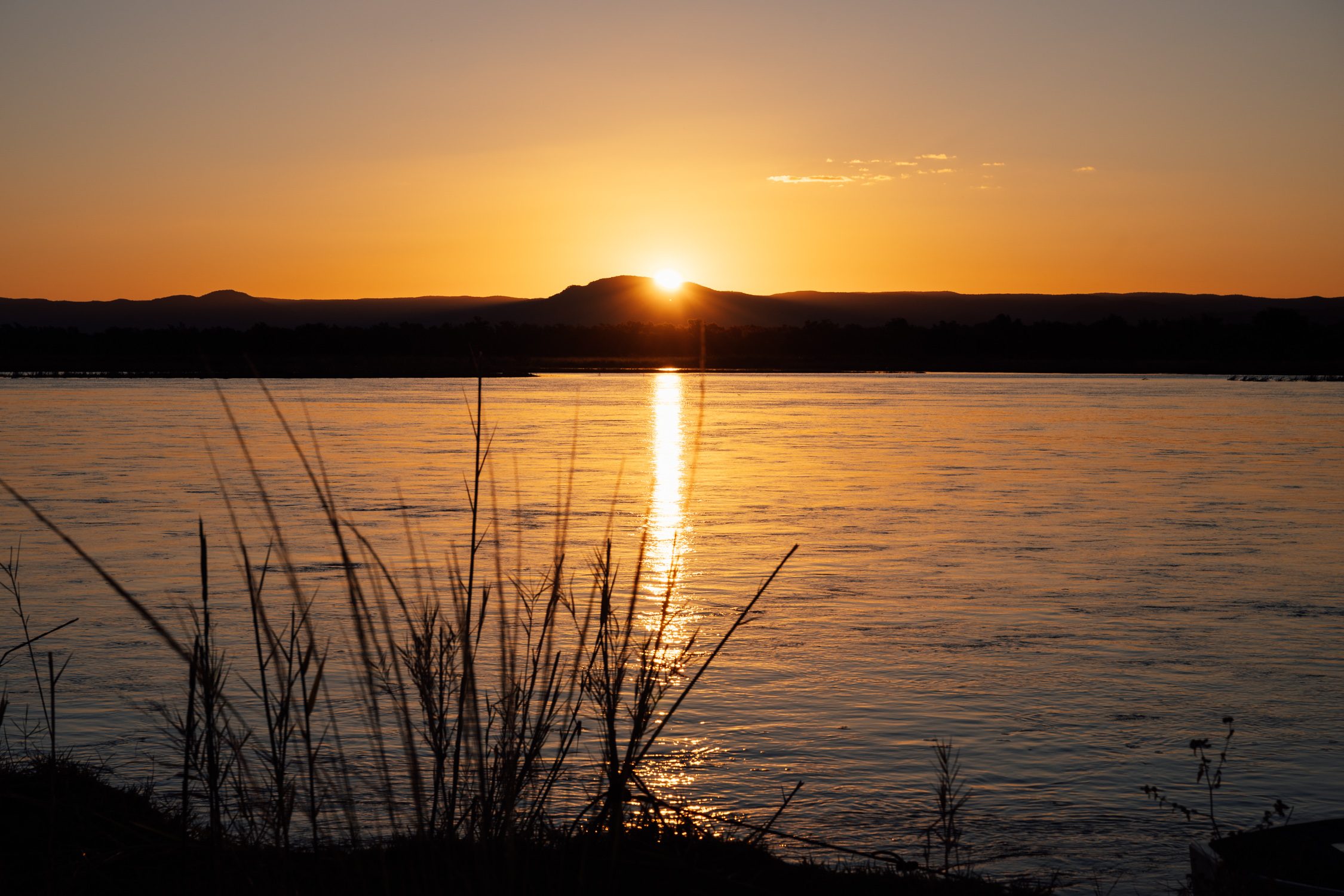
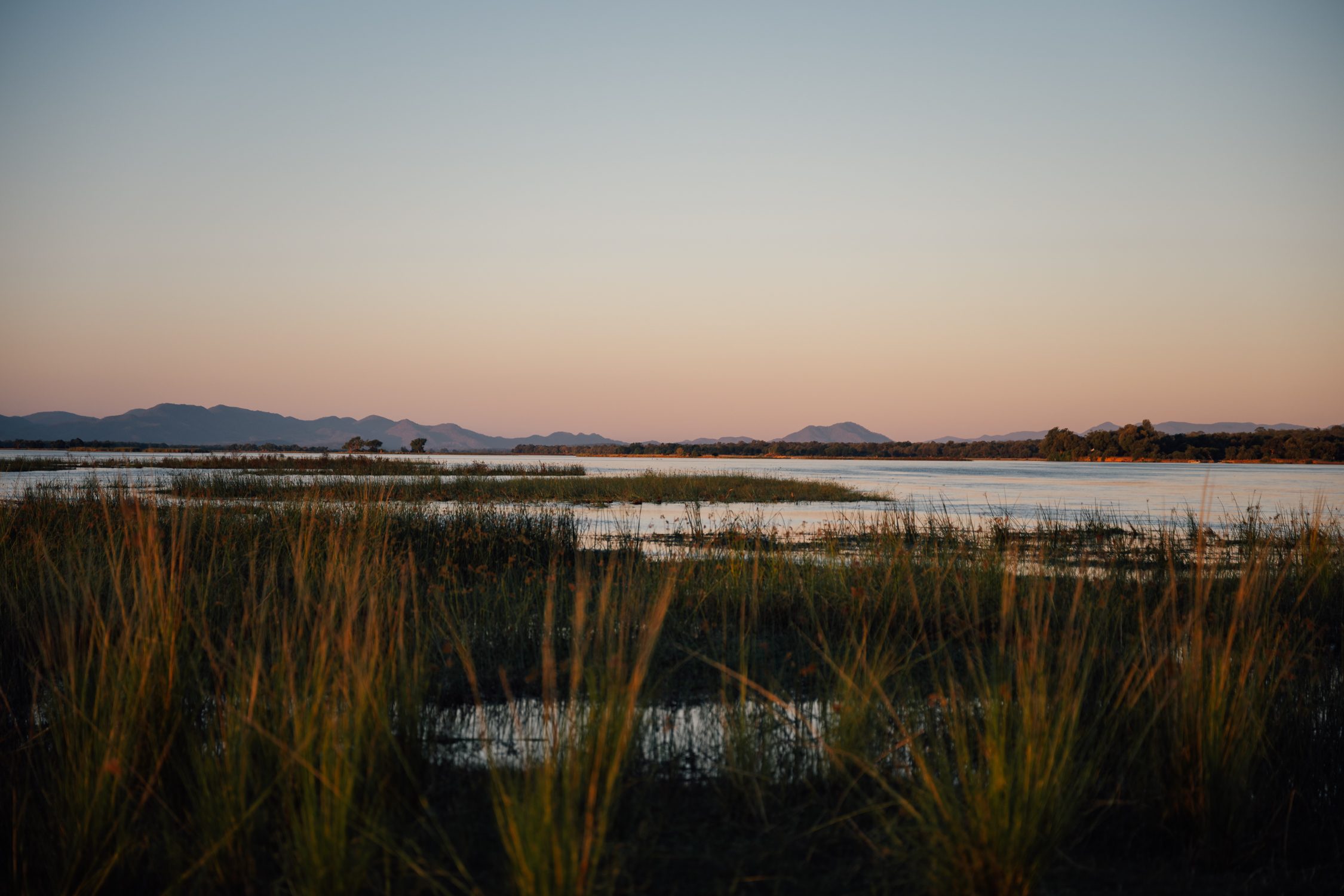
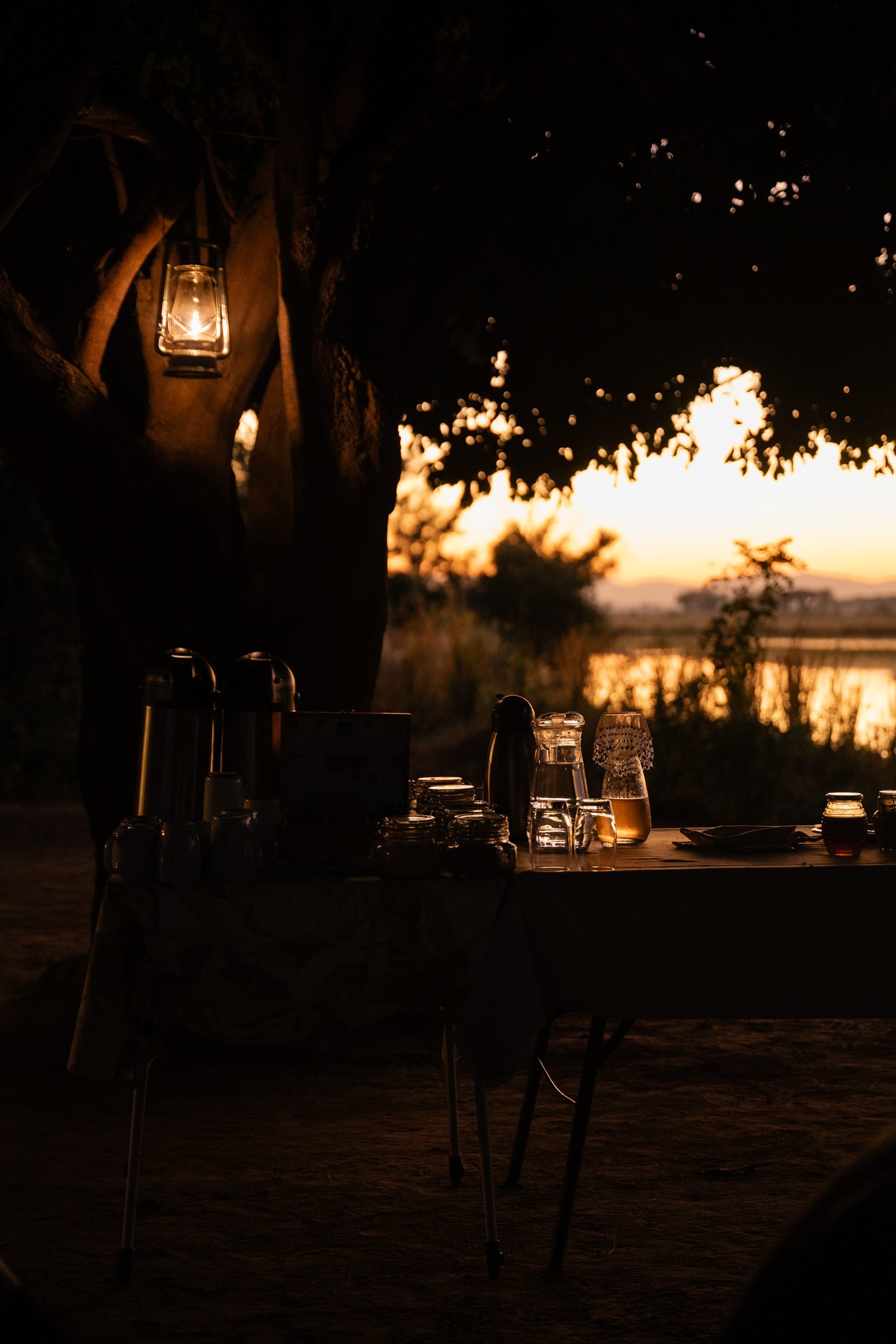
Our final days were just as rich. We got to meet the mating leopard pair on Chula island, two large male lions and even two porcupines on a night drive, and more heart-pounding encounters. A dinner under the stars on an island in front of Chula Camp made for a perfect evening.
On May 19th, our final morning, we got sent off with some last incredible sightings. We watched two male lions with an impala kill, saw the pack of wild dogs hang out in front of a neighbouring camp, and even a female leopard named Ngluwe, which I had never seen before. All of that just before we headed out to Jeki plains to catch our private charter flight back to Lusaka.
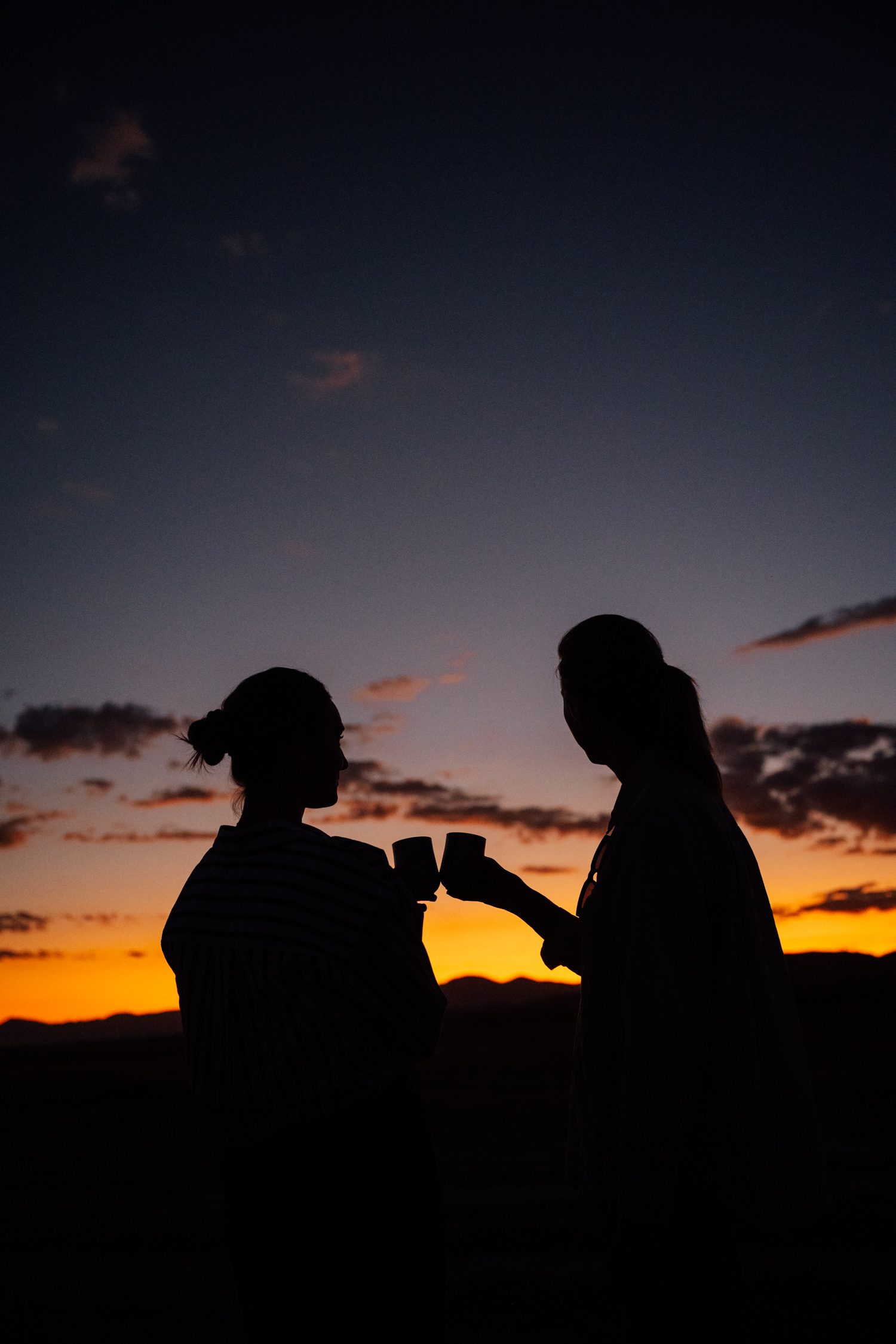
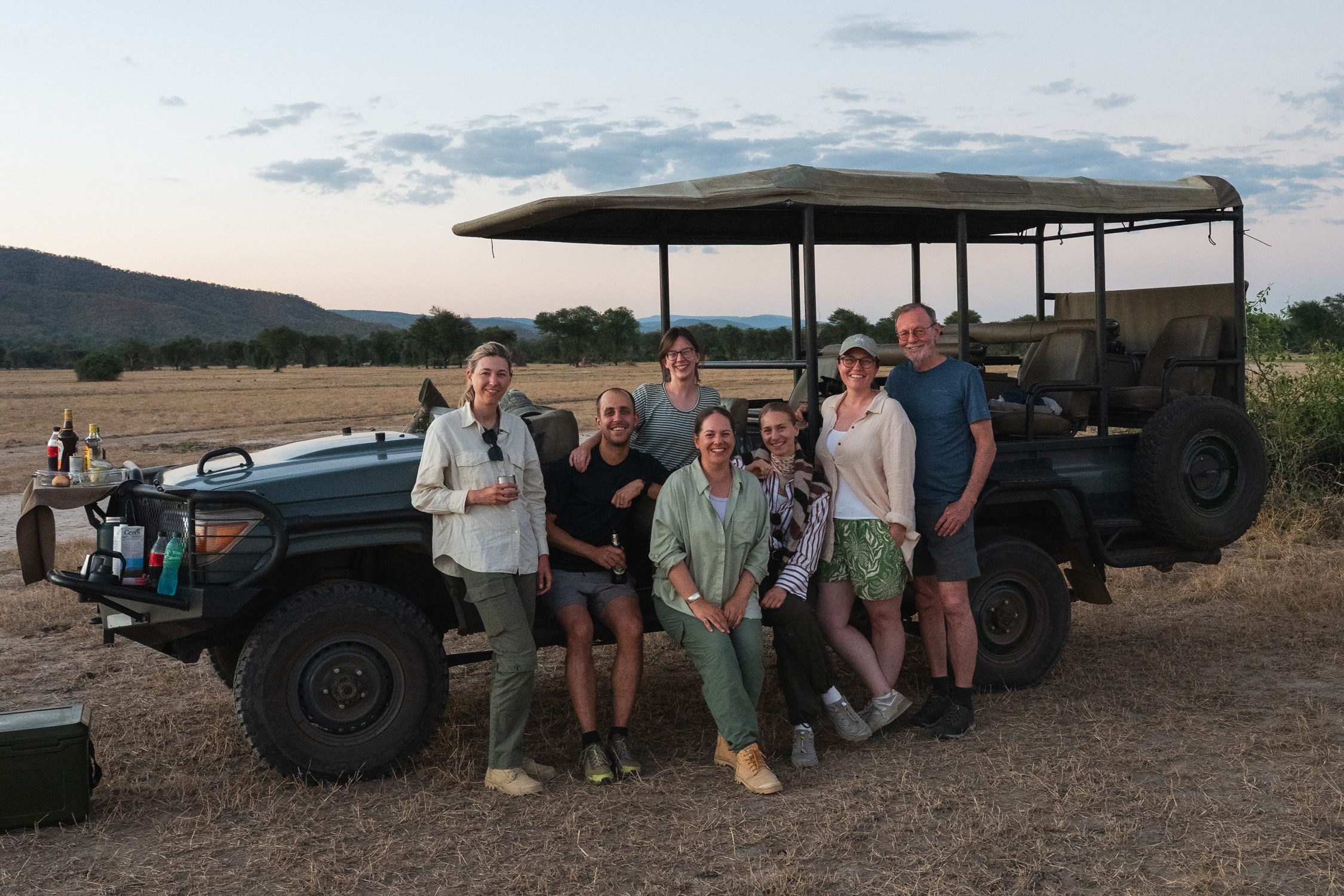
Zambia had once again offered us its wildest, rawest beauty—and in turn, left us humbled, inspired, and already dreaming of returning again.
The 2026 Zambia trip is already fully booked, but you can now inquire about 2027 at hello@marionpayr.com!