It’s a new year and like many of you we’re spending the first days with planning our next adventures for 2026. Last year we spent more than 130 days traveling to some of the most incredible corners of our planet. In 2026 we have a few trips booked in our calendar already, but there’s still space for more (and a never ending bucket list…).
If you’re also looking for ideas for the travel year 2026, let me share a few tips with you in this blogpost!
Last year we had the chance to discover a few new destinations like Borneo, Taiwan, Tanzania and Romania–each worth a trip for multiple reasons. We also returned to favourites like Botswana and Zambia, which will always remain on our bucket list–no matter how often we visit. These are all incredible destinations if you, like us, love nature immersion and wildlife experiences. From the savannas of East Africa in the low season to the mysteries of Borneo, these destinations hold special meaning for a trip in 2026.
Here’s why Borneo, Taiwan, Uganda, Tanzania, Botswana, Zambia and Romania should top your travel bucket list in 2026.
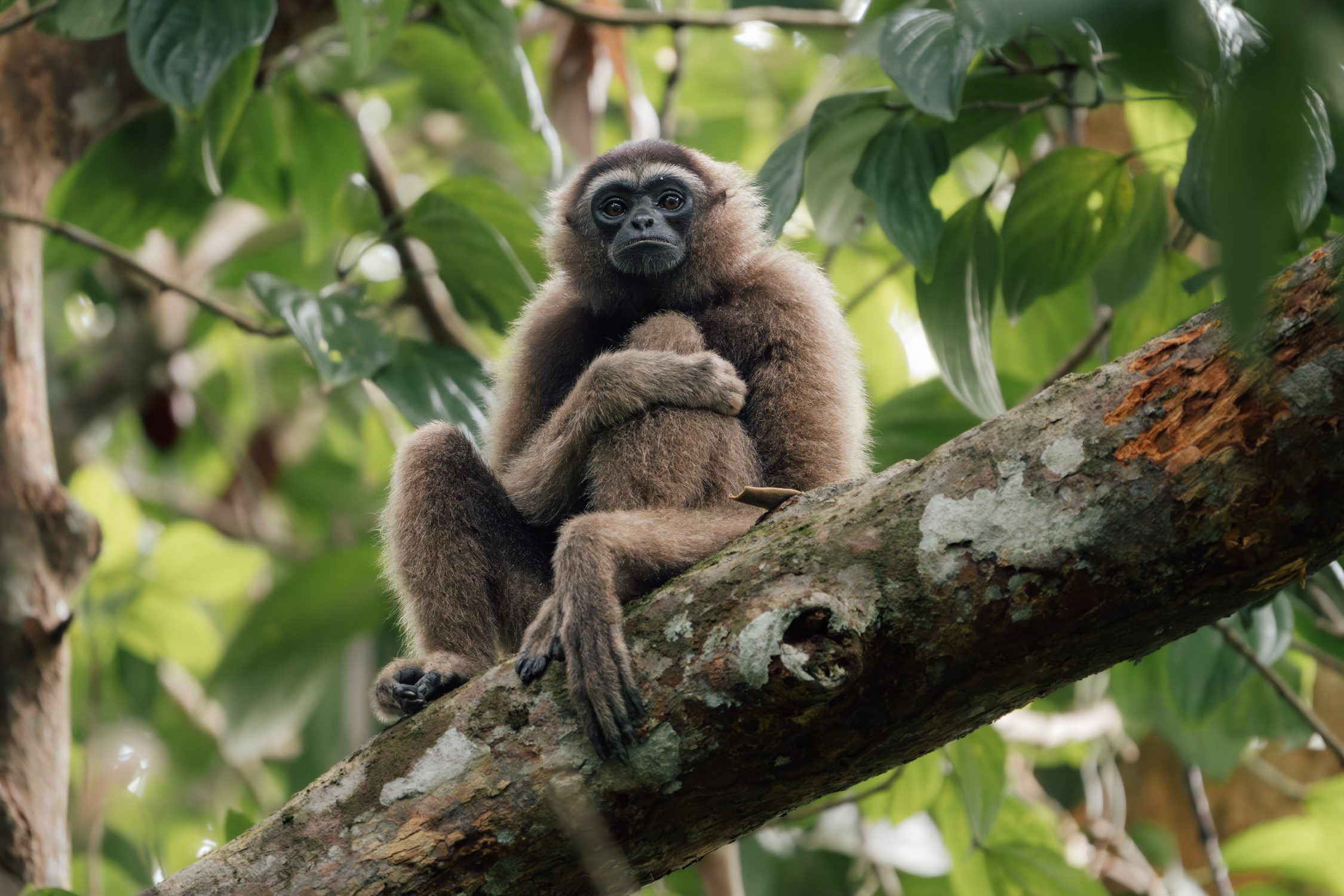
Borneo: Easier to travel than you think
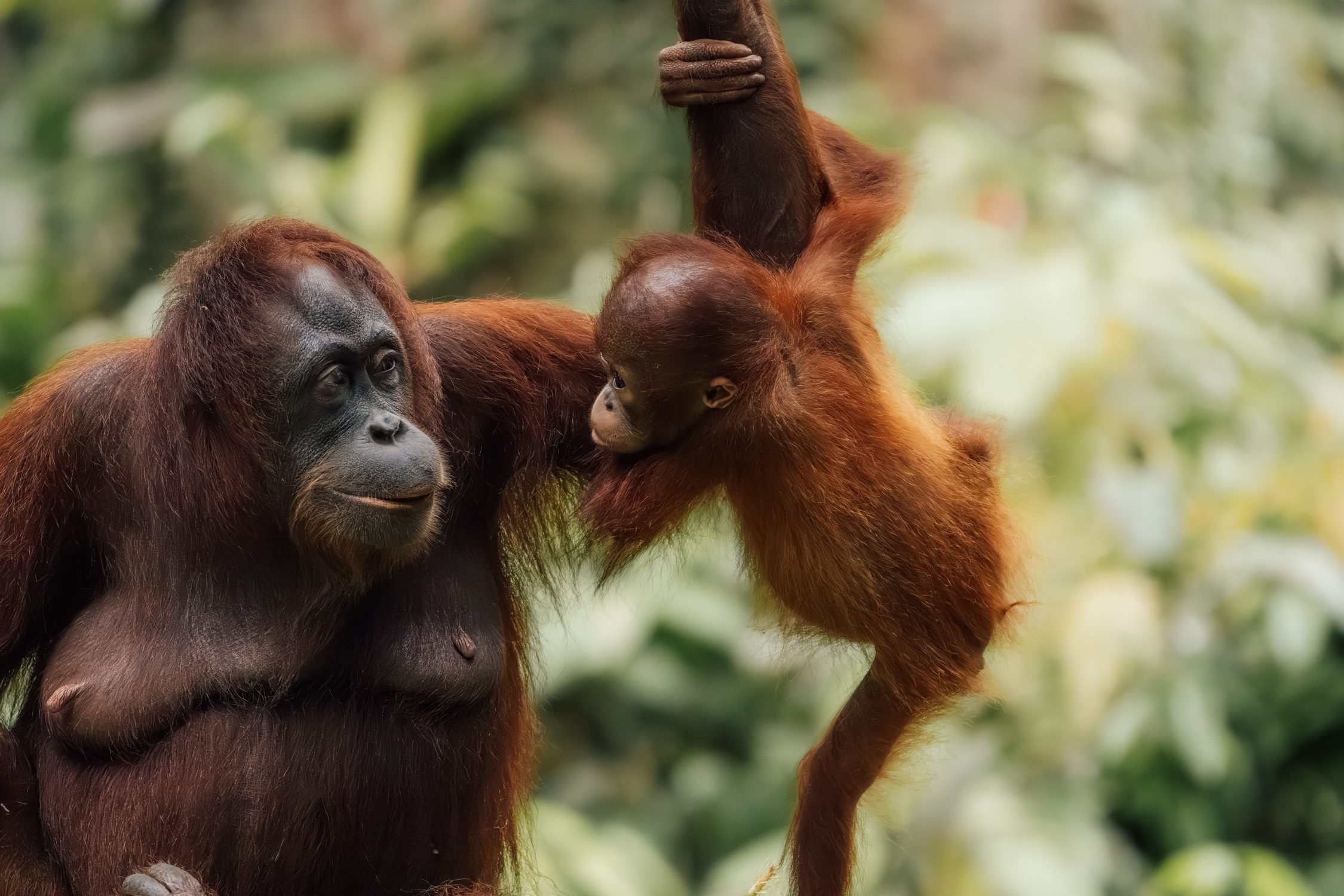
Secretly we’ve been dreaming of seeing orang-utans for many years. But somehow we were convinced that visiting Borneo was near impossible. Far away, hard to reach, expensive and complicated to travel. That’s what we thought! And boy, were we wrong… Borneo is surprisingly easy to travel and also way less expensive than we had thought. We visited an incredible ethical orang-utan sanctuary in Sepilok, traversed the Kinabatangan River on boat cruises and found ourselves surrounded by proboscis monkeys and giant hornbills on a daily basis. In 2026 Borneo continues to elevate its status for immersive nature and eco travel.
In Sabah (Malaysian Borneo), sustainable tourism experiences like the ones on offer by Borneo Eco Tours are spotlighting wildlife experiences rooted in social and ecological practices. Meanwhile, wildlife reserves such as Danum Valley remain bucket-list rainforest highlights, offering some of the richest biodiversity experiences in Southeast Asia. Though there aren’t major international hotel openings specifically announced for Borneo in 2026 yet (let’s see if things change in 2027 – spoiler alert 😉), the focus on low-impact stays, guided wildlife encounters, and sustainable traveling makes it a compelling choice for eco-minded travelers seeking orangutan sanctuaries, wildlife watching, and river-based activities with local stewardship and meaningful community engagement.
Find our complete Borneo travel guide here.
Taiwan: Our surprise of the year
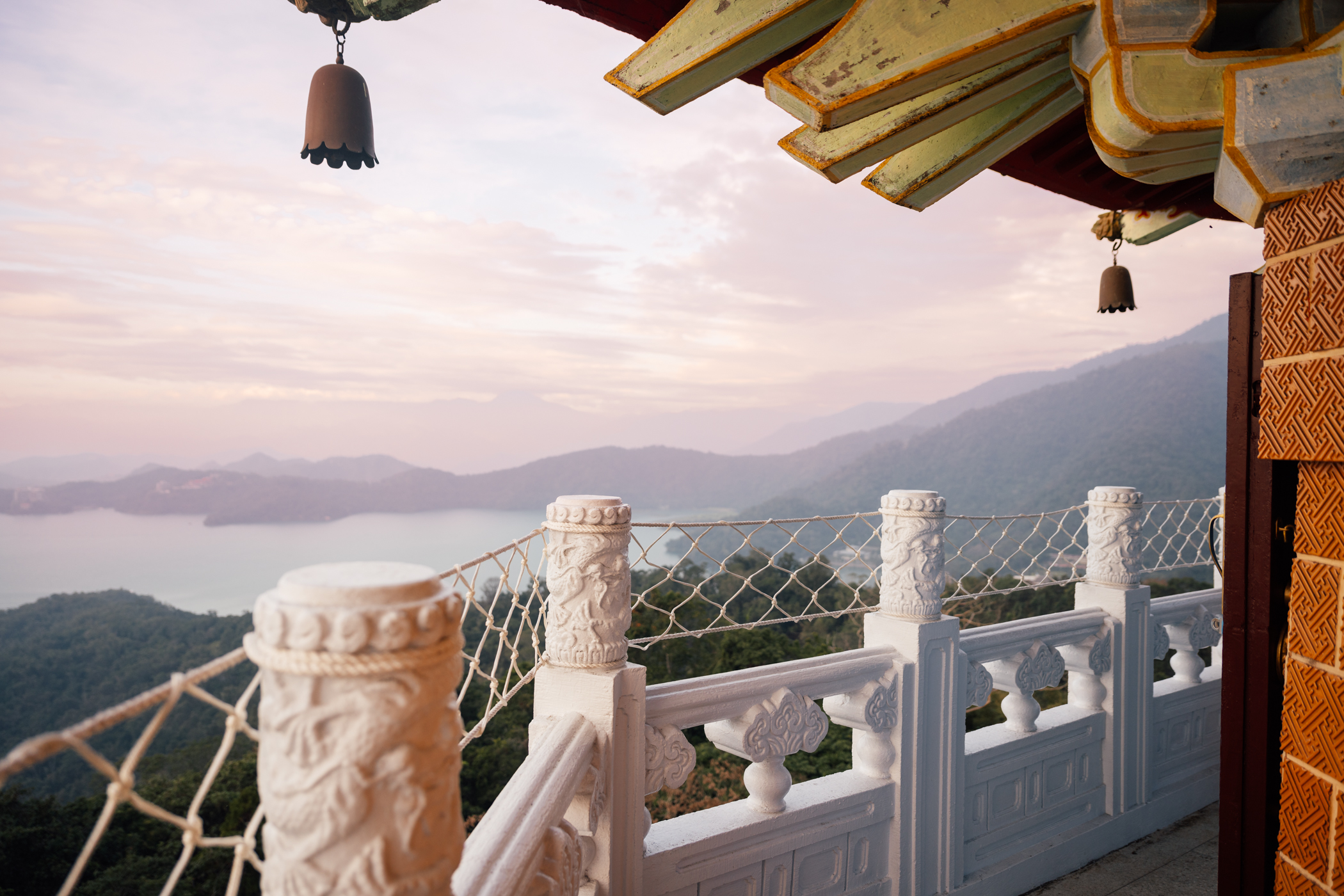
When we received the invite to visit Taiwan at first we didn’t have a clear idea of how much nature and green spaces can be found in the otherwise densely populated island nation. While the coastlines are heavily developed (with some of the most appalling architecture that we have ever seen), the interior of the country is surprisingly sparsely populated and home to many national parks.
We spent a week discovering a small fragment of the country and left craving more, as it feels like we just started to get a feeling for the natural beauty on offer here. We walked among cherry blossoms (in February!), went on bike trails around the stunning Sun Moon Lake, tested traditional tea and bathed in hot springs in the mountains. The government’s “Tourism 2030” vision aims to balance tourism growth with environmental preservation and cultural heritage and emphasises community-led experiences–making Taiwan an even more interesting destination in 2026.
Find our complete Taiwan travel guide here.
Uganda: Finally see gorillas in 2026
Uganda is rapidly emerging as one of East Africa’s most compelling travel destinations, especially for wildlife lovers and eco-travelers. We spent 10 unforgettable days traversing the pearl of Africa about a year ago and plan to return with a group of like-minded photographers in 2027. If you can’t wait that long and want to go in 2026, there’s a few good reasons to visit this year.
One of the most exciting developments is the planned opening of Kulu Ora Lodge by WildPlaces Africa in early 2026 in Murchison Falls National Park. Set within a newly designated 75,000-hectare low-impact zone, this 11-suite eco-luxury lodge promises intimate wildlife encounters. A conservation levy will directly benefit local protection efforts and communities.
More news is coming out of Kidepo National Park, with the new opening of Namoni camp (which means ‘born in the wild’) planned for May 2026. Personally we haven’t had the chance to visit this remote corner of Uganda as it’s a bit away from the regular tourism circuit. And that fact alone makes it even more appealing! Imagine wide open spaces, savannahs and rolling hills and a more private safari experience than in other parts of the country.
Another highlight is the Erebero Hills luxury eco-lodge in the Bwindi Impenetrable Forest, also set to open in 2026. Developed by Asilia Africa, this lodge combines sustainable luxury with deep nature immersion, including panoramic forest views, access to gorilla trekking, and a significant reforestation project planting thousands of native trees—a boon for both habitat protection and community engagement in this UNESCO World Heritage Site.
Find our complete Uganda travel guide here.

Tanzania: Visit in the green season
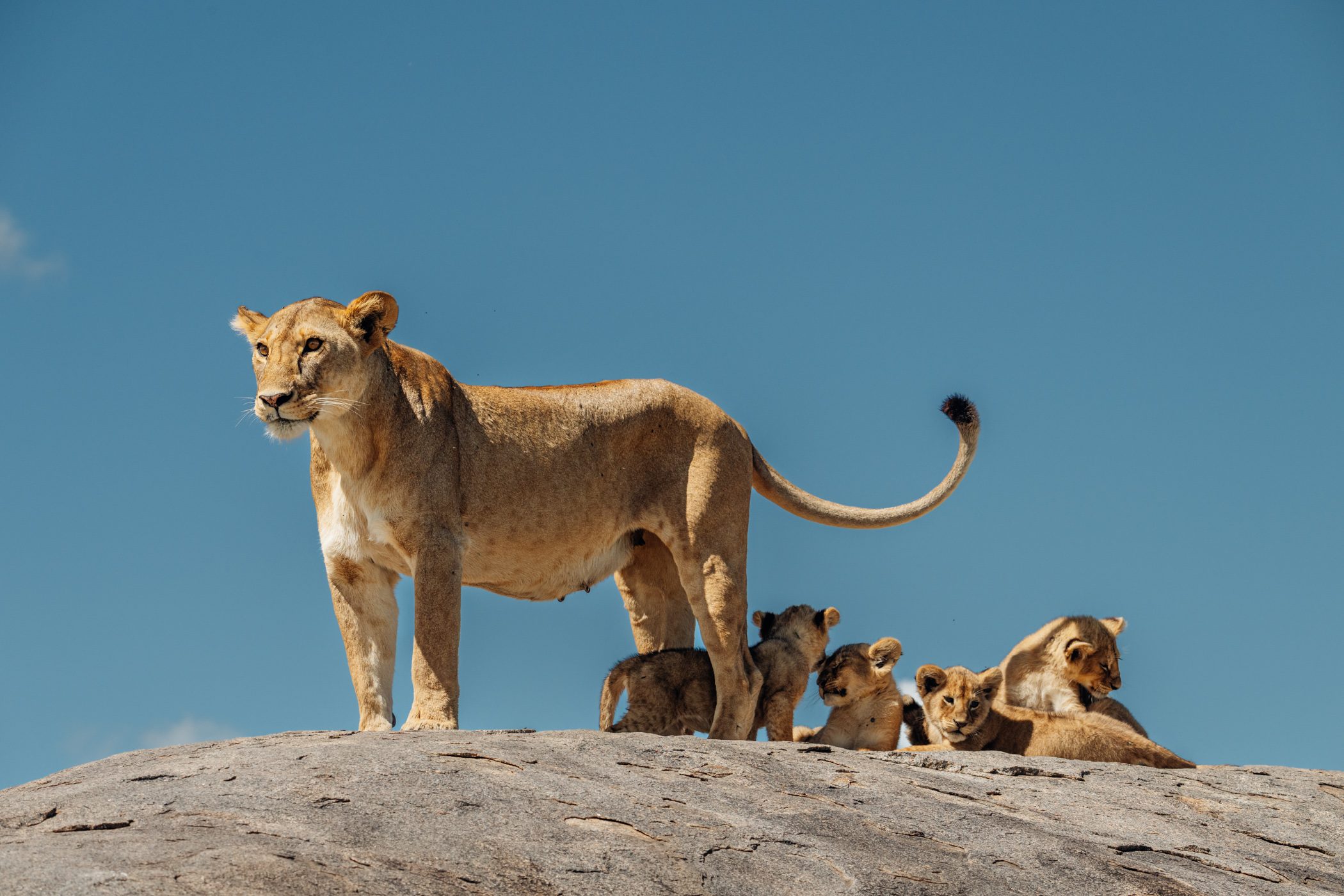
Tanzania might come as a bit of a surprise on this list, as it’s not a hidden gem at all and remains a firm favourite on the safari circuit. But we made an effort to visit in April, which is the peak of the rainy season, which Tanzanians are trying to rename into green season for obvious reasons.
The result: Blissfully calm moments in the Serengeti away from any crowds – sightings all to ourselves and full day drives without a single other car in sight. The downside: You might get caught in a shower once in a while, but the epic cloud build-up in the afternoon makes for incredible photographic opportunities too. And don’t worry: You’ll have plenty of sunny days as well! If you ever plan to traverse the famous (and sometimes crowded) Northern circuit of Tanzania, we would highly recommend to avoid the main season if you prefer a private experience.
Full travel guide is coming soon.
Botswana: Luxury safaris in private concessions
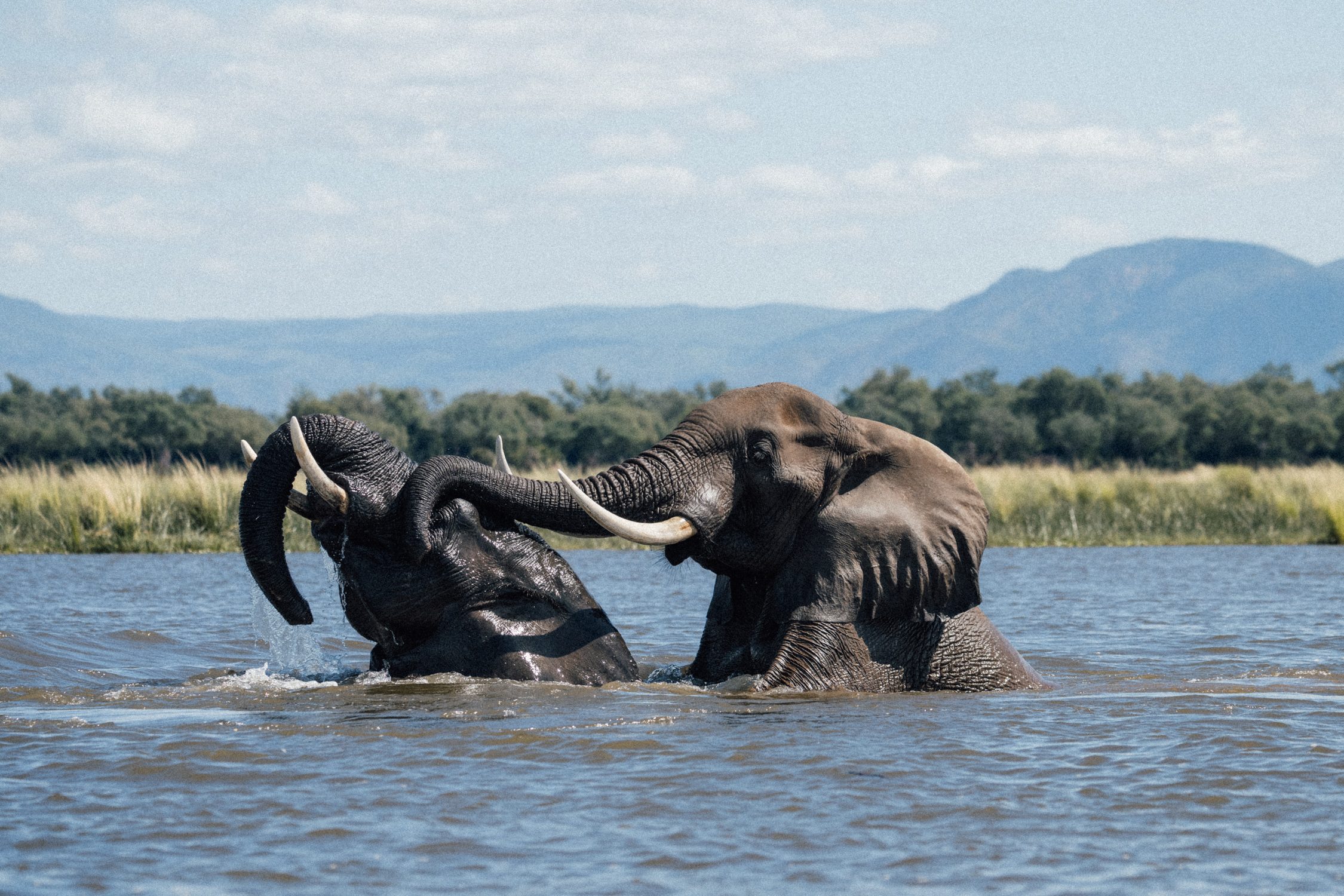
One of our very first safaris brought us to Botswana many moons ago, but since then we had been dreaming about a revisit. A few months ago we finally had the chance to return and loved it just as much (despite a lot more safari experience under our belt)! We revisited the outstanding Okavango Delta, which is home to some of the most famous private concessions of Southern Africa (and also the most luxurious safaris you can experience). But then we also went to Linyanti for the first time, which is home to huge herds of elephants (even at the very beginning of the season in May) and completes a diverse Botswana safari.
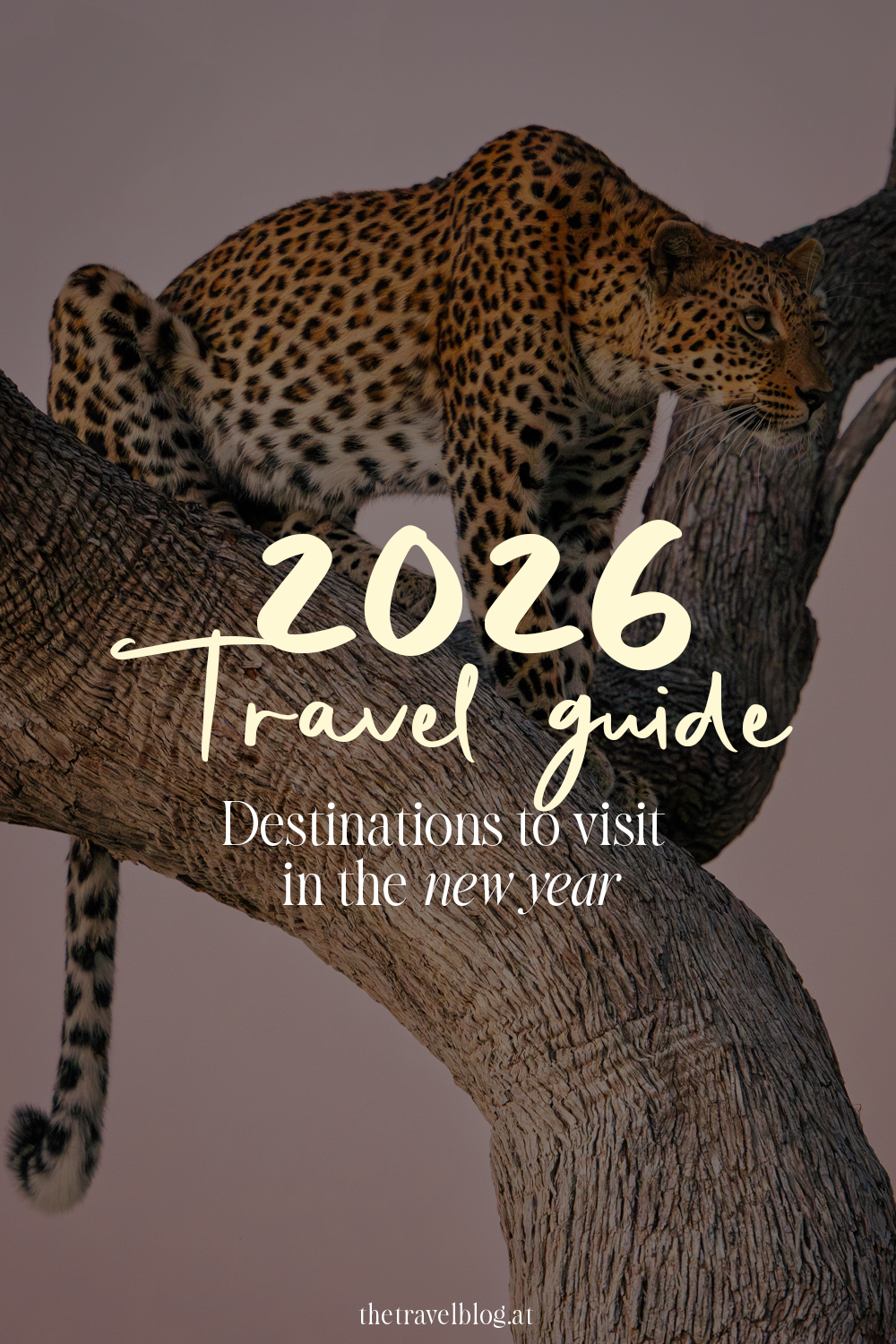
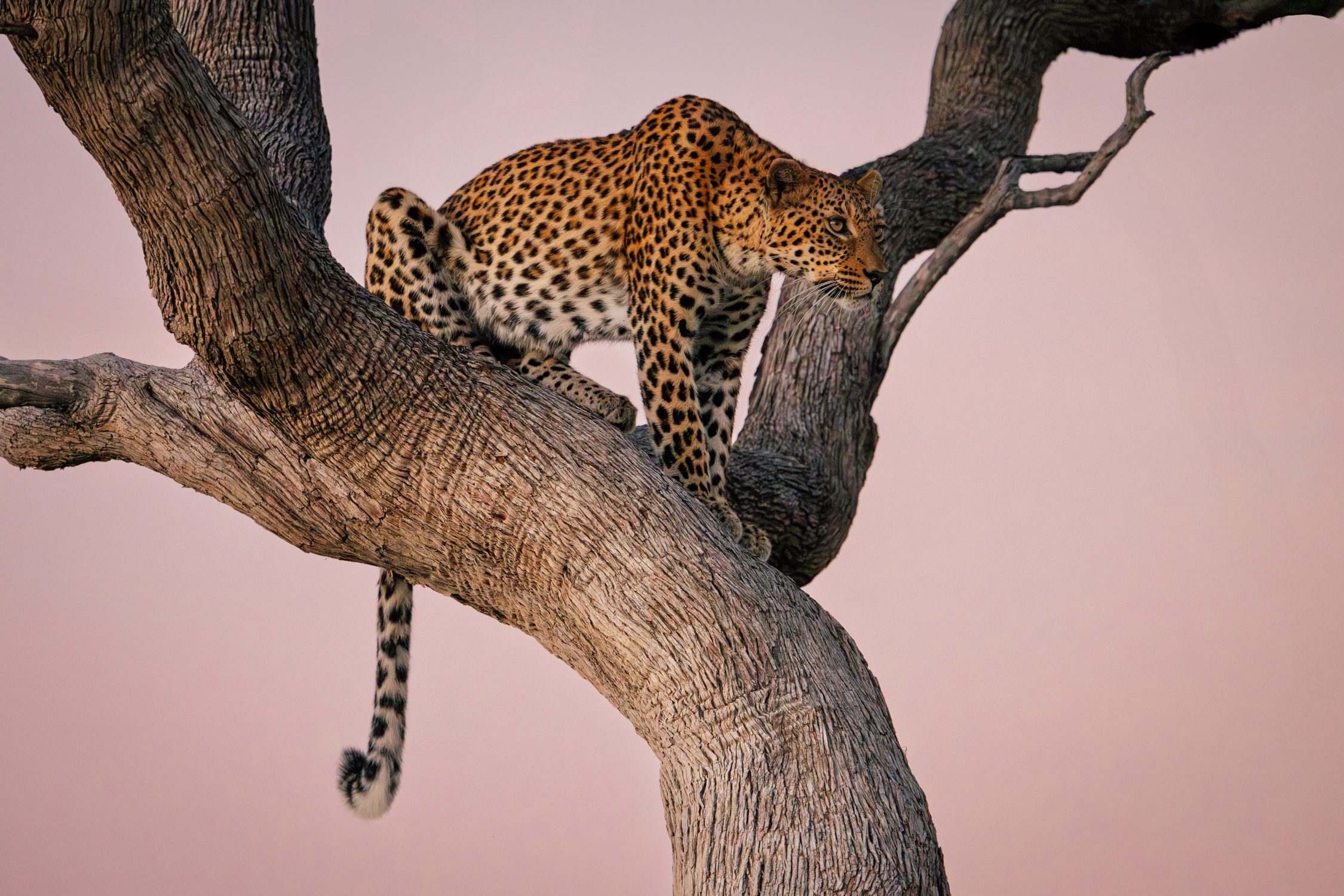
The picture of the leopard below is probably one of our favourite photos of the year and marks the moment we finally saw a true bucket list item: A beautiful female leopard up in a tree in the most stunning post sunset light. The wildlife density in Botswana is impressive, but the true asset is its low volume, high impact tourism model which almost guarantees private sightings.
Full travel guide is coming soon, here’s our guide from our first visit.
Zambia: Rising visitor numbers
In 2019 we visited Zambia for the first time and fell in love immediately. Since then we returned multiple times (last time in May 2025) and have another trip planned for 2026 already. Zambia’s prime draw remains its density of wildlife and relatively untouched natural beauty. Parks like South Luangwa, Lower Zambezi, and Kafue National Park deliver excellent opportunities to see elephants, lions, leopards, wild dogs, and a multitude of bird species in relatively uncrowded settings.
With a new tourism initiative the government has placed Zambia firmly on the map of experienced safari travellers, increasing arrivals by 53% in 2024 compared to the previous year. In 2025 the numbers look like the growth continues–so don’t wait too long to visit this exceptional country to still benefit from it’s incredibly private safari experiences (even without private concessions)!
Zambia is rapidly rising as one of Africa’s most exciting safari and nature-based destinations, thanks to significant tourism growth and a flurry of new lodge openings slated for 2026. My partners at Classic Zambia have two new properties opening in 2026, Kutandala Camp in the remote North Luangwa National Park (famous for walking safaris and Zambia’s only significant rhino population) as well as Lwenge River Camp, their new private property in the Kafue National Park.
Find our comprehensive Zambia travel guide here.
Romania: Europe’s wild heart
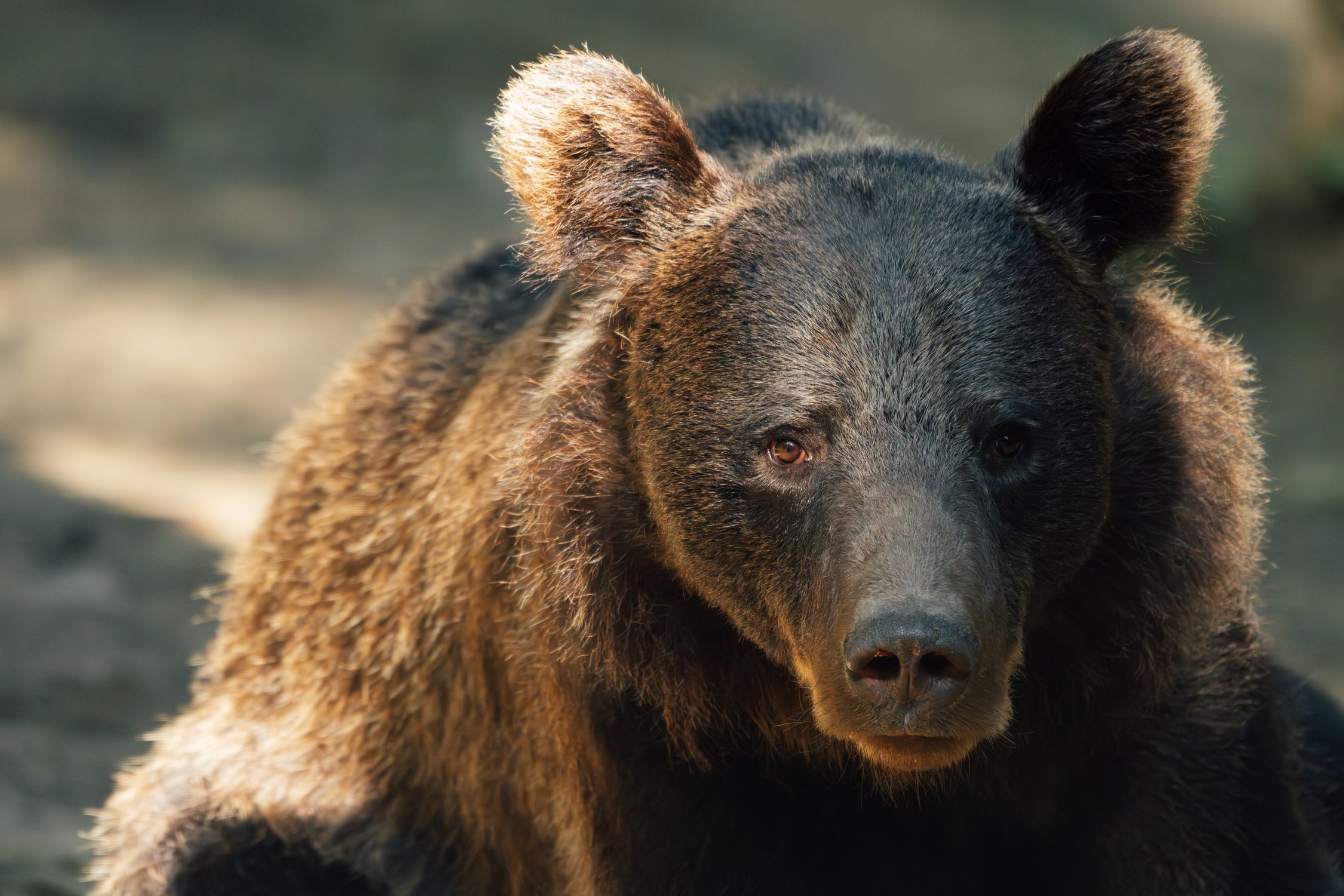
Romania is quietly gaining traction as a European destination with vast unspoiled nature, forest wilderness, and growing eco-tourism interest. While it doesn’t have a wave of new big hotels like some other destinations, the broader region — especially the Carpathian Mountains and (often privately owned) forests — offers superb wildlife and nature experiences, especially significant brown bear populations.
That’s exactly the reason why we visited Romania the first time last summer and spent time with an impressive number of brown bears (watched carefully from hides).
Local initiatives, like small eco-friendly guesthouses and rural stays, are also gaining popularity for travellers seeking authentic, sustainable experiences. We stayed at Zabola Estate, which is privately owned and part of a wider group of individuals fighting for Romania’s wild spaces. The estate itself is partly crumbling, partly newly renovated, set in a huge park and offers privately guided bear watching with expert wildlife guides.
Combined with Romania’s fortified medieval towns, dense forests, and river valleys, 2026 is ideal for travellers looking to explore Europe’s wild side, disconnect from crowds, and immerse in nature-rich landscapes at a relatively gentle pace and cost.
Full travel guide is coming soon.
So… where should you go in 2026? (And why your travel choices actually matter)
If there’s one clear takeaway from Taiwan, Borneo, Tanzania, Botswana, Romania, Uganda and Zambia, it’s this: 2026 is the year travel goes deeper, slower, and greener — and thankfully, much more interesting than just ticking off landmarks.
Across these destinations, the big trend isn’t bigger hotels or louder attractions. It’s smaller lodges, wilder places, stronger conservation efforts, and travel that leaves a positive impact.
Taiwan is quietly reinventing itself as an eco-savvy Asian destination where hot springs, mountains and nature trails invite travellers. Borneo is doubling down on community-led rainforest tourism, proving that orangutans, hornbills and people can all benefit when tourism is done right.
Africa’s safari destinations are also ever evolving. Tanzania, Botswana, Uganda and Zambia are all welcoming new low-impact lodges designed to protect ecosystems while giving travellers front-row seats to some of the planet’s greatest wildlife spectacles — from gorilla trekking and river safaris to vast predator-rich plains. Zambia’s rising visitor numbers show that travellers are actively seeking less crowded, conservation-first safari destinations.
Then there’s Romania — quietly wild, refreshingly uncrowded, and a reminder that meaningful nature travel is also possible in Europe. Ancient forests, brown bears, rural guesthouses and slow village life make it one of Europe’s most underrated eco-destinations.
The 2026 travel sweet spot
What makes 2026 special is timing. Many of these destinations are:
- Opening new eco-focused lodges
- Investing heavily in conservation and community tourism
- Still ahead of the crowds
- Actively shaping tourism that protects wildlife and landscapes
What’s on your bucket list for 2026?
Pin and save this post for your next trip: